

Contents
Dealing with missing teeth back in the US or Canada often feels like choosing between your smile and your savings account. You visit a local dentist hoping for a straightforward restorative solution, only to be handed a treatment estimate that rivals a down payment on a car. This financial barrier is exactly why so many patients are combining their dental rehabilitation with a short trip to the Mexican coast. Getting dentures in Puerto Vallarta, Mexico offers a practical way to restore your bite and your confidence without the overwhelming domestic price tag.
Beyond the appealing setting, the real draw is the transparent care and manageable expenses. A standard acrylic denture here typically runs between $600 and $1,200 per arch, compared to the $2,500 or more you might encounter back home. When evaluating providers, it is wise to look for local credentials, such as an active membership with the Asociación Dental Mexicana (ADM), to ensure the facility meets rigorous safety and hygiene standards. By doing your research, you can find high-quality prosthetics that allow you to eat, speak, and smile naturally again.
Quick Facts at a Glance
Trying to piece together a medical trip on your own can quickly turn a stress-free plan into a logistical headache. Comprehensive dental bundles are designed to remove the guesswork from your journey south of the border. These inclusions typically cover the initial consultation, panoramic X-rays, the denture fabrication, and all necessary fitting adjustments.
Some practices even roll airport transfers and local accommodation assistance into their offerings, making your arrival entirely seamless. To figure out what works best for your itinerary, explore and compare the below packages to see which comprehensive option fits your timeline and expectations.
`Understanding exactly what you will pay is the cornerstone of planning any dental care trip abroad. The cost for dentures in Puerto Vallarta generally ranges from $600 to $1,500 per arch, largely depending on whether you choose traditional acrylic, flexible partials, or higher-end porcelain materials.
This presents a substantial reduction compared to North American prices, which often exceed $2,500 for similar prosthetics. Transparent pricing means there should be no hidden lab fees or surprise adjustment charges added during your visit. Review and compare the below cost estimates to determine which restorative option makes the most sense for your financial plan.
Dentures Cost Comparison in Mexico
| Country | Procedure | Price |
|---|---|---|
| United Kingdom | Dentures, Dentistry | $1900 |
| Canada | Dentures, Dentistry | $1300 |
Finding the right dental facility abroad is about more than just a welcoming reception area and modern decor. When reviewing clinics for your restorative dental work, focus heavily on their verifiable credentials, sterilization protocols, and technology. Look for practices that maintain active memberships with the Asociación Dental Mexicana (ADM) or hold prominent international accreditations.
It is entirely acceptable to ask a clinic whether they have an in-house dental lab, which can drastically speed up your fitting process and allow for same-day adjustments. Take the time to evaluate and compare the below clinic profiles to see which facility aligns with your specific dental needs and personal comfort level.
Smile Vallarta
Puerto Vallarta, Mexico
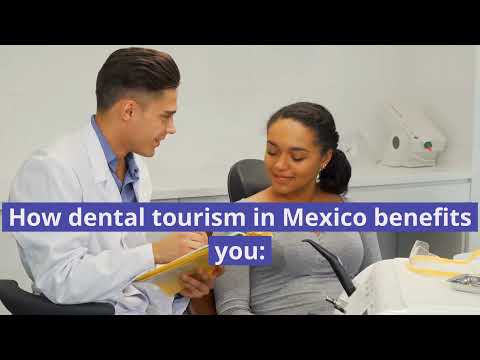
Sometimes reading about a dental procedure just isn't enough to fully calm the nerves before traveling. Watching firsthand accounts and clinic walk-throughs provides a much clearer picture of what to expect during your time in Mexico. Video tours allow you to see the modern dental technology in action and observe the chairside manner of the treating prosthodontists.
Hearing directly from other patients who have navigated the same process can also provide valuable tips for a smoother experience. Take a moment to watch and compare the below videos to get a genuine feel for the local dental care environment.

Hearing from those who have already sat in the dentist's chair is invaluable when making your final treatment decision. Patient feedback offers genuine insights into the day-to-day operations of a clinic, extending far beyond what their official website might display.
Pay close attention to comments about how well the practice handles follow-up adjustments and the long-term comfort of the final prosthetic fit. Consistent mentions of clear communication and an empathetic staff are strong indicators of a reliable dental team. Browse and compare the below patient reviews to see which clinic consistently delivers satisfactory results for international travelers.

Planning a trip for restorative dentistry naturally brings up a lot of specific questions about logistics, lab times, and ongoing care. Below are some of the most common concerns patients have when traveling to the Mexican coast to restore their smile.
How long do I need to stay in Puerto Vallarta for dentures?
You should typically plan to stay for 5 to 10 days. This allows enough time for the initial impressions, the dental lab to fabricate the dentures, and several follow-up visits to ensure the bite and fit are perfectly adjusted before you fly home.
Will the dental clinic staff speak English?
Yes, Puerto Vallarta is a major destination for medical tourism. The primary dentists, prosthodontists, and patient coordinators at clinics catering to international patients speak fluent English to ensure clear communication regarding your treatment plan.
Are the denture materials used in Mexico safe?
Reputable clinics in Mexico use the same high-quality, FDA-approved materials found in the United States and Canada, such as high-impact acrylics, flexible resins, and medical-grade porcelain or zirconia for the artificial teeth.
What happens if my dentures need adjusting after I return home?
While clinics strive for a perfect fit before you leave, minor sore spots can develop later. Some larger Mexican clinics have partner practices in the US for simple adjustments. Otherwise, you may need to pay a local dentist at home a small fee for a routine adjustment.
Is it safe to travel to Puerto Vallarta for dental care?
Puerto Vallarta is generally considered one of the safest tourist cities in Mexico. The resort areas, downtown, and medical districts are highly secure and well-patrolled, making it a very comfortable environment for international patients.
Can I get implant-supported dentures in Puerto Vallarta?
Absolutely. Implant-supported options, such as All-on-4 or snap-in overdentures, are very common. However, this process typically requires two separate trips: one for placing the implants and a second trip months later to attach the final permanent denture.
Will I need tooth extractions before getting my dentures?
This depends entirely on your current oral health. Your dentist will take panoramic X-rays upon arrival. If damaged teeth need to be removed, it will be done before taking impressions for your immediate or permanent dentures.
Do local clinics have their own in-house dental labs?
Many top clinics treating international patients feature on-site laboratories. This is a major advantage, as it allows the lab technicians and the dentist to collaborate directly, drastically speeding up the manufacturing and adjustment phases of your dentures.
How do I pay for my dental procedures in Mexico?
Most established dental practices accept major credit cards, debit cards, cash (US Dollars or Mexican Pesos), and bank wire transfers. Always ask your chosen clinic about their specific payment policies and potential processing fees before traveling.
Can I eat normally while waiting for my permanent dentures?
If you receive immediate dentures or are having extractions, your dentist will recommend a strict soft-food diet for the first few days to protect your gums. Puerto Vallarta has numerous restaurants that easily accommodate soft diets with soups, smoothies, and soft fish dishes.
Is it safe to get dental implants in Mexico
Getting dental implants in Mexico has become an increasingly popular option for individuals seeking affordable and high-quality dental care. Generally, it is safe to get dental implants in Mexico, provided you do thorough research, choose a reputable clinic, and understand the process. This guide will walk you through the essential aspects of dental implant safety in Mexico, helping you make an informed decision. Many people are drawn to Mexico for dental procedures due to significant cost savings compared to the US and Canada. However, the primary concern is often whether the quality and safety standards are comparable. The good news is that numerous Mexican dental clinics adhere to international standards, employing experienced, often US-trained, dentists and utilizing modern technology. Let's delve into the common questions and concerns people have about getting dental implants in Mexico. What are Dental Implants? "Dental implants are artificial tooth roots, typically made of titanium, that are surgically placed into the jawbone beneath your gums to hold a replacement tooth or bridge." Dental implants serve as a strong foundation for fixed (permanent) or removable replacement teeth that are made to match your natural teeth. They are an excellent long-term solution for missing teeth because they fuse with your jawbone through a process called osseointegration. This provides stable support for artificial teeth, preventing them from slipping or shifting in your mouth, which is a common problem with dentures or bridges. There are several types of dental implants, including endosteal (in the bone) and subperiosteal (on the bone). Endosteal implants are the most common type. The success of a dental implant largely depends on the health of the patient's jawbone and their commitment to oral hygiene. Why Consider Dental Implants in Mexico? "Many people consider dental implants in Mexico primarily due to the significant cost savings, access to high-quality care from experienced professionals, and the opportunity to combine dental treatment with travel." The cost of dental implants in countries like the United States can be prohibitively expensive for many. Mexico offers a much more affordable alternative, often with savings of 50-70% for the same procedures using similar high-quality materials and technology. This affordability doesn't necessarily mean a compromise on quality. Many Mexican dentists are highly trained, with some having received education and certifications in the US or Europe. Furthermore, popular dental tourism destinations in Mexico, such as Los Algodones (often called "Molar City"), Tijuana, Cancun, and Puerto Vallarta, have numerous clinics equipped with state-of-the-art technology. Patients can often receive prompt treatment without long waiting lists. The proximity to the US also makes it a convenient option for many North Americans. Is it Actually Safe to Get Dental Implants in Mexico? "Yes, it is generally safe to get dental implants in Mexico, provided you choose accredited clinics with qualified dentists and modern equipment. Many clinics adhere to international hygiene and safety standards comparable to those in the US and Europe." The safety of dental implants in Mexico is a valid concern, but a blanket statement about it being unsafe is inaccurate. Like anywhere in theworld, the quality of dental care can vary. However, reputable clinics in Mexico prioritize patient safety and often hold international accreditations (e.g., from the American Dental Association or the International Organization for Standardization - ISO). These clinics follow strict sterilization protocols and use high-quality materials, including FDA-approved implants from well-known international brands. Tens of thousands of US and Canadian patients successfully receive dental treatment in Mexico each year. The key is diligent research to identify established clinics with positive patient reviews and certified professionals. Many dentists in popular Mexican dental tourism spots are bilingual, facilitating clear communication. What are the Risks Associated with Dental Implants in Mexico? "The risks associated with dental implants in Mexico are similar to those in any other country and include infection, implant failure, nerve damage, or sinus problems. Choosing a qualified and experienced implantologist and a clinic with high sterilization standards can minimize these risks." Any surgical procedure, including dental implant placement, carries potential risks. These include: Infection at the implant site. Implant failure, where the implant doesn't integrate with the jawbone (osseointegration). Nerve damage, which can cause pain, numbness, or tingling in your natural teeth, gums, lips, or chin. Sinus problems, if implants placed in the upper jaw protrude into one of your sinus cavities. Damage to surrounding structures, such as other teeth or blood vessels. While these risks exist, they are not necessarily higher in Mexico if you select a reputable clinic. Factors that can increase risk include smoking, poor oral hygiene, and pre-existing medical conditions like uncontrolled diabetes. A thorough pre-operative assessment by your Mexican dentist will help identify and mitigate these risks. How Do Costs for Dental Implants in Mexico Compare to the US? "Dental implants in Mexico can cost significantly less than in the US, often ranging from $750 to $2,000 per implant, including the abutment and crown, compared to $3,000 to $6,000 or more per implant in the US." The primary driver for dental tourism in Mexico is the substantial cost difference. For example, a single dental implant procedure that might cost $4,000 in the US could be around $1,200 in Mexico. For full-mouth restorations like All-on-4 implants, savings can be even more dramatic, potentially tens of thousands of dollars. These lower costs are due to several factors, including lower labor costs, reduced overhead expenses (rent, utilities), and a generally lower cost of living in Mexico. It's important to get a detailed quote that includes all aspects of the procedure – the implant itself, the abutment, the crown, surgical fees, and any necessary imaging or bone grafting – to make an accurate comparison. How Do I Find a Qualified Dentist in Mexico for Implants? "To find a qualified dentist for dental implants in Mexico, look for credentials such as specialization in implantology or oral surgery, years of experience, patient testimonials, and memberships in reputable dental associations (Mexican or international)." Research is crucial. Start by looking for dentists who have specific training and experience in dental implant procedures. Many top Mexican dentists have received training in the US or Europe and are members of organizations like the Mexican Dental Association or even the American Dental Association (ADA). Check online reviews and testimonials, but be discerning. Look for detailed reviews that discuss the specific clinic and dentist. Before-and-after photos can also be helpful. Don't hesitate to ask the clinic directly about the dentist's qualifications, the number of implant procedures they've performed, and their success rates. What Should I Look for in a Mexican Dental Clinic? "When choosing a Mexican dental clinic for implants, look for international accreditations, modern technology (like 3D CBCT scanners), strict sterilization protocols, English-speaking staff, transparent pricing, and positive patient reviews." A reputable clinic will be transparent about its practices and qualifications. Key things to verify include: Accreditation and Certifications: Look for clinics accredited by bodies like the ISO or recognized by dental tourism facilitators. Technology and Equipment: Modern clinics use advanced diagnostic tools like digital X-rays and 3D Cone Beam Computed Tomography (CBCT) scanners for precise implant placement. They should also have an in-house lab or work with a high-quality one. Sterilization and Hygiene: The clinic should follow international sterilization standards (e.g., using autoclaves) to prevent cross-contamination and infection. Ask about their protocols. Materials Used: Inquire about the brands of implants they use (e.g., Nobel Biocare, Straumann, Zimmer Biomet are well-known international brands). Ensure they are made from biocompatible materials like titanium. Communication: Ensure the staff and dentist can communicate clearly in your language. Clear Treatment Plan and Pricing: Get a detailed treatment plan in writing, outlining the procedures, timeline, and total costs, including any potential additional charges. Are the Materials Used for Dental Implants in Mexico Safe and High-Quality? "Yes, reputable dental clinics in Mexico often use the same high-quality, internationally recognized brands of dental implants and materials (like titanium) that are used in the US and Europe, ensuring safety and durability." This is a common concern, but established Mexican dental clinics catering to international patients understand the importance of using high-quality materials for dental implants. They often source their implants, crowns, and other prosthetic components from reputable global manufacturers. These materials are typically FDA-approved or meet equivalent international standards. Always ask your chosen clinic about the specific brand and type of implants they use. You can then research these brands independently. Cheaper is not always better, so ensure the cost savings are not due to substandard materials. What is the Success Rate of Dental Implants in Mexico? "The success rate of dental implants in Mexico, when performed by qualified professionals in reputable clinics, is generally high, often cited as 95-98%, which is comparable to success rates in the US and other developed countries." The success of a dental implant procedure depends on various factors, including the dentist's skill, the quality of the implant, the patient's jawbone health and density, and post-operative care and oral hygiene. Reputable clinics in Mexico that use high-quality materials and experienced implantologists achieve success rates that are on par with international standards. It's important to follow all pre- and post-operative instructions provided by your dentist to maximize the chances of successful osseointegration and long-term implant stability. What About Sterilization and Hygiene Standards in Mexican Dental Clinics? "Many top dental clinics in Mexico, particularly those catering to dental tourists, adhere to stringent sterilization and hygiene protocols, often meeting or exceeding US CDC or OSHA guidelines, to ensure patient safety." Concerns about hygiene are understandable when considering medical treatment abroad. However, established Mexican dental clinics invest heavily in maintaining high standards of cleanliness and sterilization. This includes using autoclaves for instrument sterilization, disposable materials where appropriate, and maintaining a clean clinical environment. You can ask clinics about their specific sterilization methods. Look for certifications or memberships that indicate adherence to quality control. Some clinics even offer virtual tours or will gladly show you their sterilization facilities during an in-person consultation. How is Communication with Dentists and Staff in Mexico? "In popular dental tourism destinations in Mexico, many dentists and clinic staff are bilingual, speaking fluent English, which minimizes communication barriers and ensures patients fully understand their dental implant treatment." Clear communication is vital for any medical procedure. Recognizing this, most dental clinics in Mexico that serve international patients employ English-speaking dentists, hygienists, and administrative staff. This ensures that you can discuss your concerns, understand the proposed treatment plan for your dental implants, and ask questions comfortably. If you are concerned, you can confirm the language capabilities of the staff when you first contact the clinic. Patient coordinators are often available to assist with communication and logistical arrangements. What Does the Dental Implant Procedure in Mexico Typically Involve? "The dental implant procedure in Mexico generally involves an initial consultation and imaging, implant placement surgery, a healing period for osseointegration (typically 3-6 months), and finally, the attachment of the abutment and crown." The process for getting dental implants in Mexico is similar to how it's done elsewhere: Consultation and Planning: This includes a thorough oral examination, X-rays, and possibly 3D CBCT scans to assess your jawbone and plan the implant placement. Implant Placement: The titanium implant post is surgically placed into your jawbone. This is usually done under local anesthesia. Osseointegration: This is the healing phase where the implant fuses with the jawbone. It can take several months. A temporary crown or denture might be used during this time. Some patients may need to return home during this healing period or stay in Mexico if preferred and feasible. Abutment Placement: Once osseointegration is complete, a small connector post called an abutment is attached to the implant. Crown Placement: The final custom-made crown (the artificial tooth) is then attached to the abutment. The entire process can take several months from start to finish, often requiring two trips to Mexico unless the clinic offers immediate load implants (which aren't suitable for everyone). What About Follow-Up Care After Getting Implants in Mexico? "Reputable dental clinics in Mexico provide clear instructions for aftercare and may offer remote consultations or coordinate with your local dentist for follow-up, though significant issues might require a return trip." Post-operative care is crucial for the success of your dental implants. Your Mexican dentist will provide detailed instructions on oral hygiene, diet, and managing any discomfort after the surgery. Many clinics will schedule a follow-up appointment before you leave Mexico. For long-term follow-up, you might need to establish care with a local dentist in your home country. Some Mexican clinics may have partnerships or be willing to communicate with your home dentist regarding your treatment. It's wise to discuss the plan for follow-up care before committing to the procedure. Understand the clinic's policy on warranties or guarantees for their work and what happens if complications arise after you return home. Are there any Guarantees or Warranties on Dental Implants in Mexico? "Many reputable dental clinics in Mexico offer guarantees or warranties on their dental implant work, which can range from 1 to 5 years or more, covering implant failure or issues with the prosthetic. It's important to get the terms in writing." A clinic that stands by its work will often provide a guarantee for their dental implants and restorations. The terms of these guarantees can vary significantly between clinics, so it's crucial to understand what is covered (e.g., implant material, surgical procedure, crown), the duration of the guarantee, and any conditions that might void it (e.g., poor oral hygiene, not attending regular check-ups, certain medical conditions). Always request the guarantee or warranty policy in writing before starting treatment. This provides a level of assurance and recourse if something goes wrong with your dental implants. How Do I Handle Travel and Accommodation for Dental Implants in Mexico? "Many dental clinics in Mexico catering to international patients can assist with travel and accommodation arrangements, sometimes offering packages that include hotel stays and airport transfers, making the process smoother for dental implant patients." To make the experience as seamless as possible, many Mexican dental clinics offer services beyond just the dental treatment. This can include: Assistance with booking flights. Arranging local transportation (e.g., airport pickup, rides to and from the clinic). Recommendations or partnerships with nearby hotels, sometimes at discounted rates. Patient coordinators who can help with logistics and answer any non-medical questions. Discuss these services with the clinic when planning your trip. Some popular dental tourism destinations are also tourist-friendly, offering plenty of amenities and attractions if you plan to combine your treatment with a vacation. What Payment Methods are Accepted for Dental Implants in Mexico? "Most dental clinics in Mexico accept various payment methods for dental implants, including cash (USD is widely accepted), credit cards, debit cards, and sometimes wire transfers or financing options." Before traveling, confirm the accepted payment methods with your chosen clinic. While credit cards are common, be aware of any potential foreign transaction fees your card issuer might charge. Some clinics might offer a slight discount for cash payments. It's also wise to inquire about payment schedules – whether full payment is required upfront or if it can be made in installments corresponding to different stages of the dental implant treatment. Ensure you receive a clear, itemized bill for all services. Ready to explore your options for safe and affordable dental implants? PlacidWay can help you connect with reputable and experienced dental providers in Mexico and around the world. Discover high-quality healthcare services tailored to your needs and budget. Explore PlacidWay today!
Is Dental work Cheaper in Mexico?
Embarking on a journey for dental work can be a significant decision, especially when considering the financial aspect. Many individuals, particularly from North America, are increasingly looking south of the border for their dental care needs. The question "Is dental work cheaper in Mexico?" is a common one, and the resounding answer is yes. Patients can often find high-quality dental treatments in Mexico at a fraction of the cost compared to the United States and Canada, with potential savings of 50-70% or even more. This detailed guide will explore why dental tourism to Mexico is thriving, what to expect regarding costs and quality, and address all your burning questions about getting your teeth fixed in Mexico. Why is dental work cheaper in Mexico? "Dental work is cheaper in Mexico primarily due to the lower cost of living and operating expenses for dental clinics, which allows them to offer significantly reduced prices compared to the US and Canada." The economic landscape in Mexico plays a crucial role in the affordability of dental procedures. Labor costs, rent for clinic spaces, and general overheads are considerably lower than in developed nations. This reduction in operational expenses translates directly into lower prices for patients. Despite the reduced cost, many Mexican dental clinics maintain high standards of care, utilizing modern equipment and materials comparable to those found in the US. The competitive market among Mexican dentists also encourages competitive pricing, further benefiting patients seeking affordable dental solutions. How much can I save on dental procedures in Mexico? "Patients can typically save between 50% and 70% on dental procedures in Mexico compared to the costs in the United States and Canada." The savings can be substantial, making dental tourism to Mexico a very attractive option for those without comprehensive dental insurance or facing expensive dental treatments at home. For instance, a procedure that might cost several thousand dollars in the US could be hundreds in Mexico. This significant cost difference can make complex treatments like dental implants or full mouth restorations accessible to a wider range of patients who might otherwise forgo necessary care. What is the average cost of a dental implant in Mexico? "The average cost for a single dental implant in Mexico typically ranges from $750 to $1,500 USD, which usually includes the implant, abutment, and crown." This is significantly lower than the average cost in the US, which can range from $3,000 to $5,800 or more for a single implant. For more extensive procedures like All-on-4 dental implants, the cost in Mexico might be $7,000 to $15,000 per arch, whereas in the US, it could be $20,000 to $45,000 per arch. The price can vary based on the implant brand (e.g., Nobel Biocare, Straumann), the complexity of the case, and whether additional procedures like bone grafting or sinus lifts are required. Even with travel expenses factored in, the savings on dental implants in Mexico can be substantial. How much does a dental crown cost in Mexico? "A dental crown in Mexico typically costs between $200 and $500 USD, depending on the material (e.g., porcelain-fused-to-metal, zirconia, E-max) and the specific clinic." In comparison, dental crowns in the US can range from $800 to $1,500 or more per crown. The lower cost in Mexico does not necessarily reflect a compromise in quality. Many clinics use high-quality materials and employ skilled technicians to fabricate crowns, ensuring a durable and aesthetically pleasing result. Patients often choose Mexico for dental crowns to save money without sacrificing the standard of care. What is the cost of a root canal in Mexico? "The cost of a root canal in Mexico generally ranges from $100 to $350 USD, with more complex cases or specialist treatments potentially costing up to $550 USD." This is a stark contrast to the US, where a root canal can cost anywhere from $700 to $1,500 or more, depending on the tooth's location and complexity. Often, the price in Mexico for a root canal might include the necessary X-rays and initial consultation. Many Mexican dentists are highly experienced in endodontic procedures, providing effective and pain-relieving root canal treatment at a fraction of the price. How much do dentures cost in Mexico? "Dentures in Mexico can cost anywhere from $200 for a full acrylic denture to $1,500 or more for higher-quality partials or implant-supported dentures." For comparison, a full set of conventional dentures in the US can range from $1,000 to $3,000 per arch, while implant-supported options can reach tens of thousands of dollars. Mexico offers a wide range of denture options, including flexible partial dentures, immediate dentures, and various materials for full dentures. The significant cost savings on dentures in Mexico make it a popular destination for those seeking affordable and functional tooth replacement solutions. Is the quality of dental care in Mexico comparable to the US or Canada? "Yes, the quality of dental care in Mexico can be comparable to, and often excellent, in many reputable clinics, especially those catering to dental tourists." Many Mexican dentists receive their education and training from highly regarded universities, often with international affiliations. They frequently participate in continuing education courses and use state-of-the-art equipment and materials similar to those found in the US and Canada. The key is to research and choose reputable clinics with positive patient reviews and proper accreditations. While there can be variations in quality, just as in any country, the best clinics in Mexico adhere to strict sterilization protocols and offer high-quality, professional dental services. What factors should I consider when choosing a dental clinic in Mexico? "When choosing a dental clinic in Mexico, prioritize factors like dentist qualifications and experience, patient reviews and testimonials, clinic accreditations, adherence to sterilization standards, transparency in pricing, and the quality of materials used." It's essential to do your homework. Look for dentists who are members of professional dental associations. Online reviews and testimonials from other dental tourists can provide valuable insights into patient experiences. Ensure the clinic has clear communication channels and provides a detailed treatment plan and cost breakdown upfront. Checking for international accreditations, such as those from the American Dental Association or similar bodies, can also be a good indicator of quality. What are the common dental procedures sought in Mexico? "The most common dental procedures sought in Mexico by international patients include dental implants, dental crowns, veneers, root canals, full mouth restorations, and cosmetic dentistry such as teeth whitening." Many patients travel to Mexico for extensive dental work that would be prohibitively expensive in their home countries. This includes complex procedures like All-on-4 or All-on-6 implant systems, which offer a full set of fixed teeth. Cosmetic treatments, such as porcelain veneers and smile makeovers, are also highly popular due to their affordability. Routine procedures like cleanings, fillings, and extractions are also sought after for their low cost. How do I plan a dental trip to Mexico? "Planning a dental trip to Mexico involves researching reputable clinics, requesting quotes and treatment plans, considering travel logistics (flights, accommodation, transportation), and understanding border crossing procedures if traveling by land." Many clinics in popular dental tourism destinations like Tijuana, Los Algodones, Cancun, and Guadalajara offer assistance with travel arrangements, including airport pickups and recommendations for local accommodation. It's advisable to have your initial dental records and X-rays sent to the Mexican clinic beforehand for an accurate assessment and personalized treatment plan. Factor in sufficient time for your treatment and recovery, as some procedures may require multiple visits over a few days or weeks. What are the risks associated with getting dental work in Mexico? "While generally safe, potential risks of getting dental work in Mexico can include communication barriers, the rare possibility of lower quality care in unvetted clinics, and challenges with follow-up care if complications arise after returning home." To mitigate these risks, it's crucial to select a reputable clinic with dentists who speak English or provide interpreters. Thoroughly research the clinic's reputation, read patient reviews, and inquire about their sterilization practices and guarantees on dental work. For extensive procedures, consider clinics that offer clear follow-up plans or partnerships with dentists in your home country. While complications are rare in well-regarded clinics, understanding the potential challenges allows for better preparedness. Is it safe to travel to Mexico for dental work? "Yes, it is generally safe to travel to Mexico for dental work, especially in well-established dental tourism destinations and border towns that cater specifically to international patients." These areas are often accustomed to tourists and have robust infrastructure to support dental tourism. However, like any international travel, it's essential to exercise caution, be aware of your surroundings, and take standard safety precautions. Many clinics offer secure transportation services from the border or airport directly to their facilities, enhancing patient safety and convenience. Can I get a full mouth restoration in one trip to Mexico? "For some full mouth restoration procedures like All-on-4 dental implants, it is often possible to complete a significant portion of the treatment, or even the entire procedure with temporary prosthetics, in a single trip to Mexico, typically lasting 3-7 days." However, depending on the complexity of the case, bone grafting requirements, or the need for osseointegration (bone fusion with implants), a second trip might be necessary several months later for the placement of permanent restorations. Many clinics specialize in efficient treatment plans designed to minimize travel time for international patients, ensuring comprehensive care within a manageable timeframe. Do Mexican dentists use the same materials as in the US? "Many reputable Mexican dental clinics use the exact same high-quality materials, brands, and dental technologies as those found in the United States and Canada." This includes leading brands of dental implants (e.g., Nobel Biocare, Straumann), aesthetic materials for veneers and crowns (e.g., E-max, Zirconia), and advanced diagnostic equipment like 3D CBCT scans. The cost difference is primarily due to lower operating expenses, not a compromise on material quality. Patients can and should inquire about the specific materials and brands the clinic uses to ensure their peace of mind. What is "dental tourism" and why is Mexico a popular destination? "Dental tourism refers to the practice of traveling to another country to receive dental treatment, typically driven by lower costs. Mexico is a leading destination for dental tourism due to its geographic proximity to the US, significant cost savings, and the presence of high-quality dental clinics." The short travel distances, especially for those living near the US-Mexico border, make it a convenient choice. Beyond the financial benefits, many clinics offer a vacation-like experience, combining dental care with the opportunity to explore Mexican culture and attractions. The combination of affordability, accessibility, and quality makes Mexico an attractive option for a wide range of dental needs. Are there any hidden costs I should be aware of for dental work in Mexico? "Reputable dental clinics in Mexico are generally transparent about their pricing, but potential hidden costs can include additional procedures discovered during the examination, medication prescriptions, follow-up appointments, or unforeseen complications." To avoid surprises, always request a detailed, written treatment plan and a comprehensive cost estimate before beginning any dental work. Ask if the quote includes all necessary X-rays, consultations, lab fees, and follow-up visits. It's also wise to factor in travel and accommodation expenses when budgeting for your dental trip to Mexico. How do I ensure proper follow-up care after returning from Mexico? "Ensuring proper follow-up care after returning from dental work in Mexico involves discussing a post-treatment plan with your Mexican dentist, carrying relevant dental records, and if necessary, finding a local dentist willing to provide continuing care." Many Mexican clinics provide detailed documentation of your treatment, including X-rays and procedure notes, which can be shared with your local dentist. For extensive procedures like dental implants, follow-up visits might be built into the treatment plan, potentially requiring a second trip. Open communication with both your Mexican and local dentists is key to a smooth and successful recovery. What are some popular cities in Mexico for dental tourism? "Popular cities and towns for dental tourism in Mexico include Los Algodones (known as 'Molar City'), Tijuana, Cancun, Guadalajara, and Mexico City, each offering a unique blend of dental services and cultural experiences." Los Algodones, located just across the border from Yuma, Arizona, is particularly famous for its high concentration of dental clinics and caters almost exclusively to dental tourists. Tijuana and Cancun are also major hubs, attracting patients from various parts of North America due to their accessibility and range of dental options. Guadalajara and Mexico City offer a more immersive cultural experience alongside top-tier dental care. For comprehensive solutions to your healthcare and travel needs, explore the offerings at PlacidWay.
The ultimate success and comfort of your new smile come down to the hands and expertise of the treating specialist. Prosthodontists specializing in full mouth rehabilitation possess the refined skills necessary to ensure your artificial teeth look natural and function perfectly without irritating your gums.
When researching specialists, look for those who regularly participate in continuous education or hold affiliations with recognized dental boards in Mexico or the United States. A skilled dentist will prioritize your bite alignment over rushing the fabrication process. Review and compare the below doctor profiles to find a qualified professional you feel entirely comfortable trusting with your care.
Combining vital dental care with the tranquil atmosphere of the Pacific coast makes the required recovery process far more enjoyable. Puerto Vallarta has established itself as a premier destination for dental tourists, particularly those flying in from the United States and Canada seeking accessible, high-quality care.
The city is incredibly easy to reach, with direct flights arriving daily at the Licenciado Gustavo Díaz Ordaz International Airport (PVR). Once you arrive, you will find a well-established medical infrastructure designed specifically to cater to English-speaking visitors. The pleasant year-round climate and walkable resort areas provide a relaxing environment while you wait for your dental lab work to be completed.
| From West Coast US (e.g., LAX) | Approx. 3 hours direct flight |
| From Central US (e.g., DFW) | Approx. 2.5 hours direct flight |
| From Western Canada (e.g., YVR) | Approx. 5 hours direct flight |
| Local Transportation | Regulated taxis and rideshares (Uber) are safe and widely available. |
Navigating the city is straightforward, with reliable transportation readily available to take you directly from your coastal hotel to your clinic appointments. Whether you spend your downtime looking out over the Bay of Banderas or relaxing in your recovery suite, the destination offers a peaceful backdrop for your dental rehabilitation.
Taking the first step toward restoring your smile doesn't have to be overwhelming when you have the right guidance. PlacidWay is here to help you navigate your options, connect with accredited clinics, and coordinate the logistics of your dental journey to Mexico.
Our team can assist in gathering transparent estimates and verifying facility credentials so you can focus entirely on your treatment and recovery. If you are ready to explore your restorative options in Puerto Vallarta, we encourage you to take the next step and reach out for personalized information.
References
- Denture Information & Patient Resources – American College of Prosthodontists
- Traveler's Health: Mexico – Centers for Disease Control and Prevention
- Dental Devices and Denture Materials – U.S. Food and Drug Administration
- Dentures Overview and Care – American Dental Association
- Mexico Travel Advisory and Safety Information – U.S. Department of State






















Share this listing