


Smile Makeover Savings: Full Mouth Restoration Cost in Los Algodones, Mexico
When considering extensive dental work, many patients look across the border for more accessible pricing. Finding a high-quality full mouth restoration in Los Algodones, Mexico has become a popular choice for individuals from the United States and Canada. Nicknamed "Molar City," this small border town is home to hundreds of dental professionals catering specifically to international patients.
However, navigating the costs, timelines, and logistical realities of cross-border healthcare requires careful research. This guide will walk you through what to expect regarding pricing, treatment variables, safety considerations, and the general process of seeking complex dental rehabilitation away from home.
Key Takeaways
- Estimated costs range from $10,000 to $25,000 for a complete upper and lower jaw restoration.
- Pricing depends heavily on the materials used (e.g., acrylic vs. zirconia) and the need for preparatory surgeries like bone grafts.
- Full mouth reconstruction often requires two or more separate trips to Mexico, spaced several months apart.
- Patients should always seek an individualized assessment from a qualified dental professional before committing to treatment.
- Arranging local follow-up care in your home country is a crucial step for long-term oral health and managing potential complications.
What exactly does a full mouth restoration include?
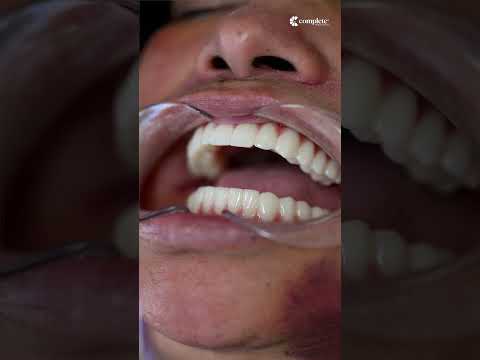
Unlike a standard single-tooth implant or a routine set of veneers, full mouth restoration is a comprehensive approach. It addresses severe decay, extensive tooth loss, traumatic injury, or significant bite alignment issues. The specific procedures involved vary greatly from person to person depending on their baseline oral health.
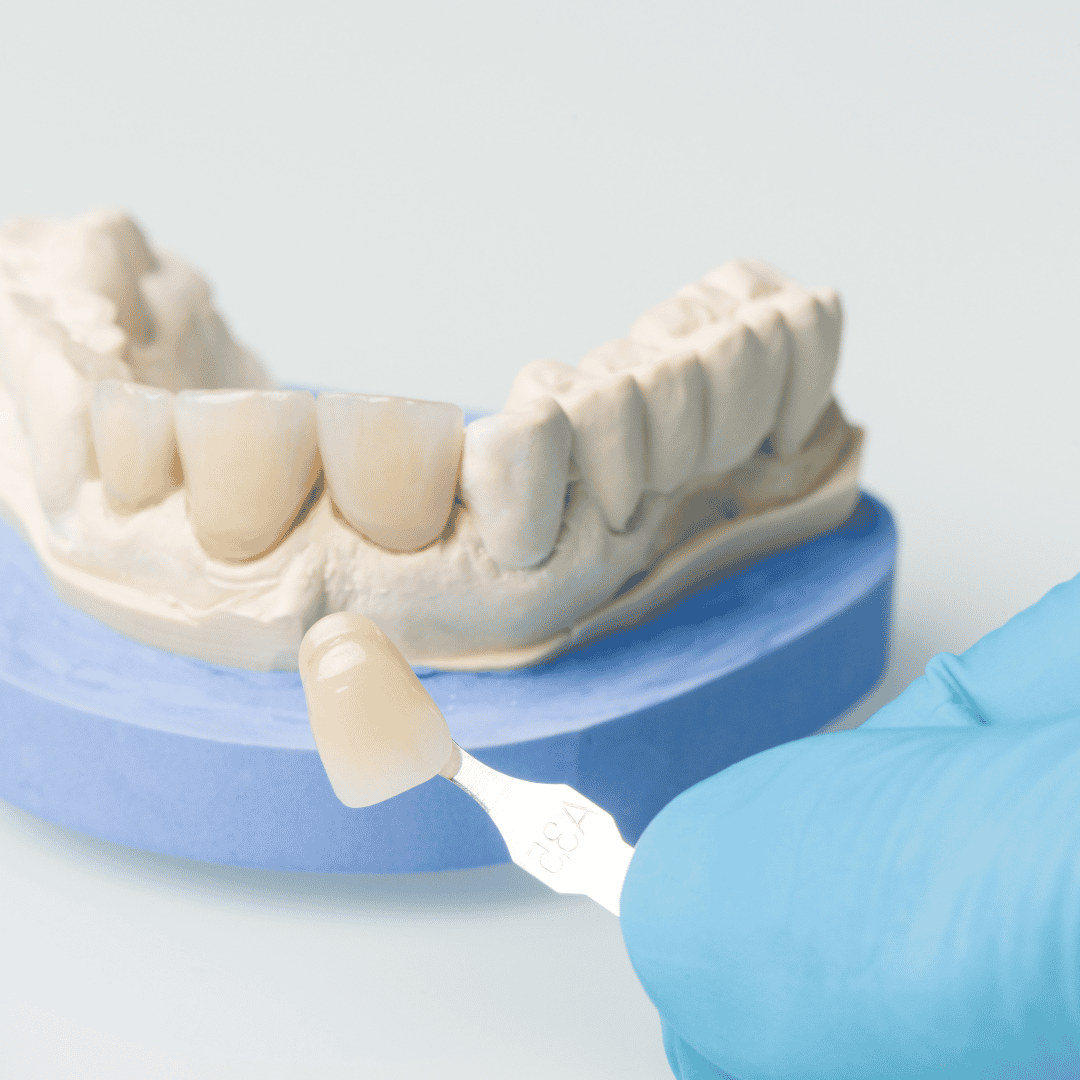
For some, the process relies heavily on implant-supported solutions, such as placing four to six titanium posts in the jawbone to anchor a fixed bridge or a specialized denture. For others, it might involve preserving natural teeth using a combination of crowns, bridges, and targeted periodontal therapies. Extractions are frequently necessary if the remaining teeth are deemed unsalvageable.
Because the treatment plan is highly individualized, a thorough consultation utilizing 3D imaging (CBCT scans) is required. This helps the dental team determine bone density, locate nerve pathways, and design a blueprint that aims to restore both chewing function and aesthetic appearance.
How much can you save compared to US and Canadian prices?
In North America, a complete upper and lower implant-supported restoration can easily range from $40,000 to over $80,000 depending on the provider and geographic location. The high overhead costs of running a dental practice, local labor rates, and insurance administration all contribute to these steep domestic prices.
By comparison, estimates in Los Algodones typically sit between $10,000 and $25,000. This stark contrast is the primary driver of medical tourism in Los Algodones, Mexico. The lower cost of living, reduced real estate overhead, and different malpractice insurance structures allow Mexican dental providers to offer services at a lower price point while often using the same global brands of dental materials.
| Treatment Type (Estimates) | US / Canada Average | Los Algodones Average |
|---|---|---|
| Single Arch (Implant Supported) | $20,000 - $35,000+ | $5,000 - $12,000 |
| Full Mouth (Both Arches) | $40,000 - $80,000+ | $10,000 - $25,000 |
Note: The prices listed above are general estimates. Final costs depend on your unique medical needs, chosen clinic, and potential complications.
What factors influence the final cost of your treatment?
It is important to view initial clinic quotes as a starting point. Several variables can adjust the final amount you will pay. Understanding these factors can help you budget appropriately for your trips.
- Bone Grafting and Sinus Lifts: If you have experienced significant bone loss due to missing teeth or periodontal disease, your jaw may not be thick enough to support implants. Bone grafting adds volume but also adds to the overall cost and healing time.
- Material Selection: The final prosthetic teeth can be crafted from various materials. Acrylic over a titanium bar is generally more affordable but may show wear over time. Zirconia or porcelain options are typically more durable and offer a more natural aesthetic, but they come at a premium price.
- Tooth Extractions: The number of remaining teeth that need to be surgically removed before implants can be placed will increase the initial procedural costs.
- Sedation Requirements: While local anesthesia is standard, many patients undergo extensive reconstruction using IV sedation, which requires an anesthesiologist and incurs an additional fee per session.
Are the dental materials used in Mexico the same quality?
A common misconception is that lower prices mean inferior materials. In reality, dentistry is a globalized industry. Top manufacturers of titanium implants and dental ceramics supply clinics worldwide. When researching a full mouth restoration clinic in Los Algodones, Mexico, patients can, and should, ask specific questions about the brands being used.
Providers often use established systems such as Nobel Biocare, Straumann, or Zimmer. These companies have decades of clinical research supporting their products' longevity and success rates. Using established brands also provides an additional layer of security: if a patient needs an adjustment or repair years later back in their home country, local dentists will have the appropriate tools and parts to service the implants.
You can request to see the certification or packaging of the implants being placed. A transparent provider will gladly share details about the materials, the dental laboratory they partner with, and the warranties provided by the manufacturers.
How long does the full mouth restoration process take?
Rebuilding a smile is a phased process. Patience is crucial for a successful outcome, particularly when dental implants are involved. The human body requires time to integrate foreign materials into living tissue.
Phase 1 (The Surgical Visit): Your first trip generally involves diagnostics, extractions, bone contouring, and the surgical placement of the titanium implants. Depending on the stability of the implants, you may receive a temporary, lighter-weight set of healing dentures so you do not leave without teeth. This trip usually requires staying in the area for a few days to a week for follow-up checks.
The Healing Period: You will return home for three to six months. During this phase, a biological process called osseointegration occurs, where your jawbone slowly fuses to the titanium posts, creating a stable foundation.
Phase 2 (The Restorative Visit): Once the implants are fully integrated and tested for strength, you will return to Los Algodones. Impressions or digital scans are taken to craft your final, permanent prosthetics. These are then attached to the implants, finalizing your restoration. This visit might require you to stay in town for several days while the lab custom-fabricates your teeth.
Am I a suitable candidate for full mouth reconstruction?
Not everyone is immediately eligible for complex dental surgery. Your overall systemic health plays a massive role in your body's ability to heal and fight off potential infections after surgery. Before clearing you for treatment, an appropriately qualified healthcare professional must evaluate your medical history.
Conditions such as uncontrolled diabetes, autoimmune disorders, or a history of radiation therapy to the head and neck can impair healing and increase the risk of implant failure. Furthermore, patients who take certain medications, such as bisphosphonates for osteoporosis, may require special consideration due to risks involving jawbone healing.
Smoking is another critical factor. Nicotine constricts blood vessels, significantly reducing blood flow to the gums and bone. Dentists often strongly advise patients to quit smoking several weeks before and after surgery, as smoking drastically increases the chance of implant rejection and post-surgical complications.
What are the potential risks and complications of extensive dental work?
While modern implantology has high success rates in suitable patients, it is important not to minimize the risks associated with oral surgery. Complications can occur during or after the procedure, and acknowledging these possibilities is a vital part of informed consent.
Surgical risks include localized infections, excessive bleeding, or damage to surrounding structures such as blood vessels or other teeth. In the lower jaw, there is a risk of injury to the inferior alveolar nerve, which can cause temporary or, in rare cases, permanent numbness or tingling in the lower lip, chin, or tongue. In the upper jaw, implants placed too deeply can protrude into the sinus cavities, potentially leading to chronic sinus issues.
Long-term, patients must maintain excellent oral hygiene. Peri-implantitis, a destructive inflammatory condition affecting the soft and hard tissues surrounding dental implants, can develop if plaque is allowed to accumulate. This emphasizes why ongoing professional dental care is never optional, even after a full reconstruction.
How should I prepare for dental surgery in Los Algodones?
Preparation goes beyond just booking a clinic appointment. Because you are combining healthcare with international travel, a meticulous approach is required. Start by requesting a copy of your recent dental records and any relevant medical files from your local doctors. Sharing these with your prospective clinic in Mexico helps them assess your case accurately before you arrive.
Discuss your plans with your primary care physician, especially if you have pre-existing conditions or take daily medications. They may advise you on managing blood thinners or diabetes medications around the time of your surgery.
Logistically, many patients choose to fly into Yuma, Arizona, and drive or take a shuttle the short distance to the border. Research border crossing hours and requirements. While Los Algodones is heavily geared toward pedestrian tourists seeking medical care, knowing where to park on the US side and what documents you need to re-enter your home country smoothly is essential for a low-stress trip.
What does the recovery and aftercare process involve?
The first few days following your surgical phase will likely involve some swelling, bruising, and discomfort, which is typically managed with prescribed pain relievers and cold compresses. It is highly advisable to rest and avoid strenuous physical activity during this initial window.
A critical component of aftercare is dietary restriction. Your newly placed implants need undisturbed time to integrate with the bone. Chewing hard, sticky, or crunchy foods can exert too much pressure, leading to micro-movements that disrupt osseointegration and cause the implants to fail. Patients must usually commit to a soft or liquid diet (like smoothies, mashed potatoes, and soups) for several weeks to months, as directed by their surgeon.
Equally important is what happens after you return home. Medical tourism requires a proactive approach to follow-up care. You should inform your local dentist about your treatment abroad and schedule regular cleanings and check-ups. If you experience unusual pain, swelling, or loosening of the prosthetics once home, you must seek immediate professional evaluation locally rather than waiting for your next trip to Mexico.
How do you select a reputable dental provider in this border town?
Los Algodones has a high concentration of dental clinics, which means patients have many choices, but also the responsibility to choose wisely. Look for clinics that employ specialists rather than just general dentists for complex restorations. Ideally, your care team should include an oral surgeon or periodontist (for implant placement) and a prosthodontist (who specializes in designing and fitting the artificial teeth).
Verify their education and affiliations. Many top dentists in the region have completed postgraduate training in the United States or Europe and hold memberships in organizations like the American Dental Association (ADA) or the International Congress of Oral Implantologists (ICOI).
Do not hesitate to ask for a virtual consultation to discuss your specific needs. Use this time to ask about their infection control standards (look for mentions of autoclaves and international sterilization protocols) and to clarify what happens if a complication arises after you have paid and returned home. Transparency is a strong indicator of a trustworthy clinic.
Why Choose PlacidWay for Medical Tourism in Mexico?
Navigating international healthcare options can be overwhelming. PlacidWay serves as an educational resource to help patients gather information about medical travel.
- Access to Information: PlacidWay provides centralized profiles for various international clinics, allowing patients to review facility details and specialties in one place.
- Provider Comparisons: The platform enables users to compare estimated costs, facility amenities, and available treatments across different regions in Mexico.
- Educational Resources: PlacidWay offers articles and guides to help patients understand the general scope of medical tourism, typical procedures, and what to expect abroad.
- Direct Communication Tools: Patients can use the platform to send inquiries directly to clinics, facilitating the gathering of initial treatment plans and cost estimates.
- Global Reach: While focusing on destinations like Los Algodones, PlacidWay lists healthcare options worldwide, giving patients a broader view of their international choices.
Frequently Asked Questions
Do I need a passport to visit Los Algodones for dental care?
Yes, a valid passport or passport card is typically required for US and Canadian citizens to cross the border into Mexico and return home. Always check current border regulations before planning your trip.
Can I cross the border back to the US on the same day after surgery?
While many patients walk back across the border the same day, it depends on the extent of your surgery and the type of sedation used. If you receive IV sedation, you will likely need to stay overnight or have a companion assist you.
Do dental clinics in Los Algodones accept US dental insurance?
Some clinics do assist with filling out reimbursement forms for US PPO dental insurance plans. However, you will typically need to pay out-of-pocket upfront and submit the paperwork to your provider yourself.
What payment methods are generally accepted for large dental treatments?
Most clinics accept major credit cards, cash (US dollars), and sometimes traveler's checks. Keep in mind that credit card transactions may incur international processing fees.
Are language barriers an issue during dental appointments in Los Algodones?
English is widely spoken by dentists and clinic staff in Los Algodones, as the town primarily serves patients traveling from the United States and Canada. Communication is rarely a significant issue.
Will I need to make multiple trips for a full mouth reconstruction?
Yes, treatments involving dental implants usually require at least two trips spaced several months apart to allow the implants to integrate with your jawbone before final crowns or dentures are placed.
Is a consultation required before getting a precise price estimate?
Yes. While clinics can offer general cost ranges, a precise estimate requires an in-person evaluation, 3D CBCT scans, and a thorough review of your oral health by a qualified professional.
What happens if I experience a complication after returning home?
It is crucial to establish a relationship with a local dentist in your home country who can handle routine follow-ups or emergencies. If a significant complication occurs, you may need to travel back to Mexico or seek immediate local emergency care.
Do I need someone to travel with me for this procedure?
It is highly recommended to bring a companion, especially for surgical phases involving sedation. A travel partner can help you navigate the border and assist you during the initial 24 to 48 hours of recovery.
How soon can I eat solid foods after getting full mouth implants?
You will typically need to follow a strict soft-food diet for several weeks to months while your implants heal. Chewing hard or crunchy foods too soon can cause implant failure.
Explore Your Dental Treatment Options
Gather the information you need to make an educated decision about your oral health journey. Request facility details, compare estimates, and learn more about clinics abroad.
Request Treatment InformationReferences
- Dental Implants – American Dental Association (ADA)
- Medical Tourism: Travel for Medical Care – Centers for Disease Control and Prevention (CDC)
- Dental Implants: What You Should Know – U.S. Food and Drug Administration (FDA)
- Dental Implant Surgery: Risks and What to Expect – Mayo Clinic
- Tooth Loss Information – National Institute of Dental and Craniofacial Research (NIDCR)
- Dental Implant Procedures and Placement – American Academy of Periodontology




.png)
.png)
.png)
.png)

-1.png)
.png)
.png)











Share this listing