
Contents
Picture yourself sitting in a local dentist’s chair in Texas or Arizona, only to be handed an estimate for a single replacement tooth that looks more like a down payment on a new car. For countless Americans and Canadians, fixing a missing tooth at home means draining their hard-earned savings or taking out unnecessary medical loans just to eat comfortably again. The steep financial barrier of basic restorative care leaves many feeling stuck, forcing them to live with an incomplete smile simply because they cannot justify the domestic price tag.
Fortunately, getting a dental implant in Nuevo Progreso Mexico has become a highly practical workaround for patients tired of inflated healthcare bills. Just a short walk across the border, you can typically expect the procedure cost to land directly between $800 and $1,200 for a standard titanium post and placement. When evaluating your options, it is essential to look closely at clinic certificates. Make sure the facility you choose holds active local accreditation from respected bodies like the Asociación Dental Mexicana (ADM) to ensure strict hygiene and surgical safety standards are being met.
Quick Facts at a Glance
Piecing together a medical trip can quickly become confusing when you have to calculate every consultation, digital x-ray, and follow-up visit as a separate fee. To simplify this process, many providers bundle these essential steps into comprehensive treatment bundles. These inclusive packages often cover your 3D imaging, the surgical placement of the titanium root, local anesthesia, and necessary post-operative medications.
Choosing a bundled option helps you lock in your final expenses before you even cross the border, protecting you from unexpected out-of-pocket costs on the day of surgery. Compare the packages below to see which all-inclusive option aligns with your specific restorative needs.

Price starting from $1,800
Affordable Dental Implants by Dental Artistry & World Dental Center in Nuevo Progreso, Mexico
Dental Artistry Dental Center
- Dentistry
Nuevo Progreso,Mexico
If you are calculating how much you can actually save, a standard dental implant in Nuevo Progreso typically costs between $800 and $1,200. This direct price point usually covers the surgical insertion of the titanium post and the connecting abutment, representing a massive discount compared to northern clinics. The final ceramic crown is generally priced separately, adding a few hundred dollars during your second visit.
This straightforward, transparent approach to billing is the primary reason thousands cross the border for oral surgery each year. Compare the specific cost options below to see which estimate makes the most sense for your personal budget.
Dental Implants Centers Cost Comparison in Nuevo Progreso, Mexico
| Provider | Procedure | Price |
|---|---|---|
| Dental Artistry Dental Center | Dental Implants, Dentistry | $1800 |
Dental Implants Cost Comparison in Mexico
| Country | Procedure | Price |
|---|---|---|
| Canada | Dental Implants, Dentistry | $3000 |
| United States | Dental Implants, Dentistry | $3500 |
Choosing a dental provider in another country means looking past a polished waiting room to verify genuine medical expertise. When evaluating clinics in a border town, prioritize those that prominently display their operating licenses and follow strict, documented sterilization protocols. It is vital to request proof of local credentials, such as membership in the Asociación Dental Mexicana (ADM), before scheduling your surgery.
Beyond basic licensing, ask clinics to confirm the exact brands of materials they use to ensure they meet international safety standards. A reputable facility will be transparent about their surgical technology and doctor qualifications. Compare the clinics below to carefully check their accreditations and find the most reliable environment for your care.
Dental Artistry Dental Center
Nuevo Progreso,Mexico
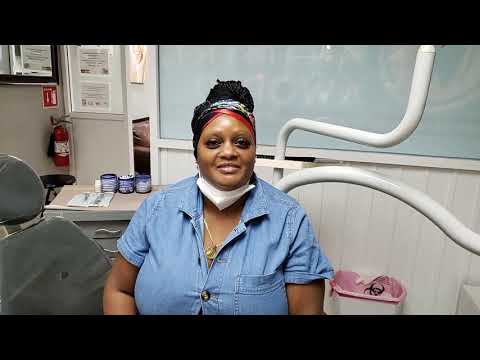
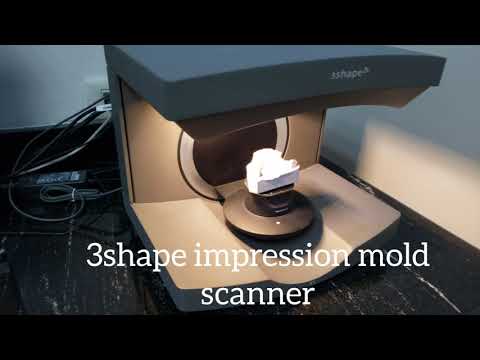
Reading about a dental procedure provides the facts, but watching someone walk you through their exact physical experience brings a reassuring level of clarity. Video journals offer an unfiltered, real-world look at the clinic environment, the ease of the pedestrian border crossing, and the actual recovery timeline after bone surgery.
Seeing another patient successfully navigate the journey from start to finish can significantly ease your own travel anxieties. Watch the patient videos below to get an honest preview of what your upcoming trip will actually entail.

Before committing to oral surgery abroad, hearing from individuals who have recently sat in that exact dental chair is incredibly helpful. Unfiltered reviews reveal the nuances that medical brochures leave out, such as how effectively the staff managed post-surgical pain or how clearly they communicated in English.
Pay close attention to feedback regarding the long-term durability of the restorative work and the quality of follow-up care provided by the medical team. Read through the patient reviews below to compare firsthand experiences and gauge the reliability of your chosen provider.

Understanding the logistics of traveling across the border for restorative dentistry is just as important as knowing the clinical details. Below are the most common questions patients ask when planning their trip to this specific region.
Is it safe to travel to Nuevo Progreso for dental work?
Yes, the tourist zone is generally considered very safe during daylight hours. The local economy relies heavily on medical tourism, so the main street is highly concentrated with pharmacies and clinics specifically catering to American and Canadian visitors.
How do I cross the border for my appointment?
Most patients drive to Progreso, Texas, park their vehicles in the secure lots on the US side, and walk across the international bridge. The pedestrian crossing takes only a few minutes and drops you directly onto the main medical street.
Do I need a passport to walk across the bridge?
Yes, U.S. Customs and Border Protection requires a valid passport, passport card, or an enhanced driver's license to re-enter the United States after your dental appointment.
How many trips to Mexico will I need for a complete tooth replacement?
You will typically need two separate trips. The first visit is for placing the titanium root into your jawbone. After waiting three to six months for the bone to heal and fuse with the metal, you return for a second trip to attach the permanent crown.
Will there be a language barrier with the dental staff?
No, language is rarely an issue here. Because the vast majority of patients travel from the US and Canada, nearly all dentists, hygienists, and receptionists speak fluent English.
Do Mexican dentists use the same materials as US clinics?
Reputable clinics use globally recognized brands such as Straumann, Nobel Biocare, and Zimmer. It is always best to ask your chosen provider which specific brand they use prior to booking.
How long does the actual surgical placement take?
The surgical placement of a single titanium post usually takes between one to two hours under local anesthesia, depending on your bone density and whether an extraction is required first.
Can I use my US dental insurance to pay for the surgery?
Some clinics accept popular PPO dental insurance plans from the US, while others provide the necessary itemized paperwork so you can file a reimbursement claim yourself. Check directly with your insurance provider regarding out-of-network international coverage.
What happens if there is a complication after I go home?
Quality facilities provide warranties on their surgical work. However, if a severe emergency occurs back home, you may need to see a local dentist. Ensure your Mexican provider gives you a detailed medical file before you leave.
Are prescription pain medications available locally?
Yes, your surgeon will write you a prescription that can easily be filled at one of the many pharmacies located on the same street before you cross back into Texas.
The long-term success of your new tooth depends entirely on the precision and skill of the person drilling into your jawbone. You need an oral surgeon or specialized implantologist who performs this specific procedure daily, rather than a general practitioner who only places a post occasionally.
Take the time to check if the doctor holds dedicated postgraduate training in maxillofacial surgery and maintains active memberships in recognized international dental boards. Review the profiles of the surgeons below to compare their specific medical credentials and years of clinical experience.

Dr. Rene Rosas
CAD/CAM Technology Dental Artistry Dental Center
- Maxillofacial Surgeon
Nuevo Progreso,Mexico
Dra. Nadia Cortez
CAD/CAM Technology Dental Artistry Dental Center
- Orthodontist
Nuevo Progreso,Mexico

Dra. Paulina Corona
CAD/CAM Technology Dental Artistry Dental Center
- Periodontist
Nuevo Progreso,Mexico
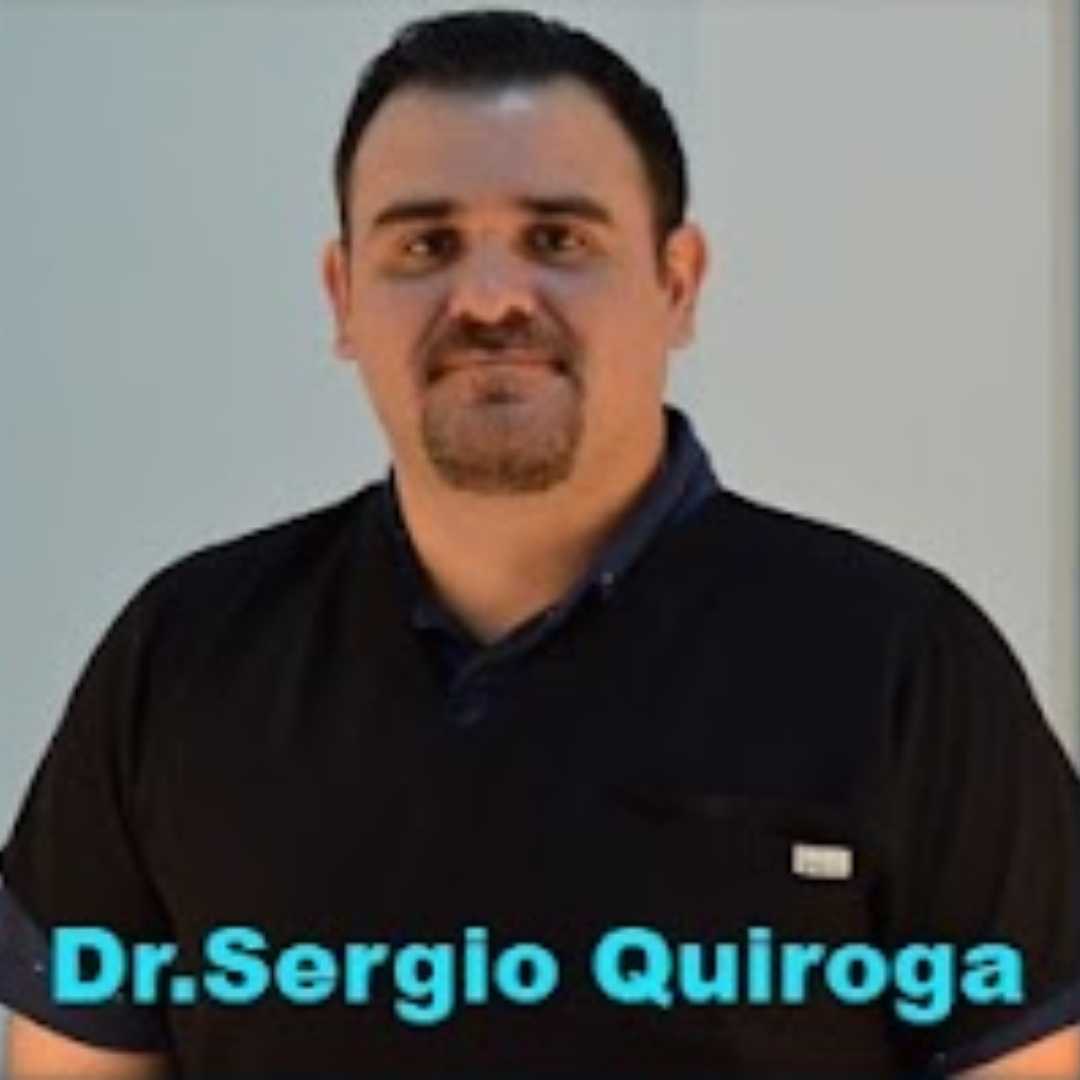
Dr. Sergio Quiroga
CAD/CAM Technology Dental Artistry Dental Center
- Dental - General Dentistry
Nuevo Progreso,Mexico

Dra. Berali
CAD/CAM Technology Dental Artistry Dental Center
- Dental - General Dentistry
Nuevo Progreso,Mexico
For residents of Texas and the broader United States, this destination is uniquely positioned as the most walkable and accessible medical tourism border town. Unlike larger, sprawling Mexican cities, this compact community is practically built around serving American and Canadian visitors seeking specialized, affordable dentistry. You do not have to worry about renting a car, navigating complex foreign traffic laws, or purchasing temporary international auto insurance.
The travel logistics are notably straightforward. Most patients drive directly to the small border town of Progreso, Texas. From there, you simply pay a small fee to leave your vehicle in a secure US parking lot and walk across the international bridge. Within minutes of passing through customs, you arrive on a vibrant main street densely lined with pharmacies, optical shops, and modern dental facilities. Because the entire local economy revolves around healthcare tourism, the environment feels tailored to English-speaking patients.
| Closest US Entry Point | Progreso, Texas |
| Border Crossing Method | Pedestrian walking bridge |
| Language Spoken | English is widely spoken in clinics and shops |
| Currency Accepted | US Dollars are universally accepted |
| Required Travel Document | Valid US or Canadian Passport |
Take a look at the destination details below to better understand the local layout and plan your upcoming travel logistics smoothly.
Navigating healthcare in another country requires careful planning, but you do not have to figure out the logistics on your own. PlacidWay connects patients with credentialed international providers, helping you safely coordinate your consultations, verify medical credentials, and finalize your travel details without the stress of managing it all single-handedly. If you are ready to explore your options and get a clear understanding of the costs involved, we can help you take the next step toward restoring your dental health securely and confidently.
References
- Medical Tourism Guidelines – Centers for Disease Control and Prevention (CDC)
- Implants Safety and Care – American Dental Association (ADA)
- Understanding Dental Implants – American College of Prosthodontists
- Dental Implant Surgery Process – MedlinePlus (National Institutes of Health)
- Mexico Travel Advisory – U.S. Department of State























Share this listing