


The Ultimate Guide to Dental Treatment with Modern Technologies in Dental Artistry
Welcome to a new era where dental treatment with modern technologies in dental artistry completely transforms the patient experience. Gone are the days of painful procedures, messy impression trays, and unpredictable cosmetic results. Today, advanced digital workflows ensure precise, stunning, and long-lasting smiles that are tailored perfectly to your facial structure.
By leveraging cutting-edge innovations, modern dental professionals can now restore optimal oral health while prioritizing patient comfort and aesthetic excellence. In this comprehensive guide, we will explore exactly how state-of-the-art equipment is making high-quality dental care more efficient, predictable, and accessible than ever before.
Video Chapters & Quick Navigation
- The Evolution of Dental Technology
- Digital Smile Design Explained
- 3D CBCT Scans in Implantology
- CAD/CAM and Same-Day Crowns
- Painless Laser Dentistry
- Intraoral Digital Scanners
- Artificial Intelligence in Oral Care
- Advanced Biocompatible Materials
- Modern Sedation Technologies
- Accessing High-Tech Care Abroad
The Evolution of Dental Treatment with Modern Technologies in Dental Artistry
The landscape of restorative and cosmetic dentistry has undergone a massive paradigm shift over the last decade. Historically, dental procedures were heavily reliant on manual techniques, which often left room for human error and prolonged patient discomfort. Today, dental treatment with modern technologies in dental artistry merges the precision of advanced engineering with the delicate touch of medical aesthetics.
As highlighted at , digital workflows have completely replaced analog guesswork. Clinics equipped with state-of-the-art diagnostic tools can visualize a patient's entire cranial structure before a single incision is made. This level of preparation ensures that every procedure, from simple fillings to complex full mouth reconstructions, is executed flawlessly.
Furthermore, these technological advancements are not just about clinical efficiency; they profoundly impact patient psychology. When patients can see a digital mockup of their future smile, anxiety diminishes rapidly. Trust is built instantly when a dental artist can demonstrably prove the expected outcome using high-resolution digital simulations.
Shifting from Reactive to Proactive Dental Care
Modern dental technology allows practitioners to adopt a proactive approach rather than a reactive one. High-resolution imaging can detect micro-cavities and structural weaknesses years before they become symptomatic. By addressing these issues early, patients save thousands of dollars on complex future surgeries.
This proactive philosophy is the cornerstone of modern dental artistry. It is no longer just about fixing what is broken; it is about engineering a smile that resists future decay while looking incredibly natural. The integration of advanced diagnostics guarantees that the foundational bone and gum tissues are perfectly healthy before any cosmetic enhancements are applied.
How Digital Smile Design is Revolutionizing Cosmetic Dentistry
One of the most exciting breakthroughs in modern dental artistry is the advent of Digital Smile Design (DSD). This conceptual protocol uses specialized software to analyze a patient's facial and dental proportions. As noted at , DSD ensures that the new teeth perfectly complement the patient's unique facial features, lips, and dynamic expressions.
The process begins with high-definition photography and videography. The dentist records how the patient's mouth moves during speech and laughter. These dynamic parameters are then fed into the DSD software, which generates a highly accurate 3D model of the proposed restorations.
Patients are no longer forced to guess what their porcelain veneers or dental implants will look like. They are actively involved in the design process, choosing the shape, shade, and length of their new teeth alongside their cosmetic dentist. This collaborative approach guarantees absolute patient satisfaction.
The "Mock-Up" Experience
Perhaps the most powerful aspect of Digital Smile Design is the physical mock-up. Once the digital design is finalized, a temporary resin model is milled or 3D printed. This model is temporarily placed over the patient's natural teeth without any drilling or alteration.
This allows the patient to "test drive" their new smile in the real world. They can take photos, show their family, and request minor adjustments before the final permanent restorations are fabricated. This step eliminates the fear of the unknown, which is a major barrier for individuals considering advanced cosmetic dentistry procedures.
The Role of 3D CBCT Dental Scans in Precision Implantology
When it comes to replacing missing teeth, 3D Cone Beam Computed Tomography (CBCT) has become the undisputed gold standard. Traditional 2D X-rays provide a flat, limited view of the jawbone, which can obscure vital anatomical structures. As explained at , CBCT technology generates a flawless three-dimensional image of the patient's entire maxillofacial region.
This imaging allows oral surgeons to measure exact bone density, locate sinus cavities, and pinpoint major nerve canals. With this data, the dentist can perform "virtual surgery" on a computer before the patient even sits in the surgical chair. They can select the exact length and diameter of the titanium implant required for optimal stability.
3D guided dental implant surgery drastically reduces the risk of surgical complications. By utilizing a 3D-printed surgical guide derived from the CBCT scan, the surgeon places the implant at the perfect angle and depth every single time. This minimally invasive approach leads to faster healing, less postoperative swelling, and a significantly higher implant success rate.
Comparing Imaging Technologies
| Feature | Traditional 2D X-Rays | 3D CBCT Scans |
|---|---|---|
| Dimensional View | Flat, two-dimensional | Fully interactive 3D model |
| Anatomical Clarity | Often overlaps structures | Clear separation of bone, nerves, and soft tissue |
| Surgical Planning | Based on estimates and experience | Precise digital surgical guides can be created |
| Diagnostic Capabilities | Basic decay and bone loss | Hidden pathologies, precise bone density mapping |
CAD/CAM Technology and Same-Day Dental Crowns
Historically, getting a dental crown was a tedious process that required at least two visits spread over several weeks. Patients had to endure uncomfortable temporary crowns while waiting for an off-site laboratory to fabricate their final restoration. With the introduction of Computer-Aided Design and Computer-Aided Manufacturing (CAD/CAM), this inconvenience is entirely eliminated.
At , the video highlights how in-house milling machines can carve a perfect, custom-fitted ceramic crown in under 15 minutes. The dentist scans the prepared tooth digitally, designs the crown on a computer interface, and sends the data directly to the 3D milling unit located right in the clinic.
This technology is incredibly beneficial for patients seeking same-day dental crowns near me or while traveling abroad for medical tourism. The materials used in CAD/CAM milling, such as solid blocks of porcelain or zirconia, are incredibly durable and color-matched precisely to your surrounding teeth. The result is a flawless restoration completed in a single, stress-free appointment.
The Advantages of One-Visit Restorations
Same-day dentistry vastly improves the patient experience by eliminating the need for a second round of local anesthesia. Patients save valuable time, taking fewer days off work to manage their oral health. Additionally, because the tooth is sealed immediately, the risk of bacterial contamination or damage to the temporary preparation is eradicated.
The precision of CAD/CAM software also ensures a margin fit that is superior to hand-poured molds. A tighter seal around the gumline prevents future decay from penetrating beneath the new crown. This digital accuracy extends the lifespan of the restoration significantly, offering an excellent long-term return on your dental investment.
Laser Dentistry Procedures for Painless Gum Treatments
For decades, the sound of the dental drill and the sight of surgical scalpels have been the primary sources of dental phobia. Laser dentistry procedures have revolutionized how dentists approach both hard and soft tissue treatments. By utilizing highly focused beams of light energy, dentists can perform complex procedures with virtually no pain and minimal bleeding.
Soft tissue lasers are frequently used for painless laser gum disease treatment and cosmetic gum contouring. As discussed at , the laser gently vaporizes diseased tissue while simultaneously cauterizing nerve endings and blood vessels. This dual action means that many patients do not even require local anesthesia, and postoperative bleeding is practically non-existent.
Hard tissue lasers, on the other hand, are capable of removing decayed tooth structure without the heat, vibration, and pressure associated with traditional drills. This preserves more of the healthy, natural tooth structure. Furthermore, lasers effectively sterilize the targeted area, drastically reducing the chances of secondary infections following the procedure.
Speeding Up The Healing Process
Because laser dentistry is minimally invasive, the body's natural healing response is accelerated. Patients who undergo laser-assisted periodontal therapy report significantly less swelling and discomfort in the days following their appointment. This makes advanced gum treatments much more accessible to individuals who previously avoided care due to fear of surgical recovery.
Laser technology is also highly effective in treating painful cold sores and aphthous ulcers. A quick laser session can immediately neutralize the virus or bacteria causing the ulcer, providing instant pain relief and cutting the healing time in half. This versatility makes dental lasers an indispensable tool in any modern clinic.
Intraoral Scanners vs. Traditional Dental Impressions
Anyone who has ever had traditional dental work remembers the discomfort of biting down on a tray filled with gooey, foul-tasting alginate or silicone putty. This outdated method often triggers the gag reflex and can be a traumatic experience for patients with severe anxiety. Intraoral digital scanners have rendered this process entirely obsolete.
An intraoral scanner is a small, wand-like device that captures thousands of pictures per second inside the mouth. These images are instantly stitched together by powerful software to create a highly accurate, full-color 3D rendering of your teeth and gums. As seen at , this digital impression can be rotated, magnified, and analyzed immediately on a chairside monitor.
Not only is this process infinitely more comfortable for the patient, but the clinical accuracy is far superior. Traditional physical molds are subject to shrinkage, expansion, and distortion during the shipping process to a dental lab. Digital files, however, never degrade. They are instantly transmitted via secure cloud networks to fabrication centers around the world.
Patient Comfort and Workflow Efficiency
If an error is made during a digital scan, the dentist simply rescans that specific small area, taking only a few seconds. With traditional impressions, the entire messy process would have to be repeated from scratch. This efficiency greatly reduces the time a patient spends sitting in the dental chair.
Furthermore, these digital impressions can be securely stored indefinitely. If a patient damages a custom night guard, clear aligner, or porcelain veneer years down the line, the original perfect 3D file can be retrieved. A replacement can be milled and shipped without the patient ever needing to return to the clinic for a new impression.
The Impact of Artificial Intelligence in Modern Dental Care
Artificial Intelligence (AI) is rapidly becoming an invaluable second opinion in the dental operatory. Dental treatment with modern technologies in dental artistry now leverages machine learning algorithms to analyze X-rays and 3D scans. These AI systems have been trained on millions of clinical images, allowing them to spot microscopic issues that even the most experienced human eye might miss.
As mentioned at , AI software can accurately detect early-stage tooth decay, quantify bone loss around teeth, and identify apical lesions at the roots. By highlighting these areas of concern on the digital radiograph, the dentist can provide a more comprehensive and highly accurate diagnosis.
AI is also streamlining administrative and predictive workflows. The technology can predict how teeth will move over time, which is incredibly useful for planning clear aligner orthodontic treatments. By mapping out the precise trajectory of tooth movement, AI ensures that orthodontic outcomes are faster, safer, and completely predictable.
Enhancing Trust Through Transparent Diagnostics
One of the primary challenges in dentistry is case acceptance; patients often hesitate to agree to treatments if they do not fully understand the diagnosis. AI bridges this gap beautifully. When a computer program objectively highlights a cavity in bright red on a monitor, the diagnosis becomes indisputable and easy for the patient to understand.
This transparency builds immense trust between the clinician and the patient. Individuals feel confident that they are not being over-diagnosed or under-treated. AI acts as an objective, data-driven diagnostic partner, ensuring the highest standard of ethical and accurate dental care.
Advanced Materials in Dental Artistry for Natural-Looking Smiles
Even the most advanced CAD/CAM machines and 3D scanners are only as good as the materials they use. The evolution of dental biomaterials has allowed for restorations that are indistinguishable from natural teeth. Gone are the days of metal-based crowns that leave an unsightly gray line near the gums.
Today, clinics prioritize high-strength ceramics like Lithium Disilicate (commonly known as E.max) and Monolithic Zirconia. As showcased at , these materials possess the exact translucency, light reflection, and opalescence of natural dental enamel. When a master ceramist applies custom stains and glazes, the resulting porcelain veneers digital smile design is breathtaking.
Zirconia, in particular, is highly prized for full mouth reconstruction cost-effective procedures. It is biocompatible, meaning the gum tissues respond incredibly well to it, preventing inflammation. It is also practically indestructible, making it the perfect material for heavy bite forces in the posterior regions of the mouth or for implant-supported full arch bridges.
Comparing Modern Restorative Materials
- Lithium Disilicate (E.max): Best suited for front teeth due to its unmatched aesthetic properties and brilliant light transmission. Highly resistant to chipping.
- Monolithic Zirconia: The strongest tooth-colored material available. Ideal for molars, severe grinders, and implant bridges. Highly resistant to fractures.
- Composite Resins: Advanced nano-hybrid composites are used for direct bonding. They offer a highly affordable, minimally invasive way to correct minor chips and gaps in a single visit.
Sedation Dentistry and Anxiety-Free Patient Experiences
Advanced technology extends far beyond diagnostic and restorative tools; it profoundly impacts pain management. For individuals suffering from severe dental anxiety, modern sedation techniques provide a completely stress-free experience. Dental treatment with modern technologies in dental artistry ensures that phobia no longer prevents patients from achieving a healthy smile.
At , the discussion turns to computer-assisted anesthesia delivery systems. Devices like the Wand deliver local anesthetic at a mathematically controlled flow rate, completely eliminating the stinging sensation associated with traditional syringes. The computer adjusts the pressure in real-time based on tissue density, rendering the injection genuinely painless.
For more extensive procedures like 3D guided dental implant surgery, IV conscious sedation is heavily utilized. Administered by a board-certified anesthesiologist, this medication places the patient in a deeply relaxed state. While they remain awake and able to respond to commands, they experience zero pain and typically have complete amnesia of the procedure afterward.
The Biological Benefits of Stress Reduction
Keeping a patient relaxed is not just about comfort; it yields better clinical outcomes. When a patient is highly stressed, their blood pressure rises, increasing the likelihood of intraoperative bleeding. Tension in the facial muscles can also make it difficult for the dentist to work precisely.
By utilizing advanced sedation and computer-guided anesthetics, the body remains in a resting state. This leads to smoother surgeries, vastly reduced postoperative swelling, and a much faster overall recovery timeline. Pain-free dentistry is a clinical reality that improves the entire spectrum of oral healthcare.
Affordable State-of-the-Art Dental Clinics Abroad
A common misconception is that dental treatment with modern technologies in dental artistry is exclusively reserved for the ultra-wealthy. However, the rise of medical tourism has democratized access to elite dental care. Patients from the US, UK, and Canada are routinely traveling abroad to access the exact same digital workflows and premium materials at a fraction of the cost.
As noted at , top-tier international clinics in regions like Latin America, Eastern Europe, and the Middle East are heavily invested in global dental standards. These facilities boast the latest Dentsply Sirona milling machines, 3Shape Trios scanners, and strict ISO-certified sterilization protocols. Their surgeons frequently hold international board certifications and have trained extensively in Western nations.
Because the cost of living and administrative overhead is lower in these countries, clinics can offer all-inclusive affordable full mouth reconstruction cost packages. Patients can save up to 70% on complex treatments like All-on-4 implants or full sets of porcelain veneers, even when factoring in the cost of flights and luxury hotel accommodations.
What to Look for in a Global Clinic
When selecting a high-tech clinic abroad, it is vital to prioritize facilities that emphasize digital dentistry. Look for clinics that explicitly advertise 3D CBCT scanning, in-house CAD/CAM milling, and digital smile design. These technologies indicate that the clinic is modern, well-funded, and committed to high-precision restorative work.
Additionally, working with a reputable medical tourism facilitator ensures that you are paired with a thoroughly vetted, state-of-the-art dental center. These facilitators evaluate clinics based on their technological infrastructure, the continuing education of their staff, and their adherence to strict international safety protocols.
Long-Term Maintenance of Modern Dental Implants and Veneers
Investing in advanced dental restorations requires an understanding of proper long-term maintenance. Fortunately, modern materials are designed to be highly resilient and easy to care for. High-quality Zirconia and E.max restorations do not decay like natural enamel, nor do they stain easily from coffee, wine, or tobacco.
However, the underlying gum tissue and bone must remain healthy to support these restorations. Daily brushing with a non-abrasive toothpaste, flossing, and utilizing a water flosser are critical habits. Water flossers are particularly effective at flushing out bacteria from beneath implant-supported bridges, ensuring that peri-implantitis (inflammation around the implant) is kept at bay.
Regular professional cleanings remain essential. Dental hygienists use specialized, non-scratching instruments to clean around titanium implants and porcelain margins. Furthermore, your dentist will periodically use low-radiation digital X-rays to verify that the bone density supporting your modern dental implants remains strong and stable over the decades, guaranteeing a lifetime of beautiful, functional smiles.
Ready to Experience the Future of Dental Artistry?
Stop letting dental anxiety and outdated methods hold you back. Connect with top-rated global clinics equipped with state-of-the-art digital technology to receive painless, precise, and highly affordable dental care. PlacidWay can help you plan your entire medical journey.
REQUEST A FREE QUOTE TODAY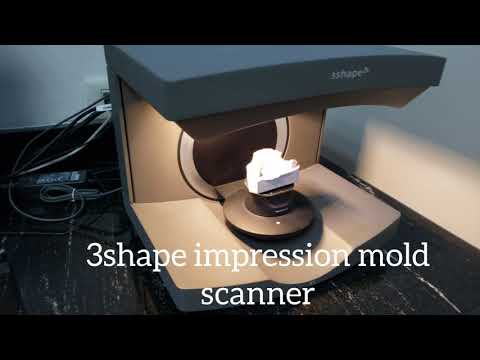
















Share this listing