


Contents
Let’s be honest getting handed a dental treatment plan that rivals the price of a decent used car is enough to make anyone’s jaw drop. If you are staring down massive estimates for implants or full-mouth restorations back home, you aren't alone. Every year, thousands of Americans and Canadians travel south seeking a smarter way to fix their smiles without draining their retirement savings. Dental tourism in Mexico has become a trusted solution for patients wanting premium care at fair, realistic prices.
To give you an idea, a complete single dental implant in Mexico range from approximately $1,200 to $1,800 with a crown , $400 to $600 for a zirconia crown, and $350 to $550 per porcelain veneer. Standard All-on-4 treatment commonly starts around $7,000 to $9,000 per arch, while zirconia options may reach $9,500 to $12,500. Your final quote may change after imaging and an in-person examination.
Before comparing clinics, verify the dentist’s Cédula Profesional through Mexico’s National Registry of Professionals. Ask the clinic for its COFEPRIS Aviso de Funcionamiento and how it follows NOM-013-SSA2-2015, Mexico’s oral-health standard. These checks do not guarantee an outcome, but they provide a stronger starting point than reviews or attractive package prices alone.
A package can simplify the trip, but the word “all-inclusive” deserves a closer look. Request a written breakdown showing whether the price covers consultations, CBCT imaging, extractions, bone grafting, implants, abutments, temporary teeth, final restorations, medication, sedation, laboratory work and follow-up visits.
Travel benefits such as hotel nights and transportation should be listed separately from medical care. Also confirm whether a second visit is required and who pays if treatment dates change. Compare the packages presented below by their clinical inclusions, exclusions and follow-up arrangements—not merely the headline price.

Price starting from $500
Dental Crowns Los Algodones Package at All on X Dental Studio Mexico
All On X Dental Studio: Leading Dental Clinic in Los Algodones
- Dentistry
Los Algodones, Mexico

Price starting from $8,500
All-on-4 Package for Dental Implants Puerto Vallarta by PV Smile Mexico
PV Smile - Dental Clinic Puerto Vallarta Mexico
- Dentistry
Puerto Vallarta, Mexico

Price starting from $1,200
Dental Implants Package in Tijuana, Mexico by ODONTOMEDIK
ODONTOMEDIK - Holistic Dentist Tijuana
- Dentistry
Tijuana, Mexico
Price starting from $1,000
All-Inclusive Dental Implants Los Algodones Mexico Package by All on X Dental Studio
All On X Dental Studio: Leading Dental Clinic in Los Algodones
- Dentistry
Los Algodones, Mexico

Price starting from $4,500
Affordable Veneers in Mexico Package at Care Smile Center: Complete Smile Makeover
Care Smile Center
- Dentistry
Los Algodones, Mexico

Price starting from $6,900
Full Mouth Restoration in Los Algodones, Mexico by Complete Advanced Dentistry
Complete Advanced Dentistry - Dental Clinic in Los Algodones
- Dentistry
Los Algodones, Mexico
A single dental implant with its crown generally costs about $1,200–$1,800 in Mexico. All-on-4 treatment commonly ranges from $7,000–$12,500 per arch, depending on the bridge material.
Porcelain veneers are often advertised at $350–$550 per tooth, zirconia crowns at $400–$600, and extensive upper-and-lower full-mouth restoration at approximately $18,000–$25,000. These are planning ranges rather than guaranteed quotes.
Bone grafts, sinus lifts, extractions, sedation, temporary restorations and additional hotel stays can change the total. Review the cost options below and ask every clinic to provide the same itemized treatment format before comparing them.
Dentistry Centers Cost Comparison in Mexico
| Provider | Procedure | Price |
|---|---|---|
| All On X Dental Studio: Leading Dental Clinic in Los Algodones | Dental Veneers, Dentistry | $400 |
| International Dental Center PV | Dental Crowns, Dentistry | $690 |
| PV Smile - Dental Clinic Puerto Vallarta Mexico | All on 4 Dental Implants, Dentistry | $8500 |
| Complete Advanced Dentistry - Dental Clinic in Los Algodones | Full Mouth Restoration, Dentistry | $6900 |
| ODONTOMEDIK - Holistic Dentist Tijuana | Dental Implants, Dentistry | $1200 |
| All On X Dental Studio: Leading Dental Clinic in Los Algodones | Dental Implants, Dentistry | $1000 |
Dentistry Cost Comparison in Mexico
| Country | Procedure | Price |
|---|---|---|
| United States | Full Mouth Restoration, Dentistry | $40000 |
| Canada | Full Mouth Restoration, Dentistry | $45000 |
A polished lobby tells you very little about clinical safety. Ask for the treating dentist’s full name and Cédula Profesional number, the clinic’s COFEPRIS operating notice, and a clear explanation of its sterilization procedures, autoclave monitoring and single-use materials.
For implant treatment, request the implant manufacturer, model, warranty conditions and records needed by a dentist at home. Confirm who handles emergencies, whether English-language clinical records are available and what happens when complications appear after departure.
Use the clinic profiles below to compare verifiable credentials, technology, treatment scope and continuity of care rather than relying on broad quality claims.
PV Smile - Dental Clinic Puerto Vallarta Mexico
Puerto Vallarta, Mexico
All On X Dental Studio: Leading Dental Clinic in Los Algodones
Los Algodones, Mexico
Proesthetic Dental Care in Los Algodones, Mexico
Los Algodones, Mexico

Care Smile Center
Los Algodones, Mexico
ODONTOMEDIK - Holistic Dentist Tijuana
Tijuana, Mexico

Complete Advanced Dentistry - Dental Clinic in Los Algodones
Los Algodones, Mexico
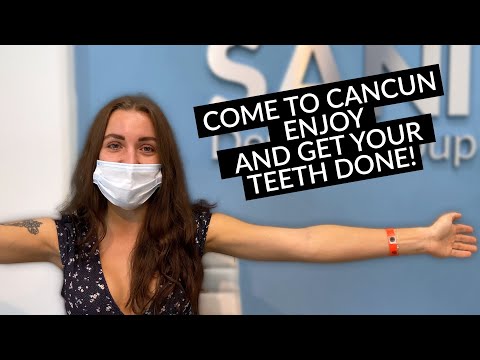
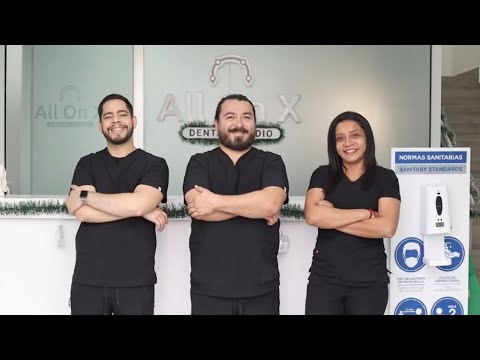
A video cannot confirm a dentist’s qualifications, but it can help you prepare better questions. Look for footage of the actual treatment rooms, sterilization area, imaging equipment and laboratory rather than stock images or resort scenery.
Pay attention to whether the dentist is identified by name, explains treatment limitations and discusses follow-up care. Patient videos are more useful when they describe a specific procedure and recovery period instead of offering only general praise. Watch the videos below as supporting evidence, then verify every medical claim directly with the clinic.

A five-star rating is less helpful than a detailed account written after the patient returned home. Give more weight to reviews that name the procedure, dentist, treatment date, number of visits, final cost and quality of follow-up care.
Look for patterns involving unexpected fees, rushed treatment, communication problems or difficulty obtaining records. Reviews describing how a clinic handled a complication can be particularly informative.
Read the patient experiences below for context, but do not treat testimonials as proof that the same treatment or outcome will be appropriate for you.

Is it safe to travel to Mexico for dental work?
Dental treatment in Mexico can be planned safely, but safety varies by dentist, clinic, procedure and destination. Verify professional credentials, regulatory documents, sterilization procedures, treatment records and emergency arrangements. You should also review current government travel guidance for the specific state rather than treating Mexico as one uniform destination.
How much does dental work usually cost in Mexico?
A single implant with a crown is commonly advertised at $1,200–$1,800, a zirconia crown at $400–$600 and a porcelain veneer at $350–$550. All-on-4 treatment may range from approximately $7,000 to $12,500 per arch. Imaging, grafting, extractions, sedation and temporary restorations may cost extra.
How do I check whether a Mexican dentist is licensed?
Ask for the dentist’s full legal name and Cédula Profesional number. Search both through Mexico’s official National Registry of Professionals. For specialist treatment, ask for evidence of postgraduate education and any additional professional credential connected with that specialty.
What local clinic documents should I request?
Ask for the clinic’s COFEPRIS Aviso de Funcionamiento and information about its responsible healthcare professional. You can also ask how the clinic applies NOM-013-SSA2-2015 and other relevant Mexican standards. An operating notice is a regulatory document, not proof that one clinic provides better outcomes than another.
Will dental implants require more than one trip to Mexico?
They may. Some patients receive implant placement and temporary teeth during the first visit, followed by permanent restorations after a healing period. Bone grafting, infection treatment or insufficient bone may alter the schedule. Ask for the expected number of trips, minimum stay and conditions that could delay the final bridge or crown.
What should an itemized dental quote include?
It should identify examinations, imaging, extractions, grafts, implants, abutments, temporary teeth, final restorations, materials, laboratory fees, medication, sedation and follow-up. It should also explain what is excluded and what happens if the dentist changes the treatment plan after examining you.
Does US or Canadian dental insurance cover treatment in Mexico?
Coverage depends on the insurer and policy. Some plans may reimburse eligible out-of-network treatment after you submit an itemized invoice, treatment codes and clinical records. Obtain written confirmation from the insurer before travelling and do not assume the clinic can guarantee reimbursement.
What happens if I develop a complication after returning home?
Contact the treating clinic and a qualified local dentist promptly. Seek urgent care for uncontrolled bleeding, rapidly increasing swelling, breathing or swallowing difficulty, fever, severe pain or signs of infection. Keep copies of your imaging, prescriptions, implant information and treatment notes so another dentist can understand what was done.
How long should I stay in Mexico after dental treatment?
The appropriate stay depends on the procedure, your health and the dentist’s follow-up schedule. A crown may require less time than multiple extractions or implant surgery. Do not choose a return flight solely around the cheapest fare; confirm when the dentist needs to review healing and when travelling will be medically appropriate.
Can I combine dental treatment in Mexico with a vacation?
Light activities may be possible, but treatment should determine the itinerary. Oral surgery may involve swelling, dietary restrictions, medication and follow-up appointments. Avoid planning strenuous excursions, alcohol-heavy activities or remote travel until the dentist explains what is safe for your procedure and medical history.
Do Mexican clinics use internationally available implant brands?
Some clinics use implant systems and restorative materials distributed internationally, while others use regional brands. Ask for the exact manufacturer and model before treatment. After placement, request the implant labels or passport so a dentist in your home country can identify the components if maintenance or repair is needed.
Are dental warranties in Mexico reliable?
A warranty is only as useful as its written terms. Check which parts are covered, how long coverage lasts, what maintenance is required and whether smoking, gum disease or missed check-ups can void it. Clarify whether the clinic covers only replacement treatment or also travel, accommodation and treatment by another dentist.
How Much are Dental Implant in Mexico?
Considering dental implants in Mexico? You're likely wondering about the cost and if it's a worthwhile option for restoring your smile. The great news is that dental implants in Mexico are significantly more affordable than in many other countries, particularly the US and Canada, often by as much as 50-70%. This remarkable cost difference, combined with high standards of care in reputable clinics, makes Mexico a leading destination for dental tourism. Many people are searching for ways to achieve a healthy, confident smile without breaking the bank. Dental implants offer a permanent and natural-looking solution for missing teeth, and choosing to have this procedure in Mexico can make it an accessible reality. We'll delve into the specifics of dental implant costs in Mexico, what factors influence these prices, and answer other pressing questions you might have. What is the average cost of a single dental implant in Mexico? "The average cost of a single dental implant in Mexico, including the implant, abutment, and crown, typically ranges from $700 to $2,200 USD." This price is a significant saving compared to the $3,000 to $5,800 USD or more you might expect to pay in the United States for the exact same procedure. The final cost within this range can depend on the specific clinic, the brand of the implant, the materials used for the crown (like zirconia or porcelain), and the dentist's experience. Even at the higher end of the Mexican price range, the savings are substantial. It's important to get a detailed quote from your chosen clinic that outlines all included costs. Some clinics offer package deals, especially if you require multiple implants, which can further enhance the affordability. How much do full mouth dental implants cost in Mexico? "Full mouth dental implants in Mexico, such as All-on-4 or All-on-6 solutions, can range from approximately $7,000 to $15,000 USD per arch." This is a game-changer for individuals needing extensive dental restoration. In contrast, the same full mouth procedures in the US can cost anywhere from $20,000 to $50,000 per arch. The savings on full mouth dental implants in Mexico can be tens of thousands of dollars, making a complete smile makeover achievable. The specific cost will depend on the number of implants needed (e.g., All-on-4, All-on-6, All-on-8), the type of prosthetic material (e.g., acrylic, porcelain, zirconia), and whether any additional procedures like bone grafts or sinus lifts are required. Always ensure your quote for full mouth dental implants in Mexico is comprehensive. What factors influence the cost of dental implants in Mexico? "Several factors influence the final cost of dental implants in Mexico, including the type and brand of implant, the materials used for the crown and abutment, the dentist's experience and qualifications, the clinic's location and overhead, and any necessary preparatory procedures." Let's break these down: Type and Brand of Implant: Internationally recognized implant brands (e.g., Nobel Biocare, Straumann) might cost more than lesser-known local brands, though many Mexican clinics use these top-tier brands. Materials: The material for the final crown (e.g., porcelain, zirconia, E-max) and abutment will affect the price. Zirconia, for example, is prized for its durability and aesthetics but can be more expensive. Dentist's Expertise: Highly experienced and specialized implantologists may charge more, but their expertise often leads to better outcomes and lower risk of complications. Clinic Location and Overhead: Clinics in major tourist destinations or with highly advanced technology and luxurious facilities might have slightly higher prices compared to those in smaller towns or with more modest setups. However, even these are typically far less than US prices due to lower operating costs in Mexico. Preparatory Procedures: If you require procedures like tooth extractions, bone grafting, or a sinus lift before implant placement, these will add to the overall dental implant cost in Mexico. Number of Implants: Naturally, the more implants you need, the higher the total cost, though the per-implant cost might decrease with volume. Are dental implants in Mexico cheaper due to lower quality? "No, dental implants in Mexico are not cheaper due to lower quality. The reduced cost is primarily attributed to lower overhead expenses, including operational costs, labor, and malpractice insurance, as well as a lower cost of living." Many Mexican dental clinics catering to international patients are equipped with state-of-the-art technology and staffed by highly trained and experienced dentists, often with education and certifications from the US or Europe. They frequently use the same high-quality materials and implant brands as dentists in the US. The cost savings are passed on to the patient without compromising the quality of care or materials. It's crucial to do your research and choose accredited clinics with positive patient reviews to ensure you receive high-quality dental implants in Mexico. What is included in the quoted price for dental implants in Mexico? "Typically, a quoted price for a single dental implant in Mexico will include the implant fixture (the post), the abutment (connector piece), and the final crown (the artificial tooth). However, it's essential to confirm this with the clinic." Some clinics may offer all-inclusive packages that also cover initial consultations, X-rays, and sometimes even temporary restorations. For more complex treatments like All-on-4, the quote usually includes the surgical placement of implants, the abutments, and the full-arch prosthesis. Always ask for a detailed breakdown of costs to understand what is covered and if there are any potential additional expenses, such as for sedation, medication, or follow-up visits if not explicitly included. Are there hidden costs I should be aware of when getting dental implants in Mexico? "While reputable clinics are transparent about pricing, potential additional costs for dental implants in Mexico could include initial consultations if not free, diagnostic imaging beyond standard X-rays (like CT scans if not bundled), bone grafting, sinus lifts, sedation options, and post-operative medications." It's also important to factor in travel and accommodation expenses, although these are often offset by the significant savings on the dental procedure itself. To avoid surprises, request a comprehensive treatment plan with all anticipated costs clearly itemized before committing to the procedure. A good clinic will be upfront about all potential charges. How does the cost of All-on-4 dental implants in Mexico compare to the US? "The cost of All-on-4 dental implants in Mexico is substantially lower, typically ranging from $7,000 to $12,000 USD per arch, compared to $20,000 to $25,000 USD or more per arch in the US." This represents a saving of 50-70% or even more. All-on-4 dental implants in Mexico provide a full arch of teeth supported by just four strategically placed implants, offering a cost-effective solution for full mouth restoration. The price usually includes the implants, abutments, and the final fixed prosthetic arch. Clinics in popular dental tourism cities in Mexico often specialize in All-on-4 procedures and have extensive experience, offering high success rates alongside the attractive pricing. What are the most popular cities in Mexico for affordable dental implants? "Popular cities in Mexico for affordable and high-quality dental implants include Los Algodones (often called "Molar City"), Tijuana, Cancun, Playa del Carmen, Puerto Vallarta, and Mexico City." Los Algodones: Located just across the border from Yuma, Arizona, it's renowned for its high concentration of dental clinics and very competitive prices. Tijuana: Its proximity to San Diego makes it a convenient option for many Americans seeking dental implants in Mexico. Cancun & Playa del Carmen: These Caribbean coast cities offer the allure of combining dental treatment with a vacation, boasting modern clinics and experienced specialists. Puerto Vallarta: Another popular tourist destination with excellent dental facilities. Mexico City: As the capital, it has many renowned dental clinics offering a wide range of advanced procedures. The best city for you will depend on factors like travel convenience, the type of experience you're looking for, and the specific clinics available. Is it safe to get dental implants in Mexico? "Yes, it is generally very safe to get dental implants in Mexico, provided you choose a reputable and accredited dental clinic with qualified professionals. Many clinics adhere to international standards of hygiene and care." Tens of thousands of international patients safely receive dental treatment, including dental implants, in Mexico each year. Top clinics utilize modern technology, strict sterilization protocols (often meeting or exceeding US standards), and high-quality materials. Many dentists are internationally trained and bilingual. Success rates for dental implants in Mexico at these clinics are comparable to those in the US (around 95-98%). Do your due diligence: research clinics, read patient testimonials, check credentials, and ask about their infection control practices. What types of dental implant materials are used in Mexico? "The most common and widely trusted material for dental implants in Mexico is titanium, known for its biocompatibility and strength. Some clinics also offer zirconia implants as a metal-free alternative." Titanium implants integrate well with the jawbone (a process called osseointegration) and have a long track record of success. Zirconia implants are also biocompatible and offer excellent aesthetic results, particularly for patients with metal sensitivities or thin gum tissue. The choice of material may influence the dental implant cost in Mexico and should be discussed with your dentist based on your specific needs and preferences. Crowns placed on implants are typically made from porcelain, zirconia, or porcelain-fused-to-metal (PFM), all of which are durable and offer good aesthetics. How long does the dental implant procedure take in Mexico? "The entire dental implant process in Mexico, from initial surgery to final crown placement, can take 4 to 6 months, similar to anywhere else. The actual surgical placement of the implant(s) may take 1-2 hours per implant, often completed in one or two visits." The timeline generally involves: Initial Consultation & Planning: Evaluation, X-rays/CT scan, treatment plan. Implant Placement Surgery: The implant post is surgically placed into the jawbone. This may involve one or two trips initially. Osseointegration (Healing Period): This crucial phase where the implant fuses with the bone takes 3-6 months. You might have temporary teeth during this time. Abutment and Crown Placement: After healing, you'll return for the abutment (connector) to be attached and the final custom-made crown or bridge to be fitted. This usually requires another trip. Some clinics offer "Teeth in a Day" or immediate load implants under specific conditions, but the full integration still takes months. What is the recovery like after getting dental implants in Mexico? "Recovery after dental implant surgery in Mexico involves some swelling, bruising, and discomfort for a few days, which can be managed with pain medication and cold compresses. Full healing and osseointegration take several months." Your dentist will provide specific post-operative instructions, which typically include: Eating soft foods for a period. Maintaining good oral hygiene, being gentle around the surgical site. Avoiding strenuous activities for a few days. Attending any scheduled follow-up appointments. Most patients can return to normal, non-strenuous activities within a day or two after the implant placement surgery. The long-term success of your dental implants from Mexico greatly depends on following these aftercare instructions. Do Mexican dentists use the same implant brands as in the US? "Yes, many leading dental clinics in Mexico that cater to international patients use the same high-quality, internationally recognized dental implant brands used in the US and Europe, such as Nobel Biocare, Straumann, Zimmer Biomet, and BioHorizons." Using these reputable brands ensures that the implants meet rigorous quality and safety standards and often come with warranties. When researching dental implants in Mexico, don't hesitate to ask the clinic which implant brands they use. This can be a good indicator of their commitment to quality. Will I need a bone graft or sinus lift, and how does that affect the cost in Mexico? "Whether you need a bone graft or sinus lift depends on your jawbone density and volume. If these procedures are necessary, they will increase the overall cost of your dental implants in Mexico, typically by $200 to $1,200 USD per area for a bone graft, or $700 to $2,000 USD for a sinus lift." A bone graft is needed when there isn't enough healthy jawbone to securely support an implant. A sinus lift is performed when implants are needed in the upper back jaw, and the sinuses are too close to where the implants need to be placed. These procedures ensure a stable foundation for the implants, contributing to their long-term success. While they add to the cost, they are often still more affordable in Mexico than in the US. How do I choose a good dental clinic for implants in Mexico? "To choose a good clinic for dental implants in Mexico, research their credentials and accreditations, read patient reviews and testimonials, examine before-and-after photos, inquire about the dentists' qualifications and experience with implants, and ask about the technology and materials they use." Look for: Accreditations: Affiliations with organizations like the American Dental Association (ADA) or international standardization bodies (ISO) can be a good sign. Dentist Experience: How many implant procedures have they performed? Do they have specialized training in implantology? Technology: Modern clinics often use CT scanners for precise planning, CAD/CAM technology for crowns, and advanced sterilization equipment. Communication: Ensure the staff speaks your language fluently and that you feel comfortable asking questions. Transparency in Pricing: Get a detailed, written quote before starting treatment. Can I combine my dental implant treatment in Mexico with a vacation? "Yes, many people choose to combine their dental implant treatment in Mexico with a vacation, especially in popular tourist destinations like Cancun, Playa del Carmen, or Puerto Vallarta. This is often referred to as 'dental tourism'." Given the phased nature of implant treatment, you might have the initial surgery, enjoy some recovery and vacation time (respecting post-op guidelines), and then return months later for the final restorations. This allows you to take advantage of the beautiful locations and culture while also achieving significant savings on your dental implants in Mexico. Plan your activities around your dental appointments and recovery needs. Ready to explore affordable, high-quality dental implant solutions? PlacidWay can help you connect with reputable dental clinics in Mexico and around the world. Take the first step towards your new smile today!
How much is dental work in Mexico?
Considering dental work in Mexico? You're not alone! Many are discovering that high-quality dental care south of the border can be significantly more affordable than in the US or Canada. Generally, you can expect to pay 50-70% less for various dental procedures in Mexico, making it an attractive option for everything from routine check-ups to complex smile makeovers. This guide will walk you through everything you need to know about the cost of dental work in Mexico. We'll break down prices for common treatments, explore factors influencing these costs, and address important questions about quality, safety, and finding the best dentists. Get ready to smile brighter, knowing you're making an informed and budget-friendly decision for your dental health. How Much Does Basic Dental Work Cost in Mexico? "Basic dental procedures in Mexico are very affordable, with check-ups and cleanings often costing between $30 and $50, basic fillings ranging from $40 to $80, and tooth extractions typically priced between $50 and $100." When it comes to maintaining your oral health, routine dental care is essential. In Mexico, these foundational services are significantly more accessible due to lower dental costs. For instance, a comprehensive dental check-up, which might include an examination and professional cleaning, is often a fraction of what you'd pay in the United States. Similarly, treating a cavity with a basic filling or having a problematic tooth extracted is considerably less expensive. These lower prices don't mean a compromise on quality. Many Mexican dental clinics cater to international patients and are equipped with modern technology. The cost savings are often attributed to lower overhead, including operational expenses and labor costs, rather than a reduction in the standard of care or the quality of materials used. This makes Mexico an excellent choice for keeping up with regular dental maintenance without breaking the bank. What Is the Average Cost of Dental Implants in Mexico? "The average cost of a single dental implant in Mexico typically ranges from $700 to $1,800. This is a substantial saving compared to the US, where the same procedure can cost $3,000 to $6,000." Dental implants in Mexico are one of the most sought-after procedures by dental tourists due to the dramatic cost difference. An implant involves surgically placing a titanium post into the jawbone, which then acts as an artificial root for a replacement tooth (crown). The price in Mexico often includes the implant fixture and sometimes the abutment, though the crown is usually a separate cost. Even when factoring in the crown and any necessary preliminary work like bone grafts (if needed), the total expense for a dental implant in Mexico remains significantly lower. For example, an implant with a crown might cost around $1,200 in Mexico, compared to $4,000 or more in the US. This makes restoring missing teeth with a permanent, natural-looking solution much more attainable. How Much are All-on-4 Dental Implants in Mexico? "All-on-4 dental implants in Mexico generally cost between $3,600 and $11,990 per jaw. This can represent savings of up to 85% compared to prices in the USA and Canada, which can range from $20,000 to $30,000 or more per jaw." The All-on-4 (or All-on-X) technique is a revolutionary full-arch restoration that uses four to six implants to support a full set of fixed, non-removable replacement teeth. This procedure is ideal for individuals who have lost most or all of their teeth and are looking for a more stable and permanent alternative to traditional dentures. The significant cost savings in Mexico make this life-changing treatment accessible to a wider range of patients. The price for All-on-4 implants in Mexico usually includes the surgical placement of the implants, the abutments, and a fixed hybrid bridge or denture for one arch. Despite the lower cost, reputable clinics in Mexico use high-quality implant systems and materials, often the same brands used in US dental offices. Always ensure your chosen clinic provides a detailed breakdown of what's included in their All-on-4 package. What Is the Price of Dental Crowns in Mexico? "The cost of dental crowns in Mexico typically ranges from $250 to $600 per crown. The price can vary depending on the material used, such as porcelain, zirconia, or porcelain-fused-to-metal (PFM)." Dental crowns are tooth-shaped caps placed over a damaged or weakened tooth to restore its shape, size, strength, and appearance. In Mexico, you can get high-quality crowns for a fraction of the US price, where they might cost $800 to $2,000 per crown. Zirconia crowns, known for their durability and aesthetic appeal, might be at the higher end of the price range in Mexico but are still considerably cheaper than in many other countries. The affordability of dental crowns in Mexico means patients don't have to delay necessary restorative work or opt for less durable solutions due to budget constraints. Many clinics offer same-day crowns using CAD/CAM technology, providing convenience alongside cost savings. How Much Does a Root Canal Cost in Mexico? "A root canal in Mexico generally costs between $200 and $500. This price often includes the procedure itself, though the final crown needed to protect the tooth afterward will be an additional cost." A root canal treatment is necessary when the pulp inside a tooth becomes infected or inflamed. The procedure involves removing the infected pulp, cleaning and disinfecting the inside of the tooth, and then filling and sealing it. In the US, a root canal can cost anywhere from $700 to $1,500 or more, especially for molars. The cost of a root canal in Mexico is significantly lower, making it easier for patients to save an infected tooth rather than opting for extraction. It's important to remember that after a root canal, a dental crown is usually required to restore the tooth's strength and functionality, so this should be factored into the overall treatment cost. What's the Cost of Veneers in Mexico? "Dental veneers in Mexico typically cost between $300 and $800 per tooth. The price depends on the material, with porcelain veneers generally being more expensive than composite resin veneers." Veneers are thin, custom-made shells designed to cover the front surface of teeth to improve their appearance. They can correct issues like discoloration, chips, gaps, or misalignments. In the US, porcelain veneers can cost from $800 to $2,500 per tooth, making a full smile makeover quite expensive. The more affordable price of veneers in Mexico allows many to achieve their dream smile. Reputable cosmetic dentists in Mexico use high-quality materials and advanced techniques to create natural-looking and durable results. Patients can often get a full set of veneers for what a few might cost in their home country. How Much are Dentures in Mexico? "The cost of full dentures in Mexico can range from approximately $350 to $900 per arch (upper or lower). Partial dentures will typically cost less." Dentures are removable replacements for missing teeth and surrounding tissues. The cost in Mexico is considerably lower than in the US, where full dentures might cost $1,000 to $3,000 per arch. The price for dentures in Mexico can vary based on the materials used (e.g., acrylic, porcelain teeth) and the type of denture (complete or partial). Many patients find that they can obtain well-fitting, aesthetically pleasing dentures in Mexico without the hefty price tag. Clinics often work efficiently, allowing patients to receive their new dentures within a relatively short timeframe. Why is Dental Work So Much Cheaper in Mexico? "Dental work is cheaper in Mexico primarily due to lower operating costs, including rent for clinic space, staff salaries, and less expensive dental education. Additionally, the overall cost of living is lower, and there's less administrative burden from insurance companies." It's a common misconception that lower prices mean lower quality. However, the reality is that Mexican dental practices can offer more affordable services because their overheads are significantly less than those in countries like the US or Canada. Dentists in Mexico often graduate with less student debt, and malpractice insurance is typically less costly. These savings are passed on to patients, allowing them to access high-quality dental care in Mexico with state-of-the-art technology and materials that meet international standards, all at a reduced price point. It's not about cutting corners on quality but rather operating within a more economical environment. Is it Safe to Get Dental Work Done in Mexico? "Yes, getting dental work in Mexico is generally safe, provided you do thorough research and choose a reputable, accredited clinic with qualified dentists. Many clinics adhere to international standards of hygiene and care." Safety is a primary concern for anyone considering medical or dental tourism. The key to a safe experience is diligence in selecting your dental provider. Look for clinics with certifications from organizations like the American Dental Association (ADA) (some dentists may be ADA members) or the Mexican Dental Association. Check for reviews, testimonials, and before-and-after photos from previous patients. Many dentists in Mexico have received training in the US or Europe and are experienced in treating international patients. Modern clinics in popular dental tourism destinations often have English-speaking staff and are equipped with advanced technology. While isolated incidents can occur anywhere, choosing a well-vetted clinic significantly minimizes risks. How Do I Find a Good Dentist in Mexico? "To find a good dentist in Mexico, look for credentials and qualifications, read patient reviews and testimonials, check for clinic accreditations, and ask for before-and-after photos of their work. Consider using reputable medical tourism facilitators." Finding a qualified and trustworthy dentist is crucial for a successful dental tourism experience. Start by researching clinics in your chosen destination. Look for dentists who are members of recognized dental associations and have undergone continuous education and specialized training. Online reviews on platforms like Google, Yelp, and specialized dental tourism websites can provide valuable insights from previous patients. Don't hesitate to contact clinics directly to ask questions about their dentists' experience, the materials they use, and their sterilization protocols. Some clinics offer online consultations. Reputable medical tourism agencies can also help connect you with vetted and reliable dentists in Mexico, streamlining the research process. What are the Most Popular Cities for Dental Work in Mexico? "The most popular cities for dental work in Mexico include Tijuana, Los Algodones (often called 'Molar City'), Cancun, Puerto Vallarta, and Mexico City. These cities have a high concentration of dental clinics catering to international patients." Border towns like Tijuana and Los Algodones are particularly popular due to their easy accessibility from the US. Los Algodones, for example, has hundreds of dental offices within a few blocks, making it a hub for dental tourism. Coastal destinations like Cancun and Puerto Vallarta combine dental treatment with the appeal of a vacation. These cities are well-equipped to handle dental tourists, with many clinics having English-speaking staff and experience with common concerns of international patients. The choice of city often depends on factors like proximity, travel costs, and personal preference for the type of destination. What Should I Expect When Getting Dental Work in Mexico? "Expect professional service, often with English-speaking staff, modern facilities, and transparent pricing at reputable clinics. You'll typically have an initial consultation, a detailed treatment plan, and then the procedures, which may require one or multiple visits." When you arrive for your dental work in Mexico, the process usually begins with a thorough examination, which may include X-rays or 3D CBCT scans. The dentist will discuss your dental issues, treatment options, and provide a detailed cost estimate. Communication is key, so ensure you understand the proposed plan and feel comfortable asking questions. Many clinics in Mexico are accustomed to working with international patients and understand the need for efficient scheduling, especially if your time is limited. Treatments can range from a single-day visit for simpler procedures to multiple trips over several months for complex cases like implants. Be prepared for follow-up care instructions and potential return visits if necessary. Are Dental Materials Used in Mexico High Quality? "Yes, reputable dental clinics in Mexico use high-quality materials that are often the same brands and standards as those used in the US and Europe. This includes materials for implants (e.g., titanium), crowns (e.g., zirconia, E-max), and fillings." A common concern is whether the lower cost of dental work in Mexico means a compromise on the quality of materials. However, established clinics serving international patients understand that using substandard materials would harm their reputation and business. They typically source materials from reputable international suppliers. It's always a good idea to ask your dentist about the specific materials they plan to use for your treatment and if they come with any warranties. Knowing that your dental work in Mexico will be performed with durable, biocompatible, and aesthetically pleasing materials can provide peace of mind. Are There Hidden Costs for Dental Work in Mexico? "While reputable clinics are generally transparent about pricing, potential hidden costs for dental work in Mexico could include charges for X-rays, anesthesia, bone grafts (if needed for implants), temporary crowns, or medications. Always ask for a comprehensive, itemized quote beforehand." To avoid surprises, it's crucial to have a clear understanding of what is included in the initial price estimate. Ask specific questions: Are diagnostic tests like X-rays or CT scans included? What type of anesthesia is covered? If you're getting implants, is the cost of a potential bone graft or sinus lift factored in? Are post-procedure medications or temporary restorations part of the package? A trustworthy clinic will provide a detailed treatment plan with all associated costs laid out. Don't hesitate to clarify any doubts. Also, factor in travel, accommodation, and food expenses, as these are part of the overall cost of your dental trip, though not "hidden dental costs" per se. How Does the Cost of Dental Work in Mexico Compare to the US? "The cost of dental work in Mexico is typically 50-70% lower than in the United States. For major procedures like implants or full-mouth restorations, savings can amount to tens of thousands of dollars." This significant price difference is the primary driver for dental tourism to Mexico. For example: A dental cleaning might be $30-$50 in Mexico vs. $150-$300 in the US. A porcelain crown could be $250-$600 in Mexico vs. $800-$2,000 in the US. A single dental implant (including crown) might be around $1,200-$2,000 in Mexico vs. $3,000-$6,000+ in the US. All-on-4 implants can be $7,000-$15,000 per arch in Mexico vs. $20,000-$30,000+ in the US. These substantial savings allow individuals to access necessary or desired dental treatments that might be prohibitively expensive in their home country, even when factoring in travel and accommodation. Do US Dental Insurance Plans Cover Treatment in Mexico? "Some US dental insurance plans may offer out-of-network coverage for dental work performed in Mexico, but this varies greatly by provider and policy. It's essential to check with your insurance company directly before seeking treatment." While many Mexican dental clinics cater to cash-paying patients (which is part of why they can offer lower prices), some may help you with the paperwork required to claim reimbursement from your US insurer if you have out-of-network benefits. However, do not assume your insurance will cover the costs. Before your trip, contact your insurance provider to understand their policy on international dental care. Ask about reimbursement procedures, required documentation (itemized bills, treatment codes), and any limitations. Some patients choose to pay out-of-pocket in Mexico due to the significant savings, regardless of their insurance coverage. Ready to explore affordable, high-quality dental solutions? PlacidWay can help you connect with trusted dental providers in Mexico and around the world. Discover your options and start your journey to a healthier, more confident smile today!
Is it safe to get dental implants in Mexico
Getting dental implants in Mexico has become an increasingly popular option for individuals seeking affordable and high-quality dental care. Generally, it is safe to get dental implants in Mexico, provided you do thorough research, choose a reputable clinic, and understand the process. This guide will walk you through the essential aspects of dental implant safety in Mexico, helping you make an informed decision. Many people are drawn to Mexico for dental procedures due to significant cost savings compared to the US and Canada. However, the primary concern is often whether the quality and safety standards are comparable. The good news is that numerous Mexican dental clinics adhere to international standards, employing experienced, often US-trained, dentists and utilizing modern technology. Let's delve into the common questions and concerns people have about getting dental implants in Mexico. What are Dental Implants? "Dental implants are artificial tooth roots, typically made of titanium, that are surgically placed into the jawbone beneath your gums to hold a replacement tooth or bridge." Dental implants serve as a strong foundation for fixed (permanent) or removable replacement teeth that are made to match your natural teeth. They are an excellent long-term solution for missing teeth because they fuse with your jawbone through a process called osseointegration. This provides stable support for artificial teeth, preventing them from slipping or shifting in your mouth, which is a common problem with dentures or bridges. There are several types of dental implants, including endosteal (in the bone) and subperiosteal (on the bone). Endosteal implants are the most common type. The success of a dental implant largely depends on the health of the patient's jawbone and their commitment to oral hygiene. Why Consider Dental Implants in Mexico? "Many people consider dental implants in Mexico primarily due to the significant cost savings, access to high-quality care from experienced professionals, and the opportunity to combine dental treatment with travel." The cost of dental implants in countries like the United States can be prohibitively expensive for many. Mexico offers a much more affordable alternative, often with savings of 50-70% for the same procedures using similar high-quality materials and technology. This affordability doesn't necessarily mean a compromise on quality. Many Mexican dentists are highly trained, with some having received education and certifications in the US or Europe. Furthermore, popular dental tourism destinations in Mexico, such as Los Algodones (often called "Molar City"), Tijuana, Cancun, and Puerto Vallarta, have numerous clinics equipped with state-of-the-art technology. Patients can often receive prompt treatment without long waiting lists. The proximity to the US also makes it a convenient option for many North Americans. Is it Actually Safe to Get Dental Implants in Mexico? "Yes, it is generally safe to get dental implants in Mexico, provided you choose accredited clinics with qualified dentists and modern equipment. Many clinics adhere to international hygiene and safety standards comparable to those in the US and Europe." The safety of dental implants in Mexico is a valid concern, but a blanket statement about it being unsafe is inaccurate. Like anywhere in theworld, the quality of dental care can vary. However, reputable clinics in Mexico prioritize patient safety and often hold international accreditations (e.g., from the American Dental Association or the International Organization for Standardization - ISO). These clinics follow strict sterilization protocols and use high-quality materials, including FDA-approved implants from well-known international brands. Tens of thousands of US and Canadian patients successfully receive dental treatment in Mexico each year. The key is diligent research to identify established clinics with positive patient reviews and certified professionals. Many dentists in popular Mexican dental tourism spots are bilingual, facilitating clear communication. What are the Risks Associated with Dental Implants in Mexico? "The risks associated with dental implants in Mexico are similar to those in any other country and include infection, implant failure, nerve damage, or sinus problems. Choosing a qualified and experienced implantologist and a clinic with high sterilization standards can minimize these risks." Any surgical procedure, including dental implant placement, carries potential risks. These include: Infection at the implant site. Implant failure, where the implant doesn't integrate with the jawbone (osseointegration). Nerve damage, which can cause pain, numbness, or tingling in your natural teeth, gums, lips, or chin. Sinus problems, if implants placed in the upper jaw protrude into one of your sinus cavities. Damage to surrounding structures, such as other teeth or blood vessels. While these risks exist, they are not necessarily higher in Mexico if you select a reputable clinic. Factors that can increase risk include smoking, poor oral hygiene, and pre-existing medical conditions like uncontrolled diabetes. A thorough pre-operative assessment by your Mexican dentist will help identify and mitigate these risks. How Do Costs for Dental Implants in Mexico Compare to the US? "Dental implants in Mexico can cost significantly less than in the US, often ranging from $750 to $2,000 per implant, including the abutment and crown, compared to $3,000 to $6,000 or more per implant in the US." The primary driver for dental tourism in Mexico is the substantial cost difference. For example, a single dental implant procedure that might cost $4,000 in the US could be around $1,200 in Mexico. For full-mouth restorations like All-on-4 implants, savings can be even more dramatic, potentially tens of thousands of dollars. These lower costs are due to several factors, including lower labor costs, reduced overhead expenses (rent, utilities), and a generally lower cost of living in Mexico. It's important to get a detailed quote that includes all aspects of the procedure – the implant itself, the abutment, the crown, surgical fees, and any necessary imaging or bone grafting – to make an accurate comparison. How Do I Find a Qualified Dentist in Mexico for Implants? "To find a qualified dentist for dental implants in Mexico, look for credentials such as specialization in implantology or oral surgery, years of experience, patient testimonials, and memberships in reputable dental associations (Mexican or international)." Research is crucial. Start by looking for dentists who have specific training and experience in dental implant procedures. Many top Mexican dentists have received training in the US or Europe and are members of organizations like the Mexican Dental Association or even the American Dental Association (ADA). Check online reviews and testimonials, but be discerning. Look for detailed reviews that discuss the specific clinic and dentist. Before-and-after photos can also be helpful. Don't hesitate to ask the clinic directly about the dentist's qualifications, the number of implant procedures they've performed, and their success rates. What Should I Look for in a Mexican Dental Clinic? "When choosing a Mexican dental clinic for implants, look for international accreditations, modern technology (like 3D CBCT scanners), strict sterilization protocols, English-speaking staff, transparent pricing, and positive patient reviews." A reputable clinic will be transparent about its practices and qualifications. Key things to verify include: Accreditation and Certifications: Look for clinics accredited by bodies like the ISO or recognized by dental tourism facilitators. Technology and Equipment: Modern clinics use advanced diagnostic tools like digital X-rays and 3D Cone Beam Computed Tomography (CBCT) scanners for precise implant placement. They should also have an in-house lab or work with a high-quality one. Sterilization and Hygiene: The clinic should follow international sterilization standards (e.g., using autoclaves) to prevent cross-contamination and infection. Ask about their protocols. Materials Used: Inquire about the brands of implants they use (e.g., Nobel Biocare, Straumann, Zimmer Biomet are well-known international brands). Ensure they are made from biocompatible materials like titanium. Communication: Ensure the staff and dentist can communicate clearly in your language. Clear Treatment Plan and Pricing: Get a detailed treatment plan in writing, outlining the procedures, timeline, and total costs, including any potential additional charges. Are the Materials Used for Dental Implants in Mexico Safe and High-Quality? "Yes, reputable dental clinics in Mexico often use the same high-quality, internationally recognized brands of dental implants and materials (like titanium) that are used in the US and Europe, ensuring safety and durability." This is a common concern, but established Mexican dental clinics catering to international patients understand the importance of using high-quality materials for dental implants. They often source their implants, crowns, and other prosthetic components from reputable global manufacturers. These materials are typically FDA-approved or meet equivalent international standards. Always ask your chosen clinic about the specific brand and type of implants they use. You can then research these brands independently. Cheaper is not always better, so ensure the cost savings are not due to substandard materials. What is the Success Rate of Dental Implants in Mexico? "The success rate of dental implants in Mexico, when performed by qualified professionals in reputable clinics, is generally high, often cited as 95-98%, which is comparable to success rates in the US and other developed countries." The success of a dental implant procedure depends on various factors, including the dentist's skill, the quality of the implant, the patient's jawbone health and density, and post-operative care and oral hygiene. Reputable clinics in Mexico that use high-quality materials and experienced implantologists achieve success rates that are on par with international standards. It's important to follow all pre- and post-operative instructions provided by your dentist to maximize the chances of successful osseointegration and long-term implant stability. What About Sterilization and Hygiene Standards in Mexican Dental Clinics? "Many top dental clinics in Mexico, particularly those catering to dental tourists, adhere to stringent sterilization and hygiene protocols, often meeting or exceeding US CDC or OSHA guidelines, to ensure patient safety." Concerns about hygiene are understandable when considering medical treatment abroad. However, established Mexican dental clinics invest heavily in maintaining high standards of cleanliness and sterilization. This includes using autoclaves for instrument sterilization, disposable materials where appropriate, and maintaining a clean clinical environment. You can ask clinics about their specific sterilization methods. Look for certifications or memberships that indicate adherence to quality control. Some clinics even offer virtual tours or will gladly show you their sterilization facilities during an in-person consultation. How is Communication with Dentists and Staff in Mexico? "In popular dental tourism destinations in Mexico, many dentists and clinic staff are bilingual, speaking fluent English, which minimizes communication barriers and ensures patients fully understand their dental implant treatment." Clear communication is vital for any medical procedure. Recognizing this, most dental clinics in Mexico that serve international patients employ English-speaking dentists, hygienists, and administrative staff. This ensures that you can discuss your concerns, understand the proposed treatment plan for your dental implants, and ask questions comfortably. If you are concerned, you can confirm the language capabilities of the staff when you first contact the clinic. Patient coordinators are often available to assist with communication and logistical arrangements. What Does the Dental Implant Procedure in Mexico Typically Involve? "The dental implant procedure in Mexico generally involves an initial consultation and imaging, implant placement surgery, a healing period for osseointegration (typically 3-6 months), and finally, the attachment of the abutment and crown." The process for getting dental implants in Mexico is similar to how it's done elsewhere: Consultation and Planning: This includes a thorough oral examination, X-rays, and possibly 3D CBCT scans to assess your jawbone and plan the implant placement. Implant Placement: The titanium implant post is surgically placed into your jawbone. This is usually done under local anesthesia. Osseointegration: This is the healing phase where the implant fuses with the jawbone. It can take several months. A temporary crown or denture might be used during this time. Some patients may need to return home during this healing period or stay in Mexico if preferred and feasible. Abutment Placement: Once osseointegration is complete, a small connector post called an abutment is attached to the implant. Crown Placement: The final custom-made crown (the artificial tooth) is then attached to the abutment. The entire process can take several months from start to finish, often requiring two trips to Mexico unless the clinic offers immediate load implants (which aren't suitable for everyone). What About Follow-Up Care After Getting Implants in Mexico? "Reputable dental clinics in Mexico provide clear instructions for aftercare and may offer remote consultations or coordinate with your local dentist for follow-up, though significant issues might require a return trip." Post-operative care is crucial for the success of your dental implants. Your Mexican dentist will provide detailed instructions on oral hygiene, diet, and managing any discomfort after the surgery. Many clinics will schedule a follow-up appointment before you leave Mexico. For long-term follow-up, you might need to establish care with a local dentist in your home country. Some Mexican clinics may have partnerships or be willing to communicate with your home dentist regarding your treatment. It's wise to discuss the plan for follow-up care before committing to the procedure. Understand the clinic's policy on warranties or guarantees for their work and what happens if complications arise after you return home. Are there any Guarantees or Warranties on Dental Implants in Mexico? "Many reputable dental clinics in Mexico offer guarantees or warranties on their dental implant work, which can range from 1 to 5 years or more, covering implant failure or issues with the prosthetic. It's important to get the terms in writing." A clinic that stands by its work will often provide a guarantee for their dental implants and restorations. The terms of these guarantees can vary significantly between clinics, so it's crucial to understand what is covered (e.g., implant material, surgical procedure, crown), the duration of the guarantee, and any conditions that might void it (e.g., poor oral hygiene, not attending regular check-ups, certain medical conditions). Always request the guarantee or warranty policy in writing before starting treatment. This provides a level of assurance and recourse if something goes wrong with your dental implants. How Do I Handle Travel and Accommodation for Dental Implants in Mexico? "Many dental clinics in Mexico catering to international patients can assist with travel and accommodation arrangements, sometimes offering packages that include hotel stays and airport transfers, making the process smoother for dental implant patients." To make the experience as seamless as possible, many Mexican dental clinics offer services beyond just the dental treatment. This can include: Assistance with booking flights. Arranging local transportation (e.g., airport pickup, rides to and from the clinic). Recommendations or partnerships with nearby hotels, sometimes at discounted rates. Patient coordinators who can help with logistics and answer any non-medical questions. Discuss these services with the clinic when planning your trip. Some popular dental tourism destinations are also tourist-friendly, offering plenty of amenities and attractions if you plan to combine your treatment with a vacation. What Payment Methods are Accepted for Dental Implants in Mexico? "Most dental clinics in Mexico accept various payment methods for dental implants, including cash (USD is widely accepted), credit cards, debit cards, and sometimes wire transfers or financing options." Before traveling, confirm the accepted payment methods with your chosen clinic. While credit cards are common, be aware of any potential foreign transaction fees your card issuer might charge. Some clinics might offer a slight discount for cash payments. It's also wise to inquire about payment schedules – whether full payment is required upfront or if it can be made in installments corresponding to different stages of the dental implant treatment. Ensure you receive a clear, itemized bill for all services. Ready to explore your options for safe and affordable dental implants? PlacidWay can help you connect with reputable and experienced dental providers in Mexico and around the world. Discover high-quality healthcare services tailored to your needs and budget. Explore PlacidWay today!
Is Dental work Cheaper in Mexico?
Embarking on a journey for dental work can be a significant decision, especially when considering the financial aspect. Many individuals, particularly from North America, are increasingly looking south of the border for their dental care needs. The question "Is dental work cheaper in Mexico?" is a common one, and the resounding answer is yes. Patients can often find high-quality dental treatments in Mexico at a fraction of the cost compared to the United States and Canada, with potential savings of 50-70% or even more. This detailed guide will explore why dental tourism to Mexico is thriving, what to expect regarding costs and quality, and address all your burning questions about getting your teeth fixed in Mexico. Why is dental work cheaper in Mexico? "Dental work is cheaper in Mexico primarily due to the lower cost of living and operating expenses for dental clinics, which allows them to offer significantly reduced prices compared to the US and Canada." The economic landscape in Mexico plays a crucial role in the affordability of dental procedures. Labor costs, rent for clinic spaces, and general overheads are considerably lower than in developed nations. This reduction in operational expenses translates directly into lower prices for patients. Despite the reduced cost, many Mexican dental clinics maintain high standards of care, utilizing modern equipment and materials comparable to those found in the US. The competitive market among Mexican dentists also encourages competitive pricing, further benefiting patients seeking affordable dental solutions. How much can I save on dental procedures in Mexico? "Patients can typically save between 50% and 70% on dental procedures in Mexico compared to the costs in the United States and Canada." The savings can be substantial, making dental tourism to Mexico a very attractive option for those without comprehensive dental insurance or facing expensive dental treatments at home. For instance, a procedure that might cost several thousand dollars in the US could be hundreds in Mexico. This significant cost difference can make complex treatments like dental implants or full mouth restorations accessible to a wider range of patients who might otherwise forgo necessary care. What is the average cost of a dental implant in Mexico? "The average cost for a single dental implant in Mexico typically ranges from $750 to $1,500 USD, which usually includes the implant, abutment, and crown." This is significantly lower than the average cost in the US, which can range from $3,000 to $5,800 or more for a single implant. For more extensive procedures like All-on-4 dental implants, the cost in Mexico might be $7,000 to $15,000 per arch, whereas in the US, it could be $20,000 to $45,000 per arch. The price can vary based on the implant brand (e.g., Nobel Biocare, Straumann), the complexity of the case, and whether additional procedures like bone grafting or sinus lifts are required. Even with travel expenses factored in, the savings on dental implants in Mexico can be substantial. How much does a dental crown cost in Mexico? "A dental crown in Mexico typically costs between $200 and $500 USD, depending on the material (e.g., porcelain-fused-to-metal, zirconia, E-max) and the specific clinic." In comparison, dental crowns in the US can range from $800 to $1,500 or more per crown. The lower cost in Mexico does not necessarily reflect a compromise in quality. Many clinics use high-quality materials and employ skilled technicians to fabricate crowns, ensuring a durable and aesthetically pleasing result. Patients often choose Mexico for dental crowns to save money without sacrificing the standard of care. What is the cost of a root canal in Mexico? "The cost of a root canal in Mexico generally ranges from $100 to $350 USD, with more complex cases or specialist treatments potentially costing up to $550 USD." This is a stark contrast to the US, where a root canal can cost anywhere from $700 to $1,500 or more, depending on the tooth's location and complexity. Often, the price in Mexico for a root canal might include the necessary X-rays and initial consultation. Many Mexican dentists are highly experienced in endodontic procedures, providing effective and pain-relieving root canal treatment at a fraction of the price. How much do dentures cost in Mexico? "Dentures in Mexico can cost anywhere from $200 for a full acrylic denture to $1,500 or more for higher-quality partials or implant-supported dentures." For comparison, a full set of conventional dentures in the US can range from $1,000 to $3,000 per arch, while implant-supported options can reach tens of thousands of dollars. Mexico offers a wide range of denture options, including flexible partial dentures, immediate dentures, and various materials for full dentures. The significant cost savings on dentures in Mexico make it a popular destination for those seeking affordable and functional tooth replacement solutions. Is the quality of dental care in Mexico comparable to the US or Canada? "Yes, the quality of dental care in Mexico can be comparable to, and often excellent, in many reputable clinics, especially those catering to dental tourists." Many Mexican dentists receive their education and training from highly regarded universities, often with international affiliations. They frequently participate in continuing education courses and use state-of-the-art equipment and materials similar to those found in the US and Canada. The key is to research and choose reputable clinics with positive patient reviews and proper accreditations. While there can be variations in quality, just as in any country, the best clinics in Mexico adhere to strict sterilization protocols and offer high-quality, professional dental services. What factors should I consider when choosing a dental clinic in Mexico? "When choosing a dental clinic in Mexico, prioritize factors like dentist qualifications and experience, patient reviews and testimonials, clinic accreditations, adherence to sterilization standards, transparency in pricing, and the quality of materials used." It's essential to do your homework. Look for dentists who are members of professional dental associations. Online reviews and testimonials from other dental tourists can provide valuable insights into patient experiences. Ensure the clinic has clear communication channels and provides a detailed treatment plan and cost breakdown upfront. Checking for international accreditations, such as those from the American Dental Association or similar bodies, can also be a good indicator of quality. What are the common dental procedures sought in Mexico? "The most common dental procedures sought in Mexico by international patients include dental implants, dental crowns, veneers, root canals, full mouth restorations, and cosmetic dentistry such as teeth whitening." Many patients travel to Mexico for extensive dental work that would be prohibitively expensive in their home countries. This includes complex procedures like All-on-4 or All-on-6 implant systems, which offer a full set of fixed teeth. Cosmetic treatments, such as porcelain veneers and smile makeovers, are also highly popular due to their affordability. Routine procedures like cleanings, fillings, and extractions are also sought after for their low cost. How do I plan a dental trip to Mexico? "Planning a dental trip to Mexico involves researching reputable clinics, requesting quotes and treatment plans, considering travel logistics (flights, accommodation, transportation), and understanding border crossing procedures if traveling by land." Many clinics in popular dental tourism destinations like Tijuana, Los Algodones, Cancun, and Guadalajara offer assistance with travel arrangements, including airport pickups and recommendations for local accommodation. It's advisable to have your initial dental records and X-rays sent to the Mexican clinic beforehand for an accurate assessment and personalized treatment plan. Factor in sufficient time for your treatment and recovery, as some procedures may require multiple visits over a few days or weeks. What are the risks associated with getting dental work in Mexico? "While generally safe, potential risks of getting dental work in Mexico can include communication barriers, the rare possibility of lower quality care in unvetted clinics, and challenges with follow-up care if complications arise after returning home." To mitigate these risks, it's crucial to select a reputable clinic with dentists who speak English or provide interpreters. Thoroughly research the clinic's reputation, read patient reviews, and inquire about their sterilization practices and guarantees on dental work. For extensive procedures, consider clinics that offer clear follow-up plans or partnerships with dentists in your home country. While complications are rare in well-regarded clinics, understanding the potential challenges allows for better preparedness. Is it safe to travel to Mexico for dental work? "Yes, it is generally safe to travel to Mexico for dental work, especially in well-established dental tourism destinations and border towns that cater specifically to international patients." These areas are often accustomed to tourists and have robust infrastructure to support dental tourism. However, like any international travel, it's essential to exercise caution, be aware of your surroundings, and take standard safety precautions. Many clinics offer secure transportation services from the border or airport directly to their facilities, enhancing patient safety and convenience. Can I get a full mouth restoration in one trip to Mexico? "For some full mouth restoration procedures like All-on-4 dental implants, it is often possible to complete a significant portion of the treatment, or even the entire procedure with temporary prosthetics, in a single trip to Mexico, typically lasting 3-7 days." However, depending on the complexity of the case, bone grafting requirements, or the need for osseointegration (bone fusion with implants), a second trip might be necessary several months later for the placement of permanent restorations. Many clinics specialize in efficient treatment plans designed to minimize travel time for international patients, ensuring comprehensive care within a manageable timeframe. Do Mexican dentists use the same materials as in the US? "Many reputable Mexican dental clinics use the exact same high-quality materials, brands, and dental technologies as those found in the United States and Canada." This includes leading brands of dental implants (e.g., Nobel Biocare, Straumann), aesthetic materials for veneers and crowns (e.g., E-max, Zirconia), and advanced diagnostic equipment like 3D CBCT scans. The cost difference is primarily due to lower operating expenses, not a compromise on material quality. Patients can and should inquire about the specific materials and brands the clinic uses to ensure their peace of mind. What is "dental tourism" and why is Mexico a popular destination? "Dental tourism refers to the practice of traveling to another country to receive dental treatment, typically driven by lower costs. Mexico is a leading destination for dental tourism due to its geographic proximity to the US, significant cost savings, and the presence of high-quality dental clinics." The short travel distances, especially for those living near the US-Mexico border, make it a convenient choice. Beyond the financial benefits, many clinics offer a vacation-like experience, combining dental care with the opportunity to explore Mexican culture and attractions. The combination of affordability, accessibility, and quality makes Mexico an attractive option for a wide range of dental needs. Are there any hidden costs I should be aware of for dental work in Mexico? "Reputable dental clinics in Mexico are generally transparent about their pricing, but potential hidden costs can include additional procedures discovered during the examination, medication prescriptions, follow-up appointments, or unforeseen complications." To avoid surprises, always request a detailed, written treatment plan and a comprehensive cost estimate before beginning any dental work. Ask if the quote includes all necessary X-rays, consultations, lab fees, and follow-up visits. It's also wise to factor in travel and accommodation expenses when budgeting for your dental trip to Mexico. How do I ensure proper follow-up care after returning from Mexico? "Ensuring proper follow-up care after returning from dental work in Mexico involves discussing a post-treatment plan with your Mexican dentist, carrying relevant dental records, and if necessary, finding a local dentist willing to provide continuing care." Many Mexican clinics provide detailed documentation of your treatment, including X-rays and procedure notes, which can be shared with your local dentist. For extensive procedures like dental implants, follow-up visits might be built into the treatment plan, potentially requiring a second trip. Open communication with both your Mexican and local dentists is key to a smooth and successful recovery. What are some popular cities in Mexico for dental tourism? "Popular cities and towns for dental tourism in Mexico include Los Algodones (known as 'Molar City'), Tijuana, Cancun, Guadalajara, and Mexico City, each offering a unique blend of dental services and cultural experiences." Los Algodones, located just across the border from Yuma, Arizona, is particularly famous for its high concentration of dental clinics and caters almost exclusively to dental tourists. Tijuana and Cancun are also major hubs, attracting patients from various parts of North America due to their accessibility and range of dental options. Guadalajara and Mexico City offer a more immersive cultural experience alongside top-tier dental care. For comprehensive solutions to your healthcare and travel needs, explore the offerings at PlacidWay.
Who are the Best Dentists in Mexico?
The best dentists in Mexico are board-certified specialists located in major hubs like Los Algodones, Cancun, and Tijuana. They provide premium dental care at prices fifty to seventy percent lower than standard United States and Canadian clinics. Key Takeaways: International Quality and Savings Massive Cost Savings: Patients typically save up to seventy percent on complex full-mouth restorations. Advanced Technology: Top facilities utilize 3D CBCT scanners, CAD/CAM milling, and state-of-the-art sterilization. Global Standards: Specialists often hold memberships with prestigious international associations. Convenient Locations: Clinics in border towns and resort cities are designed specifically for international visitors. No Language Barrier: Leading professionals and their medical staff are fully bilingual. How much does dental work cost in Mexico compared to domestic prices? Patients can save thousands of dollars on complex treatments without sacrificing quality. The dental work cost in Mexico is generally fifty to seventy-five percent lower than what patients pay in their home countries. Understanding the pricing landscape is the primary reason millions cross the border annually. The significant price difference is not a reflection of lower quality, but rather the result of a lower cost of living, reduced overhead for clinic operators, and subsidized medical education. This economic dynamic allows leading professionals to pass profound savings directly to their international patients. To provide a clearer picture of the financial advantages, here is a standard comparison of highly sought-after procedures: Single Titanium Implant: A procedure that might cost upwards of four thousand dollars locally can be completed for approximately eight hundred to one thousand two hundred dollars. Porcelain Veneers: Patients seeking a cosmetic smile makeover can expect to pay around two hundred and fifty to four hundred dollars per tooth, compared to over a thousand domestically. All-on-4 Restorations: Full arch replacements are exceptionally cost-effective, often priced between eight thousand and twelve thousand dollars per arch, saving patients tens of thousands overall. Zirconia Crowns: Highly durable and aesthetically pleasing crowns typically range from three hundred to four hundred and fifty dollars. Root Canal Therapy: Endodontic treatments are usually priced between two hundred and three hundred dollars, performed by dedicated specialists. What are the best destination cities for medical tourism in Mexico for dental care? Major border towns and beautiful resort cities are the absolute top choices for international patients. These locations cater heavily to medical tourism in Mexico with optimized infrastructure. Los Algodones, widely known as Molar City, is arguably the most famous destination globally for oral healthcare. Located just steps across the border from Yuma, Arizona, this small town hosts over three hundred clinics within a few walkable blocks. It is entirely designed around catering to seniors and medical tourists, offering an incredibly safe, walkable, and welcoming environment. Tijuana is another massive hub, perfectly situated just south of San Diego, California. It appeals to a younger demographic and professionals looking for highly advanced, luxurious facilities. The city boasts towering medical plazas equipped with cutting-edge technology, and many clinics offer fast-pass medical lane access to bypass border traffic on the return journey. For those who wish to combine their treatment with a tropical vacation, Cancun and Puerto Vallarta are unparalleled. These resort cities feature boutique facilities operated by master specialists. Patients can recover while enjoying ocean views, taking advantage of all-inclusive hotel packages that frequently partner with local medical professionals to provide a seamless healing holiday. Fun Fact Los Algodones has the highest concentration of dentists per square mile anywhere in the world! The town is so focused on international patients that English is spoken just as widely as Spanish, and businesses accept US dollars almost exclusively. Are the materials used for dentistry in Mexico safe and durable? Top facilities exclusively use internationally recognized, FDA-approved brands for all procedures. This commitment ensures your dentistry in Mexico meets or exceeds global safety and durability standards. A common misconception is that lower prices equate to inferior materials. In reality, elite practitioners import their materials from the exact same global suppliers used by top professionals in North America and Europe. They understand that international patients demand longevity and aesthetic perfection, which can only be achieved with premium supplies. For restorative work, specialists utilize high-grade titanium posts from world-renowned brands like Nobel Biocare, Straumann, and Hiossen. These brands are recognized universally, meaning that if you ever need an adjustment back home, your local provider will easily recognize the hardware and have the appropriate tools to work with it. When it comes to cosmetic finishes, top laboratories work with authentic E-max porcelain and monolithic Zirconia. These materials provide unmatched natural translucency and incredible bite strength. Many top-tier facilities even feature in-house CAD/CAM milling machines, allowing them to design and carve your custom crowns from solid blocks of premium porcelain right before your eyes. How can patients verify the quality of a dental clinic in Mexico? Verifying credentials through board certifications and international accreditations is a vital step. Finding a reputable dental clinic in Mexico requires looking beyond marketing and examining real qualifications. The first indicator of a high-quality professional is their educational background. Many of the leading specialists have completed postgraduate fellowships or specialized training programs in the United States, Europe, or at highly ranked national universities. Look for professionals who proudly display their degrees and specialty certificates on their public profiles. Membership in recognized organizations is another strong trust signal. Elite practitioners are often active members of the American Dental Association, the International Congress of Oral Implantologists, or the local regulatory body, the Asociacion Dental Mexicana. These memberships require practitioners to adhere to strict ethical guidelines and participate in continuous medical education. Finally, patient testimonials and facility accreditations paint a comprehensive picture. Look for clinics that hold ISO standardization certificates for sterilization protocols. Reading extensive, verified reviews from previous international visitors can provide real-world insights into the bedside manner, cleanliness, and long-term success of the treatments provided at a specific center. Expert Insight Always ask to see before-and-after photos of cases similar to yours. A master specialist will have a massive portfolio of successful restorations and will be completely transparent about the specific brands of materials they intend to use for your treatment plan. Why is the dental implants cost in Mexico so much lower than in other countries? The pricing difference is primarily driven by national economics rather than clinical shortcuts. Understanding why the dental implants cost in Mexico is so affordable gives patients immense peace of mind. The cost of running a specialized medical practice south of the border is a fraction of what it costs in major northern cities. Commercial real estate, utility costs, and administrative staffing expenses are significantly lower. Because overhead is drastically reduced, clinic owners do not need to inflate procedural prices to keep their doors open. Furthermore, the government heavily subsidizes higher education. Doctors graduate from rigorous medical programs with very little to no student loan debt. Unlike their northern counterparts who often start their careers hundreds of thousands of dollars in debt, local specialists are not forced to charge exorbitant fees just to pay off educational loans. Finally, malpractice insurance costs and general liability overhead are substantially lower. The streamlined administrative requirements mean less bureaucratic red tape, allowing professionals to focus their financial resources on acquiring the absolute best technology, such as 3D panoramic scanners and high-end sterilization centers, while keeping the final bill incredibly affordable. Is there a language barrier when visiting Mexican dental specialists? Language barriers are virtually nonexistent at facilities specializing in cross-border healthcare. Clinics catering to international patients employ fully fluent English-speaking doctors and administrative staff. Effective communication is the cornerstone of successful medical care. Recognizing this, premium facilities make fluency in English a mandatory requirement for their patient-facing staff. From the moment you send your first email to the final handshake after your procedure, you will be interacting with professionals who understand exactly what you need. Many of the top specialists have actually spent years studying or practicing in English-speaking countries, making their medical vocabulary completely flawless. They can explain complex surgical concepts, detail post-operative care instructions, and answer your nuanced questions with perfect clarity and deep empathy. In addition to bilingual doctors, these elite centers utilize dedicated international patient coordinators. These coordinators are your personal guides throughout the journey, handling everything from filling out medical history forms in English to explaining the breakdown of your treatment invoice, ensuring you never feel lost in translation. How does the remote consultation process work for international patients? The consultation process begins securely online long before you cross the border. Virtual assessments help specialists determine your specific needs and provide highly accurate cost estimates remotely. To make the journey as efficient as possible, highly rated centers utilize advanced telemedicine protocols. Before booking any appointments, you will be asked to provide recent panoramic X-rays or a 3D CBCT scan from your local provider, along with a few clear photos of your current smile. A master specialist will carefully review these digital files to assess bone density, root health, and structural alignment. Based on this thorough review, they will draft a comprehensive, itemized treatment plan. This document outlines the required procedures step-by-step, specifies the materials to be used, indicates the estimated timeframe, and provides an exact financial quote. Following the delivery of the treatment plan, you will typically have a virtual video call with the specialist or their lead coordinator. This gives you the opportunity to ask detailed questions about the surgical approach, discuss alternative options, and build a strong foundation of trust from the comfort of your living room. Do Mexican dental professionals offer warranties on their procedures? Yes, reputable practitioners provide comprehensive written warranties on both their workmanship and the materials used. This profound commitment provides ultimate peace of mind for traveling patients. Elite clinics stand firmly behind the quality of their restorative work. It is incredibly common to find facilities offering warranties ranging from two to five years on cosmetic work like porcelain veneers and zirconia crowns. If a crown chips or a veneer detaches under normal usage conditions, the clinic will repair or replace it at zero additional cost. For structural procedures, the warranties are even more robust. Many master implantologists offer lifetime guarantees on the titanium posts themselves. If an implant fails to integrate with the jawbone properly, they will remove it, allow the area to heal, and place a new post entirely free of charge. It is important to note that these warranties come with standard patient responsibilities. To keep the guarantee valid, patients must adhere strictly to post-operative care instructions, maintain excellent daily oral hygiene, and ideally return for routine annual cleanings and checkups to ensure the longevity of the restorations. How long does it take to complete complex full mouth restorations? Treatment timelines vary significantly based on individual healing capabilities and procedure complexity. Many simple restorations take a single day, while full architectural reconstructions require two separate visits. Because these clinics understand that international patients are operating on tight travel schedules, they run incredibly efficient operations. Procedures like root canals, single crowns, and full sets of porcelain veneers can frequently be completed in a single trip of roughly three to five days. In-house milling technology speeds this up drastically. For more intense surgical procedures, such as All-on-4 or traditional titanium posts, a two-trip approach is standard medical protocol. During the first trip, extractions and bone grafting are performed, and the foundational posts are surgically placed. The patient is usually fitted with a temporary healing denture before returning home to recover. After a mandatory healing period of four to six months allowing for successful osseointegration, the patient returns for their second trip. During this final visit, the master prosthodontist takes highly detailed impressions and attaches the permanent, flawless zirconia teeth, completing the transformative smile makeover. Why Choose PlacidWay for your dental journey across the border? Navigating international healthcare is infinitely safer with a trusted global partner. PlacidWay ensures you connect exclusively with top-rated specialists transparently, affordably, and securely. Making decisions about overseas medical care can feel overwhelming without expert guidance. PlacidWay acts as your premier advocate, removing the guesswork and ensuring a streamlined clinical experience. Here is why thousands trust PlacidWay for their cross-border healthcare needs: Rigorous Clinical Vetting: We partner exclusively with facilities that meet strict criteria for hygiene, technology, and specialist credentialing. Every center in our network is thoroughly evaluated to ensure absolute patient safety and world-class standards. Transparent Pricing Models: We believe in complete financial clarity. PlacidWay negotiates directly with top-tier centers to provide you with all-inclusive estimates, ensuring there are absolutely no hidden fees or unexpected surgical surcharges. Dedicated Patient Advocacy: Our knowledgeable team assists you throughout the entire clinical coordination process. From transferring X-rays to scheduling virtual consultations, we act as a seamless bridge between you and the surgical specialists. Access to Verified Patient Reviews: We maintain a massive repository of real patient testimonials and before-and-after portfolios, allowing you to make a highly informed decision based on authentic, proven results. Post-Treatment Follow-up Support: Our commitment does not end when your procedure finishes. We maintain communication post-treatment to ensure you are healing properly, completely satisfied with your new smile, and fully aware of your warranty protections. Frequently Asked Questions About Cross-Border Dentistry Can I use my domestic dental insurance at Mexican clinics? Many top-tier facilities accept major international PPO insurance plans. While they might not be able to bill your insurance directly in every case, they provide the necessary itemized receipts and paperwork for you to submit a claim for reimbursement upon returning home. Do Mexican dentists use the same anesthesia protocols as my local doctor? Yes, highly rated specialists use the exact same FDA-approved local anesthetics, such as lidocaine and articaine. For complex surgeries, many clinics also offer IV sedation administered by a licensed anesthesiologist to ensure a completely pain-free experience. How soon can I fly after getting oral surgery abroad? For minor treatments like crowns or fillings, you can usually fly the same day. For major surgeries involving sinus lifts or multiple extractions, specialists typically recommend waiting 48 to 72 hours to prevent discomfort from cabin pressure changes. What happens if I experience complications after returning home? Reputable practitioners offer comprehensive warranties on their work. If a complication arises, they will often fix the issue free of charge. Some premium facilities also partner with networks in your home country to address minor adjustments locally without requiring a return trip. Are cross-border dental facilities sanitary and highly sterilized? Top destinations feature state-of-the-art sterilization centers that meet or exceed international safety standards. They use medical-grade autoclaves, implement strict cross-contamination protocols, and open sealed, sterilized instruments directly in front of the patient. Can I cross the border back home immediately after my treatment? Yes, if you only received local anesthesia, you are perfectly fine to walk or drive back across the border immediately. If you received IV sedation, you must have a companion with you and should rest for a few hours before traveling. Do I need a passport to visit border town dental clinics? Yes, a valid passport or a passport card is required to re-enter your home country by land or air. While border agents sometimes allow re-entry with a birth certificate and driver license, having a valid passport is strongly recommended to avoid delays. What are the standard payment methods accepted for international treatments? Most recognized centers accept major credit cards, debit cards, cash, and sometimes traveler checks. Some may offer discounts for cash payments. Financing through third-party medical loan companies is also increasingly common for international patients. Is it better to drive or walk across the border for my appointment? Walking is generally preferred because border traffic for vehicles can be highly unpredictable and involve long wait times. Most top facilities are located within a five-minute walk from the pedestrian crossing, making it incredibly convenient. Will my local dentist be willing to provide follow-up care? Many local practitioners are happy to assist with routine cleanings and minor adjustments. However, some may be hesitant to work directly on major structural work performed abroad due to liability. It is advisable to maintain a good relationship with your local provider and share your treatment records. Transform Your Smile with Confidence Today Stop paying premium domestic prices for life-changing oral care. PlacidWay instantly connects you with thoroughly vetted, globally certified specialists across top destinations. Receive a comprehensive virtual consultation, review transparent itemized costs, and start your journey toward a perfect, healthy smile safely. Get Your Free Quote Now * Responses typically within 24 hours. Privacy completely guaranteed.
Tijuana Dental Implants Review From US Residents
US residents give excellent reviews for dental implants in Tijuana Mexico citing savings of up to 70 percent over American prices. Patients highly praise the modern technology, skilled bilingual staff, and premium restorative materials utilized. Key Takeaways: US Patient Experiences Massive Financial Savings: Patients consistently report saving tens of thousands of dollars on full mouth restorations compared to their local domestic quotes. Uncompromised Quality: Reviews frequently highlight the use of premium global brands for titanium posts and zirconia crowns. Advanced Diagnostics: US residents are continually impressed by the standard use of 3D CBCT scanners and digital impression technology. Streamlined Communication: The presence of fluent English speaking staff eliminates misunderstandings regarding complex treatment plans. Efficient Timelines: Many patients appreciate the expedited laboratory work which reduces the time spent waiting for permanent crowns. What Are The Average Dental Implants Cost In Mexico For US Patients? The average dental implants cost in Mexico ranges from $800 to $1500 for a single tooth and $8000 to $12000 for full arch restorations. This represents a massive reduction compared to standard US pricing where a single tooth often exceeds $4000. Procedure Type Average US Cost Average Tijuana Cost Single Titanium Implant (Post Only) $2,500 - $3,000 $700 - $900 Single Implant with Abutment & Crown $4,500 - $6,000 $1,200 - $1,800 All-on-4 Full Arch (Per Jaw) $25,000 - $35,000 $8,000 - $12,000 Bone Grafting (Per Site) $400 - $1,000 $200 - $400 The primary driver behind these profound financial savings is the significantly lower cost of living and operational overhead south of the border. Facility rent, administrative salaries, and malpractice insurance premiums are drastically lower than in the United States. These reduced overhead expenses allow specialists to pass massive savings directly to the patient without compromising the clinical outcome or the caliber of the restorative materials utilized. Furthermore, education for medical professionals in this region is heavily subsidized by the government. This means specialists graduate without the crushing student loan debt that forces their American counterparts to inflate procedural prices. Consequently, a highly trained prosthodontist can offer premium services at a fraction of the domestic rate while still maintaining a highly profitable practice. When evaluating the total dental implants cost in Mexico, patients must also consider that many facilities provide transparent, all inclusive package pricing. Unlike the fragmented billing systems common in the US where the surgeon, anesthesiologist, and laboratory all send separate invoices, packages here typically bundle the 3D imaging, surgical placement, temporary teeth, and permanent crowns into one clear upfront price. Did You Know? Many facilities have their own dedicated in-house dental laboratories. This eliminates the middleman markup and shipping delays commonly experienced in the US, allowing for faster fabrication of your permanent zirconia crowns and significantly reducing the overall cost of the procedure. Why Do US Residents Leave Positive Reviews For Dental Implants In Tijuana? American patients consistently highlight the perfect combination of world class medical expertise, empathetic patient care, and straightforward transparent pricing. The boom in medical tourism in Mexico is driven directly by these overwhelmingly positive word of mouth experiences. Exceptional Bedside Manner: Patients frequently review how specialists take the time to thoroughly explain every step of the complex surgical process, alleviating dental anxiety and building profound trust. No Hidden Fee Policies: Reviews often praise the upfront financial transparency. Patients receive detailed itemized treatment plans before any work begins, ensuring zero surprise bills at the end of their stay. State of the Art Facilities: Many residents are shocked to find that specialized centers across the border are often more technologically advanced and aesthetically pleasing than their local hometown offices. Rapid Turnaround Times: Because many centers cater exclusively to international visitors, they prioritize scheduling to ensure complex restorative work is completed within a very tight timeframe. Comprehensive Concierge Support: Positive testimonials often highlight dedicated patient coordinators who assist with navigating the facility, managing paperwork, and translating detailed post operative care instructions. Long Term Durability: Follow up reviews written years after the initial procedure continually confirm that the restorative work functions flawlessly, proving the high durability of the chosen materials. Are Materials Used For Dental Implants In Mexico The Same As In The US? Yes, the restorative materials and titanium posts utilized are exactly the same internationally recognized brands used by leading specialists in the United States. Reputable facilities refuse to use inferior generic alternatives because long term success depends on premium biomaterials. Top tier providers specializing in dental implants in Mexico rely on industry leading manufacturers from the United States, Switzerland, and Germany. Brands known for their exceptional osseointegration rates and rigorous clinical testing are the standard of care. These titanium posts are biologically compatible and designed to fuse perfectly with the human jawbone to create an unbreakable foundation. For the visible portion of the restoration, specialists utilize high grade porcelain and advanced zirconia. Zirconia is particularly favored for full arch restorations because it is incredibly resistant to chipping, does not stain from coffee or wine, and mimics the natural translucency of real tooth enamel. This ensures your final smile looks completely natural and functions just like organic teeth. During your initial consultation, specialists will transparently discuss the exact brands and materials selected for your customized treatment plan. They provide authenticity certificates for the titanium posts placed in your jaw, which gives you complete peace of mind and allows any local dentist back home to easily identify the hardware for future routine cleanings or maintenance. How Long Is The Recovery Process For Dental Implants In Tijuana Mexico? The immediate surgical recovery takes only a few days of minor swelling and discomfort, but the internal bone healing process requires four to six months. Patients can quickly return to work but must strictly follow dietary restrictions during the integration phase. The immediate aftermath of receiving dental implants in Mexico involves managing localized swelling and mild discomfort. Specialists provide comprehensive pain management prescriptions and detailed aftercare guidelines. Most patients report that the surgical pain is surprisingly minimal and can often be managed with over the counter anti inflammatory medications after the first forty eight hours. Resting and applying ice packs to the jaw are highly recommended during this initial window. The true recovery phase is microscopic and happens completely out of sight. This crucial biological process is called osseointegration, where the living bone tissue slowly grows around and firmly attaches to the microscopic threads of the titanium post. This phase requires immense patience. Depending on whether you received bone grafts and the natural density of your jawbone, this integration can take anywhere from three to six full months. Throughout this waiting period, you will wear a temporary crown or denture so you never have to go without teeth. It is absolutely vital to maintain a soft food diet during this phase to avoid applying excessive bite pressure to the healing posts. Once osseointegration is confirmed via x-ray on your return visit, the permanent custom crowns are securely attached, marking the official end of your recovery journey. Did You Know? Many patients are surprised to learn that extracting a severely decayed or infected tooth is often more painful than the surgical placement of the titanium post. Because the jawbone has very few nerve endings, placing the post is generally a highly tolerable and surprisingly quick procedure. What Technology Does A Top Dental Implant Clinic In Mexico Offer US Patients? A premier dental implant clinic in Mexico invests heavily in cutting edge digital dentistry equipment to ensure absolute surgical precision. This technology drastically reduces surgical time, minimizes physical discomfort, and guarantees perfect aesthetic results. 3D CBCT Scanners: These advanced machines capture comprehensive three dimensional images of your skull, allowing specialists to precisely map out nerve pathways and measure exact bone density before any cutting occurs. Digital Intraoral Scanners: Say goodbye to choking on messy traditional impression goop. Digital wand scanners create highly accurate 3D models of your gums and teeth in a matter of minutes for perfect crown fitting. CAD CAM Milling Machines: Computer aided design and manufacturing technology allows in-house laboratories to carve flawless customized permanent crowns from solid blocks of zirconia with micrometer accuracy. Computer Guided Surgery: Specialists use 3D software to create custom surgical guides that fit over your gums. This ensures the titanium post is inserted at the exact optimal angle and depth mapped out during planning. Centrifuge for PRF Therapy: Many centers draw a small sample of your blood and spin it to create Platelet Rich Fibrin. This is applied to the surgical site to dramatically accelerate soft tissue healing and reduce inflammation. Hospital Grade Sterilization: Premium facilities utilize advanced autoclaves and strict multi step sterilization protocols that meet or exceed international health safety standards to prevent cross contamination. Is It Safe For US Citizens To Cross The Border For Dental Implants In Tijuana? Yes, crossing the border for specialized medical care is considered highly secure for American citizens. The primary medical districts are situated immediately adjacent to the international border crossing, creating a heavily monitored and safe environment for tourists. The local government recognizes that cross border healthcare is a massive pillar of the regional economy. Consequently, massive resources are dedicated to ensuring the tourist and medical zones remain safe and welcoming. These specific districts are constantly patrolled by dedicated tourist police whose primary job is to assist and protect international visitors. As long as patients remain in these designated commercial zones during daylight hours, the experience is incredibly routine. Many patients who are apprehensive about driving in a foreign country opt to park their personal vehicles on the US side of the border in secure, monitored parking lots. They then simply walk through the pedestrian border crossing point. Once on the other side, the primary medical plazas are often within a five to ten minute walking distance, completely eliminating the stress of navigating international traffic or purchasing foreign auto insurance. To further enhance the safety and convenience of medical tourism in Mexico, the local government established a specialized fast pass medical lane. Patients who undergo procedures at certified facilities often receive a specialized pass that grants them access to an expedited vehicle lane when returning to the United States. This drastically reduces the time spent waiting in standard border crossing traffic. How Do US Patients Verify The Credentials Of Dentists For Dental Implants In Mexico? Verifying specialist credentials is a straightforward process thanks to international professional affiliations and rigorous transparency. Patients can easily research a provider's educational background, board certifications, and ongoing training before booking. American Dental Association Affiliation: Many top tier specialists maintain active international memberships with the ADA, which requires them to adhere to rigorous ethical and clinical standards similar to US providers. Specialized Postgraduate Degrees: Look for professionals who hold specific degrees in implantology, prosthodontics, or oral and maxillofacial surgery rather than just a general dentistry degree. US Based Continuing Education: Premier providers frequently travel to the United States to attend seminars at prestigious institutions like Loma Linda University or NYU to master the latest surgical techniques. Board Certifications: Reputable specialists proudly display their active certifications from local national boards as well as recognized international implantology organizations. Verified Patient Testimonials: Reading comprehensive independent reviews and watching video testimonials from previous US patients provides critical insight into the clinical success rates and bedside manner of the specialist. Transparent Clinic Websites: A trustworthy facility will prominently list the complete professional biographies, license numbers, and educational history of their entire medical staff on their official website. Did You Know? Implantology is a highly specialized field. A general dentist is not always qualified to perform complex full arch restorations. Always ensure the professional planning your surgery has dedicated, specialized training specifically focused on surgical bone reconstruction and prosthodontics. Can US Residents Use American Dental Insurance For Dental Implants In Mexico? Yes, many US patients successfully utilize their American PPO insurance plans to offset the costs of their treatment across the border. However, these facilities operate exclusively as out of network providers, requiring a specific reimbursement process. When seeking a dental implant clinic in Mexico, you must first verify that your American insurance plan includes out of network international coverage. HMO plans strictly prohibit out of network care, but most major PPO plans allow you to seek treatment anywhere. Because the foreign facility cannot bill your American insurance company directly, you are required to pay the full discounted cost of the procedure upfront out of your own pocket using cash or a credit card. After your procedure is complete, the bilingual administrative staff at the facility will provide you with a meticulously prepared itemized invoice. This invoice will include the specific universal diagnostic and treatment codes required by American insurance carriers. You simply submit this standardized paperwork to your insurance provider upon returning home, and they will mail you a reimbursement check based on your specific plan limits. Additionally, patients can freely use funds from their Health Savings Accounts or Flexible Spending Accounts to pay for these procedures. Because the care is provided by licensed medical professionals to treat a legitimate medical need, it qualifies as an eligible health care expense under IRS guidelines. Utilizing tax free HSA funds combined with cross border savings maximizes the financial efficiency of your restorative treatment. Why Choose PlacidWay To Book Your Dental Implants In Mexico? PlacidWay serves as your ultimate patient advocate, removing all the guesswork and stress from navigating international healthcare. We empower patients to make highly informed decisions by connecting them exclusively with thoroughly vetted, top tier medical facilities. Rigorous Facility Vetting: PlacidWay absolutely refuses to partner with substandard clinics. We enforce strict quality control measures, ensuring that every facility in our network maintains international safety standards and employs board certified specialists. Unbiased Provider Comparison: We grant you access to a comprehensive database of premier facilities. This allows you to easily compare specialist credentials, technological capabilities, and specialized treatment approaches all in one convenient place. Guaranteed Price Transparency: Through our platform, you receive crystal clear, all inclusive quotes directly from the medical providers. We fiercely advocate for transparent pricing to ensure you never encounter hidden fees or unexpected charges. Direct Communication Facilitation: Our dedicated team helps bridge any initial communication gaps. We assist in transmitting your US dental x-rays and medical history to the foreign specialists, ensuring they can provide an accurate preliminary assessment before you book. Dedicated Patient Advocacy: From the moment you request information until your surgical journey is completely finished, PlacidWay acts as your personal healthcare liaison, providing essential guidance and dedicated support every step of the way. Frequently Asked Questions About Dental Implants in Mexico What happens if dental implants in Tijuana Mexico fail after I return to the US? Most highly rated facilities offering dental implants in Mexico provide comprehensive warranties on their work. If an implant fails to integrate properly with your jawbone, these facilities typically replace the titanium post at no additional surgical cost. Patients are usually only responsible for their personal transportation back to the facility. It is crucial to maintain proper oral hygiene and follow all post-operative instructions to keep this warranty valid. Do I need a passport to travel for dental implants in Tijuana Mexico? Yes, all US citizens must present a valid passport or a passport card to cross the border back into the United States after receiving dental implants in Mexico. While Mexican authorities may occasionally allow entry without strict checks, US Customs and Border Protection strictly requires compliant documentation for re-entry. Passport cards are highly recommended for patients who plan to drive or walk across the land border frequently during their treatment phases. How many trips are required for full mouth dental implants in Mexico? Traditional full mouth restorative procedures usually require two separate trips. The first visit involves extractions, bone grafting if necessary, and the surgical placement of the titanium posts, followed by the fitting of a temporary denture. After a healing period of four to six months for osseointegration, the patient returns for a second trip to have the permanent custom crowns or fixed bridges attached. Some advanced techniques allow for a single trip, but this depends entirely on your bone density. Are bone grafts included in the base cost of dental implants in Mexico? Bone grafting is typically not included in the advertised base price of a standard implant because not every patient requires it. During your initial consultation and 3D imaging assessment, the specialist will determine if your jawbone lacks the necessary density to support a titanium post. If a graft is needed, it is billed as a separate procedure. However, the cost of bone grafting in this region remains significantly lower than what US specialists charge. Will there be a language barrier when getting dental implants in Tijuana Mexico? Language barriers are extremely rare when visiting specialized facilities that cater specifically to American patients. The leading providers of medical tourism in Mexico employ fully bilingual staff, from the receptionists to the surgical specialists. Many of these dental professionals have completed portions of their education or fellowship training in the United States, ensuring that all medical terminology, treatment plans, and post-operative care instructions are communicated clearly in fluent English. How do payment plans work for medical tourism in Mexico for dental procedures? While cross-border facilities rarely offer direct in-house financing to international patients due to credit verification challenges, many accept payments through specialized US-based medical credit companies. Patients can apply for these third-party healthcare financing options before leaving the US and use the approved funds to pay for their dental implants in Mexico. Additionally, almost all providers accept major credit cards, allowing patients to utilize their own credit lines or reward cards. Is IV sedation available for dental implants in Tijuana Mexico? Yes, intravenous sedation is widely available and highly recommended for patients undergoing extensive procedures like multiple extractions or full arch restorations. Certified anesthesiologists administer and monitor the sedation throughout the entire surgery. This ensures the patient remains completely comfortable and relaxed, often waking up with no memory of the procedure. It is important to request sedation in advance so the facility can properly schedule the anesthesiologist. What is the success rate for dental implants performed in Tijuana Mexico? The success rate for these procedures performed by specialized implantologists in this region mirrors the global average, standing at approximately 95 to 98 percent. This high success rate is attributed to the use of globally recognized titanium brands, advanced 3D diagnostic imaging, and strict sterilization protocols. Individual success also heavily depends on the patient adhering strictly to aftercare guidelines, including a soft food diet and avoiding smoking during the healing phase. Can I get All-on-4 dental implants in Mexico during a single visit? The surgical phase of the All-on-4 procedure is completed in a single visit, often referred to as teeth in a day. During this visit, the posts are placed and a temporary acrylic hybrid denture is attached so you do not leave without teeth. However, a second visit is always required several months later. Once the gums have fully healed and the bone has fused to the implants, the permanent, highly durable zirconia or porcelain bridge is fabricated and permanently attached. How soon can I eat solid food after receiving dental implants in Tijuana Mexico? Immediately following the surgery, you must strictly adhere to a liquid and soft food diet, such as smoothies, mashed potatoes, and soups, for at least the first few weeks. Chewing hard or crunchy solid foods too early can disturb the titanium posts before they have properly fused with the jawbone. Your specialist will gradually clear you to introduce firmer foods over a period of three to six months as the osseointegration process successfully completes. Restore Your Smile And Your Confidence Today Stop letting exorbitant domestic prices dictate your dental health. PlacidWay connects you with the highest rated, thoroughly vetted implant specialists directly across the border. Discover affordable luxury dental care, explore authentic US patient reviews, and receive a customized treatment plan from board certified professionals. Get Your Free Quote Now * Secure, confidential, and completely free no obligation consultation.
Begin by searching the dentist’s name and Cédula Profesional in Mexico’s official National Registry of Professionals. A dentist performing specialist work should also be able to show relevant postgraduate education and, where applicable, a separate professional credential for that specialty.
Ask how frequently the dentist performs your procedure, who completes each stage and who provides sedation or anaesthesia. Implant surgery, root canals and complex prosthetic reconstruction may involve different clinicians.
Compare the dental professionals listed below by verified education, procedure-specific experience, communication and documented follow-up arrangements—not titles such as “leading” or “international expert.”


Arturo Leon
PV Smile - Dental Clinic Puerto Vallarta Mexico
- Maxillofacial Surgeon
Puerto Vallarta, Mexico
DDS. Alejandro Mendez Llamas
ODONTOMEDIK - Holistic Dentist Tijuana
- Holistic Dentist
Tijuana, Mexico
Ernesto Alonso Yañez Torres
Complete Advanced Dentistry - Dental Clinic in Los Algodones
- Dentist
Los Algodones, Mexico

Fernanda Michelle Vargas Machado
Complete Advanced Dentistry - Dental Clinic in Los Algodones
- Dentist
Los Algodones, Mexico
Mexico offers several very different dental-travel experiences. A patient walking across the border for a crown has different needs from someone flying to Cancun for multi-stage implant reconstruction. Choose the destination only after confirming the treatment schedule, recovery requirements and aftercare plan.
| Destination | Common Travel Route | Often Considered For | Important Planning Check |
|---|---|---|---|
| Los Algodones | Land crossing near Andrade, California, and Yuma, Arizona | Short border trips, crowns, dentures, implants and restorative care | Border hours, parking, walking distance and transport after sedation |
| Tijuana | San Diego airport followed by land crossing or clinic transportation | Implants, restorative dentistry and specialist consultations | Border waiting times, clinic location and state-specific travel guidance |
| Cancun and Playa del Carmen | Direct international flights through Cancun International Airport | Patients combining a longer stay with planned restorative treatment | Do not schedule strenuous tourism immediately after surgery |
| Puerto Vallarta | Flights through Puerto Vallarta International Airport | Crowns, veneers, implants and planned multi-day treatment | Return-visit requirements and the clinic’s emergency arrangements |
| Mexico City | International flights followed by authorised ground transportation | Access to multidisciplinary dentists and complex consultations | Travel time between the airport, hotel, imaging centre and clinic |
Before Leaving Home
- Send recent X-rays and your medical history, but expect the treatment plan to change after an in-person examination or CBCT scan.
- Confirm passport, immigration and entry requirements through an official Mexican consulate and your airline.
- Review the government travel advisory for the exact Mexican state you will visit because conditions and recommendations vary by region.
- Ask whether sedation requires a companion and whether you will be medically fit to travel home on your planned date.
- Arrange follow-up with a dentist at home before departure, especially for implants, extensive extractions or full-mouth rehabilitation.
Before Returning Home
Request copies of your treatment plan, consent forms, X-rays, CBCT files, prescriptions, implant labels, laboratory information and final invoice. Records should identify the materials placed in your mouth and explain what symptoms require urgent attention.
Do not assume that a local dentist will repair overseas treatment under the original clinic’s warranty. Obtain the warranty terms in writing, including exclusions, required maintenance visits and whether travel costs are covered.
Taking the first step toward fixing your smile shouldn't feel like a leap in the dark. You have the facts, you know what credentials to look for, and now it's just about finding the perfect fit for your specific dental needs. Compare the options, read the real patient reviews, and when you're ready to get personalized information without any pressure, reach out to us. Let’s get you the exact answers you need to make a confident, informed decision.
Request Free QuoteReferences
- Medical Tourism – Centers for Disease Control and Prevention
- Summary of Infection Prevention Practices in Dental Settings – Centers for Disease Control and Prevention
- Oral Health Fact Sheet – World Health Organization
- National Registry of Professionals – Secretaría de Educación Pública
- Operating and Responsible Healthcare Professional Notices – COFEPRIS
- NOM-013-SSA2-2015 for Prevention and Control of Oral Diseases – Diario Oficial de la Federación
- Mexico Travel Advisory – United States Department of State
- Documents Needed to Enter Mexico – Consulate of Mexico
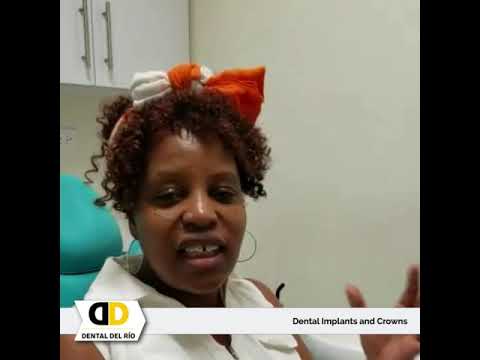
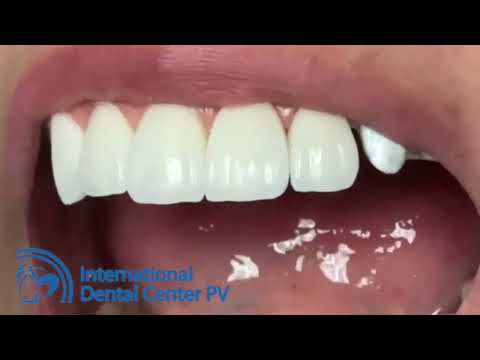
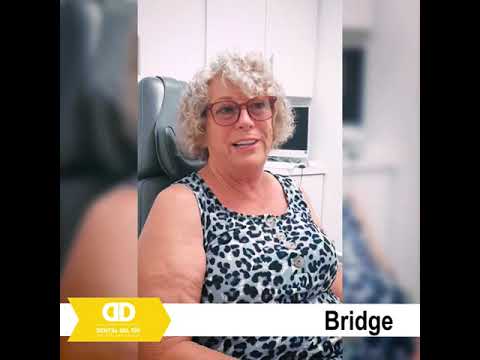
.png)


.png)








Share this listing