


Chronic knee pain is a debilitating condition that severely impacts daily functionality, disrupting sleep patterns, mobility, and overall quality of life. For patients suffering from severe joint degradation, finding an accurate diagnosis and an effective treatment plan often becomes a frustrating, multi-year ordeal. Advanced regenerative medicine is changing the landscape of orthopedic care, offering non-surgical alternatives to joint replacement. Specifically, comprehensive stem cell therapy for patellar chondromalacia in Colombia has emerged as a highly effective protocol for restoring joint health, combining biological regeneration with precise biomechanical alignment.
By integrating Platelet-Rich Plasma (PRP), targeted hyaluronic acid injections, and high-quality stem cells, specialized clinics can address the root causes of cartilage degradation. This multi-modal approach not only halts the progression of wear and tear but actively repairs damaged tissue. Understanding the nuances of this procedure, from the initial diagnostic phase to the post-treatment recovery, provides vital insights for individuals seeking long-term relief from chronic osteoarthritis and patellofemoral pain syndromes without resorting to invasive arthroplasty.
Video Chapters & Quick Navigation
- The Hidden Burden of Chronic Knee Pain
- Understanding Patellar Chondromalacia
- The Failure of Standard Diagnostic Models
- The Triple-Therapy Regenerative Protocol
- Biomechanical Alignment and Cartilage Health
- Restoring Quality of Life and Sleep Architecture
- The Role of Human-Centric Medical Care
- Choosing Colombia for Advanced Orthopedic Care
The Hidden Burden of Chronic Knee Pain
Living with persistent, unexplained joint pain creates a compounding toll on both physical and mental well-being. For active professionals, the sudden onset or gradual worsening of intense knee pain limits the ability to perform basic tasks, from walking up stairs to sitting comfortably at a desk. The narrative of Claudia, a 47-year-old lawyer, is highly representative of this widespread demographic. As noted at [00:06], she experienced intense pain in her knees for as long as she could remember.
The frustration is often exacerbated by a medical system that relies heavily on standard imaging techniques. Patients are frequently told that their joints look normal on basic X-rays, leading to a dismissal of their symptoms. This diagnostic gap leaves patients feeling alienated, pushing them to seek alternative opinions and more advanced specialists who understand the complex soft-tissue and cartilage mechanics that govern joint health. The prolonged search for accurate answers highlights the critical need for comprehensive functional assessments in orthopedic medicine.
When chronic pain is left untreated or misdiagnosed, it leads to compensatory movement patterns. Patients unknowingly shift their body weight to avoid pain, which places unnatural stress on the hips, lower back, and the opposing knee. This biomechanical cascading effect transforms a localized knee issue into a full-body structural problem, making early and accurate intervention utilizing regenerative techniques absolutely essential for preventing permanent systemic damage.
Understanding Patellar Chondromalacia
Patellar chondromalacia, frequently referred to as "runner's knee," is a condition characterized by the softening and breakdown of the articular cartilage on the underside of the kneecap (patella). This cartilage serves as a vital shock absorber and frictionless surface, allowing the kneecap to glide smoothly over the femur during flexion and extension. When this tissue degrades, the resulting bone-on-bone friction generates severe inflammation and sharp, deep-seated pain within the knee joint.
The condition is graded on a scale from I to IV, denoting the severity of the cartilage deterioration. In Grade I, the cartilage is merely softened, while Grade IV indicates complete exposure of the underlying bone. Accurate identification, as achieved by specialist consultations around [00:22], is paramount. When a physician accurately identifies patellar chondromalacia in both knees, it completely changes the treatment trajectory from basic pain management to targeted cartilage restoration.
Primary Causes of Cartilage Degradation
Several factors contribute to the onset of patellar chondromalacia. While acute trauma can trigger the condition, it is most commonly the result of chronic repetitive stress combined with underlying biomechanical anomalies. Identifying the exact root cause is a necessary step before administering stem cell therapy for knee pain.
- Muscular Imbalances: Weakness in the quadriceps, specifically the vastus medialis obliquus (VMO), causes the patella to track laterally rather than perfectly in the center of the femoral groove.
- Anatomical Misalignment: A high Q-angle (the angle between the quadriceps muscle and the patellar tendon) naturally places increased shear force on the knee joint.
- Overuse and Degeneration: Continuous high-impact activities or prolonged sitting with bent knees degrades the cartilage matrix over time, depleting it of essential hydration and proteins.
The Failure of Standard Diagnostic Models
A recurring theme in chronic joint pain cases is the failure of initial medical evaluations. Five years prior to receiving effective treatment, standard medical practitioners claimed there was "nothing wrong" [00:14]. This is a notorious flaw in orthopedic triage. Standard radiographs (X-rays) are excellent at detecting bone fractures and severe, end-stage osteoarthritis where joint spaces have entirely collapsed. However, X-rays are completely blind to early and mid-stage cartilage softening.
Cartilage is radiolucent, meaning it does not show up on conventional X-rays. Unless a doctor orders a high-resolution Magnetic Resonance Imaging (MRI) scan with specific sequences to view articular cartilage, severe chondromalacia will remain invisible. Furthermore, static imaging fails to capture dynamic tracking issues. A patient laying flat inside an MRI tube may exhibit normal joint spacing, but the moment they bear weight and articulate the knee, the maltracking and friction occur.
Specialized orthopedic clinics overcome this by combining advanced imaging with hands-on dynamic testing. Physicians observe the joint under load, feeling for crepitus (the grinding sensation of degrading cartilage) and testing ligamentous laxity. This comprehensive diagnostic approach is what eventually leads to uncovering dual-knee chondromalacia and allows for the formulation of a precise, biological intervention plan.
The Triple-Therapy Regenerative Protocol
To combat advanced knee degeneration, a single modality is rarely sufficient. The most successful clinics utilize a multi-tiered approach designed to address the biochemical, structural, and cellular deficits within the joint. This involves sequencing Platelet-Rich Plasma (PRP), synthetic lubricants, and powerful cellular therapies.
1. Platelet-Rich Plasma (PRP) Therapy
The foundational step often involves preparing the joint environment with PRP [00:20]. PRP is derived from the patient’s own blood, spun in a centrifuge to concentrate the platelets. These platelets are rich in alpha granules, which release a massive payload of growth factors into the joint space upon injection. These growth factors reduce the toxic, inflammatory enzymes that destroy cartilage and signal the body's local repair mechanisms to begin laying down new collagen matrix.
2. Hyaluronic Acid Viscosupplementation
While PRP alters the biochemical environment, the joint still requires immediate mechanical relief. Hyaluronic acid is naturally produced by the synovium to lubricate the joint and absorb shock. In a diseased knee, this fluid becomes thin and watery. By injecting a high-molecular-weight hyaluronic acid [00:36], the physician instantly restores the viscous, non-Newtonian fluid dynamics of the knee. This provides immediate cushioning, reducing the grinding sensation and allowing the subsequent stem cells to operate in a protected, well-lubricated environment.
3. Mesenchymal Stem Cell Injection
The pinnacle of the regenerative protocol is the introduction of stem cells. Mentioned at [00:39], stem cells act as the architects of tissue repair. Whether autologous (harvested from the patient's own bone marrow or adipose tissue) or allogeneic (ethically sourced umbilical cord tissue), Mesenchymal Stem Cells (MSCs) possess intense immunomodulatory properties. They dock at the site of cartilage injury, halt the cellular apoptosis (death) of existing chondrocytes, and differentiate to help form new, healthy hyaline-like cartilage over the degraded patellar surface.
| Therapy Component | Primary Function in the Knee Joint | Immediate vs. Long-Term Effect |
|---|---|---|
| PRP (Plasma) | Reduces inflammation, delivers concentrated growth factors. | Mid-term cellular signaling. |
| Hyaluronic Acid | Restores synovial fluid viscosity and provides mechanical cushioning. | Immediate friction reduction. |
| Stem Cells | Regenerates damaged tissue and promotes deep cartilage healing. | Long-term structural repair. |
Biomechanical Alignment and Cartilage Health
One of the most critical, yet frequently overlooked, aspects of regenerative orthopedic medicine is joint biomechanics. Injecting powerful biologics into a joint that is structurally misaligned is akin to putting new tires on a car with a bent axle; the new tissue will simply wear down just as quickly as the old tissue. Dr. Gustavo's method emphasizes realigning the kneecap and knee joint [00:28].
By preventing the continuous physical shock and maltracking that caused the wear and tear in the first place, the therapeutic injections are given the perfect environment to succeed. This alignment can be achieved through specific physical therapy protocols, specialized bracing, or minimally invasive arthroscopic release of tight lateral retinacular structures. Correcting the patellar glide path ensures that the newly formed cartilage matrix created by the stem cell therapy for knee pain is preserved over the long term.
This holistic view of the joint—treating both the biological degradation and the mechanical fault—is what separates high-tier regenerative medicine specialists from standard injection clinics. When the mechanical shock is removed [00:33], the joint can finally transition from a state of chronic degradation into a state of active healing and cellular proliferation.
Restoring Quality of Life and Sleep Architecture
The metrics of success in orthopedic interventions extend far beyond imaging results; they are measured by the restoration of a patient's daily life. Severe chondromalacia generates a constant, dull, aching pain that spikes into acute agony during movement. However, one of the most debilitating symptoms is resting pain, which destroys sleep architecture. As the body attempts to relax at night, the inflammatory markers in the knee pool, causing severe nocturnal pain.
Post-treatment results from advanced cellular therapies are often profound. Experiencing a pain reduction from 90% down to 10%, or even achieving 100% relief [01:00], is a life-altering transformation. With the reduction of intrarticular inflammation and the cushioning provided by restored cartilage and hyaluronic acid, patients report the ability to sleep peacefully through the night once again [01:08].
This return of deep, restorative sleep creates a positive biological feedback loop. High-quality sleep lowers systemic cortisol, improves immune function, and further accelerates the healing of the joint tissues. Patients are able to resume cardiovascular activities, strength training, and their professional duties without the constant cognitive burden of pain management, representing a massive leap in overall life quality.
The Role of Human-Centric Medical Care
The patient-physician relationship plays a pivotal role in the success of chronic pain treatments. Patients who have suffered for years often carry medical trauma from being dismissed or rushed through appointments. A compassionate, communicative approach is essential for establishing trust and ensuring compliance with complex regenerative protocols. A specialist who is close, explains the pathology clearly, and actively monitors patient evolution [01:16] significantly improves clinical outcomes.
Regenerative medicine is not an overnight fix; it is a biological process that requires weeks to months for full tissue remodeling. Having a dedicated medical team that tracks this evolution provides necessary reassurance to the patient. This humane, attentive care model ensures that any required adjustments to physical therapy or lifestyle modifications are made promptly, maximizing the efficacy of the stem cell injections.
Furthermore, detailed patient education empowers individuals to take an active role in their recovery. When a doctor takes the time to explain exactly how PRP and stem cells interact with the damaged chondrocytes, the patient is far more likely to adhere strictly to post-injection protocols, such as temporary weight-bearing limits or specific rehabilitative exercises, directly contributing to the outstanding success rates of these therapies.
Choosing Colombia for Advanced Orthopedic Care
In recent years, Colombia has established itself as a premier global destination for advanced medical treatments, particularly in the fields of orthopedic surgery and regenerative medicine. The country boasts world-class facilities, highly specialized physicians, and stringent regulatory standards that rival those in North America and Europe, often providing these cutting-edge therapies at a much more accessible price point.
Clinics specializing in joint health in Colombia utilize the latest technology in cellular harvesting, processing, and ultrasound-guided injection techniques. This ensures that the stem cell therapy for knee pain is delivered with pinpoint accuracy directly into the degraded patellofemoral joint space. The combination of advanced biological science with the renowned warmth and empathy of Colombian medical professionals creates an ideal environment for healing.
For individuals facing the daunting prospect of total knee replacement or enduring a lifetime of chronic pain medication, exploring regenerative options internationally presents a highly viable path forward. The comprehensive treatment of conditions like patellar chondromalacia through advanced stem cell and plasma therapies provides a deeply validated, scientifically sound method to reclaim mobility, eliminate pain, and restore a vibrant, active lifestyle.
Ready to Reclaim Your Mobility?
Discover if advanced stem cell therapy in Colombia is the right solution for your chronic knee pain. Connect with top orthopedic specialists for a personalized evaluation and comprehensive treatment plan.
Get Free QuoteView Full Patient Video Transcript
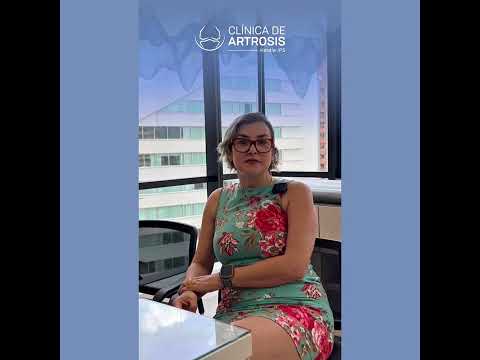
[00:00] Hello my name is Claudia I am a lawyer, I am 47 years old. For as long as I can remember I have suffered from pain very intense in the knees.
[00:11] 5 years ago and after looking for many doctors who told me that I had nothing, I came to the office of Dr. Gustavo Jr.
[00:19] He started treating me with plasma identified that I has a patellar chondromalacia on both knees.
[00:26] What Dr. Gustavo did was that he aligned my kneecap and knee so that I would not remained that shock that I had due to wear and tear.
[00:36] He gave me a little bit of hyaluronic acid and put stem cells in me. Is therefore an additional that he told me he was working which has had very good results.
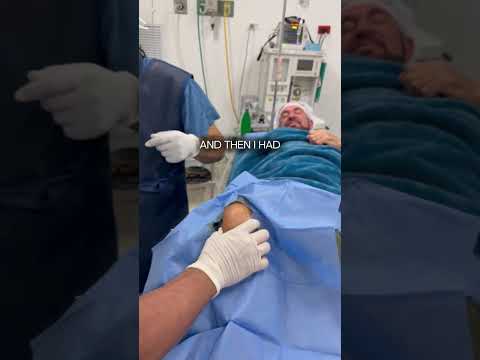
[00:46] And I did it and it was really excellent. The best has been very very large. Thanks God and doctor I have both knees operated on.
[00:56] My quality of life has improved immensely. The pain I can tell you that from 90% or by 100% has been reduced by 10%.
[01:06] I can now do more activities. I sleep peacefully because at night it hurt so much. I feel really good.
[01:13] The attention has been very humane. He is a close person who explains to you is watching your evolution. It serves you, but it is really worth it because in the face of a chronic pain of a lifetime I feel that I have improved a lot.
[01:28] And I thank you very much Dr. Gustavo and those who suffer from this type of treatment. Of pain I recommend it.
















.png)









Share this listing