


Living with chronic joint degradation requires effective medical intervention, and finding a reliable alternative to knee replacement surgery has become a priority for many patients globally. Sean, a 55-year-old patient from Sydney, Australia, faced severe bilateral joint issues before discovering highly effective stem cell therapy for knee osteoarthritis in Colombia. His journey highlights the growing demand for advanced regenerative medicine among individuals who wish to preserve their natural joint mechanics.
At [00:00], Sean explains his background and the reality of dealing with debilitating joint deterioration. Patients diagnosed with severe cartilage loss are frequently directed toward invasive surgical routes by their local orthopedic specialists. However, innovative treatments utilizing targeted biological applications offer an evidence-based pathway to reduce inflammation, repair tissue, and restore mobility without the lengthy recovery periods associated with traditional surgery.
Video Chapters
- Understanding Knee Osteoarthritis and Joint Degeneration
- The Push for Non-Surgical Alternatives to Total Knee Replacement
- How Mesenchymal Stem Cells Repair Damaged Cartilage
- Sean’s Experience with Dr. Alvarez at Clínica de Artrosis
- The Regenerative Medicine Treatment Protocol and Workflow
- Comparing Orthopedic Stem Cell Therapy to Traditional Injections
- The Advantages of Traveling for Medical Tourism in South America
- Evaluating Real Patient Outcomes and Long-Term Efficacy
Understanding Knee Osteoarthritis and Joint Degeneration
Osteoarthritis is a progressive condition characterized by the gradual breakdown of articular cartilage within the joint. This protective tissue functions as a vital shock absorber, preventing the underlying bones from grinding against one another during movement. When this cartilage deteriorates, patients experience localized inflammation, chronic stiffness, and a significant reduction in their overall range of motion.
As noted by Sean at [00:04], he suffers from osteoarthritis in both knees, a common clinical presentation known as bilateral osteoarthritis. Managing symptoms in multiple joints simultaneously complicates standard care protocols and severely impacts an individual's quality of life. Everyday tasks such as navigating stairs, driving, and even walking short distances become physically demanding challenges.
Conventional diagnostic methods rely heavily on X-ray imaging and MRI scans to assess the specific grade of joint space narrowing. Early-stage intervention typically involves conservative management, including targeted physical therapy and non-steroidal anti-inflammatory drugs (NSAIDs). However, for advanced degenerative disease, the mechanical friction continues to generate localized bone spurs and chronic swelling.
Once the physiological damage passes a critical threshold, conservative treatments often fail to provide meaningful relief. This therapeutic gap forces patients to seek out advanced medical solutions to address the root biological cause rather than merely masking the symptoms. Finding a permanent fix for structural joint defects remains a primary objective in modern orthopedics.
The Push for Non-Surgical Alternatives to Total Knee Replacement
Orthopedic surgeons frequently recommend total knee arthroplasty (TKA) for patients exhibiting end-stage joint deterioration. At [00:07], Sean clearly states he was told he needed a knee replacement by his initial medical providers. This aggressive surgical intervention involves amputating the damaged bone ends and inserting a metal and plastic prosthetic device.
While joint replacement surgery has a proven track record for pain elimination, it carries significant postoperative risks that patients must carefully weigh. The procedure requires extensive rehabilitation, potential reliance on strong prescription painkillers, and carries risks of deep vein thrombosis or hardware infection. Furthermore, prosthetic joints have a limited lifespan and may require complex revision surgeries down the line.
Why Patients Avoid Arthroplasty
Many active adults in their fifties, like Sean, consider themselves too young for joint replacement due to the high likelihood of outliving the prosthetic implant. The irreversible nature of cutting away natural bone tissue drives the search for an alternative to knee replacement surgery. Preserving native biomechanics remains the gold standard for maintaining a highly active lifestyle.
This widespread clinical hesitation has accelerated the adoption of regenerative medicine for joint pain. By avoiding general anesthesia and lengthy hospital stays, out-patient biological treatments offer a compelling counter-narrative to invasive hardware implantation. Patients prioritize interventions that stimulate their body's inherent healing mechanisms.
How Mesenchymal Stem Cells Repair Damaged Cartilage
The field of orthobiologics has revolutionized the way medical professionals address intra-articular tissue damage. At [00:21], the foundational science is referenced directly, emphasizing how mesenchymal stem cells repair the cartilage. These multipotent stromal cells possess the unique physiological ability to differentiate into a variety of structural cell types, including chondrocytes, which are responsible for cartilage formation.
Mesenchymal stem cell treatment for knees operates primarily through powerful paracrine signaling rather than simple cellular replacement. Once injected into the targeted joint capsule, these cellular agents release a concentrated matrix of growth factors, cytokines, and vital extracellular vesicles. This localized biochemical release actively halts the progression of tissue degradation and suppresses chronic immune-mediated inflammation.
The Biological Mechanisms of Healing
- Immunomodulation: MSCs actively regulate the local immune environment, reducing the destructive inflammatory enzymes that break down remaining healthy cartilage.
- Chondrogenesis: The stem cells stimulate native joint cells to increase the production of type II collagen and essential proteoglycans.
- Angiogenesis: Regenerative therapies promote the formation of new micro-blood vessels, significantly improving nutrient delivery to the avascular meniscal regions.
This multifaceted healing approach makes regenerative therapy profoundly different from temporary palliative care. By re-establishing a healthy microenvironment within the knee, the body is empowered to reverse aspects of degenerative osteoarthritis structurally. Clinical data continues to support the profound structural improvements observed in post-treatment MRI scans.
Sean’s Experience with Dr. Alvarez at Clínica de Artrosis
Choosing the right medical provider is critical when exploring specialized cellular therapies. At [00:11], Sean introduces his primary attending physician, Dr. Alvarez, a recognized expert in orthobiologic applications. Partnering with a dedicated stem cell doctor in Colombia ensures that patients receive treatments governed by stringent medical protocols and extensive clinical expertise.
The chosen facility, Clínica de Artrosis, operates specifically to address severe joint pathologies through non-surgical methodologies. Sean explicitly states at [00:14] that attending this specialized clinic has been a highly positive experience. Such specialized centers invest heavily in state-of-the-art laboratory infrastructure to ensure cellular viability and strict sterility during cellular processing.
International patients rely heavily on clear communication and comprehensive pre-arrival medical consultations. The clinical team reviews comprehensive diagnostic imaging remotely, ensuring that prospective candidates are viable matches for regenerative therapies before they book international flights. This rigorous vetting process maximizes the probability of successful clinical outcomes for arriving medical tourists.
The personalized attention provided by specialized international clinics often surpasses standard domestic care models. Patients benefit from dedicated medical concierges, seamless clinical workflows, and highly individualized post-treatment follow-up monitoring. This holistic approach directly contributes to high patient satisfaction and successful tissue regeneration.
The Regenerative Medicine Treatment Protocol and Workflow
Understanding the clinical workflow helps alleviate anxiety for individuals pursuing orthopedic regenerative medicine abroad. The procedure typically begins with an exhaustive in-person physical examination to assess joint laxity, precise pain origins, and current functional deficits. Physicians utilize advanced ultrasound imaging to precisely map the targeted injection sites within the complex knee anatomy.
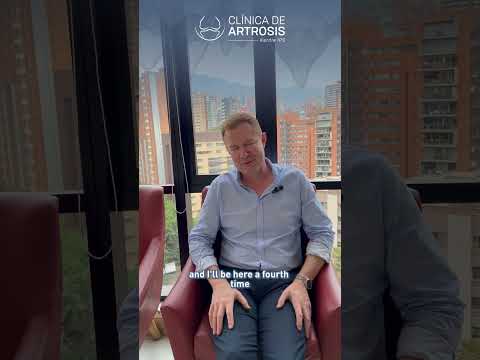
At [00:18], Sean reveals a crucial aspect of his specific medical journey: this is his third time visiting the clinic, and he anticipates a fourth visit. Regenerative medicine is rarely a single-shot miracle cure; instead, severe bilateral osteoarthritis often requires a meticulously scheduled series of treatments to achieve cumulative cellular repair. Spacing out therapies allows the intra-articular environment to process the biological signals and synthesize new structural proteins.
The actual administration of the biologic material is performed under strict image guidance, typically using high-definition fluoroscopy or ultrasound. This guarantees that the concentrated mesenchymal stem cells are delivered directly into the areas of maximum cartilage degradation and meniscal tearing. Blind injections are medically inferior and can result in the therapeutic agents missing the crucial intra-articular joint space entirely.
Following the procedure, patients undergo a brief observation period before receiving specific physical therapy guidelines. Early mobilization is generally encouraged to facilitate the distribution of the biologic agents throughout the synovial fluid. However, high-impact activities must be strictly avoided during the initial crucial weeks of cellular engraftment.
Comparing Orthopedic Stem Cell Therapy to Traditional Injections
Patients navigating the complex landscape of non-surgical joint care must differentiate between standard palliative injections and advanced regenerative therapies. Corticosteroid injections remain the most commonly prescribed initial treatment for acute knee flare-ups. While highly effective at rapidly reducing localized swelling, repeated cortisone usage has been clinically proven to accelerate cartilage toxicity and weaken critical connective tissues.
Hyaluronic acid (HA) injections, commonly referred to as gel shots or viscosupplementation, offer another tier of conservative management. These treatments aim to artificially restore the lubricating properties of healthy synovial fluid. Though much safer than continuous steroid use, HA therapies provide strictly mechanical relief and contain absolutely no regenerative cellular components to repair structural damage.
| Treatment Type | Primary Mechanism | Regenerative Potential | Long-Term Viability |
|---|---|---|---|
| Corticosteroids | Aggressive inflammation reduction | None (Causes Degradation) | Short-term palliative care |
| Hyaluronic Acid (Gel) | Mechanical joint lubrication | None | Medium-term symptom relief |
| Platelet-Rich Plasma (PRP) | Growth factor concentration | Moderate | Good for mild to moderate OA |
| Mesenchymal Stem Cells | Cellular differentiation & repair | High (Cartilage Repair) | Excellent for advanced degeneration |
By directly deploying viable mesenchymal stem cells, physicians address the core biological deficit present in an arthritic knee. The treatment provides the essential raw building blocks required to patch chondral defects and stabilize the joint architecture. This biological superiority is exactly why patients suffering from advanced osteoarthritis bypass temporary fixes in favor of cellular medicine.
The Advantages of Traveling for Medical Tourism in South America
The globalization of healthcare has empowered patients to look beyond their domestic borders for specialized medical interventions. Individuals seeking an alternative to knee replacement surgery often face strict regulatory limitations regarding cellular therapies in countries like Australia, the United States, and Canada. These geographical restrictions severely limit access to expanded mesenchymal stem cell treatments, prompting the rise of international medical travel.
Colombia has rapidly emerged as a premier destination for advanced regenerative medicine and complex orthopedic care. Clinics situated in major metropolitan hubs like Medellin and Bogota boast internationally accredited laboratories that adhere to rigorous biomedical safety standards. The regulatory environment in South America permits the ethical utilization of advanced cell culturing techniques that are frequently restricted in Western markets.
Cost Efficiency Without Compromising Quality
Beyond regulatory access, the financial logistics of pursuing stem cell therapy for knee osteoarthritis in Colombia are highly favorable for international patients. The cost of comprehensive cellular treatments, even factoring in premium airfare and prolonged hotel accommodations, is drastically lower than equivalent out-of-pocket procedures in North America or Australia. This cost-to-value ratio allows patients to access multiple treatment rounds, as demonstrated by Sean's ongoing clinical protocol.
Medical tourism facilitators ensure that the logistical burden on the patient is minimized. From airport transfers to language translation services during complex medical consultations, every aspect of the journey is professionally managed. This supportive infrastructure allows patients to focus entirely on their physical healing and joint rehabilitation.
Evaluating Real Patient Outcomes and Long-Term Efficacy
Clinical success in regenerative orthopedics is ultimately measured by tangible improvements in a patient's daily functional capacity. Restoring the ability to walk pain-free, returning to low-impact sports, and eliminating reliance on daily analgesics are the primary metrics of success. At [00:27], Sean emphatically states that he is living proof that it definitely works.
Patient testimonials provide critical qualitative data regarding the efficacy of targeted biological treatments. Experiencing substantial pain reduction allows patients to engage in necessary physical therapy protocols that further strengthen the supporting musculature around the knee joint. Stronger quadriceps and hamstrings mechanically offload the newly regenerating cartilage, creating a positive feedback loop for sustained joint health.
Long-term studies monitoring mesenchymal stem cell treatment for knees continue to show favorable cartilage retention rates years post-injection. By actively altering the inflammatory pathology of the synovial environment, disease progression is effectively stalled. Sean closes his review at [00:29] by stating he would highly recommend stem cell therapy to others facing similar degenerative diagnoses.
For individuals staring down the daunting prospect of total joint amputation, regenerative biological therapies represent a profoundly hopeful medical advancement. Exploring specialized clinical hubs overseas grants access to cutting-edge science and unparalleled clinical expertise. Preserving natural joint function through targeted cellular repair is rapidly becoming the new standard of care in modern restorative orthopedics.
Ready to Explore Non-Surgical Joint Repair?
If you have been told you need a joint replacement and want to explore stem cell therapy for knee osteoarthritis in Colombia, connect with leading specialists today. Discover if regenerative medicine is the right alternative for your severe joint pain.
Get Free QuoteView Full Video Transcript
[00:00] My name is Sean.
[00:01] I'm 55 and I'm from Sydney Australia.
[00:04] I have osteoarthritis in both knees.
[00:07] I was told I need a knee replacement.
[00:09] I tried stem cell therapy.
[00:11] So my doctor is Dr. Alvarez.
[00:14] And I come to Clínica de Artrosis.
[00:16] And I'm very happy.
[00:18] I've been here this is my third time.
[00:20] And I'll be here a fourth time.
[00:21] I understand the mesenchymal stem cells repair the cartilage.
[00:27] And I'm a living proof that it definitely works.
[00:29] I would recommend stem cell therapy.
















Share this listing