
Finding reliable regenerative medicine abroad can transform the lives of individuals suffering from severe chronic pain and athletic injuries. When searching for effective stem cell therapy in Colombia for joint repair, patients prioritize pricing transparency, clinical safety, and proven medical results. Many individuals travel internationally seeking advanced biological treatments to heal complex soft tissue and cartilage damage without undergoing invasive orthopedic surgery.
Advanced cellular therapies utilize targeted injections to reduce chronic inflammation and stimulate the body's natural healing mechanisms. Patients dealing with long-term mobility issues often explore international medical tourism to access world-class clinical care at a fraction of standard North American healthcare costs. This approach provides a viable pathway to restoring optimal physical performance while avoiding the extensive downtime associated with traditional joint replacements.
Video Chapters
- Evaluating Stem Cell Clinics Abroad
- Treating Plantar Fasciitis with Regenerative Medicine
- Resolving Torn Hip Labrum and Knee Pain
- Addressing Tendinitis and Soft Tissue Damage
- Avoiding Invasive Joint Replacement Surgery
- The Medical Tourism Logistics in Medellin
- Enhancing Athletic Performance and Recovery
Evaluating International Stem Cell Clinics for Advanced Orthopedic Care
Selecting the right medical provider requires extensive research into treatment protocols, laboratory standards, and overall patient experience. Evaluating a couple of different companies to do the stem cell with involves deep analysis of clinic certifications and physician credentials [00:01]. Prospective patients must ensure the facility utilizes high-viability mesenchymal stem cells to maximize therapeutic outcomes for joint repair.
Cost structure and transparency play massive roles in the decision-making process for international medical tourists. Looking at price, transparency, customer support, and the ease of the process helps patients navigate the complexities of booking treatments abroad [00:04]. Clear communication regarding what the treatment package includes eliminates financial surprises and builds essential trust between the patient and the medical staff.
The Importance of Comprehensive Customer Support
Traveling to a foreign country for medical procedures can initially feel overwhelming without dedicated logistical assistance. High-quality clinics provide dedicated patient coordinators who manage airport transfers, lodging arrangements, and daily clinical transportation. This seamless coordination is often the deciding factor about which clinic to go with [00:15].
Excellent patient care extends far beyond the actual injection day. Reputable regenerative medicine centers offer robust post-procedure follow-ups to monitor joint healing and answer ongoing rehabilitation questions. Dedicated customer support teams ensure a stress-free environment, allowing the patient's nervous system to remain calm, which promotes faster cellular regeneration.
Treating Refractory Plantar Fasciitis with Regenerative Medicine
Plantar fasciitis is a debilitating condition characterized by severe inflammation of the thick band of tissue running across the bottom of the foot. Experiencing severe plantar fasciitis in the feet makes basic daily activities like walking or standing incredibly painful [00:17]. Traditional treatments such as corticosteroid injections often only provide temporary masking of symptoms and can actually weaken the fascial tissue over time.
Stem cell therapy targets the root cause of heel pain by delivering powerful anti-inflammatory cytokines directly to the micro-tears in the fascia. These cellular structures prompt local tissue regeneration, rebuilding the compromised collagen fibers necessary for structural foot support. Patients suffering from chronic foot pain find that biological treatments offer a sustainable healing pathway rather than a simple pain management band-aid.
Cellular Mechanisms in Foot Tissue Healing
When mesenchymal stem cells are introduced to the plantar fascia, they begin secreting growth factors that stimulate angiogenesis, or the creation of new blood vessels. Increased blood flow is critical for the heel area, which traditionally suffers from poor circulation, hindering natural recovery. This vascular improvement flushes out inflammatory proteins and accelerates the repair of microscopic fascial tears.
The targeted injection of these potent biological agents helps dissolve the hardened scar tissue that often develops from chronic plantar fasciitis. As the cellular matrix remodels over several months, patients typically experience restored foot arch elasticity. This regenerative approach successfully reverses long-standing structural damage without requiring invasive plantar fascia release surgery.
Resolving Torn Hip Labrum and Severe Knee Arthropathy
Athletes and military veterans often endure extreme physical stress that accelerates the degradation of major weight-bearing joints. Enduring multiple surgeries in both knees severely compromises the joint space, often leading to early-onset osteoarthritis [00:19]. Previous surgical interventions frequently remove damaged cartilage, leaving the bones vulnerable to painful bone-on-bone friction during movement.
Hip joints are equally susceptible to traumatic and repetitive use injuries that require specialized medical attention. Diagnoses involving a torn hip labrum in both hips cause excruciating groin pain and severely restricted range of motion [00:21]. The hip labrum is a vital ring of cartilage that secures the femur head within the hip socket, and structural tears directly compromise joint stability.
Cartilage Regeneration Protocols for Major Joints
Regenerative orthopedics utilizes ultrasound-guided stem cell injections to precisely target the damaged articular cartilage inside the knee capsule. Once inside the joint space, stem cells attach to degraded areas and signal the body to produce high-quality chondrocytes. This biological process gradually thickens the cartilage layer, restoring the natural shock absorption needed for pain-free mobility.
For hip labral tears, direct intra-articular injections flood the joint with regenerative cells that fuse with the frayed cartilaginous edges. This cellular bonding stops the tear from expanding while simultaneously reducing the intense friction caused by joint instability. Proper post-injection physical therapy ensures the newly formed tissue aligns correctly with the biomechanical demands of the pelvis.
Addressing Tendinitis and Upper Extremity Soft Tissue Damage
Repetitive strain injuries in the upper body present significant challenges for active individuals who rely on grip strength and arm mobility. Chronic tendinitis in the arms creates a persistent burning sensation and weakness that traditional physical therapy often struggles to resolve [00:24]. Tendons possess a notoriously poor blood supply, which severely limits their innate ability to heal from microscopic fraying.
In addition to localized inflammation, acute traumatic events can lead to structural ruptures in the extremities. Suffering from torn tendons in the fingers drastically impacts a person's fine motor skills and grip capabilities [00:26]. Treating these highly specialized, small structures requires precise biological therapies that promote dense, organized collagen synthesis to restore full mechanical strength.
The Efficacy of Stem Cells for Soft Tissue Repair
Patients undergo regenerative treatments specifically expecting them to help with soft tissue, cartilage, and tendon issues across all different joints [00:28]. Cellular therapy modulates the overactive immune response responsible for chronic tendinopathy. By shifting the environment from a state of chronic inflammation to one of active repair, the tendon fibers can finally begin to mend.
Stem cell treatments actively break down fibrotic scar tissue that forms around damaged elbow and finger tendons. The biological agents replace rigid, non-functional scar tissue with flexible, healthy tendon fibers. This physiological transformation is vital for restoring pain-free extension and flexion in complex upper extremity joints.
Avoiding Invasive Joint Replacement Surgery with Biological Alternatives
The overarching objective for many patients seeking stem cell therapy abroad is the preservation of their native anatomical structures. Successfully healing compromised tissue helps patients actively avoid any kind of future surgeries or knee and hip replacements [00:40]. Joint arthroplasty is a highly invasive procedure that requires cutting through major muscle groups and amputating the ends of the natural bone.
Total joint replacements come with significant risks, including blood clots, heavy metal toxicity, bacterial infections, and lengthy, painful rehabilitation periods. Furthermore, prosthetic joints have a limited lifespan, meaning younger or highly active patients will likely face complex revision surgeries later in life. Regenerative medicine provides a minimally invasive alternative that relies entirely on a simple needle injection to stimulate healing.
Evaluating Treatment Outcomes and Procedural Risks
Comparing biological joint repair against traditional orthopedic surgery highlights the immense advantages of non-surgical interventions. Below is a breakdown of the primary differences between utilizing stem cells versus undergoing total joint arthroplasty.
| Feature | Stem Cell Therapy | Joint Replacement Surgery |
|---|---|---|
| Invasiveness | Minimally invasive targeted injection | Highly invasive bone amputation |
| Recovery Time | A few days of rest, gradual physical therapy | 3 to 6 months of intense rehabilitation |
| Anatomy Preservation | Keeps native bone and joint structures intact | Permanently removes natural bone structures |
| Longevity | Can provide years of relief, repeatable if needed | Prosthetics degrade, requiring major revision surgery |
By choosing cellular regeneration, patients maintain their natural biomechanics while dramatically lowering the risk profile associated with general anesthesia. The biological route allows patients to return to their daily routines faster, utilizing their own body's renewed capacity to generate healthy cartilage.
The Medical Tourism Logistics and Patient Experience in Medellin
Colombia has rapidly emerged as a premier global destination for advanced cellular therapies due to its modern healthcare infrastructure and favorable medical regulations. Experiencing very good customer support, professional staff, and seamless logistics verifies the high standards maintained by top-tier South American clinics [00:44]. English-speaking medical coordinators guide international patients through every step of their clinical journey, ensuring absolute comfort and safety.
A flawlessly executed itinerary minimizes travel anxiety, allowing the patient to focus entirely on their physical healing. Having everything work good with no complaints highlights the rigorous operational protocols these international facilities deploy to cater to foreign visitors [00:52]. From preliminary MRI reviews via telehealth to the final post-injection checkups, the patient care model is incredibly comprehensive.
Combining Joint Recovery with a Premium Travel Experience
Undergoing medical treatments in visually stunning and culturally rich cities provides a uniquely positive psychological boost during the recovery phase. Patients frequently find themselves enjoying the city of Medellin a lot, appreciating its beautiful weather, excellent food, and accessibility [01:14]. The "City of Eternal Spring" offers a calm, temperate environment perfect for taking light, rehabilitative walks after joint injections.
The integration of tourism and medical care creates a holistic healing experience that starkly contrasts with sterile domestic hospital visits. Navigating the city is easy, and exploring local culinary offerings adds an element of leisure to an otherwise medical-focused trip [01:24]. Many individuals plan to return for future wellness visits purely based on the outstanding hospitality and vibrant cultural environment.
Enhancing Athletic Performance and Healing Chronic Injuries
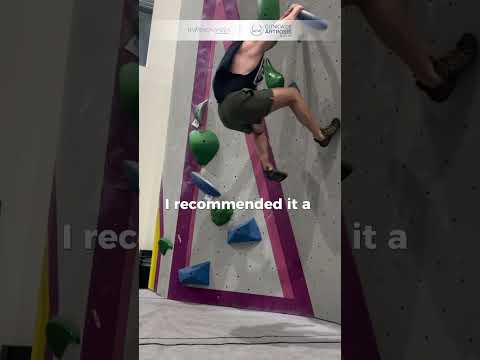
Word of mouth among active communities strongly validates the real-world efficacy of biological joint treatments. Individuals frequently talk to friends that have similar injuries and issues as they get older, specifically addressing the unavoidable wear and tear from rigorous sports [00:55]. Chronic pain does not solely affect the elderly; dedicated athletes and military veterans experience severe joint degradation decades earlier than the general population.
The ability to recover quickly from demanding physical activities naturally declines as natural stem cell production slows down with age. Recommending this therapy highly to anyone that wants to increase their performance or deal with injuries provides a strong endorsement for non-surgical healing paths [01:04]. Supplementing the body with young, highly potent mesenchymal cells reboots the body's natural recovery timelines to match peak athletic years.
Ideal Candidates for Advanced Regenerative Interventions
Understanding who benefits the most from these sophisticated medical procedures helps patients set realistic expectations for their recovery journeys. Stem cell treatments effectively target diverse structural damage across multiple bodily systems.
- Military Veterans and Active Personnel: Individuals seeking to repair accumulated soft tissue damage from years of carrying heavy loads and experiencing high-impact physical stress.
- Endurance and Combat Athletes: Competitors looking to naturally accelerate recovery times and heal micro-tears in ligaments without violating anti-doping regulations.
- Individuals Refusing Surgery: Patients diagnosed with osteoarthritis or torn labrums who categorically reject the long downtime and risks associated with total joint replacements.
- Chronic Tendinopathy Sufferers: People experiencing unresolved plantar fasciitis, tennis elbow, or generalized tendinitis that has failed to respond to traditional physical therapy and steroid injections.
By targeting the foundational cellular deficits causing chronic joint pain, regenerative medicine offers profound life-changing benefits. The advanced therapies provided in international hubs like Colombia represent the modern frontier of orthopedic recovery.
Ready to Heal Your Joints Naturally?
Discover if you are a candidate for advanced stem cell therapy in Colombia. Skip the invasive surgeries and prolonged recovery times. Connect with top regenerative medicine specialists today to review your MRI and build a custom non-surgical treatment plan.
Get Your Free Medical QuoteView Full Video Transcript
[00:00] So I looked at a couple different companies to do the stem cell with.
[00:04] Looking at price, you know, transparency, customer support.
[00:10] The ease of the process, kind of things.
[00:13] And that's kind of how I made my decision about which clinic to go with.
[00:17] Plantar fasciitis in my feet.
[00:19] Multiple surgeries in both knees.
[00:21] Torn hip labrum in both hips.
[00:24] Uh, tendinitis in my arms.
[00:26] Uh, torn tendons in my fingers.
[00:28] I was expecting it to help with my soft tissue, cartilage, tendon issues, and all of my different joints.
[00:36] Um, you know, and that it would, uh, prolong or avoid any kind of future surgeries or knee, hip replacements.
[00:44] It was very good. Uh, the customer support, the staff, the logistics, everything.
[00:52] Uh, everything worked good. No complaints.
[00:55] I've talked to my friends that have similar injuries, similar issues as they get older.
[01:00] Out of sports and athletic injuries, uh, I've recommended it a lot.
[01:05] So, um, I would recommend it to anybody that wants to increase their performance or deal with injuries without having surgery.
[01:14] I like the city a lot.
[01:16] Uh, next time I'll definitely come back when I'm not, uh, getting injections.
[01:21] But sorry, but yeah, I enjoyed it from a little bit that I've seen in Medellin.
[01:25] I like it a lot. It's easy to get around. Foods, everything is very good.







Share this listing