


Living with chronic joint pain can severely diminish your overall quality of life and daily functionality. For individuals seeking reliable stem cell therapy for knee osteoarthritis in Colombia, exploring innovative treatments beyond standard domestic care is becoming an increasingly common healthcare decision. Modern regenerative medicine offers remarkable possibilities for tissue repair and pain management that traditional models often overlook.
Traditional medical systems frequently rely heavily on temporary corticosteroid injections or rush patients directly into invasive joint replacement surgeries. By contrast, specialized regenerative clinics provide comprehensive autologous stem cell treatments for severe osteoarthritis that address the root cause of joint degeneration. These advanced cellular therapies focus on rebuilding the joint microenvironment and reducing systemic inflammation.
In this comprehensive review, we examine the real-world experience of a US patient who traveled abroad to access cutting-edge orthobiologic treatments. By integrating high-dose cellular therapies with advanced physical rehabilitation, patients are finding long-term relief from conditions previously deemed untreatable. Understanding these methodologies is vital for anyone researching alternative knee arthritis treatment in Colombia.
Video Chapters
- Understanding Severe Osteoarthritis
- Why Patients Seek Treatment in Colombia
- Advanced Super Induction Therapy
- Autologous Stem Cell Treatment Protocols
- The Role of Platelet-Rich Plasma (PRP)
- Improving Sleep Quality After Injections
- Preparing for Knee Replacement Surgery
- Comprehensive Post-Surgery Rehabilitation
Understanding Severe Osteoarthritis and Chronic Knee Pain
Osteoarthritis is a degenerative joint disease characterized by the progressive breakdown of cartilage, leading to painful bone-on-bone friction. When the articular cartilage wears away, the underlying bone experiences abnormal mechanical stress, resulting in severe chronic pain and significant mobility limitations. As noted at [00:15] in the video, patients with severe osteoarthritis often suffer from profound physical restrictions that dictate every aspect of their daily lives.
One of the most debilitating secondary effects of chronic knee arthritis is the development of flexion contractures. This occurs when the joint becomes rigidly fixed in a bent position due to scar tissue formation and prolonged muscle tension. The patient describes at [00:25] having a 5-degree mobility limitation and walking with bent knees for over 20 years, highlighting the devastating long-term impact of untreated joint degeneration.
Walking with bent knees alters the entire biomechanical chain of the human body. It forces the hips and lower spine to overcompensate for the lack of knee extension, often generating secondary pain syndromes in the lower back. Furthermore, joint instability causes the knees to frequently pop out of place, creating a cycle of acute trauma and chronic inflammation that prevents natural healing.
Why Patients Seek Knee Arthritis Treatment in Colombia
The landscape of regenerative medicine varies drastically depending on geographical and regulatory boundaries. Patients dealing with end-stage joint disease frequently discover that conventional treatments offered domestically are insufficient for actual tissue regeneration. As mentioned at [00:37], specialized clinics in Colombia offer the latest therapies that are heavily restricted or entirely unavailable in the United States and other Western nations.
A primary driver for medical travel is the regulatory environment surrounding cell culturing and expansion. In many domestic healthcare systems, physicians are restricted from expanding a patient's autologous stem cells in a laboratory setting to reach clinically significant numbers. South American medical hubs, however, operate under different regulatory frameworks that permit safe, highly monitored cell expansion protocols under stringent quality controls.
This unrestricted access allows physicians to deliver customized orthobiologic treatments utilizing state-of-the-art laboratory infrastructure. Seeking the best clinic for stem cell therapy in South America provides access to multi-disciplinary teams capable of combining cellular therapies with advanced physical medicine modalities. This integrated approach ensures the optimal environment for joint healing and functional recovery.
| Treatment Aspect | Standard Domestic Care | Advanced Clinics in Colombia |
|---|---|---|
| Stem Cell Expansion | Heavily restricted by local regulations | Permitted in certified biological laboratories |
| Cell Dosage | Low yield (same-day extraction limits) | High yield (up to 100 million+ cells per joint) |
| Technology Integration | Basic physical therapy programs | Super induction, Hyperbaric chambers, CPM machines |
Advanced Super Induction Therapy for Joint Pain
Super induction therapy represents a massive leap forward in non-invasive pain management and tissue stimulation. At [00:42], the patient notes that this therapy was one of the first interventions applied, pointing out its limited availability outside of Europe and parts of South America. This technology utilizes high-intensity electromagnetic fields to interact deeply with the human body's neuromuscular system.
The mechanism of action behind super induction therapy is rooted in the depolarization of nerve fibers and the enhancement of local blood circulation. By applying specific electromagnetic frequencies, the device effectively blocks pain signals from reaching the brain via the gate control theory of pain. Simultaneously, it induces gentle, involuntary muscle contractions that help prevent the severe muscle atrophy often associated with chronic joint immobility.
Utilizing super induction therapy for joint pain creates an optimized physiological environment prior to cellular injections. By reducing the ambient inflammation inside the joint capsule and stimulating the surrounding vascular network, the target area becomes highly receptive to incoming biological treatments. This synergistic approach maximizes the survival and integration rate of newly introduced therapeutic cells.
Autologous Stem Cell Treatment for Severe Osteoarthritis
The cornerstone of advanced regenerative medicine relies on the strategic application of highly concentrated cellular products. As documented at [00:52], the patient underwent autologous stem cell treatments, meaning the foundational biological material was harvested directly from his own body. Using a patient's own cells eliminates the risk of immune rejection and guarantees perfect genetic compatibility.
Once extracted, these initial mesenchymal stem cells (MSCs) are transferred to a specialized laboratory where they undergo a controlled cultivation process. Over several weeks, the cells replicate until they reach a massive clinical dosage, which is impossible to achieve with standard same-day extraction methods. At [00:58], it is revealed the patient received an astonishing 100 million stem cells in each knee, administered twice over the course of his treatment.
Why High Cell Counts Matter
Administering how many stem cells for knee arthritis is a critical variable that directly dictates clinical outcomes. Severe degenerative conditions feature extensive microscopic damage that requires an overwhelming cellular response to reverse the pathological tissue breakdown. A dosage of 100 million cultured MSCs ensures that millions of cells survive the initial inflammatory environment and successfully initiate the regenerative signaling cascade.
- Paracrine Signaling: High-dose stem cells release powerful anti-inflammatory cytokines that shut down localized joint swelling.
- Immunomodulation: Cultured MSCs alter the behavior of aggressive immune cells that mistakenly attack degraded cartilage.
- Tissue Scaffolding: Massive cell volumes provide the necessary biological building blocks to encourage localized tissue repair.
The Role of Platelet-Rich Plasma (PRP) in Joint Healing
While cultured stem cells offer tremendous regenerative potential, their survival and efficacy are dramatically enhanced when paired with supportive biological catalysts. At [01:03], the protocol specifically mentions administering the stem cells concurrently with Platelet-Rich Plasma (PRP). This combined delivery mechanism is a hallmark of sophisticated orthobiologic intervention protocols.
PRP is derived by drawing a small amount of the patient's blood and spinning it in a specialized centrifuge to isolate the platelet-dense plasma layer. Platelets are inherently packed with alpha granules that release essential growth factors such as PDGF, TGF-beta, and VEGF upon activation. These specific growth factors act as highly nutritious biological food for the newly injected stem cells, encouraging rapid proliferation within the joint cavity.
Furthermore, PRP establishes a temporary fibrin scaffold that helps anchor the stem cells directly to the damaged cartilage surfaces. Without this structural support network, liquid cellular suspensions can prematurely diffuse out of the target anatomical zone. The strategic combination of 100 million stem cells and PRP creates an ideal microenvironment for sustained cartilage preservation.
Improving Sleep Quality After Stem Cell Knee Injections
Chronic orthopedic pain rarely limits its destruction to waking hours; it frequently sabotages a patient's ability to achieve restorative sleep. The relentless bone-on-bone ache triggers continuous nerve firing that interrupts standard sleep architecture, preventing transition into deep REM cycles. At [01:06], the most immediate quality-of-life improvement reported was the restoration of normal sleeping patterns.
The patient shares a dramatic transformation from suffering 25 years of fragmented sleep—averaging only one to three hours nightly—to consistently sleeping seven hours uninterrupted. This monumental shift highlights the powerful, rapid-acting anti-inflammatory properties of high-dose cellular therapy. Once the localized joint inflammation subsides, the central nervous system can finally downregulate pain perception.
Restoring adequate sleep is not merely a comfort issue; it is a profound clinical necessity for physical healing. During deep sleep phases, the human endocrine system releases natural human growth hormone (HGH) responsible for cellular repair and tissue regeneration. By neutralizing nocturnal pain, the stem cell therapy allows the body's intrinsic healing mechanisms to fully activate overnight.
Preparing for a Successful Knee Replacement Surgery
In some scenarios involving end-stage structural collapse, cellular therapy acts not as a permanent alternative, but as an essential preparatory phase for major orthopedic surgery. At [01:21], the patient explains how the clinical team used these biological treatments to prepare him for a total knee replacement. Pre-surgical joint optimization drastically alters the trajectory of post-operative recovery.
Attempting an invasive total knee arthroplasty (TKA) on a joint severely restricted by 20 years of muscular atrophy and a rigid flexion contracture often yields poor long-term results. The patient explicitly states that prior to cellular intervention, his chances of a successful knee replacement were estimated at a mere 50/50. Improving knee replacement success rate with stem cells is achieved by increasing the joint's functional range of motion and fortifying the surrounding musculature.
The patient confirms at [01:13] that his ability to straighten his legs and walk upright returned, which properly aligns the biomechanical axis needed for a prosthetic joint implant to succeed. Additionally, engaging in specialized pre-surgical programs, such as the clinic's dedicated weight management program mentioned at [01:36], reduces the mechanical load placed on the new hardware. Comprehensive medical prehabilitation ensures the physical body is operating at peak resilience before entering the operating room.
Comprehensive Post-Surgery Rehabilitation Tools
The true value of a specialized orthopedic facility is demonstrated by their comprehensive approach to post-operative recovery protocols. Advanced clinics invest heavily in technological infrastructure to accelerate cellular healing following major surgical trauma. At [01:43], specific rehabilitative machines are highlighted as critical components of the overarching recovery strategy.
Continuous Passive Motion (CPM) machines are deployed immediately following surgical intervention to maintain steady, highly controlled joint movement. These specialized medical devices prevent the formation of rigid intra-articular scar tissue, known as arthrofibrosis, which can permanently freeze a newly replaced joint. By constantly moving the synovial fluid within the joint space, CPM machines naturally reduce acute swelling and preserve the newly acquired range of motion.
Furthermore, the integration of Hyperbaric Oxygen Therapy (HBOT) chambers offers a systemic advantage against post-surgical complications. Breathing 100% pure oxygen within a pressurized chamber forcefully dissolves life-saving oxygen directly into the blood plasma, bypassing compromised red blood cells. This hyper-oxygenated state rapidly speeds up the synthesis of fresh collagen, significantly reduces post-operative bruising, and provides a powerful defense against potential surgical site infections.
Ready to Regain Your Mobility and Live Pain-Free?
Don't let severe osteoarthritis dictate the terms of your life. Discover personalized, high-dose stem cell protocols and advanced regenerative treatments tailored to your unique joint condition. Connect with top medical experts today to evaluate your case.
Get Free QuoteView Full Video Transcript
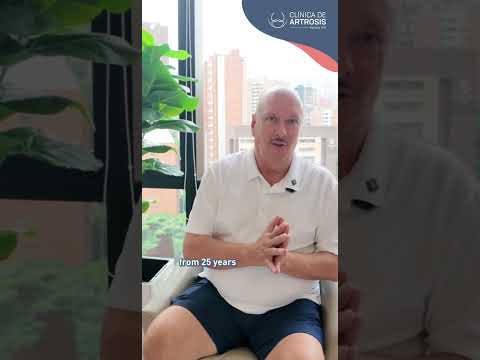
[00:00] Hi, my name is Terry Urness and I've been coming to Clinica Artrosis since August 2021.
[00:08] And I just want to share a little bit of that experience.
[00:10] You can tell right away this was a very professional organization and it was very specialized for somebody like me, somebody who has severe osteoarthritis.
[00:18] So when I first came here I was very limited in mobility.
[00:22] I could not fully straighten my legs, so I had 5 degrees limitation on both.
[00:27] Also it's really just the pain. I've been walking with my knees bent for over 20 years.
[00:32] My knees would pop out of place all the time.
[00:34] Over time though what's really helped is meeting Doctor Gustavo.
[00:37] They have very much the latest therapies, things that you can't get in United States, things you can't get a lot of countries.
[00:41] Especially super induction was one of the first things I did which is really only in Europe and parts of South America.
[00:46] But from this time in the last four years I've done many super induction therapies and then also stem cells.
[00:51] So twice I've done stem cells using my own stem cells from my body and then growing those to be able to be used.
[00:57] I've done 100 million stem cells in each knee twice and I do them at the same time along with PRP.
[01:03] First thing that I noticed was that I could sleep at night.
[01:06] From 25 years where I literally slept one to three hours a night to a point where now I sleep seven hours a night.
[01:13] My range of motion, both knees has increased. I can go to straight, I'm actually can go straight and very strong and I walk upright.
[01:19] Now I'm actually, they're helping me prepare to do a total knee replacement.
[01:23] Before it would have been a 50/50 chance to be able to have a successful knee replacement.
[01:28] Now those odds have gone up greatly because I have a much greater range of motion, I'm building muscle.
[01:33] I'm now getting ready to enroll here to work on a weight program because that's part of the issue with knees.
[01:38] But even coming out of the surgery they have a lot more tools.
[01:42] They have continuous passive motion (CPM) machines that you can use immediately after.
[01:45] They have a hyperbaric chamber to help with the effects of surgery.
[01:48] They have an entire staff that's built.
[01:50] This is by far one of the top places that you could go. It's effective, it makes your life better.
[01:54] I can't thank them enough for what they've done.

















Share this listing