


Finding an effective alternative to knee replacement surgery in Colombia has become a primary goal for patients suffering from severe joint degradation. Chronic knee pain fundamentally alters your quality of life, making simple daily tasks feel like monumental physical challenges. For decades, the standard medical approach within the United States has heavily favored invasive surgical interventions. Patients diagnosed with osteoarthritis or severe cartilage wear are routinely pushed toward total knee arthroplasty as the inevitable solution.
However, the landscape of orthopedic medicine is rapidly shifting toward regenerative treatments that preserve the natural joint. Stem cell therapy for knees in Colombia represents the forefront of this medical evolution, offering a powerful, non-surgical path to joint restoration. By utilizing the body's intrinsic healing mechanisms, these advanced biological therapies repair damaged tissues at the cellular level. Patients traveling abroad for these procedures are not just seeking cost-effective care; they are pursuing innovative medical techniques that prioritize holistic healing over mechanical joint replacement.
This comprehensive guide explores the efficacy of regenerative medicine for knee osteoarthritis in Colombia through real patient experiences. We will examine the specific biological mechanisms of platelet-rich plasma and mesenchymal stem cells in joint repair. Furthermore, we will detail why the city of Medellin has emerged as a premier global destination for advanced orthopedic biological treatments.
Video Chapters & Quick Navigation
- The Shift Toward Regenerative Joint Care
- A Patient's Journey Escaping Double Knee Surgery
- Understanding PRP Therapy Mechanics
- How Stem Cells Repair Knee Cartilage
- Medical Tourism for Knee Pain in Medellin
- Comparing Surgery vs Regenerative Treatments
- The Importance of Personalized Patient Care
- Steps to Begin Your Treatment Abroad
The Growing Demand for Alternative Knee Treatments to Avoid Surgery
The modern medical landscape is experiencing a profound paradigm shift regarding joint health and orthopedic interventions. Historically, orthopedic specialists have treated degenerative joint disease with a progressive but ultimately fatalistic approach, ending almost exclusively in surgical joint replacement. This traditional pathway often involves years of masking pain with corticosteroids and hyaluronic acid injections until the joint is deemed completely unsalvageable.
Today, patients are actively seeking out the best stem cell doctors for joint pain in South America to bypass this antiquated surgical pipeline. Total knee replacements carry significant inherent risks, including deep vein thrombosis, severe post-operative infections, and the potential for persistent, unresolvable stiffness. Furthermore, a prosthetic joint has a limited lifespan, meaning younger patients may require highly complex revision surgeries later in life.
Regenerative medicine offers a completely different biological philosophy by attempting to heal the micro-environment of the knee. Instead of amputating the ends of the femur and tibia to attach metal and plastic components, biologics aim to reduce localized inflammation and stimulate natural tissue proliferation. This non-destructive approach preserves the anatomical integrity of the knee while significantly mitigating the lengthy, painful recovery periods associated with invasive orthopedic surgeries.
PRP and Stem Cell Therapy for Knees in Medellin Colombia: A Patient's Journey
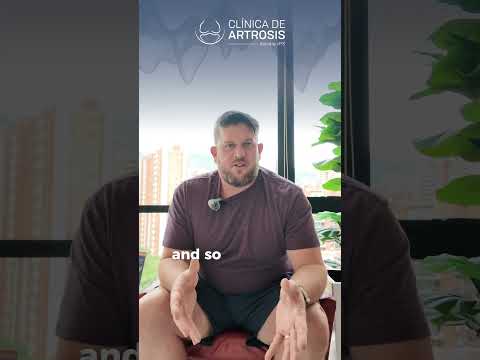
Real-world outcomes provide the most compelling evidence for the efficacy of these advanced biological therapies. Aaron Backeherms, a patient from Jacksonville, Florida, detailed his transformative experience with regenerative joint care [00:01]. Facing severe mobility limitations, his local orthopedic specialists in the United States delivered a daunting prognosis. They explicitly recommended that he undergo two complete knee replacement surgeries to address his deteriorating joint condition [00:26].
Discovering Advanced Regenerative Joint Care Outside the United States
Unwilling to accept the permanent and invasive nature of double joint replacement, Aaron began researching alternative to knee replacement surgery in Colombia. His journey led him to specialized clinical facilities in Medellin, starting his biological treatment protocol in 2020. The medical team initiated a comprehensive diagnostic phase, carefully reviewing his MRIs and designing a custom treatment matrix utilizing Platelet-Rich Plasma (PRP) [00:15].
Over the course of nearly six years, Aaron has maintained his joint health exclusively through the application of PRP and stem cell injections [00:36]. The physiological results have been nothing short of extraordinary for his daily lifestyle and overall mobility. He reports that his knees have never felt better, allowing him to return to high-impact activities like walking and running without the structural limitations of artificial joints [00:42].
Understanding How Platelet-Rich Plasma (PRP) Therapy Repairs Knee Cartilage
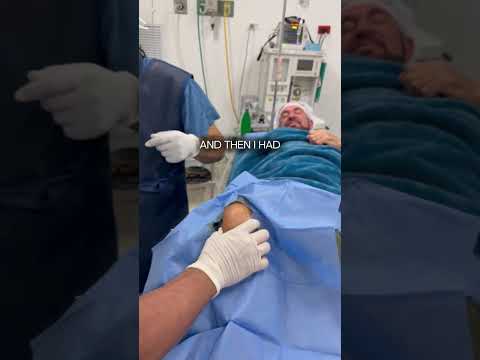
To fully grasp the success of Aaron's treatment, it is vital to understand the precise biological mechanisms of PRP knee treatment in Medellin. Platelet-Rich Plasma therapy is an autologous procedure, meaning the therapeutic substance is derived entirely from the patient's own body. The process begins with a standard blood draw, similar to routine laboratory testing, which is then processed using advanced centrifugal technology.
This rapid spinning isolates the platelets and growth factors from the red and white blood cells, creating a highly concentrated plasma serum. Platelets are the body's primary first responders for tissue injury, containing powerful signaling proteins that orchestrate the healing cascade. When this concentrated serum is injected directly into the degenerated knee capsule under ultrasound guidance, it floods the damaged cartilage with these vital restorative proteins.
The Biological Impact of Growth Factors on Joint Inflammation
The introduction of these concentrated growth factors rapidly alters the toxic, inflammatory environment inside an osteoarthritic knee. Chronic joint pain is largely driven by continuous inflammation that actively degrades the existing cartilage matrix. PRP injections signal the local cellular environment to halt this degradation process and begin synthesizing new extracellular matrix components.
This therapeutic intervention effectively reboots the joint's localized immune response. While PRP does not physically regrow massive amounts of lost cartilage, it significantly stabilizes the joint lining and enhances the viscosity of the synovial fluid. This biological lubrication reduces mechanical friction, alleviates severe pain, and creates the ideal biological foundation for concurrent stem cell therapies to take maximum effect.
How Advanced Stem Cells Regenerate Deteriorating Knee Joints
While PRP acts as the crucial biological fertilizer, mesenchymal stem cells serve as the actual seeds for tissue regeneration. Stem cell therapy for knees in Colombia utilizes these unspecialized master cells to actively target and repair localized joint damage. Mesenchymal stem cells possess the unique biological capability to differentiate into specific tissue types, including chondrocytes, which are the primary cells that make up healthy joint cartilage.
Specialized orthopedic clinics in Colombia often utilize highly potent stem cells sourced from Wharton’s Jelly found in ethically donated umbilical cords. These specific allogeneic cells are incredibly robust, possessing immense replicative capabilities compared to the older, more exhausted stem cells harvested from a patient's own bone marrow or adipose tissue. The infusion of these dynamic young cells introduces massive amounts of anti-inflammatory cytokines directly into the knee capsule.
Once injected into the joint space, these cells act as intelligent biological managers. They seek out areas of micro-tears, bone-on-bone friction points, and degraded meniscus tissue to initiate targeted repair protocols. This sophisticated cellular signaling promotes actual tissue remodeling over several months, resulting in long-lasting structural improvements and a significant reduction in chronic joint pain without the trauma of a surgical scalpel.
Key Benefits of Choosing Medical Tourism for Knee Pain in Colombia
The concept of traveling abroad for medical care has evolved from a niche alternative into a mainstream healthcare strategy. Medical tourism for knee pain in Colombia is rapidly expanding due to the country's exceptional combination of world-class medical infrastructure and highly favorable economic exchange rates. The Colombian healthcare system is consistently ranked among the best in Latin America, featuring hospitals that maintain rigorous international accreditation standards.
The cost of stem cell therapy for knees in Medellin Colombia is often a fraction of the price charged by specialty clinics within the United States. US-based regenerative treatments are rarely covered by traditional health insurance networks, forcing patients to pay exorbitant out-of-pocket fees. In contrast, Colombian clinics offer transparent, all-inclusive pricing models that make these life-changing biological therapies highly accessible to the average patient.
A Hub for Advanced Medical Innovation
Beyond simple cost savings, the city of Medellin has deliberately positioned itself as a global epicenter for innovative medical research and application. The regulatory environment in Colombia allows highly trained physicians to safely utilize advanced cellular therapies that are often stalled by bureaucratic red tape in North America. This progressive medical culture ensures that patients have access to the absolute latest advancements in orthopedic biologics.
Furthermore, the logistical experience of receiving treatment in Medellin is designed to be completely seamless for international travelers. Clinics frequently employ dedicated patient coordinators who manage everything from airport transfers to post-treatment recovery accommodations. This comprehensive concierge approach allows the patient to focus entirely on their healing process without the stress of navigating a foreign medical system alone.
Comparing Knee Replacement Surgery vs Stem Cell Therapy for Joint Pain
Making an informed decision about your joint health requires a clear, objective comparison between traditional surgical interventions and modern regenerative protocols. How to avoid knee replacement surgery with PRP therapy becomes much clearer when evaluating the dramatic differences in recovery timelines, biological trauma, and long-term joint function. The fundamental disparity lies in the philosophy of joint preservation versus joint destruction.
Below is a comprehensive breakdown detailing the crucial differences between these two medical approaches.
| Medical Factor | Total Knee Replacement (Surgery) | Stem Cell Therapy (Regenerative) |
|---|---|---|
| Procedure Type | Highly invasive, involves bone amputation and metal/plastic prosthetics. | Minimally invasive, utilizes biological injections to stimulate natural repair. |
| Recovery Timeline | 3 to 6 months of intense physical therapy and severe mobility restrictions. | Minimal downtime; normal light activities resume within 48 to 72 hours. |
| Infection Risk | Moderate to high risk of deep joint infections requiring secondary surgeries. | Extremely low risk due to closed-system injections and strict sterile protocols. |
| Joint Longevity | Prosthetics wear out in 15-20 years, necessitating complex revision surgery. | Preserves natural bone and joint mechanics, promoting sustainable long-term health. |
| Patient Hospitalization | Requires multiple days in an inpatient hospital setting post-operation. | Strictly an outpatient procedure, completed within a few hours at the clinic. |
As demonstrated, regenerative medicine provides a fundamentally superior risk profile for individuals suffering from joint degeneration. Avoiding the trauma of bone resection allows patients to maintain their natural proprioception—the body's ability to sense movement and joint position. This biological preservation is vital for maintaining high athletic performance and overall agility as patients age.
The Importance of Personalized Patient Care and Direct Access to Specialists
One of the most frequently overlooked aspects of domestic healthcare is the rapid erosion of the doctor-patient relationship. In high-volume medical systems within the United States, orthopedic surgeons are often restricted by severe time constraints imposed by corporate hospital administration. This environment forces physicians to cycle through patient consultations rapidly, leaving individuals feeling marginalized and unheard regarding their specific pain experiences.
Aaron highlighted this precise frustration, noting that during his previous medical experiences in the US, he was often relegated to the back burner without any personal connection [01:01]. However, his experience undergoing regenerative medicine for knee osteoarthritis in Colombia provided a stark contrast in medical empathy. He emphasized his profound appreciation for being treated like an actual patient rather than merely a medical record number [00:56].
The ability to establish direct, unhindered communication with primary medical providers drastically improves therapeutic outcomes. Aaron specifically valued his ability to pick up the phone and speak directly with Dr. Alvarez regarding his treatment progression [01:08]. This level of personalized, accessible medical care builds immense trust and significantly lowers the anxiety inherently associated with undergoing specialized medical procedures abroad.
How to Start Your Journey for Regenerative Knee Treatments Abroad
Transitioning from traditional orthopedic care to advanced cellular therapies requires careful planning and comprehensive medical evaluation. The first step for anyone considering stem cell therapy for knees in Colombia is to gather all recent diagnostic imaging, particularly high-resolution MRI scans. These digital files are essential for international orthopedic specialists to remotely evaluate the exact severity of cartilage degradation and structural joint damage.
Once the clinical team reviews your imaging, they will orchestrate a detailed telemedicine consultation to discuss your biological candidacy for the procedure. Not every patient is an ideal candidate for regenerative injections; severe bone-on-bone friction with total joint collapse may unfortunately still require surgical intervention. However, if the joint space allows for biological regeneration, the clinic will outline a specific protocol combining PRP, stem cells, and targeted physiotherapy.
Planning Your Logistics for Medical Travel to Medellin
Executing medical tourism for knee pain in Colombia is highly streamlined thanks to dedicated international patient departments. After finalizing the medical protocol, patient coordinators assist in scheduling clinic dates that align perfectly with your travel availability. They provide comprehensive guidance regarding visa requirements, optimal flight routes into José María Córdova International Airport, and proximity-based hotel recommendations.
- Medical Records Collection: Compile your latest MRI reports, surgical history, and current joint pain assessments for clinical review.
- Virtual Consultation: Engage directly with specialized orthopedic doctors in Medellin to discuss your customized cellular therapy plan.
- Logistical Coordination: Work alongside clinical concierges to finalize travel dates, accommodation details, and local transportation.
- Outpatient Treatment: Travel to Colombia to receive your minimally invasive biological injections without the requirement for hospital admission.
- Post-Care Monitoring: Maintain direct contact with your medical team via telemedicine to track joint recovery and optimize physical therapy.
Choosing to pursue advanced regenerative care is a profound step toward reclaiming your physical autonomy. By leveraging the immense capabilities of modern stem cell therapy and PRP applications, patients can successfully halt the progression of osteoarthritis. This innovative medical pathway offers the ultimate opportunity to heal damaged tissue naturally and permanently avoid the devastating physical toll of traditional knee replacement surgery.
Ready to Avoid Knee Surgery and Restore Your Joints?
Discover if you are a candidate for advanced stem cell therapy for knees in Colombia. Connect directly with top orthopedic specialists to review your MRI and design a customized, non-surgical treatment plan.
Get Free QuoteView Full Video Transcript
[00:00] Hello, my name is Aaron Backeherms. I'm from Jacksonville, Florida, and I just wanted to share my story on how these people, these gifted doctors are helping me to get wholeness without surgery.
[00:13] Uh, maybe I came here about in 2020 and started with PRP and all the research, MRIs, and they guided me along the whole process.
[00:24] Um, in the United States, they recommended that I get two complete knee surgeries, and I came over here and was blessed for these brilliant doctors to give me other options.
[00:34] And so we've been doing PRP and stem cells now for almost 6 years, and my knees have never felt better.
[00:42] I can walk, I can run again, and I'm just so thankful to you guys. And I look forward to continuing to learn more and help others with the same process.
[00:51] So I get asked so many times, what is it that I love so much about Medellin? What I love over here is that I'm treated like a patient and not a number.
[00:59] A lot of times in the United States when I've had other issues, you know, it's just I kind of get put on the back burner, I don't get that personal um connection.
[01:07] And to be able to pick up the phone and call Dr. Alvarez, and to me that means the most.
[01:13] And so I love this city, I love the people. I love that they have very innovative with everything they're doing in the medical field, and they give me more options than just getting my knees cut.
[01:25] And so I'm very thankful for them, and I look forward to continuing to grow and learn more about the stem cell research.















Share this listing