
Contents
Waking up with rheumatoid arthritis often feels like your joints are rusted shut, desperately waiting for someone to find the oil can. For many patients in the US and Canada, the daily reality is a frustrating loop of severe morning stiffness, heavy immunosuppressants, and insurance companies dictating your quality of life. You have probably spent countless nights researching regenerative medicine, only to discover that specialized treatments in North America come with jaw-dropping price tags and endless red tape. This is exactly why a growing number of people are looking beyond their borders for meaningful relief.
Colombia has quietly emerged as a highly respected destination for this type of medical travel, offering advanced protocols for a fraction of what you would pay at home. A comprehensive stem cell therapy procedure for rheumatoid arthritis here typically costs around $6,500, providing access to state-of-the-art facilities without draining your retirement savings. When evaluating facilities in cities like Bogota or Medellin, the most critical factor is ensuring the clinic operates under INVIMA regulations. This is Colombia's equivalent to the FDA, guaranteeing strict safety, ethical, and laboratory standards.
Quick Facts at a Glance
Navigating medical travel is much easier when you select a comprehensive treatment package tailored for international patients. A well-structured package removes the stress of planning by bundling your medical fees, specialist consultations, and essential blood work into one clear price.
Many top clinics also include airport transfers, bilingual support, and sometimes even your hotel stay during the recovery period. This allows you to focus entirely on resting your joints rather than worrying about unexpected taxi fares. Browse and compare the various treatment packages below to find one that perfectly suits your travel style and budget.
`The cost of stem cell therapy for rheumatoid arthritis in Colombia typically ranges from $6,500 to $8,500 for a complete, specialized medical protocol. This is a stark contrast to the $20,000 or more you might be quoted in the United States for similar regenerative treatments.
The final price usually depends on the specific cell count required for your joint severity and the number of days your treatment protocol spans. Review and compare the specific pricing details below to understand exactly what each facility includes in their upfront fee.
Stem Cell Treatment for Rheumatoid Arthritis Centers Cost Comparison in Colombia
| Provider | Procedure | Price |
|---|---|---|
| Clinica de Artrosis Medellin - Stem Cell Therapy in Colombia | Stem Cell Treatment for Rheumatoid Arthritis, Stem Cell Therapy | $8500 |
Stem Cell Treatment for Rheumatoid Arthritis Cost Comparison in Colombia
| Country | Procedure | Price |
|---|---|---|
| United States | Stem Cell Treatment for Rheumatoid Arthritis, Stem Cell Therapy | $35000 |
Choosing the right medical facility abroad requires looking well past a polished reception area and generic marketing claims. You want to focus heavily on the laboratory standards and the medical team's verifiable credentials. It is absolutely crucial to verify that the clinic holds strict INVIMA certification, ensuring they follow legal and safe protocols for stem cell application.
You should also ask whether the facility has its own regulated laboratory or if it outsources the cell expansion process. Take your time to carefully compare the highly-rated Colombian clinics listed below to see which facility aligns best with your medical needs and safety expectations.
Stem Cells Kyron Colombia
Cali, Colombia

Alevy - Stem Cell Therapy and Regenerative Medicine
Pereira, Colombia

Regencord - Stem Cell Therapies
Pereira, Colombia
Clinica de Artrosis Medellin - Stem Cell Therapy in Colombia
Medellin, Colombia
Lumm Medical - Stem Cell Medellin Colombia
Medellin, Colombia
It is completely natural to feel a bit anxious about visiting a new country for specialized medical care. Watching facility walk-throughs and patient experience videos can quickly turn that anxiety into confidence by showing you exactly what to expect when you arrive.
These visual insights give you a true feel for the clinic's cleanliness, the advanced technology they use, and the bedside manner of the nursing staff. Take a moment to compare the clinic videos below before making any final travel decisions.
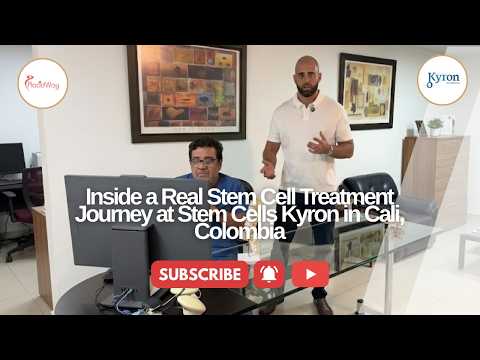
Nothing paints a clearer picture of a clinic's quality than the honest feedback from people who have sat in the exact same waiting room as you. Reading firsthand accounts from other rheumatoid arthritis patients can give you invaluable insights into their post-treatment pain reduction and joint mobility.
Pay close attention to how past patients describe the clinic's follow-up care and the doctor's communication skills. Compare the patient reviews below to see which specialists consistently deliver compassionate, effective results.

When considering regenerative medicine abroad, having accurate information is the best way to ensure a safe and successful trip. Here are the most common questions patients ask about receiving this specialized care in Colombia.
Is stem cell therapy for RA safe in Colombia?
Yes, it is generally considered safe when performed at accredited facilities. You must ensure the clinic is fully certified by INVIMA, which strictly monitors medical safety and laboratory protocols across the country.
What type of stem cells are commonly used for rheumatoid arthritis?
Clinics typically use mesenchymal stem cells (MSCs) derived from ethically sourced umbilical cord tissue or the patient's own bone marrow. MSCs are highly valued for their strong anti-inflammatory and immunomodulatory properties.
How long do I need to stay in Colombia for the treatment?
Most comprehensive protocols require a stay of 5 to 7 days. This allows sufficient time for initial blood tests, the actual cell administration, and necessary post-treatment observation before you fly home.
Does INVIMA regulate regenerative clinics in Colombia?
Yes. INVIMA is the national regulatory agency that functions similarly to the FDA in the United States. They enforce strict quality controls on how biological materials are handled and administered.
When might I notice improvements in my joint pain?
Results vary widely by patient. Some individuals report reduced stiffness and increased energy within a few weeks, while others experience gradual improvements over a period of three to six months.
Do the medical teams in Bogota and Medellin speak English?
Many top-tier clinics catering to international patients employ fully bilingual doctors and medical coordinators. Translators are also standard components of most international patient packages.
Can I fly back home immediately after receiving the injections?
Doctors usually recommend resting in your hotel for at least 24 to 48 hours following the procedure to monitor for any mild side effects and ensure you are comfortable before a long flight.
Will I still need my standard arthritis medications?
You should never stop your prescribed medications without consulting your primary rheumatologist. Stem cell therapy aims to modulate the immune system, but medication adjustments must be handled professionally over time.
Are the stem cells expanded in a laboratory before the procedure?
Yes, highly specialized and accredited laboratories expand the cells over several days or weeks to ensure you receive a robust, therapeutic dose capable of addressing severe autoimmune inflammation.
Do I need a special medical visa to travel to Colombia?
Citizens of the United States, Canada, and the United Kingdom do not need a special visa for stays under 90 days. A standard valid passport is sufficient for entry and medical treatment.
Can Stem Cells Treat Rheumatoid Arthritis in Colombia?
Stem cell therapy in Colombia offers a promising option for individuals with rheumatoid arthritis, aiming to reduce inflammation, modulate the immune system, and potentially regenerate damaged joint tissues. This innovative treatment is increasingly sought after for its potential to improve quality of life. Living with rheumatoid arthritis (RA) can be a daily battle against pain, stiffness, and fatigue. This autoimmune condition, where the body's immune system mistakenly attacks its own joints, can significantly impact one's ability to perform everyday activities. While traditional treatments focus on managing symptoms and slowing disease progression, many individuals are now exploring alternative and regenerative approaches. One such cutting-edge treatment gaining attention is stem cell therapy. But can this innovative approach truly make a difference for those with RA? And why are so many people looking to Colombia for this treatment? This blog post will serve as your comprehensive guide to understanding stem cell therapy for rheumatoid arthritis in Colombia. We will delve into the science behind the treatment, explore the different types of stem cells used, and break down the entire process, from the initial consultation to post-treatment care. We'll also address the crucial questions you're likely asking: Is it safe? What does it cost? And what are the real chances of success? Colombia has emerged as a hub for high-quality, accessible regenerative medicine, and we'll explore why this South American country is becoming a top destination for medical tourists seeking relief from RA. Can Stem Cells Truly Help Rheumatoid Arthritis? Yes, stem cell therapy shows significant promise for treating rheumatoid arthritis. It primarily works by modulating the immune system to reduce its attack on the joints and by decreasing inflammation, which is the root cause of pain and damage in RA. The primary role of stem cells in treating rheumatoid arthritis is not necessarily to "cure" the disease in the traditional sense, but to fundamentally alter its course and impact on the body. Mesenchymal stem cells (MSCs), which are most commonly used for this therapy, have powerful immunomodulatory and anti-inflammatory properties. This means they can help to regulate the overactive immune response that characterizes RA. Instead of the immune system attacking the synovium (the lining of the joints), stem cells can help to calm this autoimmune attack. Furthermore, these stem cells release a variety of growth factors and signaling molecules that can help to reduce inflammation directly at the site of the affected joints. This reduction in inflammation can lead to a significant decrease in pain, swelling, and stiffness. While more research is ongoing, there is also evidence to suggest that stem cells may have a regenerative potential, possibly helping to repair some of the cartilage and tissue damage caused by chronic inflammation. Why is Colombia a Popular Destination for This Treatment? Colombia has become a leading destination for stem cell therapy due to a combination of highly skilled specialists, advanced medical facilities, progressive regulations, and significantly lower treatment costs compared to countries like the United States and Canada. Several factors have contributed to Colombia's rise as a premier destination for medical tourism, particularly for regenerative treatments like stem cell therapy. The country boasts a growing number of modern, internationally accredited clinics and hospitals staffed by highly trained and experienced medical professionals. Many of these doctors have received education and training in Europe and the United States, bringing a wealth of expertise to their practice in Colombia. The regulatory environment in Colombia, overseen by the National Food and Drug Surveillance Institute (INVIMA), is another key factor. While ensuring safety and quality, the regulations are often more progressive than in some other Western countries, allowing for certain types of stem cell applications and research that may not yet be widely available elsewhere. This has fostered an environment of innovation in the field of regenerative medicine. Finally, the cost-effectiveness of treatment in Colombia is a major draw for many patients who find the expense of similar therapies prohibitive in their home countries. What is the Cost of Stem Cell Therapy for Rheumatoid Arthritis in Colombia? The cost of stem cell therapy for rheumatoid arthritis in Colombia typically ranges from $5,000 to $15,000 USD. This is a fraction of the cost in the US, which can range from $25,000 to $50,000 or more for similar treatments. The significant price difference is a major reason why patients travel to Colombia for stem cell therapy. The overall cost can vary depending on several factors: The specific clinic and its location: Major cities like Bogotá and Medellín have numerous reputable clinics with competitive pricing. The type of stem cells used: Allogeneic stem cells (from a donor) may have different costs associated with them compared to autologous stem cells (from the patient's own body). The complexity of the patient's condition: The severity of the rheumatoid arthritis and the number of joints affected can influence the treatment protocol and, consequently, the cost. The number of treatment sessions required: Some patients may benefit from a single treatment, while others may require a series of infusions over time. It's important to have a detailed consultation with a clinic to get a precise quote that outlines what is included in the treatment package, such as medical evaluations, the procedure itself, and any follow-up care. What Types of Stem Cells Are Used for RA Treatment in Colombia? The most common types of stem cells used to treat rheumatoid arthritis in Colombia are mesenchymal stem cells (MSCs). These are typically sourced from umbilical cord tissue (allogeneic) or the patient's own adipose (fat) tissue or bone marrow (autologous). Each source of mesenchymal stem cells has its own set of advantages: Umbilical Cord-Derived MSCs (Allogeneic): These are young, vibrant, and highly potent stem cells collected from the Wharton's jelly of donated umbilical cords after a healthy birth. They are considered "immunoprivileged," meaning they have a very low risk of being rejected by the recipient's body. They are readily available and do not require a harvesting procedure from the patient. Adipose-Derived MSCs (Autologous): These stem cells are harvested from the patient's own fat tissue, typically through a mini-liposuction procedure. This is a rich source of MSCs, and because they are from the patient's own body, there is no risk of rejection. Bone Marrow-Derived MSCs (Autologous): This involves aspirating a small amount of bone marrow, usually from the hip bone, to extract the stem cells. This has been a traditional source for stem cells and is a well-established method. The choice of stem cell source will depend on the clinic's protocols and a thorough evaluation of the patient's individual health and medical history. What Does the Treatment Process Involve? The treatment process for stem cell therapy for RA in Colombia typically involves an initial consultation and evaluation, followed by the harvesting or preparation of the stem cells, and then their administration, usually through intravenous (IV) infusion and sometimes with additional local injections into affected joints. The journey to receiving stem cell therapy in Colombia is a structured and patient-centric process: Initial Consultation: This often begins remotely, with the patient sharing their medical records and history with the clinic's medical team. This helps to determine if the patient is a good candidate for the therapy. Pre-Treatment Evaluation: Upon arrival in Colombia, a comprehensive in-person consultation and physical examination will take place. This may include blood tests, imaging studies, and a detailed discussion of the treatment plan. Stem Cell Preparation: If autologous cells are being used, a harvesting procedure will be performed. If allogeneic cells are the choice, they will be carefully thawed and prepared in a sterile laboratory setting. Administration of Stem Cells: The stem cells are most commonly administered through a simple intravenous (IV) drip. This allows the cells to travel throughout the body and exert their immunomodulatory and anti-inflammatory effects systemically. In some cases, direct injections into particularly painful or damaged joints may also be performed. Post-Treatment Care and Follow-Up: After the procedure, patients are monitored for a short period before being discharged. Clinics typically provide a detailed post-treatment care plan and will follow up with the patient in the weeks and months following the therapy to monitor their progress. How Safe is Stem Cell Therapy for Rheumatoid Arthritis in Colombia? When performed at a reputable and certified clinic that adheres to strict safety protocols, stem cell therapy for rheumatoid arthritis in Colombia is generally considered safe. The use of mesenchymal stem cells, particularly autologous and umbilical cord-derived cells, has a low risk of adverse reactions. The safety of any medical procedure is paramount, and this is no different for stem cell therapy. Reputable clinics in Colombia operate under the guidelines of INVIMA, ensuring that the collection, processing, and administration of stem cells are performed to high standards. The use of MSCs is widely considered safe, with a low incidence of side effects. The most common side effects are mild and temporary, such as fatigue, headache, or a low-grade fever in the day or two following the infusion. The risk of rejection with allogeneic umbilical cord-derived MSCs is minimal due to their immunoprivileged nature. With autologous stem cells, the risk of rejection is non-existent as they are the patient's own cells. It is crucial to choose a clinic that is transparent about its safety procedures, has a team of experienced medical professionals, and can provide evidence of their adherence to regulatory standards. What Kind of Results Can I Realistically Expect? Patients undergoing stem cell therapy for rheumatoid arthritis may experience a reduction in joint pain and inflammation, improved mobility and energy levels, and a decrease in the frequency and severity of flare-ups. The full benefits of the therapy may take several weeks to months to become apparent. It is important to have realistic expectations about the outcomes of stem cell therapy for RA. This is not an overnight cure. The stem cells need time to exert their effects on the immune system and the inflammatory processes in the body. Many patients begin to notice gradual improvements in the weeks and months following their treatment. These improvements can include: Reduced pain and swelling in the joints Increased energy and reduced fatigue Improved range of motion and flexibility A decrease in morning stiffness A potential reduction in the need for traditional RA medications (this should only be done under the guidance of a physician) The longevity of the results can vary from person to person and may depend on factors such as the severity of the disease, the patient's overall health, and their lifestyle choices post-treatment. Some patients may experience sustained benefits for a year or longer, while others may consider follow-up treatments to maintain their improvements. Are There Any Clinical Trials on Stem Cell Therapy for RA in Colombia? While specific, large-scale clinical trials for rheumatoid arthritis using stem cells in Colombia may be limited in publicly available databases, the treatments offered by reputable clinics are often based on the broader body of international clinical research and evidence that supports the safety and potential efficacy of MSCs for autoimmune conditions. The field of regenerative medicine is continually evolving, with new research and clinical trials being conducted worldwide. While information on specific, ongoing clinical trials for rheumatoid arthritis in Colombia might not always be readily accessible in international public databases, the established clinics in the country base their treatment protocols on the existing and growing body of scientific evidence from global studies. These studies have largely demonstrated the safety and potential therapeutic benefits of using mesenchymal stem cells for a variety of autoimmune and inflammatory conditions, including RA. Patients interested in the scientific basis of the treatment should inquire directly with their chosen clinic about the research that underpins their protocols. Reputable clinics will be transparent about the evidence supporting their therapies and can often provide information on the studies that have informed their treatment approaches. How Do I Choose a Reputable Stem Cell Clinic in Colombia? To choose a reputable stem cell clinic in Colombia, look for accreditation, experienced and qualified medical staff, transparency in treatment protocols and pricing, positive patient testimonials, and responsiveness to your questions and concerns. Doing thorough research is essential when considering stem cell therapy abroad. Here are some key factors to consider when selecting a clinic in Colombia: Accreditation and Licensing: Ensure the clinic is licensed by INVIMA and, if possible, has international accreditations. Medical Team's Expertise: Research the qualifications and experience of the doctors and medical staff. Look for specialists in regenerative medicine, rheumatology, and immunology. Transparency: A reputable clinic will be open and honest about their treatment protocols, the source and type of stem cells they use, potential risks and benefits, and a detailed breakdown of costs. Patient Reviews and Testimonials: Look for reviews from previous patients who have undergone treatment for similar conditions. These can provide valuable insights into the patient experience and outcomes. Communication: The clinic should be responsive to your inquiries and provide clear, comprehensive answers to all of your questions. Ready to explore how stem cell therapy in Colombia could help you manage your rheumatoid arthritis? Explore PlacidWay for solutions related to medical tourism and healthcare services.
Can Stem Cell Therapy Improve Rheumatoid Arthritis in Colombia?
Stem cell therapy for rheumatoid arthritis in Colombia may help manage inflammation and modulate the immune system in some patients. While not a cure, specialized clinics offer these treatments at competitive prices compared to North America. Living with rheumatoid arthritis (RA) often means managing a complex cycle of joint pain, stiffness, and chronic fatigue. For many, conventional treatments like disease-modifying antirheumatic drugs (DMARDs) and biologics provide necessary relief. However, when standard therapies yield limited results or cause difficult side effects, some patients begin exploring alternative options abroad. Researching stem cell therapy for rheumatoid arthritis in Colombia has become increasingly common for individuals looking for alternative ways to manage their autoimmune symptoms. Key Takeaways Stem cell treatments may help modulate the immune system and reduce joint inflammation, though outcomes vary by patient. Mesenchymal stem cells (MSCs), known for their anti-inflammatory properties, are most frequently utilized for autoimmune conditions. The procedure is widely considered alternative or investigational and is not a permanent cure for rheumatoid arthritis. Colombian cities offer modern clinical facilities that attract international patients seeking more affordable healthcare options. You should always consult with your primary rheumatologist before pursuing experimental treatments abroad. How might stem cells help with rheumatoid arthritis symptoms? Stem cells may help relieve RA symptoms by releasing anti-inflammatory proteins that calm the overactive immune system, potentially reducing joint swelling and pain. Rheumatoid arthritis is an autoimmune disorder where the body's immune system mistakenly attacks the synovium—the lining of the membranes that surround your joints. This creates severe inflammation, which can eventually destroy cartilage and bone. The goal of using stem cells for this condition is not just to mask the pain, but to address the underlying inflammatory environment. Many specialized clinics focus on the immunomodulatory properties of stem cells. When introduced into the body, these cells have the potential to release cytokines and growth factors. These biological signals can help suppress the abnormal immune response that causes RA flare-ups. By calming this aggressive immune activity, the therapy aims to reduce the chronic inflammation that damages the joints. While some patients report a noticeable decrease in joint stiffness and an improvement in daily mobility, the therapy does not work for everyone. It is heavily dependent on the individual's disease progression, overall health, and how their specific immune system responds to the cellular intervention. What types of stem cells are typically used for RA? Clinics most commonly use Mesenchymal Stem Cells (MSCs) for autoimmune conditions because of their unique ability to regulate immune responses and reduce tissue inflammation. When looking into treatments for autoimmune disorders, you will frequently encounter the term Mesenchymal Stem Cells (MSCs). These are adult stem cells that can be harvested from several different sources. They are preferred for conditions like RA because they do not provoke a strong immune response, making them generally well-tolerated by the human body. Clinics typically source MSCs in two ways: Autologous Stem Cells: These are harvested from your own body, usually from adipose (fat) tissue or bone marrow. The extraction involves a minor surgical procedure, after which the cells are processed and reintroduced into your system. Allogeneic Stem Cells: These come from a carefully screened donor, most frequently derived from ethically obtained umbilical cord tissue following healthy, full-term births. These cells are youthful, robust, and readily available without requiring surgical extraction from the patient. Many modern clinics lean toward umbilical cord-derived MSCs because they offer high cell counts and possess strong anti-inflammatory capabilities, though the best choice depends on the specific protocol of the treating physician. How much does stem cell therapy cost in Colombia? The estimated stem cell therapy cost in Colombia usually ranges between $4,000 and $10,000, depending on the cell source, required dosage, and clinic location. Financial considerations are often a primary driver for patients exploring healthcare options abroad. In the United States and Canada, regenerative medicine procedures can be prohibitively expensive, sometimes exceeding $15,000 to $25,000 for comprehensive protocols. Furthermore, because these treatments are typically considered elective or investigational, health insurance rarely covers the cost. In contrast, Colombia offers a more accessible price point due to a lower overall cost of living, favorable exchange rates, and different regulatory structures for private medical practices. While the base price often starts around $4,000, the final total depends heavily on the complexity of your condition. Patients requiring multiple administration methods (such as both IV infusions and direct joint injections) or higher cell counts will see estimates toward the higher end of the range. Important Consideration: When calculating your budget, remember to account for secondary expenses. You will need to factor in round-trip airfare, hotel accommodations, local transportation, and travel insurance. Is stem cell treatment for RA considered safe? While generally tolerated by many patients, stem cell therapy is not without risk. Potential complications include injection site pain, fatigue, localized infection, or mild immune reactions. Patient safety is the most critical factor when considering any medical procedure. Mesenchymal stem cells are frequently used because they have a favorable safety profile and a low likelihood of rejection. However, no medical treatment is entirely risk-free. Common, mild side effects often include temporary fatigue, low-grade fever, or soreness at the injection site. More severe risks, though less common, can involve infections (if sterile protocols are not strictly followed) or unexpected immune responses. Because stem cell therapy for rheumatoid arthritis is not universally standardized, protocols can vary dramatically between different clinics. This lack of standardization means that the safety and efficacy depend heavily on the rigorous quality control of the specific laboratory processing the cells. It is vital to discuss these risks with a board-certified rheumatologist before traveling. Patients with active infections, severe anemia, or a history of certain cancers may be medically disqualified from receiving cellular therapies. How do I select a reputable stem cell clinic in Colombia? Finding a reliable stem cell clinic in Colombia requires verifying medical credentials, checking facility hygiene standards, and ensuring the clinic uses transparent, documented laboratory protocols. The rise of medical tourism in Colombia has led to an increase in clinics offering regenerative therapies, primarily in major hubs like Bogotá, Medellín, and Cartagena. However, not all facilities maintain the same standards of care. Thorough independent research is required to ensure your safety. When evaluating a potential clinic, prioritize facilities where treatments are administered by licensed, specialized physicians rather than general practitioners. Ask detailed questions about where they source their stem cells and what specific laboratory tests they run to screen for infectious diseases and ensure cell viability. A reputable clinic will be highly transparent about their processing methods and will not hesitate to share this documentation. Furthermore, pay attention to how the clinic communicates. Ethical medical providers will offer a balanced view of what the therapy can achieve, rather than promising a "miracle cure" or offering guaranteed outcomes. They should also require a comprehensive review of your medical records before accepting you as a patient. What does the treatment process involve for international patients? The process usually begins with a virtual consultation, followed by traveling to Colombia for in-person evaluations, the cellular administration, and a brief period of local monitoring. Because you are traveling across borders, the process begins long before you board an airplane. It starts with a detailed remote consultation where the Colombian medical team reviews your history, current medications, and recent blood panels. If they determine you are a potential candidate, a personalized treatment plan is drafted. Once you arrive at the destination, the initial step is usually an in-person physical examination and potentially additional blood work to confirm you are healthy enough for the procedure. The actual administration of the cells is typically straightforward and performed on an outpatient basis. For RA, this usually involves a slow intravenous (IV) drip to allow the cells to circulate systemically, sometimes combined with targeted injections into the most painful joints. Following the administration, patients usually rest at their hotel for a few days. During this time, you may have a follow-up appointment with the local medical team to monitor for any immediate adverse reactions before you are cleared to fly back home. What is the typical recovery and follow-up timeline? Physical recovery from the procedure itself is rapid, usually requiring just a few days of rest. However, any potential improvements in RA symptoms may take several weeks or months to manifest. The immediate downtime following stem cell administration is generally minimal. Most patients feel capable of resuming light, normal activities within 48 to 72 hours. You might experience mild fatigue as your body processes the cellular introduction, which is why clinics recommend a relaxed schedule immediately following treatment. It is critical to understand that stem cell therapy is not a fast-acting painkiller. The cells need time to integrate and begin influencing your body's immune and inflammatory responses. If the treatment is effective for you, subtle improvements—such as waking up with less stiffness or experiencing longer periods between flare-ups—usually develop gradually over 3 to 12 weeks. Long-term care is just as important as the treatment itself. Once you return home, you must continue your relationship with your local rheumatologist. Do not alter your prescribed medication schedule based on perceived improvements without professional medical guidance. If complications arise post-travel, your local doctor needs to be fully informed about the international treatment you received. Who is usually a suitable candidate for this treatment? Suitable candidates are often those seeking complementary ways to manage stubborn RA symptoms, provided they do not have active infections, severe organ dysfunction, or active malignancies. Not every patient with rheumatoid arthritis is an ideal candidate for cellular therapy. Those who often seek out this option are individuals who have tried various traditional medications but continue to suffer from chronic inflammation, or those who experience severe, unmanageable side effects from standard immunosuppressants. A good candidate must have realistic expectations. They must understand that stem cells are intended to help manage the condition, not cure it. Furthermore, patients with irreversible bone and cartilage destruction will not see regeneration of those structures; the therapy primarily targets the active inflammation causing ongoing pain. Medical disqualifications usually include patients who are pregnant, individuals undergoing active cancer treatments, or those with systemic infections. A thorough, individualized assessment by a qualified medical professional is the only way to determine true eligibility. Are the potential results of the therapy permanent? No, the results of stem cell therapy for rheumatoid arthritis are not permanent. Because RA is a chronic autoimmune disease, symptom relief may eventually fade, requiring future booster treatments. One of the most important concepts to grasp is that rheumatoid arthritis is a lifelong, chronic condition. While stem cells may temporarily reset or calm the immune system's aggressive behavior, they do not rewrite your fundamental genetics or eliminate the autoimmune disease itself. For patients who experience a positive response, the duration of relief varies wildly. Some may enjoy a reduction in symptoms for several months, while others might experience sustained benefits for a few years. Factors influencing longevity include the severity of the disease at the time of treatment, lifestyle choices, and how the body naturally metabolizes the therapy. Because the effects can wane over time, many patients who find initial success choose to return for periodic "booster" treatments to maintain their quality of life. This makes understanding the ongoing financial and logistical commitments vital before beginning the process. Why Choose PlacidWay for Medical Tourism in Colombia? Navigating international healthcare options can be overwhelming. PlacidWay acts as an informational bridge for patients exploring treatments abroad. Here is how the platform assists individuals researching medical options: Extensive Directory: Provides access to a wide database of international medical centers and specialized clinics. Cost Comparisons: Allows you to review estimated pricing structures from various providers in Colombia and globally. Provider Profiles: Offers detailed information regarding clinic facilities, doctor credentials, and spoken languages. Direct Connection: Facilitates initial contact so you can ask specific medical and logistical questions directly to the clinical teams. Educational Resources: Supplies articles, guides, and patient resources to help you better understand the landscape of global healthcare. Frequently Asked Questions (FAQs) 1. Is stem cell therapy approved as a standard treatment for RA in Colombia? Stem cell therapy is generally considered an alternative or investigational approach rather than a standard, first-line medical treatment for rheumatoid arthritis in Colombia. Patients should view it as a complementary option rather than a conventional cure. 2. How long do I need to stay in Colombia for my treatment? Most international patients stay in Colombia for 3 to 7 days. This allows time for the initial medical consultation, the treatment administration, and a brief period of local monitoring before flying home. 3. Will I need to stop my current RA medications before the procedure? Medication adjustments depend heavily on your specific treatment plan and the clinic's protocols. You should never stop taking your prescribed disease-modifying antirheumatic drugs (DMARDs) or biologics without explicit instructions from your local rheumatologist. 4. Are umbilical cord stem cells safe to use? Umbilical cord-derived mesenchymal stem cells are widely used in specialized clinics and are generally tolerated well by many patients. However, all biological treatments carry risks, including immune reactions or infections, making rigorous donor screening and laboratory standards essential. 5. Can stem cells completely reverse joint damage caused by RA? No. While stem cells may help reduce inflammation and potentially promote some localized tissue repair, they cannot reverse severe structural joint damage or bone deformities that have already occurred due to advanced rheumatoid arthritis. 6. How are the stem cells administered for rheumatoid arthritis? Administration methods vary based on patient needs. They are most commonly delivered via an intravenous (IV) infusion to target systemic inflammation, though direct intra-articular injections into specifically affected joints may also be used. 7. Does health insurance cover stem cell therapy in Colombia? Health insurance providers in the United States and Canada typically do not cover stem cell therapies for rheumatoid arthritis, especially those performed internationally. Patients usually pay for these procedures out-of-pocket. 8. What should I do if I experience a flare-up after returning home? If you experience a symptom flare-up or any signs of complication after returning home, you should immediately contact your local rheumatologist for evaluation. You should also notify the clinic in Colombia to update your medical record. 9. Is Colombia a safe destination for medical tourists? Major Colombian cities like Bogotá, Medellín, and Cartagena have well-established medical tourism infrastructures and modern clinical facilities. However, standard international travel precautions regarding personal safety and health should always be followed. 10. How soon might I notice improvements in my joint pain? Response times vary significantly among individuals. Some patients report noticeable reductions in joint stiffness and pain within a few weeks, while others may take several months to observe changes. Some patients may not experience any clinical improvement. Compare Treatment Options Worldwide Explore clinic profiles, compare estimated costs, and request information from medical facilities around the globe. Request Treatment Information References Rheumatoid Arthritis Overview – National Institute of Arthritis and Musculoskeletal and Skin Diseases (NIAMS) FDA Warns About Stem Cell Therapies – U.S. Food and Drug Administration Stem Cell Therapy for Arthritis – Arthritis Foundation Rheumatoid Arthritis Diagnosis and Treatment – Mayo Clinic Clinical Trials regarding Mesenchymal Stem Cells and RA – ClinicalTrials.gov Travelers' Health: Colombia – Centers for Disease Control and Prevention (CDC) Medical Disclaimer: The information provided in this article is for educational and informational purposes only and does not constitute medical advice, diagnosis, or treatment recommendations. Stem cell therapy for rheumatoid arthritis is considered investigational in many regions, and outcomes, safety, and recovery vary significantly by patient. Never disregard professional medical advice or delay seeking it because of something you have read. Always consult with a board-certified rheumatologist or qualified healthcare provider before making any decisions regarding your medical treatment or traveling abroad for care.
Are permanent stem cell protocols in Colombia a viable alternative to expensive biologic drugs for Rheumatoid Arthritis?
Yes, stem cell therapy in Colombia is a highly viable, cost effective alternative to biologic drugs for Rheumatoid Arthritis. These protocols focus on immune modulation and joint repair, often costing up to 60 percent less than US treatments. Key Takeaways: Regenerative Care vs Biologics Root Cause Focus: Cellular protocols target underlying immune dysfunction rather than merely suppressing surface symptoms. Substantial Savings: Patients bypass lifetime pharmaceutical expenses by choosing concentrated international healthcare solutions. Advanced Facilities: South American centers utilize high density mesenchymal cells often restricted in North American clinics. Holistic Recovery: Comprehensive packages address dietary habits physical therapy and long term joint preservation. How does stem cell therapy in Colombia address the root cause of Rheumatoid Arthritis? stem cell therapy in Colombia treats Rheumatoid Arthritis by resetting the immune system to stop attacking healthy tissue. The cellular infusions actively seek out localized inflammation and promote the regeneration of damaged joint cartilage. Rheumatoid Arthritis is fundamentally an autoimmune disorder where the body mistakenly identifies its own synovial tissue as a foreign threat. Traditional medications primarily focus on blocking specific immune pathways to reduce pain and swelling. However regenerative protocols introduce highly potent mesenchymal cells that possess unique immunomodulatory properties capable of halting this self destructive cycle at the cellular level. Once introduced into the bloodstream or injected directly into affected joints these intelligent cells navigate toward areas emitting high inflammatory signals. They secrete powerful exosomes and cytokines that instruct the overactive immune cells to stand down. This process not only dramatically reduces systemic inflammation but also creates an optimal microenvironment for natural tissue healing to occur. Furthermore these regenerative materials stimulate the latent progenitor cells naturally residing in your joints. By encouraging your body to repair degraded cartilage and synovial fluid the treatment aims to restore mobility and significantly delay or entirely prevent the need for invasive joint replacement surgeries in the future. Did You Know? Mesenchymal cells have a unique capability called immune privilege. This means they do not express the specific markers that trigger rejection allowing patients to safely receive potent donor cells without needing immunosuppressant drugs. What is the stem cell therapy cost in Colombia compared to expensive biologic drugs? The stem cell therapy cost in Colombia typically ranges from five thousand to ten thousand dollars per comprehensive cycle. In stark contrast biologic drugs in the US can easily exceed fifty thousand dollars annually for the rest of a patients life. The financial burden of managing an autoimmune disease domestically is staggering. Pharmaceutical treatments require continuous lifelong purchases alongside regular rheumatologist visits and frequent blood monitoring. Because biologics only manage symptoms pausing the medication inevitably leads to devastating disease flares cementing the patient into an endless cycle of financial depletion. Opting for a comprehensive regenerative intervention completely shifts this financial dynamic. A medical trip to South America requires an upfront investment but it is designed to provide sustained long term remission. Patients who successfully respond to cellular protocols often reduce or completely eliminate their dependence on daily pharmaceuticals yielding massive financial savings within just the first year. The favorable economic exchange rate alongside lower administrative and malpractice insurance overhead allows elite South American facilities to offer superior cell counts at a fraction of Northern prices. You receive top tier medical expertise cutting edge laboratory processing and extended personalized care without the inflated markups characteristic of the American healthcare system. Feature Biologic Drugs (US) Regenerative Protocols (Colombia) Mechanism of Action Symptom suppression Immune reset and tissue repair Average Annual Cost $30,000 to $60,000+ $5,000 to $10,000 (One time base) Treatment Duration Lifelong daily or monthly requirement Focused 5 to 8 day intensive protocol How is patient safety ensured at a stem cell clinic in Colombia? Every accredited stem cell clinic in Colombia operates under rigorous oversight from the national health ministry. Facilities utilize ISO certified laboratories and adhere to strict international bioethics guidelines to guarantee patient safety. Extensive preliminary health screenings ensure that only medically qualified candidates proceed with cellular interventions reducing the risk of adverse reactions. Laboratory cultivation occurs in cleanroom environments utilizing advanced filtration systems to eliminate any possibility of bacterial or viral contamination during cell expansion. Independent third party viability testing verifies that the cellular products maintain a survival and activity rate above ninety percent prior to patient administration. Specialized doctors who have completed extensive fellowships in regenerative and orthobiologic medicine personally administer all intravenous and intra articular injections. Clinical settings are fully equipped with emergency response protocols and state of the art cardiac monitoring equipment for comprehensive patient safeguarding. Post treatment monitoring parameters are strictly enforced requiring patients to rest and undergo secondary evaluations before receiving clearance to travel internationally. What makes medical tourism in Colombia ideal for Rheumatoid Arthritis patients? The explosive growth of medical tourism in Colombia is driven by its unique combination of world class healthcare infrastructure affordable treatment packages and a warm healing friendly environment. Patients battling chronic autoimmune conditions require low stress environments to prevent triggering inflammatory flare ups. The premier healing hubs nestled in cities like Bogota and Medellin offer year round temperate climates that are incredibly gentle on aching joints. Escaping harsh northern winters to undergo treatment in a mild supportive climate actively contributes to a smoother recovery trajectory. Additionally the hospitality standard within the Latin American healthcare sector is famously compassionate. Visitors frequently report that the bedside manner and dedicated attention they receive from local physicians far exceed their domestic experiences. Doctors take ample time to thoroughly explain every step of the biological process ensuring patients feel entirely comfortable and respected. From a logistical standpoint accessing these medical hubs is highly convenient. Major international airports offer direct short haul flights from countless North American cities. Comprehensive concierge services manage every aspect of the journey including VIP airport transfers translation services and accommodations in recovery oriented luxury hotels completely removing the logistical stress from the patient. Are there centers like Stem Cells Kyron Colombia Clinic providing stem cell therapy in Colombia? Yes patients seeking relief can access distinguished facilities like the Stem Cells Kyron Colombia Clinic. These dedicated centers focus exclusively on delivering highly concentrated cellular treatments to combat complex degenerative conditions. Finding a trusted facility is the most critical step in your international healthcare journey. Institutions such as the Stem Cells Kyron Colombia Clinic have built stellar reputations by bridging advanced biotechnology with personalized patient care. Rather than taking a one size fits all approach these specialized centers analyze your specific autoimmune markers to engineer a targeted treatment strategy. By securing access to advanced stem cell treatment protocols for rheumatoid arthritis in Colombia patients benefit from biological solutions that are often restricted by slow regulatory hurdles back home. These clinics utilize high yield cell expansion techniques ensuring that you receive millions of potent active cells capable of deeply penetrating inflamed joint tissues. Furthermore specialized clinics prioritize holistic integration. Alongside the primary biological injections they often incorporate supplementary therapies such as specialized nutritional counseling hyperbaric oxygen chambers and targeted physiotherapy. This multifaceted approach maximizes the survival rate of the newly introduced cells and powerfully accelerates the overall healing process. What types of cells are utilized for stem cell therapy in Colombia? Physicians primarily utilize carefully cultured Wharton Jelly derived Mesenchymal Stem Cells for autoimmune cases. These young highly robust cells provide superior anti inflammatory properties compared to older autologous tissues. Allogeneic umbilical cord tissue provides a rich ethically sourced supply of extremely potent day zero cells that have not yet been exposed to environmental toxins or aging. These specific cells boast an unparalleled multiplication capacity allowing laboratories to cultivate massive therapeutic doses tailored for severe systemic autoimmune conditions. Unlike bone marrow extractions utilizing donor cord tissue is completely painless for the patient entirely eliminating the need for invasive surgical harvesting procedures. Cord derived cells naturally produce an exceptionally high volume of growth factors and cytokines which are crucial for rapidly shutting down runaway rheumatoid inflammation. They possess strong immunomodulatory capabilities meaning they actively train the host immune system to stop destroying the bodies own delicate synovial linings. Exosomes which are microscopic communication vesicles secreted by these cells are often heavily concentrated and added to the protocol to dramatically boost signaling efficiency. Can stem cell therapy in Colombia permanently replace autoimmune medications? While complete permanent disease eradication cannot be universally guaranteed many patients achieve profound long lasting remission. Successful treatments allow a vast majority to significantly taper off or completely discontinue their heavy pharmaceutical regimens. It is crucial to approach regenerative medicine with realistic scientifically grounded expectations. Autoimmune diseases are highly complex and influenced by genetics environment and lifestyle. While the introduced cellular material effectively resets the current inflammatory cascade maintaining that balanced state requires active patient participation in healthy lifestyle choices post treatment. Many individuals report experiencing disease remission spanning several years from a single comprehensive protocol. During this extended period they are freed from the grueling side effects of immunosuppressants such as chronic fatigue liver toxicity and vulnerability to common infections. This massive improvement in daily quality of life is the primary goal of regenerative interventions. Should mild joint stiffness eventually return years down the line patients often opt for a quick booster infusion rather than reverting to daily chemical drugs. This proactive biological maintenance approach proves significantly healthier for the liver and kidneys while keeping the rheumatoid condition firmly under control without relying on toxic pharmaceuticals. What is the recovery timeline after receiving stem cell therapy in Colombia? The initial physical recovery from the minimally invasive injections takes only a few days. However the biological healing process is a marathon with peak anti inflammatory and regenerative results manifesting between three to six months. Immediately following the procedure patients might experience minor soreness at localized injection sites or a very mild transient fatigue as the immune system begins interacting with the new biological material. Doctors strongly advise keeping physical activity light and avoiding strenuous joint stress during the first two weeks to give the cells proper time to anchor and activate. Within the first month many rheumatoid arthritis sufferers notice a distinct reduction in their morning stiffness and an overall decrease in systemic brain fog. This early improvement occurs because the potent exosomes and cytokines rapidly flood the body lowering the circulating inflammatory markers in the bloodstream. The profound structural benefits regarding cartilage repair and deep joint restoration require more patience. Biological rebuilding takes considerable time. Patients are encouraged to follow their prescribed physical therapy routines closely and maintain an anti inflammatory diet ensuring the newly developing tissue grows strong and flexible over the subsequent six month period. How long do the benefits of stem cell therapy in Colombia last for joint pain? Clinical observations indicate that the therapeutic benefits can last anywhere from two to five years depending on disease severity. Some highly responsive patients experience sustained joint relief and improved mobility for even longer periods. The longevity of the treatment is heavily influenced by the patients baseline health status at the time of the procedure with earlier interventions generally yielding longer lasting outcomes. Patients who strictly adhere to anti inflammatory dietary protocols and eliminate processed sugars significantly extend the lifespan and efficacy of their newly regenerated tissues. Maintaining a healthy body weight plays a crucial role as reducing mechanical stress on the knees hips and ankles prevents accelerated wear and tear on fresh cartilage. Consistently engaging in low impact joint strengthening exercises like swimming or cycling helps preserve the structural integrity and flexibility achieved through the treatment. Avoiding exposure to environmental toxins heavy smoking and excessive alcohol consumption protects the delicate immunomodulatory balance established by the cellular infusion. Ongoing communication with your rheumatologist to monitor inflammatory markers ensures that any potential flare ups are caught early and managed properly without compromising the entire joint. Why Choose PlacidWay to book stem cell therapy in Colombia? PlacidWay is the premier global healthcare facilitator ensuring your journey is completely safe transparent and highly successful. We connect you directly with elite internationally accredited regenerative medical centers. Navigating international healthcare alone can be incredibly overwhelming particularly when managing a chronic painful condition. PlacidWay removes the guesswork by acting as your dedicated medical advocate. We leverage our extensive global network to match your specific diagnosis with the most qualified specialists available in Latin America. By partnering with us you gain access to a seamless highly structured medical experience that prioritizes your clinical safety and financial security. Our rigorous vetting process ensures you only interact with the highest echelon of medical providers. Here are the core reasons thousands of patients trust PlacidWay with their regenerative healthcare decisions: Rigorous Clinical Vetting: We mandate that all our partner facilities maintain current health ministry accreditations employ board certified specialists and utilize fully certified state of the art laboratory equipment. Absolute Price Transparency: We provide detailed comprehensive medical quotes upfront guaranteeing that there are no hidden clinic fees surprise medical upcharges or unexpected laboratory costs. Expert Medical Record Triage: Our platform securely handles the international transfer of your sensitive health history ensuring the foreign specialist comprehensively reviews your case before you ever commit to the procedure. Dedicated Patient Advocacy: You receive an assigned bilingual support representative who assists with physician communication appointment scheduling and clarification of all complex medical protocols. Access to Elite Therapies: We hold exclusive partnerships with top tier centers granting our patients priority access to highly advanced concentrated cell protocols that are not widely available to the general public. Frequently Asked Questions Is stem cell therapy in Colombia approved for international patients? Yes international patients are fully permitted to receive regenerative treatments in the country. The national health regulatory agency INVIMA oversees all medical facilities ensuring that protocols meet rigorous clinical standards for both domestic citizens and medical travelers. What is the typical duration of a medical tourism in Colombia trip for joint treatments? Most regenerative treatment protocols require patients to stay in the country for five to eight days. This timeframe allows for initial consultations comprehensive blood panels the administration of the cellular materials and adequate follow up monitoring before receiving medical clearance to fly. Are English speaking coordinators available at a stem cell clinic in Colombia? Premium regenerative centers catering to international visitors employ fully bilingual medical staff and dedicated patient coordinators. These professionals ensure seamless communication during consultations procedure explanations and aftercare instructions eliminating any potential language barriers. How does the altitude in Bogota affect recovery from regenerative joint procedures? Bogota sits at a high altitude which can cause mild fatigue for some international visitors during their first few days. Medical professionals recommend arriving a day or two early to acclimatize properly staying deeply hydrated and resting adequately before undergoing any cellular infusions. Do I need a special visa to undergo stem cell therapy in Colombia? Citizens from many regions including the United States Canada and the European Union do not need a special medical visa for stays under ninety days. You can enter with a standard tourist entry permit making the travel process incredibly streamlined for healthcare purposes. What happens if I experience side effects after returning home from South America? Top tier facilities maintain robust remote monitoring programs. You will have direct access to your medical team via secure telemedicine platforms to report any unusual symptoms. Additionally clinical coordinators typically establish a communication bridge with your local primary care physician if hands on intervention is ever required. Can I fly immediately after receiving intravenous cellular injections? Doctors usually require patients to wait at least forty eight to seventy two hours after their final infusion before boarding an international flight. This waiting period ensures that your body stabilizes and allows the medical team to monitor for any rare acute inflammatory responses. Are the regenerative materials tested for communicable diseases before administration? Absolutely. All cellular materials undergo exhaustive independent laboratory screening for infectious diseases genetic abnormalities and bacterial contamination. This multipoint sterilization and validation process guarantees that only pure highly viable mesenchymal cells are utilized during your procedure. How do I transport my medical records internationally for treatment planning? Patients are instructed to securely upload their comprehensive medical history including recent MRI scans blood panels and rheumatology reports through an encrypted patient portal weeks before arrival. This allows the international medical board to formulate a precise protocol tailored to your specific autoimmune markers. Will my primary care physician be involved in the international treatment process? Reputable healthcare facilitators strongly encourage collaboration between your local rheumatologist and the international clinical team. Upon your return you are provided with a comprehensive translated medical dossier detailing the exact cellular counts and injection sites to ensure continuity of care. Start Your Journey To Joint Relief Today Do not let chronic joint pain control your future or drain your finances. PlacidWay connects you with premium globally recognized facilities offering highly advanced regenerative therapies. Secure your personalized medical assessment from top tier South American specialists today. Get Your Free Quote * Responses typically within 24 hours. Privacy strictly guaranteed.
Can stem cell interventions in Colombia permanently halt severe Rheumatoid Arthritis flare-ups?
Stem cell treatments in Colombia cannot permanently cure Rheumatoid Arthritis, but they effectively reduce severe inflammation, halt disease progression, and minimize flare-ups for extended periods, offering patients significant long-term relief. Key Takeaways: Managing Autoimmune Joint Conditions Immunomodulation: Biological agents reprogram the immune system to stop attacking healthy joint tissues. High Quality Facilities: Modern healthcare hubs in South America utilize advanced laboratory expansion techniques. Cost Efficiency: Patients save considerably on premium medical protocols compared to domestic alternatives. Sustained Relief: Interventions focus on extended remission periods rather than temporary symptom masking. Systemic Administration: Intravenous delivery ensures therapeutic elements reach all affected areas of the body. How does stem cell therapy for rheumatoid arthritis in Colombia work? This advanced biological treatment operates by introducing multipotent cells into the body to modulate the immune system and target systemic inflammation. These cells actively reduce the aggressive immune response that attacks healthy joint tissues. When patients undergo stem cell therapy for rheumatoid arthritis in Colombia, they are receiving a highly sophisticated treatment designed to address the root cause of their disease. Unlike traditional painkillers or basic anti-inflammatory medications that merely mask symptoms, mesenchymal cells actively interact with the patients malfunctioning immune system. Rheumatoid arthritis causes the body to mistakenly identify its own synovial lining as a foreign threat, leading to chronic swelling, severe pain, and eventual cartilage destruction. Once administered, these biological agents migrate directly to areas of high inflammation through a process known as homing. Upon reaching the inflamed joints, they release a complex array of growth factors, cytokines, and exosomes. These specific proteins instruct the hyperactive immune cells to calm down, effectively shifting the internal environment from an inflammatory state to an anti-inflammatory and regenerative state. Furthermore, these potent cells encourage the body to repair damaged microenvironments within the joint space. While they may not completely regrow destroyed bone, they significantly improve the health of the surrounding synovial fluid and remaining cartilage. This dual action of halting the autoimmune attack and promoting tissue health results in a profound decrease in pain and a remarkable increase in joint mobility for patients suffering from severe chronic conditions. What is the average stem cell therapy cost in Colombia compared to other regions? The financial investment for regenerative treatments in South America is significantly lower than in North America or Europe. Patients typically save between fifty to seventy percent while receiving top tier laboratory processing and medical care. Laboratory Fees: The primary expense involves the complex isolation and expansion of cells in highly regulated clean rooms, which is more affordable due to lower operational overhead. Specialist Consultations: Consultations with board certified immunologists and regenerative specialists are comprehensive yet reasonably priced compared to western healthcare systems. Facility Charges: Modern hospitals and private health centers offer state of the art amenities without the inflated facility fees commonly seen in the United States. Package Inclusions: The overall stem cell therapy cost in Colombia often includes pre-treatment blood work, post-procedure monitoring, and necessary medical translation services. Treatment Volume: Higher required cell counts for systemic autoimmune diseases naturally increase the price, but the cost per million cells remains highly competitive globally. Region Estimated Starting Cost (USD) Cellular Expansion Permitted United States $15,000 - $30,000 Highly Restricted Europe $12,000 - $25,000 Variable by Country Colombia $5,000 - $9,000 Fully Permitted & Regulated What makes a reliable stem cell clinic in Colombia stand out for autoimmune care? A premium facility distinguishes itself through internationally certified laboratories, rigorous sterile processing protocols, and highly specialized medical teams. They utilize state of the art biological expansion techniques to ensure maximum cellular viability. Identifying an elite stem cell clinic in Colombia requires examining their laboratory standards and the pedigree of their medical staff. Top tier facilities maintain ISO certified clean rooms where biological materials are processed under the strictest sterile conditions. This ensures that the therapies are entirely free from contaminants and that the cellular viability remains incredibly high prior to administration. The success of treating complex autoimmune disorders relies heavily on the quality and volume of the biological agents used. Patients seeking highly advanced care often choose reputable facilities like Stem Cells Kyron Colombia to ensure unparalleled quality. Exploring options through a comprehensive stem cell treatment center for autoimmune diseases in Colombia allows individuals to receive targeted biological therapies managed by absolute experts. These leading centers focus on comprehensive patient evaluation, ensuring that every protocol is highly customized to the specific inflammatory markers presented by the patient. Furthermore, reliable centers prioritize absolute transparency regarding expected outcomes and potential risks. They employ multidisciplinary teams consisting of hematologists, rheumatologists, and specialized immunologists who collaborate to monitor patient progress. By integrating advanced diagnostics with cutting edge cellular science, these facilities provide a holistic approach to disease management that goes far beyond simple biological injections. Did You Know? In South America, progressive medical regulations permit the extensive expansion of biological cells in laboratories. This means patients can receive millions of high functioning cells in a single dose, which is critical for treating systemic conditions like severe arthritis, a practice heavily restricted in many northern countries. Why is medical tourism in Colombia rapidly growing for regenerative therapies? International patients are flocking to South America due to a combination of affordable healthcare, progressive medical regulations, and highly trained specialists. The region offers world class facilities that rival top hospitals globally without the exorbitant price tags. Regulatory Freedom: The national health authority permits evidence based biological expansion, giving doctors the tools needed to combat severe systemic diseases effectively. Global Standards: The growth of medical tourism in Colombia is driven by facilities acquiring prestigious international healthcare accreditations, guaranteeing strict patient safety protocols. Bilingual Specialists: Top medical hubs in cities like Bogota and Medellin are staffed by highly educated doctors who communicate fluently with international visitors. No Wait Times: Unlike rigid public healthcare systems in Europe or Canada, private medical travelers can schedule complex cellular procedures almost immediately. Holistic Recovery Environment: The pleasant climate, vibrant culture, and dedicated recovery centers provide an exceptionally low stress environment crucial for autoimmune healing. How long do the regenerative effects last for severe joint inflammation? While individual responses vary based on disease severity, many patients experience sustained relief from joint pain and swelling for several years. The longevity of the results heavily depends on post procedure care and lifestyle modifications. Predicting the exact duration of relief from biological treatments involves analyzing several patient specific factors, including the baseline severity of their joint degradation and their overall metabolic health. Unlike conventional pharmaceutical injections that wear off in a matter of weeks, regenerative therapies aim to reset the immune system. For a significant percentage of patients, this cellular reset provides a profound reduction in disease activity that lasts anywhere from one to five years without the need for constant medical intervention. The prolonged efficacy is primarily due to the lasting immunomodulatory effects of the administered cells. Long after the original biological agents have naturally cleared from the body, the positive alterations they made to the patients own immune cells remain. This means the body stops launching aggressive autoimmune attacks against its own joint tissues, allowing previously inflamed areas to heal and function with significantly less pain and stiffness. To maximize and extend these beneficial effects, medical specialists strongly emphasize the importance of comprehensive aftercare. Patients who adhere to anti-inflammatory diets, maintain gentle but consistent physical therapy routines, and successfully manage psychological stress tend to experience the longest periods of remission. In cases where the autoimmune disease eventually becomes active again, subsequent booster therapies can be safely administered to restore balance. Are there any significant side effects of regenerative interventions for joint pain? Biological treatments utilizing ethically sourced cellular materials are generally very safe and present minimal risk of adverse reactions. The most common minor issues include temporary fatigue or mild soreness at the localized injection sites. Minimal Rejection Risk: Mesenchymal cells are uniquely immune privileged, meaning the patients body does not recognize them as foreign entities, virtually eliminating the risk of graft rejection. Post Infusion Fatigue: It is highly common for patients to feel exceptionally tired for two to three days following an intravenous infusion as the body reallocates energy toward internal healing. Low Grade Fever: A very mild, transient fever may occur within the first twenty four hours, which is a normal physiological response to cellular introduction and not a sign of infection. Localized Soreness: If cells are also injected directly into severely damaged joints like knees or shoulders, patients might experience temporary stiffness and swelling at the needle site. Strict Screening: Premium centers aggressively screen all biological materials for infectious diseases and genetic abnormalities to ensure absolute safety prior to any patient treatment. What types of biological materials are utilized for treating severe inflammation? Medical specialists primarily utilize mesenchymal stem cells derived from either ethically donated umbilical cord tissue or the patients own bone marrow. These specific cells possess powerful immunomodulatory properties essential for managing autoimmune conditions. In the realm of advanced regenerative medicine, the source of the biological material dictates the overall efficacy of the treatment. For systemic inflammatory diseases, specialists overwhelmingly prefer Allogeneic Human Umbilical Cord Tissue Derived Mesenchymal Stem Cells. These particular cells are harvested from the Wharton Jelly of healthy, full term, ethically donated umbilical cords following rigorous maternal screening. They are highly valued because they represent day zero vitality, meaning they have not been subjected to decades of environmental toxins or natural aging processes. Because these youthful cells are incredibly robust, they multiply rapidly in laboratory settings and secrete high volumes of anti-inflammatory cytokines. This makes them significantly more potent for reprogramming an aggressive immune system compared to cells harvested from an older patient. Additionally, utilizing cord derived tissue spares the patient from undergoing painful bone marrow aspirations or invasive liposuction procedures to extract their own biological material, making the entire experience far more comfortable. While autologous treatments using the patients own bone marrow or adipose fat tissue are still utilized for localized orthopedic injuries, they are generally less favored for systemic autoimmune disorders. A patient suffering from long term rheumatoid arthritis inherently possesses a compromised biological environment, meaning their own harvested cells may be exhausted and less capable of initiating the necessary massive immunomodulatory response required to halt the disease progression effectively. How is the administration process performed for systemic autoimmune conditions? Specialists typically administer the cellular therapy intravenously to ensure the biological agents circulate throughout the entire body. This systemic approach is crucial for addressing the widespread immune dysfunction characteristic of severe joint disorders. Treating a widespread systemic disease requires a treatment delivery method that can reach every affected area simultaneously. Therefore, the primary method of administration for autoimmune issues is an intravenous drip. During this entirely painless procedure, the concentrated biological material is slowly infused into the patients bloodstream over the course of an hour or two. Patients rest comfortably in specialized infusion suites, often enjoying entertainment or reading while medical staff closely monitor their vital signs. Once introduced into the circulatory system, these intelligent cells utilize biological homing mechanisms to navigate toward areas emitting distress signals. In a patient with widespread arthritis, the cells will actively migrate toward inflamed synovial tissues across multiple joints, from the hands and wrists to the knees and ankles. The intravenous route ensures that the immunomodulatory effects are distributed systemically, calming the overactive immune response at a cellular level throughout the entire body. In certain complex cases where a patient suffers from severe, localized joint degradation alongside systemic inflammation, specialists may recommend a hybrid approach. This involves the standard intravenous infusion to address the overall immune dysfunction, combined with highly targeted intra articular injections directly into the most painfully affected joints. This combined strategy maximizes both systemic immune regulation and localized tissue repair, providing the most comprehensive relief possible. Why Choose PlacidWay for your regenerative medical journey? Partnering with a globally recognized medical facilitation network ensures you access completely vetted facilities and verified specialists. Our platform eliminates the guesswork from your healthcare journey while prioritizing patient safety and absolute transparency. Stringent Facility Vetting: PlacidWay exclusively partners with medical centers that possess internationally recognized accreditations and adhere to the highest global safety protocols. Total Price Transparency: We provide detailed, comprehensive financial breakdowns so patients understand exactly what their medical procedures entail without hidden fees. Comprehensive Treatment Planning: Our dedicated coordinators assist in transferring your medical records to ensure specialists can evaluate your specific condition thoroughly before you commit. Dedicated Patient Advocacy: From your initial inquiry through your entire medical consultation process, you receive continuous support and direct communication channels. Access to Verified Specialists: We connect you directly with board certified medical professionals who specialize specifically in advanced regenerative medicine and complex immunology. Frequently Asked Questions Is the use of regenerative medicine legally approved for foreign patients in Colombia? Yes, biological treatments are strictly regulated and legally approved by INVIMA, the national regulatory agency. Facilities catering to international visitors must adhere to rigorous safety protocols and quality standards equivalent to international healthcare mandates. Can biological therapies reverse existing bone damage caused by joint inflammation? While cellular treatments excel at reducing inflammation and preventing further degradation, they cannot completely reverse severe structural bone deformities. They are best utilized to halt disease progression and stimulate the repair of mild to moderate cartilage damage. Will I need multiple treatment sessions to manage my autoimmune condition effectively? Treatment protocols vary by individual case severity. Many patients achieve significant, long-lasting relief from a single comprehensive protocol, while those with highly aggressive forms of the disease may benefit from an initial treatment followed by booster sessions a year later. How quickly do patients typically notice a reduction in their joint swelling? Most individuals begin to experience a decrease in morning stiffness and localized swelling within three to six weeks post treatment. The biological agents continue to modulate the immune system and promote tissue repair over the subsequent three to six months. Are umbilical cord derivatives considered superior to bone marrow for autoimmune issues? Mesenchymal cells derived from umbilical cord tissue are often preferred for systemic autoimmune conditions. They are younger, possess more robust immunomodulatory properties, and eliminate the need for an invasive bone marrow extraction procedure for the patient. Can I safely continue my standard immunosuppressive medications during treatment? Medication management must be strictly coordinated with your medical specialist. Patients are generally advised to continue their standard prescriptions initially, with the goal of safely tapering off certain harsh immunosuppressants as the biological therapy begins to take effect. Is Bogota a safe and reliable destination for international medical visitors? Major metropolitan centers like Bogota and Medellin possess highly developed medical infrastructure specifically designed for international patients. These cities feature modern private hospitals, dedicated healthcare districts, and strict security measures for visiting tourists. What specific post procedure rehabilitation is required after biological injections? Following an intravenous administration, patients are advised to rest for a few days and avoid strenuous physical activity. A tailored physical therapy program focused on gentle range of motion exercises and an anti-inflammatory diet are highly recommended for optimal results. Do Colombian medical professionals speak fluent English for clear communication? The vast majority of specialists working in international healthcare sectors are fully bilingual and have often completed fellowships in the United States or Europe. Premium facilities also provide dedicated medical interpreters to ensure absolute clarity regarding treatment protocols. How does age impact the success rate of regenerative interventions for joint issues? When utilizing allogeneic umbilical cord materials, the patients age does not impact the quality of the cells administered. However, younger patients generally have a more responsive cellular environment, though elderly patients still report profound improvements in quality of life. Discover Advanced Regenerative Relief Today Stop letting severe joint inflammation control your daily life. PlacidWay connects you with globally recognized specialists in South America offering state of the art biological interventions. Receive a personalized medical evaluation and explore transparent pricing options completely tailored to your healthcare needs. Request Your Free Medical Evaluation * Secure portal. Medical responses typically within 24 to 48 hours. Strict privacy guaranteed.
What makes cultured cellular immunomodulation in Colombia the most cost-effective treatment for severe Rheumatoid Arthritis?
Cultured cellular immunomodulation in Colombia provides severe rheumatoid arthritis patients with highly expanded, potent mesenchymal stem cells at a fraction of US prices due to lower operational costs and advanced local biotech infrastructure. Key Takeaways: Advanced Cellular Healing In South America Unmatched Cell Counts: Specialized laboratories cultivate cells into the tens of millions for maximum therapeutic impact. Cost Efficiency: Patients save up to seventy percent compared to North American and European treatment protocols. Premium Cell Sources: Medical professionals strictly utilize ethically sourced umbilical cord Wharton jelly. Regulatory Safety: Facilities comply with rigorous national health ministry guidelines and international bio-safety standards. Targeted Inflammation Relief: Protocols are specifically designed to halt autoimmune responses and protect joint cartilage. How does cultured cellular immunomodulation work for Rheumatoid Arthritis in Colombia? This therapy regulates the overactive immune system by introducing expanded mesenchymal stem cells that specifically target severe joint inflammation and halt autoimmune attacks. Rheumatoid arthritis is a chronic autoimmune condition where the body mistakenly attacks the synovial lining of its own joints, leading to painful swelling, stiffness, and eventual bone erosion. Cultured cellular immunomodulation addresses this root cause rather than merely masking the symptoms. When high doses of stem cell therapy for Rheumatoid Arthritis in Colombia are administered, these intelligent cells navigate directly to the sites of intense inflammation through a process known as homing. Once the mesenchymal cells reach the inflamed joint tissues, they secrete specialized proteins and anti-inflammatory cytokines. This cellular signaling effectively communicates with the erratic immune system, instructing the aggressive T-cells and B-cells to stand down. By altering the local immune environment, the therapy prevents further degradation of the cartilage and promotes a favorable atmosphere for natural tissue repair. The success of this procedure relies heavily on the cultivation process. Local state-of-the-art biotech laboratories take premium stem cells and culture them over several days or weeks. This expansion process multiplies the cell count from thousands to tens of millions. Delivering such a massive, concentrated dose of vibrant cells provides a profound immunomodulatory effect that standard medications often fail to achieve. Expert Insight Mesenchymal stem cells are often referred to as medicinal signaling cells. They do not just replace damaged tissue; they act as microscopic pharmacy units, dispensing exactly the right anti-inflammatory molecules precisely where the autoimmune flare-up is occurring. What is the average stem cell therapy for Rheumatoid Arthritis cost in Colombia? The stem cell therapy for Rheumatoid Arthritis cost in Colombia typically ranges from $4,000 to $9,000, depending on the required cell count and the complexity of the personalized treatment protocol. Understanding the economics of regenerative medicine helps clarify why so many international patients seek care abroad. In regions like North America or Western Europe, strict patent laws, exorbitant medical malpractice insurance premiums, and high administrative overhead severely inflate patient pricing. A thorough cellular expansion protocol in the US can easily exceed twenty-five thousand dollars, putting it out of reach for the average chronic pain sufferer. Conversely, the healthcare economy in South America operates on a different scale without compromising scientific integrity. The cost reduction is primarily driven by favorable currency exchange rates and significantly lower operational facility costs. Because laboratory cultivation requires extensive specialized labor, the lower local cost of highly educated biotech professionals allows clinics to offer massive cell doses at highly accessible rates. To provide a clearer financial perspective, consider the following general price comparisons for comprehensive regenerative protocols involving multi-million cell count expansions: Treatment Element Estimated Cost in USA Estimated Cost in Colombia Medical Consultation & Evaluation $300 - $600 Included in Package Stem Cell Cultivation (50M+ cells) $15,000 - $25,000 $4,000 - $7,000 Intravenous Infusion Administration $1,000 - $2,500 $500 - $1,500 Total Estimated Expenditure $16,300 - $28,100 $4,500 - $8,500 How does the regulatory framework support a stem cell clinic in Colombia? The National Health Ministry strictly regulates regenerative medicine, ensuring every stem cell clinic in Colombia follows rigorous ethical guidelines, laboratory sterilization procedures, and clinical safety protocols. When considering cellular treatments abroad, patient safety is the absolute highest priority. The South American nation has developed a highly sophisticated medical infrastructure governed by INVIMA, the national equivalent of the FDA. This governing body mandates that all biological products, including expanded mesenchymal stem cells, undergo rigorous purity, sterility, and viability testing before ever being cleared for human administration. Laboratories supplying these clinics must maintain strict Good Manufacturing Practices. This means the air quality, sterilization equipment, and cell handling protocols match the highest international standards. For patients seeking advanced cultured cellular immunomodulation at Stem Cells Kyron Colombia, they can rest assured that their biological material is processed in impeccably clean environments by certified biotechnologists. Furthermore, medical professionals administering these therapies must hold specific board certifications. The government conducts regular audits of medical facilities to prevent unauthorized clinics from operating. This strict oversight guarantees that international patients receive ethically sourced, potent cells that have not been contaminated or degraded during the expansion process. Did You Know? In many Latin American medical hubs, the regulations actually allow for more extensive cellular cultivation than current FDA guidelines permit in the USA. This allows patients to legally receive much higher cell counts, which is crucial for tackling severe, systemic autoimmune diseases like advanced arthritis. What makes medical tourism in Colombia ideal for autoimmune treatments? Medical tourism in Colombia combines world-class healthcare infrastructure, highly specialized bilingual immunologists, and a stress-free recuperation environment ideally suited for chronic pain patients. The appeal of traveling south for healthcare extends far beyond simple cost reduction. Major metropolitan centers like Bogota, Medellin, and Cali are home to some of the most advanced medical complexes in the hemisphere. These cities have actively invested in medical technology and bilingual staff to accommodate the massive influx of international patients seeking specialized regenerative care. For individuals suffering from rheumatoid arthritis, the logistics of travel can be daunting. Fortunately, top-tier medical tourism providers structure the entire experience to minimize physical strain. Clinics frequently offer comprehensive concierge services, assigning dedicated coordinators who manage all clinical appointments, laboratory testing, and post-procedure follow-ups, allowing the patient to focus solely on their healing. Additionally, the geographic proximity to North America makes it a highly convenient destination. With numerous short, direct flights available daily from major US hubs, patients do not have to endure agonizing long-haul journeys. The mild, spring-like climates found in cities like Medellin also provide a highly comfortable environment for post-treatment recovery, keeping joint stiffness to a minimum while the new cells begin their work. Who is an ideal candidate for stem cell therapy for Rheumatoid Arthritis in Colombia? Ideal candidates are those suffering from moderate to severe rheumatoid arthritis who experience persistent joint inflammation and no longer respond effectively to standard disease-modifying antirheumatic medications. Not every joint pain sufferer is automatically suited for intensive regenerative medicine. The medical evaluation process is rigorous to ensure high success rates. The primary candidates are adults diagnosed with systemic rheumatoid arthritis whose daily quality of life is severely impacted by chronic pain, debilitating morning stiffness, and chronic fatigue associated with immune flare-ups. Particularly strong candidates are those who wish to avoid the severe long-term side effects of conventional pharmaceutical treatments. Traditional therapies often rely heavily on chronic corticosteroid use or powerful immunosuppressants that can compromise liver function and leave patients vulnerable to severe infections. Cellular immunomodulation offers a biological alternative aimed at rebalancing the system rather than chemically shutting it down. Patients with active cancer, severe underlying blood disorders, or acute active infections are generally disqualified from receiving cellular therapy to ensure absolute clinical safety. Prior to acceptance into any regenerative program, individuals must submit comprehensive medical records, recent laboratory blood panels, and joint imaging for a thorough specialist review to determine if the expected benefits outweigh any clinical risks. What specific types of stem cells are used for Rheumatoid Arthritis in Colombia? Medical professionals predominantly utilize allogeneic mesenchymal stem cells derived from ethically sourced human umbilical cord tissue, specifically the gelatinous substance known as Whartons Jelly. While some clinics worldwide still use cells harvested from a patients own fat tissue or bone marrow, progressive facilities favor umbilical cord-derived mesenchymal stem cells. This shift is crucial for autoimmune patients. If you suffer from severe rheumatoid arthritis, your own adult cells are biologically older and potentially carry the same epigenetic defects causing your immune system to malfunction in the first place. Umbilical cord cells, on the other hand, are strictly day zero cells. They are incredibly robust, highly proliferative, and completely uncorrupted by disease, environmental toxins, or aging. Because they lack certain cellular markers, they are immune-privileged, meaning they will not trigger a rejection response when introduced into a new patient, eliminating the need for matching blood types. These specialized cells are sourced ethically from healthy mothers during scheduled, full-term cesarean sections with strict pre-screening and consent protocols. The harvested tissue is immediately transported to sterile laboratories where the mesenchymal cells are isolated, purified, and cultivated into the millions, ready to deliver potent anti-inflammatory relief to inflamed synovial joint tissue. How is the cultured cellular immunomodulation procedure administered in Colombia? The highly expanded stem cells are typically delivered via a systemic intravenous infusion, allowing the therapeutic cells to circulate throughout the bloodstream and target multiple inflamed joints simultaneously. Because rheumatoid arthritis is a systemic disease that affects the entire body rather than just one isolated location, localized joint injections are rarely sufficient. The standard administration protocol involves an intravenous drip. The patient rests comfortably in a private clinic suite while the customized cellular suspension is slowly infused into the bloodstream over the course of one to two hours. Prior to the main infusion, medical staff often administer specialized vitamins or mild pre-medication to prime the body and ensure maximum cell absorption. During the entire process, vitals such as heart rate, blood pressure, and oxygen saturation are continuously monitored by attending nurses and immunologists to ensure total patient comfort and absolute medical safety. The procedure itself is minimally invasive and practically painless, akin to receiving standard IV hydration. There is no requirement for general anesthesia or deep sedation. Following a brief observation period immediately after the infusion, patients are usually cleared to return to their hotel accommodations the very same day, making the clinical aspect of the trip highly efficient. What are the long-term benefits of cellular immunomodulation in Colombia? Patients frequently experience sustained pain relief, drastically reduced joint stiffness, enhanced daily mobility, and a significant decrease in disease progression for many months or even years following treatment. The primary goal of this advanced treatment is to induce a state of clinical remission. By halting the aggressive immune response, patients stop experiencing the daily cycles of intense flare-ups. This leads to a dramatic reduction in reliance on heavy painkillers and pharmaceutical immunosuppressants, sparing internal organs from chemical toxicity and vastly improving overall energy levels and mood. Furthermore, because the biological attack on the joints is paused, the cartilage is given an opportunity to heal. While stem cells cannot fully rebuild completely destroyed bone structures, they do improve the health of the surrounding synovial fluid and soft tissues. This results in smoother joint movement, reduced grinding sensations, and the restoration of fine motor skills, such as buttoning shirts or gripping utensils. Ultimately, the overarching benefit is the profound restoration of personal independence. Chronic autoimmune diseases slowly strip away a persons ability to engage in active hobbies, social events, or even basic employment. Effective immunomodulation gives patients their lives back, providing a stable, long-lasting foundation of wellness that pharmaceutical management alone struggles to achieve. Why Choose PlacidWay for stem cell therapy in Colombia? PlacidWay provides a highly secure, transparent pathway for international patients seeking verified regenerative treatments, ensuring exclusive access to top-tier, certified medical facilities without the stress of navigating foreign healthcare systems alone. Attempting to coordinate complex regenerative medical care internationally requires expert guidance. PlacidWay serves as an essential patient advocate, ensuring clinical safety, transparency, and high ethical standards at every step. Here is why patients implicitly trust our network: Strict Clinical Vetting: We perform extensive background checks on partner clinics, guaranteeing they maintain valid health ministry certifications and employ fully licensed, board-certified immunologists. Transparent Treatment Pricing: We negotiate standardized, upfront package costs with medical facilities to ensure international patients are never subjected to hidden laboratory fees or unexpected clinical charges. Comprehensive Record Review: Our platform facilitates the secure transfer of extensive medical histories and lab results to specialists, ensuring patients are medically approved before financial commitments are made. Direct Physician Communication: We bridge the communication gap by arranging preliminary digital consultations directly between the patient and the treating regenerative specialist to align treatment expectations. Continuous Patient Advocacy: From initial inquiry to final post-procedure follow-ups, our dedicated medical coordinators remain highly engaged, acting as a reliable support system throughout the entire medical journey. Frequently Asked Questions Is stem cell therapy for Rheumatoid Arthritis in Colombia safe? Yes, stem cell treatments in Colombia are highly regulated by the National Institute for Food and Drug Surveillance. Clinics must adhere to strict Good Manufacturing Practices and international biosafety guidelines, ensuring that the cultured cells are sterile, pure, and safe for intravenous administration. How long do the effects of stem cells last for arthritis patients in Colombia? Patients often report sustained relief lasting from one to several years depending on the severity of their autoimmune condition. The immunomodulatory effects help reset the immune system, providing long-term reduction in joint inflammation and significantly delaying disease progression. Do I need multiple sessions of stem cell therapy in Colombia? While many patients experience substantial relief after a single comprehensive infusion of highly expanded mesenchymal stem cells, severe cases might require a follow-up booster session after six to twelve months to maintain maximum suppression of rheumatoid arthritis symptoms. How does the cost of stem cell treatment in Colombia compare to the US? Patients typically save between fifty and seventy percent when choosing Colombia over the United States. A comprehensive regenerative protocol that might cost upwards of twenty-five thousand dollars in North America is generally available for a fraction of that price without compromising medical quality or cell count. What medical tests are required before my stem cell procedure in Colombia? Prior to treatment, specialists require recent inflammatory marker tests like C-reactive protein and erythrocyte sedimentation rate, alongside comprehensive metabolic panels and joint imaging. These records help the medical team customize the precise cellular dosage needed for your specific autoimmune profile. Are umbilical cord mesenchymal stem cells used in Colombia legal? Absolutely. The use of ethically sourced allogeneic mesenchymal stem cells derived from umbilical cord tissue is entirely legal and highly regulated within the country. These cells are processed in certified local laboratories to ensure maximum vitality and therapeutic efficacy. Can stem cell therapy cure severe Rheumatoid Arthritis completely? Currently, there is no absolute cure for rheumatoid arthritis. However, regenerative therapies focus on profound disease management by stopping the immune system from attacking healthy joint tissue, which often results in clinical remission and massive improvements in daily mobility and comfort. What should I avoid after receiving cellular immunomodulation in Colombia? Following the infusion, patients are advised to avoid strenuous physical activities, excessive alcohol consumption, and non-steroidal anti-inflammatory drugs for a specific period. These precautions help create an optimal internal environment for the stem cells to home to inflamed tissues and begin healing. How soon will I notice joint pain relief after stem cell therapy in Colombia? Initial improvements in energy levels and reduced morning stiffness are often noticed within the first three to four weeks. Peak regenerative benefits, including significant pain reduction and joint mobility enhancement, typically manifest between three to six months as cellular repair progresses. Are English speaking medical staff available in Colombian stem cell clinics? Yes, top-tier medical facilities catering to international patients employ bilingual immunologists, nurses, and patient coordinators. This ensures clear communication regarding medical history, treatment expectations, and post-procedure care protocols without any language barriers. Regain Your Mobility and Reclaim Your Life Today Do not let severe joint pain dictate your future. PlacidWay connects you with premium, government-certified regenerative facilities across South America. Receive a highly customized cellular protocol from elite immunologists, designed to halt autoimmune damage and dramatically improve your daily comfort. Request Your Free Case Evaluation * Medical team review typically within 24 to 48 hours. Strict privacy guaranteed.
A successful medical outcome heavily relies on the expertise of the specialist designing your treatment plan. It is important to look for doctors who are board-certified in regenerative medicine, immunology, or rheumatology, rather than general practitioners offering aesthetic treatments.
You should also check if the doctor has completed international fellowships or holds active memberships in global stem cell research organizations. Take a close look at the specialist profiles below to carefully compare their qualifications and find a doctor you can truly trust with your care.
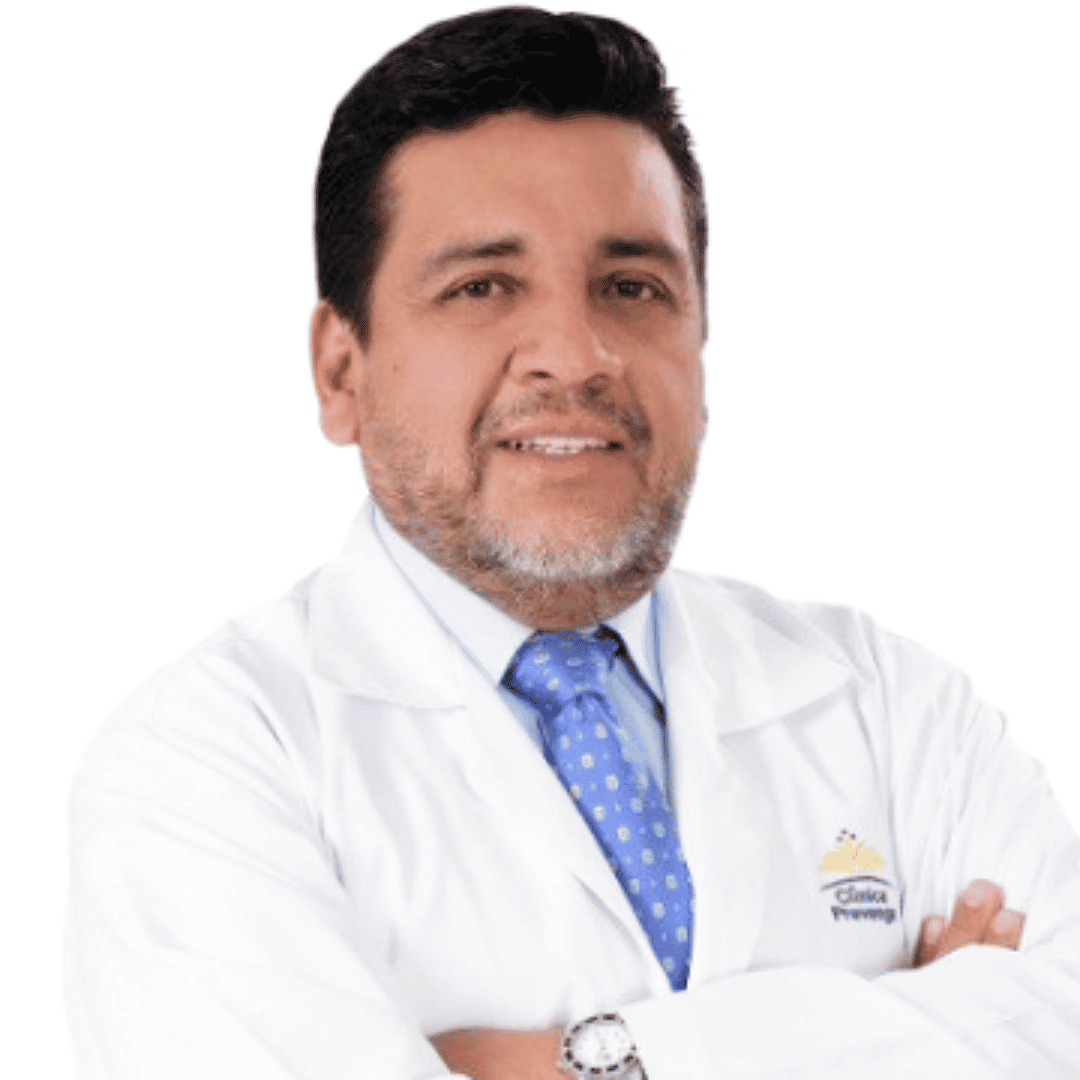
Carlos Alberto Isaza Mejia, MD
Regencord - Stem Cell Therapies
- Regenerative Medicine
Pereira, Colombia

Dr. Andrea Marin Vecino
Alevy - Stem Cell Therapy and Regenerative Medicine
- Regenerative Medicine
Pereira, Colombia

Dr. Guillermo Gonzalez
Alevy - Stem Cell Therapy and Regenerative Medicine
- Regenerative Medicine Specialist
Pereira, Colombia
Dr. Gustavo Alvarez Torres
Clinica de Artrosis Medellin - Stem Cell Therapy in Colombia
- Regenerative Medicine Specialist
Medellin, Colombia
Colombia has rapidly transformed into a premier destination for advanced medical travel, particularly for patients from North America seeking high-quality regenerative care. Cities like Bogota, Medellin, and Cartagena boast world-class medical infrastructure that easily rivals many hospitals in the United States and Canada. Beyond the modern clinics and rigorous safety standards, the country offers a welcoming culture and a comfortable climate that makes the recovery process feel much more like a restful retreat.
Traveling to Colombia is surprisingly straightforward for most international patients. Major airlines offer daily direct flights from regional hubs across North America, meaning you can often reach your destination in just a few hours. Additionally, citizens of the US, Canada, and the UK do not need to apply for a visa in advance for medical stays under 90 days, which significantly streamlines the entire travel planning process.
| Departure City (US) | Estimated Flight Time to Bogota/Medellin |
| Miami (MIA) | Approx. 3.5 hours (Direct) |
| Houston (IAH) | Approx. 4.5 hours (Direct) |
| New York (JFK) | Approx. 5.5 hours (Direct) |
| Los Angeles (LAX) | Approx. 7.5 hours (1 Stop) |
While the primary focus is undoubtedly your health, the affordability of local accommodations allows patients to recover in premium, supportive hotels for a fraction of standard North American prices. Compare the destination details below to decide which Colombian city feels like the best fit for your healing journey.
Taking the first step toward managing your rheumatoid arthritis with regenerative medicine does not have to be an overwhelming process. Our dedicated team is here to help you navigate your options, verify clinic credentials, and arrange a completely seamless medical journey to Colombia. We can connect you directly with top-rated specialists and assist with all the complex logistics so you can focus entirely on improving your health and joint mobility.
If you are ready to explore personalized treatment plans and review accurate, transparent pricing, click the button below to connect with our patient coordination team. Compare all the options detailed on this page, and let us help you find the absolute best path forward for your specific medical needs.
References
- Mesenchymal Stem Cells for Rheumatoid Arthritis – National Institutes of Health (NIH)
- What to Know About Stem Cell Therapy – Arthritis Foundation
- Rheumatoid Arthritis Overview – National Institute of Arthritis and Musculoskeletal and Skin Diseases (NIAMS)
- Travelers' Health: Colombia – Centers for Disease Control and Prevention (CDC)
- Efficacy of Mesenchymal Stem Cells in Rheumatoid Arthritis – PubMed
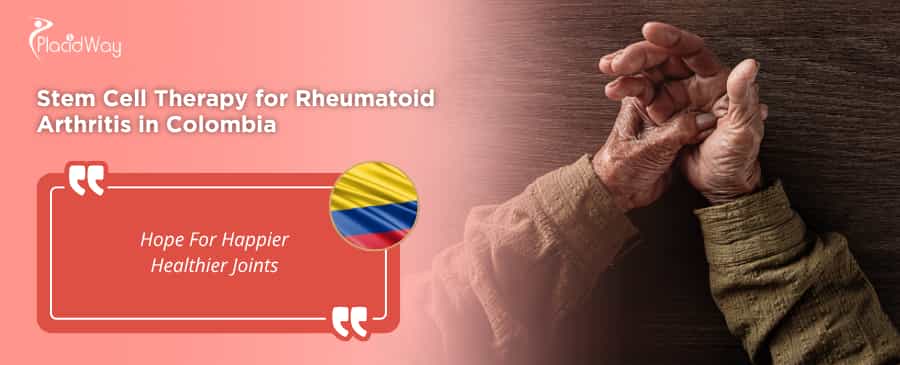










.png)
.jpg)








Share this listing