

Contents
Living with a spinal cord injury often means adapting to sudden and life-altering changes in mobility, sensation, and independence. While traditional rehabilitation in South America focuses on physical therapy and long-term symptom management, many patients are now exploring advanced regenerative options that aim to support neurological repair. Specialized clinics have positioned the region as an emerging destination for Stem Cell Therapy for Spinal Cord Injury in Colombia, offering innovative approaches that target damaged neural pathways and inflammation at the source.
Modern regenerative medicine protocols in Colombia commonly utilize mesenchymal stem cells (MSCs) due to their powerful anti-inflammatory and tissue-supportive properties. These cells are being studied for their ability to create a more favorable environment for neural recovery by reducing scar tissue formation and supporting cellular communication. Although Stem Cell Therapy for Spinal Cord Injury in Colombia is not a guaranteed cure, it is increasingly recognized as a supportive strategy aimed at improving functional outcomes and quality of life.
Medical tourism for neurological recovery has grown significantly in cities like Bogotá, Medellín, and Cali, where advanced clinics combine regenerative science with structured rehabilitation programs. Patients seeking Stem Cell Therapy for Spinal Cord Injury in Colombia often benefit from coordinated care models that integrate neurology, physiotherapy, and regenerative medicine under one treatment plan. This combination offers a more holistic recovery environment compared to conventional standalone therapies.
For individuals and families searching for innovative ways to regain function and independence after spinal cord injury, Colombia presents a promising destination that blends medical expertise with accessibility. Stem Cell Therapy for Spinal Cord Injury in Colombia continues to evolve as research advances and clinical experience grows, offering renewed hope for improved mobility and neurological support. Explore the sections below to understand how these emerging treatments are reshaping recovery pathways.
Did You Know?
Spinal cord injuries often involve not only direct nerve damage but also secondary inflammation and scar formation that block neural signaling. Regenerative therapies using stem cells aim to modulate this inflammatory response, potentially creating an environment where surviving nerve pathways can better adapt and function.
Key Insights at a Glance
Clinics in Colombia operate under national health authority guidelines with emphasis on GMP-compliant laboratory standards and patient safety protocols.
Major medical hubs like Bogotá and Medellín offer international airport access, making travel more manageable for patients with mobility limitations.
Therapies often include mesenchymal stem cell applications delivered through targeted approaches designed to support neurological recovery and inflammation control.
Patients often access advanced regenerative care at significantly lower costs compared to North America and Europe.
Treatment plans are tailored based on injury severity, neurological function, and rehabilitation potential for each individual patient.
Care is delivered by neurologists, regenerative medicine specialists, and rehabilitation experts working together for integrated recovery support.
Growing Accessibility in Latin America
Colombia continues to expand its healthcare infrastructure, with improved accessibility features and rehabilitation services designed for patients with mobility impairments. This makes recovery-focused travel more practical and supportive for individuals undergoing spinal cord injury treatment programs.
Regenerative medicine utilizes advanced laboratory techniques and highly specialized clinical expertise, making it a significant medical investment. The table below outlines the average costs associated with Stem Cell Therapy for Spinal Cord Injury in Colombia Packages. Due to Colombia’s favorable healthcare infrastructure costs and lower operational overhead compared to the U.S., UK, or Europe, patients can access advanced regenerative care at more accessible rates without compromising medical standards. Final pricing varies based on the severity of spinal cord injury, cell type, and individualized treatment protocol required for Stem Cell Therapy for Spinal Cord Injury in Colombia.
Tip: Always request a comprehensive medical evaluation to receive an accurate quote for Stem Cell Therapy for Spinal Cord Injury in Colombia Packages and ask about the specific neurological regeneration modules, rehabilitation support, and cell processing techniques included in your plan.

Price starting from $9,000
Stem Cell Treatment for Spinal Cord Injury Package in Cali Colombia
Stem Cells Kyron Colombia
- Stem Cell Therapy
Cali, Colombia

Price starting from $9,950
Stem Cell Treatment for Spinal Cord Injury Package at Regencord in Pereira, Colombia
Regencord - Stem Cell Therapies
- Stem Cell Therapy
Pereira, Colombia
Traveling for advanced regenerative care while managing the complex rehabilitation needs of spinal cord injury requires careful coordination and a well-structured medical journey. In the section below, we have curated a selection of comprehensive treatment packages offered by clinics for Stem Cell Therapy for Spinal Cord Injury in Colombia Prices. These all-inclusive bundles typically cover detailed neurological and functional assessments, stem cell harvesting and processing, therapeutic administration under regenerative neurology protocols, and essential ground transportation and aftercare coordination. Explore the available options to find a supportive care plan for Stem Cell Therapy for Spinal Cord Injury in Colombia that aligns with your recovery goals and long-term rehabilitation needs for advanced neuroregenerative treatment in Colombia.
Note: All-inclusive medical packages provide maximum peace of mind by bundling complex laboratory, clinical, and logistical fees into a single, transparent plan.
Stem Cell Treatment for Spinal Cord Injury Centers Cost Comparison in Colombia
| Provider | Procedure | Price |
|---|---|---|
| Regencord - Stem Cell Therapies | Stem Cell Treatment for Spinal Cord Injury, Stem Cell Therapy | $7650 |
Stem Cell Treatment for Spinal Cord Injury Cost Comparison in Colombia
| Country | Procedure | Price |
|---|---|---|
| United States | Stem Cell Treatment for Spinal Cord Injury, Stem Cell Therapy | $50000 |
The safety and efficacy of regenerative medicine depend greatly on clinical expertise, ethical standards, and the quality of laboratory infrastructure involved in treatment delivery. Colombia has emerged as a growing destination for Stem Cell Therapy for Spinal Cord Injury in Colombia, offering access to advanced medical facilities and specialized regenerative programs focused on neurological recovery and functional rehabilitation. These centers are designed to support complex spinal cases through innovative approaches such as Stem Cell Therapy for Spinal Cord Injury in Colombia, integrating cutting-edge biotechnology with multidisciplinary care. By applying modern regenerative medicine protocols, these clinics aim to enhance neural repair, improve mobility outcomes, and support long-term quality of life improvements for patients seeking spinal cord injury stem cell treatment in Latin America.
Safety First: Colombian clinics follow strict laboratory standards and are supported by experienced regenerative medicine specialists who design personalized spinal cord injury treatment plans tailored to each patient’s neurological condition and recovery goals.
Stem Cells Kyron Colombia
Cali, Colombia

Regencord - Stem Cell Therapies
Pereira, Colombia

Clinica de Artrosis Medellin - Stem Cell Therapy in Colombia
Medellin, Colombia
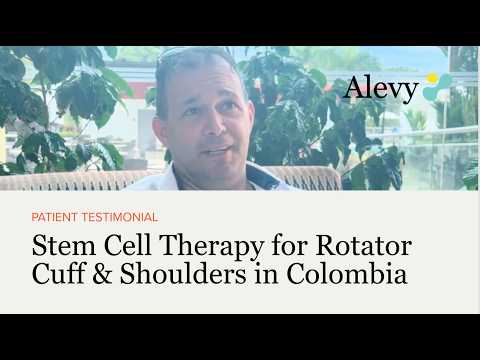
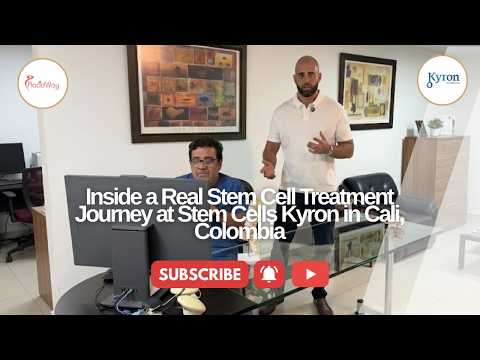
Exploring recovery options after a spinal cord injury can feel overwhelming, but visual educational resources and patient stories can provide valuable clarity and hope. The video testimonials below highlight real-life experiences from individuals who have undergone Stem Cell Therapy for Spinal Cord Injury in Colombia. These recordings offer insight into the treatment process, clinical environment, and rehabilitation journey, showcasing how Stem Cell Therapy for Spinal Cord Injury in Colombia is being explored as part of modern regenerative medicine approaches aimed at supporting mobility, function, and quality of life improvements.
Insight: Video-based patient stories help illustrate the practical experience of undergoing regenerative procedures for spinal conditions, offering a clearer understanding of care delivery and recovery expectations in clinical settings.

When evaluating regenerative medicine options abroad, authentic patient feedback is a key reference point. In this section, you will find verified reviews from individuals who have pursued Stem Cell Therapy for Spinal Cord Injury in Colombia. Read through their experiences regarding medical team expertise, communication transparency, functional improvement expectations, and overall satisfaction during their journey with advanced regenerative care in Colombia.
Review Tip: Pay close attention to testimonials that describe changes in mobility, sensory response, or daily independence to better understand the potential outcomes of Stem Cell Therapy for Spinal Cord Injury in Colombia and related neuroregenerative approaches in Latin America.

Is Stem Cell Therapy for Back Pain FDA-Approved?
No, stem cell therapy for back pain is not FDA-approved; it remains experimental and is generally offered through clinical trials or under specific medical guidelines. Chronic back pain can be debilitating, affecting daily life and limiting your ability to enjoy activities you love. Traditional treatments like physical therapy, medications, and surgery can help, but for some people, these methods don’t provide the lasting relief they’re hoping for. This is where stem cell therapy has captured attention as a potentially groundbreaking treatment. Although not yet FDA-approved for back pain, many are exploring it as an alternative due to its potential to heal and regenerate damaged tissue. Let’s dive into why choosing stem cell therapy might be a positive option if you’re struggling with chronic back pain. What is Stem Cell Therapy, and How Does It Work? Stem cell therapy involves using the body’s natural regenerative cells to repair damaged tissues. Mesenchymal stem cells, commonly used for orthopedic conditions, can transform into various cell types, including those found in the spine. When injected into the affected area, these cells have the potential to reduce inflammation, repair damaged tissues, and encourage natural healing over time. For back pain, stem cell therapy specifically targets degenerative disc disease, spinal injuries, and joint-related pain, focusing on restoring damaged areas rather than simply masking symptoms. Why Consider Stem Cell Therapy for Back Pain? Although still in the experimental stages, stem cell therapy offers several promising benefits that make it worth considering as an option for chronic back pain: 1. Natural Healing Potential Unlike medications that primarily mask pain, stem cell therapy addresses the source of the pain by promoting actual healing of the damaged tissues. By leveraging the body’s own cells, stem cell therapy may offer long-term relief, especially for conditions caused by degeneration or chronic inflammation. 2. Reduced Dependence on Pain Medication Many patients with chronic back pain rely on pain medication, which often comes with side effects and the risk of dependency. Stem cell therapy could help reduce the need for these medications by providing a more lasting solution, targeting the underlying cause of pain rather than offering temporary relief. 3. Minimally Invasive Procedure Stem cell therapy is typically delivered through targeted injections, making it far less invasive than traditional back surgeries. Patients often report minimal downtime, with many returning to their normal activities shortly after treatment. This makes it an attractive option for those wanting to avoid the risks and recovery time associated with surgery. 4. Potential to Delay or Avoid Surgery For individuals facing the possibility of back surgery, stem cell therapy presents an alternative that could delay or even eliminate the need for surgery. While not everyone will be able to avoid surgery, stem cell therapy can serve as a middle-ground option to try before committing to a surgical solution. What Does the Research Say? While stem cell therapy for back pain is not FDA-approved, early research and clinical trials show promising results. Many patients report a decrease in pain, improved mobility, and enhanced quality of life following the treatment. Studies also indicate that stem cells can potentially aid in tissue repair, reduce inflammation, and may even slow down the degeneration process in spinal discs. It’s essential to keep in mind that individual results can vary, and not everyone may experience the same level of success. Nonetheless, the results are encouraging and show that stem cell therapy is making strides in pain management and tissue regeneration for back pain patients. Top Clinics: Sportmed Centro Medico (Guadalajara,Puerto Vallarta, Mexico) Dr. Omar Gonzalez Integra Medical Center (Nuevo Progreso, Mexico) MexStemCells Clinic (Mexico City, Mexico): Vega Stem Cell Clinic (Bangkok, Thailand) Alevy Stem Cell Clinic (Medellín, Colombia) Regencord - Stem Cell Therapies (Pereira, Colombia) Stem Cells Kyron Colombia? (Cali, Colombia) CellCenter (Bratislava, Slovakia) Considerations Before Choosing Stem Cell Therapy If you’re considering stem cell therapy for back pain, there are a few key factors to think about: Consult with a Specialist Because stem cell therapy is still experimental, consult with a specialist familiar with regenerative medicine and spinal health. They can help assess if you’re a good candidate and provide guidance on what to expect. Understand the Process Stem cell therapy is not a quick fix, and results may take time as the cells work to repair and regenerate tissue. Patients may need multiple sessions depending on their condition and treatment goals. Weigh the Cost Since this therapy is not FDA-approved, insurance may not cover the costs, making it a private expense. Discuss pricing options and financing if available, as this treatment can be an investment in your long-term health. Moving Forward with Confidence Choosing stem cell therapy for back pain may seem like a leap into the unknown due to its experimental status, but for those seeking relief from chronic pain without invasive surgery, it’s an option filled with potential. Stem cell therapy offers a new pathway focused on healing rather than simply managing symptoms. As research progresses, more individuals are finding relief and regaining their quality of life, and this therapy could be a great choice for those open to exploring innovative treatment options. Interested in learning if stem cell therapy could work for your back pain? Interested in learning if stem cell therapy could work for your back pain? Reach out to a specialist today to explore your options and start your journey toward lasting pain relief.
How much does stem cell therapy cost for spinal cord injury in Colombia?
In Colombia, stem cell therapy for spinal cord injury typically costs between $10,000 and $25,000. Prices vary based on cell type, treatment protocol, facility fees, and required rehabilitation. This therapy remains primarily experimental. Navigating life after a severe neurological trauma often leads patients to explore alternative and investigational treatments. Over the past decade, stem cell therapy for spinal cord injury in Colombia has attracted attention from individuals seeking options beyond standard conventional care. As the field of regenerative medicine evolves, international patients frequently look toward South America for facilities offering these procedures at lower price points than in their home countries. While the prospect of utilizing cellular therapies is appealing, it is vital to approach this topic with realistic expectations. Stem cell applications for neurological repair are still largely in the clinical trial phases globally. They do not constitute a proven cure for paralysis. However, for those independently researching an established stem cell clinic in Colombia, understanding the financial investment, medical logistics, and inherent risks is an important first step. Key Takeaways Stem cell therapies for spinal cord injuries are experimental and outcomes vary significantly between patients. Total expenses range widely from $10,000 to $25,000 depending on the complexity of the medical protocol. Thoroughly evaluating clinical credentials, laboratory standards, and informed consent documents is critical for patient safety. Physical rehabilitation is frequently combined with the injections to potentially stimulate neurological pathways. International travel with a spinal cord injury requires extensive logistical planning and prior medical clearance. What factors influence the stem cell therapy cost in Colombia? The final price depends on the stem cell source, the total number of cells administered, specialized laboratory processing fees, and whether intensive neurological rehabilitation is included in the package. When calculating the estimated stem cell therapy cost in Colombia, several variables determine the final invoice. The most significant factor is the origin of the cells. Autologous treatments—which involve extracting cells from a patient's own bone marrow or adipose (fat) tissue—require distinct surgical procedures for harvesting, followed by laboratory expansion. Alternatively, using allogeneic cells, such as those derived from donated umbilical cord tissue, involves costs related to rigorous donor screening, specialized tissue banks, and laboratory culturing. Furthermore, the dosage plays a major role in pricing. Protocols that require a higher volume of cells or multiple administration sessions over several weeks will naturally cost more. Facility fees also contribute to the total; clinics operating within large urban hospitals tend to have higher overhead than smaller specialized outpatient centers. Finally, comprehensive treatment packages often bundle physical therapy and occupational rehabilitation with the cellular injections. Because physical movement is necessary to potentially stimulate neuroplasticity, many providers mandate daily guided therapy, which adds to the overall expense. Is stem cell therapy for spinal cord injury medically proven? No, stem cell treatments for spinal cord injuries remain largely experimental and are not currently recognized as a standard medical cure by major global health organizations. It is crucial for patients to understand the investigational nature of regenerative medicine. While extensive research and numerous clinical trials are ongoing worldwide, major regulatory bodies do not currently classify stem cell therapy as a definitive treatment or cure for spinal cord injuries. The biological environment of a damaged spinal cord is highly complex, often characterized by scar tissue and inhibitory molecules that prevent nerve regeneration. Researchers theorize that certain types of stem cells may help reduce harmful inflammation, protect surviving nerve cells, or promote a more favorable environment for healing. However, instances of patients regaining significant motor function or reversing complete paralysis are exceptionally rare and not supported by broad consensus in peer-reviewed medical literature. Individuals exploring this option must approach it with caution. The primary goals of experimental treatments are often focused on managing symptoms, potentially improving slight sensory perception, or reducing neuropathic pain, rather than achieving a full functional recovery. What types of stem cells are used for spinal cord injuries? Providers most frequently utilize mesenchymal stem cells derived from ethically sourced umbilical cord tissue, or autologous stem cells extracted directly from a patient's own bone marrow or fat. In regenerative protocols, mesenchymal stem cells (MSCs) are often the primary focus. MSCs are multipotent cells capable of differentiating into various cell types. They are highly valued in research for their distinct immunomodulatory properties—meaning they may help regulate the body's immune response and potentially reduce chronic inflammation at the injury site. Many clinical protocols prefer using allogeneic MSCs derived from Wharton's Jelly, a substance found within the human umbilical cord. These cells are harvested from healthy, full-term pregnancies following rigorous ethical guidelines and infectious disease screening. Proponents suggest that umbilical cord-derived cells are highly robust and multiply efficiently in laboratory settings. Alternatively, some providers utilize autologous treatments. In this approach, a physician performs a mini-liposuction or a bone marrow aspiration on the patient to collect their own stem cells. These cells are then isolated, concentrated, and sometimes expanded over several days before being reintroduced into the patient's body. Because they come from the patient's own tissues, the risk of immune rejection is effectively eliminated. How do Colombian prices compare to costs in North America? Patients often find that experimental treatments in Colombia cost significantly less than similar procedures in the United States or Canada, largely due to differences in clinical overhead and local economies. Because stem cell applications for spinal trauma are not standard FDA-approved therapies in the United States, patients seeking these interventions domestically must often pay entirely out of pocket for clinical trials or off-label clinic treatments. These costs can easily exceed $30,000 to $50,000, depending on the scope of the facility. By contrast, the overall cost of living and medical administration in South America is lower. This economic reality allows Colombian medical centers to offer complex investigational therapies at a reduced rate—frequently falling between $10,000 and $25,000. This price difference is a major driver of medical tourism in Colombia. However, travelers must also account for additional expenses that domestic patients do not face. These include international flights, specialized accessible accommodation, ground transportation for wheelchair users, passports, and the costs associated with bringing a dedicated caregiver or companion for the duration of the trip. What does a standard treatment package typically include? A comprehensive protocol usually covers initial medical consultations, diagnostic imaging reviews, the stem cell harvesting or procurement, laboratory processing, the administration procedure, and basic post-injection monitoring. When a patient coordinates with a clinical provider abroad, they are typically offered a bundled package. An itemized breakdown should clearly state what medical services are covered. Standard inclusions feature a thorough preoperative physical examination, blood tests to ensure the patient is fit for the procedure, and consultations with neurology specialists. The core of the package revolves around the cellular product itself: the cost of acquiring, processing, testing, and quantifying the cells in a sterile laboratory environment. The fees for the attending physician, anesthesiologist (if required), and the surgical room where the administration takes place are also built into the baseline price. Depending on the clinic's philosophy, daily physical rehabilitation sessions may be included in the price for the duration of the stay. Patients should explicitly ask providers to detail what is excluded—such as medications to take home, emergency medical care if complications arise, and personal travel expenses. Who might be a candidate for this experimental treatment? Suitability depends on the injury severity, the time elapsed since the initial trauma, overall patient health, and realistic expectations regarding the investigational nature of the therapy. Not every individual with a spinal cord injury is an appropriate candidate for stem cell interventions. Clinics evaluate potential patients on a case-by-case basis, usually requiring recent MRI scans, detailed medical histories, and an assessment of the ASIA (American Spinal Injury Association) Impairment Scale score prior to acceptance. Some researchers suggest that interventions might have a different biological impact during the subacute phase of an injury (weeks or months after the trauma) compared to the chronic phase (years later, when extensive scar tissue has formed). Patients with active infections, certain autoimmune disorders, or a history of specific cancers are frequently contraindicated for stem cell therapies. A responsible medical team will also evaluate the psychological readiness of the patient. Because this is not a guaranteed cure, candidates must demonstrate that they understand the potential for failure and are not pursuing the treatment under false assumptions of a total recovery. What are the main risks associated with spinal stem cell injections? Potential complications include infection at the injection site, immune rejection, unexpected cellular proliferation, bleeding, spinal headaches, and temporary worsening of neurological symptoms. Any medical procedure involves inherent risks, and experimental therapies carry unique uncertainties. When stem cells are administered intrathecally—injected directly into the spinal canal—patients face risks similar to those of a standard lumbar puncture. These include severe spinal headaches, localized pain, bleeding, or the introduction of bacteria leading to meningitis. From a cellular perspective, introducing foreign biological material (in the case of allogeneic cells) always carries a slight risk of immune reaction, despite the immunomodulatory nature of MSCs. More concerning, though rare, is the risk of unregulated cellular growth. Because stem cells are designed to multiply and differentiate, there is a theoretical risk of them forming unwanted tissue masses or tumors if not properly processed and regulated. Patients must discuss these specific risks with their treating physician and ensure they have a clear plan for post-treatment monitoring once they return to their home country. Identifying a local doctor willing to oversee follow-up care is essential. How long does the treatment process take for international patients? International visitors typically need to stay in the destination country for one to three weeks to allow for consultations, the procedure itself, and initial follow-up observation. Traveling abroad for a major medical procedure is not a weekend endeavor. Most clinics require patients to arrive several days before the scheduled intervention. This allows time to recover from travel fatigue, adjust to the local climate and altitude (Bogota, for instance, sits at a high elevation), and complete necessary in-person diagnostic testing. If the protocol involves autologous stem cells, the collection process happens first, followed by several days where the patient waits while the laboratory processes the cells. The actual administration of the cells is usually a relatively quick outpatient or short-stay procedure. Following the injection, medical teams require patients to remain in the area for observation. This period is critical for monitoring immediate adverse reactions, managing any post-procedural pain, and participating in the initial phases of prescribed physical rehabilitation before undertaking a strenuous flight home. What should I look for when evaluating a facility? It is critical to verify the medical team's credentials, laboratory certifications, patient safety protocols, and the transparency of their informed consent process. Selecting an appropriate clinical environment requires diligent research. A reputable facility should be entirely transparent about the experimental nature of their work. They should willingly provide information about their medical director’s qualifications, specific experience with neurological conditions, and board certifications. The quality of the laboratory is equally important. Ask whether the facility adheres to international Good Manufacturing Practice (GMP) standards for cell processing. Patients have the right to request documentation regarding how donor cells are screened for infectious diseases and genetic abnormalities. Important Consideration: Beware of clinics that rely heavily on high-pressure sales tactics, guarantee specific outcomes, or use absolute terms like "100% safe" or "guaranteed cure." Responsible medicine acknowledges risk and uncertainty. How important is rehabilitation alongside stem cell therapy? Physical and occupational therapy are often considered just as crucial as the cell injections themselves for potentially stimulating neuroplasticity and maintaining muscle health. Introducing stem cells into the body is only one aspect of an experimental regenerative strategy. Many neurologists and researchers emphasize that the nervous system requires consistent physical stimulation to forge new pathways—a concept known as neuroplasticity. Without the mechanical stimulus of movement, introduced cells may lack the biochemical signals needed to differentiate or integrate effectively. Consequently, many comprehensive programs mandate rigorous physical therapy both during the patient's stay and long after they return home. This rehabilitation focuses on maintaining joint flexibility, preventing muscle atrophy, and attempting to stimulate any remaining active nerve connections. Patients should factor long-term local rehabilitation into their overall recovery budget. The commitment to daily physical work requires significant time, energy, and ongoing financial resources well beyond the initial trip abroad. Why Choose PlacidWay for Medical Tourism Research? Planning international healthcare involves gathering substantial information. PlacidWay serves as a global medical tourism platform designed to help patients navigate their options objectively. Access to Information: PlacidWay connects patients with detailed profiles of international medical providers. Global Network: The platform lists various clinics and hospitals across Latin America and the world. Cost Comparisons: Patients can view and compare estimated pricing for procedures across different regions. Direct Communication: Facilitates initial contact between patients and international clinical coordinators. Patient Education: Offers extensive resources and articles to help individuals make informed healthcare decisions. Frequently Asked Questions Are stem cell treatments legal in Colombia? Yes, stem cell treatments are legally permitted in Colombia when performed by licensed medical professionals in authorized facilities. However, specific therapies for spinal cord injury are generally classified as investigational rather than standard medical cures. Can stem cells cure a complete spinal cord injury? Currently, there is no scientifically proven stem cell cure for a complete spinal cord injury. Experimental treatments aim to manage symptoms, reduce inflammation, or potentially improve minor sensory and motor functions, but outcomes vary widely and complete recovery is not expected. Does health insurance cover this treatment in Colombia? Because stem cell therapy for spinal cord injuries is considered experimental and investigational, standard domestic and international health insurance plans typically do not cover the costs. Patients should expect to pay for the procedure and travel out of pocket. Where are the major medical hubs in Colombia? The primary destinations for advanced medical procedures in Colombia are Bogota, Medellin, and Cali. These cities host large, modern clinical facilities and have established infrastructures to accommodate international patients with mobility restrictions. How is the stem cell therapy usually administered? For spinal cord injuries, stem cells are frequently administered intrathecally, which involves an injection into the spinal canal fluid, similar to a lumbar puncture. Intravenous (IV) infusions may also be used in conjunction with spinal injections. What is the physical recovery time after the injection? The injection procedure itself requires minimal recovery time, usually involving resting flat for a few hours to prevent spinal headaches. However, patients are often advised to stay near the clinic for one to two weeks for monitoring and to begin physical rehabilitation. Are umbilical cord stem cells safely screened in Colombia? Reputable clinical laboratories in Colombia adhere to strict screening protocols for donor tissues, testing for infectious diseases and genetic abnormalities before processing and expanding mesenchymal stem cells for patient use. Do I need medical clearance before traveling? Yes, individuals with spinal cord injuries must obtain comprehensive medical clearance from their primary care physician or neurologist before flying, as changes in cabin pressure and prolonged sitting can present unique health risks. Are there age limits for receiving stem cell therapy? While there are no strict universal age limits, clinical eligibility is heavily based on overall health. Older adults or those with severe comorbidities may face higher risks from the procedure and anesthesia, making individualized medical evaluation essential. How many treatment sessions are typically required? Treatment protocols vary by provider and patient condition. Some individuals undergo a single intensive session, while others may receive multiple injections spaced over several days or weeks to maximize potential cellular response. Compare Treatment Options Globally Explore international medical facilities, review estimated costs, and gather the information you need to make an informed decision regarding investigational therapies. Request Treatment Information References Spinal Cord Injury Fact Sheet – World Health Organization (WHO) FDA Warns About Stem Cell Therapies – U.S. Food and Drug Administration Stem Cells: What They Are and What They Do – Mayo Clinic Mesenchymal Stem Cell Therapy for Spinal Cord Injury – National Institutes of Health (PubMed Central) Patient Resources on Stem Cell Treatments – International Society for Stem Cell Research (ISSCR) Understanding Stem Cell Research – Christopher & Dana Reeve Foundation Medical Disclaimer: The information provided in this article is for educational and informational purposes only and does not constitute medical advice. Stem cell therapy for spinal cord injury is highly experimental and is not universally recognized as a cure. Outcomes, risks, and suitability vary widely among individuals. Never disregard professional medical advice or delay seeking it because of something you have read online. Always consult with a qualified, board-certified physician or neurologist regarding your specific medical condition, eligibility for investigational treatments, and the potential risks involved before making any health-related or travel decisions.
Managing spinal cord injuries requires a highly specialized and multidisciplinary medical approach due to the complexity of neural damage and functional impairment. In Colombia, leading physicians and clinical experts are advancing regenerative medicine strategies centered on Stem Cell Therapy for Spinal Cord Injury in Colombia. These specialists combine neurology, neurosurgery, and rehabilitation science to evaluate patients carefully and design individualized protocols for spinal cord repair support. Exploring their expertise provides insight into how modern regenerative care is being applied in neurological recovery programs.
Spine & Neurological Surgeons
Experts in Spinal Cord Injury Evaluation and Neurorepair Strategies
These specialists in Colombia focus on advanced neurological assessment and surgical evaluation for trauma-related spinal conditions. With expertise in functional recovery planning, they determine patient suitability for Stem Cell Therapy for Spinal Cord Injury in Colombia, aiming to support nerve regeneration and improve motor function outcomes through precision-based clinical protocols.
Regenerative Medicine Scientists
Leaders in Cellular Therapy Processing and Neuroregeneration Research
The laboratory experts supporting Stem Cell Therapy for Spinal Cord Injury in Colombia are responsible for processing and preparing high-quality stem cell formulations under strict clinical standards. Their research is centered on improving cellular viability, targeting inflammation reduction, and enhancing neural repair mechanisms that may contribute to functional recovery in spinal cord injury cases.
Rehabilitation & Multidisciplinary Care Teams
Comprehensive Recovery Support for Spinal Cord Injury Patients
Supporting the clinical application of Stem Cell Therapy for Spinal Cord Injury in Colombia, rehabilitation specialists, physiotherapists, and clinical coordinators work together to enhance patient recovery pathways. These teams focus on mobility training, functional rehabilitation, and long-term care strategies to help patients maximize their post-treatment progress and overall quality of life.
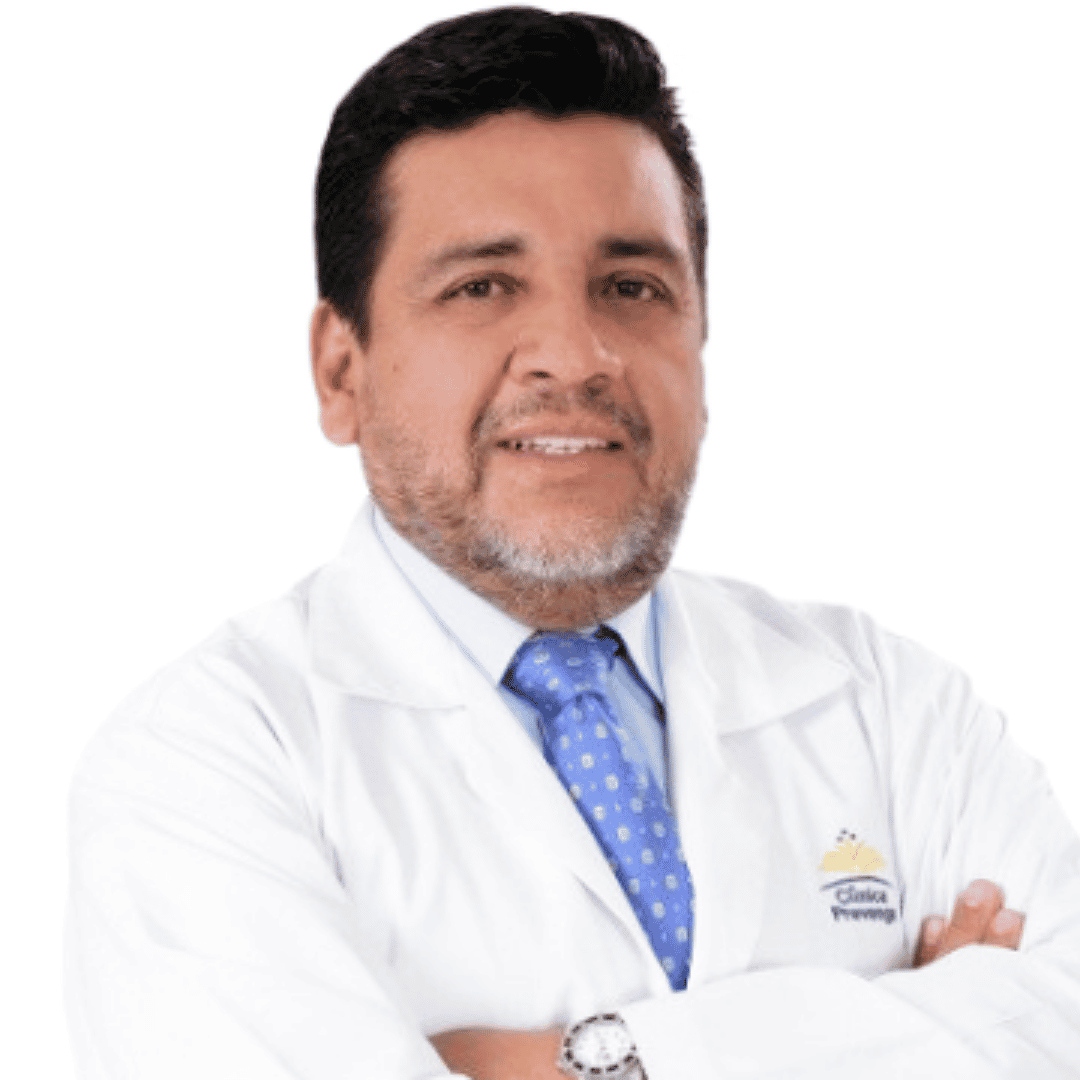

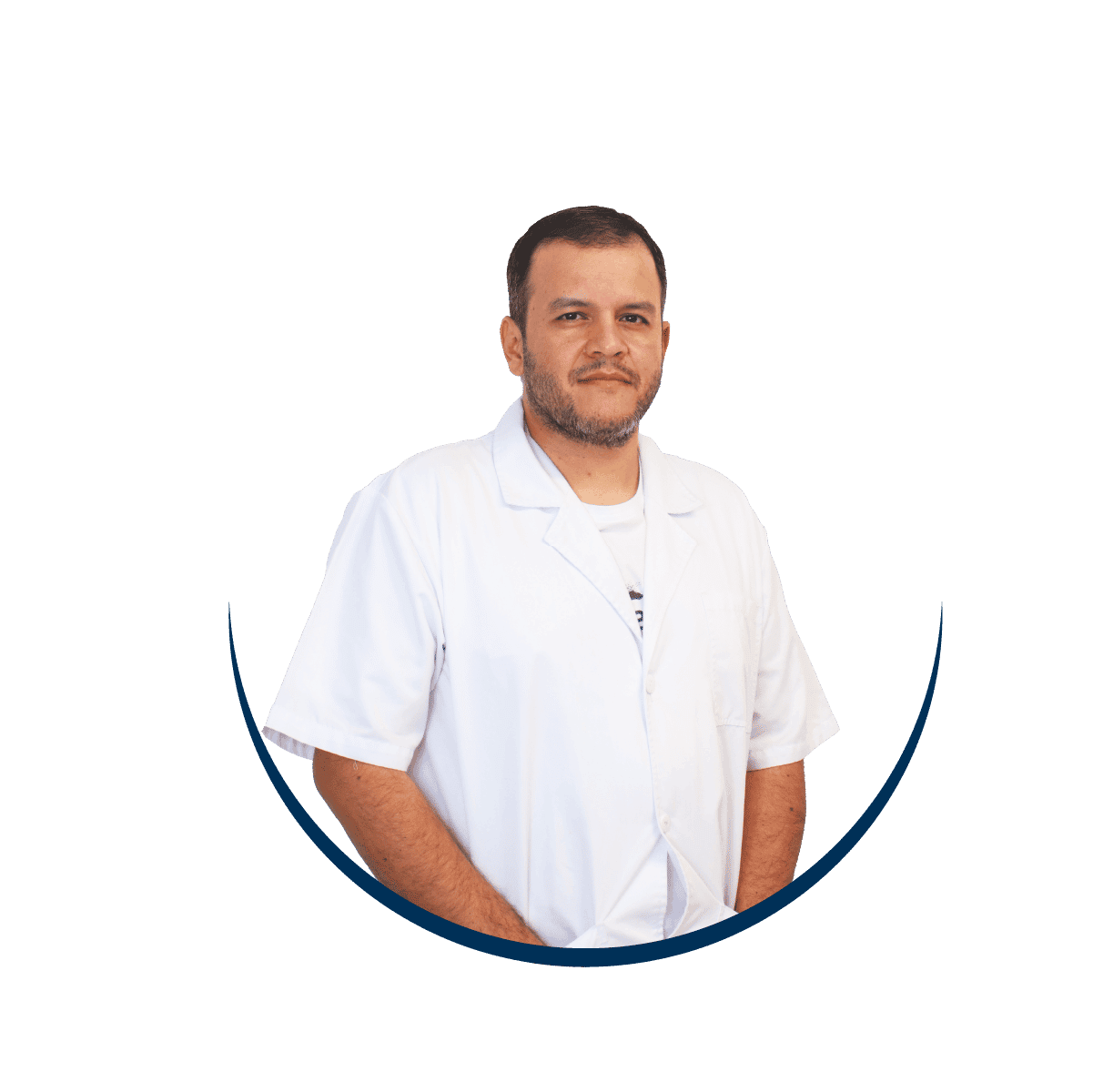
Carlos Alberto Isaza Mejia, MD
Regencord - Stem Cell Therapies
- Regenerative Medicine
Pereira, Colombia

Dr. Gustavo Alvarez Torres
Clinica de Artrosis Medellin - Stem Cell Therapy in Colombia
- Regenerative Medicine Specialist
Medellin, Colombia
Advanced Regenerative Medicine Standards in Colombia
Colombia has rapidly emerged as a trusted hub for advanced regenerative treatments, offering internationally aligned clinical environments and modern biotechnology facilities. Patients seeking Stem Cell Therapy for Spinal Cord Injury in Colombia benefit from protocols designed under strict medical oversight, ensuring safety, precision, and consistency in every stage of care.
The country’s commitment to innovation allows patients to access cutting-edge neurological restoration approaches within regulated medical frameworks. This makes Colombia an increasingly preferred destination for those exploring long-term recovery solutions through scientifically guided cell-based therapies.
Well-Connected Access for International Patients
One of Colombia’s key advantages is its accessibility, with major cities offering direct international flight connections and streamlined travel routes for medical tourists. This makes regenerative care highly accessible for individuals seeking Spinal Cord Injury Stem Cell Treatment Colombia without facing complicated travel logistics.
Patients and families can easily reach leading treatment centers while focusing on recovery planning and rehabilitation. This convenience enhances the overall experience for those pursuing Spinal Cord Injury Stem Cell Treatment Colombia, ensuring smoother coordination from arrival to therapy completion.
Specialized Focus on Neuro-Regeneration for Spinal Cord Injury
Medical teams in Colombia have developed a strong focus on targeted neuro-regenerative protocols aimed at addressing spinal cord damage through advanced cellular applications. These approaches are designed to support nerve repair mechanisms and enhance functional recovery outcomes over time.
By combining clinical expertise with personalized rehabilitation strategies, specialists delivering Stem Cell Therapy for Spinal Cord Injury in Colombia provide patient-centered care that prioritizes long-term mobility improvement and neurological support through structured regenerative programs.
Seeking advanced treatments for Parkinson’s Disease requires navigating a complex medical and logistical landscape. PlacidWay acts as your dedicated healthcare advocate, breaking down barriers to international treatment and ensuring your journey for Stem Cell Therapy for Parkinson’s Disease in Slovakia is safe, transparent, and professionally managed from your very first inquiry.
Rigorous Clinic Vetting
We extensively partner with facilities that possess the necessary EU accreditations, certified laboratories, and specialized experience required for safe Neurological Stem Cell Therapy Slovakia.
Medical Record Transfer
We securely coordinate the transfer of your medical history, dopamine transporter scans, and neurologist reports to the clinical team for a comprehensive evaluation of Parkinson’s Disease Treatment in Europe.
Direct Specialist Access
We arrange direct virtual consultations between you and the treating specialists, allowing you to ask critical questions about realistic outcomes for Parkinson’s Stem Cell Treatment Slovakia.
Transparent Pricing
We provide clear, comprehensive cost breakdowns for Regenerative Therapy for Parkinson’s Europe, ensuring you understand exactly what is included in your clinical package without hidden fees.
Logistics & Coordination
We seamlessly manage the scheduling of therapy dates, lab tests, and clinical appointments, and assist with ground transfer logistics to ensure a stress-free trip to Slovakia.
Post-Treatment Continuity
Our support doesn't end when you return home. We help facilitate ongoing communication with the medical team to track your improvements after Stem Cell Therapy for Parkinson’s Disease in Slovakia.
Take the next step in exploring options to regain control over your health. Contact PlacidWay today for a free, confidential consultation and let us help connect you with world-class regenerative care.
Get Your Free Personalized Quote






















Share this listing