

For patients suffering from devastating neurological trauma, intrathecal stem cell regeneration in Bogota has emerged as an innovative therapeutic pathway. Spinal cord injuries (SCI) often lead to permanent loss of motor and sensory functions, leaving traditional medicine focused primarily on symptom management and rehabilitation. However, modern regenerative therapies aim to alter the cellular environment of the injured spinal cord, utilizing the body’s intrinsic healing mechanisms. By delivering cellular treatments directly into the cerebrospinal fluid, specialists can bypass the blood-brain barrier, allowing therapeutic agents to reach the damaged neural tissues efficiently.
Bogota is rapidly gaining international recognition for providing this specialized medical intervention. Certified medical professionals in the capital city utilize carefully processed mesenchymal stem cells (MSCs) to target inflammation and promote neuroprotection. When exploring options for stem cell treatments in Bogota, patients typically undergo rigorous evaluations to determine their biological compatibility with the procedure. While this intervention is not a guaranteed cure, most patients experience improved symptom management and quality of life.
- Direct Delivery Mechanism: The intrathecal route ensures that cells are delivered straight into the spinal canal, maximizing their concentration at the injury site.
- Inflammation Reduction: Introduced stem cells typically secrete paracrine factors that help reduce chronic inflammation within the spinal cord.
- Neuroprotective Environment: The therapy aims to create a supportive microenvironment that protects surviving neurons from secondary damage.
- Tissue Repair Stimulation: While full regeneration is rare, the treatment generally encourages localized cellular repair and potential myelin sheath restoration.
The cerebrospinal fluid (CSF) circulates completely around the brain and spinal cord several times a day. This natural circulation is what allows intrathecally injected stem cells to successfully disperse across the central nervous system.
Why US Patients Choose Medical Tourism in Bogota for Spinal Cord Injuries
The landscape of global healthcare is shifting, and medical tourism in Bogota is at the forefront of this transformation for North American patients. In the United States, regenerative medicine for spinal cord injuries is often heavily restricted, limited strictly to clinical trials, or comes with prohibitively expensive out-of-pocket costs. Bogota offers a compelling alternative by providing access to advanced, scientifically-backed stem cell therapies within a highly regulated healthcare framework. The city boasts internationally trained specialists and state-of-the-art medical facilities that rival those found in North America.
Beyond clinical excellence, geographical proximity plays a significant role in making Colombia an attractive destination. A short, direct flight from major US hubs allows patients with mobility challenges to travel with minimal discomfort. Furthermore, the favorable exchange rate makes affordable stem cell therapy in Colombia a reality without compromising on medical standards. Patients generally receive comprehensive care packages that integrate the procedure, specialized nursing, and initial physical rehabilitation into one cohesive medical journey.
- Cost-Effective Care: Treatments in Bogota often cost a fraction of what they would in the US, largely due to the lower cost of living and administrative overhead.
- Accessible Location: Direct flights from cities like Miami, New York, and Houston make the journey relatively stress-free for disabled patients and their caregivers.
- Expert Medical Professionals: Many Colombian neurologists and regenerative specialists have completed advanced fellowships in the United States or Europe.
- Compassionate Healthcare Culture: Colombian medical providers are widely recognized for their personalized, empathetic approach to patient care.
According to the World Health Organization (WHO), Colombia's healthcare system is ranked 22nd globally, placing it higher than the United States in terms of overall efficiency and accessibility.
The Science Behind Intrathecal Stem Cell Therapy in Colombia
The biological mechanisms driving stem cell therapies for spinal cord injuries are rooted in advanced cellular science. When a spinal cord injury occurs, a cascade of secondary damage follows the initial trauma, characterized by severe inflammation, scar tissue formation, and neuronal death. Intrathecal therapy generally utilizes multipotent mesenchymal stem cells (MSCs) due to their robust immunomodulatory properties. Instead of simply replacing dead cells—which is highly complex—these MSCs act as "cellular paramedics," releasing vital exosomes and growth factors.
Upon injection into the intrathecal space, these cells migrate toward the site of injury, guided by inflammatory signals emitted by the damaged tissue. Once there, they typically work to alter the hostile microenvironment, suppressing the aggressive immune response that causes secondary damage. Furthermore, the therapy aims to stimulate angiogenesis, which is the formation of new blood vessels, thereby improving blood flow and oxygen delivery to the compromised spinal tissues.
- Immunomodulation: Stem cells secrete cytokines that help regulate the immune system, reducing the chronic inflammation typical in SCI.
- Paracrine Effect: The release of growth factors encourages surviving endogenous cells to initiate natural repair processes.
- Anti-Apoptotic Action: The therapy typically prevents further cell death (apoptosis) in the neurons and glial cells surrounding the injury site.
- Scar Degradation: Certain cellular secretions may assist in breaking down the glial scar, a major physical barrier to nerve regeneration.
Clinical data indicates that mesenchymal stem cells (MSCs) can secrete over 200 distinct growth factors, cytokines, and chemokines that collectively contribute to tissue repair and neural protection.
Affordable Intrathecal Stem Cell Regeneration Cost in Bogota
Navigating the financial aspects of regenerative medicine is a crucial step for international patients. The stem cell regeneration cost in Bogota is exceptionally competitive, offering financial relief to families burdened by the immense expenses associated with spinal cord injuries. The cost disparity between the US and Colombia is not indicative of lower quality; rather, it reflects differences in labor costs, pharmaceutical pricing regulations, and lower malpractice insurance premiums. This economic advantage allows clinics to utilize top-tier laboratory technologies while maintaining affordable patient pricing.
When analyzing the cost of affordable stem cell treatments in Colombia, it is vital to understand what the price encompasses. Comprehensive packages typically include pre-operative neurological evaluations, MRI reviews, the stem cell harvesting or procurement process, the intrathecal procedure, and initial post-operative physical therapy. Below is a detailed cost comparison illustrating the realistic market ranges for these procedures.
| Procedure / Service Component | Average Cost in Bogota (USD) | Estimated Cost in US (USD) |
|---|---|---|
| Pre-Treatment Neurological Evaluation | $300 - $600 | $1,500 - $3,500 |
| Intrathecal Stem Cell Procedure (including cells) | $7,500 - $12,000 | $25,000 - $45,000 |
| Post-Op Physical Therapy (Per Week) | $400 - $800 | $1,500 - $3,000 |
| Total Estimated Package | $8,200 - $13,400 | $28,000 - $51,500 |
Medical costs can vary significantly based on the number of cell units required, the source of the stem cells (autologous vs. allogeneic), and the specific rehabilitation needs of the patient. Always request a detailed, itemized quote prior to traveling.
Evaluating Top Regenerative Medicine Clinics in Bogota
When planning a medical journey abroad, identifying a reputable clinic is paramount to ensuring safety and achieving optimal outcomes. The best regenerative medicine clinics in Bogota operate under strict national and international protocols, often holding accreditations that mirror those found in US healthcare facilities. A high-quality clinic will prioritize patient safety over volume, requiring comprehensive medical records and transparently discussing the realistic expectations of stem cell therapy.
During the evaluation phase, prospective patients should look for facilities that utilize specialized clean rooms for cellular processing. It is generally recommended to choose a clinic that collaborates with board-certified neurologists, neurosurgeons, and cellular biologists. The presence of a multidisciplinary team ensures that every aspect of the spinal cord injury treatment in Colombia is managed with the highest level of clinical expertise.
- Laboratory Certifications: Verify that the clinic’s laboratory adheres to Good Manufacturing Practice (GMP) standards for cell processing.
- Specialist Credentials: Ensure the treating physicians hold specialized degrees in neurology, neurosurgery, or regenerative medicine.
- Transparent Protocols: Top clinics will openly share their cellular viability reports and extraction methodologies.
- Comprehensive Care Teams: Look for facilities that integrate physical therapists and pain management specialists into their core staff.
Always ask prospective clinics for a "Certificate of Analysis" for the stem cells they use. This document proves the cellular viability, count, and confirms that the batch is free from bacterial or fungal contamination.
Patient Selection and Evaluation for Stem Cell Therapy in Bogota
Not every patient with a spinal cord injury is an ideal candidate for intrathecal therapy. Proper patient selection is the cornerstone of responsible medical practice for stem cell procedures in Bogota. Typically, clinics conduct a rigorous screening process to ensure that the patient’s physical condition can safely tolerate the procedure and that there is a biological rationale to expect a therapeutic benefit. This involves a deep dive into the patient's medical history, current medications, and detailed imaging studies.
The evaluation generally differentiates between complete and incomplete spinal cord injuries. While patients with incomplete injuries often have a higher statistical probability of regaining some functional movement or sensation, those with complete injuries may primarily seek relief from secondary complications such as severe spasticity or neuropathic pain. Establishing clear, realistic goals during this phase prevents false hope and aligns clinical expectations.
- Recent MRI Scans: High-resolution imaging of the spine is required to assess the exact location and extent of the scar tissue and neuronal damage.
- Medical Stability: Patients must typically be free from active infections, severe cardiovascular disease, or active cancer.
- Time Since Injury: While treatments are offered for chronic injuries, some data suggests earlier intervention yields more pronounced physiological responses.
- Psychological Readiness: Assessing a patient’s understanding of the experimental nature of the therapy and their commitment to long-term rehabilitation.
The Step-by-Step Intrathecal Stem Cell Procedure in Bogota
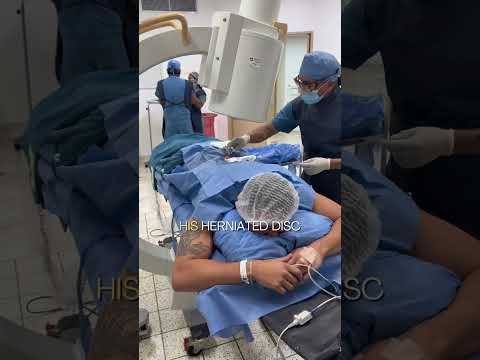
Understanding the clinical timeline can help alleviate anxiety for international patients. The intrathecal stem cell procedure in Bogota is a highly precise, minimally invasive intervention generally performed in an outpatient or short-stay hospital setting. The primary objective is to safely introduce the prepared stem cells into the subarachnoid space of the spinal canal, allowing the cerebrospinal fluid to transport them directly to the injury site.
The process is typically completed in a single day, though pre-procedure preparations and post-procedure monitoring span several days. Under strict sterile conditions, an experienced anesthesiologist or neurosurgeon performs a lumbar puncture (spinal tap). Patients are generally awake but may receive a mild sedative to ensure comfort. The precision of the injection is paramount to avoiding nerve root irritation and ensuring accurate cellular delivery.
- Cellular Preparation: On the day of the procedure, stem cells are thawed, cultured, or harvested, and rigorously tested for viability.
- Local Anesthesia: The lower back is sterilized, and a local anesthetic is applied to numb the skin and deep tissues.
- Fluoroscopic Guidance: Utilizing real-time X-ray or ultrasound, the physician carefully guides a fine needle into the spinal canal.
- Cellular Injection: The concentrated stem cell solution is slowly infused into the cerebrospinal fluid over several minutes.
The intrathecal delivery method generally requires a smaller volume of stem cells compared to intravenous delivery because it bypasses the lungs and liver, depositing the therapeutic cells directly into the central nervous system.
Recovery and Rehabilitation After Stem Cell Regeneration in Colombia
The cellular injection is only the first phase of the healing journey; intensive post-operative care is equally critical. Recovery after stem cell therapy in Bogota focuses on integrating cellular healing with neuromuscular re-education. Without targeted physical therapy, the newly introduced cells may not receive the necessary biological signals to differentiate and integrate properly. Therefore, top Colombian clinics generally mandate or strongly encourage a structured rehabilitation program immediately following the rest period.
Following the intrathecal injection, patients are typically advised to lie flat for a few hours to prevent spinal headaches and ensure the cells disperse correctly. After the initial 24 to 48 hours of rest, a customized physical therapy regimen begins. This period of therapy in Colombia is designed to stimulate neuroplasticity—the brain and spinal cord's ability to reorganize themselves by forming new neural connections.
- Immediate Post-Op Care: Monitoring for adverse reactions such as fever or localized pain, and ensuring proper hydration.
- Passive and Active Therapy: Engaging in guided exercises to maintain muscle tone and stimulate neural pathways.
- Occupational Therapy: Focusing on practical, daily living skills to enhance patient independence.
- Long-Term Follow-Up: Regular virtual consultations with the Bogota medical team to track progress over 6 to 12 months.
Traveling with a dedicated caregiver is highly recommended. Not only do they provide essential physical assistance, but they can also learn the physical therapy routines demonstrated by the Colombian specialists to continue them once you return home.
Risks and Safety Protocols for Stem Cell Treatments in Bogota
Transparency regarding medical risks is a hallmark of ethical healthcare. While safe stem cell regeneration in Colombia is prioritized, no medical procedure is entirely devoid of risk. Patients must be fully aware of the potential complications associated specifically with intrathecal injections and stem cell therapies. Most side effects are generally mild and transient, but serious complications, though rare, can occur if strict safety protocols are not adhered to.
Clinics dedicated to international medical tourists implement rigorous safety measures to mitigate these risks. This includes comprehensive pre-screening, utilizing ISO-certified clean rooms, and adhering to strict infection control standards. By understanding the typical side effects, patients can make informed, realistic decisions about their healthcare journey.
- Post-Dural Puncture Headache: A common, typically temporary side effect caused by changes in cerebrospinal fluid pressure.
- Localized Infection: While rare due to strict sterile techniques, there is a minor risk of infection at the injection site.
- Mild Immune Reaction: Some patients experience a low-grade fever or fatigue for 24-48 hours as the body responds to the introduced cells.
- Nerve Root Irritation: Transient pain or numbness can occasionally occur if the needle grazes a nerve during the lumbar puncture.
Advanced Medical Technology Utilized for Spinal Cord Injuries in Bogota
The success of regenerative interventions relies heavily on the technological infrastructure supporting the medical team. The landscape of medical technology in Bogota has seen significant investments, ensuring that clinics are equipped with cutting-edge diagnostic and processing tools. For spinal cord injuries, precision is vital; hence, the integration of advanced imaging and laboratory tech is non-negotiable for high-tier facilities.
From high-tesla MRI machines used for detailed pre-operative mapping to state-of-the-art flow cytometers used to verify cell counts, the technology in Colombia mirrors that of elite global hospitals. This commitment to modern medical technology ensures that the biological materials are handled flawlessly and delivered to the exact anatomical target with pinpoint accuracy.
- Fluoroscopy and C-Arm X-Rays: Essential for real-time anatomical imaging to guide the intrathecal needle perfectly into the spinal canal.
- ISO Class 5 Clean Rooms: Highly controlled environments utilized to process and culture stem cells without the risk of airborne contamination.
- Flow Cytometry: A sophisticated laser-based technology used to analyze the physical and chemical characteristics of the stem cells to guarantee high viability.
- Cryopreservation Systems: Advanced freezing technology that maintains the structural integrity of biological materials until the exact moment of treatment.
The stem cell processing facilities utilized by top clinics in Bogota adhere to Good Tissue Practice (GTP) guidelines, which regulate the methods and facilities used for manufacturing human cellular tissues to prevent the introduction of communicable diseases.
Preparing for Your Medical Journey for Stem Cell Therapy in Bogota
Careful preparation is essential to ensure a seamless medical travel experience. When planning your trip for , the initial step involves compiling a comprehensive medical dossier. This dossier will be thoroughly reviewed by the Colombian medical team to finalize your treatment protocol. Gathering recent MRI scans, detailed physician reports, and a list of current medications well in advance will expedite your approval process.
Additionally, addressing the logistical aspects of international travel requires attention. US citizens typically find traveling to Colombia straightforward, as standard short-term visits generally do not require complex medical visas. However, because mobility is often a significant concern for SCI patients, arranging specialized wheelchair-accessible transport and verifying accessibility standards at your chosen destination should be prioritized.
- Document Gathering: Collect all recent MRIs, blood tests, and neurological assessments for the clinic’s review board.
- Consultation: Engage in detailed virtual consultations with the specialist to discuss the proposed medical plan and set realistic expectations.
- Travel Logistics: Ensure your passport is valid for at least six months and coordinate wheelchair assistance with your airline.
- Medication Management: Bring an adequate supply of your current medications in their original, labeled prescription bottles.
Real Patient Success Stories with Stem Cell Regeneration in Bogota
While statistical data and biological science form the foundation of medical decision-making, the human element offers profound perspective. Hearing about the journeys of those who have undergone intrathecal stem cell regeneration in Bogota can provide invaluable insight for prospective patients. It is important to remember that results vary widely; however, many patients typically experience improvements that significantly enhance their daily lives.
The following case summaries reflect the diverse experiences of international patients. These stories highlight gradual improvements in spasticity management, sensory perception, and overall functional independence, illustrating the potential benefits of the comprehensive care received in Colombia.
Michael's Journey (Incomplete Paraplegia)
After a severe fall, Michael experienced limited mobility in his lower extremities. Seven months post-treatment in Bogota, he noted a typical reduction in neuropathic pain and reported a gradual improvement in core stability during his physical therapy sessions.
Sarah's Experience (Cervical SCI)
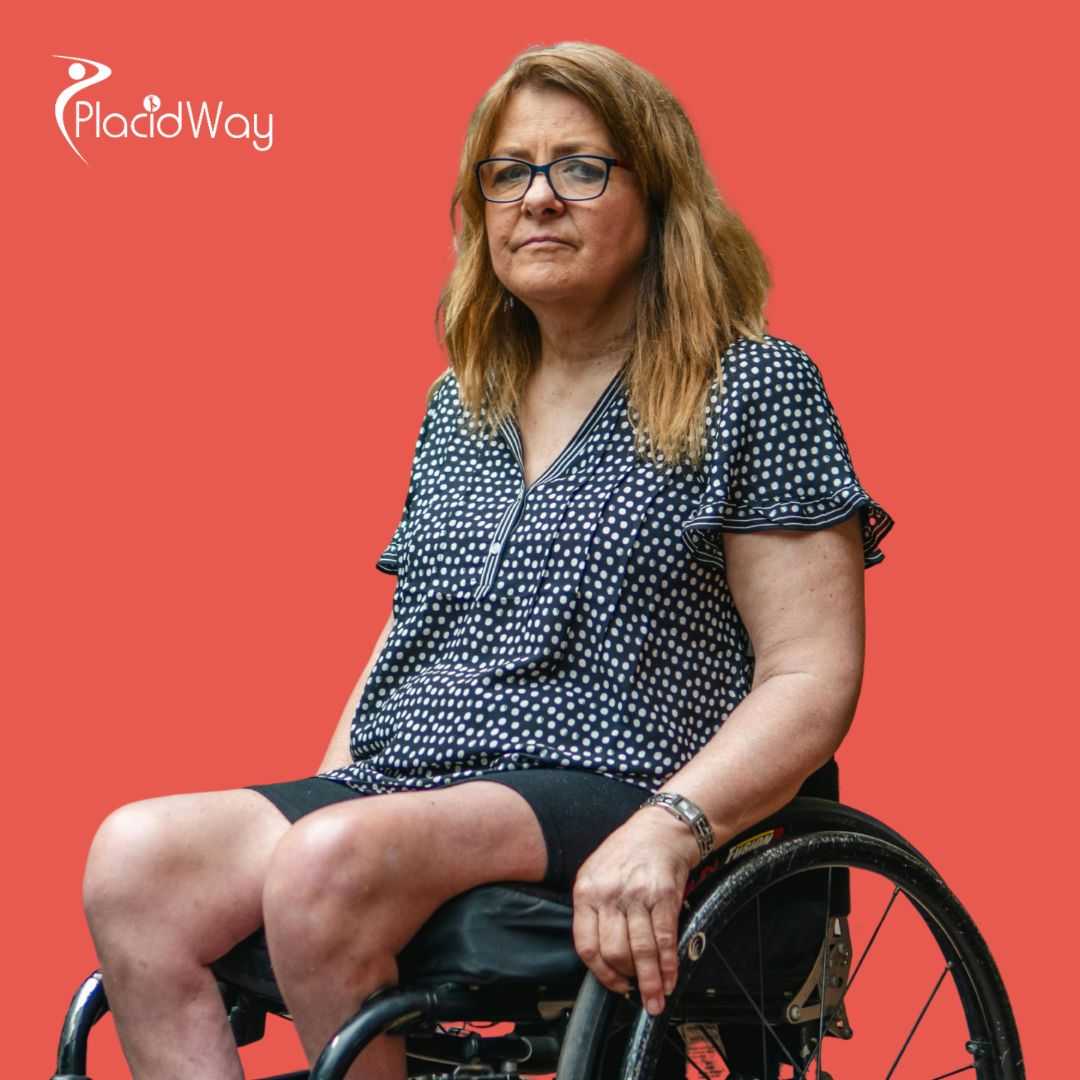
Sarah traveled to Colombia dealing with extreme muscle spasticity. Following her intrathecal injection and a dedicated rehab protocol, she generally experienced looser muscles, allowing her to manipulate her specialized wheelchair with greater ease.
David’s Progress (Chronic SCI)
Living with an injury for over five years, David sought stem cell therapy to manage secondary complications. While his motor function remained largely unchanged, he reported a significant enhancement in bladder control, vastly improving his quality of life.
Elena's Recovery (Incomplete SCI)
Elena underwent treatment shortly after her stabilization surgery. Over the course of twelve months, combined with intense daily physiotherapy, she noticed subtle returns of sensory feeling in her legs, a typical milestone for incomplete injury recoveries.
In regenerative medicine for spinal cord injuries, success is often measured by the "Quality of Life" index rather than just motor recovery. Improvements in bowel function, pain reduction, and sweat regulation are considered major therapeutic victories.
How PlacidWay Assists Your Intrathecal Stem Cell Medical Tourism Journey in Bogota
Embarking on a cross-border medical journey for a complex procedure requires expert coordination and reliable resources. PlacidWay serves as a crucial bridge, connecting North American patients with vetted, high-quality healthcare providers internationally. We streamline the initial research and communication phases, allowing patients and their families to focus entirely on health and recovery.
Our comprehensive assistance model is designed to empower patients with transparent information and direct access to leading specialists. When organizing your stem cell procedure in Bogota, PlacidWay offers dedicated, value-driven support.
- Providing direct introductions to globally accredited regenerative medicine centers and specialized neurology teams in Bogota.
- Assisting with the secure transfer of your sensitive medical records and MRI scans to the chosen clinic for prompt evaluation.
- Facilitating the acquisition of comprehensive, itemized quotes from multiple providers to ensure financial transparency.
- Offering dedicated patient coordinators to guide you through the pre-consultation process and answer preliminary healthcare questions.
- Providing access to verified patient reviews and extensive educational resources regarding specialized medical treatments abroad.
Frequently Asked Questions About Stem Cell Regeneration in Bogota
Making an informed decision about international healthcare requires clear, concise answers to common concerns. Patients exploring spinal cord injury treatment in Colombia frequently have questions regarding clinical protocols, costs, and logistics. Below, we address some of the most critical inquiries to help guide your research.
These answers provide a baseline understanding of what to expect during your medical journey. Always consult directly with your chosen healthcare provider for personalized medical advice.
Am I a suitable candidate for intrathecal stem cell regeneration in Bogota?
Suitability generally depends on the severity, age, and type of your spinal cord injury. Most clinics require a comprehensive review of your recent MRI scans and medical history before approving you for treatment.
How much does stem cell therapy for spinal cord injuries cost in Colombia?
The cost typically ranges from $8,000 to $15,000, depending on the specific protocols and rehabilitation included. This represents a significant saving compared to the $30,000 to $50,000 often quoted in the United States.
Is intrathecal administration painful?
The procedure is typically performed under local anesthesia to minimize discomfort. Most patients experience only mild pressure during the injection and temporary soreness at the puncture site.
How long do I need to stay in Bogota for the procedure?
Patients are generally advised to stay in Bogota for 10 to 14 days. This timeframe allows for pre-treatment evaluations, the procedure itself, and initial post-operative monitoring.
What type of stem cells are used for spinal cord injuries?
Clinics typically utilize mesenchymal stem cells (MSCs) derived from either the patient's own bone marrow or ethically sourced Wharton’s jelly. MSCs are preferred due to their strong immunomodulatory and regenerative properties.
Are there risks associated with stem cell treatments in Bogota?
As with any medical procedure, risks exist, including mild headaches, localized infection, or temporary fever. However, certified clinics follow strict international safety protocols to mitigate these complications.
Will I need physical therapy after the stem cell injection?
Yes, targeted physical rehabilitation is a crucial component of the recovery process. Therapy helps stimulate the newly introduced cells and promotes optimal neuromuscular functional improvements.
Do I need a special medical visa to travel to Bogota from the US?
US citizens typically do not need a special medical visa for stays under 90 days in Colombia. A standard valid passport is usually sufficient for entering the country for medical procedures.
When will I see results from the stem cell regeneration?
Results vary widely; however, some patients report noticing subtle changes in sensation or mobility within three to six months. Regenerative healing is a gradual process that continues over a year or more.
Can stem cell therapy cure a complete spinal cord injury?
Currently, stem cell therapy is not considered a definitive cure for complete spinal cord injuries. The primary goal is typically to improve quality of life, manage symptoms, and potentially restore limited sensory or motor functions.
Medical Disclaimer: This article is for informational purposes only and is not medical advice. Always consult a qualified healthcare provider before any medical decisions. Results may vary. Read Full Disclaimer here.
References
- National Institute of Neurological Disorders and Stroke. Spinal Cord Injury Hope Through Research. https://www.ninds.nih.gov/health-information/disorders/spinal-cord-injury
- Mayo Clinic. Spinal cord injury - Diagnosis and treatment. https://www.mayoclinic.org/diseases-conditions/spinal-cord-injury/diagnosis-treatment/drc-20377895
- World Health Organization (WHO). Neurological Disorders: Public Health Challenges. https://www.who.int/news-room/fact-sheets/detail/spinal-cord-injury












.jpg)
.png)
.png)
.png)








Share this listing