

Contents
Living with Multiple Sclerosis often feels like an endless marathon of managing unpredictable symptoms while searching for treatments that actually offer hope. For many patients in the US and Canada, exploring regenerative medicine at home means running into rigid regulations, long waiting lists, or price tags that require a second mortgage. That is exactly why so many people are turning their attention to Colombia for alternative, accessible care.
Getting stem cell therapy for MS in Colombia combines advanced medical protocols with a much more realistic price point, typically ranging between $7,000 and $13,000. When exploring medical options abroad, your safety should always come first. Make sure you look for clinics that hold certifications from INVIMA (Colombia’s national regulatory agency) and the local Secretaría de Salud (Health Secretariat). These accreditations ensure the facility handles biological materials under strict safety standards. Scroll down to review the key details that can help you make an informed decision.
Quick Facts at a Glance
Navigating medical care in a foreign country is much easier when your treatment plan is bundled into a comprehensive package. Most clinics in Colombia offer all-inclusive programs designed specifically to ease the burden on international patients. These bundles typically cover your specialized medical consultations, the stem cell harvesting or preparation, the infusion procedures, and necessary pre-treatment lab work.
Many packages also remove the stress of travel logistics by including airport transfers, English-speaking coordinators, and sometimes even nearby hotel accommodations. Reviewing what each center includes can save you from unexpected out-of-pocket expenses later. Compare the treatment packages listed below to find the option that provides the most value and peace of mind for your trip.
`Understanding the financial commitment is usually the first step when planning treatment abroad. In Colombia, stem cell therapy for Multiple Sclerosis typically costs between $7,000 and $13,000, depending on the specific protocol used. This is often a fraction of what similar experimental therapies might cost in North America, making it a viable option for many families.
The price variation usually comes down to the source of the stem cells, complex laboratory processing fees, and the required number of infusion sessions. While affordability is a major draw, you should never compromise medical safety for a cheaper price tag. Take a look at the cost estimates below to compare different pricing structures and see which option fits your budget safely.
Stem Cell Treatment for Multiple Sclerosis Centers Cost Comparison in Colombia
| Provider | Procedure | Price |
|---|---|---|
| Stem Cells Kyron Colombia | Stem Cell Treatment for Multiple Sclerosis, Stem Cell Therapy | $8500 |
Stem Cell Treatment for Multiple Sclerosis Cost Comparison in Colombia
| Country | Procedure | Price |
|---|---|---|
| United States | Stem Cell Treatment for Multiple Sclerosis, Stem Cell Therapy | $25000 |
Choosing the right clinic for regenerative medicine is one of the most important decisions you will make on this journey. You should not be swayed purely by glossy brochures or a polished receptionist; instead, dig into the facility's credentials and medical infrastructure. Look closely at their licensing, ensuring they follow strict biological safety protocols for cell harvesting and cultivation.
It is essential to verify that the clinic has dedicated neurology and regenerative medicine departments working together. Check if they transparently share their lab procedures, stem cell sourcing, and viability rates. Take your time to compare the medical centers listed below to see which clinic aligns best with your safety and treatment needs.

Stem Cells Kyron Colombia
Cali, Colombia

Regencord - Stem Cell Therapies
Pereira, Colombia
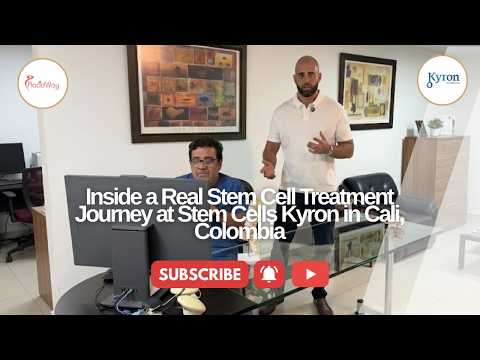
Sometimes reading about a medical procedure just isn't enough to calm your nerves before traveling abroad. Watching videos can give you a much clearer picture of what to expect from your regenerative medicine journey in Colombia. It allows you to virtually step inside the clinics and see the laboratory environments where cell processing takes place.
You can also listen directly to medical specialists explaining their MS protocols and hear firsthand experiences from other patients who have completed the treatment. Visualizing the clinical environment helps build trust and sets realistic expectations. Browse through the videos below to get a closer look at the facilities and medical teams available to you.
Reading about the firsthand experiences of other MS patients can be incredibly reassuring when you are planning medical travel. Patient reviews offer unvarnished insights into what it is really like to undergo stem cell therapy in a new country. They often highlight the small details that matter, like the empathy of the nursing staff or the responsiveness of the international patient coordinators.
Pay attention to reviews that mention post-treatment follow-up and the clinic's communication after the patient returns home. These stories can help you gauge the trustworthiness of a facility beyond its marketing materials. Compare the patient reviews below to see which clinic consistently delivers compassionate, high-quality care.

Planning stem cell therapy abroad naturally brings up valid questions regarding safety, logistics, and medical protocols. Below are some of the most common questions patients ask when considering MS treatment in Colombia.
Is stem cell therapy for MS regulated in Colombia?
Yes, biological treatments are monitored by INVIMA, Colombia's national regulatory body, and the Ministry of Health. Clinics must adhere to strict lab standards for cell cultivation and safety, though patients should always verify individual clinic accreditations.
What types of stem cells are used for MS treatments?
Colombian clinics typically use Mesenchymal Stem Cells (MSCs), often derived from umbilical cord tissue (Wharton's Jelly) or the patient's own bone marrow or adipose fat. The specific type depends on the clinic's protocol and the patient's medical evaluation.
How long do I need to stay in Colombia?
Most patients stay between 5 and 10 days. This timeframe allows for initial consultations, necessary blood work, the infusion sessions, and a brief period of observation before flying back home.
Do doctors in Colombian stem cell clinics speak English?
Yes, top medical tourism clinics employ bilingual doctors and provide English-speaking patient coordinators to ensure clear communication regarding your diagnosis, treatment plan, and follow-up instructions.
Is Colombia safe for medical tourists with mobility issues?
Major cities like Bogotá and Medellín have modern medical districts with accessible hotels. Clinics catering to international patients arrange private, wheelchair-accessible transportation between the airport, hotel, and medical center to ensure safety.
Will I need follow-up care after returning home?
Yes, stem cell therapy requires long-term monitoring. Reputable clinics schedule virtual follow-ups at regular intervals. You should also maintain contact with your primary neurologist back home to track your MS progression and general health.
Can stem cell therapy cure Multiple Sclerosis?
No, there is currently no cure for MS. Stem cell therapy is used to help modulate the immune system, potentially reduce inflammation, and improve quality of life, but it should not be viewed as a definitive cure.
Can I travel alone for this procedure?
While clinics provide extensive support, it is highly recommended that MS patients bring a companion. Traveling can be exhausting, and having a family member or friend helps manage fatigue and emotional stress during the trip.
What happens if I experience an MS flare-up while in Colombia?
Certified clinics are fully equipped to handle medical emergencies. They have neurologists on staff or affiliations with major local hospitals to manage flare-ups and stabilize your condition before proceeding with or delaying therapy.
How quickly might I notice changes after treatment?
Results vary widely among patients. Some report improvements in energy or mobility within a few weeks, while for others, changes may take several months to manifest. Your doctor will discuss realistic expectations during your consultation.
How Much Does Stem Cell Therapy for Multiple Sclerosis Cost in Colombia?
For individuals living with Multiple Sclerosis (MS), the search for effective treatments can be a long and challenging journey. Stem cell therapy for Multiple Sclerosis in Colombia has emerged as a promising option, offering hope for slowing disease progression and improving quality of life. This innovative treatment utilizes the body's own regenerative capabilities to potentially repair nerve damage and reduce inflammation associated with MS. As a result, Colombia has become a significant destination for medical tourists seeking high-quality, affordable stem cell therapy. This guide will answer the most pressing questions you have about undergoing this life-changing treatment in Colombia. What is Stem Cell Therapy for Multiple Sclerosis? "Stem cell therapy for Multiple Sclerosis is a medical procedure that uses stem cells to help repair damaged tissues, modulate the immune system, and reduce inflammation in the central nervous system, thereby potentially slowing the progression of the disease and alleviating symptoms." Multiple Sclerosis is an autoimmune disease where the body's immune system mistakenly attacks the protective sheath (myelin) that covers nerve fibers. This damage disrupts communication between the brain and the rest of the body, leading to a wide range of symptoms. Stem cell therapy for MS aims to counteract this process. The stem cells, particularly mesenchymal stem cells (MSCs), have unique properties. They can differentiate into various cell types, including those that form myelin, and they release anti-inflammatory and immunomodulatory factors that can help calm the overactive immune response characteristic of MS. The goal of this therapy is not to provide a cure but to manage the disease more effectively. By introducing a high concentration of stem cells into the body, doctors hope to create an environment that promotes healing and reduces the frequency and severity of relapses. This can lead to significant improvements in mobility, cognitive function, and overall well-being for many patients. How Does Stem Cell Therapy for MS Work in Colombia? "In Colombia, stem cell therapy for MS typically involves the administration of mesenchymal stem cells (MSCs), often derived from umbilical cord tissue, bone marrow, or adipose tissue. These cells are introduced into the body, usually through intravenous (IV) infusion or intrathecal (spinal) injection, to target inflammation and promote neural repair." The process begins with a thorough evaluation of the patient's medical history and current condition. This includes reviewing MRIs, blood tests, and neurological assessments to determine if they are a suitable candidate. Once approved for treatment, the stem cells are prepared. If allogeneic cells (from a donor, often umbilical cords) are used, they are carefully screened and processed in a lab to ensure their safety and potency. If autologous cells (from the patient's own body) are used, they are first harvested from sources like bone marrow or fat tissue. The administration of the stem cells is a minimally invasive procedure. IV infusions allow the cells to travel throughout the body, where they can exert their anti-inflammatory and immunomodulatory effects system-wide. Intrathecal injections deliver the cells directly into the cerebrospinal fluid, allowing for more targeted action within the central nervous system. The choice of administration method depends on the patient's specific needs and the clinic's protocol. What is the Cost of Stem Cell Therapy for Multiple Sclerosis in Colombia? "The cost of stem cell therapy for Multiple Sclerosis in Colombia typically ranges from $5,000 to $15,000 USD. This is significantly more affordable than in countries like the United States, where similar treatments can cost upwards of $27,000." The exact cost can vary depending on several factors, including the clinic, the type and number of stem cells used, the number of treatment sessions required, and the complexity of the patient's condition. The price generally includes the initial consultation, the stem cell procurement and processing, the administration of the therapy, and some follow-up care. It's important to note that this cost usually does not include travel, accommodation, or other personal expenses. However, even with these additional costs, the total expense for undergoing stem cell therapy in Colombia is often a fraction of what it would be in North America or Europe, making it an attractive option for many international patients. What are the Best Clinics for MS Stem Cell Therapy in Colombia? "Colombia has several reputable clinics offering stem cell therapy for Multiple Sclerosis, with facilities in cities like Bogotá, Medellín, and Pereira. These clinics are known for their experienced medical teams, modern facilities, and adherence to international standards." When choosing a clinic, it's crucial to do thorough research. Look for clinics that are transparent about their treatment protocols, have a team of qualified specialists in neurology and regenerative medicine, and can provide patient testimonials or case studies. Some of the well-regarded clinics in Colombia have international accreditations and collaborations, which can be a good indicator of their quality and safety standards. Reading reviews and connecting with past patients can also provide valuable insights into the patient experience at different facilities. A good clinic will be responsive to your inquiries and provide clear and comprehensive information about their procedures and what you can expect. Is Stem Cell Therapy in Colombia Safe and Regulated? "Yes, stem cell therapy in Colombia is generally considered safe when performed at reputable clinics that adhere to national and international regulations. The Colombian National Food and Drug Surveillance Institute (INVIMA) is the regulatory body that oversees the use of stem cell therapies." INVIMA sets guidelines for the procurement, processing, and application of stem cells to ensure patient safety and the quality of the treatment. Reputable clinics in Colombia operate under these regulations and often hold additional international certifications. They use sterile laboratory environments to process the cells and have strict protocols to minimize the risk of infection or other complications. However, as with any medical procedure, there are potential risks. These can include infection at the injection site, an allergic reaction to the infused cells (though rare with MSCs), or the therapy being ineffective. It's essential to discuss these risks with your doctor before proceeding with treatment. Choosing an accredited and experienced clinic significantly minimizes these risks. What Types of Stem Cells are Used for MS Treatment in Colombia? "The most common type of stem cells used for MS treatment in Colombia are mesenchymal stem cells (MSCs). These are multipotent adult stem cells that can be sourced from umbilical cord tissue, bone marrow, or adipose (fat) tissue." MSCs are favored for treating autoimmune conditions like MS because of their powerful immunomodulatory and anti-inflammatory properties. They can help to regulate the immune system and reduce the inflammatory attacks on the nervous system. Additionally, they have the potential to support the repair of damaged tissues. Allogeneic MSCs, derived from donated umbilical cords, are frequently used. These cells are considered "immunoprivileged," meaning they are less likely to be rejected by the recipient's immune system, eliminating the need for HLA matching. This allows for the use of high-quality, potent cells from healthy donors. In some cases, autologous MSCs from the patient's own body may be used. What are the Success Rates of Stem Cell Therapy for MS in Colombia? "While there is no standardized 'success rate' for stem cell therapy for MS, many patients who undergo treatment in Colombia report significant improvements in their symptoms and a slower progression of the disease. Some studies and clinic data show positive outcomes in a high percentage of patients." Success is often measured by a reduction in the frequency and severity of relapses, improvements in mobility and neurological function as measured by scales like the Expanded Disability Status Scale (EDSS), and an overall enhancement in quality of life. Many patients experience increased energy levels, reduced fatigue, better bladder control, and improved cognitive function. It is crucial to have realistic expectations. Stem cell therapy is not a cure for MS, and the results can vary from person to person. The effectiveness of the treatment can be influenced by the type and stage of MS, the patient's overall health, and their adherence to post-treatment care recommendations. What is the Process for International Patients? "The process for international patients seeking stem cell therapy for MS in Colombia is designed to be as smooth as possible. It typically begins with a remote consultation, followed by travel and treatment in Colombia, and concludes with a follow-up care plan." The initial step is to contact a clinic and provide your medical records for review. This allows the medical team to assess your case and determine if you are a good candidate for the therapy. This is usually done through email or video calls. Once you are approved for treatment, you will need to make travel arrangements to Colombia. Many clinics offer assistance with this, including recommendations for accommodation and local transportation. The treatment itself usually takes place over a period of a few days to a week. After the procedure, you will receive post-treatment instructions and a plan for follow-up communication with the medical team to monitor your progress. What are the Potential Benefits of This Treatment? "The potential benefits of stem cell therapy for Multiple Sclerosis include a reduction in the frequency of relapses, slowing of disease progression, improvement in motor and cognitive functions, and an overall enhanced quality of life." Many patients experience a range of positive outcomes, which can be life-changing. These benefits can be categorized as follows: Immunomodulation: The stem cells can help to regulate the overactive immune response, reducing the attacks on the myelin sheath. Anti-inflammatory Effects: The cells release powerful anti-inflammatory molecules that can reduce inflammation in the brain and spinal cord. Neuroprotection and Repair: There is evidence to suggest that stem cells can protect existing nerve cells from further damage and may even promote the regeneration of myelin. Symptom Improvement: Patients often report a reduction in fatigue, improved balance and coordination, better bladder and bowel control, and clearer thinking. What are the Risks and Side Effects? "The risks and side effects associated with stem cell therapy for MS in Colombia are generally minimal, especially when performed in a reputable clinic. The most common side effects are temporary and may include fatigue, headache, or low-grade fever after the infusion." As with any medical procedure, there is a small risk of infection at the injection site. Allergic reactions are rare, particularly with the use of MSCs. There is also the possibility that the treatment may not be effective for every individual. More serious complications are very rare when the therapy is conducted under strict safety protocols. It's essential to have a detailed discussion with your doctor about all potential risks and side effects before making a decision. Choosing a clinic with a strong safety record is the best way to mitigate these risks. How Long Does it Take to See Results? "The timeline for seeing results from stem cell therapy for MS can vary. Some patients may notice improvements within a few weeks, while for others, it may take several months to see the full benefits of the treatment." The regenerative process initiated by the stem cells takes time. The initial effects are often related to the anti-inflammatory properties of the cells, which can lead to a quicker reduction in some symptoms. The more long-term benefits related to tissue repair and immune modulation will develop over the following months. Patience is key. It is important to follow the post-treatment care plan provided by the clinic and to maintain open communication with your medical team about your progress. They can provide guidance and support as you navigate your recovery and healing journey. Are There Alternative Treatments for MS in Colombia? "Yes, in addition to stem cell therapy, a range of conventional and alternative treatments for Multiple Sclerosis are available in Colombia. These include various disease-modifying therapies (DMTs), physical therapy, and other supportive care options." Colombia has a well-developed healthcare system, and patients have access to most of the same MS medications that are available in North America and Europe. These DMTs are the standard of care for managing MS and work by suppressing the immune system to reduce the frequency and severity of relapses. Many patients choose to combine stem cell therapy with other treatments to achieve the best possible outcome. A comprehensive approach that includes medication, physical and occupational therapy, a healthy diet, and lifestyle modifications can be very effective in managing the symptoms of MS and improving overall quality of life. Ready to explore your options for stem cell therapy for Multiple Sclerosis? PlacidWay can connect you with leading clinics and specialists in Colombia and around the world. Explore our network of trusted healthcare providers and take the next step towards a better quality of life.
How can Stem Cell Therapy help with Multiple Sclerosis in Colombia?
Stem cell therapy may help Multiple Sclerosis (MS) patients by potentially modulating the immune system, reducing inflammation, and encouraging nerve repair. While not a cure, specialized clinics in Colombia offer these symptom management options. For individuals living with Multiple Sclerosis, managing the unpredictability of symptoms and slowing disease progression are primary daily concerns. While conventional disease-modifying therapies remain the standard of care, many patients seek alternative or investigative approaches when traditional treatments fall short. Seeking Stem Cell Therapy in Colombia has emerged as an option for those exploring immunomodulatory treatments abroad. Colombia has developed a robust healthcare infrastructure focused on international patients, offering modern facilities and specialized neurology departments. However, because MS is a complex autoimmune condition, any consideration of cellular therapy requires careful research, realistic expectations, and thorough medical evaluation. This guide explores how these treatments function, what medical travelers should expect, and how to approach this option safely. Key Takeaways Stem cell treatments aim to reset or modulate the immune system to help manage MS symptoms and reduce inflammation. This approach is considered an investigative management tool, not a definitive or permanent cure for Multiple Sclerosis. Thorough evaluation by a board-certified neurologist is essential to determine if you are a suitable candidate. Treatment requires extensive local follow-up care once you return to your home country. Patients must independently verify clinic credentials, safety protocols, and regulatory compliance. How does stem cell treatment target Multiple Sclerosis symptoms? The therapy aims to reset or modulate the immune system to stop it from attacking the central nervous system. This process may help reduce the frequency of MS relapses and manage inflammatory symptoms. Multiple Sclerosis occurs when the body's immune system mistakenly attacks the myelin sheath, the protective covering of nerve fibers in the brain and spinal cord. This demyelination disrupts communication between the brain and the rest of the body, leading to symptoms like fatigue, mobility issues, and cognitive changes. Stem cell therapy approaches this problem by focusing on the underlying immune dysfunction. Certain cellular therapies introduce specialized cells that can secrete anti-inflammatory proteins and neurotrophic factors. These elements potentially create a microenvironment that discourages further immune attacks and supports natural cellular repair mechanisms. While this process is highly complex and results vary widely by patient, the primary goal is to stabilize the condition and slow the progression of neurological disability. What types of stem cells are typically used for MS in Colombia? Mesenchymal stem cells (MSCs) and hematopoietic stem cells (HSCs) are the two primary types utilized for MS treatments. Each type serves a distinct potential role in immune modulation or neuroprotection. In international medical settings, Mesenchymal Stem Cells (MSCs) are frequently utilized for MS due to their immunomodulatory properties. These cells can be harvested from the patient's own bone marrow or adipose (fat) tissue, or they can be sourced ethically from donated umbilical cord tissue. MSC therapy is generally less invasive, does not typically require chemotherapy, and focuses on reducing systemic inflammation. Alternatively, some facilities may offer Hematopoietic Stem Cell Transplantation (HSCT). This is a much more intensive procedure that involves harvesting blood-forming cells, using chemotherapy to intentionally suppress the patient's existing immune system, and then reintroducing the cells to "reboot" immunity. HSCT carries significantly higher risks and longer recovery times, meaning it is usually reserved for highly aggressive forms of MS that have failed to respond to other treatments. Expert Insight: The choice between MSCs and HSCs drastically alters the treatment timeline, risk profile, and required aftercare. Always have a clear, detailed discussion with treating physicians regarding which specific cell type they plan to use and why it is appropriate for your specific MS profile. Who might be a suitable candidate for this procedure? Ideal candidates are typically adults with relapsing-remitting MS who have not responded well to conventional disease-modifying therapies. Suitability must be determined by a specialist reviewing your complete medical history. Determining eligibility for cellular therapy is a stringent process. Patients who often see the most potential benefit are those in the highly inflammatory stages of relapsing-remitting MS (RRMS). During this phase, the active inflammation is the primary driver of symptoms, which aligns with the immunomodulatory goals of the therapy. Conversely, individuals with advanced primary or secondary progressive MS may not be ideal candidates. In these later stages, neurological decline is often driven more by neurodegeneration than active inflammation. Additionally, patients with severe comorbidities, active infections, or those unable to travel safely are typically contraindicated for international treatment. A comprehensive evaluation of MRI scans, EDSS (Expanded Disability Status Scale) scores, and current medications is required before any reputable clinic will accept a patient. What is the estimated Stem Cell Therapy cost in Colombia? The estimated Stem Cell Therapy cost in Colombia typically ranges between $8,000 and $15,000 USD, depending on the clinic, treatment protocol, and medical needs. This is an estimate, and final prices require a personalized evaluation. Pricing for complex neurological treatments can fluctuate based on numerous factors. If a patient undergoes a less invasive MSC protocol, the costs generally remain on the lower end of the spectrum. However, if a patient requires multiple infusions, specialized intrathecal administration, or extended hospital stays, the overall expense will increase accordingly. While this cost is often notably lower than similar self-pay procedures in the United States or Europe, medical travelers must budget for additional expenses. These include round-trip flights, accessible accommodation, local transport, pre-treatment diagnostic testing, and the cost of bringing a travel companion. It is vital to request an itemized breakdown of what is included in a clinic's quoted price to avoid unexpected financial burdens during your trip. What are the potential risks and complications? Risks can include infection, adverse immune reactions, and complications related to the administration method. Because MS is a complex condition, unproven treatments also carry the risk of being ineffective. Patient safety must always be the priority when considering medical tourism for experimental therapies. All medical procedures carry inherent risks. With stem cell infusions, patients may experience mild side effects such as fatigue, low-grade fever, headaches, or localized pain at the injection site. If cells are administered via lumbar puncture (intrathecal), there is a distinct risk of severe headaches or spinal fluid leaks. More severe, albeit less common, complications can include serious infections, allergic reactions, or unexpected immune system responses. Furthermore, there is a financial and emotional risk that the treatment may simply not work. Patients should thoroughly discuss these risks with an objective healthcare professional at home to ensure they are making an informed, medically sound decision. How do I identify a reputable Stem Cell Therapy clinic in Colombia? Look for facilities regulated by Colombia's Ministry of Health (INVIMA) that employ board-certified specialists and follow strict international protocols. Avoid clinics that promise guaranteed results or cures. Selecting a safe Stem Cell Therapy clinic in Colombia requires intense due diligence. A reputable facility will operate transparently, meaning they readily provide information about their laboratory standards, the exact source of their cells, and the qualifications of their medical staff. The treating physicians should include board-certified neurologists and hematologists who have specific experience managing MS. Be highly skeptical of marketing materials that use aggressive sales tactics or claim a 100% success rate. MS is an incurable disease, and any ethical provider will clearly explain the limitations of their therapy. Ask prospective clinics for peer-reviewed data supporting their specific protocols, and verify their compliance with both local health authorities and international cellular therapy guidelines. What does the treatment and recovery process involve? Treatment usually involves initial testing, cell preparation, and administration via IV or lumbar puncture. Recovery times vary, but patients often need several weeks of rest and extensive local follow-up. Once a patient arrives in Colombia, the process typically begins with comprehensive blood tests, physical evaluations, and possibly updated MRI scans to establish a baseline. If autologous (self-derived) cells are used, a minor surgical procedure is performed to extract bone marrow or fat tissue. These cells are then processed and purified in a specialized laboratory over several days. Following the re-administration of the cells, patients are monitored closely for immediate adverse reactions. Upon returning home, the recovery phase continues. Patients may feel heightened fatigue for several weeks as the body adjusts. It is vital to establish a continuous care plan with a local neurologist who can track long-term progress, manage any delayed complications, and assist with ongoing MS symptom management. Why is medical tourism in Colombia popular for this treatment? Colombia offers advanced medical facilities, experienced specialists, and competitive pricing compared to North America and Europe. The country has established a strong healthcare infrastructure focused on international patients. Over the past decade, medical tourism in Colombia has grown significantly, particularly in cities like Bogotá, Medellín, and Cali. The country has invested heavily in modernizing its hospitals, many of which hold international accreditations. For international patients, this translates to accessing high-standard facilities that utilize advanced medical technology. Furthermore, Colombia’s geographic location makes it relatively accessible for patients traveling from North and South America. The combination of skilled bilingual medical staff, a lower cost of living that drives down procedure costs, and specialized international patient departments helps facilitate a supportive environment for those navigating complex medical journeys abroad. Is stem cell therapy for MS considered a permanent cure? No, stem cell therapy is not a recognized permanent cure for Multiple Sclerosis. It is considered an investigative or symptom-management approach that may help slow disease progression in some individuals. Managing patient expectations is one of the most critical aspects of pursuing this treatment. Currently, there is no known definitive cure for Multiple Sclerosis in mainstream medicine, and cellular therapies are not an exception. While some patients report periods of remission or a decrease in symptom severity following treatment, others may experience no noticeable clinical benefit. Because MS is a chronic, lifelong condition, stem cell therapy should be viewed as one potential component of a broader, comprehensive disease management strategy. Patients must remain committed to a healthy lifestyle, physical therapy, and ongoing medical supervision, understanding that their condition will still require continuous attention even after returning from treatment abroad. Why Choose PlacidWay for Medical Tourism in Colombia? Navigating international healthcare requires reliable information. PlacidWay assists medical travelers by providing access to a global healthcare platform. Global Provider Network: PlacidWay provides access to a wide directory of healthcare providers and international clinics. Cost Comparison: The platform allows patients to easily compare estimated costs and treatment approaches across different regions. Facility Information: Patients can review clinic profiles, facility details, and provider credentials before making health decisions. Direct Communication: The service facilitates direct contact between international medical teams and prospective patients. Educational Resources: PlacidWay offers informative guides and articles to help patients understand the logistics of international healthcare systems. Frequently Asked Questions Can stem cells reverse nerve damage caused by MS? Stem cell therapy is not proven to reverse existing nerve damage. It may help create a supportive environment for cellular repair and modulate the immune system to prevent further attacks, but it cannot guarantee the restoration of lost neurological functions. Are stem cell treatments for MS approved by health authorities in Colombia? Medical facilities and laboratories in Colombia are regulated by INVIMA (National Food and Drug Surveillance Institute). However, many stem cell protocols for MS are still considered investigational. It is essential to ensure your chosen clinic complies with national health regulations and international safety standards. How long do patients typically need to stay in Colombia for MS treatment? A standard treatment protocol usually requires patients to stay in Colombia for one to three weeks. This timeframe allows for initial consultations, necessary medical testing, cell harvesting, processing, the administration of the cells, and a brief period of postoperative observation. Do I need to stop my current MS medications before stem cell therapy? Medication adjustments depend entirely on your specific treatment plan and the type of stem cell therapy you receive. You should never stop taking disease-modifying therapies without explicit instructions from both your primary neurologist at home and your treating physician in Colombia. Will I need follow-up care after returning home from Colombia? Yes, extensive local follow-up care is crucial. Stem cell therapy requires long-term monitoring by a qualified neurologist in your home country to track your disease progression, manage any late-onset complications, and adjust your ongoing symptom management strategies. Can progressive MS be treated with stem cells in Colombia? Most stem cell protocols for MS target the highly inflammatory relapsing-remitting phase of the disease. While some clinics evaluate patients with primary or secondary progressive MS on a case-by-case basis, clinical evidence suggests response rates may be lower for progressive forms. How are stem cells administered for Multiple Sclerosis? Depending on the clinic's protocol and the patient's specific needs, stem cells are typically administered either through a standard intravenous (IV) infusion into the bloodstream or via an intrathecal injection (lumbar puncture) directly into the spinal fluid. What should I do if I experience a flare-up after returning from Colombia? If you experience a symptom flare-up or adverse reaction after returning home, you should seek immediate care from your local neurologist or emergency department. You should also notify your treating clinic in Colombia so they can add the event to your medical record. Does health insurance cover stem cell therapy abroad? Because these treatments are often classified as experimental or investigative, most standard health insurance providers do not cover the costs of stem cell therapy for MS, especially when performed internationally. Patients usually pay out-of-pocket. How soon might I notice changes in my symptoms after treatment? Response times vary significantly by patient. Some individuals report feeling changes in fatigue or mobility within a few weeks, while others may take several months to notice any difference. In some cases, patients may not experience any symptomatic improvement. Compare Treatment Options Request treatment information, explore estimated costs, and learn more about clinics in Colombia today. Request Treatment Information References Stem Cell Therapy in MS – National Multiple Sclerosis Society (NMSS) Stem Cell Therapies for Multiple Sclerosis – Multiple Sclerosis International Federation (MSIF) Mesenchymal Stem Cells for the Treatment of Multiple Sclerosis – National Institutes of Health (NIH) / PubMed Patient Resources for Stem Cell Treatments – International Society for Stem Cell Research (ISSCR) Regulatory Information on Health and Safety – Colombian National Food and Drug Surveillance Institute (INVIMA) Medical Tourism Guidelines and Considerations – World Health Organization (WHO) Medical Disclaimer: The information provided in this article is for educational and informational purposes only and does not constitute professional medical advice, diagnosis, or treatment. Stem cell therapy for Multiple Sclerosis is often considered investigational. Results, risks, and suitability vary significantly by individual. Always seek the advice of your neurologist, physician, or other qualified healthcare provider regarding your medical condition or before making any decisions about undergoing treatments abroad.
The safety and success of your regenerative therapy rely heavily on the expertise of the medical team overseeing your care. For MS treatments, you want a collaborative team that includes board-certified neurologists and specialists trained in cellular medicine. Take the time to verify their educational background and experience with neurodegenerative conditions.
It is always wise to ask how they customize infusion protocols for individual patients and what laboratory standards they follow. A trustworthy doctor will be transparent about the potential risks and realistic outcomes rather than promising miracle cures. Explore the profiles of the medical specialists below to find a doctor you feel entirely confident in.
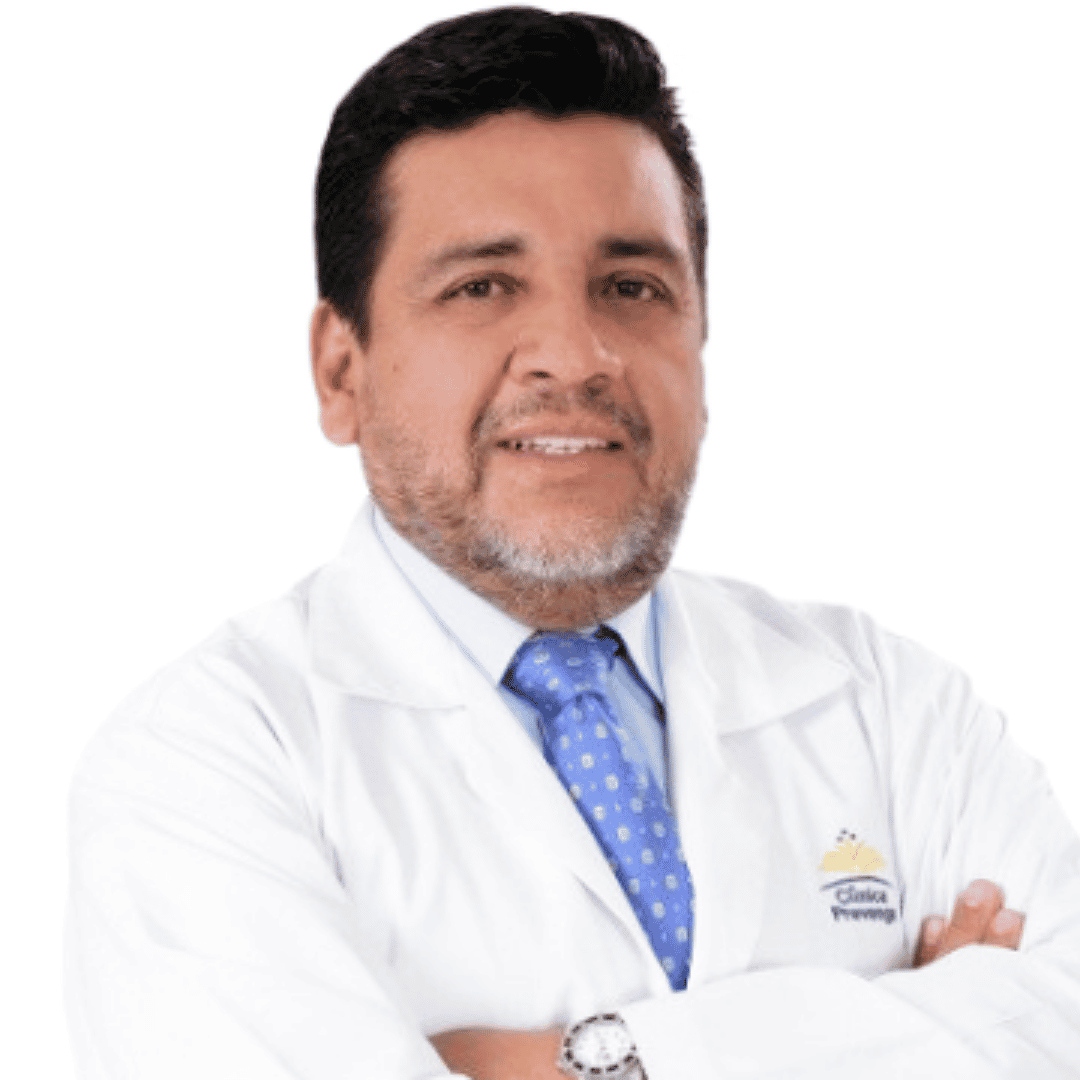

Carlos Alberto Isaza Mejia, MD
Regencord - Stem Cell Therapies
- Regenerative Medicine
Pereira, Colombia

Colombia has rapidly emerged as a leading destination for medical tourism, particularly for patients from the United States and Canada seeking advanced regenerative therapies. Major cities like Bogotá, Medellín, and Cali boast modern healthcare infrastructure and specialized research facilities. The geographic proximity is a significant advantage, with direct flights from major North American hubs taking just three to five hours.
For patients managing Multiple Sclerosis, minimizing travel fatigue is crucial, making Colombia's accessibility highly appealing. The country offers a welcoming culture, pleasant climates, and modern amenities that cater specifically to international visitors. Beyond the clinical care, many patients find the warm hospitality of the Colombian people helps significantly with their emotional well-being during a stressful time.
| Major Medical Hubs | Bogotá, Medellín, Cali |
| Flight Time (from Miami) | Approx. 3 to 3.5 hours |
| Visa Requirements | None for US/Canadian tourists (up to 90 days) |
| Currency | Colombian Peso (COP), though many clinics accept USD |
Compare the destination details below to prepare for a smooth and comfortable medical journey.
Taking the next step toward managing your MS shouldn't feel overwhelming. PlacidWay is here to help you navigate the process of finding credible, certified stem cell clinics in Colombia. We assist patients by helping them compare transparent pricing, review medical credentials, and connect directly with trusted neurology and regenerative medicine specialists.
Our goal is to ensure you have all the verified information you need to make a safe and informed decision about your healthcare journey. Click the button below to get personalized details and start planning your trip with confidence.
References
- Stem Cell Therapy for MS – National MS Society
- Mesenchymal Stem Cells in Multiple Sclerosis – National Institutes of Health (NIH)
- FDA Warns About Stem Cell Therapies – U.S. Food and Drug Administration
- Regulatory Standards for Biological Products – INVIMA Colombia
- Traveler's Health: Colombia – Centers for Disease Control and Prevention (CDC)


























Share this listing