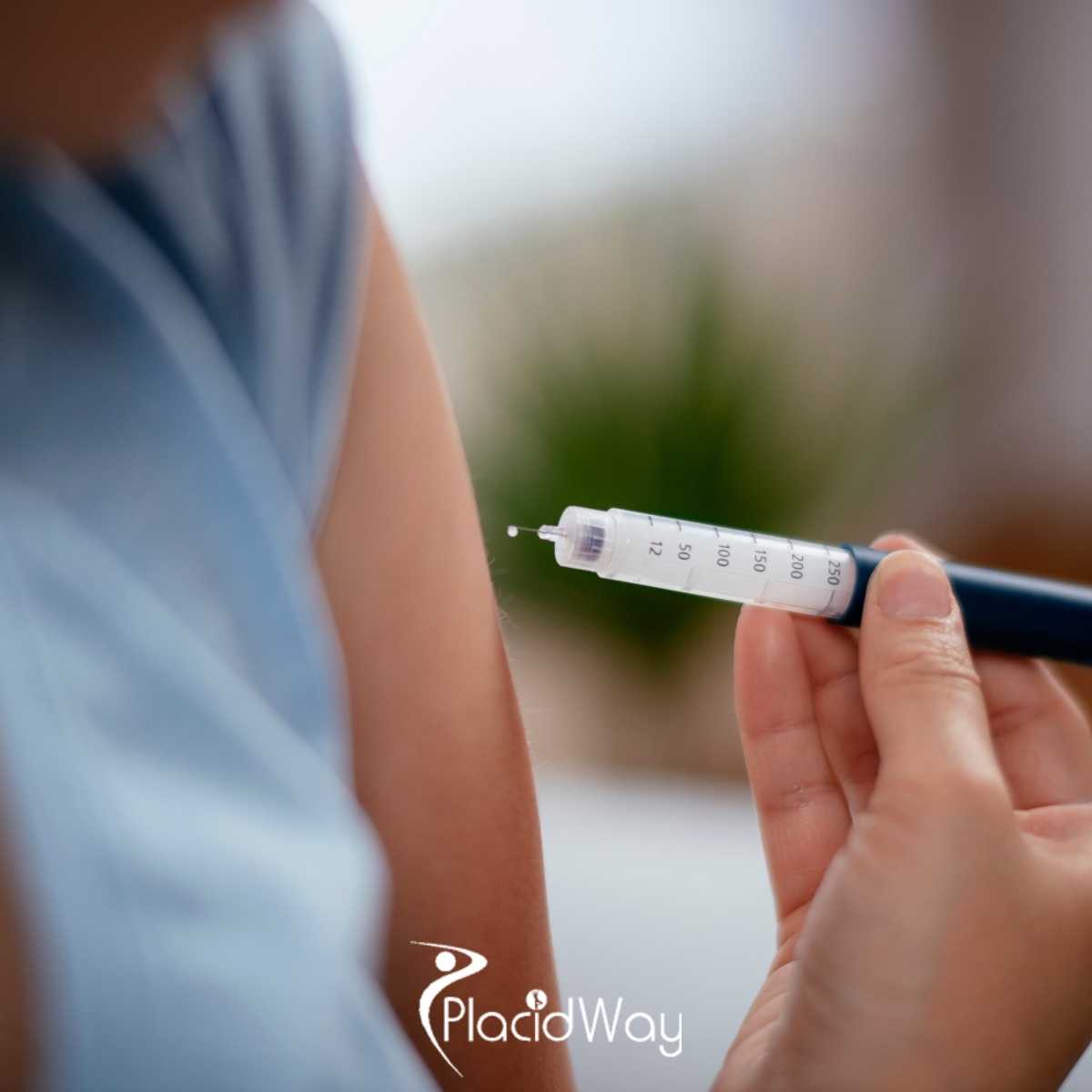
The Conversation Christopher Evans Kept Avoiding at Home Led to an American Patient’s Stem Cell Therapy Research in Cali

Publish date: Medically reviewed by: Dr. Alejandro Fernando on Sep 10, 2026 Author: Pinki Sharma

American Patient’s Stem Cell Therapy Research in Cali 

Patient Profile

Name: Christopher Evans

Age: 54

Condition: Erectile Dysfunction (vascular insufficiency)

Treatment: Stem Cell Therapy

Destination: Cali, Colombia

Provider: Stem Cells Kyron Colombia

Journey at a Glance

Main problems: Persistent inability to maintain erections; diminishing returns and intolerable side effects from PDE5 inhibitors; profound psychological distress and emotional withdrawal; chronic monthly out-of-pocket costs.

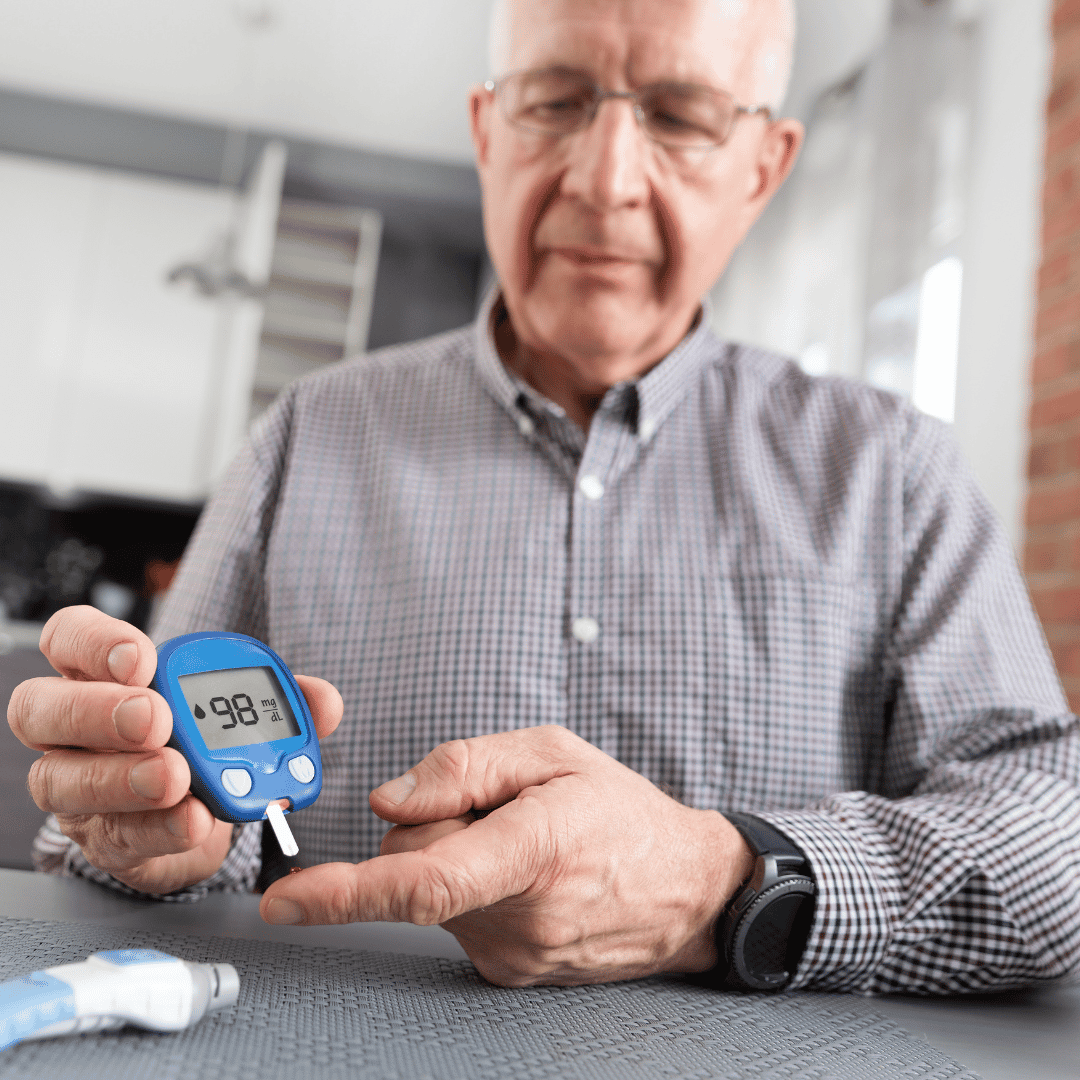
Previous care: Multiple medication trials (Viagra, Cialis); lifestyle modifications; vacuum erection devices; penile injections; domestic urology consultations resulting in expensive, insurance-denied proposals.

Travel driver: Accessing regenerative treatments that are classified as experimental and cost-prohibitive in the US, combined with a desire for medical privacy.

Treatment explored: Autologous stem cell therapy to regenerate vascular tissue and restore penile blood flow.

Personal goal: Restore physical function to reclaim intimacy and save a deteriorating marital bond.

Reclaiming Intimacy: Why American Men With Erectile Dysfunction Are Exploring Stem Cell Therapy in Colombia

You stop initiating.

You blame the long hours at the shop.

You blame your blood pressure medication.

You pretend you are simply too tired.

You let the distance grow on the couch.

You turn your back when you get into bed.

You ignore the quiet disappointment in the room.

You absorb the monthly pharmacy bill without looking at it.

"You've been working so hard lately."

"Maybe we should take a weekend off."

"It's okay, we can just sleep."

Your marriage has quietly become smaller.

The hardest part is not the shame, it is the waiting.

Let's meet Christopher Evans.

Christopher Evans is not a real PlacidWay client.

He is a fictional composite built from the financial realities and medical frustrations American men routinely face.

He is 54 years old and lives in Ohio.

He runs a mid-sized HVAC business.

He quotes commercial jobs.

He hauls heavy compressors.

He manages a crew of six.

He built a stable, competent life using his own hands.

The escalation happens slowly.

He told himself it was just a stressful quarter at work.

Diet.

Cardio.

Maca root.

Cialis.

Viagra.

Injections.

Vacuum devices.

Phosphodiesterase type 5 (PDE5) inhibitors are the standard first-line therapy for erectile dysfunction, but they frequently fail or produce intolerable side effects in patients with underlying vascular insufficiency or diabetes . When oral medications no longer produce adequate blood flow, patients are often left with invasive options like alprostadil injections or prosthetic surgery, which carry significant mechanical and lifestyle implications.

The urologist delivered the verdict:

"We can increase the dosage, but your vascular flow is compromised."

When?

The statistics do not tell the whole story.

Up to 30 million men in the United States experience erectile dysfunction, with prevalence heavily correlating to age, hypertension, and cardiovascular health . Standard employer-sponsored health insurance frequently excludes comprehensive ED treatments, categorizing them as lifestyle enhancements rather than medical necessities.

But Christopher doesn't experience the healthcare system as a national statistic.

He experiences it sitting on the edge of the bed in silence.

"I just need a minute to let this headache pass."

He experiences it at the pharmacy counter.

"That will be four hundred dollars for the month."

He experiences it turning his back to his wife.

"I've got an early start tomorrow."

He has already tried to be patient.

Christopher is not an impulsive shopper looking for a magic shortcut.

He modified his diet to manage his blood pressure.

He gave up his evening bourbon.

He swallowed the pills until the nasal congestion and blue-tinted vision became unbearable.

He spent thousands of dollars over five years just to maintain a fraction of his former function.

"I did everything they asked."

"It just isn't enough."

He shifted his framework:

From "Can I tolerate this?" to "How much of my life am I prepared to organize around it?"

The nearer alternative is out of reach.

He explored the domestic options thoroughly.

Stem cell therapy is available in the United States, but it remains classified as experimental for erectile dysfunction, meaning insurance will not cover the cost of regenerative protocols . Private US clinics commonly quote between USD 20,000 and 35,000 for comprehensive cellular therapy programs.

He sits at the kitchen table with his wife, Sarah, looking at the spreadsheet.

"We have that money in the savings account."

"Having it doesn't mean we can afford to spend it on this."

He isn't searching for Colombia yet.

Erectile dysfunction when pills stop working
Is vascular ED permanent
Stem cell therapy for ED cost
Why is regenerative medicine so expensive
Stem cell therapy abroad

The search engine algorithms introduce a new destination:

Cali, Colombia.

"I'm not going abroad just because something is cheaper."

He is right to be skeptical.

Why does Cali keep appearing in his research?

Cali has quietly built a robust infrastructure for regenerative medicine under the oversight of the Colombian Ministry of Health, attracting international patients seeking cellular therapies .

The question is never whether a country is good at medicine.

Countries do not perform stem cell extractions.

Specialist clinical teams do.

Hospitals do.

Laboratories do.

There is a specific, verifiable regulatory footprint to trace for any facility offering regenerative treatments.

Patients are strongly advised to conduct independent due diligence, verify facility accreditations, and consult their primary care physician before pursuing elective procedures abroad .

His first question was about the money.

The indicative cost for stem cell therapy in Cali typically ranges from USD 8,000 to 12,000, depending heavily on the cell source, laboratory processing methods, and the inclusion of adjunct treatments like shockwave therapy .

"You get what you pay for, Chris."

"What exactly am I getting?"

Does that number include the pre-operative vascular ultrasound?
Does it cover the initial extraction of bone marrow or adipose tissue?
Who specifically performs the cellular isolation?
Is the processing done in an internationally certified cleanroom?
Does the fee cover the local anesthesia required for the injections?
Are airport transfers to and from the clinic included?
Is the hotel accommodation factored into this initial quote?
What happens financially if the initial extraction yields insufficient viable cells?
Who handles the translation of my Ohio medical records?
Is there a dedicated physician available post-procedure in Colombia?
Does Stem Cells Kyron Colombia provide structured telemedicine follow-ups?
What is the exact financial protocol if a localized infection occurs?

The advertised number is only the beginning of the conversation.

What does the procedure actually involve?

Autologous stem cell therapy involves harvesting the patient's own cells—commonly from abdominal adipose tissue or bone marrow—isolating the mesenchymal stem cells in a laboratory setting, and injecting them directly into the penile corpus cavernosum to promote angiogenesis, repair endothelial dysfunction, and restore blood flow . The mechanism relies on the body's regenerative capacity rather than temporary chemical vasodilation.

"How do I actually manage the trip home?"

The brochures rarely put the recovery on the front page.

Guidelines on post-injection activity, compression, and travel clearance vary widely among practitioners, reflecting a lack of global standardization in experimental regenerative protocols . The variation itself is the lesson.

This constraint must be part of the plan before committing, not afterward.

"Wait. Does that mean I can't fly immediately?"

Possibly, depending on the extraction site healing and your risk of deep vein thrombosis.

How long must I remain in Cali before the surgeon clears me to fly?

Can I sit upright comfortably for a five-hour flight to Miami?

Where exactly do I get my harvest-site bandages changed?

What if I develop a fever in the hotel room?

How do I communicate with the night staff if I don't speak Spanish?

Is the clinic open on weekends if I experience excessive swelling?

Who drives me from the recovery room back to my bed?

What pain medication is legal to bring back through US customs?

How do I manage the physical discomfort during a long layover?

Can I safely lift my own luggage out of the overhead bin?

This isn't tourism in the usual sense.

Sarah isn't just coming along.

She is the invisible second participant.

She will carry the passports and the medical files.

She will remember the postoperative antibiotic schedule.

She will notice if he looks unusually pale.

She will be responsible for navigating a foreign pharmacy.

She needs to know exactly who to call if something goes wrong.

Standard US travel insurance policies routinely exclude coverage for complications arising from planned medical tourism, requiring specialized medical complication coverage .

She is part of the care system too.

Then comes the uncomfortable conversation about risk.

Potential adverse events from penile stem cell injections include localized infection at the harvest or injection site, hematoma, pain, scarring, and the simple reality that the treatment may fail to improve erectile function at all .

He learns to distrust certain phrases:

Completely safe. No risk. Guaranteed success.

Informed consent means understanding more than the hoped-for outcome.

Christopher's questions become better.

He is no longer just asking if he can afford it.

How many times have you performed this specific penile injection protocol?
Where is the processing laboratory located in relation to the clinic?
What constitutes a clinical failure in your practice?
Which patients do you explicitly refuse to treat?
Are you affiliated directly with Stem Cells Kyron Colombia, and what are their specific accreditation standards?
How do you objectively measure baseline vascular flow before deciding to proceed?
What happens if my harvested tissue yields poor stem cell counts?
Can I speak to a previous patient with my exact vascular profile?
Who is legally accountable if the cleanroom protocols fail?
How do we coordinate with my urologist if I develop a localized infection once I am back in Ohio?

They don't only want someone willing to do it.

They want someone willing not to.

Have I exhausted my options at home?

Patients have the right to request alternative formulations, combination therapies, or referrals to specialized vascular urologists within their domestic network before assuming nothing else can be done .

Is there a vascular surgeon who could review my imaging?

Have we optimized my hypertension medication to minimize ED side effects?

Could daily low-dose PDE5 inhibitors work differently than on-demand dosing?

Is a penile implant covered under my specific insurance policy?

What is the wait time for a specialized prosthetic consultation?

Stem cell therapy should be compared with Christopher's real alternatives, not with a worst-case assumption about the home system.

The night before the decision.

The same kitchen table is now covered in documents.

The US insurance policy exclusions booklet.

The printed emails from Stem Cells Kyron Colombia.

The flight itineraries to Cali.

The bank statements.

"It feels like a lot of work just to feel normal again."

"Normal is worth the work."

The research didn't make them more afraid; it made them more capable of deciding.

What Christopher actually wants isn't a medical procedure.

"What are you hoping to get out of this?"

He knows the expected medical answer, but he tells the truth.

"I want my erections back."

To look at his wife without feeling an immediate wave of apology.

To go to sleep without wondering if his marriage is quietly dying.

To reclaim the quiet confidence he lost five years ago.

Not the injections.

Not the adipose tissue extraction.

Not the medical tourism package.

Not Colombia.

Relief.

And underneath that:

Intimacy.

Stem cell therapy might be the answer. It might not be.

He might decide the logistical burden of traveling is simply too heavy.

He might determine his vascular disease is too advanced for regenerative therapy to be effective.

He might choose to invest his savings in a domestic penile implant instead.

He might find a local clinical trial for stem cells that accepts him.

He might simply decide to wait for regulatory changes in the US.

If he books the flight to Stem Cells Kyron Colombia, he will do it because the clinical data aligns with his specific risk tolerance.

Any of those can be an informed decision.

The goal is not to persuade you to travel.

Price should not answer a medical question, and frustration should not make the decision for you.

Where does this leave you?

Maybe you've stopped opening the pharmacy receipts.

Maybe you've memorized the excuses you give your partner.

Maybe you've spent hours scrolling through forums looking for a cure.

Maybe you've felt the particular isolation of a failing body.

Maybe you've wondered if this is just how the rest of your life will be.

You do not need to decide today.

What exactly is failing in my vascular system?

What is the objective ceiling for stem cell efficacy in my specific case?

Who oversees the laboratory where my cells will be processed?

What are the concrete logistical steps of the recovery?

What am I asking my partner to carry?

How will I handle domestic follow-up care?

Is this the right medical choice, or just the only one I can afford?

Not just prices.

Paths forward.

Hope isn't the promise that your youth will be restored.

Hope isn't the promise that the past will be restored perfectly.

Hope isn't a guaranteed medical outcome.

Hope isn't a blind leap into a foreign clinic.

Hope is having enough information to make a decision that feels like yours.

You can read the clinical studies.

You can challenge the domestic urologist.

You can evaluate a Colombian clinic's accreditations.

You can separate marketing from medicine.

You can choose the compromise you are willing to live with.

From:

"I suppose I'll just have to keep waiting."

To:

"What other informed options do I have?"

PlacidWay — Your Way to Hope.

PlacidWay helps you explore global medical options, compare facility accreditations, understand logistical realities, and prepare the critical questions you need to ask. We do not provide clinical advice or guarantee outcomes. For someone like Christopher, stem cell therapy at Stem Cells Kyron Colombia isn't a promise, it is one route worth understanding.

Your Way to Hope.

Medical disclaimer

This article is educational and does not recommend that any individual undertake stem cell therapy or travel for medical procedures. Individual suitability and risk require professional medical assessment. The reader should consult their own qualified clinician, verify the current regulatory status of any international clinic, and obtain appropriate travel and medical complication insurance before making any healthcare decisions.


The Conversation Christopher Evans Kept Avoiding at Home Led to an American Patient’s Stem Cell Therapy Research in Cali

About Article

  • Treatment: Stem Cell Therapy
  • Country: Colombia
  • Overview Christopher Evans has tried medication, devices and injections for vascular erectile dysfunction, with diminishing benefit and increasing emotional strain. He researches a private stem cell protocol in Cali. Since the therapy remains experimental, he needs transparent evidence, assessment of underlying cardiovascular health, clear cell-source information, procedural risks, measurable outcomes, privacy protections and independent urological advice.

Trusted Medical Tourism Platform Since 2007

60+
Countries
2k+
Clinics
19.5k+
Reviews
2.5k+
Qualified Doctors
1.1M+
Patients Served Since 2007