


Stem Cell Therapy for Torn Meniscus in Colombia
Choosing the right treatment for a knee injury can dictate the trajectory of an athlete's entire career. For many, the diagnosis of a meniscal tear immediately brings the daunting prospect of invasive surgery, prolonged rehabilitation, and weeks of being entirely immobilized. However, advanced regenerative medicine has introduced a highly effective alternative, allowing individuals to pursue stem cell therapy for torn meniscus in Colombia. This approach targets the root cause of joint damage by utilizing the body's natural healing mechanisms rather than physically removing or altering the damaged knee tissue.
The standard orthopedic recommendation often involves a meniscectomy, a procedure that trims away the damaged cartilage but frequently leads to early-onset osteoarthritis. Patients seeking a knee meniscus tear regenerative medicine solution are increasingly looking abroad for specialized treatments that prioritize tissue preservation. By opting for cellular therapy, active individuals are experiencing accelerated healing timelines, reporting a return to intense physical activities in a fraction of the time required by traditional surgical methods.
Video Chapters
- Understanding Meniscus Tears and Surgery Risks
- Why Athletes Choose Regenerative Medicine
- The Process of Stem Cell Knee Injections Abroad
- Full Body Stem Cell Treatment for Enhanced Healing
- How Long Does Stem Cell Therapy Take to Heal?
- Returning to High-Impact Sports Post-Treatment
- Evaluating Long-Term Pain Relief Outcomes
- Cost-Effective Meniscus Tear Treatment in Colombia
Understanding Meniscus Tears and Traditional Surgery Risks
The knee joint relies heavily on the meniscus, a C-shaped piece of tough, rubbery cartilage that acts as a shock absorber between the shinbone and the thighbone. When an individual experiences a sudden twist or high-impact trauma, this cartilage can easily tear, resulting in immediate pain, swelling, and a restricted range of motion. Traditional medical pathways typically lean heavily toward surgical intervention, especially when the tear occurs in the avascular "white zone" of the meniscus, which lacks its own blood supply.
As noted by the patient experience at [00:00], a diagnosis of a torn meniscus often immediately prompts doctors to recommend surgery. In cities like Atlanta, orthopedic surgeons frequently perform arthroscopic procedures to trim away the damaged edges of the cartilage. While this may temporarily relieve mechanical locking in the knee, it fundamentally alters the biomechanics of the joint and reduces its natural shock-absorbing capacity.
The reality of this surgical approach is a significant period of physical downtime. As the patient mentions at [00:04], undergoing an operation meant he would be completely out of commission for a prolonged period. This extensive recovery time is highly undesirable for active individuals who need to maintain their physical conditioning and avoid the muscle atrophy associated with strict immobilization.
Why Athletes Choose Regenerative Medicine Over Knee Surgery
The primary disadvantage of standard meniscectomy is the heightened risk of developing osteoarthritis later in life. By removing a portion of the protective cartilage, the bones of the knee joint experience increased friction, leading to accelerated wear and tear over the ensuing decades. This long-term consequence pushes many informed patients to seek out alternatives to meniscus surgery that focus on tissue preservation and cellular repair.
Regenerative medicine offers a completely different paradigm for treating joint injuries. Instead of cutting away damaged tissue, stem cell therapy introduces high concentrations of mesenchymal stem cells (MSCs) directly into the injured area. These cells have the unique ability to modulate the immune system, dramatically reduce localized inflammation, and stimulate the body's natural regenerative processes.
Athletes are particularly drawn to this non-surgical route because it allows the joint structure to remain intact. By maintaining the full volume of the meniscus, patients preserve their knee's biomechanical integrity, which is essential for high-impact sports. The promise of recovering from a torn meniscus without surgery is a driving factor behind the surge in medical tourism for orthopedic conditions.
The Process of Stem Cell Knee Injections Abroad
The journey to receiving regenerative treatment often begins with a remote consultation, allowing patients to consult with top-tier international specialists without leaving their homes. Advanced clinics require patients to submit their diagnostic imaging so that medical teams can accurately assess the extent of the joint damage. As referenced at [00:08], sending an MRI to a specialized doctor abroad is the standard first step in determining candidacy for cellular therapy.
Once the medical team reviews the imaging, they can design a customized treatment protocol tailored to the specific injury. The reviewing physician can provide a highly accurate prognosis regarding how well the patient will respond to stem cell knee injections abroad. In many successful cases, the specialist can confidently predict a fast and robust recovery, sparing the patient from the physical trauma of an operating room.
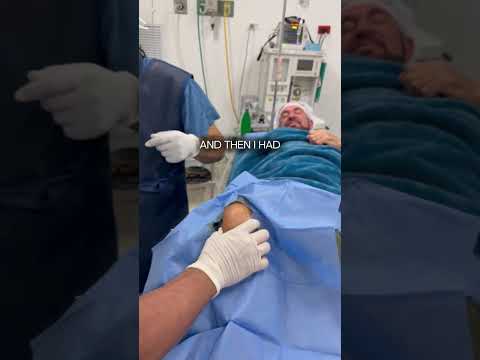
Upon arriving at the clinic, the actual procedure is minimally invasive and performed on an outpatient basis. Using advanced ultrasound or fluoroscopic guidance, the physician precisely delivers the stem cells directly into the damaged meniscal tissue. This targeted approach ensures that the maximum concentration of regenerative cells reaches the specific site of the injury, optimizing the healing potential.
Full Body Stem Cell Treatment for Enhanced Healing
While localized injections address the immediate structural damage within the knee, comprehensive treatment protocols often include systemic applications. Intravenous (IV) stem cell therapy disperses regenerative cells throughout the entire circulatory system, creating a profound anti-inflammatory effect across the whole body. As highlighted at [00:14], receiving both targeted joint shots and a full-body IV treatment provides a multi-faceted approach to cellular healing.
Systemic administration allows the mesenchymal stem cells to home in on various areas of systemic inflammation, not just the primary injury site. This is particularly beneficial for athletes who may have secondary, undiagnosed micro-tears or general joint wear from years of rigorous training. The combination of local and systemic therapies accelerates the overall recovery phase by ensuring the body's entire immune environment is optimized for tissue repair.
The biological mechanism behind this dual approach relies on the paracrine effect of the stem cells. Once introduced into the body, these cells release potent growth factors, cytokines, and extracellular vesicles that signal native cells to begin the repair process. By flooding the system with these regenerative signals, the body can overcome the typical healing stagnation associated with avascular cartilage injuries.
Comparing Orthopedic Knee Treatments
Understanding the differences between treatment modalities is crucial for making an informed healthcare decision. The table below outlines the primary distinctions between surgical interventions and regenerative therapies.
| Treatment Type | Mechanism of Action | Average Recovery Time | Long-Term Joint Impact |
|---|---|---|---|
| Partial Meniscectomy | Surgical removal of torn cartilage | 4 to 6 weeks | High risk of future osteoarthritis |
| Meniscus Repair | Surgical suturing of the tear | 3 to 6 months | Preserves tissue but requires long rehab |
| Stem Cell Therapy | Cellular regeneration and inflammation reduction | Days to a few weeks | Maintains joint integrity and biomechanics |
Recovery Timeline: How Long Does Stem Cell Therapy Take to Heal a Torn Meniscus?
One of the most frequently asked questions by prospective patients is regarding the exact timeline for returning to normal activities. With traditional surgery, patients are often subjected to weeks of crutches, followed by months of grueling physical therapy to regain basic functional mobility. In stark contrast, regenerative medicine protocols drastically condense this recovery window, allowing for an incredibly swift return to daily life.
The rapid reduction in joint inflammation is often the first milestone patients notice following their procedure. As documented at [00:17], a patient can experience enough pain relief and structural stabilization to begin lightly jogging within just four days of treatment. This level of immediate mobility is virtually unheard of in post-surgical scenarios, where jogging would risk reopening incisions or damaging delicate surgical sutures.
The underlying science supporting this rapid mobilization is rooted in the continuous release of anti-inflammatory proteins by the injected stem cells. By quickly neutralizing the hostile, inflamed environment within the knee, the joint capsule stops producing excess synovial fluid, thereby reducing painful swelling. This physiological shift allows the surrounding musculature to remain active, preventing the rapid muscle wasting that usually accompanies joint injuries.
Returning to High-Impact Sports Post-Treatment
For dedicated runners and competitive athletes, the ultimate test of any medical intervention is the ability to withstand high-impact physical stress. Running inherently places immense sheer forces and load-bearing pressure on the knee, requiring a fully functional meniscus to absorb the shock of each footfall. The success of stem cell treatment for athletes with knee injuries is measured by their ability to resume these intense activities without compensatory biomechanical shifts.
The progression from light physical activity to intense athletic performance can be remarkably brief under regenerative protocols. As evidenced at [00:21], it is entirely possible to go from a debilitating tear to running a full road race within a single month. This extraordinary turnaround highlights the efficacy of combining localized joint repair with systemic cellular support.
Achieving this level of recovery involves a careful but accelerated rehabilitation mindset. Patients are encouraged to listen to their bodies, gradually increasing their load as the stem cells continue the background work of rebuilding the extracellular matrix of the cartilage. The newly reinforced meniscal tissue proves capable of handling extreme athletic demands without triggering the painful inflammatory cascade associated with untreated tears.
Key Benefits for Professional and Amateur Athletes
Athletes represent a unique demographic of patients who cannot afford prolonged recovery periods or compromised joint function. The advantages of cellular therapy directly address these specific performance needs.
- Zero Surgical Trauma: Avoids the tissue scarring and muscle cutting required by arthroscopic portals.
- Prevention of Muscle Atrophy: Fast mobility restoration prevents the breakdown of the quadriceps and hamstrings.
- Biomechanical Preservation: Retaining the original meniscus prevents altered gait mechanics that could lead to secondary hip or back injuries.
- Systemic Recovery: IV therapies address whole-body inflammation, aiding in general exercise recovery and overall physical optimization.
Evaluating Long-Term Pain Relief and Outcomes
While fast initial recovery is impressive, the true value of any medical procedure lies in its long-term durability and the prevention of chronic pain. Many patients who undergo standard meniscectomy report a return of knee pain within a few years as bone-on-bone friction begins to degrade the articular cartilage. Regenerative medicine aims to halt this degenerative process entirely by restoring the internal environment of the knee to a state of homeostasis.
The sustained efficacy of these therapies is highly encouraging for those looking to avoid future joint replacement surgeries. A patient's outcome at [00:25] demonstrates that over a year after the procedure, there is absolutely no residual pain. Sustaining a pain-free state over twelve months of active running proves that the cellular repair was not just a temporary masking of symptoms, but a structural resolution.
This long-lasting relief is attributed to the stem cells' ability to transform the joint's microenvironment from degenerative to regenerative. By establishing a healthy collagen matrix and suppressing the enzymes that break down cartilage, the therapy provides a durable shield against future wear. Patients enjoy a restored quality of life, free from the daily reliance on non-steroidal anti-inflammatory drugs (NSAIDs) or the constant fear of re-injury.
Cost-Effective Knee Meniscus Tear Regenerative Medicine in Colombia
The landscape of global healthcare is shifting, with specific regions emerging as centers of excellence for advanced biotechnology. Seeking stem cell therapy for torn meniscus in Colombia has become a premier choice due to the country's progressive medical regulations and heavy investments in cellular research. Facilities in cities like Bogota, Medellin, and Cartagena offer state-of-the-art laboratories that cultivate highly viable, ethically sourced mesenchymal stem cells.
Cost plays a significant role in the decision-making process for international patients. The cost of stem cell therapy for knee in Colombia is substantially lower than comparable treatments in North America, without any compromise on medical standards or clinical safety. This financial accessibility allows patients to afford comprehensive packages that include multi-day treatments, IV therapies, and localized joint injections, which might be cost-prohibitive in their home countries.
Furthermore, the level of personalized care in these international clinics consistently exceeds standard domestic experiences. Medical teams dedicate extensive time to each patient, ensuring precise injection techniques and comprehensive post-care monitoring. By choosing Colombia as their medical destination, athletes and active individuals secure a superior standard of regenerative care, facilitating a permanent and powerful return to the activities they love.
Ready to Heal Your Meniscus Without Surgery?
Discover if you are a candidate for advanced stem cell therapy in Colombia. Skip the long surgical recovery and get back to your active lifestyle safely and effectively.
Get Free QuoteView Video Transcript
[00:00] Last year I came because I had a torn meniscus.
[00:03] And the doctors wanted to do a surgery in Atlanta.
[00:06] And I was gonna be out of commission for a while.
[00:08] I talked to the doctor here and he said come down after I sent my MRI.
[00:11] And the doctor said I can heal you and recover you fast.
[00:14] And I had the shots done and then I had the full body done.
[00:17] And after four days I was able to start lightly jogging.
[00:20] Very quickly.
[00:21] And then within a month I was already running a road race.
[00:23] Yeees.
[00:24] Very nice.
[00:25] And no pain at all.
[00:26] And it's been over a year.
















Share this listing