
Step-by-Step Guide to the Advanced Stem Cell Therapy in Colombia Patient Journey
Understanding the clinical pathway for international regenerative medicine is crucial for patients seeking alternatives to traditional orthopedic surgery. Navigating the process of advanced stem cell therapy in Colombia requires a clear grasp of medical protocols, from initial remote diagnostics to the post-treatment reinforcement phase. This comprehensive medical guide outlines the exact clinical journey patients experience when pursuing targeted regenerative treatments abroad.
By examining the structured three-day clinical protocol, prospective patients can make highly informed healthcare decisions. The integration of advanced biological therapies requires meticulous planning, precise diagnostic imaging, and an optimized physiological environment for cellular repair. We will analyze the rigorous steps involved in this medical process, ensuring patients understand the biological and logistical framework of international stem cell treatments.
Video Chapters
Understanding the Virtual Consultation for Stem Cell Therapy
The foundation of any successful medical intervention begins with a rigorous remote diagnostic process. As noted at [00:07], the first critical step at the stem cell clinic is a comprehensive virtual consultation. This telemedicine approach allows medical staff to accurately evaluate international patients before they commit to travel arrangements.
During this initial assessment, specialists review the patient's comprehensive medical history to determine candidacy for regenerative medicine. This screening process is essential for identifying potential contraindications that might limit the efficacy of cellular treatments. Patients are required to submit recent blood work, physician notes, and detailed descriptions of their current pain levels and mobility limitations.
The Importance of MRI Scans in Regenerative Medicine
A critical component of the remote evaluation involves the submission of recent medical imaging. Clinicians rely heavily on Magnetic Resonance Imaging (MRI) to assess the exact state of joint degeneration, soft tissue damage, or spinal complications. This high-resolution diagnostic tool provides the medical team with a clear topographical map of the internal injury.
By analyzing the MRI remotely, the lead physician can ascertain the precise volume of stem cells required for the procedure. It also dictates whether the patient requires localized intra-articular injections or more complex systemic administration. Without this radiographic evidence, creating an accurate, customized regenerative treatment plan is biologically impossible.
Furthermore, diagnostic imaging helps manage patient expectations prior to their arrival. If the cartilage depletion is entirely bone-on-bone with severe structural deformity, the medical team will provide an honest prognosis regarding the limits of stem cell therapy. Transparency during this virtual phase ensures that only highly viable candidates proceed to the next logistical steps.
Managing Travel Logistics for Medical Tourism in Colombia
Once clinical candidacy is officially confirmed by the attending physician, the focus shifts to organizing international travel. As mentioned at [00:24], dedicated patient coordinators step in to handle the complex logistics associated with cross-border healthcare. This concierge-level support is a hallmark of premium medical tourism destinations.
Coordinating a regenerative medicine trip requires precise timing to align flights, hotel accommodations, and clinic appointments. Stress reduction is a highly documented factor in the success of medical procedures, as elevated cortisol levels can negatively impact immune response and cellular healing. By removing the burden of logistical planning, the clinic ensures patients arrive in a calm, optimized physiological state.
The transportation infrastructure for international patients typically includes secure airport pickups and daily transfers between the hotel and the medical facility. This specialized transport is particularly vital for orthopedic patients who may suffer from limited mobility or severe chronic joint pain. Accommodations are often vetted for accessibility, ensuring a comfortable environment for the crucial post-procedure recovery days.
Face-to-Face Evaluation with a Stem Cell Specialist
Upon arrival at the destination clinic, patients transition from remote planning to hands-on clinical care. At [00:31], the process moves into a thorough face-to-face consultation with Dr. Rojas. This in-person meeting serves to validate the findings from the virtual consultation through direct physical examination.
The physical check is a rigorous orthopedic assessment designed to test range of motion, pinpoint exact pain centers, and evaluate joint stability. Physicians utilize palpation and specific movement tests to identify secondary areas of inflammation that may not have been clearly visible on the initial MRI. This hands-on evaluation allows the medical team to fine-tune the exact injection sites for the following days.
During this clinical appointment, the physician also provides a detailed breakdown of the impending scientific protocols. Patients receive a thorough explanation of how the biological agents will interact with their specific cellular environment. Addressing any lingering questions at this stage is vital for securing informed consent and ensuring complete patient confidence before the active treatment phase begins.
Day 1: Preparing the Microenvironment with Ozone Therapy and Exosomes
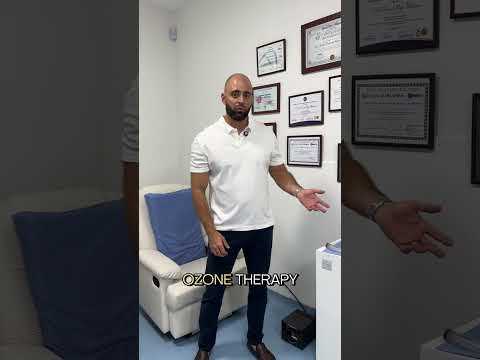
The actual therapeutic intervention kicks off on the first official day of clinical treatment. As detailed at [00:39], the initial protocol involves the administration of ozone therapy combined with advanced exosomes. This step does not involve the stem cells themselves but rather prepares the body's internal environment for their eventual arrival.
Injecting live stem cells into a highly inflamed, toxic joint environment can significantly reduce cell survival rates. The primary biological objective of Day 1 is to dramatically lower systemic and localized inflammation. By actively modifying the tissue microenvironment, the medical team ensures that the stem cells will not be overwhelmed by aggressive inflammatory cytokines upon deployment.
The Biological Mechanisms of Exosomes and Medical Ozone
Ozone therapy is a clinical treatment that introduces medical-grade ozone gas to improve cellular oxygenation. This oxidative preconditioning stimulates the immune system and increases the efficiency of antioxidant enzymes within the body. Enhanced blood flow and superior oxygen delivery directly support tissue repair and create a hospitable environment for regenerative therapies.
Exosomes, conversely, are extracellular vesicles that act as powerful communication shuttles between cells. They carry vital genetic information, including mRNA and specialized growth factors, which instruct damaged cells to begin the repair process. When introduced prior to stem cells, exosomes effectively "prime" the injured tissue, sending biochemical signals that rapidly suppress inflammation and initiate early healing cascades.
| Therapy Type | Biological Function | Primary Benefit for Patients |
|---|---|---|
| Medical Ozone | Increases cellular oxygenation and modulates immune response. | Reduces oxidative stress and improves blood circulation to damaged tissues. |
| Advanced Exosomes | Facilitates cell-to-cell communication via growth factors. | Dramatically lowers inflammation and signals the body to begin tissue repair. |
By combining these two distinct therapies, the clinic achieves a profound synergistic effect. The tissue repair process is essentially fast-tracked, setting an optimized biological baseline. This preemptive clinical strike maximizes the potential efficacy of the primary cellular implantation scheduled for the following day.
Day 2: Executing the Core Stem Cell Procedure
The second day of the clinical journey marks the administration of the primary cellular treatment. As explained at [00:49], the specific execution of the stem cell procedure varies dramatically based on the patient's exact medical condition. The complexity of the anatomical target dictates the required clinical setting.
For minor joint degeneration or localized superficial injuries, the procedure can frequently be performed safely within standard clinical treatment rooms. These outpatient injections are generally swift and require minimal intervention beyond local anesthetics. Patients undergoing these simpler applications experience highly expedited recovery times immediately following the injection.
However, severe orthopedic conditions, spinal disc degeneration, or complex systemic diseases necessitate a much higher level of medical infrastructure. These advanced applications are transferred to fully equipped surgical rooms. The sterile environment of an operating theater is non-negotiable when executing deep tissue or intrathecal stem cell deliveries to prevent any risk of infection.
The Role of Fluoroscopy Guidance and Anesthesia Safety
When treatments are elevated to the surgical room, technological precision becomes the paramount focus of the medical team. At [00:54], the critical use of a fluoroscope is highlighted as a foundational tool for complex procedures. A fluoroscope is a specialized continuous X-ray device that provides real-time internal imaging on a digital monitor.
Blind injections, particularly into the spine or deep hip joints, carry significant risks of missing the targeted injury site entirely. Fluoroscopy guidance allows the physician to visually track the needle's exact trajectory through bone, muscle, and cartilage. This real-time confirmation ensures that the high-value stem cells are deposited precisely into the epicenter of the tissue damage, avoiding vascular structures and nerve roots.
Ensuring Patient Comfort with Advanced Sedation
Beyond precision imaging, complex stem cell interventions require specialized pain management protocols. The inclusion of a dedicated anesthesiologist on the surgical team ensures continuous monitoring of the patient's vital signs throughout the operation. Depending on the depth and duration of the injections, patients are provided with targeted sedation protocols.
- Local Anesthesia: Utilized for numbing the immediate injection pathway, preventing acute pain during needle insertion.
- Conscious Sedation: Administered intravenously to induce a state of deep relaxation, eliminating anxiety while allowing the patient to remain awake and responsive.
- Hemodynamic Monitoring: The continuous tracking of blood pressure, oxygen saturation, and heart rate to maintain absolute physiological stability during the procedure.
By combining fluoroscopic imaging with expert anesthesiology, the clinic maximizes both safety and procedural efficacy. Patients experience zero physical trauma or emotional distress during the cellular delivery. This controlled surgical environment represents the highest global standard for advanced regenerative medicine applications.
Day 3: Post-Treatment Consultation and Therapy Reinforcement
The final day of the clinical itinerary focuses on evaluation, reinforcement, and long-term recovery planning. As outlined at [01:00], patients undergo a vital post-treatment consultation with the attending physician. This appointment is crucial for assessing the patient's immediate physiological response to the cellular injections administered the previous day.
It is entirely normal for patients to experience mild, localized inflammation at the injection sites following a stem cell procedure. This is a natural mechanical response to the needle trauma and the sudden influx of biological material into the joint space. The physician carefully examines these areas to ensure there are no signs of abnormal swelling or adverse reactions.
To actively combat this acute post-injection inflammation, the clinical protocol incorporates a specific reinforcement strategy. Patients receive a second, strategically timed round of ozone therapy and exosomes. This final biological push serves to immediately quiet any newly triggered inflammatory pathways, locking the newly implanted stem cells into a highly supportive growth environment.
This secondary application of exosomes provides an additional wave of vital growth factors, amplifying the cell-signaling cascade required for long-term tissue regeneration. By capping off the clinical journey with this reinforcement, the medical team significantly accelerates the initial healing timeline. Patients are then provided with strict post-care guidelines, including physical therapy recommendations and dietary protocols, to protect their cellular investment as they travel home.
Ready to Begin Your Stem Cell Treatment Journey?
Connect with top-rated medical specialists to evaluate your case and receive a personalized treatment plan. Start your virtual consultation today and take the first step toward advanced regenerative healing.
Get Free QuoteView Full Video Transcript
[00:00] In this video I'll walk you through the entire process of what you can expect and how we help you heal every step of the way.
[00:07] The first step here at Stem Cells Kyron is to do a virtual consultation where we would understand the patient's case. For that we're going to need a medical report, an MRI depending on the condition.
[00:16] Doctor Rojas is going to ask a lot of questions to get a full grasp understanding of patient situation, see if they're a candidate, and that way we can answer all of your questions.
[00:24] Once Doctor Rojas determines that the patient is a good candidate, I'll help you with the logistics for the transportation, the hotel, and we'll guide you every step of the way.
[00:31] Once you're here we'll do a face-to-face consultation with Doctor Rojas where he would answer the patient's questions, explain how the treatment is going to work, and do a physical checkup.
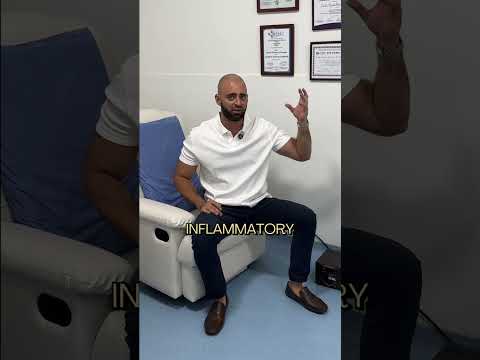
[00:39] On your first day here at Stem Cell Kyron, what we're going to start with is ozone therapy and exosomes. What they're going to do is reduce the inflammatory state of the patient, help with tissue repair and speed up the healing.
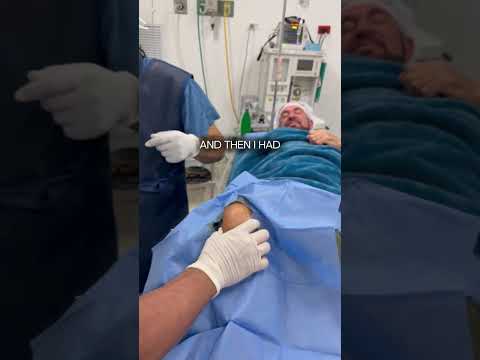
[00:49] On day two we'll do the stem cell procedure. Depending on the complexity of the procedure, some can be done here, others will be done at surgical room.
[00:54] Guided by a fluoroscope, a whole team with anesthesiologist sedation.
[01:00] On day three we do a post treatment consultation with Doctor Rojas and we also reinforce the treatment with another round of ozone and exosomes to finalize the stem cell treatment.









.jpg)
.jpg)
.jpg)
.png)








Share this listing