
Contents
Living with COPD means your daily forecast is usually "short of breath with a chance of exhaustion." For patients in the US or Canada, exploring regenerative medicine often feels like hitting a brick wall of red tape and astronomical bills. The reality is, finding accessible alternative options at home can be incredibly frustrating for those struggling with chronic respiratory symptoms.
That is why many people are turning to stem cell therapy for COPD in Colombia. Instead of endless waiting lists, patients are traveling to a country known for advancing cellular treatments. You can expect procedure costs averaging around $8,500, which is significantly lower than North American prices. Just make sure you verify the clinic holds proper approvals from the local Ministry of Health (Ministerio de Salud) or INVIMA to ensure strict safety and laboratory standards are being met.
What You Should Know
Traveling for medical care is much easier when the logistics are organized for you. Comprehensive treatment bundles often include the cellular therapy sessions, pre-treatment pulmonary evaluations, and post-procedure monitoring.
Some packages also cover ground transportation, airport transfers, and hotel stays to reduce travel stress. Understanding exactly what is included prevents unexpected expenses during your trip and lets you focus entirely on your health. Review the medical packages below to see which option provides the right level of support for your journey.
`The estimated cost for this treatment in Colombia typically falls around $8,500. This pricing reflects the initial medical evaluation, the actual stem cell processing, and the facility fees, avoiding the inflated administrative markups often seen in other regions.
Individual expenses can vary based on the specific protocol and cell count your doctor recommends. It is important to request a detailed financial breakdown so you understand exactly what you are paying for before you travel. Compare the pricing options below to evaluate the financial aspects of your treatment plan.
Stem Cell Treatment for COPD Centers Cost Comparison in Colombia
| Provider | Procedure | Price |
|---|---|---|
| Stem Cells Kyron Colombia | Stem Cell Treatment for COPD, Stem Cell Therapy | $8500 |
Stem Cell Treatment for COPD Cost Comparison in Colombia
| Country | Procedure | Price |
|---|---|---|
| United States | Stem Cell Treatment for COPD, Stem Cell Therapy | $20000 |
| Canada | Stem Cell Treatment for COPD, Stem Cell Therapy | $17000 |
Choosing a facility abroad requires more than just looking at a polished website. You need to verify that the clinic follows strict medical protocols for regenerative treatments. Check that they are licensed by Colombia's Ministry of Health and ask about their cell sourcing and processing standards.
A reputable facility will be transparent about their laboratory affiliations and medical team credentials. They should also provide realistic expectations rather than making absolute guarantees about curing lung disease. Compare the clinics listed below to find a provider that aligns with your specific health needs and safety expectations.
Stem Cells Kyron Colombia
Cali,Colombia

Regencord - Stem Cell Therapies
Pereira,Colombia
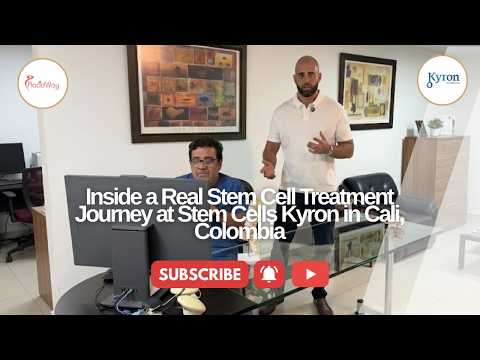
Reading about cellular medicine is helpful, but watching the process adds a new layer of understanding. Patient walkthroughs and facility tours give you a clear view of the medical environment before you ever book a flight.
Listening to medical staff explain their techniques can help you feel more comfortable with the upcoming procedure and laboratory standards. Browse the videos below to get a better sense of what the clinical experience actually looks like in real life.
Hearing from others who have walked the same path can provide invaluable perspective. Former patients often share details about their recovery timeline, the professionalism of the medical staff, and their overall travel experience.
Pay close attention to feedback regarding communication, as having a responsive medical team is crucial when seeking care abroad. Read the patient reviews below to learn from real-world experiences and make a more informed decision about your own care.

Navigating treatment options in a new country brings up a lot of valid concerns. Below are some of the most common questions patients ask when considering stem cell therapy for respiratory conditions in Colombia.
Is stem cell therapy a cure for COPD?
No, stem cell therapy is not a cure for COPD. It is considered an experimental treatment aimed at managing symptoms, reducing lung inflammation, and potentially slowing disease progression. Realistic expectations are essential when discussing outcomes with your doctor.
How are the stem cells administered for lung conditions?
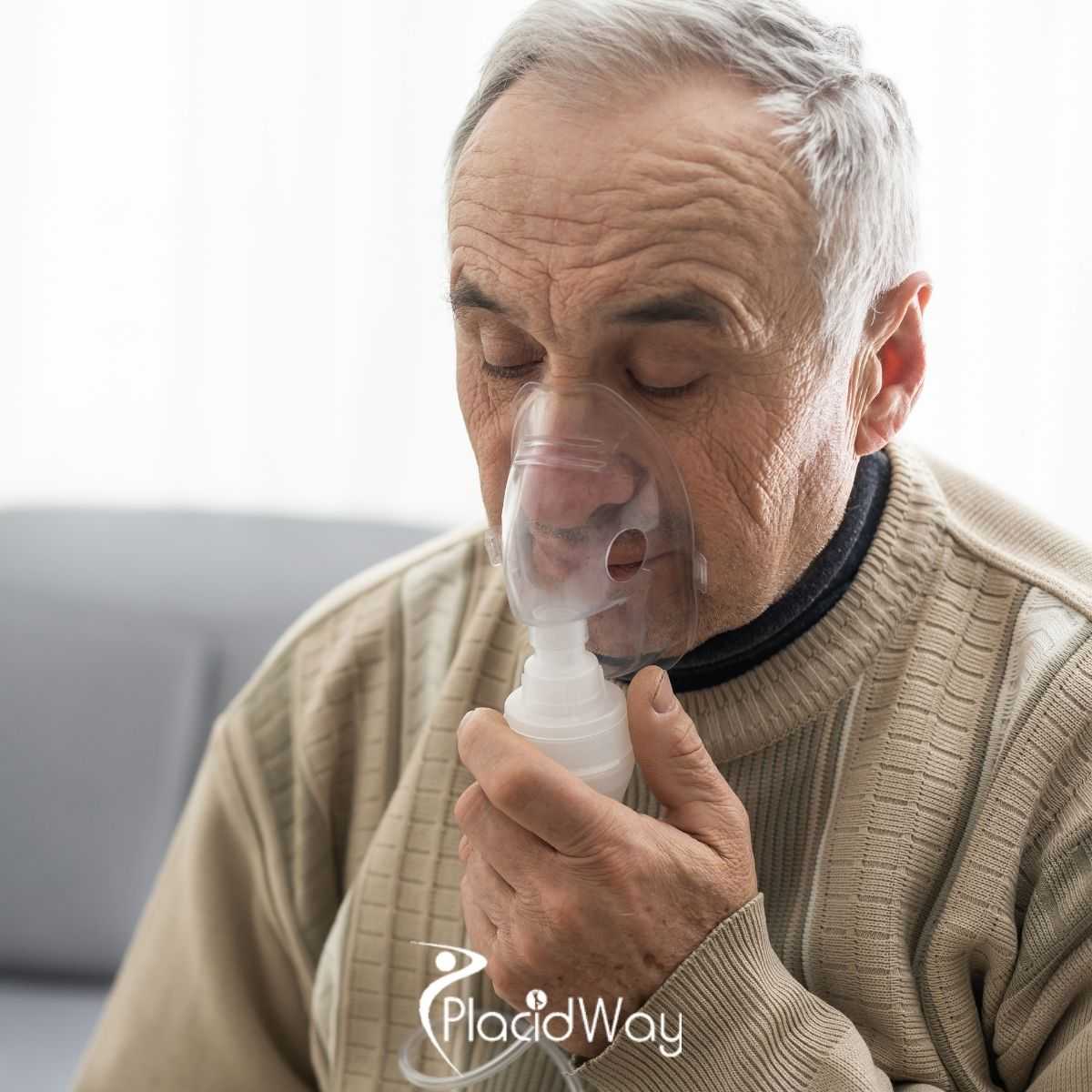
For respiratory conditions, stem cells are typically administered intravenously (IV), and sometimes through a nebulizer. This allows the cells to circulate through the bloodstream and target the inflamed lung tissue directly.
Are clinics in Colombia safe for this procedure?
Yes, provided you choose a certified facility. The best clinics follow strict safety protocols and are regulated by local health authorities such as the Ministerio de Salud and INVIMA. Always verify these credentials before booking.
What type of stem cells are used for COPD?
Clinics generally use mesenchymal stem cells (MSCs). These are often derived from ethically sourced umbilical cord tissue (allogeneic) or harvested from the patient's own fat tissue or bone marrow (autologous).
How long do I need to stay in Colombia for treatment?
Most treatment protocols require a stay of about 5 to 7 days. This allows time for an initial medical evaluation, the procedure itself, and a few days of post-treatment monitoring before you travel home.
Will I need a medical evaluation before traveling?
Yes, a reputable clinic will require a comprehensive review of your medical history, current medications, and recent lung function tests. This ensures you are a safe and viable candidate for the procedure.
How soon might I notice changes in my breathing?
Response times vary greatly among patients. Some report noticing improvements in their energy and breathing within a few weeks, while for others it may take a few months. Some patients may not experience significant changes at all.
Can I fly home immediately after the procedure?
Doctors usually recommend waiting 24 to 48 hours after the procedure before flying. This brief waiting period allows the medical team to monitor you for any immediate side effects and ensures you are stable for air travel.
Are the stem cell laboratories in Colombia regulated?
Yes, legal and established laboratories in Colombia are heavily regulated by INVIMA, which oversees food and drug administration. You should always ask your clinic to confirm their lab's certifications.
Are there risks associated with this treatment?
As with any medical procedure, there are risks, including potential infection, mild fever, or an adverse reaction. A thorough pre-evaluation with your doctor minimizes these risks, making transparency crucial.
How much does stem cell therapy for COPD in Colombia?
Chronic Obstructive Pulmonary Disease (COPD) is a progressive lung condition that significantly impacts a person's ability to breathe and enjoy daily life. While there's no known cure for COPD, stem cell therapy has emerged as a promising avenue for managing symptoms and potentially improving lung function. Colombia has become a notable destination for those seeking such treatments, often offering more affordable options compared to many Western countries. This blog post delves into the costs, efficacy, and other crucial aspects of stem cell therapy for COPD in Colombia, addressing common questions from patients worldwide. What is the average cost of stem cell therapy for COPD in Colombia? "The average cost of stem cell therapy for COPD in Colombia typically ranges from $8,500 to $15,000, though prices can vary based on the clinic, the specific treatment protocol, and the number of sessions required." Colombia has gained a reputation as a medical tourism hub, partly due to its competitive pricing for advanced medical procedures like stem cell therapy. This cost range is significantly lower than in countries like the United States, Canada, or the United Kingdom, where similar treatments can cost upwards of $20,000 to $50,000. The affordability in Colombia is attributed to lower operational costs, favorable exchange rates, and a robust medical infrastructure. Patients considering stem cell therapy for COPD often find Colombia an attractive option for high-quality care without the hefty price tag. What factors influence the cost of stem cell therapy for COPD in Colombia? "Several factors influence the cost of stem cell therapy for COPD in Colombia, including the type of stem cells used (autologous vs. allogeneic), the number of cells administered, the complexity of the patient's condition, the clinic's reputation, and any additional services included in the treatment package." Type of Stem Cells Used: Autologous Stem Cell Therapy: This involves harvesting stem cells from the patient's own body (e.g., bone marrow or adipose tissue). It is generally less expensive as it avoids the complexities and costs associated with donor matching and procurement. Allogeneic Stem Cell Therapy: This uses stem cells from a donor (e.g., umbilical cord blood or tissue). While potentially offering a broader range of therapeutic cells, it typically costs more due to donor screening, matching, and additional safety measures. Number of Cells Administered and Sessions: The dosage of stem cells and the number of treatment sessions required for optimal results directly impact the overall cost. More severe COPD cases might necessitate a higher cell count or multiple infusions. Clinic's Reputation and Expertise: Established clinics with a strong track record, highly experienced medical teams, and state-of-the-art facilities may charge more for their services. This often reflects their investment in advanced technology and their commitment to safety and efficacy. Included Services: Some clinics offer comprehensive packages that cover not only the stem cell therapy itself but also pre-treatment assessments (blood tests, imaging), post-treatment follow-ups, accommodation, airport transfers, and even translation services. These all-inclusive packages can influence the total price. Is stem cell therapy for COPD effective? "While not a cure, stem cell therapy for COPD has shown promising results in clinical studies and patient reports, primarily by reducing inflammation, promoting tissue repair, and potentially improving lung function and quality of life." Stem cell therapy for COPD is still considered an investigational treatment by many mainstream medical bodies, but ongoing research and clinical trials are yielding encouraging outcomes. Mesenchymal Stem Cells (MSCs), often used in these therapies, possess immunomodulatory and regenerative properties. They are believed to help by: Reducing Inflammation: COPD is characterized by chronic inflammation in the airways. MSCs can help dampen this inflammatory response, potentially slowing disease progression. Promoting Tissue Repair: Stem cells have the potential to differentiate into various cell types and secrete growth factors that encourage the repair of damaged lung tissue and stimulate the formation of new capillaries, which can lead to improved oxygen exchange. Improving Quality of Life: Many patients report improvements in symptoms like shortness of breath, exercise tolerance, and overall well-being following stem cell treatment. It's important to note that while improvements are often observed, a complete "cure" for COPD is not currently achievable with stem cell therapy. The goal is typically to manage symptoms, slow disease progression, and enhance the patient's quality of life. How long does stem cell therapy for COPD last? "The duration of the benefits from stem cell therapy for COPD can vary, with some patients experiencing improvements for several months to over a year. The long-term efficacy and need for repeat treatments are still subjects of ongoing research." The effects of stem cell therapy are not always permanent, as the body's regenerative processes are complex and ongoing. Factors such as the severity of the COPD, the type and number of stem cells administered, and the patient's overall health and lifestyle choices can influence how long the benefits last. Some patients may experience a sustained improvement, while others might find that the effects gradually diminish over time, potentially requiring additional "booster" treatments. Clinics typically provide guidance on expected outcomes and potential follow-up protocols. What are the risks of stem cell therapy for COPD? "The risks associated with stem cell therapy for COPD, particularly with legitimate clinics following ethical guidelines, are generally considered minimal. Potential risks include temporary discomfort at the injection site, mild fever, or, in rare cases, infection or adverse immune reactions." As with any medical procedure, there are potential risks, though reputable clinics prioritize patient safety. For autologous stem cell therapy, where cells are harvested from the patient's own body, the risk of immune rejection is virtually eliminated. When using allogeneic (donor) cells, careful screening and processing are crucial to minimize risks. Specific risks to be aware of include: Local Discomfort: Bruising, swelling, or pain at the site where stem cells are harvested (e.g., abdomen for adipose tissue, hip for bone marrow) or injected. Mild Systemic Reactions: Some patients might experience a temporary low-grade fever, fatigue, or headache after the infusion, similar to a mild flu. Infection: As with any procedure involving needles or incisions, there is a small risk of infection, which is mitigated by sterile techniques in reputable clinics. Adverse Immune Reaction: While rare with properly screened cells, there is a theoretical risk of an immune response, especially with allogeneic treatments. Unproven Treatments: A significant risk exists when patients seek unproven or unregulated stem cell treatments from clinics that do not adhere to established medical standards. Such clinics may offer treatments with no scientific basis, potentially leading to serious complications or no therapeutic benefit. It is crucial to choose internationally accredited clinics that follow strict protocols. What to expect during stem cell therapy for COPD in Colombia? "During stem cell therapy for COPD in Colombia, patients can expect a multi-day process typically involving an initial consultation and diagnostics, followed by stem cell harvesting (if autologous), laboratory processing, and then the administration of the cells, often via intravenous infusion or nebulization." The general process for stem cell therapy for COPD in a reputable Colombian clinic usually involves: Initial Consultation and Diagnostics: This phase involves a thorough review of your medical history, current medications, and lung function tests (like spirometry and CT scans). The medical team will assess your eligibility for stem cell therapy and discuss potential benefits and risks. Stem Cell Harvesting (for Autologous Therapy): If you are receiving autologous cells, a minor procedure, often a "mini-liposuction" for adipose-derived stem cells or a bone marrow aspiration, will be performed to collect your stem cells. This is typically done under local anesthesia with mild sedation. Laboratory Processing: The harvested cells are then transported to a specialized laboratory where they are processed, concentrated, and cultured (if necessary) to ensure they are viable and potent for re-administration. This step is critical for the quality and safety of the treatment. Stem Cell Administration: The processed stem cells are then administered back into your body. For COPD, this often involves: Intravenous (IV) Infusion: The cells are delivered directly into your bloodstream, allowing them to circulate throughout the body. Nebulization/Inhalation: In some protocols, the stem cells may be prepared in a form that can be inhaled directly into the lungs, aiming for more localized delivery. Post-Treatment Monitoring: After the procedure, you will be monitored for any immediate reactions. Clinics usually provide post-treatment guidelines and schedule follow-up appointments to track your progress and assess the therapy's effectiveness. Patients often report gradual improvements over several weeks or months. Are there legitimate clinics for stem cell therapy for COPD in Colombia? "Yes, there are legitimate and reputable clinics in Colombia that offer stem cell therapy for COPD, often adhering to international standards of medical care and ethical guidelines. Patients should research clinics thoroughly, looking for accreditations, experienced medical staff, and transparent communication about treatment protocols." Colombia has a growing medical tourism industry, and several clinics specialize in regenerative medicine, including stem cell therapy. When considering a clinic, it's essential to: Check Accreditations: Look for clinics that have international accreditations or affiliations that demonstrate adherence to high standards of patient care and safety. Review Medical Staff Qualifications: Ensure the doctors and medical professionals involved are highly qualified, experienced in regenerative medicine, and board-certified in relevant specialties. Transparency and Communication: A legitimate clinic will be transparent about their treatment protocols, the types of stem cells used, success rates (based on scientific data, not anecdotal claims), and potential risks. They should also provide clear cost estimates. Patient Testimonials and Reviews: While not the sole factor, reviewing patient testimonials and independent reviews can offer insights into the experiences of others. Examples of clinics that are often mentioned in the context of stem cell therapy in Colombia include Stem Cells Kyron in Cali and Regencord in Pereira, among others. It's always advisable to conduct your own due diligence and, if possible, consult with your primary healthcare provider before making a decision. How does stem cell therapy compare to conventional COPD treatments? "Stem cell therapy for COPD offers a different approach compared to conventional treatments, which primarily focus on managing symptoms and slowing progression rather than repairing damaged tissue. Conventional treatments include bronchodilators, corticosteroids, oxygen therapy, and pulmonary rehabilitation." Conventional treatments for COPD are essential for managing the disease and include: Bronchodilators: Medications that relax the muscles around the airways, helping to open them up and make breathing easier. Corticosteroids: Anti-inflammatory medications, often inhaled, to reduce airway inflammation. Oxygen Therapy: Supplemental oxygen for patients with low blood oxygen levels. Pulmonary Rehabilitation: A program that combines exercise training, disease education, nutrition counseling, and psychological support to improve physical conditioning and quality of life. While these treatments effectively alleviate symptoms and improve daily functioning, they do not repair the underlying lung damage. Stem cell therapy, on the other hand, aims to address the root causes by reducing inflammation and potentially regenerating damaged lung tissue. It is often viewed as a complementary or alternative option for patients who may not find sufficient relief from conventional therapies or are seeking more regenerative approaches. What types of stem cells are used for COPD treatment? "The most commonly used type of stem cells for COPD treatment are Mesenchymal Stem Cells (MSCs), which can be derived from various sources like adipose (fat) tissue, bone marrow, or umbilical cord tissue." MSCs are multipotent stromal cells that can differentiate into a variety of cell types, and they also have significant immunomodulatory and anti-inflammatory properties. These characteristics make them attractive for regenerative medicine applications. Adipose-Derived Stem Cells (ADSCs): These are easily harvested from a patient's own fat tissue through a mini-liposuction procedure. They are abundant and can be readily expanded in a laboratory. Bone Marrow-Derived Stem Cells (BMDCs): These are extracted from bone marrow, typically from the hip bone. They are a well-studied source of MSCs. Umbilical Cord-Derived Stem Cells (UCD-MSCs): These are allogeneic cells, meaning they come from donated umbilical cord tissue after a healthy birth. They are considered "immunoprivileged," meaning they are less likely to provoke an immune reaction in recipients, making them a versatile option for many patients. How should I prepare for stem cell therapy for COPD in Colombia? "Preparation for stem cell therapy for COPD in Colombia typically involves a thorough medical evaluation, including a review of your current health status and medications, and following any specific pre-treatment instructions provided by the clinic, such as dietary restrictions or avoiding certain medications." Once you've chosen a reputable clinic, they will provide detailed instructions for preparation. Generally, this may include: Comprehensive Medical Review: The clinic will require your complete medical history, including all past and current diagnoses, medications, allergies, and results from previous lung function tests and imaging studies. Diagnostic Tests: You might undergo new blood tests, imaging (X-rays, CT scans), and lung function assessments to get an up-to-date picture of your condition. Medication Adjustments: You may be advised to temporarily discontinue certain medications, especially blood thinners or anti-inflammatory drugs, before the procedure. Always follow your doctor's specific instructions. Lifestyle Recommendations: Some clinics may suggest dietary changes or supplements to optimize your health before treatment. Travel Planning: If traveling internationally, ensure your passport and visa are in order, and plan for accommodation and local transportation. Many clinics offer assistance with these arrangements. What is the recovery like after stem cell therapy for COPD? "Recovery after stem cell therapy for COPD is generally mild, with most patients experiencing minimal discomfort and being able to resume normal activities within a day or two. Full effects and improvements often become noticeable over several weeks to months." Immediately after the stem cell administration, you might experience: Localized Soreness: If you had a fat or bone marrow harvest, there might be some bruising or soreness at the collection site for a few days. Mild Fatigue or Flu-like Symptoms: Some patients report feeling slightly tired or having a low-grade fever, which usually resolves within 24-48 hours. No Significant Downtime: Most patients do not require extensive downtime and can return to light activities relatively quickly. Gradual Improvement: The therapeutic effects of stem cell therapy are not immediate. It takes time for the cells to integrate and exert their regenerative and anti-inflammatory effects. Patients often report a gradual improvement in symptoms and lung function over several weeks to months following the treatment. The clinic will provide detailed post-treatment care instructions, which may include follow-up appointments and recommendations for optimizing your recovery and the long-term benefits of the therapy. For those considering stem cell therapy for COPD in Colombia, exploring options with PlacidWay can connect you with reputable clinics and comprehensive medical tourism solutions.
How much is Stem Cell Therapy in Colombia
For patients seeking alternative or supportive treatments, stem cell therapy in Colombia has emerged as a popular option due to accessible medical care and specialized facilities. Before planning a trip, understanding the financial investment, safety considerations, and medical realities is essential for making an informed decision. The estimated stem cell therapy cost in Colombia typically ranges from $3,000 to $8,000 USD per treatment session. Prices vary depending on the type of cells used, the specific condition being treated, and the complexity of the procedure. Key Takeaways Treatment estimates range between $3,000 and $8,000 USD, though complex protocols may cost more. Cost variables include cell origin (autologous vs. donor) and the number of required sessions. Many stem cell applications remain investigational; outcomes vary widely among individuals. Patient safety relies on choosing facilities adhering to local regulatory standards (INVIMA). Consulting with your home physician before traveling is necessary to evaluate risks and benefits. What factors influence the cost of stem cell treatments in Colombia? The total expense of your procedure is primarily shaped by the cellular source, the volume of cells required, and the medical infrastructure of the treating facility. Pricing structures for regenerative medicine are rarely uniform. The most significant cost driver is the type of biologic material used. Harvesting cells from your own body (autologous) requires specific medical equipment and minor surgical procedures, like liposuction or bone marrow aspiration, which adds to the clinical fees. Conversely, using culturally expanded umbilical cord cells involves laboratory processing fees and specialized storage costs. Additionally, the severity of the medical condition dictates the treatment protocol. A localized joint injection for osteoarthritis usually demands fewer cells and less clinical time compared to an intravenous (IV) infusion aimed at modulating an autoimmune response. Facilities located in major metropolitan hubs often have higher overhead costs, which can also slightly influence the final price estimate. What types of stem cells are commonly used by Colombian providers? Clinics typically utilize mesenchymal stem cells (MSCs) sourced either directly from the patient’s adipose tissue and bone marrow or from donated umbilical cord tissue. Autologous stem cell therapy involves extracting cells from your own body. Providers usually harvest these from belly fat or the pelvic bone. Because these cells belong to you, the risk of immune rejection is practically nonexistent. However, the viability and number of your own cells can decline as you age, which may prompt doctors to recommend alternative sources for older patients. Allogeneic treatments, particularly those using human umbilical cord tissue, are also common. These tissues are donated after healthy births. The MSCs derived from umbilical cords are highly concentrated and do not require the patient to undergo an extraction procedure. While MSCs are generally considered immunoprivileged (meaning they rarely trigger a severe immune response), rigorous donor screening is required to minimize the risk of disease transmission. How does pricing in Colombia compare to North American facilities? Patients exploring medical tourism in Colombia often find that treatment estimates are 50% to 70% lower than similar procedures quoted in the United States or Canada. In North America, specialized cellular therapies can easily exceed $10,000 to $25,000 USD, especially when multiple sessions or extensive laboratory expansions are involved. This stark price difference is largely driven by the economic structure of the healthcare system in South America, including lower administrative overhead, reduced labor costs, and different liability insurance frameworks. However, the lower price tag does not eliminate the need for careful budgeting. When calculating your total investment, you must account for international flights, hotel accommodations, local transportation, and potential follow-up care once you return home. Even with travel expenses factored in, many individuals still find the overall cost more manageable abroad. Important Consideration: The FDA in the United States strictly limits how stem cells can be manipulated and used. Many therapies offered globally are not approved by the FDA and remain in the investigational stages. Are stem cell treatments regulated for patient safety in Colombia? Medical facilities and biological products are overseen by INVIMA, the national regulatory agency, though specific stem cell applications may still be considered experimental. Colombia has a structured healthcare system, and INVIMA (Instituto Nacional de Vigilancia de Medicamentos y Alimentos) acts similarly to the FDA in regulating food, drugs, and medical devices. Laboratories that process human tissues must adhere to specific sanitary and quality control standards designed to prevent contamination and ensure patient safety. Despite these regulations, the clinical application of stem cells for many chronic conditions is still an evolving science. Regulatory approval for a laboratory to process cells does not automatically mean the treatment is proven effective for your specific illness. Patients must evaluate the scientific evidence supporting their intended procedure and avoid providers making unrealistic promises of a cure. Which medical conditions are typically targeted with these therapies? Providers often apply these therapies to orthopedic issues, sports injuries, and certain autoimmune or degenerative conditions, though effectiveness varies. The most common and currently studied applications involve musculoskeletal problems. Patients with knee osteoarthritis, rotator cuff tears, or chronic joint pain frequently seek out these treatments to potentially reduce inflammation and support tissue repair. In these cases, cells are usually injected directly into the affected joint alongside guiding imaging technology like ultrasound. Beyond orthopedics, some facilities offer protocols aimed at managing symptoms of autoimmune diseases, neurodegenerative conditions, and generalized aging. It is crucial to understand that evidence supporting these systemic applications is often limited. Individualized assessment by an appropriately qualified healthcare professional is necessary to determine if the potential benefits outweigh the risks for your specific diagnosis. What should you expect during the initial consultation and procedure? Your journey begins with a thorough medical review, followed by cell preparation, and concludes with targeted administration via injection or intravenous drip. Once you arrive, the medical team will typically conduct an in-person evaluation, reviewing your latest blood work, MRI scans, and medical history. This step ensures that you remain a suitable candidate and that no new contraindications have developed. If autologous cells are used, a doctor will perform a minor extraction procedure under local anesthesia. The biological material is then processed in a sterile laboratory to isolate and concentrate the beneficial cells. Depending on the condition, the final product is administered back into your body. Joint injections usually take a few minutes, whereas an IV infusion may require you to rest comfortably in a clinic chair for a few hours while your vitals are monitored. Are there potential risks and complications associated with this therapy? Like any medical procedure, regenerative treatments carry risks, including injection site pain, infection, immune reactions, and the possibility of treatment failure. The most frequent side effects are generally mild and temporary. You may experience localized pain, swelling, or minor bruising at the extraction or injection sites. When administered intravenously, some patients report fatigue, mild fever, or a headache shortly after the procedure. These symptoms typically resolve within a few days with rest and hydration. However, more severe complications, though rare, can occur. These include bacterial infections if sterile protocols are breached, allergic reactions, or adverse immune responses. There is also a theoretical risk of unwanted cellular proliferation (tumor formation), which is why thorough pre-screening and the use of appropriate cell types are vital. Discuss all potential contraindications with your primary doctor before making a commitment. How long does it typically take to recover and see potential results? Initial physical recovery takes only a few days, but the biological response and potential symptom relief may take several weeks to months to become noticeable. Because the procedure is minimally invasive, extensive hospital stays are unnecessary. Most patients return to light, routine activities within 48 to 72 hours. If you received treatment for a joint injury, you might be instructed to avoid high-impact exercises or heavy lifting for several weeks to allow the joint environment to stabilize. Regenerative medicine works by stimulating the body's natural repair mechanisms, a process that takes time. You should not expect overnight improvements. Some individuals report reduced pain and increased mobility within four to six weeks, while others may not notice changes for three to six months. In suitable patients, results vary widely, and some may experience no clinical improvement at all. How can you choose a reputable stem cell therapy clinic in Colombia? Selecting a trustworthy facility involves verifying doctor credentials, reviewing laboratory standards, and seeking transparent communication regarding both risks and expected costs. Begin by researching the medical team. Ensure that the specialists administering the treatment are board-certified in a relevant field, such as orthopedics or hematology, rather than general practitioners offering aesthetic services. The clinic should readily provide information about where their cells are processed and the regulatory standards their laboratory follows. Pay close attention to how the clinic communicates. Reputable providers will present a balanced view of potential benefits and complications. Avoid facilities that use pressure tactics, claim their treatments are risk-free, or guarantee a 100% cure rate for complex diseases. Transparent pricing, clear pre-treatment instructions, and a defined follow-up care plan are hallmarks of a responsible medical organization. Why Choose PlacidWay for Medical Tourism? Navigating healthcare options abroad requires careful planning and access to verifiable information. PlacidWay assists patients by providing educational resources and structured information about international medical facilities. Connects patients with certified medical centers globally based on their specific health inquiries. Provides access to detailed clinic profiles and information regarding provider credentials. Offers transparent pricing estimates to help patients compare the costs of different treatments. Features patient reviews and testimonials to support informed decision-making. Focuses on educating patients about their international healthcare options without applying pressure to book. Frequently Asked Questions Is stem cell therapy in Colombia covered by US or Canadian health insurance? Most health insurance plans in the United States and Canada do not cover the cost of stem cell treatments performed abroad. You should expect to pay for the procedure out of pocket and discuss potential financing options directly with your chosen facility. Do I need to travel with a companion for stem cell treatments? While not strictly mandatory for all procedures, having a companion is highly recommended. A travel companion can assist you during the initial recovery phase, help manage luggage, and provide emotional support while navigating a foreign city. How long should I plan to stay in Colombia for my procedure? Patients typically stay in the country for five to ten days. This timeframe allows for an initial in-person consultation, any necessary lab work, the treatment itself, and a follow-up assessment before receiving clearance to fly home. Are there age limits for receiving stem cell treatments? Eligibility is based more on your overall health profile than a strict age limit. However, some providers may be cautious about treating very young children or elderly patients with multiple severe comorbidities. A comprehensive medical evaluation determines suitability. Can I combine a vacation with stem cell therapy? Many patients explore the city before their medical appointments. After the procedure, rest is usually advised. Depending on the joint or condition treated, strenuous physical activities and extensive sightseeing may be restricted during the initial recovery days. What happens if I experience a complication after returning home? Before traveling, you should establish a relationship with a local primary care physician or specialist willing to monitor your recovery. If complications arise, seek immediate medical attention locally and inform your overseas provider about your condition. Are umbilical cord stem cells used in Colombia ethically sourced? Reputable facilities utilize umbilical cord tissue obtained from healthy, full-term pregnancies where the mother has provided informed consent and passed comprehensive infectious disease screenings. Always ask your provider about their specific tissue sourcing and screening protocols. How do I know if I am a suitable candidate for this treatment? Suitability requires a thorough medical review, including your health history, current medications, imaging results (like MRIs), and specific symptoms. Consulting with both your primary care doctor and the treating specialist is necessary to evaluate your candidacy. Will I need multiple sessions to achieve the desired outcome? The number of required sessions depends on the severity of your condition, the type of cells used, and your individual biological response. Some patients undergo a single session, while others may require subsequent booster treatments months or years later. Can I take my regular medications before undergoing the procedure? You must disclose all medications and supplements to your medical team. Certain drugs, such as blood thinners or nonsteroidal anti-inflammatory drugs (NSAIDs), may need to be paused under medical supervision prior to treatment to minimize bleeding risks and support cellular response. Compare Treatment Options Take the next step in gathering information about medical facilities, detailed cost estimates, and treatment protocols available internationally. Request Treatment Information References FDA Warns About Stem Cell Therapies – U.S. Food and Drug Administration Patient Resources for Stem Cell Treatments – International Society for Stem Cell Research (ISSCR) Stem Cell Basics – National Institutes of Health (NIH) Stem Cells: What They Are and What They Do – Mayo Clinic Stem Cell Therapy for Joint Pain – Arthritis Foundation Global Regulatory Frameworks for Stem Cell Therapy – National Center for Biotechnology Information (NCBI) Medical Tourism Guidelines – Centers for Disease Control and Prevention (CDC) Medical Disclaimer: The information provided in this article is for educational and informational purposes only and does not constitute medical advice, diagnosis, or treatment recommendations. Stem cell therapies for many conditions are currently considered investigational and outcomes are not guaranteed. Always seek the advice of your physician or other qualified healthcare provider regarding a medical condition, travel for healthcare, or before making any decisions related to medical procedures.
A successful outcome relies heavily on the expertise of the medical professional administering the treatment. Look for specialists who have dedicated training in regenerative medicine and a deep understanding of respiratory health.
It is completely acceptable to ask about their specific experience treating chronic obstructive pulmonary disease. Trustworthy doctors will encourage your questions and provide realistic expectations rather than making unsupported guarantees. Compare the doctors listed below to find a qualified specialist you feel comfortable with.
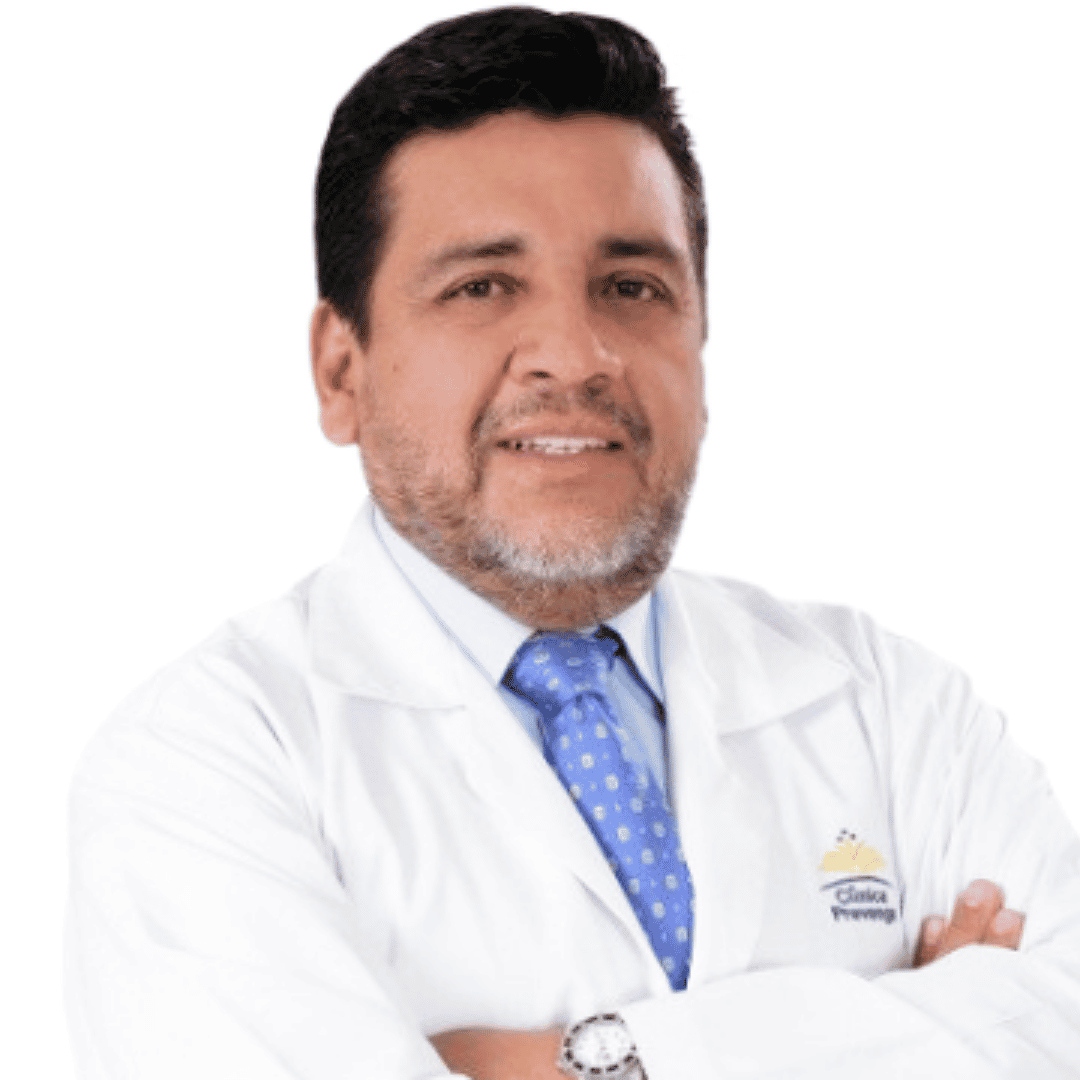

Carlos Alberto Isaza Mejia, MD
Regencord - Stem Cell Therapies
- Regenerative Medicine
Pereira,Colombia

Colombia has quietly emerged as a leading destination for advanced cellular treatments, attracting patients primarily from the United States, Canada, and Europe. Major cities like Bogotá, Medellín, and Cali boast modern medical infrastructure and highly trained specialists, making the healthcare journey both comfortable and straightforward.
Travel logistics are generally quite accessible for North Americans. Direct flights are available from many major hubs, such as Miami, Atlanta, and Houston, often taking under five hours. This short travel time is particularly beneficial for patients managing fatigue or respiratory discomfort.
When traveling with a respiratory condition like COPD, it is wise to consider the local geography. Altitude can impact your breathing, so choosing the right city is an important step in your planning.
| Bogotá | High altitude (approx. 8,660 ft) - may be challenging for severe respiratory issues. |
| Medellín | Moderate altitude (approx. 4,900 ft) - known as the City of Eternal Spring. |
| Cali | Lower altitude (approx. 3,300 ft) - generally easier for patients with breathing difficulties. |
| Cartagena | Sea level - humid, warm climate located on the coast. |
Always consult your primary care doctor at home to ensure your lungs can handle the flight and destination environment. Planning ahead allows you to focus fully on your treatment and recovery once you arrive.
Taking the next step in managing your respiratory health requires careful planning and trustworthy information. PlacidWay can help you navigate the process of seeking medical care abroad by connecting you with accredited facilities and experienced specialists in Colombia.
We are here to provide the details you need to make an educated choice about your health journey. Whenever you feel ready to explore your options, you can reach out for more information without any pressure.
References
- Clinical Trials for COPD and Stem Cells – U.S. National Institutes of Health
- Understanding COPD Treatments – American Lung Association
- Stem Cells: What They Are and What They Do – Mayo Clinic
- Health Regulations and Guidelines – Ministerio de Salud y Protección Social Colombia
- Travelers' Health: Colombia – Centers for Disease Control and Prevention























Share this listing