
Contents
Parenting a child on the Autism Spectrum is a journey of profound love, dedication, and a continuous search for the best supportive interventions. While behavioral and occupational therapies remain foundational, many families are now looking toward the frontiers of regenerative medicine to help address the underlying biological factors of Autism Spectrum Disorder (ASD). Colombia has rapidly risen to the forefront of this medical frontier, offering world-class, heavily regulated stem cell therapies that are drawing families from across North America and Europe.
Emerging clinical research indicates that many children with ASD experience neuroinflammation, immune system dysregulation, and reduced oxygenation in certain areas of the brain. Stem cell therapy—specifically utilizing Mesenchymal Stem Cells (MSCs) derived from Wharton's Jelly—aims to target these exact issues. When administered, these powerful, youthful cells act as profound anti-inflammatory agents. They work to modulate the immune system, stimulate angiogenesis (the formation of new blood vessels for better brain blood flow), and release neurotrophic factors that encourage neural repair and connectivity.
Choosing Stem Cell Therapy for Autism in Colombia for your child’s regenerative treatment offers a unique combination of exceptional medical standards, unparalleled pediatric compassion, and significant cost savings. Major cities like Medellin, Bogota, and Cali are home to state-of-the-art hospitals and specialized biotech laboratories that adhere to stringent guidelines set by INVIMA (Colombia's equivalent to the FDA). These clinics are staffed by multidisciplinary teams, including pediatric neurologists, who understand the unique sensory and emotional needs of a child with Autism.
While stem cell therapy is not a "cure" for Autism, many parents report remarkable improvements following treatment in Colombia. These can include enhanced eye contact, increased expressive language, reduced hyperactivity, and better social engagement. By combining advanced cellular science with the warmth of Colombian hospitality, families are finding renewed hope and tangible developmental milestones for their children in a safe, accessible environment.
Did You Know?
The Mesenchymal Stem Cells (MSCs) used in top Colombian clinics are "immune-privileged." This means that even though they are sourced from donated umbilical cord tissue, they do not carry markers that would trigger an immune rejection in your child. Consequently, there is no need for blood matching or immunosuppressive drugs, making the procedure incredibly safe for pediatric patients.
Key Insights at a Glance
Therapy focuses on reducing neuroinflammation and improving immune regulation, which are often underlying biological factors in ASD.
Colombian clinics feature specialized staff trained to work with children who have sensory sensitivities and communication challenges.
Families typically save between 50% and 70% compared to equivalent regenerative treatments in the United States or Europe.
Facilities operate under strict compliance with INVIMA guidelines, ensuring that cellular processing is safe, ethical, and sterile.
For pediatric patients, administration is most commonly performed via a simple Intravenous (IV) drip, avoiding painful procedures.
Direct flights from major US hubs (like Miami, Atlanta, or Houston) to Colombia average just 3 to 5 hours, minimizing travel stress.
The "City of Eternal Spring"
Medellin, one of Colombia's primary hubs for regenerative medicine, is famously known as the "City of Eternal Spring" due to its perfect, mild weather year-round. This temperate, comfortable climate is ideal for children with sensory sensitivities, ensuring a calm and relaxing environment during their medical stay.
Traveling internationally for a child's medical procedure requires seamless logistics. To alleviate the stress on parents, elite regenerative clinics in Colombia offer comprehensive, all-inclusive packages specifically designed for families dealing with ASD. These carefully curated bundles typically cover the pre-treatment pediatric evaluations, the customized stem cell infusions, complementary therapies (such as hyperbaric oxygen therapy or specialized nutrition), and VIP ground transportation between the airport, hotel, and clinic. Browse the options below to find a structured package that allows you to focus solely on your child's well-being.
Note: Comprehensive packages ensure that all necessary diagnostic tests and targeted cellular therapies are bundled into one predictable, transparent price.

Price starting from $9,950
Autism Improvement Package with Colombia Stem Cell Treatment by Regencord
Regencord - Stem Cell Therapies
- Stem Cell Therapy
Pereira, Colombia
Financial planning is a crucial aspect of seeking advanced therapies that are typically not covered by health insurance. Colombia's highly efficient bio-infrastructure allows clinics to provide world-class cellular treatments at a significantly lower cost than experimental clinics in North America. The table below outlines the average pricing for Autism stem cell protocols in Colombia. While exact costs depend on the required cellular dosage (which is calculated based on the child's weight and condition severity), this guide highlights the profound financial advantages of seeking treatment in Colombia.
Tip: Always request a detailed quote to understand the exact cell count (dosage) and the source of the cells included in the proposed treatment plan.
Stem Cell Treatment for Autism Centers Cost Comparison in Colombia
| Provider | Procedure | Price |
|---|---|---|
| Regencord - Stem Cell Therapies | Stem Cell Treatment for Autism, Stem Cell Therapy | $9950 |
Stem Cell Treatment for Autism Cost Comparison in Colombia
| Country | Procedure | Price |
|---|---|---|
| United States | Stem Cell Treatment for Autism, Stem Cell Therapy | $25000 |
| Canada | Stem Cell Treatment for Autism, Stem Cell Therapy | $15000 |
The safety and efficacy of regenerative medicine depend entirely on laboratory excellence and clinical pediatric expertise. We have carefully selected a group of distinguished medical centers across Colombia (in cities like Medellin, Bogota, and Cali) that are recognized pioneers in pediatric stem cell applications. These facilities are thoroughly vetted for their strict adherence to INVIMA regulations, their sophisticated GMP-compliant clean-room laboratories, and their dedicated, child-friendly environments. Browse the clinic profiles below to find the ideal institutional partner for your family's journey.
Safety First: Prioritize clinics that have dedicated pediatric protocols and staff experienced in calming and interacting with children on the spectrum.
Stem Cells Kyron Colombia
Cali, Colombia
Regencord - Stem Cell Therapies
Pereira, Colombia
There is immense power in hearing the firsthand experiences of other parents who have traveled this path before you. The video testimonials featured in this section capture the authentic journeys of families who sought stem cell therapy for Autism in Colombia. Watch as parents detail their pre-treatment struggles, their child's experience inside modern Colombian clinics, and the heartwarming developmental milestones—such as new words spoken or improved social connections—achieved in the months following their return home.
Insight: Patient videos provide an invaluable glimpse into the standard of care, clinic hygiene, and the empathetic nature of Colombian medical professionals.
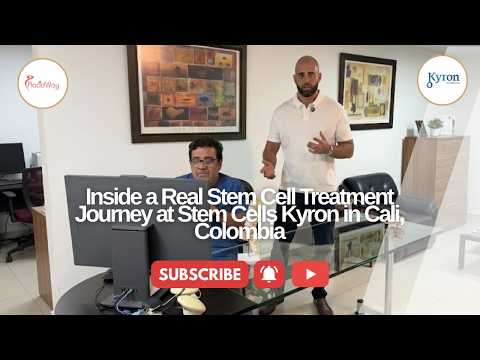
Written feedback offers crucial insights into the day-to-day realities of traveling for this treatment. Below, you will find verified reviews and detailed accounts from parents who have entrusted their child's care to Colombian specialists. Read through their honest reflections on the initial consultation process, the patience of the nursing staff during the IV administration, and how their child's behavioral and cognitive abilities have evolved over time, giving you the confidence to make an informed decision.
Review Tip: Pay special attention to reviews that discuss how the clinic staff handled a child's anxiety or sensory overload during the procedure.

What is the Price of Stem Cell Therapy for Autism in Cali, Colombia?
The estimated price of stem cell therapy for autism in Cali, Colombia, typically ranges from $5,000 to $15,000 per session. Costs vary based on the type of cells used, treatment protocols, and specific medical needs of the patient. Finding accurate information regarding experimental medical treatments can be overwhelming for families. If you are researching stem cell therapy for autism in Colombia, it is crucial to balance the search for financial details with a rigorous understanding of the medical realities. Cali has emerged as a frequent destination for families seeking alternative options, blending modern healthcare facilities with more accessible pricing structures than those found in North America or Europe. However, autism spectrum disorder (ASD) is a complex, multifaceted neurodevelopmental condition. It is vital to note that stem cell therapy is not a cure for autism. Instead, it is being researched as a potential way to manage certain physiological symptoms often associated with ASD, such as systemic inflammation or immune system dysregulation. Before embarking on any medical journey, thoroughly reviewing the estimated costs, the experimental nature of the procedure, and the logistics of international travel is essential. Key Takeaways Estimated costs range from $5,000 to $15,000 per treatment session, depending on the specific protocol. Stem cell therapy for autism is currently considered highly experimental and is not a guaranteed or scientifically proven cure. Treatments often focus on the use of mesenchymal stem cells (MSCs) aimed at potentially reducing neuroinflammation. Cali offers modern private medical facilities that cater to international patients seeking alternative treatments. Consulting with your child's primary care physician and a pediatric neurologist is critical before traveling abroad for care. 1. What exactly does stem cell therapy for autism involve in Colombia? Stem cell therapy for autism typically involves the intravenous (IV) or intrathecal administration of mesenchymal stem cells, aimed at modulating the immune system and potentially reducing systemic inflammation. In many specialized clinics abroad, the protocol focuses heavily on the use of Mesenchymal Stem Cells (MSCs), often derived from donated, thoroughly screened human umbilical cord tissue. Researchers are currently exploring whether these cells have immunomodulatory properties that might help address the inflammatory markers frequently observed in some individuals diagnosed with autism spectrum disorder. The procedure is usually minimally invasive. After a comprehensive medical evaluation, the cells are administered to the patient, most commonly via a standard IV drip. The goal of this experimental approach is not to alter the brain's fundamental wiring, but rather to see if reducing bodily inflammation might lead to improvements in behavior, communication, or overall well-being. Because responses vary drastically by patient, careful monitoring is required. 2. Why are families considering Cali, Colombia, for this procedure? Families often look to Cali due to its growing reputation in the medical travel sector, offering advanced private healthcare facilities at a significantly lower cost than North American alternatives. Over the past decade, medical tourism in Colombia has expanded rapidly. Cities like Cali have developed robust private healthcare sectors that frequently welcome international patients. The appeal often lies in the combination of modern medical technology, favorable exchange rates, and the availability of treatments that might still be in the clinical trial phase elsewhere. Additionally, the geographical location of Colombia makes it relatively accessible for families traveling from the United States or Canada. Direct flights to major Colombian cities, combined with a climate that is generally pleasant year-round, make the logistics of traveling with a child somewhat more manageable. However, parents must always weigh these logistical conveniences against the medical realities of traveling for an unproven therapy. 3. What factors influence the stem cell therapy for autism cost in Colombia? The primary factors impacting costs include the quantity and source of the stem cells, the specific medical protocols used, facility fees, and any necessary pre-treatment diagnostic testing. When evaluating the stem cell therapy for autism cost in Colombia, you will notice a significant range (typically $5,000 to $15,000). This variance is not arbitrary; it reflects several core components of the medical service provided. Cost Factor Impact on Overall Price Cell Type and Quality Expanded, highly characterized umbilical cord MSCs generally cost more due to the rigorous laboratory processing required. Dosage The number of cells administered—often calculated based on the patient's body weight—directly influences the price. Medical Team Involvement of specialists, anesthesiologists (if mild sedation is required), and pediatricians adds to the fees. Additional Therapies Some clinics bundle complementary treatments, such as hyperbaric oxygen therapy or specialized nutrition plans, into the cost. 4. Is stem cell therapy a proven treatment or cure for autism? No. Stem cell therapy is entirely experimental when it comes to autism. It is not an FDA-approved treatment, nor is it considered a cure by mainstream pediatric or neurological organizations. This is arguably the most critical piece of information for parents to understand. Autism spectrum disorder is a condition involving brain development and connectivity. There is currently no scientifically proven "cure" for autism, and stem cell therapy must not be viewed as such. While some preliminary clinical trials are exploring safety and potential efficacy, the widespread scientific consensus is that more rigorous, large-scale studies are needed. Any facility or website claiming that this therapy is a guaranteed fix, completely safe, or capable of curing ASD is providing misleading information. The goal of this experimental intervention is often palliative—aiming to manage associated physical symptoms (like gut inflammation) in hopes that it may indirectly positively affect behavior. Results, if any occur at all, vary profoundly from patient to patient. 5. How do you evaluate a stem cell therapy for autism clinic in Colombia? Evaluating a clinic requires careful scrutiny of their medical credentials, laboratory standards, transparency regarding risks, and their willingness to coordinate with your home medical team. When searching for a stem cell therapy for autism clinic in Colombia, strict vetting is essential for patient safety. Because this field operates outside standard regulatory approvals in many parts of the world, the burden of research often falls heavily on the family. Laboratory standards: Inquire about where the stem cells are sourced and cultured. Look for facilities that adhere to international Good Manufacturing Practice (GMP) guidelines. Medical credentials: Ensure the administering physicians are fully licensed and hold verifiable qualifications in relevant fields. Ethical communication: A reputable clinic will be upfront about the experimental nature of the treatment, clearly explain all potential risks, and never pressure a family into proceeding. Comprehensive screening: Legitimate medical providers will require extensive medical records and may reject candidates if the procedure is deemed medically inappropriate. 6. What are the potential risks and complications? Like any medical procedure, stem cell therapy carries risks, including infection at the injection site, adverse immune reactions, and unknown long-term systemic effects. No medical procedure is risk-free. While mesenchymal stem cells are often considered to have low immunogenicity (meaning they are less likely to trigger a severe immune rejection), complications can still occur. Immediate risks include mild fever, fatigue, chills, or localized pain and infection at the site of the intravenous line. More severe, albeit rarer, complications could involve adverse immune responses or unexpected cellular behavior. Furthermore, because this therapy is relatively new in its application for neurodevelopmental conditions, the long-term effects of administering high doses of expanded stem cells into a pediatric patient are not yet fully documented in medical literature. A thorough discussion with an independent pediatric specialist regarding these risks is highly recommended. 7. What types of stem cells are most commonly utilized? The most frequently used cells in international protocols for autism are allogeneic Umbilical Cord-derived Mesenchymal Stem Cells (UC-MSCs). The distinction between different types of stem cells is incredibly important. Clinics treating autism rarely use embryonic stem cells due to ethical, safety, and tumor-forming concerns. They also usually avoid using the patient's own (autologous) stem cells derived from bone marrow or fat, as the extraction process is invasive, painful, and yields older cells. Instead, many facilities rely on umbilical cord tissue donated by healthy mothers following full-term, normal deliveries. These UC-MSCs are preferred because they are considered "younger" cells, are easier to harvest non-invasively, and possess strong immunomodulatory properties. Reputable laboratories rigorously test these donated tissues for a wide array of infectious diseases before expanding the cells for therapeutic use. 8. What does the typical recovery and follow-up process look like? Physical recovery from the IV infusion is generally swift, but families must plan for long-term observation and coordinate closely with their child's local healthcare providers once home. The actual administration of the cells is typically an outpatient procedure. Following the infusion, patients are monitored in the clinic for several hours to ensure there are no immediate adverse reactions, such as an allergic response. Patients are usually cleared to return to their hotel the same day and can typically fly home within a few days. However, the true follow-up process is long-term. Parents should maintain a detailed log of their child's health, behaviors, and any emerging symptoms upon returning home. It is imperative to have a local pediatrician fully briefed on the treatment received abroad so they can provide appropriate aftercare or address any delayed complications. Stem cell therapy does not replace the ongoing need for behavioral, speech, and occupational therapies. 9. How should families prepare for medical travel to Colombia? Preparation involves organizing comprehensive medical records, securing necessary travel documents, and creating a low-stress travel itinerary to accommodate a child with sensory sensitivities. Traveling internationally for medical care requires meticulous planning, especially when accompanying a child with autism who may struggle with disruptions to their routine. Begin by consolidating all medical records, genetic tests, and therapy evaluations, translating them into Spanish if requested by the receiving clinic. Additionally, focus on minimizing travel stress. Choose direct flights when possible, inform the airline in advance if special accommodations are needed, and select lodging in Cali that offers a quiet, predictable environment. Ensuring you have comprehensive travel insurance—keeping in mind that most policies will not cover complications arising from experimental elective treatments—is also a vital step in your preparation. Why Choose PlacidWay for Medical Tourism Research? Navigating the complex landscape of international healthcare can be daunting. PlacidWay serves as a global medical tourism platform designed to help patients access information about care options abroad. Here are a few factual points about utilizing PlacidWay for your research: Global Network: PlacidWay provides access to informational profiles of numerous medical centers and clinics across Latin America, including Colombia. Informational Resources: The platform offers detailed articles, cost estimates, and clinic profiles to assist patients in their preliminary research phase. Direct Communication: Users can request information directly from healthcare providers to ask specific medical or pricing questions. Comparative Tools: Patients can explore options in various cities and countries, allowing for side-by-side comparisons of estimated costs. Facilitated Connections: PlacidWay helps bridge the communication gap between international patients and foreign medical teams, aiding the initial consultation process. Frequently Asked Questions (FAQs) How many stem cell therapy sessions are typically required? The number of sessions varies depending on the specific protocol recommended by the medical team. Some patients undergo a single comprehensive treatment, while others may be advised to have multiple sessions spaced over several months. This is highly individualized. Can stem cell therapy replace standard autism therapies? No. Stem cell therapy is considered an experimental, complementary approach. It should never replace standard, evidence-based interventions such as behavioral therapy, speech therapy, occupational therapy, or prescribed medications. Is a visa required for medical travel to Colombia? Citizens from many countries, including the United States, Canada, and the European Union, can enter Colombia for short-term medical treatments or tourism without a visa for up to 90 days. However, always verify current entry requirements with your local embassy before traveling. How long do families need to stay in Cali for treatment? Most medical teams recommend staying in Cali for 5 to 10 days. This allows time for initial consultations, the administration of the therapy, and a few days of immediate postoperative observation before flying home. Does health insurance cover this treatment in Colombia? Because stem cell therapy for autism is widely classified as experimental and not FDA-approved for this condition, standard health insurance policies typically do not cover the procedure, whether performed domestically or internationally. Families should expect to pay out-of-pocket. Are English translators available at medical facilities in Cali? Many facilities that cater to international patients provide English-speaking staff or dedicated translators to ensure clear communication between the medical team, the parents, and the child. What is the ideal age for a child to receive this experimental therapy? There is no universally established ideal age, as eligibility depends on a thorough medical evaluation of the individual child. Some researchers focus on early intervention, but any decision must be guided by a qualified medical professional assessing the child's unique health profile. Can parents donate their own stem cells for their child's treatment? Most international protocols for autism utilize allogeneic mesenchymal stem cells derived from thoroughly screened, donated umbilical cord tissue, rather than extracting adult stem cells from parents. This approach avoids invasive harvesting procedures for the family. Are there specific medical conditions that prevent eligibility? Yes. Active infections, severe immune deficiencies, certain genetic disorders, and a history of specific cancers may contraindicate stem cell therapy. A comprehensive review of the patient's medical history is required to determine if they can safely undergo the procedure. How soon might parents notice changes if the therapy is effective? Because this is an experimental therapy, outcomes vary widely. Some families report observing changes in inflammation-related symptoms within a few weeks to months, while others may not see any clinical changes. There is no guaranteed timeline or outcome. Explore Your Medical Options Gathering accurate information is the most important step. Connect with healthcare facilities globally to compare treatment options, request cost estimates, and learn more about the procedures. Request Treatment Information References FDA Warns About Stem Cell Therapies - U.S. Food and Drug Administration (FDA) Treatment and Intervention Services for Autism Spectrum Disorder - Centers for Disease Control and Prevention (CDC) Patient Resources regarding unproven stem cell interventions - International Society for Stem Cell Research (ISSCR) Clinical Trials on Stem Cells and Autism - National Institutes of Health (NIH) ClinicalTrials.gov Health Care Quality and Medical Tourism - World Health Organization (WHO) Autism Spectrum Disorder Information Page - National Institute of Neurological Disorders and Stroke (NINDS) Medical Disclaimer: The information provided in this article is for educational and informational purposes only and does not constitute medical advice, diagnosis, or treatment recommendations. Stem cell therapy for autism spectrum disorder is an experimental procedure and is not approved by regulatory bodies such as the FDA for this condition. Outcomes, risks, and suitability vary significantly by patient. Always consult with a qualified pediatric neurologist, primary care physician, or appropriate healthcare professional before pursuing any experimental medical treatments, whether locally or abroad.
How to Travel for Stem Cell Therapy for Autism in Colombia?
Traveling for stem cell therapy for autism in Colombia requires verifying INVIMA-regulated clinics and planning logistics for sensory needs. Treatment typically involves experimental IV infusions of mesenchymal stem cells. Key Takeaways Stem cell therapy for Autism Spectrum Disorder (ASD) is an experimental procedure aimed at targeting neuroinflammation, not a recognized cure. Colombia features modern, highly developed medical districts in cities like Bogota, Medellin, and Cali. Traveling with an autistic child requires meticulous planning to minimize sensory overload during flights and clinic visits. Patients must prioritize clinics regulated by INVIMA that maintain strict bioethical and cellular screening standards. Post-treatment follow-up with your local pediatric care team and continued behavioral therapies remain essential. Navigating the complex landscape of international medical travel can feel overwhelming, especially when researching emerging treatments for a child with Autism Spectrum Disorder. Families exploring medical tourism in Colombia often seek specialized cellular therapies that are not widely available or approved as standard care in their home countries. Understanding the scientific premise, regulatory environment, and logistical requirements is vital before making any medical travel decisions. What is the scientific premise of stem cell therapy for autism? Stem cell therapy for autism is an experimental approach that primarily aims to reduce neuroinflammation and improve immune system regulation in the brain. Autism Spectrum Disorder is a complex neurodevelopmental condition. While the exact causes vary, researchers have observed that some individuals with ASD exhibit signs of immune system dysregulation and chronic inflammation in the central nervous system. Cellular therapy attempts to address these underlying physiological factors. Mesenchymal stem cells (MSCs) are often utilized due to their unique paracrine effects. Rather than turning into new brain cells, these cells release specific proteins, cytokines, and growth factors. These secretions may help modulate an overactive immune response and reduce inflammation. Some clinical trials have reported improvements in certain behavioral markers, such as social communication and repetitive behaviors, following treatment. However, medical consensus emphasizes that this intervention is highly experimental. Outcomes vary significantly from patient to patient. While some families report noticeable improvements, others observe minimal to no changes. A thorough evaluation by a qualified pediatric neurologist should precede any decision to pursue this avenue. Why do families consider medical tourism in Colombia for this procedure? Families often travel to Colombia due to the availability of specialized cellular biology clinics, lower treatment expenses, and geographic proximity to North America. Over the past decade, Colombia has developed a strong reputation in the global healthcare sector. Cities such as Bogota, Medellin, and Cali host advanced medical districts equipped with modern technology. The country has heavily invested in healthcare infrastructure, attracting international patients seeking various complex medical interventions. Accessibility plays a major role in this decision. Direct flights from major North American hubs make the journey relatively straightforward, which is particularly beneficial when traveling with children who may struggle with long, multi-layover itineraries. Additionally, the exchange rate often allows families to access private medical care, dedicated translation services, and comfortable accommodations at a lower price point compared to domestic options. Is stem cell therapy legally regulated in Colombia? Medical facilities and cellular therapies in Colombia are overseen by INVIMA, the national regulatory agency responsible for food and drug safety. INVIMA (Instituto Nacional de Vigilancia de Medicamentos y Alimentos) acts as the Colombian equivalent to the US FDA. Any facility processing or administering human cells must adhere to strict biosafety, handling, and ethical guidelines set forth by this regulatory body. When researching options, it is critical to verify that a clinic operates under INVIMA compliance. This ensures that the laboratory protocols for harvesting, multiplying, and screening the cells meet established safety standards. Reputable clinics will gladly provide documentation of their certifications and details regarding their internal bioethics committees. Be cautious of any facility that cannot produce verifiable regulatory credentials. Important Consideration: Even with INVIMA oversight ensuring laboratory safety, the application of stem cells for autism specifically remains experimental under Colombian medical guidelines, just as it does internationally. How much does stem cell therapy for autism cost in Colombia? The estimated stem cell therapy for autism cost in Colombia typically ranges from $5,000 to $15,000, depending on the cell dosage and the number of required sessions. Pricing for cellular therapies is highly individualized. The total expense depends on several medical factors, primarily the number of stem cells required (often calculated based on the child's weight) and the specific administration protocol. When budgeting for the trip, families should account for several variables beyond the base medical fee: Pre-treatment testing: Blood work, neurological evaluations, and metabolic panels. Treatment sessions: The cost of the cells, laboratory fees, and facility use. Travel expenses: Round-trip flights, travel insurance, and potential visa fees. Accommodations: Hotels or short-term apartment rentals for a 5-to-10-day stay. Local transportation: Private drivers or taxis between the accommodation and the clinic. What types of stem cells are most commonly used? Most clinics use allogeneic mesenchymal stem cells derived from donated human umbilical cord tissue due to their robust anti-inflammatory properties and ease of administration. In the past, autologous treatments (using a patient's own bone marrow or fat tissue) were common. However, for pediatric autism patients, harvesting bone marrow is invasive, painful, and requires general anesthesia. Consequently, modern protocols have largely shifted to using allogeneic (donor) cells. Umbilical cord-derived MSCs are considered immunoprivileged, meaning they lack certain surface markers that typically trigger immune rejection in a recipient. This allows children to receive donor cells without the need for matching or immunosuppressive drugs. The umbilical cords are sourced from healthy, full-term pregnancies where the mothers undergo rigorous infectious disease screening. Are there risks or potential side effects to consider? Potential risks include infection at the IV site, mild fever, fatigue, or adverse reactions to the intravenous infusion process itself. While umbilical cord MSC therapies are generally well-tolerated in clinical settings, no medical procedure is entirely risk-free. Common mild side effects reported within the first 24 to 48 hours include lethargy, a low-grade fever, or slight chills. These are typically managed with over-the-counter pediatric medications as directed by the clinical team. More severe risks, though rare, involve bacterial infections due to contaminated cell products or improper sterile technique during administration. This highlights the absolute necessity of selecting a facility with rigorous laboratory standards. Additionally, children with specific pre-existing medical conditions, active infections, or certain genetic profiles may not be suitable candidates for cellular therapy. How should families prepare an autistic child for medical travel? Preparing an autistic child involves bringing familiar comfort items, requesting sensory-friendly airport accommodations, and maintaining daily routines where possible. International travel disrupts routines, which can be highly distressing for individuals on the autism spectrum. Proactive planning can significantly reduce anxiety for both the child and the parents. Sensory management: Pack noise-canceling headphones, weighted blankets, and preferred sensory toys for the flight. Dietary needs: If your child is on a restrictive diet (such as gluten-free/casein-free), pack familiar, non-perishable snacks, as specific dietary items may be hard to find abroad. Airport assistance: Many international airports now offer hidden disability lanyards (like the Sunflower Lanyard) and expedited security processing for travelers who require extra time and space. Social stories: Create a visual schedule or social story detailing the airplane ride, the hotel, and the doctor's visit to help your child anticipate the upcoming events. How long do patients need to stay in Colombia for treatment? Patients generally need to stay in Colombia for five to ten days to allow time for initial consultations, the treatment protocol, and post-infusion monitoring. A typical medical itinerary cannot be rushed. Rushing the process increases stress and minimizes the medical team's ability to monitor the patient effectively. Upon arrival, families usually have a rest day. The following day involves an in-depth clinical consultation and pre-treatment blood tests. The actual infusion is often scheduled for the third or fourth day. Clinics strongly advise against flying immediately after the procedure. Remaining in the country for at least 48 hours post-treatment ensures that if the child develops a fever or an adverse reaction, the treating physician is immediately accessible. How to evaluate a stem cell therapy for autism clinic in Colombia? Choosing a reliable stem cell therapy for autism clinic in Colombia requires checking INVIMA certifications, provider credentials, and the source of their cell products. Patient safety relies on thorough vetting. Families should arrange video consultations with the prospective medical team before booking travel. Treat this consultation as an interview. Ask specific questions about the medical staff: Are there pediatric neurologists involved in patient selection and care? Request detailed information about the laboratory: Do they culture their own cells, and if so, how do they test for viability and sterility? A responsible clinic will be transparent about their protocols, clearly outline the lack of guaranteed outcomes, and refuse treatment if they believe the child is not a suitable candidate based on their medical history. What follow-up care is required after returning home? Returning patients must continue their standard behavioral therapies and schedule follow-up evaluations with their local pediatrician or neurologist. Stem cell therapy is not a standalone solution, nor does it replace established standard-of-care treatments for autism. Upon returning home, it is vital to maintain regular routines, including Applied Behavior Analysis (ABA), speech therapy, occupational therapy, and any prescribed medications. Inform your primary care pediatrician about the treatment received abroad so they can accurately monitor your child's developmental progress and physical health. Any delayed complications, though uncommon, require immediate assessment by local healthcare providers. Reputable international clinics will provide a comprehensive discharge summary outlining the exact cellular dosage and administration method to share with your home doctors. Why Choose PlacidWay for Medical Tourism in Colombia? Navigating international healthcare options requires reliable information. PlacidWay assists families exploring cross-border medical travel through a centralized platform. PlacidWay provides access to informational resources and profiles for international clinics operating in Colombia. The platform helps patients compare estimated treatment costs across different facilities and global regions. Users can review the types of available treatments, facility amenities, and provider backgrounds in one organized place. The service facilitates direct initial communication between patients and prospective international healthcare providers. PlacidWay offers extensive educational content regarding the logistics, considerations, and terminology associated with global medical travel. Frequently Asked Questions Are stem cell treatments for autism legally approved in Colombia? Cellular therapies in Colombia are overseen by INVIMA, the national regulatory agency. However, stem cell therapy for autism remains an experimental treatment and is not considered a standard cure or internationally approved primary therapy for the disorder. Do clinics in Bogota and Medellin have English-speaking staff? Many medical facilities catering to international patients in major Colombian cities employ bilingual doctors and provide dedicated translation services to ensure clear communication with English-speaking families. Is it safe to travel to Colombia for medical care? Major urban centers like Bogota, Medellin, and Cali have established medical districts with high safety standards. Families should follow standard international travel precautions, use reputable transfer services, and rely on guidance from their clinic regarding safe local transportation. Will my health insurance cover this treatment in Colombia? Health insurance providers typically do not cover stem cell therapy for autism because it is classified as experimental, nor do they usually cover out-of-network elective medical treatments performed abroad. How is the stem cell therapy physically administered to the child? Therapy is generally administered via intravenous (IV) infusion or, in some specific clinical protocols, intrathecal injection (into the spinal canal). The method depends on the clinic's protocol and the child's specific medical evaluation. Are there pediatric specialists present during the infusion? Reputable clinics treating children should have pediatric specialists, such as pediatric neurologists or pediatric anesthesiologists, on staff or available for consultation to ensure patient safety and proper dosing. Can my child fly home immediately after the procedure? Medical teams typically advise waiting 24 to 48 hours after an infusion before flying. This observation period allows the medical staff to monitor the child for any immediate adverse reactions, such as mild fever or fatigue. Do Colombian clinics use autologous or allogeneic stem cells? Most specialized clinics in Colombia utilize allogeneic (donor-derived) mesenchymal stem cells sourced from human umbilical cord tissue, as this avoids the invasive and painful process of bone marrow extraction from the child. What travel documentation is required for this trip? Travelers typically need a valid passport. While a standard tourist visa suffices for short visits for many nationalities (including US and Canadian citizens), carrying a medical invitation letter from the treating clinic can be helpful at customs. How do I manage my child's current prescription medications during travel? Keep all current medications in their original, labeled prescription bottles within your carry-on luggage. Bring a detailed letter from your home physician explaining the medical necessity of each medication to present at security or customs if asked. Compare Treatment Options Explore educational resources and connect with specialized medical providers to gather the information you need. Request Treatment Information Medical Disclaimer: The information provided in this article is for educational purposes only and does not constitute medical advice, diagnosis, or treatment planning. Stem cell therapy for Autism Spectrum Disorder is currently considered experimental and is not approved by the US FDA as a standard of care. Outcomes, risks, and suitability vary significantly by patient. Always consult with a qualified, board-certified pediatric healthcare professional before considering any medical treatments at home or abroad. References FDA Warns About Stem Cell Therapies – U.S. Food and Drug Administration Clinical Trials: Autism Spectrum Disorder and Stem Cells – ClinicalTrials.gov Travelers' Health: Colombia – Centers for Disease Control and Prevention (CDC) National Institute for Drug and Food Surveillance – INVIMA (Colombia) Statement on Stem Cell Therapy – Autism Science Foundation Patient Handbook on Stem Cell Therapies – International Society for Stem Cell Research (ISSCR)
How much is Stem Cell Therapy in Colombia
For patients seeking alternative or supportive treatments, stem cell therapy in Colombia has emerged as a popular option due to accessible medical care and specialized facilities. Before planning a trip, understanding the financial investment, safety considerations, and medical realities is essential for making an informed decision. The estimated stem cell therapy cost in Colombia typically ranges from $3,000 to $8,000 USD per treatment session. Prices vary depending on the type of cells used, the specific condition being treated, and the complexity of the procedure. Key Takeaways Treatment estimates range between $3,000 and $8,000 USD, though complex protocols may cost more. Cost variables include cell origin (autologous vs. donor) and the number of required sessions. Many stem cell applications remain investigational; outcomes vary widely among individuals. Patient safety relies on choosing facilities adhering to local regulatory standards (INVIMA). Consulting with your home physician before traveling is necessary to evaluate risks and benefits. What factors influence the cost of stem cell treatments in Colombia? The total expense of your procedure is primarily shaped by the cellular source, the volume of cells required, and the medical infrastructure of the treating facility. Pricing structures for regenerative medicine are rarely uniform. The most significant cost driver is the type of biologic material used. Harvesting cells from your own body (autologous) requires specific medical equipment and minor surgical procedures, like liposuction or bone marrow aspiration, which adds to the clinical fees. Conversely, using culturally expanded umbilical cord cells involves laboratory processing fees and specialized storage costs. Additionally, the severity of the medical condition dictates the treatment protocol. A localized joint injection for osteoarthritis usually demands fewer cells and less clinical time compared to an intravenous (IV) infusion aimed at modulating an autoimmune response. Facilities located in major metropolitan hubs often have higher overhead costs, which can also slightly influence the final price estimate. What types of stem cells are commonly used by Colombian providers? Clinics typically utilize mesenchymal stem cells (MSCs) sourced either directly from the patient’s adipose tissue and bone marrow or from donated umbilical cord tissue. Autologous stem cell therapy involves extracting cells from your own body. Providers usually harvest these from belly fat or the pelvic bone. Because these cells belong to you, the risk of immune rejection is practically nonexistent. However, the viability and number of your own cells can decline as you age, which may prompt doctors to recommend alternative sources for older patients. Allogeneic treatments, particularly those using human umbilical cord tissue, are also common. These tissues are donated after healthy births. The MSCs derived from umbilical cords are highly concentrated and do not require the patient to undergo an extraction procedure. While MSCs are generally considered immunoprivileged (meaning they rarely trigger a severe immune response), rigorous donor screening is required to minimize the risk of disease transmission. How does pricing in Colombia compare to North American facilities? Patients exploring medical tourism in Colombia often find that treatment estimates are 50% to 70% lower than similar procedures quoted in the United States or Canada. In North America, specialized cellular therapies can easily exceed $10,000 to $25,000 USD, especially when multiple sessions or extensive laboratory expansions are involved. This stark price difference is largely driven by the economic structure of the healthcare system in South America, including lower administrative overhead, reduced labor costs, and different liability insurance frameworks. However, the lower price tag does not eliminate the need for careful budgeting. When calculating your total investment, you must account for international flights, hotel accommodations, local transportation, and potential follow-up care once you return home. Even with travel expenses factored in, many individuals still find the overall cost more manageable abroad. Important Consideration: The FDA in the United States strictly limits how stem cells can be manipulated and used. Many therapies offered globally are not approved by the FDA and remain in the investigational stages. Are stem cell treatments regulated for patient safety in Colombia? Medical facilities and biological products are overseen by INVIMA, the national regulatory agency, though specific stem cell applications may still be considered experimental. Colombia has a structured healthcare system, and INVIMA (Instituto Nacional de Vigilancia de Medicamentos y Alimentos) acts similarly to the FDA in regulating food, drugs, and medical devices. Laboratories that process human tissues must adhere to specific sanitary and quality control standards designed to prevent contamination and ensure patient safety. Despite these regulations, the clinical application of stem cells for many chronic conditions is still an evolving science. Regulatory approval for a laboratory to process cells does not automatically mean the treatment is proven effective for your specific illness. Patients must evaluate the scientific evidence supporting their intended procedure and avoid providers making unrealistic promises of a cure. Which medical conditions are typically targeted with these therapies? Providers often apply these therapies to orthopedic issues, sports injuries, and certain autoimmune or degenerative conditions, though effectiveness varies. The most common and currently studied applications involve musculoskeletal problems. Patients with knee osteoarthritis, rotator cuff tears, or chronic joint pain frequently seek out these treatments to potentially reduce inflammation and support tissue repair. In these cases, cells are usually injected directly into the affected joint alongside guiding imaging technology like ultrasound. Beyond orthopedics, some facilities offer protocols aimed at managing symptoms of autoimmune diseases, neurodegenerative conditions, and generalized aging. It is crucial to understand that evidence supporting these systemic applications is often limited. Individualized assessment by an appropriately qualified healthcare professional is necessary to determine if the potential benefits outweigh the risks for your specific diagnosis. What should you expect during the initial consultation and procedure? Your journey begins with a thorough medical review, followed by cell preparation, and concludes with targeted administration via injection or intravenous drip. Once you arrive, the medical team will typically conduct an in-person evaluation, reviewing your latest blood work, MRI scans, and medical history. This step ensures that you remain a suitable candidate and that no new contraindications have developed. If autologous cells are used, a doctor will perform a minor extraction procedure under local anesthesia. The biological material is then processed in a sterile laboratory to isolate and concentrate the beneficial cells. Depending on the condition, the final product is administered back into your body. Joint injections usually take a few minutes, whereas an IV infusion may require you to rest comfortably in a clinic chair for a few hours while your vitals are monitored. Are there potential risks and complications associated with this therapy? Like any medical procedure, regenerative treatments carry risks, including injection site pain, infection, immune reactions, and the possibility of treatment failure. The most frequent side effects are generally mild and temporary. You may experience localized pain, swelling, or minor bruising at the extraction or injection sites. When administered intravenously, some patients report fatigue, mild fever, or a headache shortly after the procedure. These symptoms typically resolve within a few days with rest and hydration. However, more severe complications, though rare, can occur. These include bacterial infections if sterile protocols are breached, allergic reactions, or adverse immune responses. There is also a theoretical risk of unwanted cellular proliferation (tumor formation), which is why thorough pre-screening and the use of appropriate cell types are vital. Discuss all potential contraindications with your primary doctor before making a commitment. How long does it typically take to recover and see potential results? Initial physical recovery takes only a few days, but the biological response and potential symptom relief may take several weeks to months to become noticeable. Because the procedure is minimally invasive, extensive hospital stays are unnecessary. Most patients return to light, routine activities within 48 to 72 hours. If you received treatment for a joint injury, you might be instructed to avoid high-impact exercises or heavy lifting for several weeks to allow the joint environment to stabilize. Regenerative medicine works by stimulating the body's natural repair mechanisms, a process that takes time. You should not expect overnight improvements. Some individuals report reduced pain and increased mobility within four to six weeks, while others may not notice changes for three to six months. In suitable patients, results vary widely, and some may experience no clinical improvement at all. How can you choose a reputable stem cell therapy clinic in Colombia? Selecting a trustworthy facility involves verifying doctor credentials, reviewing laboratory standards, and seeking transparent communication regarding both risks and expected costs. Begin by researching the medical team. Ensure that the specialists administering the treatment are board-certified in a relevant field, such as orthopedics or hematology, rather than general practitioners offering aesthetic services. The clinic should readily provide information about where their cells are processed and the regulatory standards their laboratory follows. Pay close attention to how the clinic communicates. Reputable providers will present a balanced view of potential benefits and complications. Avoid facilities that use pressure tactics, claim their treatments are risk-free, or guarantee a 100% cure rate for complex diseases. Transparent pricing, clear pre-treatment instructions, and a defined follow-up care plan are hallmarks of a responsible medical organization. Why Choose PlacidWay for Medical Tourism? Navigating healthcare options abroad requires careful planning and access to verifiable information. PlacidWay assists patients by providing educational resources and structured information about international medical facilities. Connects patients with certified medical centers globally based on their specific health inquiries. Provides access to detailed clinic profiles and information regarding provider credentials. Offers transparent pricing estimates to help patients compare the costs of different treatments. Features patient reviews and testimonials to support informed decision-making. Focuses on educating patients about their international healthcare options without applying pressure to book. Frequently Asked Questions Is stem cell therapy in Colombia covered by US or Canadian health insurance? Most health insurance plans in the United States and Canada do not cover the cost of stem cell treatments performed abroad. You should expect to pay for the procedure out of pocket and discuss potential financing options directly with your chosen facility. Do I need to travel with a companion for stem cell treatments? While not strictly mandatory for all procedures, having a companion is highly recommended. A travel companion can assist you during the initial recovery phase, help manage luggage, and provide emotional support while navigating a foreign city. How long should I plan to stay in Colombia for my procedure? Patients typically stay in the country for five to ten days. This timeframe allows for an initial in-person consultation, any necessary lab work, the treatment itself, and a follow-up assessment before receiving clearance to fly home. Are there age limits for receiving stem cell treatments? Eligibility is based more on your overall health profile than a strict age limit. However, some providers may be cautious about treating very young children or elderly patients with multiple severe comorbidities. A comprehensive medical evaluation determines suitability. Can I combine a vacation with stem cell therapy? Many patients explore the city before their medical appointments. After the procedure, rest is usually advised. Depending on the joint or condition treated, strenuous physical activities and extensive sightseeing may be restricted during the initial recovery days. What happens if I experience a complication after returning home? Before traveling, you should establish a relationship with a local primary care physician or specialist willing to monitor your recovery. If complications arise, seek immediate medical attention locally and inform your overseas provider about your condition. Are umbilical cord stem cells used in Colombia ethically sourced? Reputable facilities utilize umbilical cord tissue obtained from healthy, full-term pregnancies where the mother has provided informed consent and passed comprehensive infectious disease screenings. Always ask your provider about their specific tissue sourcing and screening protocols. How do I know if I am a suitable candidate for this treatment? Suitability requires a thorough medical review, including your health history, current medications, imaging results (like MRIs), and specific symptoms. Consulting with both your primary care doctor and the treating specialist is necessary to evaluate your candidacy. Will I need multiple sessions to achieve the desired outcome? The number of required sessions depends on the severity of your condition, the type of cells used, and your individual biological response. Some patients undergo a single session, while others may require subsequent booster treatments months or years later. Can I take my regular medications before undergoing the procedure? You must disclose all medications and supplements to your medical team. Certain drugs, such as blood thinners or nonsteroidal anti-inflammatory drugs (NSAIDs), may need to be paused under medical supervision prior to treatment to minimize bleeding risks and support cellular response. Compare Treatment Options Take the next step in gathering information about medical facilities, detailed cost estimates, and treatment protocols available internationally. Request Treatment Information References FDA Warns About Stem Cell Therapies – U.S. Food and Drug Administration Patient Resources for Stem Cell Treatments – International Society for Stem Cell Research (ISSCR) Stem Cell Basics – National Institutes of Health (NIH) Stem Cells: What They Are and What They Do – Mayo Clinic Stem Cell Therapy for Joint Pain – Arthritis Foundation Global Regulatory Frameworks for Stem Cell Therapy – National Center for Biotechnology Information (NCBI) Medical Tourism Guidelines – Centers for Disease Control and Prevention (CDC) Medical Disclaimer: The information provided in this article is for educational and informational purposes only and does not constitute medical advice, diagnosis, or treatment recommendations. Stem cell therapies for many conditions are currently considered investigational and outcomes are not guaranteed. Always seek the advice of your physician or other qualified healthcare provider regarding a medical condition, travel for healthcare, or before making any decisions related to medical procedures.
Can Stem Cell Therapy in Colombia Help Children with Autism?
Stem cell therapy in Colombia has shown potential in helping children with Autism Spectrum Disorder (ASD) by focusing on reducing neuroinflammation and improving neurological connectivity, often leading to noticeable improvements in communication and behavior. For families navigating the complexities of Autism Spectrum Disorder (ASD), finding safe, effective ways to improve their child's quality of life is a constant priority. While traditional therapies focus on behavior and communication skills, many parents are exploring the frontier of regenerative medicine, particularly stem cell therapy. Colombia has emerged as a key destination offering these advanced protocols for children with ASD. The central premise of using stem cell therapy for autism is addressing underlying biological issues often linked to the condition, such as chronic neuroinflammation and inadequate oxygenation in the brain. The treatment is not a single-day fix, but a therapeutic approach designed to promote long-term neurological repair and support. In this guide, we break down the most searched questions about stem cell therapy in Colombia for autism. We will cover the specific mechanisms of action, the typical cost of these protocols in centers like Alevy Colombia and Regencord, and the reported results to provide you with expert, trustworthy information. Let's delve into how this innovative path offers new hope for improving core ASD symptoms. Can stem cell therapy in Colombia help children with autism? Stem cell therapy in Colombia has shown potential in helping children with Autism Spectrum Disorder (ASD) by focusing on reducing neuroinflammation and improving neurological connectivity, often leading to noticeable improvements in communication and behavior. While stem cell therapy for autism is considered innovative and is not a guaranteed cure, research focuses on its ability to act as a powerful biological modulator. ASD is increasingly linked to issues beyond genetic factors, including immune dysregulation and chronic inflammation within the brain (neuroinflammation). The goal of regenerative medicine in this context is to mitigate these physiological stressors. By introducing potent therapeutic cells, the treatment aims to calm the inflamed environment and foster conditions conducive to better brain function. Many families traveling to Colombia report positive changes in areas like responsiveness and interaction, highlighting the treatment's capacity to modulate core ASD symptoms. How do stem cells theoretically address symptoms of Autism Spectrum Disorder (ASD)? Stem cells primarily address ASD symptoms through immunomodulation (reducing chronic brain inflammation) and releasing neurotrophic factors that support nerve cell growth, repair, and improved communication between brain regions. The key mechanism of Mesenchymal Stem Cells (MSCs) is their paracrine effect—meaning they communicate with and instruct other cells in the body. When administered, the stem cells migrate to areas of inflammation and dysfunction in the brain (the neuroinflammatory focus often associated with ASD). Once there, they perform two primary actions: Immunomodulation: They dampen the immune system's overactive inflammatory response, effectively cooling down the chronic inflammation in the central nervous system. Neuroprotection and Repair: They release essential growth factors (neurotrophic factors) that support the health of existing neurons, encourage the formation of new neural connections (synaptogenesis), and improve local blood flow (angiogenesis), enhancing nutrient and oxygen delivery to the brain. This combined approach helps normalize the internal environment of the brain, potentially leading to improved neurological processing and, consequently, better behavioral and social outcomes. What is the typical cost of stem cell therapy for autism in Colombia? The cost of stem cell therapy for Autism Spectrum Disorder (ASD) in Colombia typically ranges from $10,000 to $25,000 USD, varying based on the cell count, required procedures, and whether the protocol is single or multi-day. Colombia is recognized globally for offering specialized regenerative medicine treatments at a much lower cost compared to the United States or Canada, making it a viable option for many families. However, the price depends heavily on the specific protocol designed for the child, particularly the number of cells required for systemic and neurological effect. Protocols at advanced centers often include comprehensive packages covering medical evaluation, cell processing, the administration procedure, and often ancillary treatments like supportive nutritional therapy or hyperbaric oxygen sessions. For example, centers like Alevy Colombia and Regencord structure packages based on the complexity and duration of the treatment plan. Detailed Cost Comparison for Stem Cell Autism Protocols Protocol Feature Common Price Range in Colombia (USD) Factors Affecting Cost Standard Protocol (50 Million+ Cells) $10,000 – $15,000 Used for systemic immunomodulation; may include single IV infusion and initial supportive therapies. Comprehensive Protocol (100 Million+ Cells) $15,000 – $20,000 Higher cell count, potentially including targeted administration methods (e.g., intrathecal), and multi-day ancillary therapies. Maximal Dose/Custom Protocol (150 Million+ Cells) $20,000 – $25,000+ Designed for more complex cases, often involving multiple administrations or a combination of different cell types over several treatment cycles. What types of stem cells are primarily used for ASD treatment in Colombia? Mesenchymal Stem Cells (MSCs), often sourced from the umbilical cord (allogeneic) or adipose (fat) tissue (autologous), are the most common type used for autism treatment in centers like Alevy Colombia and Regencord. The vast majority of stem cell therapy for autism protocols rely on Mesenchymal Stem Cells (MSCs). These cells are preferred due to their profound anti-inflammatory and neurotrophic properties. They are masters of tissue repair and immune system balance, which are the primary therapeutic targets in ASD. The source of MSCs is usually either: Allogeneic (Donor) Cells: Sourced from the Wharton's Jelly of the umbilical cord. These cells are young, highly potent, and can be administered readily. They are the preferred method at many Colombian centers, including specialized units like Alevy Colombia and Regencord, due to their high quality and consistent viability. Autologous (Self) Cells: Sourced from the child’s own adipose (fat) tissue or bone marrow. These cells require an extraction procedure but eliminate any minor risk of immune reaction. The choice between autologous and allogeneic depends on the specific protocol and the child’s clinical picture, determined by the treating specialist. Is stem cell therapy for autism in Colombia safe and regulated? When performed in accredited Colombian centers that follow international standards, stem cell therapy is considered generally safe, with few severe side effects reported. Regulation is overseen by national health authorities. Safety is the paramount concern for any parent considering stem cell therapy for their child. Colombia's national health authorities regulate these therapies. Leading centers in the country adhere to stringent international standards for cell processing, sterility, and quality control, often exceeding minimum local requirements. Reported side effects are usually mild and temporary, such as a low-grade fever, headache, or fatigue immediately following the infusion. Serious complications are exceedingly rare in reputable clinics like Alevy Colombia or Regencord that use certified, screened cells and maintain high aseptic standards throughout the administration process. Thorough pre-screening and patient monitoring are standard requirements for all protocols. What specific improvements do parents report after stem cell treatment for ASD? Parents frequently report improvements in eye contact, language development, sleep patterns, emotional regulation, attention span, and a reduction in repetitive behaviors (stereotypy) following stem cell therapy. The effects of stem cell therapy are typically measured by changes in the child's daily functioning and interaction, often reported via standardized assessments and parent questionnaires. Since the therapy targets the underlying neurological environment, the improvements often manifest across multiple domains of ASD symptoms. Commonly observed improvements include: Communication: Increased verbal output, better comprehension, and increased initiation of social interactions. Behavior: Reduced self-stimulatory (stimming) or repetitive behaviors, decreased hyperactivity, and less frequent tantrums or emotional outbursts due to improved regulation. Cognition: Longer attention spans, improved focus, and increased cognitive flexibility. Physical Health: Better gut health and more regular, restorative sleep cycles. It is important to understand that these changes are usually gradual, emerging over the weeks and months following the treatment. Who is an ideal candidate for stem cell therapy for autism? Ideal candidates are typically children (usually aged 2-12) with moderate to severe ASD who are otherwise healthy and have no major contraindications, showing the best potential for neurological modulation. Candidacy for stem cell therapy in Colombia is determined by a comprehensive review of the child's medical history and current health status. While the treatment can be explored at various ages, younger children often show the best potential for neurological plasticity and positive outcomes. Key factors considered during the candidacy review include: Severity of ASD: Children with moderate to severe communication or behavioral challenges often see the most noticeable functional gains. Overall Health: The child must not have any serious underlying conditions (like active cancer or systemic infections) that would make the procedure risky. Commitment to Therapy: The best results occur when the stem cell therapy is integrated with existing behavioral and occupational therapies, maximizing the brain’s ability to utilize the new neural support. What is the procedure like and how long does it take? The core stem cell administration procedure is minimally invasive, usually involving a simple intravenous (IV) infusion lasting a few hours, though the complete treatment protocol often requires a 3 to 5-day visit for assessment and recovery. A typical stem cell therapy program in Colombia is structured to ensure maximum safety and efficacy. The procedure itself is typically straightforward and low-stress for the child. The therapeutic cells (MSCs) are usually administered via a standard intravenous infusion, allowing them to circulate throughout the body and cross the blood-brain barrier to initiate their regenerative medicine work. The multi-day visit is essential for: Day 1: Initial consultations, physical exam, and final lab work. Day 2: Cell administration (IV infusion, potentially with targeted administration). Days 3-5: Post-treatment observation, monitoring for side effects, and complementary treatments (if part of the protocol). This structured approach, provided by specialized centers like Alevy Colombia and Regencord, ensures a focused and supportive environment for the child and family. Ready to explore regenerative medicine options for Autism Spectrum Disorder (ASD) management? Discover trusted, internationally accredited centers and customized stem cell therapy in Colombia protocols by exploring PlacidWay Medical Tourism today. Your path to better health management is waiting. Get a Free Consultation
Treating a neurodevelopmental condition requires a delicate balance of cutting-edge cellular science and deep pediatric compassion. We have compiled a directory of the leading regenerative medicine specialists and pediatric neurologists in Colombia. These medical professionals possess advanced international training, extensive research backgrounds in neuroinflammation, and most importantly, a proven track record of empathetic care for children on the spectrum. Reviewing their credentials will help you find a doctor who truly understands your family's needs.
Board-Certified Neurologists & Regenerative Experts
Specialized in Pediatric Neurodevelopment
The most successful clinics employ doctors who understand the nuances of ASD. They work closely with lab scientists to ensure the stem cell dosage is perfectly calibrated for your child's weight, age, and specific neuro-inflammatory markers, ensuring the highest potential for developmental progress.
International Training & Biotech Pioneers
Global Experience in Cellular Protocols
Leading physicians in Colombia frequently hold fellowships from prestigious institutions in the US or Europe. Their active participation in global stem cell societies ensures that the protocols used in Colombia reflect the absolute forefront of international regenerative medicine.
Compassionate Care Teams
Understanding Sensory & Behavioral Needs
Beyond medical degrees, these specialists lead teams of nurses and facilitators who are trained to create a low-stress environment. They utilize patience, distraction techniques, and family-centered care to ensure the child feels safe and calm throughout the entire process.
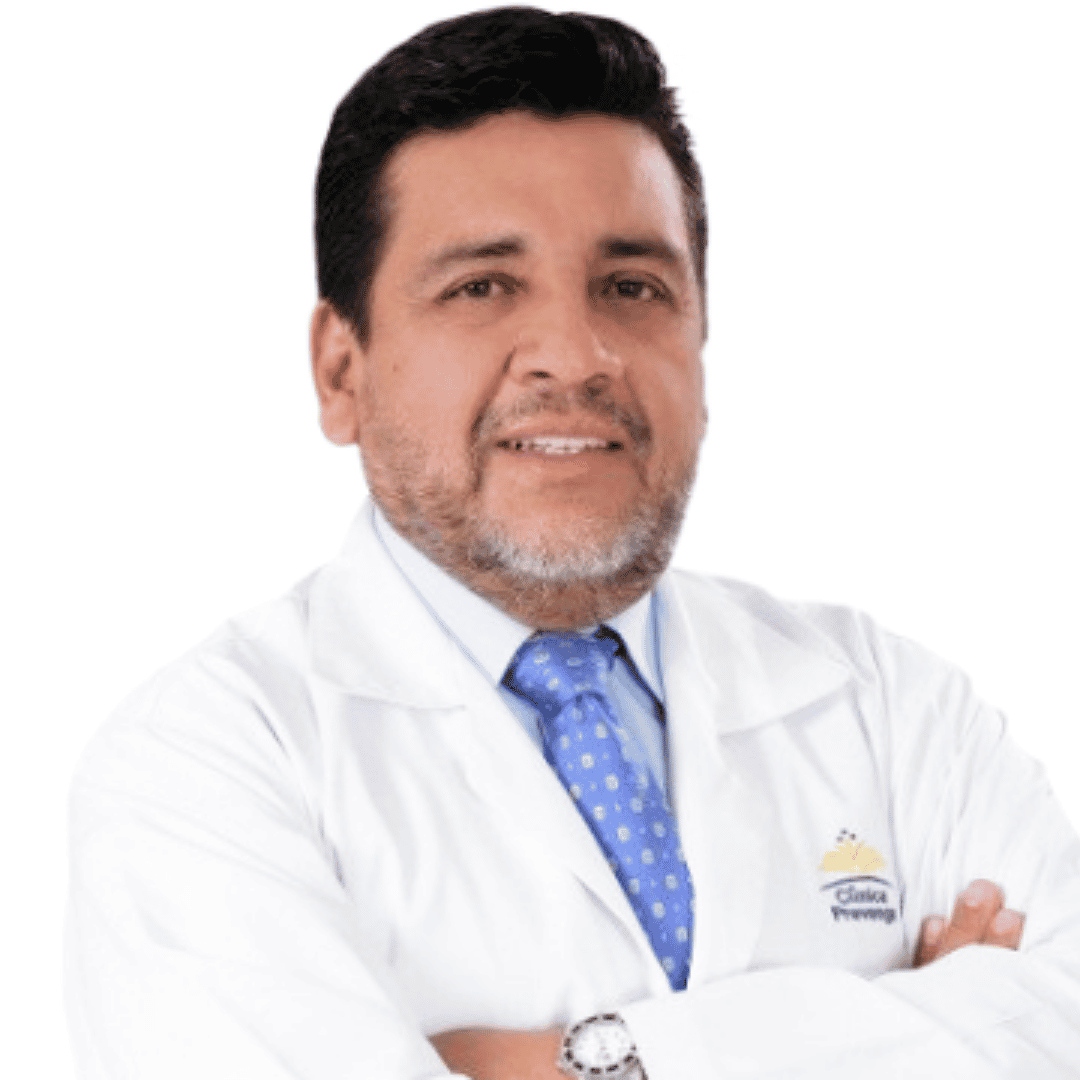
Carlos Alberto Isaza Mejia, MD
Regencord - Stem Cell Therapies
- Regenerative Medicine
Pereira, Colombia
Advanced Medical Infrastructure and Safety
Colombia has heavily invested in its healthcare sector, earning a reputation as one of Latin America's premier medical destinations. Cities like Medellin and Bogota host designated "Free Health Zones" and massive hospital complexes that rival US institutions in technology and hygiene.
More importantly, the regenerative medicine sector is strictly overseen by INVIMA, the national health regulatory agency. This ensures that the specialized laboratories cultivating the stem cells maintain Good Manufacturing Practice (GMP) standards, guaranteeing the absolute safety, sterility, and viability of the cells administered to your child.
Proximity and Ease of Travel
For a child with Autism, long, multi-leg international flights can trigger immense sensory overload and stress. Colombia offers a distinct geographical advantage. It is incredibly accessible from North America, with direct flights from Miami, Fort Lauderdale, Orlando, and Houston taking merely 3 to 4 hours.
Furthermore, Colombia is in the Eastern Standard Time (EST) zone. This means your child will not suffer from jet lag, allowing their daily routines, sleep schedules, and dietary rhythms to remain undisturbed, which is critical for children on the spectrum.
A Culture of Warmth and Compassion
Beyond the science and the savings, Colombia is globally recognized for its incredibly warm, family-centric culture. In the medical setting, this translates to doctors and nurses who exhibit profound patience and empathy.
They understand that treating a child with Autism requires flexibility—whether that means allowing the child to watch a favorite show during the IV placement, taking extra time to build trust, or accommodating specific sensory needs. This human element transforms a clinical medical procedure into a supportive, reassuring experience for both the child and the parents.
As a parent, you want to explore every viable option to support your child's development, but navigating international healthcare can feel overwhelming. PlacidWay serves as your dedicated family advocate, bridging the gap between you and Colombia's most trusted regenerative clinics to ensure a safe, organized, and stress-free medical journey.
Rigorous Clinic Vetting
We pre-screen all Colombian medical centers to verify their INVIMA compliance, laboratory standards, and specific experience in pediatric Autism protocols, ensuring absolute safety.
Medical Record Coordination
We securely transmit your child's diagnostic reports and medical history to top Colombian specialists for accurate, personalized pre-evaluations before you ever book a flight.
Transparent Quote Generation
We provide itemized, obligation-free quotes from multiple clinics so you can clearly compare the costs, required cellular dosages, and specific therapies being offered.
Direct Specialist Access
We help arrange secure video consultations, allowing you to speak directly with the neurologists and doctors to ask crucial questions about your child's unique needs.
Pediatric Travel Logistics
We assist you in finding all-inclusive packages that cover ground transportation and family-friendly accommodations, minimizing disruption to your child's routine.
Dedicated Parent Advocacy
Our specialized care team remains by your side throughout the inquiry process, acting as your advocate to ensure clear communication and prompt answers from the medical providers.
Take a proactive step toward supporting your child's potential with cutting-edge regenerative care. Contact PlacidWay today to receive a free, personalized quote and evaluation from Colombia's premier pediatric stem cell specialists.
Get Your Free Personalized Quote




















Share this listing