


Stem Cell Treatment for Autism in Colombia: Key Insights
.png)
For families navigating the complexities of Autism Spectrum Disorder (ASD), finding safe, effective ways to improve their child's quality of life is a constant priority. While traditional therapies focus on behavior and communication skills, many parents are exploring the frontier of regenerative medicine, particularly stem cell therapy. Colombia has emerged as a key destination offering these advanced protocols for children with ASD.
The central premise of using stem cell therapy for autism is addressing underlying biological issues often linked to the condition, such as chronic neuroinflammation and inadequate oxygenation in the brain. The treatment is not a single-day fix, but a therapeutic approach designed to promote long-term neurological repair and support.
In this guide, we break down the most searched questions about stem cell therapy in Colombia for autism. We will cover the specific mechanisms of action, the typical cost of these protocols in centers like Alevy Colombia and Regencord, and the reported results to provide you with expert, trustworthy information. Let's delve into how this innovative path offers new hope for improving core ASD symptoms.
Can stem cell therapy in Colombia help children with autism?
While stem cell therapy for autism is considered innovative and is not a guaranteed cure, research focuses on its ability to act as a powerful biological modulator. ASD is increasingly linked to issues beyond genetic factors, including immune dysregulation and chronic inflammation within the brain (neuroinflammation).
The goal of regenerative medicine in this context is to mitigate these physiological stressors. By introducing potent therapeutic cells, the treatment aims to calm the inflamed environment and foster conditions conducive to better brain function. Many families traveling to Colombia report positive changes in areas like responsiveness and interaction, highlighting the treatment's capacity to modulate core ASD symptoms.
How do stem cells theoretically address symptoms of Autism Spectrum Disorder (ASD)?
The key mechanism of Mesenchymal Stem Cells (MSCs) is their paracrine effect—meaning they communicate with and instruct other cells in the body. When administered, the stem cells migrate to areas of inflammation and dysfunction in the brain (the neuroinflammatory focus often associated with ASD).
Once there, they perform two primary actions:
- Immunomodulation: They dampen the immune system's overactive inflammatory response, effectively cooling down the chronic inflammation in the central nervous system.
- Neuroprotection and Repair: They release essential growth factors (neurotrophic factors) that support the health of existing neurons, encourage the formation of new neural connections (synaptogenesis), and improve local blood flow (angiogenesis), enhancing nutrient and oxygen delivery to the brain.
This combined approach helps normalize the internal environment of the brain, potentially leading to improved neurological processing and, consequently, better behavioral and social outcomes.
What is the typical cost of stem cell therapy for autism in Colombia?
Colombia is recognized globally for offering specialized regenerative medicine treatments at a much lower cost compared to the United States or Canada, making it a viable option for many families. However, the price depends heavily on the specific protocol designed for the child, particularly the number of cells required for systemic and neurological effect.
Protocols at advanced centers often include comprehensive packages covering medical evaluation, cell processing, the administration procedure, and often ancillary treatments like supportive nutritional therapy or hyperbaric oxygen sessions. For example, centers like Alevy Colombia and Regencord structure packages based on the complexity and duration of the treatment plan.
Detailed Cost Comparison for Stem Cell Autism Protocols
| Protocol Feature | Common Price Range in Colombia (USD) | Factors Affecting Cost |
|---|---|---|
| Standard Protocol (50 Million+ Cells) | $10,000 – $15,000 | Used for systemic immunomodulation; may include single IV infusion and initial supportive therapies. |
| Comprehensive Protocol (100 Million+ Cells) | $15,000 – $20,000 | Higher cell count, potentially including targeted administration methods (e.g., intrathecal), and multi-day ancillary therapies. |
| Maximal Dose/Custom Protocol (150 Million+ Cells) | $20,000 – $25,000+ | Designed for more complex cases, often involving multiple administrations or a combination of different cell types over several treatment cycles. |
What types of stem cells are primarily used for ASD treatment in Colombia?
The vast majority of stem cell therapy for autism protocols rely on Mesenchymal Stem Cells (MSCs). These cells are preferred due to their profound anti-inflammatory and neurotrophic properties. They are masters of tissue repair and immune system balance, which are the primary therapeutic targets in ASD.
The source of MSCs is usually either:
- Allogeneic (Donor) Cells: Sourced from the Wharton's Jelly of the umbilical cord. These cells are young, highly potent, and can be administered readily. They are the preferred method at many Colombian centers, including specialized units like Alevy Colombia and Regencord, due to their high quality and consistent viability.
- Autologous (Self) Cells: Sourced from the child’s own adipose (fat) tissue or bone marrow. These cells require an extraction procedure but eliminate any minor risk of immune reaction.
The choice between autologous and allogeneic depends on the specific protocol and the child’s clinical picture, determined by the treating specialist.
Is stem cell therapy for autism in Colombia safe and regulated?
Safety is the paramount concern for any parent considering stem cell therapy for their child. Colombia's national health authorities regulate these therapies. Leading centers in the country adhere to stringent international standards for cell processing, sterility, and quality control, often exceeding minimum local requirements.
Reported side effects are usually mild and temporary, such as a low-grade fever, headache, or fatigue immediately following the infusion. Serious complications are exceedingly rare in reputable clinics like Alevy Colombia or Regencord that use certified, screened cells and maintain high aseptic standards throughout the administration process. Thorough pre-screening and patient monitoring are standard requirements for all protocols.
What specific improvements do parents report after stem cell treatment for ASD?
The effects of stem cell therapy are typically measured by changes in the child's daily functioning and interaction, often reported via standardized assessments and parent questionnaires. Since the therapy targets the underlying neurological environment, the improvements often manifest across multiple domains of ASD symptoms.
Commonly observed improvements include:
- Communication: Increased verbal output, better comprehension, and increased initiation of social interactions.
- Behavior: Reduced self-stimulatory (stimming) or repetitive behaviors, decreased hyperactivity, and less frequent tantrums or emotional outbursts due to improved regulation.
- Cognition: Longer attention spans, improved focus, and increased cognitive flexibility.
- Physical Health: Better gut health and more regular, restorative sleep cycles.
It is important to understand that these changes are usually gradual, emerging over the weeks and months following the treatment.
Who is an ideal candidate for stem cell therapy for autism?
Candidacy for stem cell therapy in Colombia is determined by a comprehensive review of the child's medical history and current health status. While the treatment can be explored at various ages, younger children often show the best potential for neurological plasticity and positive outcomes.
Key factors considered during the candidacy review include:
- Severity of ASD: Children with moderate to severe communication or behavioral challenges often see the most noticeable functional gains.
- Overall Health: The child must not have any serious underlying conditions (like active cancer or systemic infections) that would make the procedure risky.
- Commitment to Therapy: The best results occur when the stem cell therapy is integrated with existing behavioral and occupational therapies, maximizing the brain’s ability to utilize the new neural support.
What is the procedure like and how long does it take?
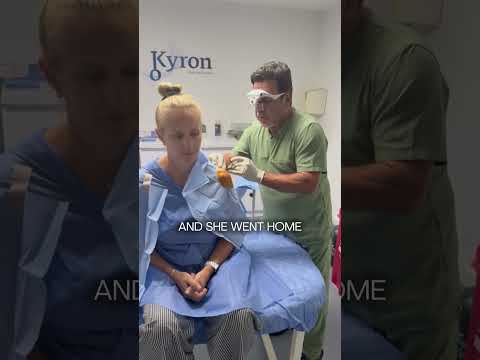
A typical stem cell therapy program in Colombia is structured to ensure maximum safety and efficacy. The procedure itself is typically straightforward and low-stress for the child. The therapeutic cells (MSCs) are usually administered via a standard intravenous infusion, allowing them to circulate throughout the body and cross the blood-brain barrier to initiate their regenerative medicine work.
The multi-day visit is essential for:
- Day 1: Initial consultations, physical exam, and final lab work.
- Day 2: Cell administration (IV infusion, potentially with targeted administration).
- Days 3-5: Post-treatment observation, monitoring for side effects, and complementary treatments (if part of the protocol).
This structured approach, provided by specialized centers like Alevy Colombia and Regencord, ensures a focused and supportive environment for the child and family.
Get a Free Consultation







.png)

.png)
.png)









Share this listing