


Robert Farah's Stem Cell Treatments Experience in Pereira, Colombia
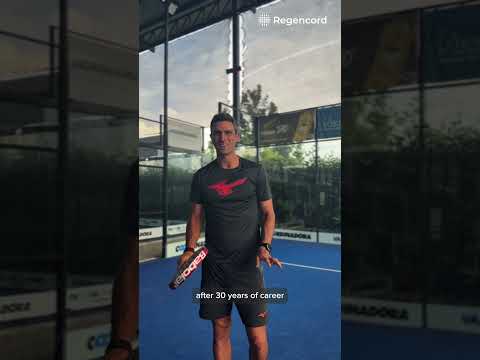
About this video: For elite competitors, dealing with chronic joint degeneration and physical wear-and-tear is often an unavoidable part of the game. Professional tennis player Robert Farah spent 30 years pushing his body to the absolute limit, resulting in severe wrist and shoulder injuries that threatened his mobility and daily comfort. Today, he is back to enjoying an active lifestyle on his own terms.
Through advanced Stem Cell Therapy for Sports Injuries in Pereira Colombia, athletes are finding new ways to heal their bodies without relying on aggressive surgeries. In this inspiring video, Robert shares how his personalized cellular therapy plan at Regencord allowed him to overcome career-related joint damage and reclaim his life. Watch to see how he navigates the water pain-free, proving that targeted cellular science can help you live a life without boundaries.
Video Chapters & Quick Navigation
The world of professional athletics requires high physical endurance, but years of repetitive micro-tears can eventually compromise joint structural health. Traditional orthopedics often relies on long-term pharmaceutical use or highly invasive joint interventions that come with long recovery times.
Fortunately, progressive doctors are utilizing advanced biologics to change how we approach performance injuries and soft-tissue tears. For many active individuals looking to preserve their lifestyle, choosing Non-Surgical Sports Injury Treatment in Colombia is the ultimate pathway to deep physical recovery and lasting metabolic support.
Overcoming Career Injuries and Chronic Joint Inflammation
When an athlete faces years of physical exertion, their connective tissues suffer from cumulative biological damage. This can lead to chronic tendonitis, ligament laxity, and severe osteoarthritis that severely restricts everyday movement and overall happiness.
The realization that surgery isn't the only option has driven a massive surge in medical travel. Patients are seeking out highly specialized clinics that offer comprehensive regenerative therapies designed to heal tissue damage from the inside out [00:00:00].
These advanced therapies offer a remarkable biological reset by directly calming persistent, localized immune responses. By supporting the body's natural healing mechanisms, sports medicine specialists help individuals avoid prolonged surgical rehabilitation and return to doing what they love faster.
Regencord: A Premier Destination for Cellular Recovery
Located in the beautiful coffee-growing region, Regencord has established itself as an elite center for advanced orthopedics and functional recovery. The facility utilizes state-of-the-art laboratory standards to ensure that every patient receives highly concentrated, pristine biologics for their healing journey.
The medical team is comprised of board-certified specialists who thoroughly review each patient's imaging and diagnostic history before formulating a treatment plan. This strict clinical approach ensures that the highest safety and effectiveness standards are maintained during every procedure [00:00:06].
Beyond its clinical excellence, the center is celebrated for its highly compassionate, patient-first approach. By combining leading medical protocols with a welcoming, stress-free setting, they provide an outstanding healing experience that supports rapid, whole-body recovery.
The Science of Stem Cell Therapy for Athletic Recovery
Stem cell applications work by utilizing the body's innate cellular intelligence to stimulate structural repair in damaged areas. When highly concentrated mesenchymal cells are introduced to a site of injury, they release essential healing proteins and call upon local cells to assist in rebuilding tissue.
This biological action is especially useful for complex joint and tendon issues. For professional sports professionals looking to repair cartilage, choosing Stem Cell Therapy for Sports Injuries in Pereira Colombia represents a major breakthrough in long-term joint health.
Rather than simply masking pain with anti-inflammatory medication, this advanced therapy works at a fundamental, cellular level. It helps rebuild compromised cartilage, strengthens weak ligaments, and restores the natural mechanical stability of the treated joint.
Targeted Biologics for Complex Wrist and Shoulder Tears
For tennis players and overhead athletes, the wrists and shoulders are highly vulnerable to repetitive stress injuries. Over time, constant impact can lead to partial rotator cuff tears, labrum fraying, and chronic wrist instability that standard treatments struggle to resolve.
At Regencord, physicians utilize targeted ultrasound and fluoroscopic guidance to inject therapeutic cells precisely into the damaged tissue. This precise delivery ensures that the healing factors are concentrated exactly where they are needed to maximize cartilage and tendon repair [00:00:08].
This advanced therapeutic approach has transformed orthopedics, allowing patients to achieve profound pain reduction and functional improvement. By reinforcing weakened joint structures, athletes can successfully protect their physical longevity and maintain their active lifestyle.
Colombia's Sports Medicine Advantage: Leading with Innovation
Colombia has rapidly emerged as a top global destination for advanced healthcare, specifically in the fields of orthopedics and cellular biology. The country's top clinics adhere to strict regulatory guidelines, ensuring that patients receive world-class care that matches international standards.
By opting for Stem Cell Treatment for Athletes in Colombia, international travelers can access elite medical expertise that may be unavailable or cost-prohibitive in their home countries. This combination of clinical innovation and rigorous safety standards makes it an incredibly valuable health decision.
Additionally, the warm hospitality of the local medical teams ensures that your stay is comfortable and entirely stress-free. The dedicated patient coordinators handle every aspect of your journey, creating a supportive environment that is perfectly calibrated for deep, restorative healing.
State-of-the-Art Labs and Board-Certified Specialists
The cornerstone of any successful regenerative medical plan is the quality of the laboratory processing. Regencord utilizes advanced equipment and strict quality control measures to prepare highly concentrated, viable cellular applications for every patient.
The procedures are performed by board-certified physicians who possess extensive experience in treating complex athletic injuries. This high level of specialization ensures that your treatment is administered with the utmost precision, drastically reducing risks and maximizing therapeutic benefits [00:00:10].
From comprehensive pre-treatment imaging to personalized follow-up guidelines, the clinical team leaves nothing to chance. This unwavering commitment to safety and excellence is what sets the region's top clinics apart as leading international destinations for sports medicine.
Athlete Robert Farah's Success Story: Active Without Pain
Robert Farah’s experience shows what is possible when advanced regenerative medicine is applied with precision. After dealing with severe wrist and shoulder injuries that hindered his ability to move freely, he sought a non-surgical solution that would help him stay active [00:00:13].
Following his customized treatment plan at Regencord, Robert experienced a profound turnaround in his mobility and daily comfort levels. Hearing him share his excitement as he explains that he can move freely again emphasizes the deep, life-changing impact of advanced cellular therapy [00:00:17].
His story serves as an inspiring example for anyone struggling with chronic pain or career-limiting joint injuries. By choosing targeted cellular recovery, you can successfully overcome physical limitations and look forward to a vibrant, active future [00:00:20].
Staying Active with Purpose and Proper Athletic Technique
Reclaiming physical freedom allows you to approach your favorite activities with a renewed sense of purpose and joy. Robert now spends his time out on the water, showing that physical recovery is about more than just pain management—it's about staying active and enjoying life without limitations [00:00:22].
He shares some helpful athletic advice, emphasizing that success in active sports requires proper physical preparation and body positioning. He advises that getting yourself ready ahead of time and keeping your lower body moving are critical keys to maintaining your balance [00:00:24].
These principles apply directly to joint longevity. By combining advanced medical treatments with proper alignment, technique, and core physical strength, you can successfully protect your joints and continue to perform at your absolute best for years to come [00:00:27].
Cost-Effective Joint Care and High-Value Sports Medicine
One of the primary advantages of seeking specialized care abroad is the incredible financial accessibility. Advanced regenerative therapies and complex cellular protocols in North America and Europe often come with very high, cost-prohibitive prices.
In Pereira, Colombia, patients can access identical premium treatment plans—performed by exceptionally skilled specialists—at a substantial fraction of the cost. This favorable economic landscape allows you to invest in comprehensive health packages without compromising on safety or clinical quality.
The overall cost savings extend well beyond the medical procedures. The affordability of luxury accommodations, nutritious local cuisine, and personalized care in Colombia ensures that your entire recovery journey offers unmatched value.
Ethical Pricing and All-Inclusive Healing Packages
Leading clinics like Regencord prioritize complete financial transparency, ensuring that patients receive detailed, upfront pricing with no hidden administrative fees. Your treatment package is explicitly outlined before travel, detailing the specific cellular counts, imaging, and post-care consultations included in your plan.
This patient-first approach makes making important medical decisions simple and stress-free. Knowing exactly what to expect financially allows you to focus all of your mental and physical energy on achieving a complete, successful recovery.
| Treatment Plan | Primary Joint Focus | Expected Recovery Benefits |
|---|---|---|
| Joint Regenerative Medicine | Knee Osteoarthritis, Rotator Cuff Tears, Wrist Pain | Dramatically reduced joint pain, decreased localized inflammation, and improved physical mobility. |
| Targeted Tendon Recovery | Tennis Elbow, Achilles Tendonitis, Muscle Tears | Accelerates natural soft-tissue repair, strengthens weakened ligaments, and restores mechanical flexibility. |
| Athletic Rejuvenation Drips | Systemic Fatigue, Cellular Detoxing, NAD+ Support | Combats whole-body oxidative stress, restores metabolic energy levels, and enhances daily mental clarity. |
Top Clinical Treatments in Alternative Sports Wellness
The complete range of treatment protocols at Regencord encompasses several highly specialized, non-surgical options. These customized programs are carefully tailored to meet the exact biological and physical needs of every international patient.
By leveraging advanced diagnostic imaging, biomarkers, and comprehensive health reviews, specialized clinical teams pinpoint the precise combinations of regenerative therapies that will yield the greatest impact. Choosing Regenerative Medicine for Sports Injuries in Pereira Colombia ensures you receive a personalized, world-class recovery plan.
- Targeted Cellular Injections: Utilizing pure, highly viable cells to treat chronic joint deterioration, repair damaged tendons, and quiet persistent systemic inflammation.
- Guided Platelet-Rich Plasma (PRP): High-density growth factor treatments designed to quickly trigger tissue repair in partial ligament and muscle tears.
- Longevity and Metabolic Support: Advanced intravenous therapies designed to restore cellular energy output, boost cardiovascular health, and repair cellular damage.
- Comprehensive Athletic Rehab: Tailored recovery guidelines designed to support your regenerative treatments, ensuring you regain mechanical strength and flexibility safely.
Planning Your Medical Journey to Pereira, Colombia
Organizing a cross-border medical trip is a straightforward, completely seamless process when partnering with experienced coordinators. The journey begins with a comprehensive digital consultation where your complete medical records and therapeutic goals are carefully reviewed by the medical staff.
Once cleared for treatment, you receive a detailed, all-inclusive itinerary outlining your clinical visits, travel arrangements, and personalized recovery timeline. This dedicated, ongoing support ensures complete peace of mind, leaving you free to focus entirely on physical renewal and looking forward to your treatment [00:00:29].
This seamless standard of patient support ensures your relationship with the clinic continues long after your procedures are completed, helping you maintain your health and vital lifestyle for the long term.
Enjoying a Restorative Vacation in Colombia's Coffee Region
Because advanced regenerative and cellular treatments are minimally invasive and require no surgery, your recovery time is practically non-existent. This major benefit allows you to step outside of the clinic and enjoy the beautiful natural landscapes and culture of Pereira [00:00:33].
True physical recovery requires both biological support and deep mental relaxation to naturally reduce systemic stress and lower cortisol levels. Healing in a peaceful, tropical destination provides the ultimate background for whole-body rejuvenation, helping you return home feeling completely restored and ready to enjoy active living [00:00:35].
Ready to Reclaim Your Active Life Pain-Free?
PlacidWay Medical Tourism connects you with top-rated pecialists for Stem Cell Treatment for Athletes in Colombia like Regencord in Pereira, offering world-class alternative therapies at exceptional prices. Let us handle your travel logistics and scheduling while you focus 100% of your energy on your joint recovery and a healthier lifestyle.
GET A FREE QUOTEView Full Video Transcript
[00:00:00] After everything I went through, being able to enjoy this again is truly priceless.
[00:00:06] Yes, this is also part of my life.
[00:00:08] Many people knew me from tennis, but now you'll also find me out on the water.
[00:00:10] What I value most today is that I can move without pain.
[00:00:13] After 30 years of my career and dealing with wrist and shoulder injuries,
[00:00:17] after my stem cell treatment with Regencord,
[00:00:20] I can move freely again. It feels amazing.
[00:00:22] Now that's what it's all about—staying active, without pressure, but with purpose.
[00:00:24] Here are a few tips.
[00:00:27] When the wave is coming, get yourself ready ahead of time.
[00:00:29] Second, don't stay stiff—keep your legs moving as the wave approaches.
[00:00:33] Third, it's not all about power; positioning and technique matter just as much.
[00:00:35] See you out on the water!



-Diagnosis-and-Integrated-Management-Package-in-Beijing,-China-by-AMCare.jpg)












Share this listing