


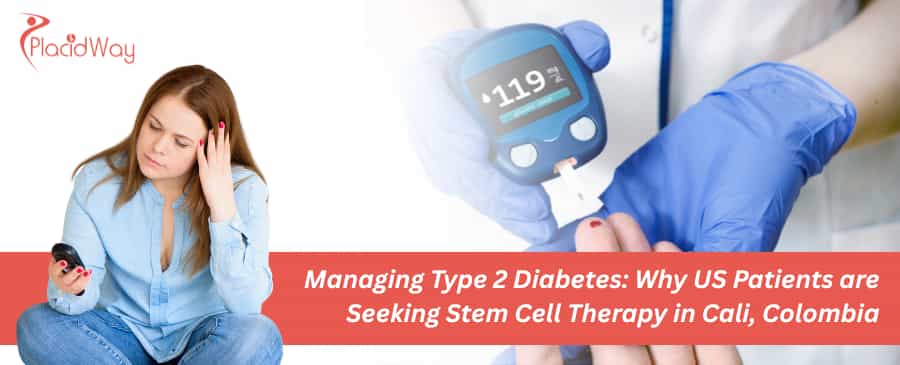
Over the past decade, international healthcare has evolved to offer alternative approaches for chronic disease management. For patients seeking new avenues to control their blood sugar, stem cell therapy in Colombia has emerged as a promising option. This regenerative approach generally utilizes mesenchymal stem cells to help address systemic inflammation. Many individuals are now exploring these cellular treatments to support their ongoing metabolic health journey.
The foundation of this treatment relies on the unique properties of specialized cells that are typically derived from ethically sourced tissue. When administered by qualified medical professionals, these therapies aim to modulate the immune system and potentially support pancreatic function. Patients generally look toward international destinations because these advanced protocols are often more accessible and highly regulated in specific global hubs. Through medical tourism in Colombia, individuals can combine professional healthcare with comprehensive metabolic evaluations.
Colombia is recognized globally as one of the fastest-growing medical tourism hubs in Latin America, largely due to its advanced healthcare infrastructure and highly trained specialists.
- Regenerative therapies aim to address the root causes of metabolic inflammation.
- Treatments generally focus on enhancing the body's natural cellular repair mechanisms.
- Therapeutic protocols usually involve personalized assessments prior to cell administration.
- International clinics adhere to specific biological safety guidelines.
The Science Behind Regenerative Medicine for Diabetes
The scientific community continues to explore how cellular medicine can impact chronic metabolic disorders. In the context of managing Type 2 diabetes abroad, researchers are investigating the role of mesenchymal stem cells (MSCs) in regulating insulin resistance. These cells are thought to possess immunomodulatory properties, which typically help in reducing the systemic inflammation associated with high blood sugar levels. Most patients experience a highly structured medical protocol designed to maximize these biological benefits safely.
During the clinical process, these specialized cells are introduced into the patient's body, usually via intravenous infusion. The cells naturally gravitate toward areas of tissue damage, a process commonly referred to as "homing." While results generally vary from person to person, the underlying goal is to support existing pancreatic cells and improve overall cellular sensitivity to insulin. Stem cell treatments in Colombia utilize advanced laboratory techniques to ensure the cells maintain high viability before administration.
According to industry reports, a significant percentage of patients seeking cellular treatments internationally report notable improvements in their general wellness and energy levels post-therapy.
- MSCs typically secrete growth factors that support tissue regeneration.
- The therapy aims to reduce the chronic inflammation that worsens diabetes.
- Cell viability is strictly monitored to maintain therapeutic potential.
- Current protocols generally build upon decades of stem cell research.
Why US Patients Choose Medical Tourism in Cali Colombia
Thousands of North American citizens travel abroad annually to access modern healthcare solutions that may be cost-prohibitive at home. Cali has steadily built a reputation as a premier destination for specialized medical care, particularly for chronic condition management. The city combines modern clinical infrastructure with highly experienced medical professionals who are frequently trained in the United States or Europe. The overall experience of receiving diabetes treatment in Colombia is designed to be comprehensive and patient-focused.
The appeal of this destination goes beyond the medical facilities themselves. Patients generally appreciate the warm climate, welcoming culture, and the dedicated bilingual support teams provided by major healthcare centers. Seeking affordable medical care abroad allows patients to access innovative protocols without the extensive waiting periods often found in domestic healthcare systems. For those managing complex health conditions, this streamlined and attentive approach to care is highly valued.
Cali is home to some of Latin America's top-ranked healthcare institutions, featuring state-of-the-art laboratory facilities built specifically for regenerative medicine.
- Medical professionals in Cali are frequently active in international medical societies.
- Healthcare facilities generally employ dedicated patient coordinators for foreigners.
- The geographic proximity makes travel from the US relatively short and convenient.
- Medical standards typically align with strict global healthcare certifications.
Affordable Stem Cell Therapy Cost for Diabetes in Colombia
One of the primary driving factors for cross-border healthcare is the substantial difference in procedural pricing. The cost of stem cell treatment in Colombia is often significantly lower than what a patient would expect to pay out-of-pocket in the United States. This price difference is generally due to the lower cost of living and reduced administrative overhead, rather than any compromise in medical quality. Patients can typically expect transparent pricing structures that bundle various aspects of the clinical protocol.
When evaluating international options, it is important to look at comprehensive care packages rather than just the isolated procedure price. A typical medical tourism package in Colombia usually covers initial medical consultations, laboratory tests, the cellular therapy itself, and short-term post-procedure follow-ups. Financial transparency is a hallmark of reputable international clinics, ensuring patients understand their investment upfront. Below is a comparative overview of expected financial ranges.
Always ask for a detailed, itemized quote before traveling. This generally helps you understand what medical evaluations and follow-up care are included in the final cost.
| Procedure/Treatment Component | Average Cost Range in Colombia | Estimated Cost in the USA |
|---|---|---|
| Initial Comprehensive Medical Evaluation | $150 - $300 | $500 - $1,500 |
| Stem Cell Therapy for Diabetes (Single Protocol) | $4,500 - $8,500 | $15,000 - $35,000+ |
| Comprehensive Metabolic Blood Panel | $100 - $250 | $400 - $1,000 |
| Post-Treatment Medical Consultations | $50 - $150 (Per Visit) | $200 - $600 (Per Visit) |
Comprehensive Stem Cell Treatments in Cali Colombia
The medical programs offered to international travelers are generally structured as holistic care experiences. Rather than focusing solely on the cellular injection, regenerative clinics in Colombia often integrate nutritional counseling, metabolic assessments, and lifestyle education into the treatment protocol. This multidisciplinary approach is highly beneficial for individuals managing a complex condition like Type 2 diabetes. The goal is to create a supportive environment where patients feel fully informed about their health status.
During the primary treatment phase, medical teams typically utilize targeted intravenous infusions to distribute the stem cells systemically. The protocols are usually customized based on the patient’s current glucose levels, age, and existing complications. Accessing advanced diabetes therapies abroad means patients often benefit from personalized attention that might be difficult to secure in high-volume domestic healthcare settings. Consistent medical monitoring is maintained throughout the entire clinical process.
Patient Case Summary: Robert's Experience
Robert, a 58-year-old from Texas, struggled with managing his glucose levels despite rigorous medication regimens. Seeking alternative options, he traveled for cellular therapy. He generally reported a smooth medical process and noted improvements in his daily energy and overall wellness within a few months post-treatment.
- Treatments are typically tailored to the individual's metabolic profile.
- The process generally includes extensive pre-treatment education.
- Protocols often focus on long-term systemic health improvements.
- Clinics usually provide English-speaking medical interpreters.
The Medical Evaluation Process for International Patients
Before any cellular material is administered, patients must undergo a rigorous screening process to ensure their safety. This evaluation generally begins while the patient is still in the United States, utilizing telemedicine consultations to review previous medical records. By evaluating blood work and health history remotely, the international medical specialists can determine if the individual is a suitable candidate. This preliminary step typically saves time and ensures a clear clinical pathway upon arrival.
Once the patient arrives at the destination facility, an in-person physical examination and secondary diagnostic testing are conducted. These final checks are crucial for updating the patient's baseline metrics just prior to treatment. Ensuring patient safety through comprehensive testing is a hallmark of reputable medical tourism destinations. The medical staff typically spends significant time discussing the expected timeline and answering any remaining questions the patient may have.
Patient Case Summary: Linda's Journey
Linda spent weeks reviewing her medical history with her international care team via video calls before booking her flight. She found the thoroughness of the preliminary evaluation reassuring. Upon arrival, her physical assessment matched her expectations, making her feel highly secure in her medical decisions.
- Initial remote consultation to review primary medical history.
- Submission and analysis of recent comprehensive blood panels.
- In-person clinical diagnostic testing upon arrival at the facility.
- Final consultation to finalize the personalized treatment protocol.
Safety and Quality Standards of Stem Cell Clinics in Colombia
Patient safety is the primary concern for any medical procedure, and international facilities place a heavy emphasis on quality assurance. Recognized stem cell clinics in Colombia generally adhere to strict biosafety regulations established by national health ministries and international healthcare bodies. The laboratories where cellular material is processed usually feature advanced clean-room technology to prevent any contamination. These rigorous protocols help ensure that the treatments are delivered safely and effectively.
Furthermore, medical professionals administering these therapies are usually highly credentialed, often holding specialized degrees in regenerative medicine or endocrinology. The equipment used for diagnosis and treatment typically matches or exceeds the standards found in North American hospitals. By maintaining high clinical standards, top healthcare facilities in Colombia provide peace of mind to patients who are traveling far from home for medical care. Routine audits are generally performed to maintain these certifications.
The processing of stem cells generally occurs in specialized ISO-certified laboratories that strictly control air quality and sterility, minimizing any potential biological risks.
- Stringent donor screening protocols are usually in place for ethically sourced cells.
- Laboratories generally follow Good Manufacturing Practice (GMP) guidelines.
- Continuous medical education is typically required for clinical staff.
- Facilities frequently undergo voluntary third-party quality inspections.
Typical Patient Experience and Recovery Timeline
The patient experience is generally designed to be as minimally invasive and comfortable as possible. On the day of the procedure, patients typically spend a few hours in a specialized treatment room where the infusion takes place under constant observation. The actual administration of the cells is usually painless, with most patients resting, reading, or watching television during the process. Accessing regenerative therapies for diabetes generally does not require a prolonged hospital stay.
Following the infusion, the recovery process is typically swift, allowing most individuals to resume light, normal activities within a day or two. However, the cellular integration process is gradual and continues to work within the body over several months. Patients are generally advised to maintain a calm schedule immediately following the treatment to allow their bodies to rest. Pursuing medical treatments abroad usually includes detailed post-discharge instructions to guide patients through their initial recovery phase.
Patient Case Summary: David's Recovery
David traveled from Florida for his therapy and was surprised by the simplicity of the infusion process. He was able to walk out of the clinic the same afternoon and experienced only mild fatigue. Over the following six months, he generally noticed a more stable trend in his daily health metrics.
- The infusion procedure generally lasts between one to three hours.
- Immediate recovery is typically focused on hydration and rest.
- Strenuous physical activity should usually be avoided for the first week.
- Biological changes generally manifest gradually over a period of three to six months.
Long-Term Management and Follow-Up Care Post-Treatment
Stem cell therapy is not typically viewed as an isolated cure, but rather a powerful component of a comprehensive management strategy. Once the patient returns home, maintaining a healthy lifestyle, including proper diet and routine exercise, remains critical for sustaining any potential benefits. Managing Type 2 diabetes effectively requires ongoing commitment, and patients must continue to work closely with their primary care physicians. Regular monitoring of blood glucose levels is still generally necessary.
International clinics usually offer robust remote follow-up programs to monitor a patient's progress over time. These telehealth check-ins generally occur at designated intervals, such as one, three, and six months post-procedure. This commitment to continuous care demonstrates the value of choosing a reliable medical tourism provider. Patients are strongly encouraged to share their progress reports and bloodwork with both their domestic and international medical teams.
Establish a clear line of communication between your home endocrinologist and your international medical team. Collaborative healthcare generally yields the safest and most effective long-term management.
- Dietary adjustments are usually recommended to support cellular health.
- Routine blood tests help track metabolic improvements over time.
- Telemedicine facilitates easy communication with international specialists.
- Existing medications should generally be maintained unless adjusted by a doctor.
Eligibility Criteria for Diabetes Stem Cell Therapy
Not every individual is an ideal candidate for regenerative cellular treatments. The determination of eligibility typically hinges on a variety of health factors, including the severity of the diabetes, overall cardiovascular health, and the presence of severe secondary complications. Specialized medical evaluations are designed to identify patients who are most likely to respond positively to the therapy. Clinicians generally review the patient's entire medical background before approving travel.
Typically, individuals with active systemic infections, certain types of advanced cancer, or severe organ failure are generally excluded from these specific protocols. The goal is to maximize the safety and potential efficacy of the regenerative treatments in Colombia. Honest communication regarding past surgeries, current medications, and lifestyle habits is essential during the initial consultation. This strict vetting process generally protects the patient and ensures highly ethical medical practices.
The most successful candidates for cellular therapies are typically those who actively pair the medical treatment with sustained, positive lifestyle and nutritional modifications.
- Candidates generally must have documented medical history of their condition.
- Recent comprehensive blood panels are usually a strict requirement.
- Patients with active malignancies are typically contraindicated for treatment.
- A commitment to long-term post-care monitoring is generally expected.
Assessing the Potential Risks and Medical Disclosures
As with any medical intervention, understanding the potential risks is a crucial part of the decision-making process. While the use of mesenchymal stem cells is generally considered safe with a low risk of rejection, some patients may experience mild side effects. These typically include minor fatigue, slight fever, or mild discomfort at the site of the intravenous line. When seeking medical care abroad, comprehensive risk disclosure is a standard ethical practice.
It is important to reiterate that results are never guaranteed, and the therapeutic impact generally varies based on individual biological responses. Patients must possess realistic expectations regarding how stem cell therapy for diabetes might influence their condition. Reputable medical providers will openly discuss these variables during the consultation phase, ensuring the patient is providing fully informed consent before proceeding. Understanding the limitations of current medical science is vital.
Stem cell therapy is generally an adjunctive treatment and should not replace standard medical care or prescribed medications without direct supervision from a qualified healthcare provider.
- Mild flu-like symptoms may typically occur for a short duration post-treatment.
- Individual responses to cellular integration generally vary widely.
- The therapy is not typically classified as a definitive cure.
- Full medical disclosure from the patient is generally required to mitigate risks.
Preparing for Your Medical Travel to Cali Colombia
Proper planning is essential to ensure a stress-free international healthcare experience. Patients should begin by ensuring all travel documents, such as a valid passport, are up to date well in advance of their scheduled appointment. Most citizens from the United States typically enter the country easily without requiring a complex medical visa for short visits. Organizing your health tourism itinerary early generally helps eliminate last-minute complications.
Additionally, organizing your medical records into a single, easily accessible file is highly recommended. It is generally helpful to travel with a companion who can provide personal support and assistance during the immediate recovery phase. By adequately preparing for your medical journey to Colombia, you can focus entirely on your health and recovery upon arrival. Healthcare coordinators usually assist with creating a structured clinical schedule prior to your departure.
Patient Case Summary: Susan's Preparation
Susan decided to pursue treatment and meticulously compiled her health records from the past five years. She worked closely with her patient coordinator to understand the timeline. Because she prepared thoroughly, her medical team generally had all the necessary context to optimize her therapy.
- Ensure your passport is generally valid for at least six months post-travel.
- Carry digital and physical copies of all pertinent medical records.
- Inform your primary care physician about your upcoming medical travel.
- Pack comfortable clothing to ensure ease during the clinic visits.
How PlacidWay Assists Your Stem Cell Medical Tourism Journey in Colombia
Navigating the global healthcare landscape can be complex without the right support system. PlacidWay serves as a dedicated resource to help patients connect with highly vetted, internationally recognized medical facilities. By focusing on quality and transparency, the platform generally empowers individuals to make well-informed healthcare decisions. Ensuring access to reliable international healthcare providers is a primary goal.
Our commitment is to facilitate a seamless communication channel between patients and world-class medical professionals. We understand the unique challenges of seeking treatments abroad and strive to provide resources that simplify the entire evaluation process. When exploring global medical options, having a trusted facilitator generally enhances patient confidence and safety.
- Provides access to an extensive network of internationally accredited medical centers.
- Facilitates direct communication with certified specialists for preliminary evaluations.
- Offers comprehensive information regarding medical center credentials and quality standards.
- Supplies resources to help patients compare procedure value and clinical approaches.
- Delivers continuous educational support to help you understand your medical options.
Frequently Asked Questions About Diabetes Treatment in Colombia
When considering traveling for advanced healthcare, patients naturally have many questions regarding safety, efficacy, and logistics. It is essential to have access to clear, concise information before making any medical decisions. Understanding the standard processes generally helps set realistic expectations for the journey. International patient resources are designed to clarify these common concerns.
The following section addresses some of the most common inquiries related to this specific medical pathway. These answers provide general guidance based on standard clinical practices found in reputable international facilities. For highly personalized medical advice, direct consultation with a clinical specialist is generally required. Exploring these FAQs is a great starting point for your medical travel research.
What typically happens during a stem cell therapy session for diabetes?
The procedure generally involves an intravenous infusion of mesenchymal stem cells under strict medical supervision. The process usually takes a few hours, and patients are monitored closely throughout the session.
How long does the recovery process take after cellular treatment?
Most patients experience a brief recovery period, often returning to normal light activities within a few days. However, the cellular integration process continues over several months, requiring ongoing medical follow-up.
Are the results of stem cell therapy for diabetes guaranteed?
No medical procedure can guarantee specific results, especially for chronic conditions like Type 2 diabetes. Individual responses generally vary based on overall health, disease progression, and adherence to lifestyle changes.
Why is the cost of stem cell treatment in Colombia lower than in the US?
The price difference is primarily due to the lower cost of living, reduced administrative healthcare overhead, and favorable exchange rates. The affordability does not typically compromise the quality of medical care provided.
Do I need a special medical visa to travel to Colombia for this therapy?
Citizens of the United States generally do not require a special medical visa for short stays in Colombia. A standard tourist entry is usually sufficient for the duration of the medical evaluation and treatment.
What type of stem cells are most commonly used for metabolic conditions?
Medical providers typically utilize mesenchymal stem cells (MSCs) derived from umbilical cord tissue or bone marrow. These cells are favored for their potential immune-modulating properties and generally low risk of rejection.
Is Cali, Colombia, a safe destination for international medical tourists?
Yes, thousands of international patients visit the city annually for specialized medical care. Reputable healthcare facilities are generally located in highly secure, developed areas tailored to the needs of foreign visitors.
Will I be able to stop taking my diabetes medication after treatment?
Patients should never alter their prescribed medication regimen without consulting their primary healthcare provider. While some individuals may experience improved glucose control, medication adjustments must generally be supervised by a physician.
How soon can I fly back to the US after my therapy session?
Doctors generally recommend staying in the destination for a few days post-treatment for observation and a final medical evaluation. Most patients are cleared to fly back home within three to five days.
How do I choose a reputable clinic for stem cell therapy in Colombia?
It is crucial to verify international certifications, review medical staff credentials, and ensure the facility follows strict biosafety protocols. Utilizing recognized platforms for medical travel generally helps ensure you connect with properly vetted institutions.
Ready to take the next step in managing your health? Discover personalized international care options tailored to your metabolic needs with PlacidWay.
References:
- National Institutes of Health (NIH). Mesenchymal Stem Cell Therapy in Type 2 Diabetes Mellitus. https://pmc.ncbi.nlm.nih.gov/articles/PMC5433043/
- World Health Organization (WHO). Diabetes. https://www.who.int/news-room/fact-sheets/detail/diabetes
- American Diabetes Association (ADA). Understanding Type 2 Diabetes. https://diabetes.org/about-diabetes/type-2
- Mayo Clinic. Stem cells: What they are and what they do. https://www.mayoclinic.org/tests-procedures/bone-marrow-transplant/in-depth/stem-cells/art-20048117


















Share this listing