
Tomas's Experience at Kyron: Autism Stem Cell Therapy in Cali, Colombia
Navigating a pediatric autism diagnosis often brings families on an emotional and uncertain journey, searching worldwide for innovative medical advancements that can genuinely enhance a child's quality of life. As modern regenerative medicine continues to evolve, experimental therapies offer new horizons of hope for parents seeking breakthroughs beyond conventional developmental therapies. Understanding the real-world experiences of families who take this courageous leap provides invaluable guidance for others facing similar neurological challenges.
In this detailed patient testimonial, we explore the inspiring journey of Tomás and his mother as they traveled to Cali, Colombia, seeking specialized regenerative care. Through advanced treatments administered at Stem Cells Kyron, the family experienced a transformative shift in daily development. This narrative highlights the triumphs of regenerative medical protocols, the realities of pursuing Stem Cell Therapy for Autism in Colombia, and the emotional resilience required to explore experimental medical frontiers.
Video Chapters & Quick Navigation
The Journey to Cali and Overcoming Initial Fears
Making the choice to pursue novel medical treatments abroad is rarely simple, particularly when dealing with experimental or emerging branches of science. Parents often grapple with profound apprehension, weighing the potential benefits against the inherent uncertainties of modern regenerative procedures.
As documented in the video testimony at [00:04], Tomás and his mother traveled to Cali, Colombia, in October of the previous year to undergo specialized cellular treatment. Reflecting on the initial phase, she admitted to feeling deeply scared because regenerative medicine still felt experimental, yet her determination for her son's future prevailed.
Finding Inner Strength and Embracing Opportunity
When faced with daunting medical choices, families frequently draw upon personal faith and inner resilience to take that crucial first step. Equipping oneself with knowledge and finding supportive clinical environments are vital steps in transforming fear into constructive action.
As shared at [00:23], she gathered her strength, trusted her faith, and embraced the opportunity to travel for her son's care. When families evaluate international medical destinations, pursuing comprehensive options such as Autism Treatment in Colombia opens up structured clinical pathways backed by dedicated medical professionals.
Core Considerations When Evaluating Cellular Interventions
- Thorough research into clinical credentials and laboratory safety standards.
- Transparent communication with medical coordinators regarding expected developmental milestones.
- Understanding cellular harvesting, processing, and administration protocols.
- Assessing post-treatment monitoring and continuous patient support systems.
- Mental and emotional preparation for realistic, incremental progress timelines.
Six-Month Progress and Post-Treatment Realities
Evaluating the efficacy of regenerative protocols requires patience, careful observation, and an understanding that biological recovery unfolds gradually over months rather than overnight.
As highlighted at [00:36], six months after the initial procedure, she noted clear behavioral shifts in Tomás. Emphasizing that cellular treatments are not magical instant cures, she recognized how deeply the therapy enhanced her son's daily functioning and overall comfort.
Speech, Communication, and Behavioral Enhancements
Progress in neurological and developmental care often manifests through subtle yet meaningful enhancements in communication, social engagement, and physical habits.
As detailed at [01:10], she observed noticeable improvements in Tomás's speech, communicative interactions, body language, attention span, and eating habits. Families exploring specialized options often investigate Stem Cell Treatment for Autism in Colombia to understand how structured regenerative packages support comprehensive developmental recovery.
Key Developmental Indicators Monitored Post-Therapy
- Enhanced verbal expression and vocabulary expansion during daily interactions.
- Improved eye contact and responsive non-verbal body language.
- Greater attention span and reduced sensory overwhelm in social settings.
- Healthier dietary habits and reduced gastrointestinal sensitivities.
- Increased overall adaptability to daily routines and environmental transitions.
Reflecting on Early Diagnosis and Measurable Growth
Daily caregiving can sometimes make incremental progress feel subtle, but reviewing historical medical records offers parents a powerful, objective perspective on how far their child has traveled.
As reflected upon at [01:26], reviewing Tomás's original diagnosis records from when he was two years old brought back emotional memories. Comparing past limitations with current capabilities filled her with profound gratitude for the progress achieved.
Benefits of Maintaining Structured Medical Documentation
- Providing baseline developmental metrics for international medical specialists.
- Enabling objective longitudinal comparison of behavioral and cognitive milestones.
- Assisting multidisciplinary therapy teams in refining ongoing care strategies.
- Offering emotional reassurance to parents during challenging developmental phases.
- Facilitating seamless communication across diverse medical and educational providers.
World Autism Awareness Month and Sharing Hope
Sharing personal testimonies during significant health awareness periods helps dismantle social stigma, educates communities, and empowers other families searching for therapeutic options.
Excellence in Regenerative Protocols and Patient Care
Delivering successful outcomes in regenerative medicine demands strict adherence to clinical standards, advanced laboratory processing facilities, and compassionate multidisciplinary support teams.
International medical hubs in Latin America have increasingly become destination centers for families seeking advanced cell-based interventions. By prioritizing patient safety, transparent clinical communication, and individualized treatment planning, these specialized facilities provide a supportive framework for international medical travelers navigating complex neurological conditions.
Encouragement and Guidance for Families Worldwide
As Tomás's story demonstrates, taking the initiative to explore advanced medical possibilities can lead to meaningful life improvements. By sharing personal experiences openly, families help build a supportive global community dedicated to neurological health, resilience, and enduring hope.
Looking for Specialized Regenerative Therapies and Medical Travel Support?
PlacidWay Medical Tourism helps patients connect with leading regenerative clinics and specialized programs for Autism Treatment in Colombia and worldwide. Let our expert team guide you toward exceptional medical solutions tailored to your unique healthcare needs.
GET A FREE QUOTE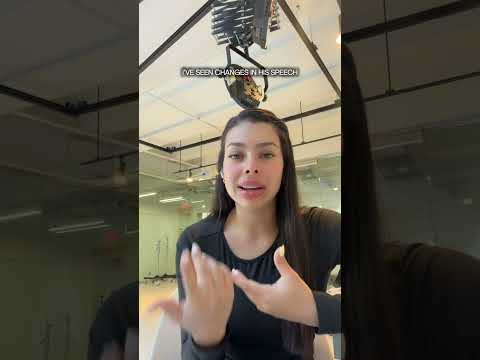






















Share this listing