
Contents
Choosing stem cell therapy abroad can feel a little like comparing apples, oranges, and a mysterious jar of cells. For patients traveling from the United States, Canada, the Caribbean, and nearby Latin American countries, Colombia may stand out because it offers several regenerative-medicine options at different price points. The important part is not simply finding the lowest quote; it is understanding exactly what is being offered. Published treatment packages in Colombia currently start at US$3,650 and extend to US$13,000, with an average of about US$8,325. Your own estimate can differ based on the condition being addressed, cell source, processing method, dose, treatment route, testing, and follow-up. Before comparing providers, verify that the clinic is registered in Colombia’s REPS health-provider registry and that the treating professional can be found in ReTHUS.
A package title can sound complete while leaving out the details that matter most. Compare what each option actually includes: medical consultation, diagnostic testing, cell source, processing information, administration route, medication, local transport, accommodation, and follow-up. Ask for the written clinical plan before paying a deposit, not after arriving. Use the package options below to see which proposal is clear about care not merely convenient about wording.

Price starting from $12,000
Stem Cell Treatment for Parkinson's Disease Package Colombia
Stem Cells Kyron Colombia
- Stem Cell Therapy
Cali, Colombia

Price starting from $8,500
Stem Cell Treatment for Neurological Diseases Package in Cali Colombia
Stem Cells Kyron Colombia
- Stem Cell Therapy
Cali, Colombia
Request an itemized estimate that separates medical fees from travel, hotel, companion costs, imaging, laboratory work, medications, and future follow-up. It should also explain whether the quote covers one visit or a staged protocol. Compare the costs below side by side, then choose the option with the clearest clinical and financial information.
Stem Cell Therapy Centers Cost Comparison in Colombia
| Provider | Procedure | Price |
|---|---|---|
| Stem Cells Kyron Colombia | Stem Cell Treatment for Multiple Sclerosis, Stem Cell Therapy | $8500 |
| Stem Cells Kyron Colombia | Cartilage Regeneration Stem Cell Therapy, Stem Cell Therapy | $5000 |
| Stem Cells Kyron Colombia | Stem Cell Treatment for Neurological Diseases, Stem Cell Therapy | $11000 |
Stem Cell Therapy Cost Comparison in Colombia
| Country | Procedure | Price |
|---|---|---|
| United States | Stem Cell Treatment for Autism, Stem Cell Therapy | $25000 |
| United States | Stem Cell Treatment for Multiple Sclerosis, Stem Cell Therapy | $25000 |
| United States | Stem Cell Treatment for Parkinsons Disease, Stem Cell Therapy | $25000 |
| United States | Stem Cell Therapy for Heart Disease, Stem Cell Therapy | $50000 |
A polished reception area is pleasant; verifiable records are more useful. Check the clinic’s legal name, location, and registered services through Colombia’s REPS registry. Ask who processes or supplies the cells, where that work occurs, who handles complications, and whether an independent specialist can review your records.
Colombia’s regulator, INVIMA, notes that advanced therapies involve a developing and specific regulatory framework. Compare the clinics below for transparent answers, documented consent, and a realistic follow-up plan.

Stem Cells Kyron Colombia
Cali, Colombia

Regencord - Stem Cell Therapies
Pereira, Colombia
Clinica de Artrosis Medellin - Stem Cell Therapy in Colombia
Medellin, Colombia
A video should answer more than “Did someone feel better?” Look for the treating clinician explaining the proposed cell source, route of administration, expected limits, possible adverse events, recovery needs, and alternatives. Patient stories can be meaningful, but they cannot predict your outcome or replace evidence for a specific condition.
Use the videos below as one part of your research. Give more weight to clear medical explanations than edited before-and-after style narratives.
Reviews are useful for practical details—communication, scheduling, airport support, billing clarity, and post-treatment contact. They cannot confirm that a stem cell protocol is safe or effective for your diagnosis. Be cautious with reviews that promise cures, rapid recovery, or the same result for everyone.
Read the reviews below with a practical question in mind: did the clinic explain the treatment clearly, disclose uncertainties, and remain available after the patient returned home?

How much does stem cell therapy cost in Colombia?
Published package prices for stem cell therapy cost in Colombia typically range from $3,650 to $13,000 USD, with average treatment protocols costing approximately $8,325 USD. Total expenses vary based on the treated condition, cell source, laboratory expansion, administration routes, initial diagnostic evaluations, and whether post-procedure observation is included.
Is stem cell therapy legal in Colombia?
The legal status of stem cell therapy in Colombia depends on the specific biological product, cellular processing methods, intended medical application, and facility compliance with national health regulations. Patients should avoid general assumptions about blanket legality and request protocol-specific regulatory documentation and institutional health permits directly from their provider.
Can stem cell therapy in Colombia cure arthritis, Parkinson's, autism, or chronic pain?
Reputable clinical providers do not promise cures for chronic conditions. Many regenerative medicine applications remain investigational, and individual patient responses vary. Therapeutic goals, potential risks, and clinical uncertainties should be evaluated with an independent physician before undergoing treatment.
How can I verify a stem cell clinic in Colombia?
Patients can verify a stem cell clinic in Colombia by checking its official registration in Colombia REPS national registry, known as the Registro Especial de Prestadores de Servicios de Salud. Additionally, request written documentation confirming legal licensing, clinical facility address, cell processing laboratory sources, safety protocols, and emergency escalation plans.
How do I verify a doctor offering stem cell therapy in Colombia?
Verify practicing clinicians using ReTHUS, Colombia official national health workforce registry. Patients should confirm the treating physician specialist board certifications, relevant clinical experience in cellular medicine, role in overseeing administration, and local hospital affiliations for managing potential post-procedure complications.
What questions should I ask before booking treatment?
Inquire about the exact cellular source, harvesting and laboratory expansion techniques, delivery method, clinical rationale for your specific diagnosis, published clinical evidence, potential adverse events, and follow-up care protocols if the intervention does not deliver expected improvements.
What are the possible risks of stem cell therapy?
Clinical risks depend on the cellular product and administration pathway. Potential complications include injection site inflammation, localized pain, infection, immune system rejection, tissue contamination, vascular thrombosis, or risks associated with delaying standard, evidence-based medical treatments.
How long should I stay in Colombia after treatment?
Recommended recovery stays depend on procedural complexity, overall health status, and cellular administration method. Patients are generally advised to remain near the facility for five to seven days to allow clinical teams to observe early healing and address immediate post-treatment reactions before traveling.
Will my insurance cover stem cell therapy in Colombia?
Standard domestic and international insurance policies typically classify experimental or elective cellular treatments as self-pay services. Foreign travelers should obtain an itemized financial quote directly from the center and clarify whether initial packages cover potential complication care, specialized testing, or extended stays.
Do I need a referral before traveling to Colombia?
While international clinics may not require formal physician referrals to schedule consultations, consulting your primary care provider or specialist before travel is strongly recommended. Sharing medical history ensures continuity of care and proper management upon returning home.
What is the Price of Stem Cell Therapy for Autism in Cali, Colombia?
The estimated price of stem cell therapy for autism in Cali, Colombia, typically ranges from $5,000 to $15,000 per session. Costs vary based on the type of cells used, treatment protocols, and specific medical needs of the patient. Finding accurate information regarding experimental medical treatments can be overwhelming for families. If you are researching stem cell therapy for autism in Colombia, it is crucial to balance the search for financial details with a rigorous understanding of the medical realities. Cali has emerged as a frequent destination for families seeking alternative options, blending modern healthcare facilities with more accessible pricing structures than those found in North America or Europe. However, autism spectrum disorder (ASD) is a complex, multifaceted neurodevelopmental condition. It is vital to note that stem cell therapy is not a cure for autism. Instead, it is being researched as a potential way to manage certain physiological symptoms often associated with ASD, such as systemic inflammation or immune system dysregulation. Before embarking on any medical journey, thoroughly reviewing the estimated costs, the experimental nature of the procedure, and the logistics of international travel is essential. Key Takeaways Estimated costs range from $5,000 to $15,000 per treatment session, depending on the specific protocol. Stem cell therapy for autism is currently considered highly experimental and is not a guaranteed or scientifically proven cure. Treatments often focus on the use of mesenchymal stem cells (MSCs) aimed at potentially reducing neuroinflammation. Cali offers modern private medical facilities that cater to international patients seeking alternative treatments. Consulting with your child's primary care physician and a pediatric neurologist is critical before traveling abroad for care. 1. What exactly does stem cell therapy for autism involve in Colombia? Stem cell therapy for autism typically involves the intravenous (IV) or intrathecal administration of mesenchymal stem cells, aimed at modulating the immune system and potentially reducing systemic inflammation. In many specialized clinics abroad, the protocol focuses heavily on the use of Mesenchymal Stem Cells (MSCs), often derived from donated, thoroughly screened human umbilical cord tissue. Researchers are currently exploring whether these cells have immunomodulatory properties that might help address the inflammatory markers frequently observed in some individuals diagnosed with autism spectrum disorder. The procedure is usually minimally invasive. After a comprehensive medical evaluation, the cells are administered to the patient, most commonly via a standard IV drip. The goal of this experimental approach is not to alter the brain's fundamental wiring, but rather to see if reducing bodily inflammation might lead to improvements in behavior, communication, or overall well-being. Because responses vary drastically by patient, careful monitoring is required. 2. Why are families considering Cali, Colombia, for this procedure? Families often look to Cali due to its growing reputation in the medical travel sector, offering advanced private healthcare facilities at a significantly lower cost than North American alternatives. Over the past decade, medical tourism in Colombia has expanded rapidly. Cities like Cali have developed robust private healthcare sectors that frequently welcome international patients. The appeal often lies in the combination of modern medical technology, favorable exchange rates, and the availability of treatments that might still be in the clinical trial phase elsewhere. Additionally, the geographical location of Colombia makes it relatively accessible for families traveling from the United States or Canada. Direct flights to major Colombian cities, combined with a climate that is generally pleasant year-round, make the logistics of traveling with a child somewhat more manageable. However, parents must always weigh these logistical conveniences against the medical realities of traveling for an unproven therapy. 3. What factors influence the stem cell therapy for autism cost in Colombia? The primary factors impacting costs include the quantity and source of the stem cells, the specific medical protocols used, facility fees, and any necessary pre-treatment diagnostic testing. When evaluating the stem cell therapy for autism cost in Colombia, you will notice a significant range (typically $5,000 to $15,000). This variance is not arbitrary; it reflects several core components of the medical service provided. Cost Factor Impact on Overall Price Cell Type and Quality Expanded, highly characterized umbilical cord MSCs generally cost more due to the rigorous laboratory processing required. Dosage The number of cells administered—often calculated based on the patient's body weight—directly influences the price. Medical Team Involvement of specialists, anesthesiologists (if mild sedation is required), and pediatricians adds to the fees. Additional Therapies Some clinics bundle complementary treatments, such as hyperbaric oxygen therapy or specialized nutrition plans, into the cost. 4. Is stem cell therapy a proven treatment or cure for autism? No. Stem cell therapy is entirely experimental when it comes to autism. It is not an FDA-approved treatment, nor is it considered a cure by mainstream pediatric or neurological organizations. This is arguably the most critical piece of information for parents to understand. Autism spectrum disorder is a condition involving brain development and connectivity. There is currently no scientifically proven "cure" for autism, and stem cell therapy must not be viewed as such. While some preliminary clinical trials are exploring safety and potential efficacy, the widespread scientific consensus is that more rigorous, large-scale studies are needed. Any facility or website claiming that this therapy is a guaranteed fix, completely safe, or capable of curing ASD is providing misleading information. The goal of this experimental intervention is often palliative—aiming to manage associated physical symptoms (like gut inflammation) in hopes that it may indirectly positively affect behavior. Results, if any occur at all, vary profoundly from patient to patient. 5. How do you evaluate a stem cell therapy for autism clinic in Colombia? Evaluating a clinic requires careful scrutiny of their medical credentials, laboratory standards, transparency regarding risks, and their willingness to coordinate with your home medical team. When searching for a stem cell therapy for autism clinic in Colombia, strict vetting is essential for patient safety. Because this field operates outside standard regulatory approvals in many parts of the world, the burden of research often falls heavily on the family. Laboratory standards: Inquire about where the stem cells are sourced and cultured. Look for facilities that adhere to international Good Manufacturing Practice (GMP) guidelines. Medical credentials: Ensure the administering physicians are fully licensed and hold verifiable qualifications in relevant fields. Ethical communication: A reputable clinic will be upfront about the experimental nature of the treatment, clearly explain all potential risks, and never pressure a family into proceeding. Comprehensive screening: Legitimate medical providers will require extensive medical records and may reject candidates if the procedure is deemed medically inappropriate. 6. What are the potential risks and complications? Like any medical procedure, stem cell therapy carries risks, including infection at the injection site, adverse immune reactions, and unknown long-term systemic effects. No medical procedure is risk-free. While mesenchymal stem cells are often considered to have low immunogenicity (meaning they are less likely to trigger a severe immune rejection), complications can still occur. Immediate risks include mild fever, fatigue, chills, or localized pain and infection at the site of the intravenous line. More severe, albeit rarer, complications could involve adverse immune responses or unexpected cellular behavior. Furthermore, because this therapy is relatively new in its application for neurodevelopmental conditions, the long-term effects of administering high doses of expanded stem cells into a pediatric patient are not yet fully documented in medical literature. A thorough discussion with an independent pediatric specialist regarding these risks is highly recommended. 7. What types of stem cells are most commonly utilized? The most frequently used cells in international protocols for autism are allogeneic Umbilical Cord-derived Mesenchymal Stem Cells (UC-MSCs). The distinction between different types of stem cells is incredibly important. Clinics treating autism rarely use embryonic stem cells due to ethical, safety, and tumor-forming concerns. They also usually avoid using the patient's own (autologous) stem cells derived from bone marrow or fat, as the extraction process is invasive, painful, and yields older cells. Instead, many facilities rely on umbilical cord tissue donated by healthy mothers following full-term, normal deliveries. These UC-MSCs are preferred because they are considered "younger" cells, are easier to harvest non-invasively, and possess strong immunomodulatory properties. Reputable laboratories rigorously test these donated tissues for a wide array of infectious diseases before expanding the cells for therapeutic use. 8. What does the typical recovery and follow-up process look like? Physical recovery from the IV infusion is generally swift, but families must plan for long-term observation and coordinate closely with their child's local healthcare providers once home. The actual administration of the cells is typically an outpatient procedure. Following the infusion, patients are monitored in the clinic for several hours to ensure there are no immediate adverse reactions, such as an allergic response. Patients are usually cleared to return to their hotel the same day and can typically fly home within a few days. However, the true follow-up process is long-term. Parents should maintain a detailed log of their child's health, behaviors, and any emerging symptoms upon returning home. It is imperative to have a local pediatrician fully briefed on the treatment received abroad so they can provide appropriate aftercare or address any delayed complications. Stem cell therapy does not replace the ongoing need for behavioral, speech, and occupational therapies. 9. How should families prepare for medical travel to Colombia? Preparation involves organizing comprehensive medical records, securing necessary travel documents, and creating a low-stress travel itinerary to accommodate a child with sensory sensitivities. Traveling internationally for medical care requires meticulous planning, especially when accompanying a child with autism who may struggle with disruptions to their routine. Begin by consolidating all medical records, genetic tests, and therapy evaluations, translating them into Spanish if requested by the receiving clinic. Additionally, focus on minimizing travel stress. Choose direct flights when possible, inform the airline in advance if special accommodations are needed, and select lodging in Cali that offers a quiet, predictable environment. Ensuring you have comprehensive travel insurance—keeping in mind that most policies will not cover complications arising from experimental elective treatments—is also a vital step in your preparation. Why Choose PlacidWay for Medical Tourism Research? Navigating the complex landscape of international healthcare can be daunting. PlacidWay serves as a global medical tourism platform designed to help patients access information about care options abroad. Here are a few factual points about utilizing PlacidWay for your research: Global Network: PlacidWay provides access to informational profiles of numerous medical centers and clinics across Latin America, including Colombia. Informational Resources: The platform offers detailed articles, cost estimates, and clinic profiles to assist patients in their preliminary research phase. Direct Communication: Users can request information directly from healthcare providers to ask specific medical or pricing questions. Comparative Tools: Patients can explore options in various cities and countries, allowing for side-by-side comparisons of estimated costs. Facilitated Connections: PlacidWay helps bridge the communication gap between international patients and foreign medical teams, aiding the initial consultation process. Frequently Asked Questions (FAQs) How many stem cell therapy sessions are typically required? The number of sessions varies depending on the specific protocol recommended by the medical team. Some patients undergo a single comprehensive treatment, while others may be advised to have multiple sessions spaced over several months. This is highly individualized. Can stem cell therapy replace standard autism therapies? No. Stem cell therapy is considered an experimental, complementary approach. It should never replace standard, evidence-based interventions such as behavioral therapy, speech therapy, occupational therapy, or prescribed medications. Is a visa required for medical travel to Colombia? Citizens from many countries, including the United States, Canada, and the European Union, can enter Colombia for short-term medical treatments or tourism without a visa for up to 90 days. However, always verify current entry requirements with your local embassy before traveling. How long do families need to stay in Cali for treatment? Most medical teams recommend staying in Cali for 5 to 10 days. This allows time for initial consultations, the administration of the therapy, and a few days of immediate postoperative observation before flying home. Does health insurance cover this treatment in Colombia? Because stem cell therapy for autism is widely classified as experimental and not FDA-approved for this condition, standard health insurance policies typically do not cover the procedure, whether performed domestically or internationally. Families should expect to pay out-of-pocket. Are English translators available at medical facilities in Cali? Many facilities that cater to international patients provide English-speaking staff or dedicated translators to ensure clear communication between the medical team, the parents, and the child. What is the ideal age for a child to receive this experimental therapy? There is no universally established ideal age, as eligibility depends on a thorough medical evaluation of the individual child. Some researchers focus on early intervention, but any decision must be guided by a qualified medical professional assessing the child's unique health profile. Can parents donate their own stem cells for their child's treatment? Most international protocols for autism utilize allogeneic mesenchymal stem cells derived from thoroughly screened, donated umbilical cord tissue, rather than extracting adult stem cells from parents. This approach avoids invasive harvesting procedures for the family. Are there specific medical conditions that prevent eligibility? Yes. Active infections, severe immune deficiencies, certain genetic disorders, and a history of specific cancers may contraindicate stem cell therapy. A comprehensive review of the patient's medical history is required to determine if they can safely undergo the procedure. How soon might parents notice changes if the therapy is effective? Because this is an experimental therapy, outcomes vary widely. Some families report observing changes in inflammation-related symptoms within a few weeks to months, while others may not see any clinical changes. There is no guaranteed timeline or outcome. Explore Your Medical Options Gathering accurate information is the most important step. Connect with healthcare facilities globally to compare treatment options, request cost estimates, and learn more about the procedures. Request Treatment Information References FDA Warns About Stem Cell Therapies - U.S. Food and Drug Administration (FDA) Treatment and Intervention Services for Autism Spectrum Disorder - Centers for Disease Control and Prevention (CDC) Patient Resources regarding unproven stem cell interventions - International Society for Stem Cell Research (ISSCR) Clinical Trials on Stem Cells and Autism - National Institutes of Health (NIH) ClinicalTrials.gov Health Care Quality and Medical Tourism - World Health Organization (WHO) Autism Spectrum Disorder Information Page - National Institute of Neurological Disorders and Stroke (NINDS) Medical Disclaimer: The information provided in this article is for educational and informational purposes only and does not constitute medical advice, diagnosis, or treatment recommendations. Stem cell therapy for autism spectrum disorder is an experimental procedure and is not approved by regulatory bodies such as the FDA for this condition. Outcomes, risks, and suitability vary significantly by patient. Always consult with a qualified pediatric neurologist, primary care physician, or appropriate healthcare professional before pursuing any experimental medical treatments, whether locally or abroad.
How Much Does Stem Cell Therapy for Multiple Sclerosis Cost in Colombia?
For individuals living with Multiple Sclerosis (MS), the search for effective treatments can be a long and challenging journey. Stem cell therapy for Multiple Sclerosis in Colombia has emerged as a promising option, offering hope for slowing disease progression and improving quality of life. This innovative treatment utilizes the body's own regenerative capabilities to potentially repair nerve damage and reduce inflammation associated with MS. As a result, Colombia has become a significant destination for medical tourists seeking high-quality, affordable stem cell therapy. This guide will answer the most pressing questions you have about undergoing this life-changing treatment in Colombia. What is Stem Cell Therapy for Multiple Sclerosis? "Stem cell therapy for Multiple Sclerosis is a medical procedure that uses stem cells to help repair damaged tissues, modulate the immune system, and reduce inflammation in the central nervous system, thereby potentially slowing the progression of the disease and alleviating symptoms." Multiple Sclerosis is an autoimmune disease where the body's immune system mistakenly attacks the protective sheath (myelin) that covers nerve fibers. This damage disrupts communication between the brain and the rest of the body, leading to a wide range of symptoms. Stem cell therapy for MS aims to counteract this process. The stem cells, particularly mesenchymal stem cells (MSCs), have unique properties. They can differentiate into various cell types, including those that form myelin, and they release anti-inflammatory and immunomodulatory factors that can help calm the overactive immune response characteristic of MS. The goal of this therapy is not to provide a cure but to manage the disease more effectively. By introducing a high concentration of stem cells into the body, doctors hope to create an environment that promotes healing and reduces the frequency and severity of relapses. This can lead to significant improvements in mobility, cognitive function, and overall well-being for many patients. How Does Stem Cell Therapy for MS Work in Colombia? "In Colombia, stem cell therapy for MS typically involves the administration of mesenchymal stem cells (MSCs), often derived from umbilical cord tissue, bone marrow, or adipose tissue. These cells are introduced into the body, usually through intravenous (IV) infusion or intrathecal (spinal) injection, to target inflammation and promote neural repair." The process begins with a thorough evaluation of the patient's medical history and current condition. This includes reviewing MRIs, blood tests, and neurological assessments to determine if they are a suitable candidate. Once approved for treatment, the stem cells are prepared. If allogeneic cells (from a donor, often umbilical cords) are used, they are carefully screened and processed in a lab to ensure their safety and potency. If autologous cells (from the patient's own body) are used, they are first harvested from sources like bone marrow or fat tissue. The administration of the stem cells is a minimally invasive procedure. IV infusions allow the cells to travel throughout the body, where they can exert their anti-inflammatory and immunomodulatory effects system-wide. Intrathecal injections deliver the cells directly into the cerebrospinal fluid, allowing for more targeted action within the central nervous system. The choice of administration method depends on the patient's specific needs and the clinic's protocol. What is the Cost of Stem Cell Therapy for Multiple Sclerosis in Colombia? "The cost of stem cell therapy for Multiple Sclerosis in Colombia typically ranges from $5,000 to $15,000 USD. This is significantly more affordable than in countries like the United States, where similar treatments can cost upwards of $27,000." The exact cost can vary depending on several factors, including the clinic, the type and number of stem cells used, the number of treatment sessions required, and the complexity of the patient's condition. The price generally includes the initial consultation, the stem cell procurement and processing, the administration of the therapy, and some follow-up care. It's important to note that this cost usually does not include travel, accommodation, or other personal expenses. However, even with these additional costs, the total expense for undergoing stem cell therapy in Colombia is often a fraction of what it would be in North America or Europe, making it an attractive option for many international patients. What are the Best Clinics for MS Stem Cell Therapy in Colombia? "Colombia has several reputable clinics offering stem cell therapy for Multiple Sclerosis, with facilities in cities like Bogotá, Medellín, and Pereira. These clinics are known for their experienced medical teams, modern facilities, and adherence to international standards." When choosing a clinic, it's crucial to do thorough research. Look for clinics that are transparent about their treatment protocols, have a team of qualified specialists in neurology and regenerative medicine, and can provide patient testimonials or case studies. Some of the well-regarded clinics in Colombia have international accreditations and collaborations, which can be a good indicator of their quality and safety standards. Reading reviews and connecting with past patients can also provide valuable insights into the patient experience at different facilities. A good clinic will be responsive to your inquiries and provide clear and comprehensive information about their procedures and what you can expect. Is Stem Cell Therapy in Colombia Safe and Regulated? "Yes, stem cell therapy in Colombia is generally considered safe when performed at reputable clinics that adhere to national and international regulations. The Colombian National Food and Drug Surveillance Institute (INVIMA) is the regulatory body that oversees the use of stem cell therapies." INVIMA sets guidelines for the procurement, processing, and application of stem cells to ensure patient safety and the quality of the treatment. Reputable clinics in Colombia operate under these regulations and often hold additional international certifications. They use sterile laboratory environments to process the cells and have strict protocols to minimize the risk of infection or other complications. However, as with any medical procedure, there are potential risks. These can include infection at the injection site, an allergic reaction to the infused cells (though rare with MSCs), or the therapy being ineffective. It's essential to discuss these risks with your doctor before proceeding with treatment. Choosing an accredited and experienced clinic significantly minimizes these risks. What Types of Stem Cells are Used for MS Treatment in Colombia? "The most common type of stem cells used for MS treatment in Colombia are mesenchymal stem cells (MSCs). These are multipotent adult stem cells that can be sourced from umbilical cord tissue, bone marrow, or adipose (fat) tissue." MSCs are favored for treating autoimmune conditions like MS because of their powerful immunomodulatory and anti-inflammatory properties. They can help to regulate the immune system and reduce the inflammatory attacks on the nervous system. Additionally, they have the potential to support the repair of damaged tissues. Allogeneic MSCs, derived from donated umbilical cords, are frequently used. These cells are considered "immunoprivileged," meaning they are less likely to be rejected by the recipient's immune system, eliminating the need for HLA matching. This allows for the use of high-quality, potent cells from healthy donors. In some cases, autologous MSCs from the patient's own body may be used. What are the Success Rates of Stem Cell Therapy for MS in Colombia? "While there is no standardized 'success rate' for stem cell therapy for MS, many patients who undergo treatment in Colombia report significant improvements in their symptoms and a slower progression of the disease. Some studies and clinic data show positive outcomes in a high percentage of patients." Success is often measured by a reduction in the frequency and severity of relapses, improvements in mobility and neurological function as measured by scales like the Expanded Disability Status Scale (EDSS), and an overall enhancement in quality of life. Many patients experience increased energy levels, reduced fatigue, better bladder control, and improved cognitive function. It is crucial to have realistic expectations. Stem cell therapy is not a cure for MS, and the results can vary from person to person. The effectiveness of the treatment can be influenced by the type and stage of MS, the patient's overall health, and their adherence to post-treatment care recommendations. What is the Process for International Patients? "The process for international patients seeking stem cell therapy for MS in Colombia is designed to be as smooth as possible. It typically begins with a remote consultation, followed by travel and treatment in Colombia, and concludes with a follow-up care plan." The initial step is to contact a clinic and provide your medical records for review. This allows the medical team to assess your case and determine if you are a good candidate for the therapy. This is usually done through email or video calls. Once you are approved for treatment, you will need to make travel arrangements to Colombia. Many clinics offer assistance with this, including recommendations for accommodation and local transportation. The treatment itself usually takes place over a period of a few days to a week. After the procedure, you will receive post-treatment instructions and a plan for follow-up communication with the medical team to monitor your progress. What are the Potential Benefits of This Treatment? "The potential benefits of stem cell therapy for Multiple Sclerosis include a reduction in the frequency of relapses, slowing of disease progression, improvement in motor and cognitive functions, and an overall enhanced quality of life." Many patients experience a range of positive outcomes, which can be life-changing. These benefits can be categorized as follows: Immunomodulation: The stem cells can help to regulate the overactive immune response, reducing the attacks on the myelin sheath. Anti-inflammatory Effects: The cells release powerful anti-inflammatory molecules that can reduce inflammation in the brain and spinal cord. Neuroprotection and Repair: There is evidence to suggest that stem cells can protect existing nerve cells from further damage and may even promote the regeneration of myelin. Symptom Improvement: Patients often report a reduction in fatigue, improved balance and coordination, better bladder and bowel control, and clearer thinking. What are the Risks and Side Effects? "The risks and side effects associated with stem cell therapy for MS in Colombia are generally minimal, especially when performed in a reputable clinic. The most common side effects are temporary and may include fatigue, headache, or low-grade fever after the infusion." As with any medical procedure, there is a small risk of infection at the injection site. Allergic reactions are rare, particularly with the use of MSCs. There is also the possibility that the treatment may not be effective for every individual. More serious complications are very rare when the therapy is conducted under strict safety protocols. It's essential to have a detailed discussion with your doctor about all potential risks and side effects before making a decision. Choosing a clinic with a strong safety record is the best way to mitigate these risks. How Long Does it Take to See Results? "The timeline for seeing results from stem cell therapy for MS can vary. Some patients may notice improvements within a few weeks, while for others, it may take several months to see the full benefits of the treatment." The regenerative process initiated by the stem cells takes time. The initial effects are often related to the anti-inflammatory properties of the cells, which can lead to a quicker reduction in some symptoms. The more long-term benefits related to tissue repair and immune modulation will develop over the following months. Patience is key. It is important to follow the post-treatment care plan provided by the clinic and to maintain open communication with your medical team about your progress. They can provide guidance and support as you navigate your recovery and healing journey. Are There Alternative Treatments for MS in Colombia? "Yes, in addition to stem cell therapy, a range of conventional and alternative treatments for Multiple Sclerosis are available in Colombia. These include various disease-modifying therapies (DMTs), physical therapy, and other supportive care options." Colombia has a well-developed healthcare system, and patients have access to most of the same MS medications that are available in North America and Europe. These DMTs are the standard of care for managing MS and work by suppressing the immune system to reduce the frequency and severity of relapses. Many patients choose to combine stem cell therapy with other treatments to achieve the best possible outcome. A comprehensive approach that includes medication, physical and occupational therapy, a healthy diet, and lifestyle modifications can be very effective in managing the symptoms of MS and improving overall quality of life. Ready to explore your options for stem cell therapy for Multiple Sclerosis? PlacidWay can connect you with leading clinics and specialists in Colombia and around the world. Explore our network of trusted healthcare providers and take the next step towards a better quality of life.
How Much Does Stem Cell Therapy Cost for Osteoarthritis in Colombia?
Osteoarthritis is a painful, degenerative condition that affects millions of people worldwide. As traditional treatments often provide only temporary relief, many are now exploring alternative options, with stem cell therapy emerging as a promising solution. For those seeking advanced, yet affordable, care, Colombia has become a leading destination for medical tourism, particularly for regenerative medicine. The cost of stem cell therapy is a major factor for most patients, and Colombia offers a significant price advantage compared to the United States and other Western countries. This guide will provide a detailed breakdown of the costs and other key considerations for anyone considering stem cell therapy for osteoarthritis in Colombia. How much does stem cell therapy for osteoarthritis cost in Colombia? "The cost of stem cell therapy for osteoarthritis in Colombia generally ranges from $7,000 to $15,000 USD. This price range is considerably lower than in many other countries, like the United States, where the same procedure can cost upwards of $20,000 to $50,000." The final price of stem cell therapy in Colombia depends on several factors. The type of cells used, whether they are autologous (from the patient's own body) or allogeneic (from a donor), can influence the cost. Additionally, the number of injections, the specific joints being treated, and any supplementary treatments like physical therapy or hyperbaric oxygen sessions will affect the total price. Patients are advised to get a detailed quote from their chosen clinic, as some packages may include initial consultations, follow-up appointments, and even accommodation. Why is stem cell therapy for osteoarthritis more affordable in Colombia? "Stem cell therapy for osteoarthritis is more affordable in Colombia primarily due to lower operational costs, including reduced labor, facility, and medical supply expenses, while maintaining high standards of care." The lower cost of living and a favorable exchange rate contribute significantly to the affordability of medical treatments in Colombia. Clinics do not have to contend with the high overheads seen in countries like the United States, allowing them to offer the same advanced procedures at a fraction of the price. This affordability does not come at the expense of quality. Many Colombian clinics are equipped with state-of-the-art technology and employ highly trained medical professionals who are specialists in regenerative medicine. The combination of cost savings and high-quality care makes Colombia an attractive destination for regenerative medicine treatments. What factors influence the total cost of the treatment? "The total cost of stem cell therapy is influenced by the type of stem cells used (autologous vs. allogeneic), the number of treatments or injections required, the specific clinic's reputation, and any included services such as post-treatment care or accommodation." The source of the stem cells is a key determinant of price. Autologous stem cell therapy, which uses cells harvested from the patient's own bone marrow or fat tissue, may be less expensive initially as it avoids the costs associated with donor procurement. However, the regenerative potential of these cells can be limited by the patient's age and health. Allogeneic stem cell therapy, which uses donor cells typically sourced from umbilical cord tissue, often involves more extensive processing and testing, which can increase the cost. The number of cells administered and the number of injections needed for a comprehensive treatment plan will also impact the final price. Are there different types of stem cells used for osteoarthritis, and how do they affect the cost? "Yes, the primary types of stem cells used for osteoarthritis are autologous (from the patient) and allogeneic (from a donor). Autologous treatments, such as those using bone marrow or adipose-derived stem cells, may have a different cost structure than allogeneic treatments, which often utilize umbilical cord-derived stem cells." Autologous Stem Cells: These are harvested from the patient's own body. The most common sources are bone marrow and fat tissue (adipose tissue). The procedure involves a minor surgery to collect the cells, which are then processed and re-injected. The cost is tied to the harvesting procedure and the lab work. A key benefit is that there is no risk of immune rejection. Allogeneic Stem Cells: These are derived from a donor, typically from umbilical cord tissue donated after a healthy birth. These cells are considered "immunoprivileged," meaning they are less likely to be rejected by the recipient's body. They are also younger and have a higher regenerative capacity. The cost for these treatments can be higher due to the strict screening, processing, and expansion of the cells in a laboratory setting. Does the number of injections change the price? "Yes, the number of injections significantly impacts the price, as many clinics offer packages that include a specific number of doses, with additional injections costing more." A patient with a single affected joint may require fewer injections than a patient with osteoarthritis in both knees and hips. The treatment plan is highly personalized, and the number of injections is determined by the severity of the condition and the number of joints being treated. Some clinics offer packages for a single injection, while others provide multi-session plans that can be more cost-effective in the long run. It is important to discuss the full treatment protocol with the clinic to understand the total financial commitment. What is typically included in a stem cell therapy package in Colombia? "A typical stem cell therapy package in Colombia may include the initial consultation, physical examinations, the stem cell injection procedure itself, post-treatment care and follow-up, and sometimes, additional therapies like physical therapy or hyperbaric oxygen sessions." Many clinics that cater to international patients offer comprehensive packages to simplify the process. These packages often include services beyond the medical procedure. This might be a detailed diagnostic evaluation to confirm the patient's suitability for stem cell therapy, blood tests, and even airport transfers and hotel stays. These bundled services can make the overall experience more convenient and can offer better value than paying for each component separately. What are the payment options for stem cell therapy in Colombia? "Most osteoarthritis stem cell clinics in Colombia accept major payment methods, including credit cards and wire transfers. Some may require a deposit to secure the treatment date, with the final payment made upon arrival at the clinic." It's crucial to confirm the accepted payment methods and any deposit requirements directly with the clinic before traveling. Many clinics are flexible and have dedicated teams to help international patients manage the financial aspects of their treatment. This includes providing clear invoices and assisting with any necessary paperwork. Is stem cell therapy for osteoarthritis covered by insurance? "Currently, stem cell therapy for osteoarthritis is typically not covered by health insurance in the United States and many other countries, as it is still considered an experimental or unproven treatment by many insurance providers." Because of this, the treatment is generally an out-of-pocket expense for patients. The lack of insurance coverage is a primary reason why patients seek more affordable options abroad. While some clinics in Colombia may offer financing options, it's essential for patients to prepare to pay for the full cost themselves. It is always a good idea to contact your insurance provider to confirm their policy on regenerative medicine treatments before making any decisions. What is the typical recovery time after the procedure? "The recovery time after a stem cell therapy procedure for osteoarthritis is generally minimal, with most patients able to resume normal activities within a few days to a week, although full therapeutic effects may take several months to be noticeable." The procedure itself is minimally invasive and involves simple injections, avoiding the long recovery associated with traditional surgery. Patients may experience some mild soreness or discomfort at the injection site, but this typically subsides quickly. The stem cells begin their work of regeneration and repair over time, so patients should have realistic expectations and understand that significant improvement in pain and mobility may not be immediate. Many clinics recommend a series of follow-up visits to monitor progress and may suggest combining the therapy with physical therapy to maximize results. Are there any additional costs to consider besides the treatment price? "Yes, additional costs may include travel expenses, such as airfare and accommodation (if not included in a package), food, and local transportation. Patients should also budget for any post-treatment medications or follow-up consultations not covered in their package." When planning for medical travel to Colombia, it is important to consider all potential expenses. While the treatment itself is affordable, travel, lodging, and daily living costs can add up. Some clinics offer all-inclusive packages that simplify this, but if not, patients should factor in these costs. It is also wise to set aside a contingency fund for any unforeseen expenses, such as additional medical supplies or a longer-than-expected stay. Is Colombia a safe and reputable destination for medical tourism? "Yes, Colombia has a growing reputation as a safe and reputable destination for medical tourism, with many clinics meeting international standards of quality and care. The country has a well-developed healthcare system and highly trained medical professionals." The Colombian government, through its National Food and Drug Surveillance Institute (INVIMA), regulates medical procedures, including stem cell therapies, ensuring clinics adhere to safety and ethical guidelines. Many clinics specializing in regenerative medicine have built a strong reputation for their expertise, positive patient outcomes, and a commitment to patient safety. The combination of medical expertise, advanced technology, and a focus on patient care has made Colombia a trusted choice for those seeking stem cell treatment for osteoarthritis. How can I find a reputable clinic for stem cell therapy in Colombia? "To find a reputable clinic for stem cell therapy in Colombia, look for clinics with international accreditations, read patient testimonials and reviews, and directly consult with the medical team to discuss their experience and treatment protocols." Conducting thorough research is the most important step. Patients should look for clinics that are transparent about their procedures, the source of their stem cells, and their success rates. Many clinics offer virtual consultations, which is an excellent opportunity to ask detailed questions and assess the professionalism of the staff. Asking for patient testimonials or connecting with former patients can also provide valuable insights into the quality of care and the overall experience. What should I ask during a consultation with a clinic? "During a consultation for stem cell therapy for osteoarthritis, you should ask about the clinic's experience, the type of cells they use, the number of cells per treatment, the full cost breakdown, and the expected outcomes and recovery process." Asking the right questions will help you feel more confident about your choice and ensure you have a clear understanding of the entire process. Key questions include: What is the success rate of this treatment for my specific condition? Where are the stem cells sourced from, and what is the cell count per injection? What is the detailed cost breakdown, including all potential fees? What post-treatment care and follow-up are included? What are the potential risks and side effects? A reputable clinic will be open and willing to answer all your questions, providing you with all the information you need to make an informed decision. Consider exploring solutions with PlacidWay for more information on medical tourism, healthcare services, and finding the right clinic for your needs.
How Much Does Stem Cell Therapy for Parkinson's Disease Cost in Colombia?
The estimated stem cell therapy for Parkinson's disease cost in Colombia typically ranges from $10,000 to $18,000. Prices vary based on the cell type, number of treatments, and clinic location. This procedure remains investigational. For individuals exploring alternative or supplemental approaches to managing neurological conditions, stem cell therapy for Parkinson's disease in Colombia has become a notable option. Parkinson’s disease is a complex, progressive disorder that affects movement, and while standard medications can help manage symptoms, many patients look abroad for emerging therapies. It is crucial to understand that stem cell therapy for Parkinson's is currently considered investigational by global medical authorities. It is not a cure, and outcomes can vary significantly from person to person. Gathering accurate information about the procedures, potential risks, expected costs, and logistics is a vital first step for anyone considering this path. Key Takeaways Estimated treatment costs range from $10,000 to $18,000 USD, though final pricing depends on individual medical needs. The therapy is investigational and focuses on symptom management and potential neuroprotection, rather than curing the disease. Major cities like Bogotá and Medellín host modern facilities catering to international patients. Treatments often utilize Mesenchymal Stem Cells (MSCs) sourced from umbilical cord tissue or the patient's own fat/bone marrow. Patients must undergo thorough evaluation by a qualified neurologist before proceeding with any investigational treatment. What factors influence the cost of this treatment in Colombia? The final price is determined by the specific type of stem cells used, the total number of required doses, the method of administration, and the facility's location. When evaluating the estimated $10,000 to $18,000 range, patients should realize that this is not a one-size-fits-all package. The source of the stem cells plays a major role in pricing. Allogeneic cells (such as those derived from donated, screened umbilical cord tissue) require laboratory processing and expansion, which can affect the overall expense. Autologous cells (harvested from the patient) involve a minor surgical procedure, like liposuction or bone marrow aspiration, adding a different set of clinical fees. Additionally, the method of delivery impacts the price. Simple intravenous (IV) infusions are generally less intensive than intrathecal injections, where cells are introduced directly into the spinal canal by a specialist. The length of the prescribed treatment protocol—whether it takes three days or two weeks—will also shift the financial requirements. Is stem cell therapy a cure for Parkinson's disease? No, stem cell therapy is not a cure for Parkinson's disease. It is an investigational treatment aimed at potentially managing symptoms and slowing disease progression. Parkinson's disease occurs when nerve cells in the brain that produce dopamine begin to break down or die. Currently, there is no medical intervention globally recognized as a cure that can completely halt or reverse this process. Standard treatments rely on replacing dopamine to improve motor function. Stem cell interventions are currently being researched for their potential to provide neuroprotective effects or reduce neuroinflammation. While some patients report temporary improvements in stiffness, tremors, or overall quality of life following treatment, these outcomes are not guaranteed. The therapy is supplemental and should be viewed as an attempt to improve quality of life rather than a definitive solution. How does stem cell treatment for Parkinson's work? Providers typically use Mesenchymal Stem Cells (MSCs), which are administered into the body with the goal of reducing inflammation and secreting factors that may protect surviving neurons. The scientific rationale behind using MSCs for neurological conditions centers on their immunomodulatory properties. Instead of turning into new dopamine-producing neurons—a concept still largely confined to complex clinical trials—these cells are thought to act as support mechanisms. They release various growth factors and cytokines into the surrounding tissue. Intravenous (IV) Infusion: Cells are introduced into the bloodstream, where they circulate systemically. Intrathecal Injection: Cells are injected into the cerebrospinal fluid through the lower back, allowing them more direct access to the central nervous system. Supportive Therapies: Many clinics combine cell administration with physical therapy, nutritional support, or hyperbaric oxygen therapy to potentially enhance the body's response. Who might be a suitable candidate for this procedure? Suitability is determined through strict medical evaluation. Generally, candidates are those whose symptoms are no longer adequately managed by standard medications, though late-stage patients may not be eligible. Not everyone with Parkinson's disease will be advised to pursue stem cell therapy. A responsible provider will request comprehensive medical records, including recent neurology reports, MRI scans, and a detailed history of medications. They use this data to assess whether the potential benefits might outweigh the risks. Patients with severe comorbidities, active infections, a history of certain cancers, or advanced dementia are typically contraindicated for this type of intervention. A personal neurologist at home should always be consulted to review the proposed treatment plan and provide an objective opinion on whether travel and treatment are physically viable. Important Consideration Any medical decision involving investigational treatments should be made in close collaboration with your primary care team. Your home neurologist will be essential for ongoing care and monitoring once you return. What are the potential risks and side effects? Like any medical procedure, stem cell therapy carries risks, including infection, localized pain, fever, fatigue, and unpredictable immune responses. Safety is a primary concern with experimental treatments. The immediate risks often relate to the method of administration. For instance, an intrathecal injection can occasionally cause headaches, mild pain at the injection site, or in rare cases, spinal fluid leaks or infections. IV infusions may trigger temporary fever, chills, or fatigue as the body processes the new biological material. There are also longer-term considerations. Because the field is still evolving, the long-term effects of repeated stem cell infusions are not fully documented by mainstream medical organizations. Patients must be aware that while many facilities follow stringent sterilization and cell-screening protocols, complications can still arise, making careful provider selection vital. How long does a typical treatment trip to Colombia take? Patients should expect to stay in Colombia for an estimated 5 to 10 days, allowing enough time for initial consultations, the procedure itself, and post-treatment monitoring. Participating in medical tourism in Colombia involves more than just a hospital visit; it requires planning for travel and recovery. Upon arrival, the first day or two usually involves face-to-face consultations, blood work, and final assessments. The actual administration of stem cells might take place over one to three days, depending on whether it is a single dose or a multi-step protocol. Following the procedure, doctors typically request that patients remain locally for a few days. This buffer period is necessary to ensure the patient is stable, handle any minor side effects like fever or fatigue, and conduct a final medical clearance before the patient boards an international flight home. What type of stem cells are commonly used for neurodegenerative conditions? Umbilical cord-derived Mesenchymal Stem Cells (UC-MSCs) are frequently used because of their strong immunomodulatory properties and non-invasive collection process. While earlier years of stem cell research focused heavily on bone marrow, modern facilities often prefer UC-MSCs for neurological conditions. These cells are harvested from ethically donated umbilical cord tissue following healthy pregnancies. They are considered "immunoprivileged," meaning they are very unlikely to cause an allergic or rejection response in the recipient. Some clinics still offer autologous treatments (using the patient's own fat or bone marrow). However, because Parkinson's disease often affects older adults, there is a working theory among some researchers that an older patient's own stem cells may be less robust than those derived from youthful tissue. Discussing the source, screening process, and laboratory expansion methods with the provider is a critical step. What should patients expect during the recovery and follow-up phase? Recovery from the administration is generally quick, but any potential changes in Parkinson's symptoms may take months to manifest. Local follow-up care is essential. The immediate physical recovery from an IV infusion or a minor injection is usually brief, requiring rest and hydration. However, evaluating the actual effectiveness of the therapy is a long-term process. Patients should maintain reasonable expectations, understanding that positive changes—if they occur—are usually gradual. Once home, patients must continue their established Parkinson's medication routines unless specifically instructed otherwise by their home neurologist. It is vital to share the clinical notes from Colombia with local healthcare providers so they can monitor for late-onset complications and track disease progression accurately. Why are patients choosing Colombia for neurological therapies? Colombia has developed a strong medical infrastructure in major cities, offering specialized treatments at a lower estimated cost than North America, alongside modern facilities. As a destination for medical care, Colombia has invested heavily in modernizing its healthcare sector. Cities like Bogotá, Medellín, and Cali feature advanced clinics and hospitals, many of which cater directly to international patients. The geographic proximity to North America and the availability of direct flights make it relatively accessible for those dealing with mobility issues. Financially, favorable exchange rates and lower overhead costs for medical facilities allow for treatments to be offered at prices that are often significantly lower than comparable experimental trials or private therapies in the United States or Europe. However, cost should never be the sole determining factor when health and safety are involved. How do I choose a safe and reputable stem cell facility? Thoroughly research the clinic’s accreditations, ask about cell origin and laboratory standards, and ensure the medical team consists of specialized, qualified physicians. Selecting a stem cell therapy clinic in Colombia requires diligence. Patients should prioritize facilities that operate transparently. This means the clinic should willingly provide detailed information about where their stem cells are sourced, how they are screened for infectious diseases, and the specific laboratory conditions used for cell processing. Ask for the qualifications of the medical director and the attending neurologist. Inquire about the facility's emergency protocols and affiliations with major local hospitals. Request to speak with previous patients if possible, while understanding that anecdotal evidence does not guarantee your results. Avoid any clinic that guarantees a cure or pressures you into making a quick financial decision. Why Choose PlacidWay for Medical Tourism? Navigating international healthcare options can be complex, especially when considering investigational therapies. PlacidWay acts as a medical tourism resource to help patients gather information before making decisions. Extensive Network: Connects patients with a wide directory of international healthcare providers and specialized facilities. Information Access: Provides details on clinic accreditations, physician qualifications, and facility standards. Cost Transparency: Allows patients to compare estimated costs, package inclusions, and overall financial requirements across different regions. Multilingual Support: Offers platforms and resources to bridge communication gaps between international patients and overseas medical teams. Initial Facilitation: Helps individuals initiate direct contact with foreign clinics for consultations and preliminary medical reviews. Frequently Asked Questions Can I fly home immediately after receiving stem cell therapy? Most physicians recommend staying in the country for at least a few days to a week after the procedure to monitor for any immediate side effects and attend follow-up consultations. Are stem cell treatments in Colombia regulated? Yes, medical practices in Colombia are overseen by the Ministry of Health and INVIMA (the national regulatory agency). However, stem cell therapy specifically is often provided under specific clinical or alternative medical frameworks, so verifying the facility's credentials is required. Do Colombian clinics offer English-speaking medical staff? Many major hospitals and specialized facilities that cater to international patients in cities like Bogotá and Medellín employ bilingual doctors and support staff. Does insurance cover stem cell therapy abroad? Because stem cell therapy for Parkinson's disease is generally considered investigational, traditional health insurance plans typically do not cover the cost, whether performed domestically or abroad. Can stem cell therapy replace my current Parkinson's medication? No. Stem cell therapy is an adjunctive, investigational approach. Patients should never stop or alter their prescribed Parkinson's medications without direct supervision from their neurologist. What is the difference between autologous and allogeneic stem cells? Autologous stem cells are harvested from your own body (usually fat or bone marrow), while allogeneic cells come from a screened donor (such as umbilical cord tissue). Are there age limits for receiving stem cell treatment in Colombia? While there is no strict universal age limit, older adults or those with severe advanced disease may not be suitable candidates. Doctors evaluate eligibility on a case-by-case basis. How long might it take to notice any changes in symptoms? If a patient responds to the therapy, changes are typically gradual and may take several weeks to a few months to become noticeable. Results are never guaranteed and vary widely. Which Colombian cities are most popular for medical travel? Bogotá, Medellín, and Cali are the primary hubs for medical travelers due to their modern infrastructure, specialized providers, and international airports. Will I need to return to Colombia for additional sessions? Treatment protocols vary. Some programs involve a single intensive visit, while others suggest returning for booster treatments after six months to a year. This depends on your specific treatment plan. Compare Treatment Options Request educational materials, clinic profiles, and estimated costs to help you make informed decisions about your healthcare journey. Request Treatment Information References Stem Cells and Parkinson's – The Michael J. Fox Foundation Patient Guide to Stem Cell Treatments – International Society for Stem Cell Research (ISSCR) Stem Cells Research in PD – Parkinson's Foundation FDA Warning on Unapproved Stem Cell Therapies – U.S. Food and Drug Administration Clinical Trials for Parkinson's Disease and Stem Cells – National Institutes of Health (NIH) Medical Tourism and Health Equity – World Health Organization Medical Disclaimer: The information provided in this article is for educational and informational purposes only and does not constitute medical advice, diagnosis, or treatment planning. Stem cell therapy for Parkinson's disease is considered investigational and is not a recognized cure. Outcomes, risks, and suitability vary by individual. Always consult with a qualified, licensed neurologist or healthcare provider before altering your current treatment plan or pursuing experimental treatments abroad.
How to Travel for Stem Cell Therapy for Autism in Colombia?
Traveling for stem cell therapy for autism in Colombia requires verifying INVIMA-regulated clinics and planning logistics for sensory needs. Treatment typically involves experimental IV infusions of mesenchymal stem cells. Key Takeaways Stem cell therapy for Autism Spectrum Disorder (ASD) is an experimental procedure aimed at targeting neuroinflammation, not a recognized cure. Colombia features modern, highly developed medical districts in cities like Bogota, Medellin, and Cali. Traveling with an autistic child requires meticulous planning to minimize sensory overload during flights and clinic visits. Patients must prioritize clinics regulated by INVIMA that maintain strict bioethical and cellular screening standards. Post-treatment follow-up with your local pediatric care team and continued behavioral therapies remain essential. Navigating the complex landscape of international medical travel can feel overwhelming, especially when researching emerging treatments for a child with Autism Spectrum Disorder. Families exploring medical tourism in Colombia often seek specialized cellular therapies that are not widely available or approved as standard care in their home countries. Understanding the scientific premise, regulatory environment, and logistical requirements is vital before making any medical travel decisions. What is the scientific premise of stem cell therapy for autism? Stem cell therapy for autism is an experimental approach that primarily aims to reduce neuroinflammation and improve immune system regulation in the brain. Autism Spectrum Disorder is a complex neurodevelopmental condition. While the exact causes vary, researchers have observed that some individuals with ASD exhibit signs of immune system dysregulation and chronic inflammation in the central nervous system. Cellular therapy attempts to address these underlying physiological factors. Mesenchymal stem cells (MSCs) are often utilized due to their unique paracrine effects. Rather than turning into new brain cells, these cells release specific proteins, cytokines, and growth factors. These secretions may help modulate an overactive immune response and reduce inflammation. Some clinical trials have reported improvements in certain behavioral markers, such as social communication and repetitive behaviors, following treatment. However, medical consensus emphasizes that this intervention is highly experimental. Outcomes vary significantly from patient to patient. While some families report noticeable improvements, others observe minimal to no changes. A thorough evaluation by a qualified pediatric neurologist should precede any decision to pursue this avenue. Why do families consider medical tourism in Colombia for this procedure? Families often travel to Colombia due to the availability of specialized cellular biology clinics, lower treatment expenses, and geographic proximity to North America. Over the past decade, Colombia has developed a strong reputation in the global healthcare sector. Cities such as Bogota, Medellin, and Cali host advanced medical districts equipped with modern technology. The country has heavily invested in healthcare infrastructure, attracting international patients seeking various complex medical interventions. Accessibility plays a major role in this decision. Direct flights from major North American hubs make the journey relatively straightforward, which is particularly beneficial when traveling with children who may struggle with long, multi-layover itineraries. Additionally, the exchange rate often allows families to access private medical care, dedicated translation services, and comfortable accommodations at a lower price point compared to domestic options. Is stem cell therapy legally regulated in Colombia? Medical facilities and cellular therapies in Colombia are overseen by INVIMA, the national regulatory agency responsible for food and drug safety. INVIMA (Instituto Nacional de Vigilancia de Medicamentos y Alimentos) acts as the Colombian equivalent to the US FDA. Any facility processing or administering human cells must adhere to strict biosafety, handling, and ethical guidelines set forth by this regulatory body. When researching options, it is critical to verify that a clinic operates under INVIMA compliance. This ensures that the laboratory protocols for harvesting, multiplying, and screening the cells meet established safety standards. Reputable clinics will gladly provide documentation of their certifications and details regarding their internal bioethics committees. Be cautious of any facility that cannot produce verifiable regulatory credentials. Important Consideration: Even with INVIMA oversight ensuring laboratory safety, the application of stem cells for autism specifically remains experimental under Colombian medical guidelines, just as it does internationally. How much does stem cell therapy for autism cost in Colombia? The estimated stem cell therapy for autism cost in Colombia typically ranges from $5,000 to $15,000, depending on the cell dosage and the number of required sessions. Pricing for cellular therapies is highly individualized. The total expense depends on several medical factors, primarily the number of stem cells required (often calculated based on the child's weight) and the specific administration protocol. When budgeting for the trip, families should account for several variables beyond the base medical fee: Pre-treatment testing: Blood work, neurological evaluations, and metabolic panels. Treatment sessions: The cost of the cells, laboratory fees, and facility use. Travel expenses: Round-trip flights, travel insurance, and potential visa fees. Accommodations: Hotels or short-term apartment rentals for a 5-to-10-day stay. Local transportation: Private drivers or taxis between the accommodation and the clinic. What types of stem cells are most commonly used? Most clinics use allogeneic mesenchymal stem cells derived from donated human umbilical cord tissue due to their robust anti-inflammatory properties and ease of administration. In the past, autologous treatments (using a patient's own bone marrow or fat tissue) were common. However, for pediatric autism patients, harvesting bone marrow is invasive, painful, and requires general anesthesia. Consequently, modern protocols have largely shifted to using allogeneic (donor) cells. Umbilical cord-derived MSCs are considered immunoprivileged, meaning they lack certain surface markers that typically trigger immune rejection in a recipient. This allows children to receive donor cells without the need for matching or immunosuppressive drugs. The umbilical cords are sourced from healthy, full-term pregnancies where the mothers undergo rigorous infectious disease screening. Are there risks or potential side effects to consider? Potential risks include infection at the IV site, mild fever, fatigue, or adverse reactions to the intravenous infusion process itself. While umbilical cord MSC therapies are generally well-tolerated in clinical settings, no medical procedure is entirely risk-free. Common mild side effects reported within the first 24 to 48 hours include lethargy, a low-grade fever, or slight chills. These are typically managed with over-the-counter pediatric medications as directed by the clinical team. More severe risks, though rare, involve bacterial infections due to contaminated cell products or improper sterile technique during administration. This highlights the absolute necessity of selecting a facility with rigorous laboratory standards. Additionally, children with specific pre-existing medical conditions, active infections, or certain genetic profiles may not be suitable candidates for cellular therapy. How should families prepare an autistic child for medical travel? Preparing an autistic child involves bringing familiar comfort items, requesting sensory-friendly airport accommodations, and maintaining daily routines where possible. International travel disrupts routines, which can be highly distressing for individuals on the autism spectrum. Proactive planning can significantly reduce anxiety for both the child and the parents. Sensory management: Pack noise-canceling headphones, weighted blankets, and preferred sensory toys for the flight. Dietary needs: If your child is on a restrictive diet (such as gluten-free/casein-free), pack familiar, non-perishable snacks, as specific dietary items may be hard to find abroad. Airport assistance: Many international airports now offer hidden disability lanyards (like the Sunflower Lanyard) and expedited security processing for travelers who require extra time and space. Social stories: Create a visual schedule or social story detailing the airplane ride, the hotel, and the doctor's visit to help your child anticipate the upcoming events. How long do patients need to stay in Colombia for treatment? Patients generally need to stay in Colombia for five to ten days to allow time for initial consultations, the treatment protocol, and post-infusion monitoring. A typical medical itinerary cannot be rushed. Rushing the process increases stress and minimizes the medical team's ability to monitor the patient effectively. Upon arrival, families usually have a rest day. The following day involves an in-depth clinical consultation and pre-treatment blood tests. The actual infusion is often scheduled for the third or fourth day. Clinics strongly advise against flying immediately after the procedure. Remaining in the country for at least 48 hours post-treatment ensures that if the child develops a fever or an adverse reaction, the treating physician is immediately accessible. How to evaluate a stem cell therapy for autism clinic in Colombia? Choosing a reliable stem cell therapy for autism clinic in Colombia requires checking INVIMA certifications, provider credentials, and the source of their cell products. Patient safety relies on thorough vetting. Families should arrange video consultations with the prospective medical team before booking travel. Treat this consultation as an interview. Ask specific questions about the medical staff: Are there pediatric neurologists involved in patient selection and care? Request detailed information about the laboratory: Do they culture their own cells, and if so, how do they test for viability and sterility? A responsible clinic will be transparent about their protocols, clearly outline the lack of guaranteed outcomes, and refuse treatment if they believe the child is not a suitable candidate based on their medical history. What follow-up care is required after returning home? Returning patients must continue their standard behavioral therapies and schedule follow-up evaluations with their local pediatrician or neurologist. Stem cell therapy is not a standalone solution, nor does it replace established standard-of-care treatments for autism. Upon returning home, it is vital to maintain regular routines, including Applied Behavior Analysis (ABA), speech therapy, occupational therapy, and any prescribed medications. Inform your primary care pediatrician about the treatment received abroad so they can accurately monitor your child's developmental progress and physical health. Any delayed complications, though uncommon, require immediate assessment by local healthcare providers. Reputable international clinics will provide a comprehensive discharge summary outlining the exact cellular dosage and administration method to share with your home doctors. Why Choose PlacidWay for Medical Tourism in Colombia? Navigating international healthcare options requires reliable information. PlacidWay assists families exploring cross-border medical travel through a centralized platform. PlacidWay provides access to informational resources and profiles for international clinics operating in Colombia. The platform helps patients compare estimated treatment costs across different facilities and global regions. Users can review the types of available treatments, facility amenities, and provider backgrounds in one organized place. The service facilitates direct initial communication between patients and prospective international healthcare providers. PlacidWay offers extensive educational content regarding the logistics, considerations, and terminology associated with global medical travel. Frequently Asked Questions Are stem cell treatments for autism legally approved in Colombia? Cellular therapies in Colombia are overseen by INVIMA, the national regulatory agency. However, stem cell therapy for autism remains an experimental treatment and is not considered a standard cure or internationally approved primary therapy for the disorder. Do clinics in Bogota and Medellin have English-speaking staff? Many medical facilities catering to international patients in major Colombian cities employ bilingual doctors and provide dedicated translation services to ensure clear communication with English-speaking families. Is it safe to travel to Colombia for medical care? Major urban centers like Bogota, Medellin, and Cali have established medical districts with high safety standards. Families should follow standard international travel precautions, use reputable transfer services, and rely on guidance from their clinic regarding safe local transportation. Will my health insurance cover this treatment in Colombia? Health insurance providers typically do not cover stem cell therapy for autism because it is classified as experimental, nor do they usually cover out-of-network elective medical treatments performed abroad. How is the stem cell therapy physically administered to the child? Therapy is generally administered via intravenous (IV) infusion or, in some specific clinical protocols, intrathecal injection (into the spinal canal). The method depends on the clinic's protocol and the child's specific medical evaluation. Are there pediatric specialists present during the infusion? Reputable clinics treating children should have pediatric specialists, such as pediatric neurologists or pediatric anesthesiologists, on staff or available for consultation to ensure patient safety and proper dosing. Can my child fly home immediately after the procedure? Medical teams typically advise waiting 24 to 48 hours after an infusion before flying. This observation period allows the medical staff to monitor the child for any immediate adverse reactions, such as mild fever or fatigue. Do Colombian clinics use autologous or allogeneic stem cells? Most specialized clinics in Colombia utilize allogeneic (donor-derived) mesenchymal stem cells sourced from human umbilical cord tissue, as this avoids the invasive and painful process of bone marrow extraction from the child. What travel documentation is required for this trip? Travelers typically need a valid passport. While a standard tourist visa suffices for short visits for many nationalities (including US and Canadian citizens), carrying a medical invitation letter from the treating clinic can be helpful at customs. How do I manage my child's current prescription medications during travel? Keep all current medications in their original, labeled prescription bottles within your carry-on luggage. Bring a detailed letter from your home physician explaining the medical necessity of each medication to present at security or customs if asked. Compare Treatment Options Explore educational resources and connect with specialized medical providers to gather the information you need. Request Treatment Information Medical Disclaimer: The information provided in this article is for educational purposes only and does not constitute medical advice, diagnosis, or treatment planning. Stem cell therapy for Autism Spectrum Disorder is currently considered experimental and is not approved by the US FDA as a standard of care. Outcomes, risks, and suitability vary significantly by patient. Always consult with a qualified, board-certified pediatric healthcare professional before considering any medical treatments at home or abroad. References FDA Warns About Stem Cell Therapies – U.S. Food and Drug Administration Clinical Trials: Autism Spectrum Disorder and Stem Cells – ClinicalTrials.gov Travelers' Health: Colombia – Centers for Disease Control and Prevention (CDC) National Institute for Drug and Food Surveillance – INVIMA (Colombia) Statement on Stem Cell Therapy – Autism Science Foundation Patient Handbook on Stem Cell Therapies – International Society for Stem Cell Research (ISSCR)
Can Stem Cells Treat Rheumatoid Arthritis in Colombia?
Stem cell therapy in Colombia offers a promising option for individuals with rheumatoid arthritis, aiming to reduce inflammation, modulate the immune system, and potentially regenerate damaged joint tissues. This innovative treatment is increasingly sought after for its potential to improve quality of life. Living with rheumatoid arthritis (RA) can be a daily battle against pain, stiffness, and fatigue. This autoimmune condition, where the body's immune system mistakenly attacks its own joints, can significantly impact one's ability to perform everyday activities. While traditional treatments focus on managing symptoms and slowing disease progression, many individuals are now exploring alternative and regenerative approaches. One such cutting-edge treatment gaining attention is stem cell therapy. But can this innovative approach truly make a difference for those with RA? And why are so many people looking to Colombia for this treatment? This blog post will serve as your comprehensive guide to understanding stem cell therapy for rheumatoid arthritis in Colombia. We will delve into the science behind the treatment, explore the different types of stem cells used, and break down the entire process, from the initial consultation to post-treatment care. We'll also address the crucial questions you're likely asking: Is it safe? What does it cost? And what are the real chances of success? Colombia has emerged as a hub for high-quality, accessible regenerative medicine, and we'll explore why this South American country is becoming a top destination for medical tourists seeking relief from RA. Can Stem Cells Truly Help Rheumatoid Arthritis? Yes, stem cell therapy shows significant promise for treating rheumatoid arthritis. It primarily works by modulating the immune system to reduce its attack on the joints and by decreasing inflammation, which is the root cause of pain and damage in RA. The primary role of stem cells in treating rheumatoid arthritis is not necessarily to "cure" the disease in the traditional sense, but to fundamentally alter its course and impact on the body. Mesenchymal stem cells (MSCs), which are most commonly used for this therapy, have powerful immunomodulatory and anti-inflammatory properties. This means they can help to regulate the overactive immune response that characterizes RA. Instead of the immune system attacking the synovium (the lining of the joints), stem cells can help to calm this autoimmune attack. Furthermore, these stem cells release a variety of growth factors and signaling molecules that can help to reduce inflammation directly at the site of the affected joints. This reduction in inflammation can lead to a significant decrease in pain, swelling, and stiffness. While more research is ongoing, there is also evidence to suggest that stem cells may have a regenerative potential, possibly helping to repair some of the cartilage and tissue damage caused by chronic inflammation. Why is Colombia a Popular Destination for This Treatment? Colombia has become a leading destination for stem cell therapy due to a combination of highly skilled specialists, advanced medical facilities, progressive regulations, and significantly lower treatment costs compared to countries like the United States and Canada. Several factors have contributed to Colombia's rise as a premier destination for medical tourism, particularly for regenerative treatments like stem cell therapy. The country boasts a growing number of modern, internationally accredited clinics and hospitals staffed by highly trained and experienced medical professionals. Many of these doctors have received education and training in Europe and the United States, bringing a wealth of expertise to their practice in Colombia. The regulatory environment in Colombia, overseen by the National Food and Drug Surveillance Institute (INVIMA), is another key factor. While ensuring safety and quality, the regulations are often more progressive than in some other Western countries, allowing for certain types of stem cell applications and research that may not yet be widely available elsewhere. This has fostered an environment of innovation in the field of regenerative medicine. Finally, the cost-effectiveness of treatment in Colombia is a major draw for many patients who find the expense of similar therapies prohibitive in their home countries. What is the Cost of Stem Cell Therapy for Rheumatoid Arthritis in Colombia? The cost of stem cell therapy for rheumatoid arthritis in Colombia typically ranges from $5,000 to $15,000 USD. This is a fraction of the cost in the US, which can range from $25,000 to $50,000 or more for similar treatments. The significant price difference is a major reason why patients travel to Colombia for stem cell therapy. The overall cost can vary depending on several factors: The specific clinic and its location: Major cities like Bogotá and Medellín have numerous reputable clinics with competitive pricing. The type of stem cells used: Allogeneic stem cells (from a donor) may have different costs associated with them compared to autologous stem cells (from the patient's own body). The complexity of the patient's condition: The severity of the rheumatoid arthritis and the number of joints affected can influence the treatment protocol and, consequently, the cost. The number of treatment sessions required: Some patients may benefit from a single treatment, while others may require a series of infusions over time. It's important to have a detailed consultation with a clinic to get a precise quote that outlines what is included in the treatment package, such as medical evaluations, the procedure itself, and any follow-up care. What Types of Stem Cells Are Used for RA Treatment in Colombia? The most common types of stem cells used to treat rheumatoid arthritis in Colombia are mesenchymal stem cells (MSCs). These are typically sourced from umbilical cord tissue (allogeneic) or the patient's own adipose (fat) tissue or bone marrow (autologous). Each source of mesenchymal stem cells has its own set of advantages: Umbilical Cord-Derived MSCs (Allogeneic): These are young, vibrant, and highly potent stem cells collected from the Wharton's jelly of donated umbilical cords after a healthy birth. They are considered "immunoprivileged," meaning they have a very low risk of being rejected by the recipient's body. They are readily available and do not require a harvesting procedure from the patient. Adipose-Derived MSCs (Autologous): These stem cells are harvested from the patient's own fat tissue, typically through a mini-liposuction procedure. This is a rich source of MSCs, and because they are from the patient's own body, there is no risk of rejection. Bone Marrow-Derived MSCs (Autologous): This involves aspirating a small amount of bone marrow, usually from the hip bone, to extract the stem cells. This has been a traditional source for stem cells and is a well-established method. The choice of stem cell source will depend on the clinic's protocols and a thorough evaluation of the patient's individual health and medical history. What Does the Treatment Process Involve? The treatment process for stem cell therapy for RA in Colombia typically involves an initial consultation and evaluation, followed by the harvesting or preparation of the stem cells, and then their administration, usually through intravenous (IV) infusion and sometimes with additional local injections into affected joints. The journey to receiving stem cell therapy in Colombia is a structured and patient-centric process: Initial Consultation: This often begins remotely, with the patient sharing their medical records and history with the clinic's medical team. This helps to determine if the patient is a good candidate for the therapy. Pre-Treatment Evaluation: Upon arrival in Colombia, a comprehensive in-person consultation and physical examination will take place. This may include blood tests, imaging studies, and a detailed discussion of the treatment plan. Stem Cell Preparation: If autologous cells are being used, a harvesting procedure will be performed. If allogeneic cells are the choice, they will be carefully thawed and prepared in a sterile laboratory setting. Administration of Stem Cells: The stem cells are most commonly administered through a simple intravenous (IV) drip. This allows the cells to travel throughout the body and exert their immunomodulatory and anti-inflammatory effects systemically. In some cases, direct injections into particularly painful or damaged joints may also be performed. Post-Treatment Care and Follow-Up: After the procedure, patients are monitored for a short period before being discharged. Clinics typically provide a detailed post-treatment care plan and will follow up with the patient in the weeks and months following the therapy to monitor their progress. How Safe is Stem Cell Therapy for Rheumatoid Arthritis in Colombia? When performed at a reputable and certified clinic that adheres to strict safety protocols, stem cell therapy for rheumatoid arthritis in Colombia is generally considered safe. The use of mesenchymal stem cells, particularly autologous and umbilical cord-derived cells, has a low risk of adverse reactions. The safety of any medical procedure is paramount, and this is no different for stem cell therapy. Reputable clinics in Colombia operate under the guidelines of INVIMA, ensuring that the collection, processing, and administration of stem cells are performed to high standards. The use of MSCs is widely considered safe, with a low incidence of side effects. The most common side effects are mild and temporary, such as fatigue, headache, or a low-grade fever in the day or two following the infusion. The risk of rejection with allogeneic umbilical cord-derived MSCs is minimal due to their immunoprivileged nature. With autologous stem cells, the risk of rejection is non-existent as they are the patient's own cells. It is crucial to choose a clinic that is transparent about its safety procedures, has a team of experienced medical professionals, and can provide evidence of their adherence to regulatory standards. What Kind of Results Can I Realistically Expect? Patients undergoing stem cell therapy for rheumatoid arthritis may experience a reduction in joint pain and inflammation, improved mobility and energy levels, and a decrease in the frequency and severity of flare-ups. The full benefits of the therapy may take several weeks to months to become apparent. It is important to have realistic expectations about the outcomes of stem cell therapy for RA. This is not an overnight cure. The stem cells need time to exert their effects on the immune system and the inflammatory processes in the body. Many patients begin to notice gradual improvements in the weeks and months following their treatment. These improvements can include: Reduced pain and swelling in the joints Increased energy and reduced fatigue Improved range of motion and flexibility A decrease in morning stiffness A potential reduction in the need for traditional RA medications (this should only be done under the guidance of a physician) The longevity of the results can vary from person to person and may depend on factors such as the severity of the disease, the patient's overall health, and their lifestyle choices post-treatment. Some patients may experience sustained benefits for a year or longer, while others may consider follow-up treatments to maintain their improvements. Are There Any Clinical Trials on Stem Cell Therapy for RA in Colombia? While specific, large-scale clinical trials for rheumatoid arthritis using stem cells in Colombia may be limited in publicly available databases, the treatments offered by reputable clinics are often based on the broader body of international clinical research and evidence that supports the safety and potential efficacy of MSCs for autoimmune conditions. The field of regenerative medicine is continually evolving, with new research and clinical trials being conducted worldwide. While information on specific, ongoing clinical trials for rheumatoid arthritis in Colombia might not always be readily accessible in international public databases, the established clinics in the country base their treatment protocols on the existing and growing body of scientific evidence from global studies. These studies have largely demonstrated the safety and potential therapeutic benefits of using mesenchymal stem cells for a variety of autoimmune and inflammatory conditions, including RA. Patients interested in the scientific basis of the treatment should inquire directly with their chosen clinic about the research that underpins their protocols. Reputable clinics will be transparent about the evidence supporting their therapies and can often provide information on the studies that have informed their treatment approaches. How Do I Choose a Reputable Stem Cell Clinic in Colombia? To choose a reputable stem cell clinic in Colombia, look for accreditation, experienced and qualified medical staff, transparency in treatment protocols and pricing, positive patient testimonials, and responsiveness to your questions and concerns. Doing thorough research is essential when considering stem cell therapy abroad. Here are some key factors to consider when selecting a clinic in Colombia: Accreditation and Licensing: Ensure the clinic is licensed by INVIMA and, if possible, has international accreditations. Medical Team's Expertise: Research the qualifications and experience of the doctors and medical staff. Look for specialists in regenerative medicine, rheumatology, and immunology. Transparency: A reputable clinic will be open and honest about their treatment protocols, the source and type of stem cells they use, potential risks and benefits, and a detailed breakdown of costs. Patient Reviews and Testimonials: Look for reviews from previous patients who have undergone treatment for similar conditions. These can provide valuable insights into the patient experience and outcomes. Communication: The clinic should be responsive to your inquiries and provide clear, comprehensive answers to all of your questions. Ready to explore how stem cell therapy in Colombia could help you manage your rheumatoid arthritis? Explore PlacidWay for solutions related to medical tourism and healthcare services.
A long physician list is easy to scroll through; a verified clinical role is what matters. Confirm that the doctor is registered in ReTHUS, ask about the specialty relevant to your condition, and clarify who will assess you, obtain consent, administer treatment, and manage a complication if one occurs.
Ask each provider for an honest explanation of the evidence for your diagnosis and alternatives such as rehabilitation, medication, surgery, or clinical-trial participation. Compare the doctor profiles below before making a decision.

Carlos Alberto Isaza Mejia, MD
Regencord - Stem Cell Therapies
- Regenerative Medicine
Pereira, Colombia
Dr. Gustavo Alvarez Torres
Clinica de Artrosis Medellin - Stem Cell Therapy in Colombia
- Regenerative Medicine Specialist
Medellin, Colombia
Colombia receives medical travelers from North America, Central and South America, the Caribbean, and Europe. Your travel plan should follow the clinic location—not the country name on the treatment quote. Bogotá is the main international gateway, while Medellín, Cali, and Pereira may require a connecting flight depending on your departure city and chosen provider.
| Planning area | What to confirm before booking |
|---|---|
| Entry requirements | Check your nationality-specific visa and entry rules with the Colombian consulate or airline. Colombia exempts many nationalities, including U.S. and Canadian citizens, from a visitor visa for short stays, but requirements can change. |
| Medical records | Send recent diagnoses, imaging, medication lists, allergies, past procedures, and relevant laboratory results for review before travel. |
| Length of stay | Ask the provider to recommend a stay based on your exact protocol and the observation needed after treatment. Do not book a return flight based on a generic timeline. |
| Aftercare at home | Discuss follow-up with your home physician before leaving. Obtain a treatment summary, records, medication instructions, emergency contact details, and a plan for new or worsening symptoms. |
Travel support can make the trip easier, but it is separate from medical quality. Choose an itinerary with enough flexibility for consultation changes, observation, and recovery—not just the lowest airfare.
Compare Your Options Before You Travel
Request a written, itemized treatment estimate and compare the clinic’s registration, physician credentials, treatment details, inclusions, risks, and follow-up plan. A clear answer is worth more than a quick promise.
Patient-Safety References
For clinic and doctor verification: Colombia Ministry of Health — REPS and ReTHUS health-professional registry.
For Colombian regulatory context: INVIMA: Advanced Therapies in the Colombian Context.
For evidence and safety: International Society for Stem Cell Research patient resources and FDA regenerative-medicine consumer information.
For visa information: Colombian Ministry of Foreign Affairs entry guidance.
Medical disclaimer: This information is for education and comparison only. It does not replace medical advice, diagnosis, or treatment from a licensed professional familiar with your medical history. Discuss international treatment plans with your regular physician and the treating clinician before making travel or payment decisions.
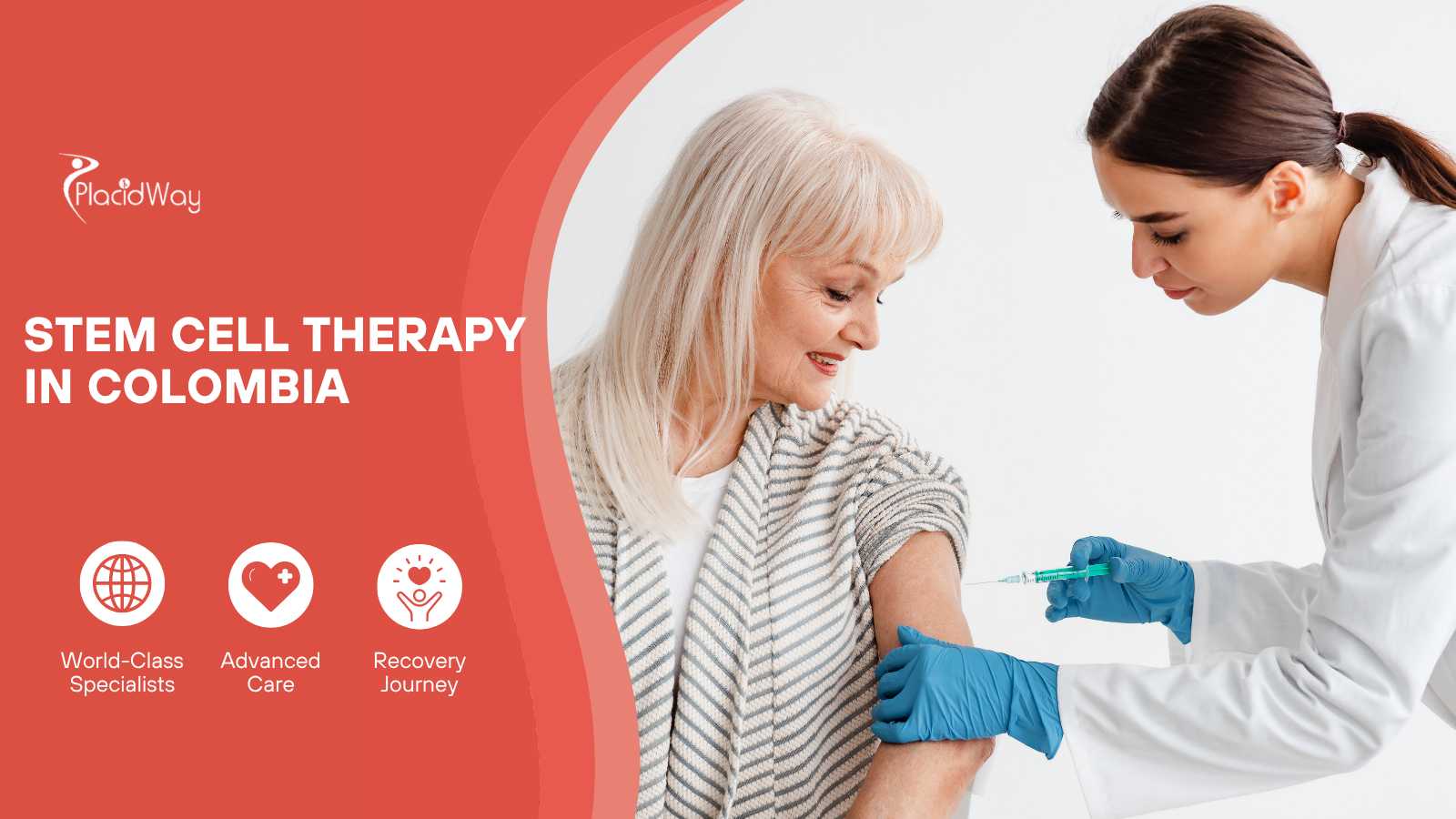










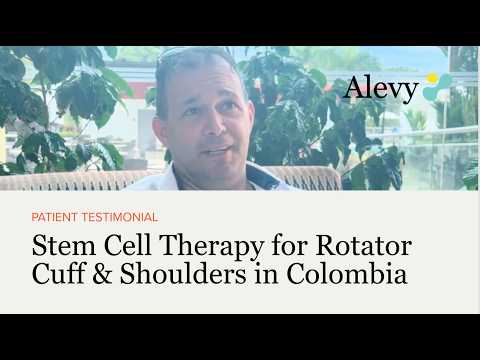













Share this listing