

Contents
Cali, Colombia, often celebrated as the world's salsa capital, is rapidly earning a new title: a premier global hub for regenerative medicine. For patients seeking Stem Cell Therapy, Cali offers a sophisticated blend of cutting-edge biotechnology and specialized clinical expertise. While many associate medical tourism in Colombia with major cities like Bogotá or Medellín, Cali has carved out a unique niche by hosting some of Latin America’s most advanced laboratories and highly ranked hospitals.
Choosing Stem Cell Therapy in Cali Colombia for your regenerative journey means stepping into a medical ecosystem that prioritizes safety and scientific integrity. The city's medical infrastructure is built on decades of experience in complex healthcare, making it a natural leader for stem cell applications in orthopedics, neurology, anti-aging, and autoimmune conditions. Here, the focus is on Mesenchymal Stem Cells (MSCs), known for their remarkable ability to reduce inflammation and promote tissue repair.
What truly sets Cali apart is the rigorous regulatory framework overseen by INVIMA (the Colombian equivalent of the FDA). This ensures that the stem cells used are ethically sourced, meticulously screened, and processed in sterile, high-tech environments. Patients arrive from all over the world, drawn by the prospect of high-potency treatments that are often unavailable or prohibitively expensive in their home countries.
As you explore the possibilities of Stem Cell Therapy in Cali, you'll find a community dedicated to personalized care. It is not just about the procedure; it is about a holistic recovery experience in a city known for its warm climate, lush greenery, and exceptionally welcoming culture.
Did You Know?
Colombia is consistently ranked by the World Health Organization (WHO) as having one of the best healthcare systems in Latin America, often outperforming many high-income nations in terms of accessibility and cost-to-quality ratio. Cali specifically houses several hospitals that are regularly listed among the top 10 best medical centers in the entire region.
Key Insights at a Glance
Clinics primarily utilize umbilical cord-derived Wharton’s Jelly stem cells, known for high potency and regeneration capacity.
Facilities adhere strictly to INVIMA regulations and international laboratory protocols for cell expansion.
Treatments in Cali are typically 50% to 70% less expensive than similar protocols in the United States or Europe.
Specialized medical tourism teams provide seamless English-speaking support throughout the treatment cycle.
Most procedures involve simple IV infusions or targeted injections, requiring minimal recovery time.
Cali’s low altitude and warm weather provide an ideal environment for post-treatment physical relaxation.
The "Valley" Connection
Cali is located in the Valle del Cauca, a region that has become Colombia’s "Silicon Valley" for medical innovation. The local government and private sector have invested millions into medical clusters, making Cali one of the few cities in Latin America with dedicated biotechnology parks focusing specifically on cell regeneration.
Navigating regenerative medicine abroad is much simpler when you choose a comprehensive package. In Cali, many top-tier providers offer all-inclusive bundles designed to take the guesswork out of your medical journey. These packages generally include the stem cell procedure itself, all necessary lab tests, specialized nursing care, and bilingual coordination. Many also bundle airport transfers and premium recovery accommodations. Review the curated options below to find a package that matches your specific medical needs and desired level of comfort.
Note: All-inclusive packages ensure price transparency, covering everything from cell expansion to post-operative follow-up consultations.

Price starting from $11,000
Stem Cell Therapy for Systemic Sclerosis Package in Cali, Colombia by Stem Cells Kyron
Stem Cells Kyron Colombia
- Stem Cell Therapy
Cali, Colombia
Price starting from $4,500
Comprehensive Stem Cell Therapy for Hip Joint Package in Cali Colombia
Stem Cells Kyron Colombia
- Stem Cell Therapy
Cali, Colombia
Price starting from $9,000
Stem Cell Treatment for Spinal Cord Injury Package in Cali Colombia
Stem Cells Kyron Colombia
- Stem Cell Therapy
Cali, Colombia

Price starting from $8,500
Stem Cell Treatment for Neurological Diseases Package in Cali Colombia
Stem Cells Kyron Colombia
- Stem Cell Therapy
Cali, Colombia
Cost is a major factor for many patients, and Cali offers a significant value advantage without compromising clinical quality. The price for stem cell therapy in Colombia is considerably lower than in North America due to lower overhead, operational costs, and local economic factors. The cost table provided below offers a transparent look at typical pricing for various regenerative protocols. We recommend using these figures as a guideline and requesting a personalized quote to understand the specific costs associated with your treatment plan and cell dosage.
Budget Tip: Be sure to clarify if the quoted price includes the number of stem cells (dosage) required for your specific condition.
Stem Cell Therapy Centers Cost Comparison in Cali, Colombia
| Provider | Procedure | Price |
|---|---|---|
| Stem Cells Kyron Colombia | Stem Cell Treatment for Neurological Diseases, Stem Cell Therapy | $11000 |
| Stem Cells Kyron Colombia | Stem Cell Treatment for Autoimmune Diseases, Stem Cell Therapy | $8500 |
| Stem Cells Kyron Colombia | Stem Cell Treatment for Hip Abroad, Stem Cell Therapy | $6000 |
Stem Cell Therapy Cost Comparison in Colombia
| Country | Procedure | Price |
|---|---|---|
| United Kingdom | Bone Marrow Stem Cell Therapies, Stem Cell Therapy | $20000 |
| Canada | Stem Cell Treatment for COPD, Stem Cell Therapy | $17000 |
| United States | Stem Cell Treatment for Autism, Stem Cell Therapy | $25000 |
Cali is home to some of the most technologically advanced medical centers in the Southern Hemisphere. We have highlighted facilities that specialize specifically in regenerative medicine and cell biology. These centers are vetted for their state-of-the-art cleanrooms, modern diagnostic equipment, and adherence to international medical protocols. Many of these hospitals are part of Cali’s famed "Medical District," which is designed to provide a secure and efficient environment for international patients. Explore the clinic profiles to learn more about their specific specializations and laboratory certifications.
Certification Check: Look for facilities that utilize ISO-certified laboratories for their stem cell processing and expansion.
Stem Cells Kyron Colombia
Cali, Colombia
The power of regenerative medicine is best told through the voices of those who have experienced it. The video testimonials below feature real patients sharing their journeys to Cali. You’ll hear about their initial symptoms, why they chose Colombia, and the improvements they've seen in their quality of life. These videos provide a realistic look at the patient experience, from the simplicity of the infusion process to the level of care provided by the local medical teams.
Real Stories: Watching testimonials can help you set realistic expectations for your own treatment outcomes.
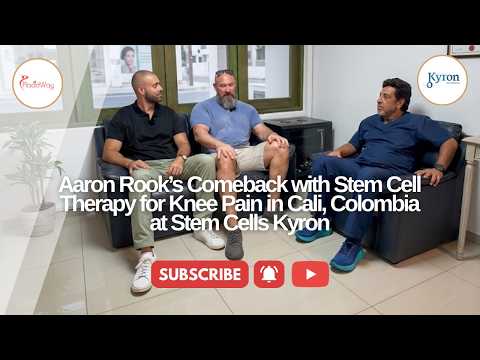
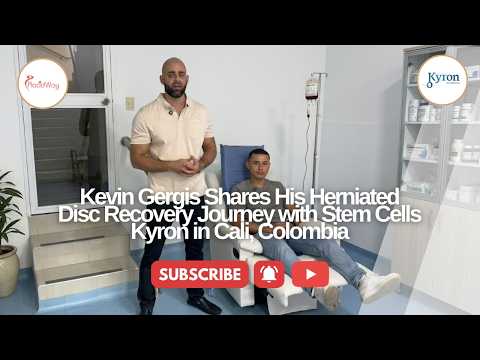
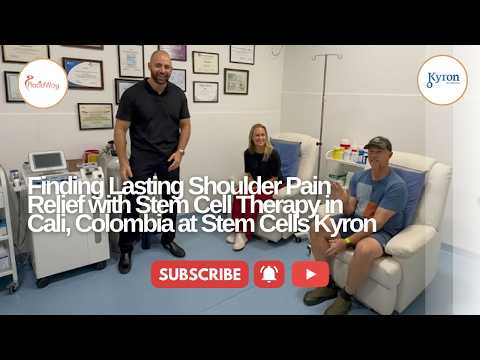
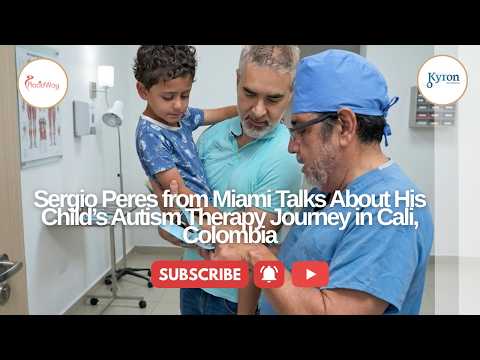
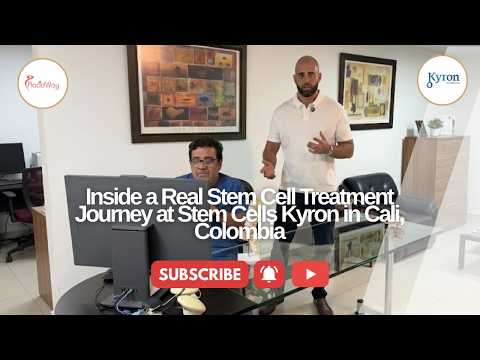
Patient feedback is the cornerstone of trust in medical tourism. In this section, you will find verified reviews and ratings from individuals who have undergone stem cell treatments in Cali. These reviews often touch on details like the cleanliness of the facilities, the friendliness of the staff, and the thoroughness of the pre-treatment consultations. Reading these diverse perspectives can help you gain a better understanding of the high level of satisfaction reported by the international patient community in Cali.
Trust Factor: Pay close attention to reviews that discuss the long-term follow-up care provided by the clinics.

How much can I save on treatment in Cali?
Patients can expect to save between 50% and 70% on stem cell therapy in Cali compared to the United States or Canada. While a comprehensive multi-million cell treatment might cost $15,000 to $25,000 in the U.S., similar protocols in Cali often range from $5,000 to $8,000. These savings are not a result of lower quality but are due to the lower cost of medical labor, real estate, and administrative overhead in Colombia. Additionally, Colombian clinics often include more extensive cell counts and specialized lab processing that would be significantly more expensive in other countries, providing superior value per million cells injected.
How long is the recovery period?
One of the greatest benefits of stem cell therapy is the minimal downtime. For standard IV infusions, there is virtually no recovery period; most patients feel well enough to enjoy a quiet dinner in Cali the same evening. For localized joint injections, you might experience mild swelling or soreness at the injection site for 24 to 48 hours. Most specialists recommend avoiding heavy lifting or strenuous exercise for about one week following the procedure to allow the cells to settle and begin their work. Generally, you can return to your normal daily activities and travel back home within 3 to 5 days of the treatment.
Are the stem cells used ethically sourced?
Yes, ethical sourcing is a top priority for reputable clinics in Cali. The most common source is the umbilical cord tissue (Wharton’s Jelly) from healthy, full-term births. These tissues are donated by mothers after a successful C-section birth, following a strict screening process. This method does not harm the mother or the baby and avoids the ethical controversies associated with embryonic stem cells. Furthermore, because these cells are "newborn," they are more potent and have a higher expansion potential than adult stem cells harvested from bone marrow or adipose tissue, leading to more effective regenerative outcomes for the patient.
How many days should I stay in Cali?
For a standard stem cell treatment, we typically recommend a stay of 5 to 7 days. This allows for an initial face-to-face consultation and diagnostic review on day one, the procedure on day two or three, and a couple of days of observation and rest before your flight home. This timeline ensures that the medical team can monitor your initial response and that you are comfortably rested before navigating international travel. If your treatment involves multiple sessions or intensive physical therapy, your specialist may suggest a longer stay of 10 to 14 days to maximize the initial benefits of the therapy.
Do I need a visa to travel to Colombia for treatment?
Most citizens from the United States, Canada, the European Union, and many other nations do not require a traditional visa for short-term medical stays (under 90 days) in Colombia. Upon arrival, you will receive a "PIP" (Permit of Entry) stamp in your passport. However, it is always recommended to check the current requirements of the Colombian Consulate in your home country. For medical purposes, it is helpful to have your clinic appointment confirmation letter handy to show at immigration if requested. The process is generally very straightforward, making Cali an accessible destination for international healthcare seekers.
Can stem cell therapy cure my condition?
It is important to use the word "cure" with caution in medicine. Stem cell therapy is a regenerative treatment aimed at repairing damaged tissue, reducing chronic inflammation, and modulating the immune system. While it can lead to long-term remission of symptoms and significant functional improvements—effectively making a patient feel "cured"—it is technically a therapeutic intervention. For conditions like osteoarthritis, it can regrow cartilage and delay or eliminate the need for surgery. For autoimmune issues, it can reset the immune response. Your specialist in Cali will discuss realistic goals based on your specific medical history and current condition.
What are the potential risks or side effects?
Stem cell therapy is considered a low-risk procedure. The most common side effect is a temporary "healing crisis" or mild flu-like symptoms (low-grade fever, fatigue) as the body reacts to the influx of new cells and the reduction of inflammation. This typically resolves within 24 to 48 hours. Localized risks include minor bruising, redness, or soreness at the injection site. Serious complications like infection or allergic reactions are extremely rare in sterile, professional environments. Because reputable Cali clinics use MSCs from umbilical cords, the cells do not have the markers that cause the body to attack them, essentially eliminating the risk of rejection.
How long do the results last?
The longevity of results depends heavily on the condition and the patient's lifestyle after treatment. For orthopedic issues, many patients report relief and improved function lasting for 2 to 5 years, or even longer if they maintain a healthy weight and low-impact activity. For systemic or anti-aging treatments, many patients choose to have a "booster" treatment every 12 to 24 months to maintain the regenerative effects. Stem cells trigger a biological cascade of healing that continues long after the cells themselves have integrated, so the improvements are often sustainable rather than just a temporary mask of symptoms.
What is the Price of Stem Cell Therapy for Autism in Cali, Colombia?
The estimated price of stem cell therapy for autism in Cali, Colombia, typically ranges from $5,000 to $15,000 per session. Costs vary based on the type of cells used, treatment protocols, and specific medical needs of the patient. Finding accurate information regarding experimental medical treatments can be overwhelming for families. If you are researching stem cell therapy for autism in Colombia, it is crucial to balance the search for financial details with a rigorous understanding of the medical realities. Cali has emerged as a frequent destination for families seeking alternative options, blending modern healthcare facilities with more accessible pricing structures than those found in North America or Europe. However, autism spectrum disorder (ASD) is a complex, multifaceted neurodevelopmental condition. It is vital to note that stem cell therapy is not a cure for autism. Instead, it is being researched as a potential way to manage certain physiological symptoms often associated with ASD, such as systemic inflammation or immune system dysregulation. Before embarking on any medical journey, thoroughly reviewing the estimated costs, the experimental nature of the procedure, and the logistics of international travel is essential. Key Takeaways Estimated costs range from $5,000 to $15,000 per treatment session, depending on the specific protocol. Stem cell therapy for autism is currently considered highly experimental and is not a guaranteed or scientifically proven cure. Treatments often focus on the use of mesenchymal stem cells (MSCs) aimed at potentially reducing neuroinflammation. Cali offers modern private medical facilities that cater to international patients seeking alternative treatments. Consulting with your child's primary care physician and a pediatric neurologist is critical before traveling abroad for care. 1. What exactly does stem cell therapy for autism involve in Colombia? Stem cell therapy for autism typically involves the intravenous (IV) or intrathecal administration of mesenchymal stem cells, aimed at modulating the immune system and potentially reducing systemic inflammation. In many specialized clinics abroad, the protocol focuses heavily on the use of Mesenchymal Stem Cells (MSCs), often derived from donated, thoroughly screened human umbilical cord tissue. Researchers are currently exploring whether these cells have immunomodulatory properties that might help address the inflammatory markers frequently observed in some individuals diagnosed with autism spectrum disorder. The procedure is usually minimally invasive. After a comprehensive medical evaluation, the cells are administered to the patient, most commonly via a standard IV drip. The goal of this experimental approach is not to alter the brain's fundamental wiring, but rather to see if reducing bodily inflammation might lead to improvements in behavior, communication, or overall well-being. Because responses vary drastically by patient, careful monitoring is required. 2. Why are families considering Cali, Colombia, for this procedure? Families often look to Cali due to its growing reputation in the medical travel sector, offering advanced private healthcare facilities at a significantly lower cost than North American alternatives. Over the past decade, medical tourism in Colombia has expanded rapidly. Cities like Cali have developed robust private healthcare sectors that frequently welcome international patients. The appeal often lies in the combination of modern medical technology, favorable exchange rates, and the availability of treatments that might still be in the clinical trial phase elsewhere. Additionally, the geographical location of Colombia makes it relatively accessible for families traveling from the United States or Canada. Direct flights to major Colombian cities, combined with a climate that is generally pleasant year-round, make the logistics of traveling with a child somewhat more manageable. However, parents must always weigh these logistical conveniences against the medical realities of traveling for an unproven therapy. 3. What factors influence the stem cell therapy for autism cost in Colombia? The primary factors impacting costs include the quantity and source of the stem cells, the specific medical protocols used, facility fees, and any necessary pre-treatment diagnostic testing. When evaluating the stem cell therapy for autism cost in Colombia, you will notice a significant range (typically $5,000 to $15,000). This variance is not arbitrary; it reflects several core components of the medical service provided. Cost Factor Impact on Overall Price Cell Type and Quality Expanded, highly characterized umbilical cord MSCs generally cost more due to the rigorous laboratory processing required. Dosage The number of cells administered—often calculated based on the patient's body weight—directly influences the price. Medical Team Involvement of specialists, anesthesiologists (if mild sedation is required), and pediatricians adds to the fees. Additional Therapies Some clinics bundle complementary treatments, such as hyperbaric oxygen therapy or specialized nutrition plans, into the cost. 4. Is stem cell therapy a proven treatment or cure for autism? No. Stem cell therapy is entirely experimental when it comes to autism. It is not an FDA-approved treatment, nor is it considered a cure by mainstream pediatric or neurological organizations. This is arguably the most critical piece of information for parents to understand. Autism spectrum disorder is a condition involving brain development and connectivity. There is currently no scientifically proven "cure" for autism, and stem cell therapy must not be viewed as such. While some preliminary clinical trials are exploring safety and potential efficacy, the widespread scientific consensus is that more rigorous, large-scale studies are needed. Any facility or website claiming that this therapy is a guaranteed fix, completely safe, or capable of curing ASD is providing misleading information. The goal of this experimental intervention is often palliative—aiming to manage associated physical symptoms (like gut inflammation) in hopes that it may indirectly positively affect behavior. Results, if any occur at all, vary profoundly from patient to patient. 5. How do you evaluate a stem cell therapy for autism clinic in Colombia? Evaluating a clinic requires careful scrutiny of their medical credentials, laboratory standards, transparency regarding risks, and their willingness to coordinate with your home medical team. When searching for a stem cell therapy for autism clinic in Colombia, strict vetting is essential for patient safety. Because this field operates outside standard regulatory approvals in many parts of the world, the burden of research often falls heavily on the family. Laboratory standards: Inquire about where the stem cells are sourced and cultured. Look for facilities that adhere to international Good Manufacturing Practice (GMP) guidelines. Medical credentials: Ensure the administering physicians are fully licensed and hold verifiable qualifications in relevant fields. Ethical communication: A reputable clinic will be upfront about the experimental nature of the treatment, clearly explain all potential risks, and never pressure a family into proceeding. Comprehensive screening: Legitimate medical providers will require extensive medical records and may reject candidates if the procedure is deemed medically inappropriate. 6. What are the potential risks and complications? Like any medical procedure, stem cell therapy carries risks, including infection at the injection site, adverse immune reactions, and unknown long-term systemic effects. No medical procedure is risk-free. While mesenchymal stem cells are often considered to have low immunogenicity (meaning they are less likely to trigger a severe immune rejection), complications can still occur. Immediate risks include mild fever, fatigue, chills, or localized pain and infection at the site of the intravenous line. More severe, albeit rarer, complications could involve adverse immune responses or unexpected cellular behavior. Furthermore, because this therapy is relatively new in its application for neurodevelopmental conditions, the long-term effects of administering high doses of expanded stem cells into a pediatric patient are not yet fully documented in medical literature. A thorough discussion with an independent pediatric specialist regarding these risks is highly recommended. 7. What types of stem cells are most commonly utilized? The most frequently used cells in international protocols for autism are allogeneic Umbilical Cord-derived Mesenchymal Stem Cells (UC-MSCs). The distinction between different types of stem cells is incredibly important. Clinics treating autism rarely use embryonic stem cells due to ethical, safety, and tumor-forming concerns. They also usually avoid using the patient's own (autologous) stem cells derived from bone marrow or fat, as the extraction process is invasive, painful, and yields older cells. Instead, many facilities rely on umbilical cord tissue donated by healthy mothers following full-term, normal deliveries. These UC-MSCs are preferred because they are considered "younger" cells, are easier to harvest non-invasively, and possess strong immunomodulatory properties. Reputable laboratories rigorously test these donated tissues for a wide array of infectious diseases before expanding the cells for therapeutic use. 8. What does the typical recovery and follow-up process look like? Physical recovery from the IV infusion is generally swift, but families must plan for long-term observation and coordinate closely with their child's local healthcare providers once home. The actual administration of the cells is typically an outpatient procedure. Following the infusion, patients are monitored in the clinic for several hours to ensure there are no immediate adverse reactions, such as an allergic response. Patients are usually cleared to return to their hotel the same day and can typically fly home within a few days. However, the true follow-up process is long-term. Parents should maintain a detailed log of their child's health, behaviors, and any emerging symptoms upon returning home. It is imperative to have a local pediatrician fully briefed on the treatment received abroad so they can provide appropriate aftercare or address any delayed complications. Stem cell therapy does not replace the ongoing need for behavioral, speech, and occupational therapies. 9. How should families prepare for medical travel to Colombia? Preparation involves organizing comprehensive medical records, securing necessary travel documents, and creating a low-stress travel itinerary to accommodate a child with sensory sensitivities. Traveling internationally for medical care requires meticulous planning, especially when accompanying a child with autism who may struggle with disruptions to their routine. Begin by consolidating all medical records, genetic tests, and therapy evaluations, translating them into Spanish if requested by the receiving clinic. Additionally, focus on minimizing travel stress. Choose direct flights when possible, inform the airline in advance if special accommodations are needed, and select lodging in Cali that offers a quiet, predictable environment. Ensuring you have comprehensive travel insurance—keeping in mind that most policies will not cover complications arising from experimental elective treatments—is also a vital step in your preparation. Why Choose PlacidWay for Medical Tourism Research? Navigating the complex landscape of international healthcare can be daunting. PlacidWay serves as a global medical tourism platform designed to help patients access information about care options abroad. Here are a few factual points about utilizing PlacidWay for your research: Global Network: PlacidWay provides access to informational profiles of numerous medical centers and clinics across Latin America, including Colombia. Informational Resources: The platform offers detailed articles, cost estimates, and clinic profiles to assist patients in their preliminary research phase. Direct Communication: Users can request information directly from healthcare providers to ask specific medical or pricing questions. Comparative Tools: Patients can explore options in various cities and countries, allowing for side-by-side comparisons of estimated costs. Facilitated Connections: PlacidWay helps bridge the communication gap between international patients and foreign medical teams, aiding the initial consultation process. Frequently Asked Questions (FAQs) How many stem cell therapy sessions are typically required? The number of sessions varies depending on the specific protocol recommended by the medical team. Some patients undergo a single comprehensive treatment, while others may be advised to have multiple sessions spaced over several months. This is highly individualized. Can stem cell therapy replace standard autism therapies? No. Stem cell therapy is considered an experimental, complementary approach. It should never replace standard, evidence-based interventions such as behavioral therapy, speech therapy, occupational therapy, or prescribed medications. Is a visa required for medical travel to Colombia? Citizens from many countries, including the United States, Canada, and the European Union, can enter Colombia for short-term medical treatments or tourism without a visa for up to 90 days. However, always verify current entry requirements with your local embassy before traveling. How long do families need to stay in Cali for treatment? Most medical teams recommend staying in Cali for 5 to 10 days. This allows time for initial consultations, the administration of the therapy, and a few days of immediate postoperative observation before flying home. Does health insurance cover this treatment in Colombia? Because stem cell therapy for autism is widely classified as experimental and not FDA-approved for this condition, standard health insurance policies typically do not cover the procedure, whether performed domestically or internationally. Families should expect to pay out-of-pocket. Are English translators available at medical facilities in Cali? Many facilities that cater to international patients provide English-speaking staff or dedicated translators to ensure clear communication between the medical team, the parents, and the child. What is the ideal age for a child to receive this experimental therapy? There is no universally established ideal age, as eligibility depends on a thorough medical evaluation of the individual child. Some researchers focus on early intervention, but any decision must be guided by a qualified medical professional assessing the child's unique health profile. Can parents donate their own stem cells for their child's treatment? Most international protocols for autism utilize allogeneic mesenchymal stem cells derived from thoroughly screened, donated umbilical cord tissue, rather than extracting adult stem cells from parents. This approach avoids invasive harvesting procedures for the family. Are there specific medical conditions that prevent eligibility? Yes. Active infections, severe immune deficiencies, certain genetic disorders, and a history of specific cancers may contraindicate stem cell therapy. A comprehensive review of the patient's medical history is required to determine if they can safely undergo the procedure. How soon might parents notice changes if the therapy is effective? Because this is an experimental therapy, outcomes vary widely. Some families report observing changes in inflammation-related symptoms within a few weeks to months, while others may not see any clinical changes. There is no guaranteed timeline or outcome. Explore Your Medical Options Gathering accurate information is the most important step. Connect with healthcare facilities globally to compare treatment options, request cost estimates, and learn more about the procedures. Request Treatment Information References FDA Warns About Stem Cell Therapies - U.S. Food and Drug Administration (FDA) Treatment and Intervention Services for Autism Spectrum Disorder - Centers for Disease Control and Prevention (CDC) Patient Resources regarding unproven stem cell interventions - International Society for Stem Cell Research (ISSCR) Clinical Trials on Stem Cells and Autism - National Institutes of Health (NIH) ClinicalTrials.gov Health Care Quality and Medical Tourism - World Health Organization (WHO) Autism Spectrum Disorder Information Page - National Institute of Neurological Disorders and Stroke (NINDS) Medical Disclaimer: The information provided in this article is for educational and informational purposes only and does not constitute medical advice, diagnosis, or treatment recommendations. Stem cell therapy for autism spectrum disorder is an experimental procedure and is not approved by regulatory bodies such as the FDA for this condition. Outcomes, risks, and suitability vary significantly by patient. Always consult with a qualified pediatric neurologist, primary care physician, or appropriate healthcare professional before pursuing any experimental medical treatments, whether locally or abroad.
How Much Does Stem Cell Therapy Cost for Osteoarthritis in Colombia?
Osteoarthritis is a painful, degenerative condition that affects millions of people worldwide. As traditional treatments often provide only temporary relief, many are now exploring alternative options, with stem cell therapy emerging as a promising solution. For those seeking advanced, yet affordable, care, Colombia has become a leading destination for medical tourism, particularly for regenerative medicine. The cost of stem cell therapy is a major factor for most patients, and Colombia offers a significant price advantage compared to the United States and other Western countries. This guide will provide a detailed breakdown of the costs and other key considerations for anyone considering stem cell therapy for osteoarthritis in Colombia. How much does stem cell therapy for osteoarthritis cost in Colombia? "The cost of stem cell therapy for osteoarthritis in Colombia generally ranges from $7,000 to $15,000 USD. This price range is considerably lower than in many other countries, like the United States, where the same procedure can cost upwards of $20,000 to $50,000." The final price of stem cell therapy in Colombia depends on several factors. The type of cells used, whether they are autologous (from the patient's own body) or allogeneic (from a donor), can influence the cost. Additionally, the number of injections, the specific joints being treated, and any supplementary treatments like physical therapy or hyperbaric oxygen sessions will affect the total price. Patients are advised to get a detailed quote from their chosen clinic, as some packages may include initial consultations, follow-up appointments, and even accommodation. Why is stem cell therapy for osteoarthritis more affordable in Colombia? "Stem cell therapy for osteoarthritis is more affordable in Colombia primarily due to lower operational costs, including reduced labor, facility, and medical supply expenses, while maintaining high standards of care." The lower cost of living and a favorable exchange rate contribute significantly to the affordability of medical treatments in Colombia. Clinics do not have to contend with the high overheads seen in countries like the United States, allowing them to offer the same advanced procedures at a fraction of the price. This affordability does not come at the expense of quality. Many Colombian clinics are equipped with state-of-the-art technology and employ highly trained medical professionals who are specialists in regenerative medicine. The combination of cost savings and high-quality care makes Colombia an attractive destination for regenerative medicine treatments. What factors influence the total cost of the treatment? "The total cost of stem cell therapy is influenced by the type of stem cells used (autologous vs. allogeneic), the number of treatments or injections required, the specific clinic's reputation, and any included services such as post-treatment care or accommodation." The source of the stem cells is a key determinant of price. Autologous stem cell therapy, which uses cells harvested from the patient's own bone marrow or fat tissue, may be less expensive initially as it avoids the costs associated with donor procurement. However, the regenerative potential of these cells can be limited by the patient's age and health. Allogeneic stem cell therapy, which uses donor cells typically sourced from umbilical cord tissue, often involves more extensive processing and testing, which can increase the cost. The number of cells administered and the number of injections needed for a comprehensive treatment plan will also impact the final price. Are there different types of stem cells used for osteoarthritis, and how do they affect the cost? "Yes, the primary types of stem cells used for osteoarthritis are autologous (from the patient) and allogeneic (from a donor). Autologous treatments, such as those using bone marrow or adipose-derived stem cells, may have a different cost structure than allogeneic treatments, which often utilize umbilical cord-derived stem cells." Autologous Stem Cells: These are harvested from the patient's own body. The most common sources are bone marrow and fat tissue (adipose tissue). The procedure involves a minor surgery to collect the cells, which are then processed and re-injected. The cost is tied to the harvesting procedure and the lab work. A key benefit is that there is no risk of immune rejection. Allogeneic Stem Cells: These are derived from a donor, typically from umbilical cord tissue donated after a healthy birth. These cells are considered "immunoprivileged," meaning they are less likely to be rejected by the recipient's body. They are also younger and have a higher regenerative capacity. The cost for these treatments can be higher due to the strict screening, processing, and expansion of the cells in a laboratory setting. Does the number of injections change the price? "Yes, the number of injections significantly impacts the price, as many clinics offer packages that include a specific number of doses, with additional injections costing more." A patient with a single affected joint may require fewer injections than a patient with osteoarthritis in both knees and hips. The treatment plan is highly personalized, and the number of injections is determined by the severity of the condition and the number of joints being treated. Some clinics offer packages for a single injection, while others provide multi-session plans that can be more cost-effective in the long run. It is important to discuss the full treatment protocol with the clinic to understand the total financial commitment. What is typically included in a stem cell therapy package in Colombia? "A typical stem cell therapy package in Colombia may include the initial consultation, physical examinations, the stem cell injection procedure itself, post-treatment care and follow-up, and sometimes, additional therapies like physical therapy or hyperbaric oxygen sessions." Many clinics that cater to international patients offer comprehensive packages to simplify the process. These packages often include services beyond the medical procedure. This might be a detailed diagnostic evaluation to confirm the patient's suitability for stem cell therapy, blood tests, and even airport transfers and hotel stays. These bundled services can make the overall experience more convenient and can offer better value than paying for each component separately. What are the payment options for stem cell therapy in Colombia? "Most osteoarthritis stem cell clinics in Colombia accept major payment methods, including credit cards and wire transfers. Some may require a deposit to secure the treatment date, with the final payment made upon arrival at the clinic." It's crucial to confirm the accepted payment methods and any deposit requirements directly with the clinic before traveling. Many clinics are flexible and have dedicated teams to help international patients manage the financial aspects of their treatment. This includes providing clear invoices and assisting with any necessary paperwork. Is stem cell therapy for osteoarthritis covered by insurance? "Currently, stem cell therapy for osteoarthritis is typically not covered by health insurance in the United States and many other countries, as it is still considered an experimental or unproven treatment by many insurance providers." Because of this, the treatment is generally an out-of-pocket expense for patients. The lack of insurance coverage is a primary reason why patients seek more affordable options abroad. While some clinics in Colombia may offer financing options, it's essential for patients to prepare to pay for the full cost themselves. It is always a good idea to contact your insurance provider to confirm their policy on regenerative medicine treatments before making any decisions. What is the typical recovery time after the procedure? "The recovery time after a stem cell therapy procedure for osteoarthritis is generally minimal, with most patients able to resume normal activities within a few days to a week, although full therapeutic effects may take several months to be noticeable." The procedure itself is minimally invasive and involves simple injections, avoiding the long recovery associated with traditional surgery. Patients may experience some mild soreness or discomfort at the injection site, but this typically subsides quickly. The stem cells begin their work of regeneration and repair over time, so patients should have realistic expectations and understand that significant improvement in pain and mobility may not be immediate. Many clinics recommend a series of follow-up visits to monitor progress and may suggest combining the therapy with physical therapy to maximize results. Are there any additional costs to consider besides the treatment price? "Yes, additional costs may include travel expenses, such as airfare and accommodation (if not included in a package), food, and local transportation. Patients should also budget for any post-treatment medications or follow-up consultations not covered in their package." When planning for medical travel to Colombia, it is important to consider all potential expenses. While the treatment itself is affordable, travel, lodging, and daily living costs can add up. Some clinics offer all-inclusive packages that simplify this, but if not, patients should factor in these costs. It is also wise to set aside a contingency fund for any unforeseen expenses, such as additional medical supplies or a longer-than-expected stay. Is Colombia a safe and reputable destination for medical tourism? "Yes, Colombia has a growing reputation as a safe and reputable destination for medical tourism, with many clinics meeting international standards of quality and care. The country has a well-developed healthcare system and highly trained medical professionals." The Colombian government, through its National Food and Drug Surveillance Institute (INVIMA), regulates medical procedures, including stem cell therapies, ensuring clinics adhere to safety and ethical guidelines. Many clinics specializing in regenerative medicine have built a strong reputation for their expertise, positive patient outcomes, and a commitment to patient safety. The combination of medical expertise, advanced technology, and a focus on patient care has made Colombia a trusted choice for those seeking stem cell treatment for osteoarthritis. How can I find a reputable clinic for stem cell therapy in Colombia? "To find a reputable clinic for stem cell therapy in Colombia, look for clinics with international accreditations, read patient testimonials and reviews, and directly consult with the medical team to discuss their experience and treatment protocols." Conducting thorough research is the most important step. Patients should look for clinics that are transparent about their procedures, the source of their stem cells, and their success rates. Many clinics offer virtual consultations, which is an excellent opportunity to ask detailed questions and assess the professionalism of the staff. Asking for patient testimonials or connecting with former patients can also provide valuable insights into the quality of care and the overall experience. What should I ask during a consultation with a clinic? "During a consultation for stem cell therapy for osteoarthritis, you should ask about the clinic's experience, the type of cells they use, the number of cells per treatment, the full cost breakdown, and the expected outcomes and recovery process." Asking the right questions will help you feel more confident about your choice and ensure you have a clear understanding of the entire process. Key questions include: What is the success rate of this treatment for my specific condition? Where are the stem cells sourced from, and what is the cell count per injection? What is the detailed cost breakdown, including all potential fees? What post-treatment care and follow-up are included? What are the potential risks and side effects? A reputable clinic will be open and willing to answer all your questions, providing you with all the information you need to make an informed decision. Consider exploring solutions with PlacidWay for more information on medical tourism, healthcare services, and finding the right clinic for your needs.
Can Osteoarthritis be Treated with Stem Cells in Colombia?
Yes, stem cell therapy is available in Colombia to help manage osteoarthritis symptoms. While not a cure, it may reduce joint inflammation and improve mobility for suitable patients. A thorough medical evaluation is required to determine eligibility. Patients seeking alternatives to invasive joint surgery often ask about the viability of regenerative medicine abroad. Pursuing stem cell therapy for osteoarthritis in Colombia has become an option for those exploring symptom management through international healthcare. Osteoarthritis is a degenerative condition characterized by the gradual breakdown of joint cartilage, leading to pain, stiffness, and reduced mobility. Conventional management typically involves physical therapy, pain medications, corticosteroid injections, and eventually joint replacement surgery for severe cases. In recent years, biological therapies have emerged as an investigational approach aimed at changing how the joint environment responds to degeneration. Colombia has positioned itself as a notable destination for these therapies, combining modern medical infrastructure with experienced orthopedic specialists. Key Takeaways Available as an investigational treatment to help manage osteoarthritis symptoms. Typically utilizes adult mesenchymal stem cells harvested from bone marrow or fat tissue. Treatment costs in Colombia are generally lower compared to estimates in North America. Therapy does not cure osteoarthritis or replace the need for surgery in severe bone-on-bone cases. Requires comprehensive medical evaluation to determine if you are a suitable candidate. How does stem cell therapy for osteoarthritis work? Stem cell therapy aims to reduce joint inflammation and promote natural tissue healing by injecting concentrated cellular material directly into the affected joint space. The primary mechanism behind this treatment is not necessarily growing a completely new layer of cartilage, which is a common misconception. Instead, mesenchymal stem cells (MSCs) possess powerful immunomodulatory properties. When introduced into a degenerative joint environment, these cells interact with the local immune system to calm chronic inflammation, which is a major driver of osteoarthritis pain and progression. Additionally, stem cells release various growth factors and cytokines through a process called paracrine signaling. This cellular communication encourages the body's native cells to initiate repair processes, potentially improving the health of existing cartilage and synovial fluid. The goal is to alter the hostile, inflammatory environment of an arthritic joint into a more balanced, healthier state, which can translate to pain relief and better joint function over time. What types of stem cells are used for joint treatments in Colombia? Doctors typically use autologous mesenchymal stem cells harvested from the patient's own bone marrow or adipose tissue, though ethically sourced allogeneic cells are sometimes utilized depending on the clinical protocol. Using a patient's own cells—known as autologous therapy—is the most common approach for orthopedic conditions. There are two primary sources for these cells: Bone Marrow Aspirate Concentrate (BMAC): Cells are typically drawn from the pelvis (iliac crest) using a specialized needle under local anesthesia. The marrow is centrifuged in a laboratory to concentrate the stem cells and growth factors before injection. Adipose-Derived Stem Cells: Fat tissue, usually taken from the abdomen or flanks via a minor liposuction procedure, is rich in mesenchymal stem cells. This tissue is processed to isolate the stromal vascular fraction, containing the therapeutic cells. Some specialized facilities may also offer treatments using allogeneic cells (derived from carefully screened donors, such as umbilical cord tissue). The choice of cell source depends on the physician's expertise, the specific joint being treated, and the patient's individual medical profile. Who is an ideal candidate for this regenerative treatment? Ideal candidates are typically individuals with mild to moderate osteoarthritis who have not found adequate relief from conservative treatments like physical therapy or oral medications. Not everyone suffering from joint pain will benefit from biological therapies. Suitability depends heavily on the extent of joint damage. Patients with early or moderate cartilage loss often see the most favorable responses because there is still a cellular framework for the stem cells to interact with. Conversely, patients with severe, bone-on-bone osteoarthritis are generally not considered ideal candidates. When the joint space is completely degraded and significant mechanical deformities exist, regenerative medicine is highly unlikely to provide substantial relief, and surgical options like joint replacement may be necessary. Other factors that might impact eligibility include active infections, certain blood disorders, active cancer, or a history of severe immune system dysfunction. A thorough review of recent X-rays or MRI scans by a qualified orthopedic specialist is essential before traveling. What is the estimated stem cell therapy cost in Colombia? The estimated stem cell therapy cost in Colombia generally ranges from $4,000 to $8,000 per joint treatment, depending on the cell source, extraction method, and protocol complexity. Pricing for regenerative therapies varies significantly based on individual patient needs. The costs typically include the initial medical consultation, the cellular extraction procedure (bone marrow or adipose), laboratory processing, image-guided injection (such as ultrasound or fluoroscopy), and immediate post-procedure care. Location / Procedure Estimated Cost Range (USD) Colombia (Single Joint) $4,000 - $8,000 United States (Single Joint) $6,000 - $15,000+ Important Consideration: These figures are generalized estimates. Final pricing will depend on the chosen clinic, the specific doctor's fees, required pre-operative testing, and whether additional therapies (like Platelet-Rich Plasma) are combined with the stem cell injection. Are stem cell treatments for osteoarthritis safe? Autologous stem cell injections are generally considered to have a favorable safety profile since they use the patient's own biological material, minimizing rejection risks, though standard procedural risks remain. Because autologous treatments utilize tissues harvested from your own body, the risk of an allergic reaction, disease transmission, or immune rejection is extremely low. However, any procedure that involves breaking the skin and entering a joint space carries inherent medical risks. Potential safety concerns include infection at the extraction or injection site, bleeding, temporary swelling, or localized pain following the procedure. Ensuring the procedure is performed in a sterile, modern clinical environment by a properly credentialed physician using image guidance (to ensure precise placement within the joint capsule) significantly mitigates these risks. How long does it take to see results from joint injections? While outcomes vary significantly by patient, some individuals report initial improvements in pain and mobility within four to eight weeks, with optimal benefits potentially developing over three to six months. Unlike a corticosteroid injection, which acts as a powerful, fast-acting anti-inflammatory that often provides immediate but temporary relief, stem cell therapy relies on biological processes. The modulation of inflammation and the stimulation of tissue repair take time to develop. Patients may experience a period of increased soreness immediately following the injection, which is a normal inflammatory response to the procedure. As this subsides, gradual improvements in joint function and decreased stiffness may begin to manifest. It is vital to maintain realistic expectations; results differ based on the patient's age, overall health, and the degree of existing joint damage. What should patients expect during the recovery process? Recovery from joint stem cell injections is usually brief, requiring a few days of localized rest followed by a gradual, carefully guided return to normal physical activities. Immediately after the procedure, patients are usually advised to limit weight-bearing activities on the treated joint. Crutches or a brace might be recommended for a short period if a major weight-bearing joint like a knee or hip is treated. Post-injection soreness can last for several days. Physicians typically advise patients to avoid non-steroidal anti-inflammatory drugs (NSAIDs) like ibuprofen for a specific period before and after the treatment, as these medications can interfere with the intended healing process triggered by the cells. Following the initial rest period, engaging in a tailored physical therapy regimen is highly encouraged to strengthen surrounding musculature and support joint stability. How do I choose a reputable stem cell clinic in Colombia? When researching a stem cell clinic in Colombia, patients should carefully verify facility certifications, physician credentials, and adherence to established regulatory and ethical medical standards. Finding a reliable provider requires diligence. You should look for facilities that prioritize transparency regarding their methods, cellular processing standards, and realistic outcome estimates. Reputable clinics will never guarantee a cure or claim a 100% success rate. Important questions to ask a prospective clinic include: What are the exact credentials and orthopedic experience of the injecting physician? Are treatments performed using image guidance (ultrasound/fluoroscopy) for precise delivery? Does the facility have an on-site laboratory for processing cells, and what quality control measures are in place? What comprehensive screening protocols are used to determine patient eligibility? What type of follow-up care is provided after the patient returns home? Why is medical tourism in Colombia popular for orthopedic care? Medical tourism in Colombia has grown due to the availability of modern healthcare infrastructure, skilled medical professionals, and more accessible costs for regenerative therapies compared to North America. Cities like Bogota, Medellin, and Cali are recognized medical hubs in Latin America, hosting modern hospitals and specialized clinics. Many physicians practicing in these major centers have completed fellowships or specialized training internationally, bringing advanced techniques back to their local practice. Furthermore, the favorable exchange rate often allows international patients to access biological therapies at a fraction of the cost they might face in the United States or Canada, without necessarily compromising on clinical hygiene or technology. This combination of affordability and access to specialized care drives the steady influx of medical travelers seeking orthopedic symptom management. What are the potential risks and limitations of this procedure? Stem cell therapy is not a definitive cure for osteoarthritis, and outcomes are never guaranteed. Risks include injection site pain, infection, and the possibility that the treatment may not provide the desired symptom relief. It is crucial to approach regenerative medicine with a clear understanding of its limitations. The primary risk for many patients is financial: spending money on an elective procedure that may ultimately fail to relieve pain. Biological responses vary, and some patients may experience little to no improvement. Medical tourism also introduces logistical risks. Traveling long distances shortly after a medical procedure can increase the risk of blood clots (DVT) and exacerbate joint swelling. Moreover, managing complications once you have returned to your home country can be challenging if your local doctor is unfamiliar with the specific protocol used abroad. Establishing a local support system for post-procedure care is a necessary step in the planning process. Why Choose PlacidWay for Medical Tourism in Colombia? Navigating healthcare options in a foreign country can be complex. PlacidWay serves as an informational platform to assist patients exploring international treatment options. Here is how the platform supports medical travelers: Connects patients with internationally recognized healthcare facilities and specialized clinics globally. Provides access to detailed clinic profiles, allowing patients to review physician credentials and facility capabilities. Offers comprehensive educational resources on various medical tourism destinations, including Colombia. Facilitates direct initial communication between patients and global healthcare providers for personalized inquiries. Focuses on helping users systematically compare healthcare options, treatment approaches, and estimated costs globally. Frequently Asked Questions Can I travel immediately after a joint stem cell injection in Bogota or Medellin? Physicians generally recommend staying in Colombia for at least three to five days following a joint injection. This allows for proper rest, initial recovery, and a follow-up consultation to check the injection site before you undertake a long flight. Are stem cell therapies regulated by health authorities in Colombia? Yes, medical treatments and biological therapies in Colombia fall under the oversight of INVIMA (National Food and Drug Surveillance Institute) and the Ministry of Health and Social Protection, which set standards for medical practices and clinic hygiene. Do I need multiple stem cell injections for knee osteoarthritis? The number of injections depends on your specific condition, the severity of joint degeneration, and the biological response to the first treatment. Some patients receive a single treatment, while others may be advised to undergo a follow-up injection months or years later. Can stem cell therapy replace the need for a knee replacement? Stem cell therapy is not a replacement for joint replacement surgery in cases of severe, bone-on-bone osteoarthritis. It is primarily used to manage symptoms and delay surgical intervention in mild to moderate cases. Does insurance cover stem cell treatments for osteoarthritis in Colombia? Most international and domestic health insurance plans consider stem cell therapy for osteoarthritis to be an investigational or elective procedure, meaning patients typically pay out-of-pocket for these treatments. What is the difference between PRP and stem cell therapy? Platelet-Rich Plasma (PRP) uses concentrated platelets from your blood to deliver growth factors to the joint, while stem cell therapy uses undifferentiated cells (usually from bone marrow or fat) that may have more potent anti-inflammatory properties. How long do the effects of stem cell therapy last? The duration of symptom relief varies widely by patient. Some individuals report sustained improvements in pain and mobility for a year or more, while others may experience shorter-term relief or require alternative treatments. Can both knees be treated during the same visit to Colombia? Treating multiple joints during a single visit is clinically possible and often done if the patient is a suitable candidate. Your physician will determine if bilateral treatment is safe based on your overall health and cell harvest volume. Will I need physical therapy after returning home from Colombia? Yes, a structured, localized physical therapy program is often a crucial component of the recovery process. Strengthening the muscles around the treated joint helps support stability and may enhance the functional outcomes of the therapy. What happens if I experience complications after flying back home? Before traveling, patients should secure a local orthopedic specialist willing to provide follow-up care. If severe pain, swelling, or signs of infection occur after returning home, immediate evaluation by a local healthcare professional is necessary. Explore Your Regenerative Medicine Options Discover more about specialized clinics and compare treatment approaches to find the right path for your joint health. Request Treatment Information References Non-Surgical Management of Osteoarthritis – Osteoarthritis Research Society International (OARSI) Mesenchymal Stem Cell Therapy for Knee Osteoarthritis – National Institutes of Health (NIH) / PubMed Stem Cell Therapies Overview – Mayo Clinic Regenerative Medicine for Arthritis – Arthritis Foundation Medical Tourism Travel Health Guidelines – Centers for Disease Control and Prevention (CDC) Patient Guide to Stem Cell Treatments – International Society for Stem Cell Research (ISSCR) Consumer Warnings on Unapproved Stem Cell Therapies – Food and Drug Administration (FDA) Medical Disclaimer: The information provided in this article is for educational purposes only and does not constitute medical advice, diagnosis, or treatment planning. Stem cell therapy for osteoarthritis is often considered an investigational procedure and its effectiveness varies by individual. Always consult with a qualified, board-certified healthcare professional to discuss your medical history, eligibility, and the potential risks and benefits before pursuing any medical treatment or traveling abroad for care.
How Does Stem Cell Therapy Help Osteoarthritis Patients in Colombia?
Stem cell treatments in Colombia may help osteoarthritis patients by utilizing regenerative cells to potentially reduce joint inflammation, alleviate chronic pain, and support cartilage repair, offering an alternative for those seeking improved mobility. Osteoarthritis is a degenerative joint disease characterized by the gradual breakdown of cartilage, leading to pain, stiffness, and reduced mobility. For many patients, traditional treatments like non-steroidal anti-inflammatory drugs (NSAIDs) or corticosteroid injections provide only temporary relief. As a result, individuals frequently look toward alternative interventions. Exploring stem cell therapy in Colombia has become increasingly common among those seeking potential options to manage their symptoms and improve their overall quality of life. This comprehensive guide explores how regenerative medicine functions for joint degeneration, what you need to know about pursuing this treatment abroad, and the realistic expectations you should set before making a medical decision. Key Takeaways The therapy primarily aims to reduce joint inflammation and modulate the immune response, which may ease chronic pain. Results are highly individual; it is not a guaranteed cure for osteoarthritis and does not reverse severe bone-on-bone degeneration. Common sources for the cells include the patient's own body (bone marrow or adipose tissue) or donated umbilical cord tissue. Colombia offers a favorable exchange rate and modern medical infrastructure in major cities, attracting international patients. Always consult with a licensed orthopedic specialist to determine if this therapy is medically appropriate for your specific condition. What exactly is stem cell therapy for osteoarthritis? Stem cell therapy for osteoarthritis is a medical procedure that involves injecting unspecialized cells into a damaged joint to potentially decrease inflammation and encourage tissue healing. At its core, this branch of regenerative medicine focuses on the body's natural ability to heal itself. Osteoarthritis creates a hostile, inflammatory environment within the joint capsule. When cartilage breaks down, the surrounding tissues become inflamed, which accelerates further damage and causes significant pain. By introducing stem cells into this environment, medical professionals aim to alter the joint's internal chemistry. The injected cells release cytokines and growth factors. These substances act as potent anti-inflammatory agents that can help calm the irritated joint lining (synovium). While the cells themselves may not always build entirely new cartilage, their presence can create a more favorable environment that slows down the degenerative process. How does this treatment potentially repair damaged joints? The treatment may help joints through immunomodulation, where the cells release proteins that soothe inflammation, rather than directly transforming into new cartilage. A common misconception is that stem cells injected into a knee or hip will immediately grow into a brand-new layer of smooth cartilage. Current medical evidence suggests the mechanism of action is much more complex. Mesenchymal stem cells (MSCs) are often described as "medicinal signaling cells." When they encounter an area of tissue damage, they release a variety of therapeutic factors. These biological signals can: Instruct the body’s own immune cells to stop attacking the joint tissue. Stimulate the remaining local cartilage cells (chondrocytes) to function more effectively. Promote the formation of new blood vessels, improving blood flow to the surrounding supportive structures. Reduce cell death within the joint, potentially preserving the existing cartilage for a longer period. Important Consideration: The degree of potential repair relies heavily on how much viable cartilage remains. Joints with complete cartilage loss (severe stage 4 osteoarthritis) are less likely to experience structural repair from this therapy. What types of stem cells are commonly utilized? Providers typically use autologous cells extracted from the patient’s own fat or bone marrow, or allogeneic cells derived from donated umbilical cord tissue. The source of the biological material is a critical factor in the treatment plan. There are generally two primary categories available for joint degeneration: Bone Marrow Aspirate Concentrate (BMAC): This is a traditional method where a physician extracts marrow from the patient's pelvis. The fluid is spun in a centrifuge to concentrate the stem cells before being injected into the joint. Adipose-Derived Stem Cells: Fat tissue is a rich source of MSCs. A minor liposuction procedure is performed, usually on the abdomen or flanks, to harvest the fat, which is then processed to isolate the cells. Wharton's Jelly / Umbilical Cord Tissue: These are allogeneic (donor) cells. They are valued because they are young, robust, and generally have a high capacity for replication and anti-inflammatory action. Donors are rigorously screened according to medical guidelines. Am I a good candidate for this procedure? Ideal candidates are typically individuals with mild to moderate osteoarthritis who have not found adequate relief from conservative treatments and are generally in good health. Suitability for regenerative medicine is not universal. A thorough medical evaluation, including a review of medical history, current medications, and recent imaging (like X-rays or MRIs), is required to determine eligibility. You may be considered a suitable candidate if you: Experience joint pain that limits your daily activities. Have mild or moderate joint degeneration rather than end-stage disease. Want to explore alternatives before committing to a highly invasive joint replacement surgery. Do not have active infections, active cancer, or certain blood disorders. Patients who are significantly overweight or have severe mechanical malalignment of their joints may be advised to address those issues first, as excessive physical stress on the joint can diminish the effectiveness of the cellular injection. How much does stem cell therapy cost in Colombia? The estimated cost of stem cell therapy cost in Colombia usually ranges from $3,000 to $8,000 per joint, depending on the cell source and treatment complexity. When comparing international healthcare options, pricing is often a primary consideration. In North America, similar regenerative treatments can cost significantly more, often making them inaccessible for patients paying out-of-pocket. The difference in pricing abroad is largely due to the lower cost of living, reduced administrative overhead, and the general structure of the local healthcare economy. It is important to understand that the final price can fluctuate based on several variables. These include the type of cells used (autologous processing vs. specialized laboratory expansion), the number of joints being treated simultaneously, and the inclusion of adjunct therapies like Platelet-Rich Plasma (PRP) which is often used to boost the treatment's efficacy. Treatment Variable Impact on Estimated Cost Cell Source (Bone Marrow vs. Umbilical) Laboratory processing for donor cells may alter base pricing. Number of Injections Treating multiple joints (e.g., both knees) increases overall cost. Image Guidance (Ultrasound/Fluoroscopy) Using precise imaging ensures accurate delivery but adds to the facility fee. When visiting a stem cell therapy clinic in Colombia, what should I expect during the procedure? Patients visiting a stem cell therapy clinic in Colombia can expect an outpatient procedure involving an initial assessment, cell harvesting or preparation, and precise joint injection under local anesthesia. The process is generally performed on an outpatient basis, meaning you will likely return to your hotel or accommodation on the same day. The day begins with a comprehensive medical review where the attending physician verifies your current health status and answers any final questions. If you are using your own cells, the physician will administer local anesthesia to harvest bone marrow from the hip or fat from the abdomen. This part usually takes less than an hour. The biological material is then processed in an on-site laboratory to isolate and concentrate the therapeutic cells. Finally, the physician cleans the targeted joint area and, typically using ultrasound guidance to ensure exact placement, injects the concentrated cell mixture directly into the joint capsule. Is the treatment safe and what are the potential risks? While generally well-tolerated, potential risks include temporary pain at the injection site, joint swelling, infection, or the possibility that the treatment does not effectively relieve symptoms. Patient safety must always be the top priority when considering invasive procedures. Because regenerative injections often utilize the patient’s own tissue, the risk of an allergic reaction or cellular rejection is extremely low. However, no medical procedure is completely devoid of risk. Common, mild side effects often include localized swelling, stiffness, and discomfort at both the harvest site and the injection site for a few days. More serious complications, such as joint infections, nerve damage, or bleeding, are rare but possible. It is essential that the procedure is performed in a sterile environment by properly trained and licensed medical personnel to mitigate these risks. Furthermore, patients should acknowledge the clinical reality that outcomes vary, and there is a risk that the procedure may not yield the desired improvement in pain or mobility. What is the typical recovery time after receiving joint injections? Patients typically need 2 to 3 days of localized rest immediately following the injection, with a gradual return to normal activities over the course of 2 to 4 weeks. The initial recovery phase focuses on protecting the joint and allowing the cells to remain in the targeted area. You will likely be advised to restrict weight-bearing activities and avoid strenuous exercise for the first few days. Providers often recommend avoiding anti-inflammatory medications (like ibuprofen) during this time, as the initial mild inflammatory response is actually necessary to trigger the body’s healing cascade. After the first week, patients are usually encouraged to begin gentle movement and stretching. Physical therapy plays a crucial role in long-term recovery. A structured rehabilitation program helps restore joint mechanics, strengthens supporting musculature, and maximizes the potential benefits of the injection. Local follow-up with your primary care doctor or a local physical therapist after returning home is highly recommended. Why are patients choosing medical tourism in Colombia for regenerative medicine? Medical tourism in Colombia has grown due to the availability of modern healthcare infrastructure in major cities, skilled medical professionals, and more accessible treatment costs. Cities like Bogotá, Medellín, and Cali boast several medical facilities that are equipped with advanced technology. Many of the specialists practicing in these urban centers have completed portions of their medical training or fellowships internationally, bringing a high standard of clinical practice to their home country. For international patients, the appeal lies in the intersection of affordability and healthcare quality. While the cost is lower, the standard of care in reputable facilities often meets strict national guidelines. Additionally, Colombia's geographic proximity to North America makes it a relatively short and direct flight for many travelers, which is a significant logistical advantage when planning a medical trip that requires post-procedure rest. How long does it take to see results from the therapy? While some patients report a reduction in pain within a few weeks, the biological repair processes take time, and optimal results are often observed between 3 to 6 months post-injection. Managing expectations is vital. Regenerative medicine does not provide the immediate structural fix that a surgical joint replacement does, nor does it offer the rapid (but temporary) masking of pain seen with corticosteroid shots. The therapeutic cells require time to influence the joint's environment, reduce chronic inflammation, and support tissue health. During the first month, you may experience fluctuations in pain levels as the joint adjusts. By the third month, many suitable candidates begin to notice more consistent improvements in their daily activities, such as less morning stiffness or improved tolerance for walking. The duration of these benefits can vary widely from patient to patient, with some experiencing relief for one to three years, though lifestyle factors and the underlying progression of the osteoarthritis will ultimately dictate the longevity of the results. Why Choose PlacidWay for Medical Tourism Research? Navigating healthcare options abroad requires reliable information. PlacidWay assists patients by providing access to comprehensive resources for international treatment options. Educational Resources: Offers detailed guides on international procedures and destination healthcare systems. Facility Comparisons: Allows patients to compare different medical facilities globally. Information Access: Connects individuals seeking care with information regarding medical provider credentials. Transparent Estimates: Provides clear initial cost estimates for a variety of treatments. Global Network: Features a wide directory of international clinics to help you research your specific medical needs. Frequently Asked Questions Is stem cell therapy a permanent cure for osteoarthritis? No, stem cell therapy is not a permanent cure for osteoarthritis. While it may help reduce pain and inflammation for a period of time, it does not completely reverse joint degeneration. Results vary, and patients may eventually require additional treatments or traditional surgical interventions. Do I need multiple treatment sessions for joint osteoarthritis? The number of sessions depends on the severity of your condition and the specific protocol recommended by the medical professional. Some patients receive a single injection, while others may benefit from a series of treatments spread over several months to achieve optimal management of symptoms. Can regenerative injections prevent the need for knee replacement surgery? In some cases of mild to moderate osteoarthritis, regenerative therapy may delay the progression of the disease and postpone the need for joint replacement surgery. However, for severe, bone-on-bone osteoarthritis, a joint replacement is often still necessary. How are autologous stem cells harvested for this treatment? Autologous stem cells are typically harvested directly from the patient’s own body. The most common methods involve a mini-liposuction procedure to extract adipose (fat) tissue, or a bone marrow aspiration, usually taken from the hip bone under local anesthesia. Does medical insurance cover stem cell treatments in Colombia? Generally, international medical insurance does not cover regenerative treatments like stem cell therapy, as it is often considered elective or experimental. Patients traveling abroad for this procedure usually pay out-of-pocket, which is why cost transparency is a major factor in their research. Are there age limits for receiving stem cells for arthritis? There is no strict universal age limit, but a patient's overall health and the quality of their own stem cells can decline with age. Medical professionals evaluate each patient individually to determine if the potential benefits outweigh the risks, regardless of their chronological age. Can I fly home immediately after my joint injections in Colombia? It is usually recommended to wait a few days before flying home. Changes in cabin pressure and prolonged sitting can increase swelling or discomfort in the treated joint. Your provider will clear you for travel based on how well you tolerate the procedure and initial recovery. Which joints are most commonly treated with this therapy? The knees are the most frequently treated joints due to the high prevalence of knee osteoarthritis. However, the therapy is also commonly utilized for hips, shoulders, ankles, and sometimes smaller joints in the hands and wrists. Is physical therapy required after receiving the injections? Yes, physical therapy is highly encouraged as part of the aftercare protocol. A tailored rehabilitation program helps strengthen the muscles surrounding the treated joint, improves range of motion, and can enhance the overall functional outcome of the injection. How do Colombian medical facilities handle patient safety for international visitors? Many facilities that cater to international patients adhere to strict sterilization and safety protocols, often holding national certifications. However, standards can vary, so it is crucial for patients to carefully review credentials, facility accreditations, and safety records before committing to treatment. Compare Treatment Options If you are considering regenerative options for osteoarthritis, take the time to gather accurate information. Request treatment details to help you make an informed medical decision. Request Treatment Information References Stem Cell Therapy for Arthritis – Arthritis Foundation Mesenchymal Stem Cells for the Treatment of Osteoarthritis – National Institutes of Health (PubMed) Stem cells: What they are and what they do – Mayo Clinic Consumer Updates: FDA Warns About Stem Cell Therapies – U.S. Food and Drug Administration Travelers' Health: Colombia – Centers for Disease Control and Prevention (CDC) Guidelines for the Non-Surgical Management of Osteoarthritis – Osteoarthritis Research Society International (OARSI) Medical Disclaimer: The information provided in this article is for educational and informational purposes only and does not constitute medical advice. Stem cell therapy for osteoarthritis is not universally standardized, and its efficacy can vary greatly from patient to patient. Always consult with a qualified, board-certified physician or orthopedic specialist to properly diagnose your condition and discuss whether this treatment is medically appropriate and safe for your specific circumstances. Do not disregard professional medical advice or delay seeking it because of something you have read in this article.
Cali’s reputation for regenerative medicine is built on the expertise of its clinicians. We have selected a group of top specialists who are at the forefront of cell biology and regenerative protocols. These doctors often hold advanced degrees from international universities and are active members of global regenerative medicine associations. Review their professional profiles to understand their research focus, clinical experience, and the specific patient populations they serve.
Cell Biology Experts
Ph.D. Researchers and Clinical Practitioners
Our selected specialists are not just clinicians; they are experts in cell biology. They work closely with lab technicians to ensure the precise expansion and quality control of every stem cell dose, ensuring you receive the highest therapeutic potential.
Specialized Clinicians
Orthopedic and Neurological Specialists
Many specialists in Cali combine stem cell therapy with their primary specialty, such as orthopedics or internal medicine. This integrated approach ensures that your regenerative treatment is part of a broader, expert-led plan for your specific condition.
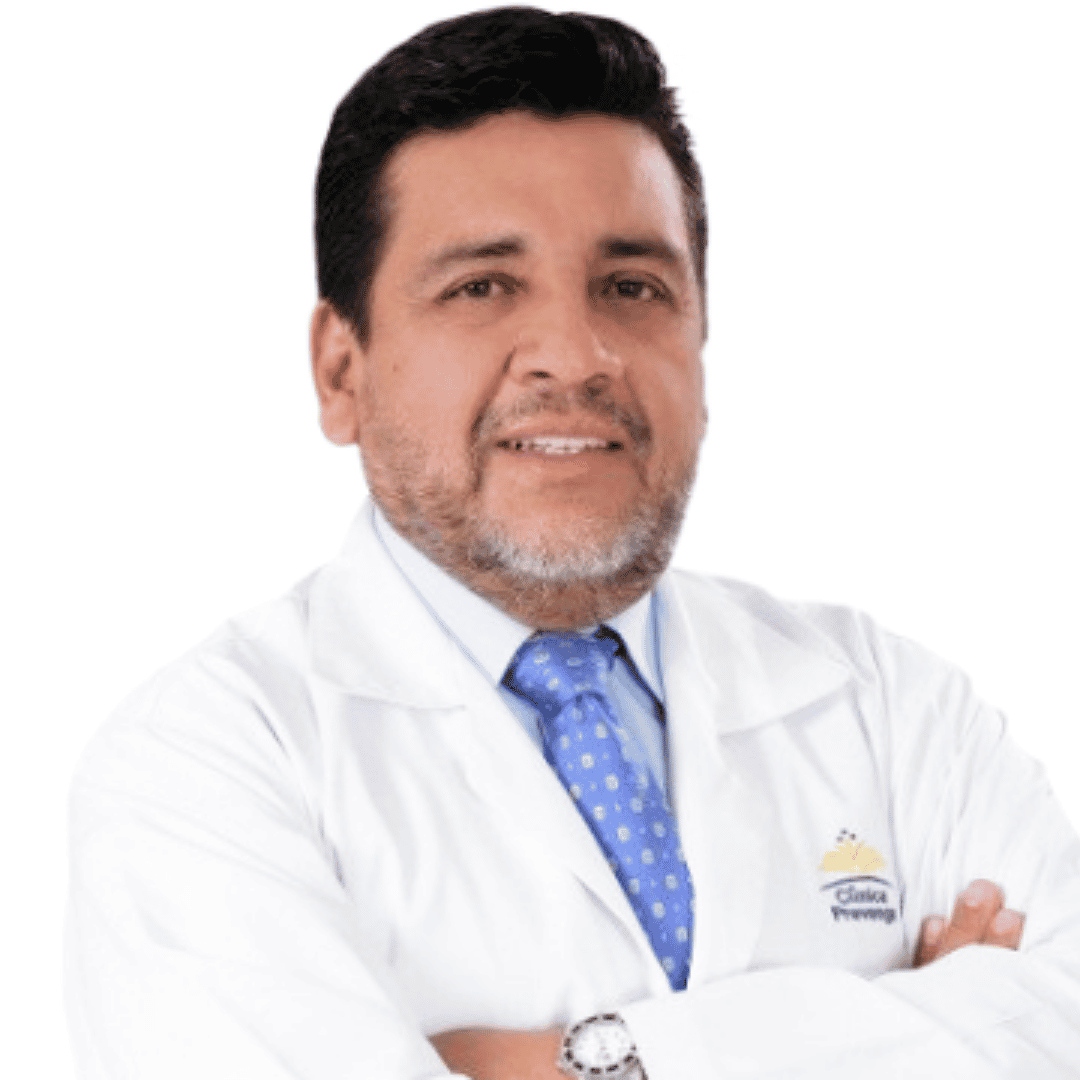
World-Class Medical Infrastructure
Cali boasts a medical infrastructure that is among the finest in South America. The city is home to several JCI-accredited facilities and hospitals that consistently rank in the top tier of the América Economía healthcare rankings. These institutions are equipped with the latest diagnostic imaging and laboratory technology, providing a foundation of safety and precision for stem cell applications.
Cost-Quality Equilibrium
One of the primary drivers for Cali’s popularity is the exceptional balance between cost and quality. Patients can access advanced, high-dose stem cell protocols that would be financially out of reach in North America. The lower cost of living and favorable exchange rates allow for premium medical care, including high-end recovery stays and personalized nursing, all while saving 60% or more compared to U.S. prices.
A Culture of Care and Recovery
Cali’s climate and culture play a significant role in the healing process. Known for its year-round spring-like weather and the "caleño" hospitality, the city provides a low-stress environment essential for regenerative success. The medical tourism ecosystem here is highly developed, featuring bilingual support, dedicated patient coordinators, and a range of accommodation options from luxury boutique hotels to clinical recovery suites.
PlacidWay is your dedicated bridge to world-class regenerative medicine in Cali. We understand the complexities of traveling abroad for treatment and provide a structured, transparent pathway to ensure your safety and peace of mind.
Thorough Provider Vetting
We pre-screen every clinic in Cali, verifying their INVIMA compliance, lab certifications, and specialist credentials so you don't have to.
Cost Transparency
We help you secure detailed, itemized quotes that allow you to compare options and understand exactly what is included in your package.
Specialist Connection
We facilitate direct communication and virtual consultations with Cali’s top regenerative experts before you even book your flight.
Data-Driven Decisions
Access verified patient reviews, laboratory data, and before-and-after case studies to make a fully informed choice.
Appointment Coordination
Our team streamlines the scheduling process, ensuring your diagnostic tests and treatments are organized efficiently for your stay.
Advocacy & Support
From your initial inquiry to post-treatment follow-up, our patient advocates are here to guide you and answer your questions.







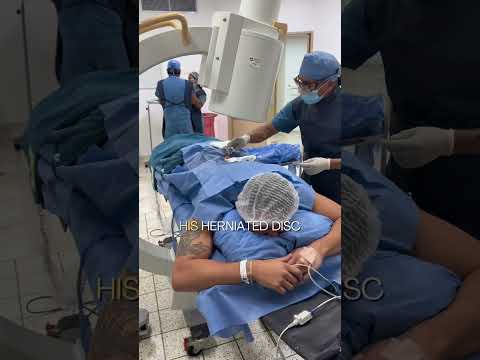














Share this listing