


Stem Cell Therapy for Autism Price in Cali, Colombia?

Finding accurate information regarding experimental medical treatments can be overwhelming for families. If you are researching stem cell therapy for autism in Colombia, it is crucial to balance the search for financial details with a rigorous understanding of the medical realities. Cali has emerged as a frequent destination for families seeking alternative options, blending modern healthcare facilities with more accessible pricing structures than those found in North America or Europe.
However, autism spectrum disorder (ASD) is a complex, multifaceted neurodevelopmental condition. It is vital to note that stem cell therapy is not a cure for autism. Instead, it is being researched as a potential way to manage certain physiological symptoms often associated with ASD, such as systemic inflammation or immune system dysregulation. Before embarking on any medical journey, thoroughly reviewing the estimated costs, the experimental nature of the procedure, and the logistics of international travel is essential.
Key Takeaways
- Estimated costs range from $5,000 to $15,000 per treatment session, depending on the specific protocol.
- Stem cell therapy for autism is currently considered highly experimental and is not a guaranteed or scientifically proven cure.
- Treatments often focus on the use of mesenchymal stem cells (MSCs) aimed at potentially reducing neuroinflammation.
- Cali offers modern private medical facilities that cater to international patients seeking alternative treatments.
- Consulting with your child's primary care physician and a pediatric neurologist is critical before traveling abroad for care.
1. What exactly does stem cell therapy for autism involve in Colombia?
In many specialized clinics abroad, the protocol focuses heavily on the use of Mesenchymal Stem Cells (MSCs), often derived from donated, thoroughly screened human umbilical cord tissue. Researchers are currently exploring whether these cells have immunomodulatory properties that might help address the inflammatory markers frequently observed in some individuals diagnosed with autism spectrum disorder.
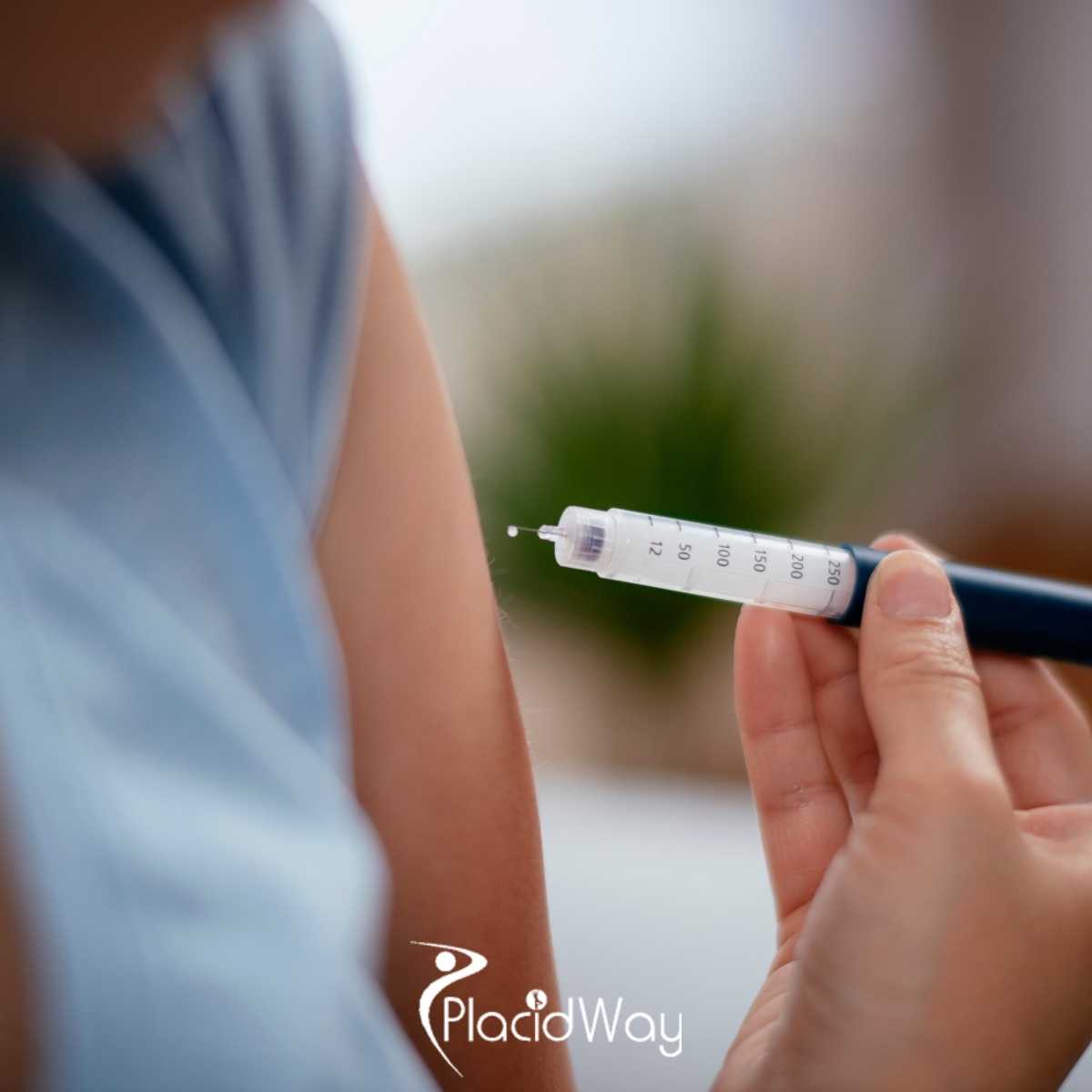
The procedure is usually minimally invasive. After a comprehensive medical evaluation, the cells are administered to the patient, most commonly via a standard IV drip. The goal of this experimental approach is not to alter the brain's fundamental wiring, but rather to see if reducing bodily inflammation might lead to improvements in behavior, communication, or overall well-being. Because responses vary drastically by patient, careful monitoring is required.
2. Why are families considering Cali, Colombia, for this procedure?
Over the past decade, medical tourism in Colombia has expanded rapidly. Cities like Cali have developed robust private healthcare sectors that frequently welcome international patients. The appeal often lies in the combination of modern medical technology, favorable exchange rates, and the availability of treatments that might still be in the clinical trial phase elsewhere.
Additionally, the geographical location of Colombia makes it relatively accessible for families traveling from the United States or Canada. Direct flights to major Colombian cities, combined with a climate that is generally pleasant year-round, make the logistics of traveling with a child somewhat more manageable. However, parents must always weigh these logistical conveniences against the medical realities of traveling for an unproven therapy.
3. What factors influence the stem cell therapy for autism cost in Colombia?
When evaluating the stem cell therapy for autism cost in Colombia, you will notice a significant range (typically $5,000 to $15,000). This variance is not arbitrary; it reflects several core components of the medical service provided.
| Cost Factor | Impact on Overall Price |
|---|---|
| Cell Type and Quality | Expanded, highly characterized umbilical cord MSCs generally cost more due to the rigorous laboratory processing required. |
| Dosage | The number of cells administered—often calculated based on the patient's body weight—directly influences the price. |
| Medical Team | Involvement of specialists, anesthesiologists (if mild sedation is required), and pediatricians adds to the fees. |
| Additional Therapies | Some clinics bundle complementary treatments, such as hyperbaric oxygen therapy or specialized nutrition plans, into the cost. |
4. Is stem cell therapy a proven treatment or cure for autism?
This is arguably the most critical piece of information for parents to understand. Autism spectrum disorder is a condition involving brain development and connectivity. There is currently no scientifically proven "cure" for autism, and stem cell therapy must not be viewed as such. While some preliminary clinical trials are exploring safety and potential efficacy, the widespread scientific consensus is that more rigorous, large-scale studies are needed.
Any facility or website claiming that this therapy is a guaranteed fix, completely safe, or capable of curing ASD is providing misleading information. The goal of this experimental intervention is often palliative—aiming to manage associated physical symptoms (like gut inflammation) in hopes that it may indirectly positively affect behavior. Results, if any occur at all, vary profoundly from patient to patient.
5. How do you evaluate a stem cell therapy for autism clinic in Colombia?
When searching for a stem cell therapy for autism clinic in Colombia, strict vetting is essential for patient safety. Because this field operates outside standard regulatory approvals in many parts of the world, the burden of research often falls heavily on the family.
- Laboratory standards: Inquire about where the stem cells are sourced and cultured. Look for facilities that adhere to international Good Manufacturing Practice (GMP) guidelines.
- Medical credentials: Ensure the administering physicians are fully licensed and hold verifiable qualifications in relevant fields.
- Ethical communication: A reputable clinic will be upfront about the experimental nature of the treatment, clearly explain all potential risks, and never pressure a family into proceeding.
- Comprehensive screening: Legitimate medical providers will require extensive medical records and may reject candidates if the procedure is deemed medically inappropriate.
6. What are the potential risks and complications?
No medical procedure is risk-free. While mesenchymal stem cells are often considered to have low immunogenicity (meaning they are less likely to trigger a severe immune rejection), complications can still occur. Immediate risks include mild fever, fatigue, chills, or localized pain and infection at the site of the intravenous line.
More severe, albeit rarer, complications could involve adverse immune responses or unexpected cellular behavior. Furthermore, because this therapy is relatively new in its application for neurodevelopmental conditions, the long-term effects of administering high doses of expanded stem cells into a pediatric patient are not yet fully documented in medical literature. A thorough discussion with an independent pediatric specialist regarding these risks is highly recommended.
7. What types of stem cells are most commonly utilized?
The distinction between different types of stem cells is incredibly important. Clinics treating autism rarely use embryonic stem cells due to ethical, safety, and tumor-forming concerns. They also usually avoid using the patient's own (autologous) stem cells derived from bone marrow or fat, as the extraction process is invasive, painful, and yields older cells.
Instead, many facilities rely on umbilical cord tissue donated by healthy mothers following full-term, normal deliveries. These UC-MSCs are preferred because they are considered "younger" cells, are easier to harvest non-invasively, and possess strong immunomodulatory properties. Reputable laboratories rigorously test these donated tissues for a wide array of infectious diseases before expanding the cells for therapeutic use.
8. What does the typical recovery and follow-up process look like?
The actual administration of the cells is typically an outpatient procedure. Following the infusion, patients are monitored in the clinic for several hours to ensure there are no immediate adverse reactions, such as an allergic response. Patients are usually cleared to return to their hotel the same day and can typically fly home within a few days.
However, the true follow-up process is long-term. Parents should maintain a detailed log of their child's health, behaviors, and any emerging symptoms upon returning home. It is imperative to have a local pediatrician fully briefed on the treatment received abroad so they can provide appropriate aftercare or address any delayed complications. Stem cell therapy does not replace the ongoing need for behavioral, speech, and occupational therapies.
9. How should families prepare for medical travel to Colombia?
Traveling internationally for medical care requires meticulous planning, especially when accompanying a child with autism who may struggle with disruptions to their routine. Begin by consolidating all medical records, genetic tests, and therapy evaluations, translating them into Spanish if requested by the receiving clinic.
Additionally, focus on minimizing travel stress. Choose direct flights when possible, inform the airline in advance if special accommodations are needed, and select lodging in Cali that offers a quiet, predictable environment. Ensuring you have comprehensive travel insurance—keeping in mind that most policies will not cover complications arising from experimental elective treatments—is also a vital step in your preparation.
Why Choose PlacidWay for Medical Tourism Research?
Navigating the complex landscape of international healthcare can be daunting. PlacidWay serves as a global medical tourism platform designed to help patients access information about care options abroad. Here are a few factual points about utilizing PlacidWay for your research:
- Global Network: PlacidWay provides access to informational profiles of numerous medical centers and clinics across Latin America, including Colombia.
- Informational Resources: The platform offers detailed articles, cost estimates, and clinic profiles to assist patients in their preliminary research phase.
- Direct Communication: Users can request information directly from healthcare providers to ask specific medical or pricing questions.
- Comparative Tools: Patients can explore options in various cities and countries, allowing for side-by-side comparisons of estimated costs.
- Facilitated Connections: PlacidWay helps bridge the communication gap between international patients and foreign medical teams, aiding the initial consultation process.
Frequently Asked Questions (FAQs)
How many stem cell therapy sessions are typically required?
The number of sessions varies depending on the specific protocol recommended by the medical team. Some patients undergo a single comprehensive treatment, while others may be advised to have multiple sessions spaced over several months. This is highly individualized.
Can stem cell therapy replace standard autism therapies?
No. Stem cell therapy is considered an experimental, complementary approach. It should never replace standard, evidence-based interventions such as behavioral therapy, speech therapy, occupational therapy, or prescribed medications.
Is a visa required for medical travel to Colombia?
Citizens from many countries, including the United States, Canada, and the European Union, can enter Colombia for short-term medical treatments or tourism without a visa for up to 90 days. However, always verify current entry requirements with your local embassy before traveling.
How long do families need to stay in Cali for treatment?
Most medical teams recommend staying in Cali for 5 to 10 days. This allows time for initial consultations, the administration of the therapy, and a few days of immediate postoperative observation before flying home.
Does health insurance cover this treatment in Colombia?
Because stem cell therapy for autism is widely classified as experimental and not FDA-approved for this condition, standard health insurance policies typically do not cover the procedure, whether performed domestically or internationally. Families should expect to pay out-of-pocket.
Are English translators available at medical facilities in Cali?
Many facilities that cater to international patients provide English-speaking staff or dedicated translators to ensure clear communication between the medical team, the parents, and the child.
What is the ideal age for a child to receive this experimental therapy?
There is no universally established ideal age, as eligibility depends on a thorough medical evaluation of the individual child. Some researchers focus on early intervention, but any decision must be guided by a qualified medical professional assessing the child's unique health profile.
Can parents donate their own stem cells for their child's treatment?
Most international protocols for autism utilize allogeneic mesenchymal stem cells derived from thoroughly screened, donated umbilical cord tissue, rather than extracting adult stem cells from parents. This approach avoids invasive harvesting procedures for the family.
Are there specific medical conditions that prevent eligibility?
Yes. Active infections, severe immune deficiencies, certain genetic disorders, and a history of specific cancers may contraindicate stem cell therapy. A comprehensive review of the patient's medical history is required to determine if they can safely undergo the procedure.
How soon might parents notice changes if the therapy is effective?
Because this is an experimental therapy, outcomes vary widely. Some families report observing changes in inflammation-related symptoms within a few weeks to months, while others may not see any clinical changes. There is no guaranteed timeline or outcome.
Explore Your Medical Options
Gathering accurate information is the most important step. Connect with healthcare facilities globally to compare treatment options, request cost estimates, and learn more about the procedures.
Request Treatment InformationReferences
- FDA Warns About Stem Cell Therapies - U.S. Food and Drug Administration (FDA)
- Treatment and Intervention Services for Autism Spectrum Disorder - Centers for Disease Control and Prevention (CDC)
- Patient Resources regarding unproven stem cell interventions - International Society for Stem Cell Research (ISSCR)
- Clinical Trials on Stem Cells and Autism - National Institutes of Health (NIH) ClinicalTrials.gov
- Health Care Quality and Medical Tourism - World Health Organization (WHO)
- Autism Spectrum Disorder Information Page - National Institute of Neurological Disorders and Stroke (NINDS)



















Share this listing