


Transformative Stem Cell Therapy in Colombia for Chronic and Degenerative Conditions
Finding effective treatments for chronic health issues often requires looking beyond traditional medical borders. Stem cell therapy in Colombia has rapidly emerged as a globally recognized destination for patients seeking advanced regenerative medicine. Facilities like Stem Cells Kyron are pioneering protocols designed to target the root causes of debilitating conditions rather than merely managing daily symptoms.
By utilizing high-quality mesenchymal stem cells, medical professionals aim to restore cellular function, reduce systemic inflammation, and promote natural tissue regeneration. Whether a patient is facing a complex neurological diagnosis or seeking non-surgical repair for severe joint damage, international regenerative clinics offer comprehensive, patient-focused care protocols.
Video Chapters & Quick Navigation
The Role of a Patient Manager Coordinator in Medical Tourism
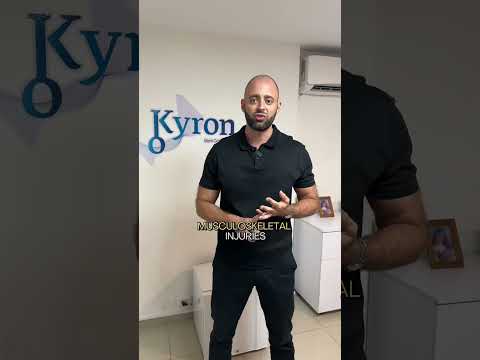
Navigating healthcare in a foreign country can initially seem daunting for international patients. Clinics specializing in medical tourism address this by providing dedicated staff members to guide individuals through every step of their journey. As highlighted in the video at [00:04], having a specialized patient manager coordinator ensures that all logistical and medical preparations are handled seamlessly.
These coordinators serve as the primary point of contact between the patient and the medical team. They assist with reviewing initial medical records, scheduling virtual consultations with specialists, and coordinating travel itineraries. This personalized approach guarantees that patients arriving for regenerative treatments feel supported and confident before they even step foot in the facility.
Furthermore, patient coordinators translate complex medical jargon into understandable terms, ensuring informed consent and clear expectations. They are instrumental in creating a stress-free environment, allowing the patient to focus entirely on their recovery and the healing process.
Ensuring a Seamless Transition to International Care
The logistics of traveling for medical care require meticulous planning. A quality regenerative medicine clinic will assist with airport transfers, local accommodation recommendations near the facility, and daily transportation to and from appointments.
This level of concierge service is a hallmark of top-tier Colombian medical facilities. By removing the stress of navigating a new city, the biological environment of the patient is kept out of a "fight or flight" stress response, which is crucial for maximizing the efficacy of cellular therapies.
Addressing Degenerative Neurological Disease With Targeted Cellular Treatments
Neurological conditions present some of the most complex challenges in modern medicine due to the limited regenerative capacity of the central nervous system. Traditional pharmaceuticals primarily focus on symptom management and delaying disease progression. However, regenerative medicine protocols introduced at [00:08] aim to fundamentally alter the environment within the brain and spinal cord.
Conditions such as Parkinson's disease, Multiple Sclerosis (MS), and Alzheimer's disease are characterized by the progressive loss of neuron function and chronic neuroinflammation. Mesenchymal stem cells (MSCs) possess unique immunomodulatory and neurotrophic properties that make them an ideal candidate for treating these degenerative neurological diseases.
When administered, these cells can cross the blood-brain barrier and home in on areas of damage. Once there, they secrete powerful growth factors that stimulate the body's native repair mechanisms, potentially protecting existing neurons and encouraging the formation of new neural connections.
The Mechanism of Action in Neurological Repair
The primary benefit of stem cell therapy for neurological disorders lies in its paracrine effect. Rather than replacing damaged cells directly, the infused stem cells act as microscopic "factories," pumping out exosomes, cytokines, and neurotrophic factors. These substances drastically reduce neuroinflammation, which is often the primary driver of disease progression.
By altering the microenvironment of the central nervous system, cellular therapies help to halt the toxic cascade that leads to cell death. Patients undergoing these advanced protocols often report improvements in motor function, cognitive clarity, and a reduction in neuropathy symptoms over the months following treatment.
Healing Musculoskeletal Injuries and Orthopedic Conditions Without Invasive Surgery
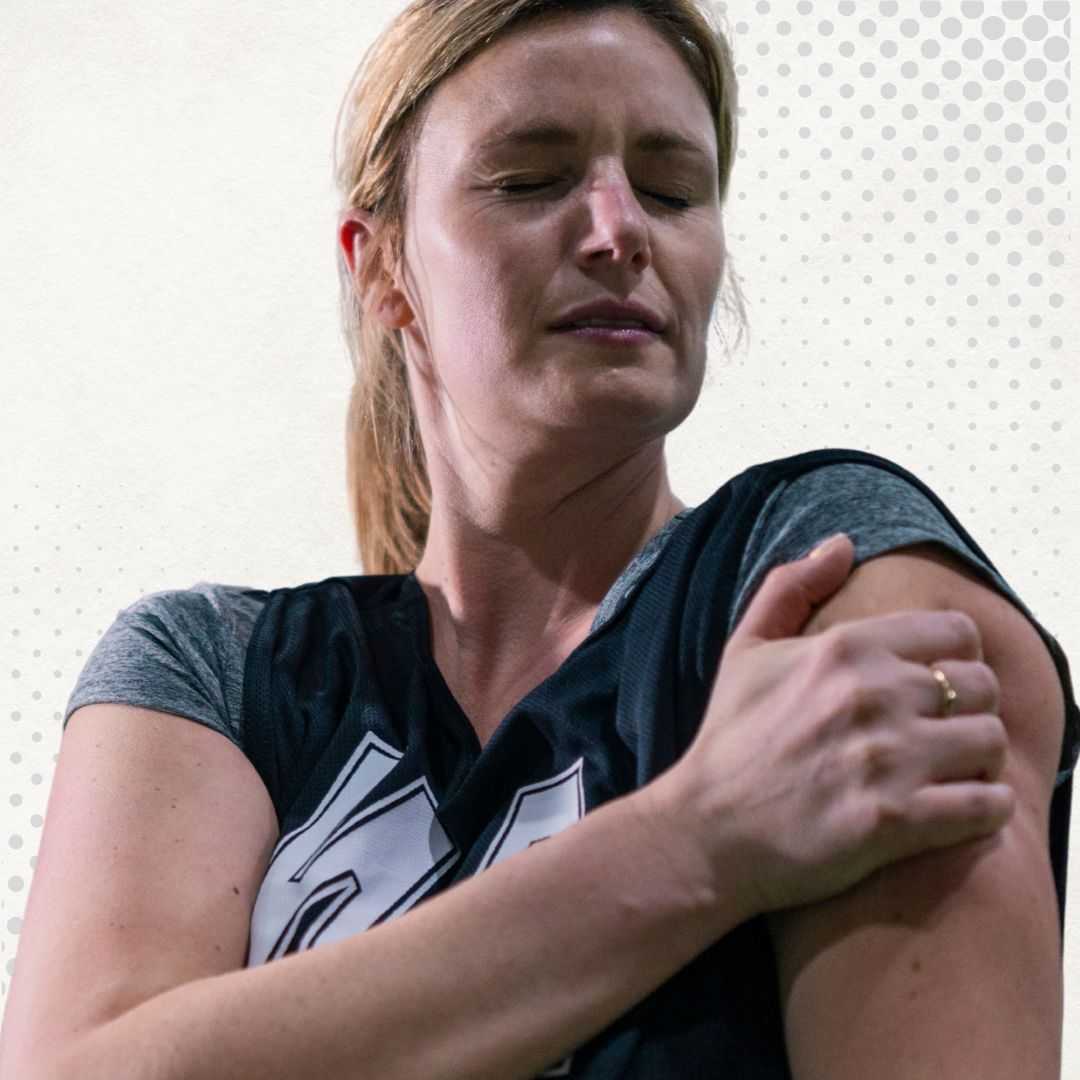
Chronic joint pain and severe sports injuries can severely diminish a person's quality of life and athletic longevity. Conventional orthopedic approaches often escalate from corticosteroid injections directly to invasive joint replacement surgeries. As noted at [00:12], regenerative therapies offer a powerful alternative for musculoskeletal skeletal injuries.
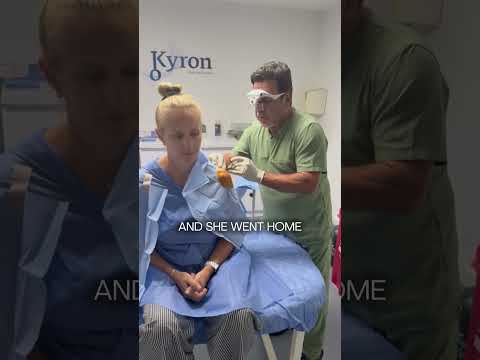
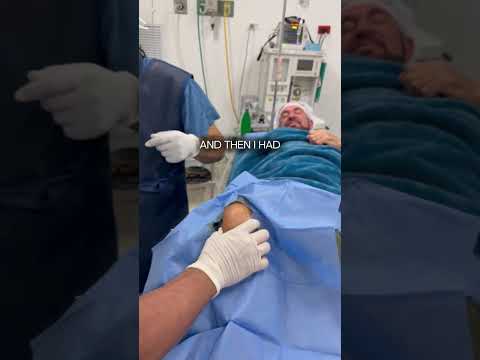
Stem cell treatments are highly effective for conditions like severe osteoarthritis, meniscus tears, rotator cuff injuries, and chronic tendonitis. By injecting concentrated mesenchymal stem cells directly into the damaged joint or tissue, doctors deliver a massive dose of healing potential precisely where it is needed most.
These cells immediately begin to reduce localized inflammation, which provides rapid pain relief. More importantly, they signal the body to begin rebuilding damaged cartilage, strengthening tendons, and increasing blood flow to avascular areas that traditionally heal very poorly.
Why Athletes Choose Regenerative Orthopedics Abroad
Professional and amateur athletes alike are increasingly traveling internationally for orthobiologic treatments. The regulatory environment in countries like Colombia often allows for the culturing and expansion of stem cells. This means patients receive a much higher cell count than what is typically available through same-day procedures in the United States or Canada.
A higher cell count directly correlates to a more robust healing response. Athletes benefit from accelerated recovery times, allowing them to return to their sport faster and with a lower risk of re-injury compared to traditional surgical interventions which require extensive rehabilitation.
| Treatment Approach | Primary Mechanism | Typical Recovery Time |
|---|---|---|
| Corticosteroid Injections | Temporary suppression of inflammation; does not heal tissue. | Immediate relief, but short-term. |
| Orthopedic Surgery | Mechanical repair or replacement of joint structures. | 3 to 12 months with intensive physical therapy. |
| Cultured Stem Cell Therapy | Cellular regeneration, prolonged anti-inflammatory response, tissue repair. | 1 to 3 months for tissue remodeling; minimal downtime. |
Managing Complex Autoimmune Disease Symptoms Through Immune Modulation
Autoimmune diseases occur when the body's immune system erroneously attacks its own healthy tissues, leading to chronic pain, fatigue, and systemic organ damage. Standard protocols usually involve lifelong administration of immunosuppressive drugs, which carry significant side effects and leave patients vulnerable to infections. Mentioned at [00:15], advanced clinics are successfully utilizing cellular therapies to address autoimmune conditions.
Conditions like Rheumatoid Arthritis, Lupus, Crohn's Disease, and Hashimoto's Thyroiditis respond remarkably well to the immunomodulatory capabilities of mesenchymal stem cells. Instead of blindly suppressing the entire immune system, stem cells interact with existing immune cells to "reset" their behavior and halt the self-destructive attacks.
Through the release of specific proteins and cytokines, MSCs promote the generation of regulatory T-cells (Tregs). These regulatory cells are responsible for maintaining immune tolerance and preventing the hyperactive responses that characterize autoimmune flare-ups.
Long-Term Remission and Quality of Life Improvements
The goal of stem cell therapy for autoimmune disease is not just temporary relief, but achieving long-term clinical remission. By addressing the underlying immune dysregulation, patients often experience a profound reduction in systemic inflammation markers.
Many individuals undergoing these protocols abroad report a significant decrease in their reliance on harsh pharmaceutical medications. This leads to restored energy levels, diminished joint and muscle pain, and an overall restored well-being that allows them to reclaim their daily lives without constant medical intervention.
Understanding the Role of Stem Cell Therapy for Autism in Children
Autism Spectrum Disorder (ASD) is a complex neurodevelopmental condition affecting communication, behavior, and social interaction. While traditional therapies focus heavily on behavioral modification and educational support, medical researchers are increasingly looking at biological interventions. The inclusion of autism in children at [00:15] highlights a cutting-edge application of regenerative medicine.
Recent clinical studies indicate that many children with ASD suffer from chronic neuroinflammation, immune system abnormalities, and hypoperfusion (decreased blood flow) in certain areas of the brain. Stem cell therapy aims to address these underlying physiological anomalies directly. Intravenous administration of MSCs has been shown to systemic reduce inflammation, including within the central nervous system.
Furthermore, stem cells promote angiogenesis, which is the formation of new blood vessels. By improving blood flow and oxygen delivery to the brain, cellular therapy creates a healthier neurological environment. This optimized environment can enhance the effectiveness of traditional behavioral therapies.
Observed Outcomes in Pediatric Cellular Protocols
Parents seeking regenerative treatments for their children abroad often report observable improvements in several key areas. While outcomes vary, common clinical observations post-treatment include enhanced eye contact, expanded expressive language capabilities, and a reduction in repetitive or self-injurious behaviors.
Additionally, many children with ASD suffer from severe gastrointestinal issues linked to systemic inflammation. The immunomodulatory effects of stem cells frequently lead to improved gut health, which in turn positively impacts mood, sleep patterns, and overall cognitive function.
- Reduction in Neuroinflammation: Calms the hyperactive immune response within the brain environment.
- Improved Cerebral Blood Flow: Promotes vascular repair, delivering vital oxygen and nutrients to neural tissues.
- Enhanced Immune Regulation: Addresses underlying autoimmune components frequently associated with ASD.
- Synergy with Traditional Therapies: Creates a healthier biological baseline, making behavioral and speech therapies more effective.
Why Patients Choose Medical Tourism for Stem Cell Treatments in Colombia
The decision to travel internationally for medical care is driven by several compelling factors. Colombia has positioned itself as a premier hub for regenerative medicine, attracting patients from North America, Europe, and beyond. The primary driver is the advanced regulatory framework that permits the use of expanded (cultured) mesenchymal stem cells.
In many Western countries, strict regulations limit clinics to using only the cells extracted from the patient on the same day, without any culturing to multiply their numbers. Colombian medical authorities allow state-of-the-art laboratories to isolate the most potent cells and multiply them over several weeks. This results in treatments delivering tens or hundreds of millions of viable stem cells, dramatically increasing the therapeutic impact.
Beyond the superior medical protocols, the affordability of care is a major factor. The overall cost of stem cell therapy in Colombia, even when factoring in flights and luxury accommodations, is frequently a fraction of the price of lesser treatments in the United States. This cost-efficiency does not come at the expense of quality; Colombian clinics boast internationally trained physicians and state-of-the-art sterile laboratory facilities.
Safety, Ethics, and Quality Standards in South America
Leading clinics in cities like Bogota and Medellin adhere to stringent international bio-safety protocols. They utilize strictly screened, ethically sourced Wharton's Jelly derived mesenchymal stem cells from donated umbilical cords, or carefully harvested autologous cells (from the patient's own fat or bone marrow).
Independent laboratory testing for cell viability, sterility, and exact cell counts is standard practice. This transparency ensures that international patients receive exactly what is prescribed, maintaining the highest levels of patient safety and treatment efficacy.
Taking Control of Your Health Journey
Living with a chronic degenerative condition or severe injury can dictate every aspect of daily life. The traditional medical route often leaves patients feeling stuck in a cycle of managing decline rather than actively promoting healing. As the video emphasizes at [00:18], you do not have to let these conditions define your life.
Exploring advanced regenerative therapies abroad opens up new possibilities for substantial recovery and restored independence. By consulting with specialized medical teams, patients can receive a customized treatment plan tailored specifically to their unique biological needs and medical history.
The first step toward accessing these transformative treatments is gathering information and speaking directly with medical professionals who specialize in these protocols. Comprehensive case evaluations are necessary to determine candidacy and outline the expected outcomes of international cellular therapy.
Ready to Explore Your Regenerative Treatment Options?
Contact specialized medical coordinators today to receive a comprehensive case evaluation and discover how customized stem cell protocols in Colombia can help restore your health and vitality.
Get Free QuoteView Full Video Transcript
[00:00] Here we help you restore your well being and fully enjoy every moment of your life.
[00:04] I'm Daniel, I'm the patient manager coordinator at Stem Cells Kyron Colombia.
[00:08] We treat a variety of conditions such as degenerative neurological disease...
[00:12] ...musculoskeletal injuries such as orthopedic or sports injuries...
[00:15] ...autoimmune disease, autism in children, among other disease.
[00:18] Don't let these conditions define your life, contact us and let us explain to you how we can help you.















Share this listing