

Navigating life after a spinal injury often feels like a relentless search for therapies that balance profound hope with grounded scientific reality. Choosing regenerative medicine abroad requires meticulous logistical planning, specialized clinical facilities, and transparent medical guidance. This specialized package in Cali, Colombia includes targeted mesenchymal stem cell protocols, intensive neuro-rehabilitation, wheelchair-accessible transport, and dedicated medical lodging. Patient eligibility, precise protocol duration, and exact final costs are always determined following a rigorous neurological evaluation by our multidisciplinary team.
Quick Facts About Your Regenerative Medicine Journey
- Primary Mechanism: Focuses on immunomodulation, reducing glial scarring, and neuroprotection rather than offering a guaranteed cure.
- Typical Stay Duration: International patients usually remain in Cali for 10 to 14 days to allow for both infusions and initial intensive rehabilitation.
- Cell Sourcing: Protocols primarily utilize Wharton’s Jelly-derived Mesenchymal Stem Cells (UC-MSCs) due to their high expansion capacity and immune-evasive properties.
- Accessibility Logistics: The designated medical centers and recovery hotels are fully equipped for complex wheelchair mobility needs.
- Prerequisites: Approval requires a comprehensive review of recent MRI scans, current ASIA Impairment Scale (AIS) scores, and complete medical history.
How Much Does Spinal Cord Injury Stem Cell Therapy Cost Around The World
Understanding the global landscape of regenerative medicine pricing helps patients make informed decisions about their care. Cali offers highly specialized medical infrastructure at a fraction of North American and European rates, without compromising on cell viability or clinical safety.
| Global Destination | Estimated Starting Cost Range (USD) | Regulatory and Care Focus |
|---|---|---|
| United States | $25,000 - $45,000+ | Strictly limited by FDA to autologous cells; very few expanded cell protocols allowed outside clinical trials. |
| Western Europe | $20,000 - $35,000+ | High living and facility costs; heavily regulated cell expansion guidelines. |
| Cali, Colombia | $9,000 - $16,000 | Advanced clinical frameworks allowing safe use of cultured, high-yield umbilical cord MSCs. |
The exact price of your customized therapy protocol depends on the dosage of cells required, the number of intrathecal applications, and the length of your intensive neuro-rehabilitation schedule. Below is a structural breakdown of what is typically involved in a standard treatment estimate.
| Procedure Component | Estimated Cost (USD) | Clinical Details |
|---|---|---|
| Specialist Consultations | $300 - $600 | Neurological evaluation, medical history review, and protocol mapping. |
| Diagnostic & Lab Testing | $400 - $800 | Pre-infusion blood panels, infectious disease screening, and metabolic profiling. |
| Stem Cell Processing & Harvesting | $6,000 - $10,500 | Procurement, expansion, and quality assurance testing of high-dose MSCs from certified labs. |
| Surgical Infusion Fees | $1,500 - $2,500 | Operating room costs, anesthesiologist fees, and intrathecal/lumbar puncture procedures. |
| Neuro-Rehabilitation Program | $800 - $1,600 | Intensive daily physical and occupational therapy to stimulate neuroplasticity. |
| Estimated Total Starting Price | $9,000 - $16,000 | Pricing varies heavily based on required cell dosage (often based on patient weight and injury severity). |
Disclaimer: The prices above are estimates for educational planning purposes. Only a qualified medical professional can determine your exact clinical needs and provide a finalized, legally binding quotation after a thorough case review.
What Exactly Is Included In The Cali Regenerative Care Package
Typically Included
- Pre-arrival neurological case review via telemedicine.
- Wheelchair-accessible airport transfers and daily clinic transportation.
- All prescribed mesenchymal stem cell dosages and surgical applications.
- Standard pre-operative blood tests and laboratory diagnostics.
- Initial block of post-infusion physical and occupational therapy sessions.
- Bilingual patient concierge services for medical translations.
Not Included
- International round-trip airfare to Alfonso Bonilla Aragón International Airport (CLO).
- Hotel accommodations (though discounted medical lodging rates are arranged).
- Meals and travel expenses for accompanying caregivers or family members.
- Advanced diagnostic imaging (like new MRIs) if required upon arrival.
- Treatment for unrelated medical conditions or prolonged hospitalization due to unforeseen complications.
How Do Doctors Deliver Stem Cells Safely To Damaged Spinal Nerves
One of the most complex clinical challenges in treating spinal lesions is successfully bypassing the blood-brain barrier. If stem cells are only administered intravenously (IV), the vast majority are trapped by the pulmonary first-pass effect in the lungs, and very few actually migrate into the central nervous system. To ensure that high concentrations of regenerative cells reach the damaged neurological tissue, specialized delivery methods are required.
In modern regenerative protocols, specialists use a combination approach to maximize systemic immunomodulation and targeted neuroprotection. The primary route for spinal cord injuries involves accessing the cerebrospinal fluid directly, requiring precision techniques performed by experienced anesthesiologists or interventional neurologists in a sterile surgical environment.
The Dual-Delivery Clinical Approach
- Intrathecal Injection (Lumbar Puncture): The most critical delivery method for this condition. A highly refined needle is inserted into the subarachnoid space of the spinal canal. This places the stem cells directly into the cerebrospinal fluid, allowing them to circulate freely up and down the spinal cord, homing in on chemical signals of inflammation at the injury site.
- Intravenous (IV) Infusion: Used as a supplementary delivery method. While IV cells do not cross the blood-brain barrier in high numbers, they release powerful anti-inflammatory cytokines throughout the bloodstream. This systemic effect helps calm widespread neuro-inflammation and modifies the overall immune response.
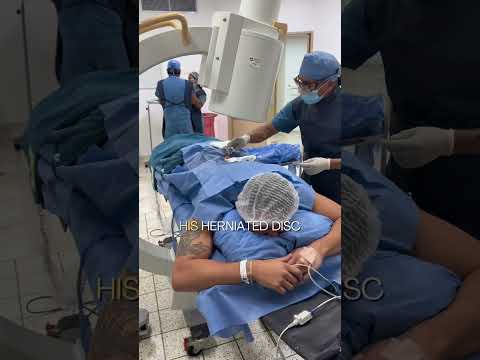
- Fluoroscopic Guidance: Depending on the level of the injury and the patient’s specific spinal anatomy (especially if there is existing surgical hardware or spinal fusion), doctors may use real-time X-ray imaging to safely guide the intrathecal needle.
Where Do The Mesenchymal Stem Cells Come From For This Treatment
The choice of cell source is arguably the most critical factor determining the potential efficacy of regenerative therapy. While early research focused heavily on harvesting cells from a patient’s own bone marrow or adipose (fat) tissue, retrieving these cells is highly invasive and yields cells that have aged alongside the patient. Older autologous cells often suffer from reduced proliferation rates and lower potency.
Today, advanced clinical protocols prioritize allogeneic (donor) cells, specifically Mesenchymal Stem Cells (MSCs) derived from Wharton’s Jelly inside the umbilical cord. Because these cells are "day zero" cells, they possess maximum vitality and robust immunomodulatory properties. Furthermore, they are immune-evasive, meaning they do not trigger a rejection response in the recipient's body.
| Cellular Characteristic | Autologous Bone Marrow MSCs | Wharton’s Jelly Umbilical MSCs |
|---|---|---|
| Harvesting Method | Painful surgical extraction from the patient’s hip bone. | Ethically sourced from donated umbilical cords post-birth; zero pain for the patient. |
| Cell Vitality & Aging | Reflects the biological age and health status of the patient. | Brand new, highly robust cells with maximum replication capacity. |
| Expansion Capabilities | Difficult to culture into high millions quickly. | Easily cultured to produce therapeutic doses exceeding 100 million cells. |
| Immunosuppression Need | None required (cells belong to the patient). | None required (cells lack HLA-DR expression, making them invisible to the host immune system). |
What Realistic Functional Improvements Should I Expect Over Time
It is vital to approach regenerative medicine for neurological trauma with scientifically grounded expectations. Stem cell therapy is not currently a cure that restores full walking mobility in completely severed spinal cords. Instead, it operates on the principles of neuroprotection, preventing further cell death, and altering the microenvironment of the spinal scar (glial scar) to become more conducive to natural healing.
The functional gains patients experience are highly variable and depend heavily on whether the injury is complete or incomplete, the time elapsed since the trauma, and the specific level of the lesion. Many patients report that secondary improvements—those not related to walking—actually offer the most profound upgrades to their daily quality of life.
Commonly Reported Quality of Life Enhancements
- Neuropathic Pain Reduction: The powerful anti-inflammatory cytokines released by MSCs frequently calm the misfiring nerve signals responsible for severe, burning neuropathic pain.
- Spasticity Management: Patients often experience a decrease in severe involuntary muscle spasms, allowing for better seating posture in wheelchairs and easier physical transfers.
- Bowel and Bladder Control: Even minor return of sensory function in the lower nerve roots can improve bladder awareness, heavily reducing the frequency of urinary tract infections (UTIs) and catheterization difficulties.
- Sensory Gains: An expansion of the "zone of partial preservation," where patients might regain feeling an inch or two below their original level of injury.
- Core Stability and Sweating: Improved autonomic nervous system regulation can help normalize body temperature control and sitting balance.
Why Is The Elevation And Climate In Cali Ideal For Respiratory Care
Travel logistics for neurologically compromised patients go far beyond booking flights and accessible hotels; environmental factors play a massive role in medical safety. Patients with high thoracic or cervical injuries frequently suffer from weakened intercostal muscles and compromised diaphragmatic function, leading to chronically lower oxygen saturation levels.
This makes destination selection critical. Many medical hubs in the Andes, such as Bogota, are situated at extreme high altitudes (over 2,600 meters or 8,500 feet), which can induce hypoxia, respiratory distress, and severe fatigue in spinal cord patients. Cali, located in the Valle del Cauca, offers a vastly superior geographical profile for this demographic.
What Neurological Scans Must I Provide Before Flying To Colombia
To ensure maximum safety and to accurately predict if regenerative medicine holds clinical value for your specific injury, specialists require a comprehensive pre-travel assessment. Flying internationally without definitive pre-approval wastes time, money, and places unnecessary physical strain on the patient.
Medical teams in Cali utilize secure telemedicine platforms to review your radiological data long before you commit to the trip. The condition of the spinal cord—specifically the size of the syrinx (fluid-filled cyst) or the density of the glial scar—dictates the precise cellular protocol.
Mandatory Pre-Evaluation Checklist
- Recent MRI Scans: High-resolution magnetic resonance imaging of the affected spinal region. Scans must ideally be less than 6 to 12 months old. If metal hardware prevents clear imaging, a CT myelogram may be requested.
- Medical Narrative: A detailed timeline including the exact date of injury, mechanism of trauma, and summaries of any decompression or stabilization surgeries performed.
- Neurologist Reports: Recent clinical notes establishing your baseline ASIA Impairment Scale (AIS) grade (A, B, C, D, or E).
- Current Medication List: Full disclosure of all antispasmodics (e.g., Baclofen), pain management drugs, and blood thinners, as some may need to be adjusted prior to a lumbar puncture.
Why Do Neurologists Require Intensive Physical Therapy After Infusion
Injecting stem cells into the spinal canal is only the first phase of the regenerative process. Cells act as biological catalysts; they reduce inflammation and secrete growth factors, but they do not automatically know how to rebuild complex neural pathways on their own. They require mechanical stimulus to understand what specific tissues need repair.
This is why intensive, specialized neuro-rehabilitation is a non-negotiable component of the Cali package. Activity-based restorative therapy forces the nervous system to process signals, which stimulates neuroplasticity. The newly introduced stem cells enhance the brain and spinal cord's ability to create new synaptic connections, but physical therapy is the engine that drives that connection.
Locomotor Training
Body-weight supported treadmill training helps stimulate the central pattern generators in the lower spinal cord, encouraging reciprocal stepping movements and weight-bearing capability.
FES (Functional Electrical Stimulation)
Using electrical currents to stimulate paralyzed or weakened muscles, preventing severe muscle atrophy and promoting increased blood flow to compromised limbs.
Occupational Repetition
High-repetition task practice (especially for cervical injuries) designed to remap sensory-motor pathways, improving hand dexterity and independent transfer skills.
Frequently Asked Questions
Are stem cells a guaranteed cure for spinal cord injury?
No. There is currently no guaranteed cure for severe spinal cord injuries. Regenerative medicine focuses on modulating the immune system, reducing neuropathic pain, managing spasticity, and potentially yielding incremental motor or sensory improvements, but it cannot promise walking restoration.
Is the intrathecal injection process painful?
The procedure is similar to a spinal block or epidural. It is performed under local anesthesia, and patients typically experience only mild pressure or discomfort. Experienced anesthesiologists perform the procedure to ensure maximum comfort and safety.
Will my immune system reject umbilical cord stem cells?
Wharton's Jelly-derived mesenchymal stem cells are immune-privileged. Because they lack mature HLA-DR markers on their surface, the recipient’s immune system does not recognize them as foreign tissue, making rejection incredibly rare and eliminating the need for immunosuppressive drugs.
How long must I stay in Cali for the full protocol?
International patients generally stay in Cali for 10 to 14 days. This timeframe allows for the initial neurological evaluation, cellular infusions, and an essential block of post-infusion physical therapy before flying home.
Can older or chronic injuries still benefit from regenerative medicine?
Yes. While acute injuries (treated within months of the trauma) often present a different clinical window, many patients with chronic injuries (years or decades post-injury) pursue treatment specifically to address long-term complications like severe neuropathic pain, muscle spasticity, and bladder dysfunction.
Is the medical infrastructure in Cali properly wheelchair accessible?
Absolutely. The clinics, affiliated partner hotels, and specialized transportation vans utilized in this package are fully vetted for complex mobility access, including wide doorways, roll-in showers, and lift-equipped vehicles.
Do I need to stop taking my current antispasmodic medications?
Not necessarily, but you must disclose all medications to your medical team during the pre-evaluation. Medications like Baclofen are usually maintained, while certain blood thinners may need temporary pausing prior to a lumbar puncture.
How soon after treatment might I notice changes in spasticity or pain?
Because the cells immediately begin releasing anti-inflammatory cytokines, some patients report decreases in neuropathic pain or spasticity within the first 4 to 8 weeks. Neuroplasticity and potential sensory changes usually take 3 to 6 months to manifest as the nervous system attempts repairs.
Are there financing options available for international patients?
Many patients secure financing through third-party medical loan companies in their home countries. The clinic in Cali accepts major credit cards and bank wires, which allows patients to manage their own financing arrangements prior to travel.
What happens if I develop a urinary tract infection (UTI) right before travel?
Active infections are a strict contraindication for stem cell infusions. If you suspect a UTI, you must inform the medical team immediately. Travel and treatment will be postponed until the infection is completely cleared with antibiotics to ensure your safety during the lumbar puncture.
Ready To Explore Your Medical Options
Take the next step in your health journey. Reach out to coordinate a secure, no-obligation review of your neurological scans with our specialized clinical team in Colombia.
Request Free QuoteMedical Disclaimer: The content provided on this page is for general informational and educational purposes only. It is not intended as a substitute for professional medical advice, comprehensive diagnosis, or verified clinical treatment plans. Always consult a qualified healthcare provider regarding your specific condition.
References
- National Institutes of Health (NIH) - Mesenchymal Stem Cells in Spinal Cord Injury: https://www.ncbi.nlm.nih.gov/pmc/articles/PMC6023304/
- Mayo Clinic - Stem Cells What They Are and What They Do: https://www.mayoclinic.org/tests-procedures/bone-marrow-transplant/in-depth/stem-cells/art-20048117
- World Health Organization (WHO) - Spinal Cord Injury Fact Sheet: https://www.who.int/news-room/fact-sheets/detail/spinal-cord-injury
- Christopher & Dana Reeve Foundation - Activity-Based Therapy: https://www.christopherreeve.org/living-with-paralysis/health/rehabilitation/activity-based-therapy
- ClinicalTrials.gov - Efficacy of Wharton's Jelly MSCs in Spinal Trauma: https://clinicaltrials.gov/























Share this listing