


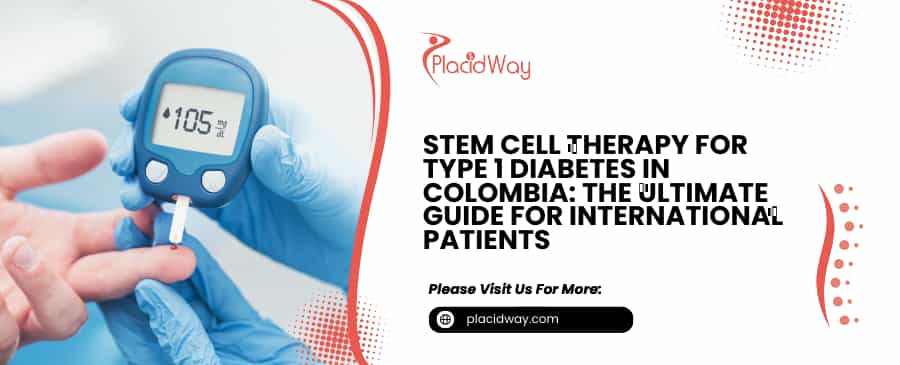
The search for alternatives to lifelong insulin dependence has led many international patients to explore **innovative regenerative treatments**. For those managing **Type 1 Diabetes Mellitus (T1DM)**, stem cell therapy in Latin America, particularly in **Colombia**, represents a powerful opportunity. This comprehensive guide details the procedure, expected outcomes, cost advantages, and the high standards of care available in cities like **Bogotá, Medellín, and Cali**.
Key Takeaways: Your Path to Advanced T1DM Care in Colombia
Colombia’s medical tourism sector has become a global leader in regenerative medicine, offering protocols that focus not just on managing T1DM symptoms, but addressing the root **autoimmune disease**. Patients are drawn by the synergy of advanced medical science, highly favorable pricing, and the ability to receive high-dosage, expanded cell products often restricted in North America or Europe.
By choosing **Type 1 Diabetes stem cell therapy in Colombia**, international patients frequently achieve significant savings while accessing cutting-edge protocols aimed at reducing **insulin requirements** and improving long-term **glycemic control**.
- Cost Savings: Patients typically realize savings of 60% to 75% compared to similar private regenerative treatments in the United States or Canada.
- Treatment Focus: Protocols are designed for **immunomodulation** and potential **beta cell regeneration**, aiming to restore the body’s natural ability to produce insulin.
- High-Quality Packages: Packages usually include **Mesenchymal Stem Cells (MSCs)**, initial consultations, follow-up, and logistical support (airport transfers, concierge).
- International Accreditation: Leading clinics in cities like **Medellín** and **Bogotá** operate in JCI-accredited or internationally certified facilities, ensuring rigorous quality standards.
Average T1DM Stem Cell Cost Breakdown (Procedure Only)
- Stem Cell Therapy in Colombia (Bogotá/Medellín): $5,000 – $15,000 USD (Depending on cell type and count)
- Stem Cell Therapy in Mexico (Cancun/Tijuana): $3,500 – $10,500 USD
- Stem Cell Therapy in Turkey (Istanbul): $12,000 – $18,000 USD
- Stem Cell Therapy in the USA/Europe: $15,000 – $35,000+ USD
Why Choose Bogotá, Medellín, or Cali for Stem Cell Diabetes Treatment?
Colombia has rapidly emerged as a top global destination for regenerative medicine, boasting a favorable regulatory environment, significant cost advantages, and highly specialized care centers in its major cities.
The decision to seek **innovative diabetes treatment** abroad requires careful consideration of safety, quality, and affordability. **Colombia**, particularly its medical hubs like **Bogotá, Medellín, and Cali**, provides a compelling case. The country has invested heavily in its healthcare infrastructure, leading to a proliferation of modern facilities that meet or exceed international standards. This allows patients to access high-quality regenerative protocols without the prohibitive costs associated with North American and European healthcare systems. Lower overhead, medical labor, and facility costs translate directly into savings of up to 75% for patients seeking **affordable T1DM therapy**.
The Colombian National Institute for Food and Drug Surveillance (INVIMA) strictly regulates the use of stem cells, particularly allowing for the application of high-potency, culture-expanded **Mesenchymal Stem Cells (MSCs)**. This regulatory clarity makes **stem cell therapy in Bogotá** or **Medellín** a legal and structured option, contrasting with highly restricted environments elsewhere.
The Geographic Advantage for International Patients
Beyond cost, the location of cities like **Medellín** offers an ideal environment for recovery. Known as the "City of Eternal Spring," its mild climate and sophisticated urban environment provide a calm backdrop for recuperation. **Bogotá**, as the nation's capital, is home to prestigious research universities and the largest medical institutions, often the initial point of access for complex, investigational protocols. For patients traveling from North America or the Caribbean, the ease of travel and often minimal time difference make the transition seamless.
The availability of highly-trained specialists, many with international training and experience in regenerative medicine, reinforces the value proposition. These specialists ensure that the focus of the treatment is comprehensive, combining the cellular therapy with necessary diagnostics and supportive care to maximize the potential for improved **metabolic function** and reduced **T1DM complications**.
Understanding the Science: How Stem Cell Therapy Fights Type 1 Diabetes Mellitus (T1DM)
Stem cell therapy leverages the powerful **immunomodulatory** and regenerative properties of cells, primarily **MSCs**, to interrupt the autoimmune attack and promote the repair or replacement of damaged **insulin-producing beta cells**.
Type 1 Diabetes is fundamentally an **autoimmune disease**, where the body’s own immune system mistakenly destroys the pancreatic **beta cells**. Traditional management involves exogenous insulin, which controls blood sugar but does not address the underlying destruction. Stem cell therapy aims to fundamentally alter the disease progression through a dual mechanism:
- Immunomodulation: **Mesenchymal Stem Cells (MSCs)** secrete anti-inflammatory molecules that "re-educate" the dysfunctional immune cells. This process aims to halt the destructive T-cell attack on the remaining **beta cells**, preserving residual function.
- Regeneration: MSCs have demonstrated the potential to differentiate into, or promote the generation of, new **insulin-producing cells** within the pancreas. They also enhance the microenvironment, supporting the survival and function of existing healthy cells.
Autologous vs. Allogeneic Stem Cell Protocols
The choice of cell source is a critical factor influencing both the cost and the protocol itself. Patients seeking **T1DM stem cell treatment** in **Cartagena** or **Cali** will typically encounter two primary options:
Autologous Treatment: Uses the patient’s own cells, typically harvested from adipose (fat) tissue or bone marrow. This eliminates the risk of rejection but may yield a lower number of cells, and the cells themselves might be less potent due to the patient's age or chronic condition. **Autologous stem cell therapy in Colombia** is often the more affordable option.
Allogeneic Treatment: Uses cells from healthy, ethically sourced donors (most commonly umbilical cord tissue, known as Wharton's Jelly MSCs). These cells are generally more youthful, robust, and can be cultured to achieve significantly higher cell counts, which many specialists believe is essential for systemic conditions like T1DM. Because MSCs are **immunoprivileged**, donor matching is typically not required, making **allogeneic stem cell therapy** a favored approach for its potential efficacy.
"For systemic autoimmune conditions like T1DM, the key therapeutic challenge is not just replacing damaged cells, but resetting the faulty immune response. High-dose **Mesenchymal Stem Cells** offer a potent **immunomodulatory** signal. The ability of specialized centers in Colombia to legally and safely administer expanded, high-count **allogeneic cells** is a significant advantage that draws patients seeking better **glycemic control**."
Step-by-Step Treatment Journey: What to Expect During Stem Cell Therapy in Colombia
The journey is highly structured, beginning with remote consultation and preparation, followed by a brief, focused hospital stay in **Bogotá** or **Medellín** for cell application, and long-term follow-up.
The patient experience for **T1DM stem cell therapy in Colombia** is designed to be a streamlined medical tourism journey, managed by experienced patient coordinators who handle logistics from arrival to departure. The overall protocol generally follows these phases:
Phase 1: Initial Assessment and Preparation
The process starts remotely. The patient submits medical records, including recent **HbA1c** results, **C-peptide levels**, and current medication history. The specialist reviews the case to determine candidacy and designs a personalized protocol. Once a patient is confirmed suitable, travel arrangements and pre-treatment screening appointments in **Medellín** or **Cali** are scheduled. This phase includes pre-treatment diagnostics, such as comprehensive blood panels, to establish baseline **metabolic function**.
Phase 2: Cell Application and Procedure
Upon arrival in the chosen Colombian city, the patient typically undergoes a final consultation and preparation. The stem cell administration itself is minimally invasive. Depending on the protocol, cells are delivered either through **intravenous (IV) infusion** for systemic effect, or potentially via localized injection routes. The IV route ensures the **MSCs** circulate throughout the body, targeting sites of inflammation and tissue damage, including the pancreas. The procedure usually takes only a few hours and requires no major hospitalization; it is often performed in an outpatient setting within a hospital or a specialized clinic.
Phase 3: Observation and Post-Treatment Care
Patients are generally advised to stay in the local area of **Bogotá** or **Cartagena** for 5 to 7 days for immediate recovery and follow-up. During this time, the specialist monitors for any immediate effects and provides a detailed aftercare plan. Long-term monitoring of **C-peptide levels** and **HbA1c** is crucial. The full therapeutic effects, such as a reduction in **insulin requirements**, are typically observed over the next 3 to 12 months as the **immunomodulation** and regeneration processes take effect.
Comprehensive Cost Breakdown: Stem Cell Therapy for Type 1 Diabetes in Colombia vs. Global Prices
The cost of T1DM stem cell therapy in Colombia is a fraction of what is charged in the United States, allowing patients to allocate resources toward necessary travel, accommodation, and extended post-treatment wellness.
The affordability of **regenerative treatments in Colombia** stems from favorable currency exchange rates and significantly lower operational overhead, not a compromise on quality. The high level of competition and the focus on medical tourism create an environment where comprehensive, all-inclusive packages are standard. While the base procedure cost is low, transparent clinics ensure the total package includes the necessary components for safety and successful delivery.
| Country | Price Range (USD) | Typical Inclusions | Recommended Stay (Days) |
|---|---|---|---|
| Colombia (Medellín, Bogotá) | $5,000 – $15,000 | Cell processing, IV/targeted application, lab tests, initial consultations, transfers. | 5-7 Days |
| Mexico (Tijuana, Cancun) | $3,500 – $10,500 | High-dose cells, exosomes, nutritional support, hotel (in some packages). | 4-6 Days |
| Turkey (Istanbul) | $12,000 – $18,000 | Comprehensive hospital stay, multiple cell applications, supportive care. | 7-10 Days |
| United States / Canada | $15,000 – $35,000+ | Often restricted protocols (autologous only), consultation fees, limited cell expansion. | Outpatient / Varies |
While **Bone Marrow Hematopoietic Stem Cells (BM-HSCs)** showed superiority over standard **MSCs** in some T1DM clinical studies, MSCs remain the dominant commercial treatment due to their ease of harvest (fat tissue) and powerful **immunomodulatory** effects. Leading clinics in **Cali** and **Medellín** often combine IV and localized delivery for maximum systemic impact.
Safety, Regulation, and Accreditation: High Standards in Colombian Regenerative Medicine
Safety and quality assurance are paramount, with specialized Colombian centers operating under strict national regulation (INVIMA) and often holding prestigious international certifications like **JCI accreditation**.
Medical tourism thrives on trust, and facilities offering **advanced stem cell therapy in Colombia** understand this imperative. Unlike some unregulated centers globally, the Colombian government maintains strict oversight. The national regulatory body, INVIMA, ensures that cell isolation, culture, and storage meet stringent quality standards, often mirroring those required by the FDA or EMA.
Furthermore, many top-tier hospitals and specialized regenerative facilities across **Bogotá, Medellín, and Cali** have sought and achieved international accreditations. The presence of **JCI-accredited hospitals** in Colombia is a clear signal of a commitment to the highest international standards of patient safety, risk management, and quality of care—a non-negotiable factor for international patients traveling for complex **T1DM treatment**.
When researching a protocol for **Type 1 Diabetes Mellitus stem cell therapy**, patients should always verify that the laboratory is certified (e.g., ISO-certified) and can provide detailed viability and purity reports for the cell product they intend to use. Transparency in sourcing and processing is a hallmark of reputable Colombian regenerative clinics.
"The primary safety benefit of using **Mesenchymal Stem Cells (MSCs)** for T1DM is their low immunogenicity and excellent safety profile demonstrated across thousands of applications worldwide. When combined with the rigorous international standards maintained by **JCI-accredited facilities** in **Bogotá**, the procedure carries a significantly lower risk profile than traditional organ transplantation protocols, making it a viable alternative for many patients seeking **insulin independence**."
Managing Expectations and Outcomes: The Future of T1DM Treatment
While stem cell therapy is not a guaranteed cure, the scientific evidence points towards its potential to significantly improve **C-peptide levels**, reduce **HbA1c**, and lower daily **insulin requirements**, thereby mitigating the risk of long-term **T1DM complications**.
It is crucial for patients to approach **Type 1 Diabetes stem cell therapy** with realistic expectations. The goal is often not an immediate, complete cure, but a biological intervention that modifies the disease trajectory. Success is measured by key clinical markers:
- Improved C-peptide Levels: An increase in endogenous insulin production, indicating preserved or regenerated **beta cell function**.
- Lowered HbA1c: Better overall **glycemic control** and reduced blood sugar variability.
- Reduced Insulin Dosage: Many patients experience a significant drop in their daily **insulin requirements**, simplifying disease management.
- Prevention of Complications: The anti-inflammatory effects of **MSCs** can potentially benefit associated issues like **diabetic neuropathy** and **retinopathy**.
The time required to see results varies widely. Some patients report stabilization of blood glucose within months, while the maximum regenerative effect often takes 6 to 12 months. Specialists in **Medellín** and **Cali** emphasize the importance of complementary lifestyle changes (diet, exercise) to support the body’s healing and regenerative efforts.
One of the earliest and most robust clinical findings regarding regenerative medicine for T1DM showed that the treatment could promote the formation of a 'hybrid immune system' that accepts new islets while ceasing the attack on the body’s own tissues. This groundbreaking discovery underpins the entire field of **immunomodulatory therapy** for **autoimmune disease**.
Frequently Asked Questions (FAQ) About Stem Cell Therapy in Cartagena and Bogotá
Addressing high-volume queries helps patients understand the logistics, safety, and potential of seeking this **innovative diabetes treatment** in Colombia.
Is stem cell therapy for Type 1 Diabetes safe?
Yes, when performed at reputable, internationally accredited facilities in **Bogotá** or **Medellín**, the procedure using **Mesenchymal Stem Cells** has an excellent safety record. Risks are minimal and primarily related to the non-surgical harvesting process or minor infusion reactions, which are closely monitored by specialized medical teams.
What is the required preparation before traveling for treatment in Colombia?
Preparation typically involves blood tests, a full physical examination, and a detailed review of medical history. Patients must continue their standard **insulin regimen** and be medically cleared to travel. Your PlacidWay coordinator will ensure all documentation is ready for your arrival in **Cartagena** or **Cali**.
Can I receive treatment for T1DM complications as well?
Yes, one of the benefits of systemic **MSCs** is their ability to target general inflammation. Many protocols designed for T1DM may offer simultaneous benefits for related complications like **diabetic nephropathy**, **neuropathy**, and microvascular issues.
Do I need to speak Spanish to get treated in Bogotá or Medellín?
No. Leading medical tourism facilities, especially the **JCI-accredited hospitals**, employ multilingual staff, and the medical teams often include US or European-trained specialists. PlacidWay also ensures translator services are included in your comprehensive package.
What is the difference between Autologous and Allogeneic cells?
Autologous cells come from the patient's own body (zero rejection risk), while allogeneic cells come from a healthy, vetted donor (higher cell count and potency). Both are used in **T1DM treatment**, but **allogeneic stem cells** are often preferred for their stronger **immunomodulatory** impact on the **autoimmune disease**.
Will I need follow-up treatments?
The need for follow-up treatments is determined on a case-by-case basis based on your long-term **glycemic control** and clinical markers like **C-peptide levels**. Many patients achieve sufficient improvement with one initial protocol, while others may opt for a booster infusion 6-12 months later.
What impact does this therapy have on my need for insulin?
The primary therapeutic goal is to stabilize blood sugar and, ideally, reduce the daily amount of exogenous insulin required. Achieving complete **insulin independence** is the ultimate goal, but any reduction in dosage and improvement in overall **metabolic function** is considered a successful outcome.
Are the cells processed on-site?
High-quality centers in Colombia typically have their own or closely partnered, internationally certified (e.g., ISO) laboratories. This allows for strict quality control over the cell harvesting, expansion, and preparation process, ensuring the viability and purity of the **Mesenchymal Stem Cells** used in your **T1DM stem cell treatment**.
How soon after treatment can I travel back home?
Most patients are cleared to travel 5 to 7 days after the procedure. This short stay allows the specialist to conduct final checks, ensure there are no immediate adverse reactions, and confirm the patient is stable and ready for the return journey from **Bogotá** or **Medellín**.
"The sustained success of regenerative therapy hinges on proper post-treatment management. We advise patients undergoing **T1DM stem cell therapy in Colombia** to commit to continuous, long-term monitoring of their **HbA1c** and **C-peptide levels**. This data is vital, not just for the patient’s health, but for the entire field of regenerative medicine as we continue to refine protocols for **autoimmune disease**."
Ready to Take Control of Your Type 1 Diabetes?
Don't settle for lifelong disease management when innovative regenerative solutions are within reach. PlacidWay partners with the top **JCI-accredited hospitals** and specialized centers in **Colombia** to bring you world-class **Type 1 Diabetes stem cell therapy** packages.
We simplify the entire process, connecting you directly with medical experts in **Bogotá, Medellín, and Cali** who specialize in **immunomodulation** and **beta cell regeneration** for international patients.
Get a Free Quote for T1DM Stem Cell Therapy in Colombia








.png)


.png)








Share this listing