


Advanced Ozone Therapy and Stem Cell Treatment in Colombia
The landscape of regenerative medicine is evolving rapidly, making advanced ozone therapy and stem cell treatment in Colombia a highly sought-after protocol for international patients. Optimizing the body's internal environment is a critical prerequisite for achieving long-lasting cellular regeneration. Medical practitioners have identified that introducing an oxygen-rich environment prior to regenerative procedures drastically improves the survival rate of transplanted cells. By altering the biochemical state of the bloodstream, patients experience a far more receptive biological foundation for tissue repair.
Targeting cellular decay at the molecular level requires a multi-faceted approach. Integrating blood oxygenation techniques ensures that the circulatory system is primed to deliver essential nutrients to damaged tissues. When individuals research a regenerative medicine clinic in Colombia, they specifically look for facilities that utilize these preparatory biological interventions. A pristine cellular microenvironment directly correlates with the overall efficacy of the medical intervention.
The rationale behind this specialized biological protocol is straightforward yet profound, as noted at [00:00] in the clinical overview. Medical specialists actively seek to mitigate the internal factors that normally degrade cellular health over time. Addressing systemic imbalances before introducing new biological material is the cornerstone of modern regenerative success. This comprehensive strategy is exactly why targeted cellular therapy outcomes continue to improve significantly.
Video Chapters
- The Crucial Role of Blood Oxygenation
- How Ozone Treatment Wipes Off Free Radicals
- Shifting to an Anti-Inflammatory State
- Maximizing Stem Cell Therapy Success Rates
- Accelerating the Natural Healing Process
- Evaluating Regenerative Treatment Protocols
- Medical Tourism for Regenerative Medicine
- Long-Term Cellular Maintenance
The Crucial Role of Blood Oxygenation in Regenerative Medicine
The fundamental baseline for any successful biological intervention relies heavily on the quality of the patient's circulatory system. Delivering adequate oxygen to damaged tissues is the primary mechanism the body uses to sustain cellular metabolism. When patients undergo targeted regenerative procedures, creating an oxygen-dense environment provides the necessary fuel for cellular replication and structural repair.
A critical technique utilized by top-tier medical facilities is autohemotherapy, a process designed to oxygenize your blood with ozone, as highlighted at [00:03]. This specific medical intervention introduces a precise concentration of ozone gas into a small volume of the patient's blood. The ozone instantly reacts with the biological fluids, generating a cascade of lipid ozonation products. These unique biological messengers immediately begin signaling red blood cells to enhance their oxygen-carrying capacity.
Enhancing oxygen delivery at the microcapillary level resolves hidden areas of hypoxemia within the body. Tissues suffering from chronic conditions or degenerative diseases are notoriously oxygen-deprived, making natural repair mechanisms sluggish or completely ineffective. Saturating the bloodstream with hyper-oxygenated elements forces a metabolic awakening in dormant or struggling cellular structures. This vital preparatory step lays the groundwork for complex biological repairs to take place without metabolic interruption.
Metabolic Pathways Activated by Blood Oxygenation
The introduction of ozone acts as a mild, controlled oxidative stressor that triggers a robust compensatory mechanism from the immune system. The body responds by upregulating the production of vital enzymes and critical energy molecules like Adenosine Triphosphate (ATP). Increased ATP production means cells have the tangible energy required to synthesize proteins, build new collagen, and repair structural damage.
- Enhanced Glycolysis: Accelerates the breakdown of glucose for immediate cellular energy utilization.
- Improved Red Blood Cell Flexibility: Allows red blood cells to navigate tight capillaries and deliver oxygen to restricted areas.
- Increased Nitric Oxide Production: Promotes vasodilation, widening blood vessels for optimal circulatory flow.
How Ozone Treatment Actively Wipes Off Free Radicals
Oxidative stress is the primary antagonist of cellular longevity and biological health. It occurs when there is an inherent imbalance between the production of reactive oxygen species (ROS) and the body's natural ability to neutralize them. These highly reactive, unstable molecules scavenge electrons from healthy cell membranes, leading to rapid cellular degradation and DNA damage. Left unchecked, oxidative stress creates a toxic microenvironment that makes tissue regeneration nearly impossible.
Addressing this biochemical toxicity is paramount, which is why clinical experts utilize specialized therapies to wipe off free radicals, an effect noted precisely at [00:05]. Ozone therapy triggers the activation of the Nrf2 pathway, a master regulator of antioxidant genes within the human body. Once activated, this pathway orders the massive production of internal antioxidant enzymes such as superoxide dismutase, catalase, and glutathione peroxidase. These internal enzymes are significantly more powerful at neutralizing free radicals than dietary antioxidant supplements.
The biochemical clearing of these destructive molecules effectively resets the biological landscape of the targeted tissue. Cell membranes regain their structural integrity, and receptor sites become clear of oxidative debris. This molecular housekeeping is entirely necessary before introducing new, healthy regenerative elements into the biological system. Injecting new biological material into an environment saturated with free radicals simply guarantees the rapid destruction of those newly introduced cells.
The Chain Reaction of Antioxidant Enzyme Production
When the therapeutic dose of ozone interacts with blood plasma, it creates transient biological markers that the immune system interprets as a threat. The resulting flood of protective enzymes seeks out and neutralizes rogue oxygen molecules across all major organ systems. This systemic cleansing process provides a protective biological shield that lasts far beyond the initial medical intervention.
Shifting Cellular Environments from Inflammatory to Anti-Inflammatory States
Chronic inflammation is a persistent, low-grade immune response that actively destroys healthy tissue over time. Unlike acute inflammation, which is a necessary initial step for wound healing, chronic inflammation confuses the immune system and halts the regenerative cycle. Tissues trapped in this state are flooded with pro-inflammatory cytokines, which act as biological signals that continuously recruit destructive immune cells to the area. This hostile environment severely limits blood flow and restricts the delivery of vital nutrients.
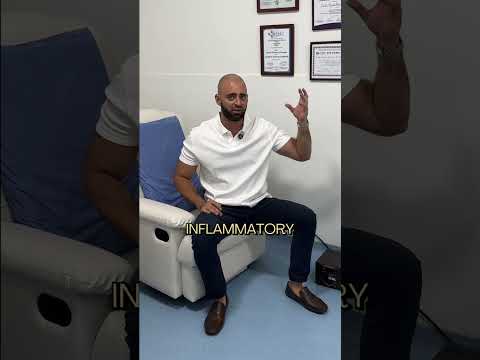
Intervening at a systemic level helps change the state of the patient from an inflammatory state to an anti-inflammatory one, as detailed at [00:08]. The biochemical signaling induced by targeted ozone exposure actively suppresses the production of destructive cytokines like Interleukin-6 and Tumor Necrosis Factor-alpha. Simultaneously, it stimulates the release of Interleukin-10 and other highly potent anti-inflammatory mediators. This precise biological switch halts the continuous tissue destruction and signals the body that it is safe to begin the rebuilding phase.
Operating within an anti-inflammatory state ensures that newly administered cellular therapies are not immediately attacked by the host's immune system. The dampening of the hyperactive immune response creates a localized zone of tolerance. Medical professionals carefully monitor this shift, ensuring the internal environment is entirely stabilized before proceeding with complex cellular injections. This highly regulated biological transition is a primary reason advanced stem cell therapy with ozone treatment in Colombia yields superior clinical results.
Markers of a Stabilized Biological Environment
Physicians frequently measure specific blood markers to confirm the transition out of chronic inflammation. A reduction in C-Reactive Protein (CRP) and normalized erythrocyte sedimentation rates indicate a successful shift. Achieving these biological benchmarks confirms the tissue is adequately prepared for the next phase of the medical protocol.
Why a Balanced Biological State Maximizes Stem Cell Success Rates
Mesenchymal Stem Cells (MSCs) possess an incredible capacity to seek out damaged tissue and orchestrate complex cellular repairs. However, these highly specialized cells are exceptionally sensitive to the microenvironment they are placed within. If transplanted into a highly acidic, oxygen-deprived, and inflamed area, the vast majority of these cells will undergo immediate apoptosis, or programmed cell death. Ensuring the survival and proper engraftment of these cells is the single greatest challenge in modern regenerative protocols.
By meticulously preparing the host tissue, medical professionals can directly help with the success of the stem cells, a vital point established at [00:12]. An oxygen-rich, free-radical-cleared environment allows the MSCs to securely attach to the damaged structural matrix. Once successfully anchored, these cells begin their critical paracrine signaling process. They secrete massive amounts of growth factors, exosomes, and protective proteins that instruct the surrounding native cells to initiate deep tissue repair.
The synergy between these two distinct medical interventions is undeniable. The preparatory treatment fundamentally alters the biological terrain, turning a hostile wasteland into a fertile ground for cellular proliferation. Patients traveling for stem cell therapy in Colombia benefit immensely from this dual-action strategy. The carefully calculated combination prevents the expensive and potent biological material from being wasted by a hostile internal immune response.
- Cellular Engraftment: The secure physical attachment of new cells to the existing biological matrix.
- Paracrine Signaling: The release of specialized growth factors to stimulate local tissue regeneration.
- Immunomodulation: The ongoing regulation of local immune responses to prevent cell rejection.
Accelerating the Natural Healing Process Through Advanced Cellular Protocols
The human body follows a strict, sequential timeline when repairing damaged biological structures. The natural phases include hemostasis, inflammation, cellular proliferation, and finally, tissue remodeling. In patients suffering from chronic degenerative conditions, the body frequently gets stalled in the early phases, completely unable to advance to actual tissue proliferation. Breaking this biological deadlock is essential for any meaningful physical recovery.
Combining advanced interventions is explicitly designed to speed up the healing process, as stated clearly at [00:14]. By artificially forcing the tissue out of the destructive inflammatory phase and rapidly flooding it with signaling cells, the timeline is drastically compressed. The proliferation phase begins almost immediately, characterized by the rapid synthesis of dense collagen networks and new capillary formation. This accelerated biological timeline means patients experience reductions in pain and improvements in mobility much faster than traditional timelines dictate.
Efficient tissue remodeling requires immense amounts of continuous cellular energy. Because the preliminary interventions permanently improved mitochondrial efficiency and blood flow, the newly forming tissue is constantly supplied with essential building blocks. This prevents the formation of disorganized, weak scar tissue, favoring the creation of strong, highly functional biological structures. The enhanced metabolic rate ensures the regenerative momentum is sustained for months after the initial medical procedure.
Evaluating Regenerative Treatment Protocols
Not all medical facilities utilize the same preparatory standards when executing complex cellular therapies. Traditional approaches often rely solely on the potency of the injected biological material, ignoring the vast impact of the host's existing microenvironment. This singular focus frequently results in variable patient outcomes and lower overall cellular survival rates. Modern clinics understand that biological preparation is just as important as the regenerative material itself.
The integrated protocol provides a highly structured, measurable advantage over isolated therapies. By actively measuring oxidative stress levels and inflammatory markers, specialists can precisely dose the preliminary treatments to match the patient's unique biological needs. This level of customized medical intervention ensures a uniform, highly receptive environment is established prior to any major cellular injection.
| Clinical Protocol Metric | Isolated Stem Cell Therapy | Ozone-Assisted Therapy |
|---|---|---|
| Microenvironment Status | Often highly inflamed and acidic | Neutralized, oxygen-rich, anti-inflammatory |
| Free Radical Presence | High (destroys new cells) | Cleared via antioxidant enzyme activation |
| Cellular Engraftment Rate | Variable, highly dependent on host health | Maximized due to stabilized tissue bed |
| Speed of Tissue Repair | Standard biological timeline | Significantly accelerated proliferation |
Medical Tourism for High-Quality Stem Cell Treatments in Colombia
The global demand for superior regenerative medicine has elevated specific international regions to prominence. Seeking a highly rated regenerative medicine clinic in Colombia offers distinct advantages in both procedural quality and specialized expertise. The medical framework within this region permits the utilization of highly concentrated, robust cellular protocols that are heavily restricted in other international jurisdictions. This regulatory freedom allows clinicians to implement the most scientifically advanced, comprehensive treatment plans available.
Facilities dedicated to cellular regeneration in South America attract leading biochemists, orthopedic specialists, and immunologists. These diverse medical teams collaborate to ensure the biological preparation seamlessly integrates with the specialized cellular injections. Patients receive personalized, white-glove medical care that meticulously tracks their progress through every phase of the regenerative protocol. The cost-to-quality ratio remains unmatched, drawing individuals seeking long-term relief from chronic, degenerative issues.
Logistical support for international patients further solidifies the region's status as a premier medical destination. Leading clinics provide comprehensive itineraries that handle medical visas, specialized accommodations, and local transportation. This entirely stress-free environment guarantees the patient's internal biological state remains relaxed, preventing stress-induced cortisol spikes that can negatively impact the regenerative process.
Long-Term Cellular Maintenance Post-Treatment
Protecting the massive biological investment requires a strict adherence to post-procedural guidelines. The newly formed vascular networks and structural tissues are highly sensitive in the initial months following the medical intervention. Patients must actively manage their lifestyle to ensure the cellular environment remains highly oxygenated and free from new oxidative stress. Deep cellular hydration is non-negotiable, as biological fluids are the primary transport mechanism for ongoing nutrient delivery.
Nutrition plays a pivotal role in sustaining the anti-inflammatory state established by the clinical protocol. Consuming a diet devoid of processed sugars and heavily refined seed oils prevents the immune system from reverting to a chronic inflammatory response. High-quality amino acids, specific omega fatty acids, and complex micronutrients provide the raw building materials the activated cells require to finalize the tissue remodeling phase. Avoiding environmental toxins limits the reintroduction of free radicals, preserving the integrity of the newly regenerated cellular structures.
Structured, low-impact physical movement is routinely prescribed once the initial healing window closes. Mechanical stress, when applied correctly, signals the newly formed tissues to align their structural fibers appropriately. This biological principle, known as mechanotransduction, ensures the regenerated area develops the necessary tensile strength and flexibility for long-term functionality. Regular consultations with the clinical team help monitor the integration and adjust the rehabilitation timeline based on individualized biological feedback.
Ready to Optimize Your Cellular Health?
Take the next step in your regenerative journey. Discover comprehensive stem cell and advanced ozone protocols tailored to your unique biological needs.
Get Free QuoteView Full Video Transcript
[00:00] Why do we include ozone therapy in our treatments?
[00:03] We oxygenize your blood with ozone.
[00:05] What that's gonna do is wipe off free radicals.
[00:08] It will also help change the state of the patient from an inflammatory state to an anti-inflammatory,
[00:12] which is gonna help with the success of the stem cells
[00:14] and speed up the healing process.















Share this listing