
Advanced Stem Cell Procedure in Colombia: Reclaiming Athletic Performance
Finding an effective treatment for severe joint pain is a major priority for athletes who want to avoid invasive surgery. Choosing an advanced stem cell procedure in Colombia has become a highly sought-after solution for competitive bodybuilders facing chronic orthopedic injuries. Years of heavy lifting often lead to severe structural damage that traditional treatments fail to resolve without lengthy recovery periods.
By utilizing advanced regenerative medicine, patients are experiencing unprecedented improvements in joint function and pain reduction. This therapeutic approach focuses on healing the root cause of the injury rather than merely masking the symptoms with temporary pain management. For individuals dealing with complex injuries like detached labrums and severe knee degeneration, regenerative therapies offer a viable pathway back to peak physical condition.
Table of Contents
- Understanding Stem Cell Therapy for Torn Rotator Cuffs
- The Reality of Severe Knee Joint Degeneration
- Overcoming the Intimidation of Medical Procedures Abroad
- The Patient Experience at Kyron Stem Cell Clinic
- Experiencing Immediate Knee Pain Relief
- Evaluating Regenerative Medicine Versus Orthopedic Surgery
- Post-Procedure Rehabilitation and Heavy Lifting
- Quality of Life Improvements Through Advanced Therapies
Understanding Stem Cell Therapy for Torn Rotator Cuffs and Detached Labrums
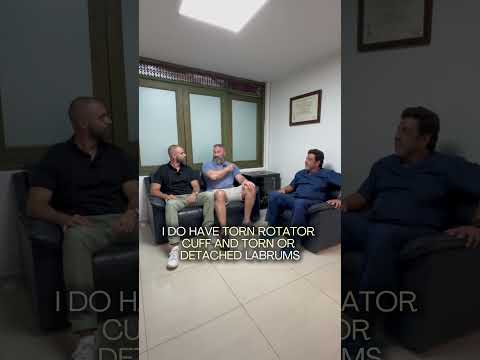
The physical demands placed on competitive athletes often result in catastrophic shoulder injuries. A torn rotator cuff and torn or detached labrums [00:25] are highly common among individuals who have spent a majority of their life engaging in heavy resistance training. The shoulder joint is inherently unstable, relying heavily on the surrounding soft tissues, tendons, and the cartilaginous ring known as the labrum for structural integrity.
When an athlete performs repetitive pressing and pulling movements under maximum loads, micro-traumas accumulate within these shoulder structures. Over time, this wear and tear compromises the tensile strength of the rotator cuff tendons, leading to partial or full-thickness tears. Once the labrum detaches from the glenoid cavity, the shoulder loses its primary stabilizing mechanism, resulting in chronic pain and mechanical dysfunction.
Stem cell therapy for torn rotator cuffs offers a sophisticated alternative to invasive anchoring surgeries. By introducing highly concentrated mesenchymal stem cells directly into the damaged tissues, the body's natural healing response is exponentially amplified. These cells work to modulate local inflammation and stimulate the regeneration of collagen fibers necessary for tendon and labrum repair.
The Biological Mechanism of Shoulder Repair
Regenerative medicine focuses on the cellular communication pathways that dictate tissue healing. When stem cells are injected into a torn labrum under precise ultrasound guidance, they release growth factors and cytokines. This localized cellular signaling encourages the proliferation of fibroblasts, which are the primary cells responsible for synthesizing new connective tissue.
For patients with complex MRI results proving bilateral shoulder damage [00:29], finding a systemic and targeted approach is crucial. Rather than undergoing multiple reconstructive surgeries on both shoulders, regenerative injections provide a minimally invasive method to address multiple injury sites simultaneously. This preserves the existing anatomical structure while significantly reducing the risk of postoperative complications.
The Reality of Severe Knee Joint Degeneration in Competitive Bodybuilding
Knee joint degeneration is an inescapable reality for many individuals involved in competitive bodybuilding for the majority of their lives [00:16]. The sheer volume of load-bearing exercises, such as heavy squats and leg presses, exponentially accelerates the breakdown of articular cartilage. As the protective cartilage wears away, athletes experience severe bone-on-bone friction, leading to debilitating osteoarthritis.
It is highly common for structural failures to begin unilaterally before affecting the entire lower kinetic chain. An athlete might initially experience severe degradation primarily in their left knee, only to find that compensatory movement patterns cause the right knee to rapidly deteriorate as well [00:21]. This cascading effect highlights the urgent need for bilateral joint intervention before irreversible mechanical damage occurs.
Stem cell treatment for knee pain targets the intra-articular environment by addressing both the mechanical degradation and the chronic inflammatory cycle. The injected cellular therapies help to restore the viscosity of the synovial fluid, providing immediate lubrication to the joint space. Furthermore, the regenerative properties of the cells actively work to repair superficial cartilage defects, restoring a smoother gliding surface within the knee.
Biomechanical Impact of Knee Pain on Athletes
- Altered Gait Mechanics: Severe joint pain forces the body to adjust its walking and running patterns, placing abnormal stress on the hips and lower back.
- Muscle Atrophy: The inability to train legs with adequate volume and intensity leads to rapid muscle wasting in the quadriceps and hamstrings.
- Systemic Inflammation: Constant bone-on-bone friction creates a perpetual state of local inflammation that eventually impacts systemic recovery.
- Training Limitations: Chronic knee instability entirely removes fundamental compound movements from an athlete's training protocol.
Overcoming the Intimidation of Medical Procedures Abroad
Traveling internationally for advanced medical treatments often brings a significant level of anxiety for prospective patients. When planning to undergo medical procedures outside of the country, it is perfectly natural to feel intimidated and worried about the unknown variables [00:56]. Concerns regarding language barriers, facility standards, and the quality of medical professionals frequently deter patients from seeking the best possible care.
However, the landscape of medical tourism has evolved dramatically, with countries like Colombia emerging as premier destinations for regenerative medicine. Specialized clinics in South America often operate under stringent international protocols, utilizing state-of-the-art laboratory facilities for cell cultivation. Many international patients find that the level of personalized care and attention to detail vastly exceeds their experiences within their domestic healthcare systems.
Extensive research is the key to alleviating the fear associated with traveling for healthcare. By thoroughly investigating clinic credentials, physician backgrounds, and verified patient testimonials, individuals can make highly informed decisions [00:40]. Partnering with a clinic that prioritizes transparent communication helps establish a foundation of trust before the patient ever boards an airplane.
Key Factors Driving Medical Tourism to Colombia
Colombia has strategically positioned itself as a global leader in cellular therapies by investing heavily in biotechnology and specialized medical training. Clinics are able to offer highly concentrated, culturally expanded stem cell treatments that are often restricted by regulatory red tape in other countries. This access to superior cellular volumes directly correlates with more robust clinical outcomes for severe orthopedic conditions.
Furthermore, the cost-effectiveness of seeking treatment in South America allows athletes to afford comprehensive, multi-joint therapies. Patients can receive simultaneous treatments for bilateral shoulders and knees at a fraction of the cost of a single orthopedic surgery in North America. This financial accessibility democratizes advanced regenerative medicine for athletes across various competitive levels.
The Patient Experience at Kyron Stem Cell Clinic
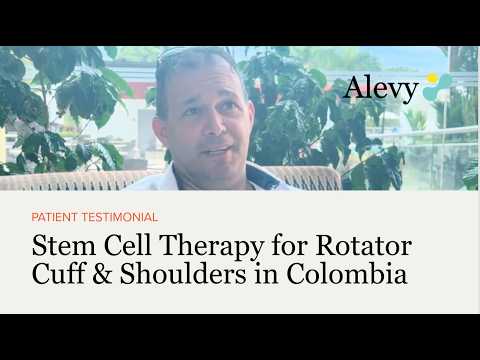
Choosing the right facility is arguably the most critical step in the regenerative medicine journey. Following extensive research into multiple stem cell therapy providers, many patients determine that Kyron Stem Cell Clinic in Colombia offers the most comfortable and professional environment [00:43]. The clinic's philosophy centers on highly personalized patient care, ensuring that visiting athletes feel secure and well-informed from the initial consultation through the post-procedure follow-up.
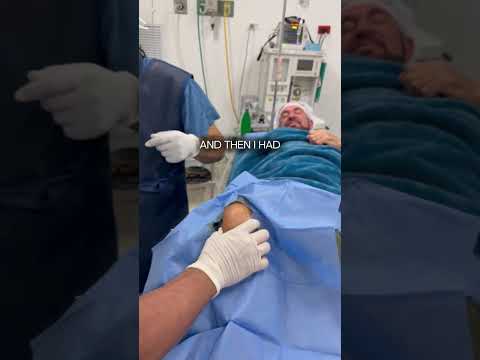
The clinical bedside manner demonstrated by specialists like Dr. Carlo Rojas plays a pivotal role in reducing patient anxiety [00:07]. Instead of fostering a rigid, hyper-clinical atmosphere that makes patients feel like mere numbers, the medical staff treats incoming patients like old friends [00:50]. This welcoming approach entirely shifts the dynamic, allowing athletes to relax and trust the medical process.
The treatment process itself is designed to be highly efficient and minimally disruptive. Patients frequently report that the regenerative injections are remarkably painless, entirely contradicting their initial fears of a grueling medical procedure [00:47]. By utilizing local anesthetics and advanced image-guided delivery systems, the medical team ensures precise cellular placement with virtually zero procedural discomfort.
Experiencing Immediate Knee Pain Relief After Stem Cell Injections
One of the most remarkable phenomena observed following a high-quality stem cell procedure is the rapid onset of pain relief. It sounds almost unbelievable to medical traditionalists, but patients frequently report that their knees no longer hurt just a single day after the procedure [01:06]. This immediate cessation of chronic pain is a distinct hallmark of advanced cellular therapies utilizing highly viable mesenchymal stem cells.
This rapid relief is primarily driven by the potent anti-inflammatory properties of the injected biologics. Severe joint pain is largely dictated by a highly inflamed synovial environment filled with destructive enzymes. The introduced stem cells immediately begin to modulate the local immune response, shutting down the aggressive inflammatory cascade and drastically reducing swelling within the joint capsule.
While this immediate comfort is encouraging, it is vital to understand that the structural regeneration phase takes considerably longer. The pain relief provides the athlete with the necessary comfort to begin proper functional rehabilitation without relying on toxic pharmaceutical painkillers. It completely resets the joint's environment, paving the way for sustained, long-term tissue repair over the subsequent months.
The Timeline of Cellular Joint Repair
The healing journey following a regenerative injection occurs in multiple distinct phases. The initial acute phase, characterized by massive inflammation reduction, occurs within the first 24 to 72 hours. This is why patients experience that seemingly miraculous drop in joint pain almost immediately following the clinic visit.
The secondary phase, known as the proliferative phase, begins around week three and extends through the third month. During this crucial window, the stem cells are actively differentiating and synthesizing new collagen and cartilage matrices. Patients must strictly adhere to their guided rehabilitation protocols during this period to ensure the newly forming tissues mature correctly and align with the mechanical demands of the joint.
Evaluating Regenerative Medicine Versus Traditional Orthopedic Surgery
For athletes facing detached labrums and severe osteoarthritis, the traditional medical route almost exclusively involves highly invasive orthopedic surgery. These surgeries require general anesthesia, significant tissue cutting, and the placement of permanent hardware like metallic anchors or synthetic joint replacements. The surgical trauma itself often initiates a secondary cascade of inflammation and scar tissue formation.
Regenerative medicine presents a profound paradigm shift by utilizing the body's innate biological tools to facilitate healing. Stem cell procedures are performed on an outpatient basis, requiring only local anesthesia and leaving absolutely zero surgical scarring. This minimally invasive approach drastically reduces the risk of postoperative infections, blood clots, and adverse reactions to general anesthetics.
Furthermore, the recovery timelines between the two approaches are vastly different. Traditional rotator cuff or labrum reconstruction routinely sidelines an athlete for six to nine months, often resulting in permanent loss of joint mobility. In contrast, patients utilizing regenerative therapies can typically return to light, functional movements within weeks, maintaining joint range of motion while the cellular repair takes place.
| Treatment Metric | Traditional Joint Surgery | Advanced Stem Cell Procedure |
|---|---|---|
| Invasiveness | High (incisions, bone anchors, tissue removal) | Very Low (image-guided needle injection) |
| Anesthesia Required | General anesthesia (carries systemic risks) | Local anesthesia at injection site only |
| Athletic Downtime | 6 to 12 months for full structural recovery | 4 to 12 weeks for progressive tissue maturation |
| Scar Tissue Formation | High risk of restrictive internal scarring | Minimal to none; promotes organized cell growth |
Post-Procedure Rehabilitation and Returning to Heavy Lifting
The ultimate goal for any competitive bodybuilder is a safe and robust return to the gym floor. While the immediate pain relief is exciting, athletes must be highly strategic about how they reintroduce mechanical stress to their healing joints. Being anxious to see the final results and test the shoulders in the gym is normal [01:12], but patience during the early maturation phase is absolutely critical.
Post-procedure rehabilitation should focus entirely on restoring pain-free range of motion before any significant external loads are applied. Active isolated stretching and low-impact mobility exercises ensure that the newly synthesized collagen fibers align correctly along the lines of tension. Rushing back into heavy barbell presses or maximal squats too early can disrupt the delicate cellular scaffolding before it has fully stabilized.
As the joint integrity improves over the subsequent months, athletes can begin a progressive overload protocol. Utilizing resistance bands, isometric holds, and strict tempo repetitions allows the muscles to fire without subjecting the regenerating labrums and rotator cuffs to explosive shear forces. This calculated reintegration eventually leads to a complete return to competitive strength levels without the lingering chronic pain that plagued their earlier training cycles.
Quality of Life Improvements Through Advanced Regenerative Therapies
Chronic joint pain extends far beyond the confines of the weight room; it drastically deteriorates an individual's overall physical and mental well-being. Living with severe orthopedic degradation for years leads to a notoriously poor quality of life [00:32], characterized by interrupted sleep patterns, restricted daily mobility, and severe mood fluctuations. The constant reliance on anti-inflammatory medications eventually takes a heavy toll on the digestive and hepatic systems.
The desire to get that fundamental quality of life back is the primary driving force behind seeking out an advanced stem cell procedure in Colombia [00:36]. When basic activities like climbing stairs, carrying groceries, or sleeping through the night become pain-free again, the psychological relief is immense. Regenerative medicine does not just repair damaged cartilage and torn tendons; it essentially gives athletes their lives back.
By addressing the root cause of the structural failure, stem cell therapy provides a permanent shift in joint health dynamics. Athletes no longer have to accept chronic pain as an inevitable consequence of their sport. They are empowered to continue pursuing their passions with renewed physical resilience and structural confidence.
Ready to Reclaim Your Active Lifestyle?
If you are struggling with severe joint pain, torn rotator cuffs, or knee degeneration, don't let traditional surgical limitations hold you back. Discover how advanced stem cell therapy in Colombia can accelerate your healing and get you back to peak performance without invasive procedures.
Get Free QuoteView Full Video Transcript
[00:00] My knees, I know it sounds strange but a day after the procedure.
[00:04] my knees don't hurt anymore.
[00:05] This is patient Aaron Rook, Doctor Carlo Rojas,
[00:08] and we just wanted to share Aaron situation and his story with you.
[00:11] So Aaron tell us.
[00:12] I'm coming from La Barra Uruguay.
[00:14] I've been active and competitive body building
[00:16] for the majority of my life and obviously
[00:19] I have some wear and tear and
[00:21] primarily really bad in my left knee
[00:23] starting to get bad in my right knee.
[00:25] I do have torn rotator cuff and torn or
[00:27] detached labrums in both shoulders,
[00:29] which are proven from the MRI results and
[00:32] the quality of life has been very
[00:34] poor the last few years so
[00:36] I kind of want to get that back so
[00:38] I looked into the stem cell therapy
[00:40] did my research
[00:41] found a couple different places
[00:43] and I felt the most comfortable with Kyron.
[00:45] Came here and I had the procedure.
[00:47] It was pretty painless.
[00:48] The doctor made everything feel more
[00:50] like we are old friends.
[00:52] I didn't feel it very clinical.
[00:54] He made you feel really good.
[00:55] Sometimes when you go to medical procedures
[00:56] especially outside of the country
[00:58] you're intimidated, you're worried
[01:00] you don't know what's gonna happen
[01:01] but like it was a great experience
[01:02] all around.
[01:03] I'm anxious to see the results later.
[01:06] My knees, I know it sounds strange but a
[01:08] day after the procedure
[01:09] my knees don't hurt anymore so
[01:11] that is the truth.
[01:12] Shoulders obviously I gotta push them in the
[01:13] gym to see what happens.
[01:14] [Logo Visual: Kyron Stem Cell Colombia]






.jpg)
.jpg)
.png)
.jpg)








Share this listing