

Your joints do not have an expiration date but when tendons and ligaments tear they demand serious biological intervention rather than just rest and ice. Choosing a Stem Cell Therapy for Tendon and Ligament Tears package in Colombia offers international patients access to advanced regenerative medicine without the prohibitive costs of North American clinics. Most comprehensive orthobiologic treatment plans begin around $4,500 covering cellular extractions and targeted ultrasound injections requiring a short five to seven day stay abroad. Final eligibility and exact pricing always depend on a thorough clinical assessment of your specific joint injury by a certified orthopedic specialist.
Key Insights at a Glance
- Regulatory Oversight Colombian regenerative medicine clinics operate under strict guidelines from INVIMA ensuring maximum cellular viability and safety.
- Ideal Candidates Patients with partial tears grade one or two sprains and chronic tendinopathy tend to experience the most significant functional improvements.
- Diagnostic Prerequisites A recent MRI taken within the last three months is absolutely mandatory before any specialist will approve your travel for treatment.
- Timeline Expectations Patients should anticipate a progressive healing window of twelve to sixteen weeks before experiencing maximum tissue regeneration and pain relief.
- Travel Logistics A minimum stay of five days is recommended to allow for initial consultations cellular extraction lab processing and immediate post injection monitoring.
How Much Does Stem Cell Treatment for Tendons Cost in Colombia
Navigating the financial landscape of regenerative medicine requires transparency because cellular therapies are rarely covered by standard health insurance. Patients looking to repair damaged ligaments often face staggering out of pocket fees in the United States and Europe which drives the demand for high quality alternatives in Latin America. Colombia has emerged as a premier destination because it pairs highly regulated biotechnology laboratories with favorable economic exchange rates allowing patients to access elite orthopedic care for a fraction of the traditional cost.
The table below illustrates the stark contrast in baseline pricing for standard autologous cellular therapies targeting a single major joint.
| Destination | Estimated Starting Cost USD | Market Factor |
|---|---|---|
| Colombia | $4,500 - $6,500 | Favorable exchange rate and low overhead |
| United States | $12,000 - $25,000 | High laboratory fees and insurance markups |
| United Kingdom | $10,000 - $18,000 | Strict private sector premium pricing |
| Mexico | $5,000 - $8,000 | Proximity to US drives prices slightly higher |
| Procedure Items | Estimated Cost USD | Description |
|---|---|---|
| Initial Diagnostics | $200 - $400 | On site orthopedic evaluation and joint imaging |
| Cell Extraction | $1,500 - $2,000 | Harvesting from bone marrow or adipose tissue |
| Lab Processing | $1,800 - $2,500 | Centrifuging and isolating viable regenerative cells |
| Guided Injection | $800 - $1,200 | Ultrasound guided delivery into the specific tear |
| Total Estimated Package | $4,500 - $6,500 | *Prices vary based on joint size and cell counts |
Disclaimer: Medical eligibility and final package pricing can only be confirmed after an independent doctor reviews your recent diagnostic imaging and medical history.
What Is Included in This Regenerative Medicine Package
Traveling internationally for healthcare requires absolute clarity regarding logistics and clinical provisions. The most reputable orthopedic centers in Colombia structure their packages to create a seamless experience so you can focus entirely on joint healing rather than hidden fees. Below is a detailed breakdown of the standard inclusions and exclusions you can expect when booking a ligament repair package.
Usually Included
- Pre arrival digital consultation with the orthopedic team
- Ground transfers between the local airport hotel and clinic
- In person specialist assessment and physical examination
- Local anesthesia required for the harvesting procedure
- Laboratory isolation and concentration of regenerative cells
- Ultrasound guided delivery of cells into the damaged tissue
- Post injection bracing or slings if medically necessary
Usually Excluded
- International round trip airfare to and from Colombia
- Hotel accommodations and daily living expenses
- Extensive physical therapy sessions once you return home
- Pre travel MRI scans required for initial qualification
- General anesthesia or deep sedation unless specifically requested
- Travel insurance and dedicated medical complication policies
What Types of Stem Cells Are Used for Ligament Repair in Colombia
The term stem cell therapy is often used as a broad umbrella but the clinical reality involves highly specific biological materials tailored to your exact injury. Colombian medical regulations established by INVIMA allow for advanced cellular processing meaning clinics can offer specialized autologous treatments utilizing your own body tissue. This regulatory environment permits rigorous laboratory expansion and concentration ensuring the highest possible yield of mesenchymal stem cells before they are introduced to a torn tendon.
Doctors typically harvest these regenerative cells from two primary autologous sources depending on your age body composition and the severity of the ligament damage. Understanding the difference between these sources helps set realistic expectations for the extraction process and the subsequent healing timeline.
- Bone Marrow Aspirate Concentrate Extracted directly from the iliac crest of the pelvis this source is extremely rich in mesenchymal stem cells and vital growth factors making it the gold standard for severe orthopedic injuries and deep tendon lesions.
- Adipose Derived Cells Harvested through a mini liposuction procedure usually from the flank or abdomen this fat tissue yields a massive volume of cells and provides an excellent structural scaffold for repairing partial ligament tears in older patients.
- Platelet Rich Plasma Augmentation While not technically stem cells doctors almost always combine your cellular injection with concentrated platelets from your blood to act as a biological fertilizer that signals the new cells to begin repairing tissue immediately.
Will Cellular Therapy Work for Complete Ligament Ruptures
A common misconception in regenerative medicine is the belief that biology can magically bridge a massive physical gap inside a joint. Tendons and ligaments are essentially biological cables that connect muscle to bone or bone to bone. When these cables suffer micro tears or partial ruptures cellular injections are incredibly effective at healing the frayed fibers and restoring structural integrity without surgical intervention.
However if you have suffered a complete grade three rupture where the ligament has snapped in two and retracted away from itself an injection alone cannot pull those pieces back together. In these severe scenarios orthopedic specialists employ a combined approach.
| Tear Classification | Clinical Reality | Role of Regenerative Medicine |
|---|---|---|
| Grade 1 Micro Tears | Tissue is stretched but structurally intact | Highly effective as a primary standalone treatment to reverse damage and halt chronic pain. |
| Grade 2 Partial Tears | Tissue is partially torn resulting in joint laxity | Excellent alternative to surgery thickening the remaining ligament and restoring tight joint function. |
| Grade 3 Complete Tears | Total disruption and retraction of the fibers | Requires surgical repair first. Cells are applied during surgery to accelerate healing and prevent re-rupture. |
How Do Doctors Deliver Biological Material Exactly into the Torn Tendon
The success of this procedure relies just as much on precision delivery as it does on cellular quality. A blind injection where a doctor simply feels the joint and pushes a needle into the general area of pain is practically useless for true ligament repair. Tendons are complex three dimensional structures and placing cells even a few millimeters away from the actual micro tear will result in clinical failure and wasted time.
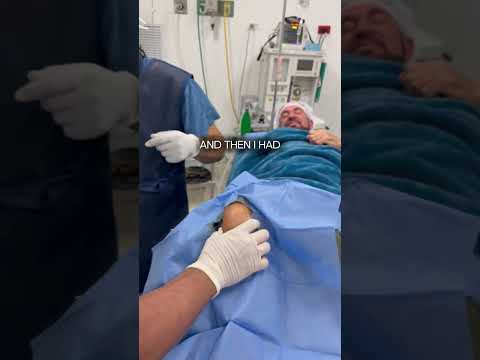
To guarantee accuracy top tier orthopedic centers in Colombia utilize advanced musculoskeletal imaging during the entire procedure. This allows the specialist to watch the needle enter the body in real time navigating around nerves and blood vessels to deposit the regenerative payload exactly where the tissue is frayed.
- High Definition Ultrasound Mapping The doctor scans the affected joint to identify the precise depth and width of the structural defect within the ligament.
- Real Time Trajectory Tracking Using the ultrasound monitor the physician guides the needle millimeter by millimeter ensuring it penetrates the damaged fascia directly.
- Fenestration Technique Before injecting the cells the doctor may gently pepper the damaged tendon with the needle tip to provoke a fresh bleeding response which jumpstarts the healing cascade.
- Targeted Deposition The concentrated cellular mixture is slowly injected flooding the micro tear and coating the weakened fibers in a biological scaffold.
Why Do Orthopedic Doctors Forbid Ibuprofen Before and After Cell Injections
Pain management during international medical travel is a major concern but you must radically adjust your approach to medication when undergoing regenerative treatments. Nonsteroidal anti inflammatory drugs commonly known as NSAIDs are the absolute enemy of cellular therapy. Drugs like ibuprofen naproxen and aspirin work by chemically blocking the prostaglandin pathways which suppresses the body's natural inflammatory response.
However the entire premise of cellular ligament repair relies on triggering localized inflammation. Your newly injected cells depend on those inflammatory signals to know where to go and what tissue to rebuild. If you take NSAIDs during your trip to Colombia you effectively silence those signals and neutralize the treatment resulting in a complete failure to heal.
Strictly Forbidden
Stop taking these two weeks before and six weeks after your procedure:
- Ibuprofen Motrin Advil
- Naproxen Aleve
- Aspirin unless prescribed for cardiac reasons
- Prescription NSAIDs like Celebrex or Meloxicam
Generally Approved
Safe options for managing joint stiffness during your travel and recovery:
- Acetaminophen Tylenol
- Tramadol if prescribed by your treating physician
- Heat therapy pads for muscle spasms
- Natural supplements like Turmeric approved by your doctor
How Does High Altitude in Bogota Affect Joint Injection Healing
If your selected clinic is located in the Colombian capital of Bogota you will be recovering at an elevation of roughly eight thousand six hundred feet above sea level. This geographical reality has subtle but important physiological implications for patients undergoing invasive cellular procedures. At higher altitudes the air is thinner which naturally increases your respiratory rate and accelerates imperceptible water loss through breathing leading to faster systemic dehydration.
Synovial fluid the viscous liquid that lubricates your joints and houses your newly injected cells requires abundant systemic hydration to remain healthy. If you become dehydrated at altitude the joint environment becomes less hospitable for cellular proliferation potentially slowing down the early phases of tissue remodeling.
Altitude Adaptation Rules for Orthopedic Patients
- Consume at least three liters of purified water daily starting two days before your flight to Colombia.
- Avoid alcohol and excessive caffeine entirely during your stay as both act as diuretics that compound altitude dehydration.
- Limit unnecessary physical exertion or tourism walks around the city for the first forty eight hours post injection to reduce oxygen demand.
- Monitor your resting heart rate and communicate any unusual fatigue or shortness of breath to your local medical team immediately.
Can I Fly Safely After Targeted Cellular Therapy for Tendon Tears
Navigating an international flight back home immediately following a joint procedure presents unique logistical challenges. Depending on your destination a flight from Colombia to North America typically lasts between three to six hours. Being confined in a pressurized cabin while dealing with a freshly injected knee shoulder or ankle requires specific precautions to prevent deep vein thrombosis and mitigate extreme joint stiffness.
Immediately following the injection the treated joint will experience a purposeful flare up of swelling and inflammation. Changes in cabin pressure can temporarily exacerbate this swelling making the journey uncomfortable if you are unprepared. Planning your travel itinerary with medical recovery in mind is crucial for protecting the early biological investment.
Flight Safety Protocol Post Treatment:
- Book Aisle Seats Prioritize an aisle seat or upgrade to premium economy to ensure you can stretch the treated limb and stand up easily.
- Mandatory Movement Stand up and walk the cabin aisle for five minutes every single hour to promote blood circulation and prevent dangerous clots.
- Compression Wear Wear medical grade compression socks regardless of which joint was treated to assist cardiovascular return during the flight.
- Delay Departure Never fly on the exact same day as your injection. Wait a minimum of twenty four to forty eight hours as directed by your Colombian specialist.
Frequently Asked Questions
Is this procedure painful?
Patients typically experience mild discomfort during the cellular extraction phase especially during bone marrow harvesting which is mitigated with local anesthesia. The injection site itself will feel sore and stiff for several days as the deliberate inflammatory healing response begins.
How soon can I return to playing sports?
Biological healing cannot be rushed. Most patients require a strict rest period of four to six weeks followed by guided physical therapy. A return to high impact sports usually takes three to six months depending on the severity of the initial tear.
Do I need to bring my own MRI scans to Colombia?
Yes. Reputable clinics require digital copies of a recent MRI taken within the last three to six months to evaluate your candidacy before you ever book a flight. X-rays are insufficient as they only show bone not soft tissue ligaments.
Will I need crutches after treatment for a knee ligament?
If you receive injections for an ACL MCL or meniscus tear doctors generally prescribe partial weight bearing for the first few days. You may be required to use crutches or wear a hinged brace during your travel back home to protect the joint.
Can the body reject these regenerative cells?
Because the procedure primarily uses autologous materials meaning cells harvested directly from your own body there is virtually zero risk of immunological rejection or transmittable disease.
Is age a limiting factor for this therapy?
While age can diminish the sheer quantity of viable stem cells in your bone marrow advanced lab processing techniques in Colombia can concentrate the available cells effectively. However patients over sixty five may be recommended adipose derived cells instead due to higher volume yields.
Are physical therapy sessions included in the package?
Standard medical tourism packages cover the clinical extraction and injection but long term physical therapy must be arranged with a local provider in your home country. Your Colombian specialist will provide a detailed rehabilitation protocol for your home therapist to follow.
Can multiple joints be treated during the same trip?
Yes. If sufficient biological material is harvested during the extraction phase doctors can frequently process enough concentrated cells to treat bilateral issues like both knees or two distinct injuries during the same clinical session.
How long do the regenerative results last?
If the ligament heals completely and you modify any poor biomechanical habits the results can be permanent. This is an actual structural repair of tissue rather than a temporary masking of pain like a cortisone injection.
Begin Your Recovery Journey Today
Living with chronic joint instability dictates how you move sleep and enjoy daily life. Reclaiming your mobility begins with a clear understanding of your options. Reach out to coordinate a remote evaluation of your recent MRI and take the first informed step toward biological healing.
Request Free QuoteMedical Disclaimer: The content provided on this page is for general informational and educational purposes only. It does not constitute formal medical advice diagnosis or guaranteed treatment outcomes and patients should always consult directly with a board certified orthopedic specialist prior to making healthcare decisions.
References
- https://www.ncbi.nlm.nih.gov/pmc/articles/PMC6400266/ - National Institutes of Health research on mesenchymal stem cell efficacy for tendon repair.
- https://www.mayoclinic.org/tests-procedures/bone-marrow-transplant/about/pac-20384854 - Mayo Clinic overview on cellular aspiration and processing.
- https://www.orthoinfo.org/en/treatment/platelet-rich-plasma-prp/ - American Academy of Orthopaedic Surgeons clinical guidelines on orthobiologics.
- https://pubmed.ncbi.nlm.nih.gov/30528229/ - PubMed clinical study regarding the negative effects of NSAIDs on regenerative tissue healing.
- https://www.fda.gov/vaccines-blood-biologics/cellular-gene-therapy-products/approved-cellular-and-gene-therapy-products - FDA baseline information on approved autologous cellular therapy classifications.

















Share this listing