


Contents
Real Results: Joint Recovery through Stem Cell Therapy in Colombia
For patients suffering from chronic rotator cuff tears, Achilles tendonitis, or ACL injuries, the traditional route often leads to invasive surgery and months of rehabilitation. Colombia has emerged as a sophisticated alternative, offering cutting-edge stem cell therapies that aim to heal—rather than just repair—damaged tissues. In cities like Bogota, Medellin, and Cartagena, regenerative medicine is not a fringe concept but a well-established discipline integrated into world-class orthopedic care.
Patients choose Stem Cell Therapy for Tendon and Ligament Tears in Colombia because it sits at the intersection of affordability and advanced biotechnology. Here, specialized clinics utilize both autologous (from your own body) and allogeneic (donor) mesenchymal stem cells to stimulate the body's natural repair mechanisms. This approach is particularly attractive for active individuals who wish to avoid the scar tissue and downtime associated with surgical reconstruction.
Colombian medical centers operate under strict regulations enforced by INVIMA (the local equivalent of the FDA), ensuring high safety standards. When you opt for treatment here, you are accessing a healthcare system that is ranked among the best in Latin America, combining the expertise of U.S.-trained orthopedists with the potential of regenerative science.
Whether you are a professional athlete or someone simply wanting to walk without pain, exploring stem cell therapy in Colombia opens the door to non-surgical recovery in a setting renowned for its medical hospitality and warmth.
Did You Know?
Colombia is a powerhouse in international cycling and soccer. This deep cultural connection to sports has driven the country to develop one of the most advanced sports medicine and orthopedic sectors in the region, with doctors who are experts in treating soft tissue injuries non-surgically to get athletes back in the game faster.
Key Insights at a Glance
Therapies are typically injection-based, performed on an outpatient basis with no overnight hospital stay required.
Treatments in Colombia can cost 40% to 60% less than comparable regenerative protocols in North America or Europe.
Clinics offer diverse options including Bone Marrow Concentrate (BMAC), Adipose-derived cells, and Wharton’s Jelly (Umbilical).
Most patients return to light daily activities within 24-48 hours, significantly faster than surgical recovery.
Top centers use fluoroscopy or ultrasound guidance to ensure precise delivery of stem cells directly into the tear.
Using the body's own biological material minimizes the risk of allergic reactions or rejection.
Healing with Altitude
Bogota, one of the primary hubs for stem cell treatments, is located at 8,660 feet above sea level. While you rest after therapy, the cooler, high-altitude climate is often cited by patients as being comfortable for recovery, avoiding the humidity and heat that can sometimes increase post-procedural swelling in coastal areas.
Regenerative medicine requires a holistic approach, and the best clinics in Colombia understand this by offering comprehensive packages. In this section, we feature providers who bundle the stem cell procedure with necessary diagnostics (like MRI or ultrasound reviews), pre-treatment consultations, and post-therapy physical therapy protocols. These all-inclusive options often include airport transfers and accommodation assistance, ensuring your focus remains entirely on healing your injury.
Note: Look for packages that include "booster" sessions or PRP (Platelet Rich Plasma) adjuncts for enhanced results.

Price starting from $8,500
Stem Cell Treatment for Tendon and Ligament Tears Package in Cali, Colombia by Stem Cells Kyron
Stem Cells Kyron Colombia
- Stem Cell Therapy
Cali, Colombia
Investing in your mobility shouldn't require financial distress. The table below outlines the estimated costs for stem cell treatments in Colombia, covering procedures for knees, shoulders, and ankles. You will notice a significant cost advantage compared to North American pricing, driven by lower overheads and favorable exchange rates. Use these figures as a baseline to plan your medical travel budget, remembering that total costs may vary based on the number of injections required and the source of stem cells used.
Tip: Ask if the price includes the cryopreservation (freezing) of extra cells for potential future treatments.
Stem Cell Therapy for Tendon and Ligament Tears Centers Cost Comparison in Colombia
| Provider | Procedure | Price |
|---|---|---|
| Stem Cells Kyron Colombia | Stem Cell Therapy for Tendon and Ligament Tears, Stem Cell Therapy | $8500 |
Stem Cell Therapy for Tendon and Ligament Tears Cost Comparison in Colombia
| Country | Procedure | Price |
|---|---|---|
| United States | Stem Cell Therapy for Tendon and Ligament Tears, Stem Cell Therapy | $35000 |
Not all clinics are equipped for high-level regenerative medicine. We have carefully selected a list of medical centers in Colombia that feature dedicated laboratories for cell processing and isolation. These facilities are chosen for their sterility standards, use of image-guided injection technology, and board-certified medical teams. Explore the profiles below to distinguish between general wellness spas and true orthopedic centers of excellence.
Safety First: Verify that the clinic has an on-site laboratory or partners with a certified biological bank.
Stem Cells Kyron Colombia
Cali, Colombia

Alevy - Stem Cell Therapy and Regenerative Medicine
Pereira, Colombia

Regencord - Stem Cell Therapies
Pereira, Colombia
Lumm Medical - Stem Cell Medellin Colombia
Medellin, Colombia
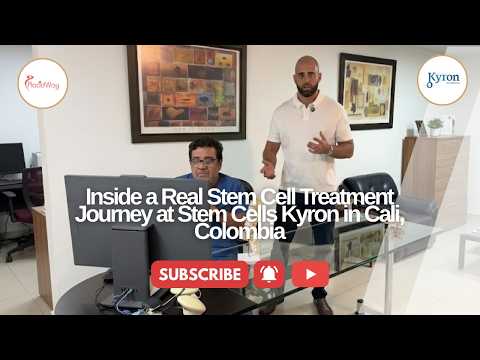
The journey from chronic pain to restored function is best understood through the eyes of those who have lived it. Below, we present video testimonials from patients who traveled to Colombia for tendon and ligament repair. Listen to their stories regarding pain reduction, mobility improvements, and their honest take on the clinic experience to gauge what you can expect from your own treatment.
Insight: Watch for comments about the "downtime" to get a realistic idea of when you can resume normal activities.
Trust is built on transparency and shared experiences. In this section, you will find verified reviews from patients who have undergone regenerative procedures in Colombia. Read about their satisfaction levels regarding the doctor's communication, the cleanliness of the facilities, and the long-term results of their joint and tendon therapies. These unbiased accounts are a vital tool in selecting the right provider for your specific injury.
Review Tip: Look for reviews from patients with similar injuries (e.g., rotator cuff vs. ACL) to yours.

Can Stem Cell Therapy in Colombia Help with Sports Injuries?
Yes, stem cell therapy in Colombia can effectively help with sports injuries by regenerating damaged cartilage, tendons, and ligaments. Colombia offers advanced, INVIMA-regulated treatments using high-potency Mesenchymal Stem Cells (MSCs) at a significantly lower cost than North America, helping athletes recover faster and avoid invasive surgery. For athletes and active individuals, a serious injury often feels like hitting a brick wall. The standard medical route usually involves months of physical therapy, strong painkillers, or invasive surgeries that come with long downtimes and no guarantee of returning to peak performance. This frustration is leading many to look for better options, and Colombia has emerged as a premier destination for advanced regenerative medicine. You might be wondering if traveling for treatment is really worth it. The reality is that Colombia is not just a budget-friendly option; it is a hub for high-quality, scientifically backed medical innovation. Unlike in many other regions where regulations severely restrict the types of stem cells doctors can use, Colombia’s regulatory framework allows for the use of expanded, high-potency cells. This means the treatment you receive there can be significantly more powerful and effective than what is available locally in the US or Canada. Beyond the science, there is the human element. Colombian medical teams are renowned for their warm, patient-centric approach, making the entire experience less clinical and more supportive. Whether you are dealing with a nagging "runner’s knee," a torn rotator cuff, or chronic tendonitis, the goal of these therapies is to repair the tissue naturally rather than just masking the pain. In this guide, we will break down everything you need to know—from how it works and what it costs to the safety protocols that protect you. What is stem cell therapy for sports injuries? Stem cell therapy for sports injuries is a regenerative procedure where potent cells are injected into damaged areas to repair tissues like cartilage, muscles, and ligaments naturally. Stem cell therapy is a branch of regenerative medicine that shifts the focus from managing symptoms to actually repairing the underlying damage. In the context of sports injuries, doctors use stem cells—often derived from umbilical cord tissue (Wharton’s Jelly) or the patient’s own bone marrow or fat—to target injured areas. These cells act as the body’s "master builders," capable of transforming into the specific types of cells needed to fix the injury. When injected into an injured knee or shoulder, these cells do two main things: they reduce inflammation almost immediately, and they signal the body to start rebuilding damaged tissue. This is different from a cortisone shot, which only stops inflammation temporarily and can actually weaken tissue over time. Stem cell therapy aims to strengthen the structural integrity of the joint or tendon, offering a long-term solution rather than a quick fix. How does stem cell therapy help heal sports injuries? Stem cells heal injuries by reducing inflammation, preventing cell death, and differentiating into new tissue cells to rebuild damaged cartilage and tendons structurally. The mechanism behind this therapy is powerful. Once the stem cells are introduced to the injury site, they release growth factors and cytokines. These are biological signals that tell the body, "Repair work needed here." This paracrine effect recruits the body's own healing resources to the site, accelerating a process that might otherwise take months or fail completely. For sports injuries specifically, this biological boost is critical. Ligaments and tendons have poor blood supply, which is why they heal so slowly. Stem cells help bypass this limitation by creating a pro-healing environment directly at the source. Over weeks and months, this results in new collagen formation and healthier, more resilient tissue that can withstand the demands of athletic activity. Is stem cell therapy legal in Colombia? Yes, stem cell therapy is fully legal in Colombia and is strictly regulated by INVIMA, the national health authority, ensuring safety and quality standards are met. Colombia has a very clear and robust legal framework for regenerative medicine. The industry is overseen by INVIMA (Instituto Nacional de Vigilancia de Medicamentos y Alimentos), which functions similarly to the FDA in the United States. INVIMA ensures that clinics adhere to strict hygiene, processing, and ethical standards. This regulation allows for the legal use of both autologous cells (from your own body) and allogeneic cells (from donors, like umbilical cord tissue). Because the laws are designed to support medical innovation while protecting patients, Colombian clinics can legally offer expanded stem cell cultures—treatments with millions of active cells—that might be restricted or unavailable in other countries. What types of sports injuries can be treated with stem cells? Common treatable injuries include rotator cuff tears, runner’s knee, tennis elbow, Achilles tendonitis, partial ligament tears, and early-stage osteoarthritis. Stem cell therapy is versatile but works best for soft tissue injuries and joint degradation. It is widely used for: Knee Injuries: Meniscus tears, ACL sprains (not complete ruptures), and cartilage wear (osteoarthritis). Shoulder Issues: Rotator cuff tendonitis and partial tears, labral tears, and bursitis. Elbow and Wrist: Tennis elbow (lateral epicondylitis) and golfer’s elbow. Foot and Ankle: Achilles tendonitis, plantar fasciitis, and ankle sprains. It is important to note that while stem cells are incredible for regeneration, they cannot reattach a completely severed ligament or fix a bone fracture that has moved out of place. They are best suited for chronic overuse injuries or partial tears where the tissue structure is still intact but damaged. How much does stem cell therapy cost in Colombia? Stem cell therapy in Colombia typically costs between $3,000 and $8,000 USD, which is significantly lower than the $10,000 to $50,000 often charged in the US. One of the primary reasons athletes travel to Colombia is the cost efficiency. You receive top-tier medical care for a fraction of the price found in North America. The lower cost is due to the lower cost of living and operational expenses in Colombia, not a lack of quality. Here is a comparison of estimated costs for a standard orthopedic stem cell treatment: Treatment Location Estimated Cost Range (USD) Colombia $3,000 - $8,000 United States $10,000 - $50,000 Canada $8,000 - $25,000 Mexico $4,000 - $10,000 Europe (UK/Germany) $9,000 - $20,000 Packages in Colombia often include the consultation, the procedure itself, and sometimes even airport transfers and assistance with logistics, providing high value for international patients. Why choose Colombia for sports injury treatment? Colombia combines high-quality, government-regulated medical care with advanced cell technologies and affordable prices, making it a world leader in medical tourism. Colombia has invested heavily in its healthcare infrastructure. Cities like Bogotá, Medellín, and Cartagena are home to hospitals and clinics that are often JCI-accredited or hold international certifications. The doctors are frequently trained in the US or Europe and are fluent in English, removing the communication barrier. Furthermore, the ability to use expanded Mesenchymal Stem Cells (MSCs) sets Colombia apart. In the US, the FDA restricts the expansion of cells, meaning you often get a "same-day" treatment with a lower cell count. In Colombia, labs can culture the cells to reach numbers in the hundreds of millions, providing a much more potent dose for healing deep tissue injuries. What is the success rate of stem cell therapy for joint pain? Success rates for joint pain and soft tissue injuries in Colombia generally range from 80% to 90%, with most patients reporting significant pain reduction and improved mobility. Success in regenerative medicine is measured by pain relief and function. Clinical data and patient reports from top Colombian centers indicate that approximately 8 out of 10 patients experience a substantial improvement. This doesn't always mean a "perfect" knee, but it often means returning to sports, hiking, or running without the debilitating pain that existed before. Factors influencing success include the severity of the injury, the patient's age, and general health. Younger athletes with partial tears tend to respond faster than older patients with bone-on-bone arthritis, though both groups typically see improvements in quality of life. Are there risks associated with stem cell therapy? The risks are minimal and mostly procedural, such as temporary swelling or minor infection at the injection site, as stem cells themselves are generally safe and non-rejective. Because the treatment uses either your own cells or immune-privileged umbilical cord cells (which do not have markers that trigger rejection), the risk of an allergic reaction or rejection is virtually non-existent. The safety profile of Mesenchymal Stem Cells is very high. The main risks come from the injection process itself, similar to any needle procedure. These can include temporary soreness, bruising, or a very slight risk of infection, which is mitigated by the sterile environments maintained in regulated Colombian clinics. Serious complications are extremely rare. How long is the recovery time after the procedure? Recovery is quick; most patients walk out the same day, resume light activity within a week, and see full benefits peak between 3 to 6 months post-treatment. One of the biggest advantages of stem cell therapy over surgery is the downtime—or lack thereof. You won't be in a cast or on crutches for weeks. Most patients leave the clinic on their own two feet immediately after the procedure. Days 1-3: Rest and protect the area. Mild swelling is normal. Weeks 1-4: Light, low-impact movement (walking, swimming) to stimulate blood flow. Months 1-3: Gradual return to training. The cells are actively repairing tissue during this time. While you might feel better in a few weeks, the biological repair continues for months, so it is vital to follow the doctor's protocol and not rush back to heavy lifting too soon. What types of stem cells are used in Colombia? Clinics primarily use Mesenchymal Stem Cells (MSCs) derived from ethically sourced umbilical cord tissue (Wharton’s Jelly) or autologous cells from the patient's bone marrow or fat. Umbilical Cord Tissue (Allogeneic): These are the "gold standard" in many Colombian clinics. They are young, potent, and replicate quickly. Because they are harvested from healthy donors after scheduled C-sections, they carry no ethical baggage and have zero risk to the donor or baby. Their high vitality makes them excellent for older patients or severe injuries. Autologous Cells: These are taken from your own body (fat or bone marrow). While effective, they require an extraction procedure (like liposuction) and the cells are as old as you are, which can sometimes limit their potency compared to donor cells. Can stem cells repair torn ligaments? Stem cells can repair partial tears (Grade 1 and 2) effectively but generally cannot reattach a fully ruptured ligament (Grade 3) without surgical intervention. If you have a partial tear in your ACL or rotator cuff, stem cells can bridge the gap. They fill the tear with new tissue, knitting the fibers back together. This can save you from surgery. However, if the ligament has snapped completely (retracted like a rubber band), stem cells alone cannot mechanically pull the ends back together. In these cases, a surgeon might perform a repair and use stem cells during the surgery to accelerate healing, but the cells cannot replace the surgery itself. Is stem cell therapy better than surgery for sports injuries? For many partial tears and chronic inflammation, stem cell therapy is superior because it is non-invasive, preserves natural anatomy, and has a much shorter recovery time than surgery. Surgery is traumatic. It involves cutting, scar tissue, and often removing parts of the body (like trimming a meniscus). Once tissue is cut or removed, it never functions quite the same. Stem cell therapy is regenerative—it adds to the body rather than subtracting from it. For athletes, avoiding the "knife" means avoiding the muscle atrophy and stiffness that come with post-surgical immobility. However, surgery remains the necessary choice for mechanical blocks, displaced fractures, or complete ruptures. How many sessions are needed for effective results? Most sports injuries require only one session, especially when using high-dose expanded stem cells, though severe degenerative conditions may benefit from a booster session later. In the US, patients often need multiple low-dose injections. Because Colombian clinics can legally administer a single "super-dose" (often 50 million to 100 million cells), one treatment is usually sufficient for sports injuries. The high volume of cells floods the injury site, maximizing the repair potential in one go. Doctors will monitor your progress, and in rare cases of extensive damage (like severe arthritis affecting multiple joints), they might suggest a follow-up treatment 6 to 12 months later to maintain the results. What should I expect during the consultation in Colombia? Expect a comprehensive evaluation including a review of your MRI scans, a physical exam, and a detailed discussion of your specific injury and the customized treatment plan. The process usually starts before you even fly. You will likely send your MRIs and medical history digitally. The medical team reviews these to ensure you are a good candidate. Once you arrive, the in-person consultation involves a physical check-up to pinpoint the exact source of pain. The doctor will explain the procedure, how the cells will be applied (usually via ultrasound-guided injection), and what your personalized recovery plan looks like. It is a collaborative conversation, not a hurried appointment. Do insurance companies cover stem cell therapy in Colombia? Generally, no; health insurance companies typically classify stem cell therapy as an experimental or elective procedure and do not cover the costs, domestic or international. Most standard health insurance plans (both in the US and Europe) do not reimburse for regenerative medicine. Patients should expect to pay out-of-pocket. However, because the cost in Colombia is so much lower, the total expense—even including flights and a hotel—is often less than the co-pays and deductibles associated with a major surgery in the US. How do I prepare for stem cell treatment abroad? Preparation involves stopping anti-inflammatory medications, staying hydrated, arranging medical records, and planning for a few days of rest in Colombia after the procedure. Your doctor will give you a specific protocol, but generally, you will be asked to stop taking NSAIDs (like ibuprofen) for a week or two before the procedure, as these drugs can interfere with the body's healing signals. You should eat a clean diet, avoid alcohol, and stay well-hydrated. Logistically, plan to stay in Colombia for at least 3 to 5 days. This gives you time for the consultation, the procedure, and a 24-48 hour rest period before flying home. Comfortable clothing and a positive mindset are your best travel companions. Who is a good candidate for this therapy? Good candidates are active individuals with joint pain, tendonitis, or partial tears who want to avoid surgery and do not have active infections or blood cancer. The ideal patient is someone who is motivated to get better and has a specific, diagnoseable musculoskeletal issue. If you have "runner’s knee," "tennis elbow," or a nagging shoulder injury that hasn't responded to physical therapy, you are likely a great candidate. It is also an excellent option for former athletes dealing with early arthritis who want to delay or prevent joint replacement surgery. If you are ready to find a solution that helps you get back in the game, exploring the options available in Colombia is a smart next step. Ready to explore safe and affordable stem cell therapy options? Contact PlacidWay Medical Tourism today to get a free quote and connect with top-rated medical experts in Colombia. Get a Free Quote & Treatment Plan Today
Can cultured stem cell treatments in Colombia completely heal severe tendinopathy and avoid the need for surgery?
Cultured stem cell treatments in Colombia can significantly heal severe tendinopathy and often eliminate the need for surgery. By regenerating damaged tissue and reducing inflammation, patients experience profound pain relief and restored mobility. Key Takeaways: Healing Tendons Without Surgery Tissue Regeneration: Cultured cells actively rebuild the torn collagen fibers in damaged tendons. Cost Effectiveness: Patients save thousands by avoiding expensive domestic surgeries and utilizing affordable Colombian healthcare. Minimally Invasive: The treatment is an outpatient injection requiring zero surgical incisions or general anesthesia. Advanced Technology: Colombian labs are permitted to culture expand cells to millions yielding a higher therapeutic dose. Rapid Recovery: Downtime is significantly shorter than surgical reconstruction allowing faster return to daily activities. How do cultured stem cell treatments work for severe tendinopathy? Cultured stem cells are injected directly into the damaged tendon to stimulate cellular repair. They release growth factors that rebuild tissue and halt degeneration without the trauma of invasive surgery. Tendinopathy occurs when a tendon fails to heal properly after repetitive strain causing the collagen fibers to become disorganized and painful. Traditional approaches like rest or steroid injections only mask the pain and can actually weaken the tendon further over time. When patients opt for cultured stem cell treatments in Colombia they are choosing a biological solution that addresses the root cause of the structural failure. During the procedure doctors use ultrasound guidance to inject mesenchymal stem cells precisely into the microtears of the tendon. Because these cells have been cultured in a laboratory their numbers are expanded exponentially. This massive influx of cells acts as a construction crew arriving at a damaged site immediately signaling the body to ramp up collagen production and form new healthy connective tissue. Furthermore these specialized cells secrete powerful anti inflammatory cytokines that alter the microenvironment of the joint. By shutting down chronic inflammation the tendon is finally given the opportunity to heal naturally. Over several months the disorganized scar tissue is replaced with strong aligned collagen fibers essentially reverting the tendon to a healthier youthful state. What is the average stem cell therapy cost in Colombia for tendon repair? The stem cell therapy cost in Colombia ranges from $3,500 to $8,000 per joint depending on the required cell dosage. This represents incredible savings compared to similar therapies in North America. When investigating treatment options one of the most compelling factors for international patients is affordability. In the United States strict regulations prevent laboratories from culturing and expanding stem cells. This forces patients to pay astronomical fees often exceeding ten thousand dollars for uncultured treatments that contain significantly fewer live cells. In contrast Colombia offers a highly regulated environment that permits cell expansion driving up quality while keeping costs accessible. The comprehensive pricing in Colombian clinics typically covers the entire medical protocol. This includes the initial specialist consultations the laboratory fees for expanding and preparing the mesenchymal stem cells the ultrasound guided injection process and the immediate post procedure care. Patients do not have to worry about hidden facility fees that are common in traditional hospital settings. By bypassing the inflated healthcare costs of their home countries individuals can access superior regenerative medicine. The financial relief allows many patients to treat multiple damaged joints simultaneously or to combine their medical trip with a relaxing recovery period making the entire experience far less stressful than undergoing local orthopedic surgery. Did You Know? The cost of a traditional rotator cuff or Achilles tendon surgery can easily exceed twenty thousand dollars out of pocket when factoring in anesthesia physical therapy and lost wages from months of downtime making stem cell therapy an economically sound alternative. Why is medical tourism in Colombia popular for regenerative medicine? Medical tourism in Colombia is booming because the country combines favorable regulatory laws for cell culturing with world class medical infrastructure. Patients receive advanced ethical care in a beautiful environment. Colombia has firmly established itself as a global leader in regenerative medicine due to its progressive yet safe medical regulations. While regulatory bodies in North America classify expanded stem cells as biological drugs creating massive hurdles for patient access the Colombian Ministry of Health recognizes them as advanced medical therapies. This allows doctors to utilize state of the art laboratory techniques to multiply cells providing patients with the high doses necessary for genuine tissue regeneration. Beyond the legal framework the quality of healthcare facilities in major cities like Bogota Medellin and Cali is exceptional. Many private hospitals and specialized clinics hold international accreditations and feature technology that rivals or exceeds what is available in Western countries. The orthopedic specialists and cellular biologists leading these programs are frequently educated internationally bringing a wealth of global expertise back to their practices. Additionally the cultural emphasis on warm patient centered care makes the medical journey highly pleasant. Foreigners traveling for healthcare are treated with immense respect and attention. The vibrant culture pleasant climate and stunning geography of Colombia provide the perfect backdrop for physical and mental recovery turning a medical necessity into a truly transformative life experience. How do I choose the best stem cell clinic in Colombia for joint issues? Selecting a reputable stem cell clinic in Colombia requires verifying laboratory certifications and doctor credentials. Look for facilities that specialize in expanded cells and prioritize transparent patient protocols. When your mobility and quality of life are on the line thorough research is mandatory. The ideal clinic must possess dedicated clean room laboratories or partner with certified biotechnology facilities to ensure the cells are expanded in a completely sterile environment. You should always ask for documentation proving that their protocols adhere strictly to Good Manufacturing Practices. It is equally important to evaluate the medical team administering the treatment. The best results come from clinics where board certified orthopedic specialists work alongside cellular biologists. These doctors use advanced imaging techniques to precisely deliver the biological payload. For instance many international patients confidently seek out facilities like Stem Cells Kyron Colombia because it is recognized as a highly rated cultured stem cell clinic in Colombia that meticulously follows global safety standards. Finally consider the level of patient support provided. A premier medical center will offer comprehensive pre treatment consultations review your imaging remotely and provide a detailed scientific explanation of your expected outcomes. They should never pressure you into treatment but rather educate you on how their specific cell counts and delivery methods will directly address your unique tendon pathology. What is the recovery process like after receiving cultured stem cell treatments in Colombia? Recovery is typically swift since the procedure is minimally invasive. Patients experience mild soreness initially followed by a progressive healing phase that safely restores full range of motion over several weeks. One of the most profound benefits of choosing regenerative medicine over traditional orthopedic surgery is the drastically reduced downtime. Surgical tendon repair requires cutting through muscle drilling into bone and months of complete immobilization in a cast or heavy brace. In stark contrast stem cell therapy is performed via a simple needle injection meaning there is zero collateral damage to surrounding healthy tissues. Immediately following the procedure patients are advised to rest the joint for a few days. Mild swelling or a feeling of fullness in the tendon is completely normal and indicates that the healing cascade has been activated. Doctors strictly advise against taking anti inflammatory medications like ibuprofen during this early phase as the acute inflammation is a necessary part of the cellular repair process. As the weeks progress patients gradually reintroduce movement under the guidance of physical therapy. The newly forming collagen fibers need light mechanical stress to align properly and gain tensile strength. While individual timelines vary most patients can resume light exercises within a month and return to demanding sports or heavy lifting within three to six months all while experiencing steady improvements in pain reduction and joint stability. Are there specific types of stem cells used for tendon regeneration? Mesenchymal stem cells sourced from umbilical cord tissue are the gold standard for tendon repair. These youthful cells possess immense regenerative power and differentiate efficiently into strong connective tissue. • Wharton Jelly Source: The cells are ethically extracted from the Wharton Jelly of donated umbilical cords after healthy normal births ensuring zero harm to the mother or child. • High Proliferation Rate: Because these cells are considered day zero cells they divide and multiply at a much faster rate than older cells harvested from adult bone marrow. • Immune Evasion: Umbilical cord mesenchymal cells do not express the markers that trigger immune rejection making them completely safe for any patient to receive. • Potent Secretome: They release a highly concentrated mixture of exosomes and growth factors that are perfectly tailored for healing dense avascular tissues like tendons. • No Harvesting Pain: Utilizing allogeneic cord cells spares the patient from the painful drilling procedure required to extract autologous stem cells from their own hip bone. How long does it take to see results from stem cell therapy for tendinopathy? Initial pain relief often occurs within three to four weeks as inflammation subsides. Significant structural healing and restoration of function usually manifest between three to six months as new tendon fibers mature. Understanding the biological timeline of cellular healing is crucial for managing expectations. Unlike a localized anesthetic or steroid shot which provides artificial relief within hours stem cell therapy is initiating a complex biological construction project. During the first few weeks the injected cells are busy modulating the immune system clearing away dead microscopic tissue and laying down the foundational matrix for new growth. By the one month mark the majority of patients report a noticeable decrease in their baseline daily pain. Activities that previously caused sharp stabbing sensations such as walking up stairs with Achilles tendinopathy or lifting a coffee cup with tennis elbow become significantly easier. This reduction in pain correlates directly with the suppression of chronic toxic inflammation within the joint capsule. The true structural regeneration however takes longer. Human collagen requires time to synthesize cross link and mature into robust load bearing fibers. Between months three and six follow up imaging often reveals a visible thickening of the tendon and a reduction in microtearing. Patients achieve their maximum therapeutic benefit roughly six to nine months post injection enjoying long lasting mobility and joint health. Is stem cell treatment for tendinopathy safe and regulated in Colombia? Yes regenerative treatments are strictly regulated by INVIMA the national health agency. Certified clinics adhere to stringent Good Manufacturing Practices to ensure complete sterility and cell viability during culturing. Patient safety is the absolute highest priority in certified Colombian regenerative medical centers. The entire industry operates under the strict oversight of INVIMA which functions similarly to the FDA but with a framework that safely embraces advanced cellular therapies. This regulatory body conducts rigorous inspections of laboratories to ensure they maintain impeccable hygiene and scientific standards. The laboratories utilizing Good Manufacturing Practices employ advanced clean rooms equipped with specialized filtration systems. Every batch of cultured cells undergoes exhaustive testing for bacterial viral and fungal contaminants before it is ever cleared for patient use. Furthermore the cells are analyzed through flow cytometry to confirm their exact identity and ensure they possess high viability meaning only living active cells are utilized. From a clinical perspective the actual injection procedure is incredibly safe. Because it relies on ultrasound guidance doctors can view the needle in real time avoiding vital nerves and blood vessels. The risk of adverse events is remarkably low particularly when compared to the well documented risks of general anesthesia blood clots and post operative infections associated with traditional tendon surgery. Why Choose PlacidWay for your regenerative medicine journey? PlacidWay simplifies your search for safe treatments by connecting you with rigorously vetted medical providers. Our platform ensures transparency competitive pricing and comprehensive support for your healthcare needs. Navigating the global landscape of regenerative medicine requires a trusted partner to ensure you make the safest most informed decisions for your health. Here is why thousands of patients rely on PlacidWay for their medical journey: Rigorous Clinic Vetting: We conduct extensive background checks on all partner facilities confirming their laboratory certifications medical licenses and adherence to international health standards. Specialist Matching: Our platform directly connects you with highly qualified orthopedic cellular specialists ensuring your specific tendon pathology is reviewed by an expert before you make any commitments. Transparent Medical Pricing: We believe in clear upfront communication. PlacidWay provides detailed comprehensive medical quotes so you understand exactly what the cell expansion and procedure will cost without hidden fees. Seamless Record Transfer: Our dedicated team assists in securely transferring your medical history MRIs and clinical reports to the international medical team for accurate preliminary evaluations. Unwavering Patient Advocacy: From your first inquiry through your procedure and into your recovery phase PlacidWay acts as your personal health advocate prioritizing your safety and clinical outcome above all else. Frequently Asked Questions What exactly is tendinopathy and why is it so difficult to heal normally? Tendinopathy is a chronic condition characterized by the breakdown of collagen in a tendon due to repetitive stress or injury. Unlike muscles which have a rich blood supply tendons have very poor circulation making natural healing incredibly slow and often incomplete leading to chronic pain and weakness. Can I receive stem cell injections if I have already had cortisone shots? Yes you can receive stem cell therapy even if you have had prior cortisone injections. However doctors usually require you to wait at least four to six weeks after your last cortisone shot because steroids can inhibit the regenerative action of the stem cells and reduce the effectiveness of the treatment. Will my body reject umbilical cord stem cells used in Colombia? No your body will not reject them. Mesenchymal stem cells derived from umbilical cord tissue are immune privileged meaning they lack the specific markers that trigger an immune response or rejection. This makes them perfectly safe for allogeneic use without the need for blood matching. How many millions of stem cells are required to treat a torn Achilles tendon? The exact dosage depends on the severity of the tear and the patients body weight but a standard cultured treatment for an Achilles tendon typically involves injecting between twenty million and fifty million live mesenchymal stem cells directly into the damaged area for optimal regeneration. Are there age limits for undergoing stem cell therapy in Colombia? There is no strict upper age limit for receiving allogeneic stem cell therapy. Because cultured umbilical cord cells are used the treatment does not rely on the patients own aged cells making it highly effective for older adults suffering from degenerative tendon issues who wish to avoid surgery. Do I need an MRI before traveling to Colombia for tendon treatment? Yes providing a recent MRI is crucial. The medical team needs to review clear imaging of your tendon to determine the exact extent of the microtears or structural damage. This allows the specialists to customize the cell dosage and plan the precise injection locations. Can stem cell therapy fix a completely retracted tendon tear? If a tendon is completely torn and retracted pulled far apart away from the bone surgical reattachment is usually necessary. Stem cell therapy is most effective for partial tears severe chronic tendinopathy and post surgical healing but it cannot physically bridge a massive structural gap on its own. Is the stem cell injection for tendinopathy painful? The procedure involves mild discomfort similar to a standard joint injection. Doctors use local anesthesia to numb the skin and the immediate tissue track. Patients may feel a slight pressure as the fluid is introduced into the tendon sheath but the process is quick and highly tolerable. How do Colombian clinics ensure the stem cells remain alive and active? Top clinics operate alongside highly regulated clean room laboratories. The cells are carefully expanded monitored for viability and then transported to the treatment room under strict temperature control. They are injected immediately after preparation to guarantee maximum cell survival and potency. What makes cultured stem cells superior to PRP for chronic tendon issues? Platelet Rich Plasma relies entirely on the healing factors currently present in your own blood which may be depleted due to age or chronic illness. Cultured stem cells provide a massive direct influx of millions of new regenerative cells creating a far more powerful and sustained healing response. Start Your Healing Journey Today Do not let chronic tendon pain limit your life or force you into unnecessary surgery. PlacidWay connects you with top tier regenerative specialists offering advanced therapies. Get a free no obligation quote and discover how affordable and effective true cellular healing can be. Get Your Free Quote * Responses typically within 24 hours. Privacy strictly guaranteed.
How successful is cultivated stem cell therapy in Colombia for permanent ligament regeneration and repair?
Cultivated stem cell therapy in Colombia for ligament regeneration achieves impressive success rates often exceeding eighty percent. This minimally invasive treatment permanently repairs torn tissues and reduces pain without invasive surgery. Key Takeaways: Regenerative Healing Journey High Efficacy Rate: Over eighty percent of patients experience significant tissue repair and mobility restoration. Lab Expanded Cells: Cultivation processes multiply cells into the tens of millions for maximum healing potential. Permanent Repair: Unlike steroid injections that merely mask pain, cellular therapy biologically rebuilds the torn ligament. Cost Efficiency: Patients save up to seventy percent compared to equivalent treatments in North America or Europe. Minimally Invasive: The entire procedure consists of targeted injections, eliminating the need for general anesthesia or large surgical incisions. How does cultivated stem cell therapy in Colombia repair torn ligaments permanently? The therapy utilizes mesenchymal stem cells that target internal inflammation. These powerful cells attach to the damaged ligament area and actively transform into healthy connective tissue to rebuild the structure permanently. When you suffer from a severe sprain or a partial tear, your body naturally attempts to heal the area using limited blood supply. Ligaments, however, are notoriously slow healers because they do not receive as much blood flow as muscles. Stem cell therapy in Colombia bypasses this biological limitation by directly injecting highly concentrated, lab-expanded regenerative cells precisely into the site of the injury. Once introduced into the joint space or connective tissue, these intelligent cells receive chemical signals from the localized inflammation. They immediately begin a dual-action process. First, they release powerful anti-inflammatory proteins that drastically reduce swelling and pain. Second, they begin a complex process of differentiation, physically transforming themselves into tenocytes and ligament cells to bridge the gap in the torn fibers. This process results in authentic biological healing. Unlike conventional cortisone shots that merely switch off pain receptors while the joint continues to degrade, regenerative medicine creates new, dense collagen networks. Over a period of several months, the newly formed tissue matures, permanently restoring the structural integrity and tensile strength of the damaged ligament back to its pre-injury state. What is the average stem cell therapy cost in Colombia for ligament regeneration? The average cost for this specialized treatment ranges between four thousand and eight thousand dollars. This comprehensive price typically includes medical consultations, laboratory cell expansion, and the guided injection procedure. Financial considerations are a major factor for individuals seeking alternative orthopedic solutions. The stem cell therapy cost in Colombia represents a fraction of what patients would expect to pay in the United States or Canada. In North America, a fully cultivated cellular treatment requiring advanced laboratory expansion can easily exceed twenty-five thousand dollars, and it is almost never covered by basic health insurance plans. South American medical facilities offer these exact same high-tier treatments for significantly less due to lower operational overhead, affordable medical malpractice insurance, and favorable currency exchange rates. Despite the lower price tag, patients do not sacrifice quality. The laboratories utilize the exact same state-of-the-art centrifuges, clean rooms, and cell counting flow cytometers found in top-tier global research hospitals. When calculating your total budget, it is important to factor in travel expenses. However, even when adding the cost of flights to Bogota or Medellin, premium hotel accommodations, and localized transportation, the total financial outlay remains drastically lower. Many premium medical centers even bundle these logistical services into an all-inclusive package to make the patient journey entirely stress-free. Treatment Aspect North America Cost Colombia Cost Consultation & Imaging $500 - $1,500 Included in package Cellular Cultivation (Millions of cells) $15,000 - $25,000 $4,000 - $8,000 Injection Procedure (Ultrasound Guided) $2,000 - $4,000 Included in package Are the results of cellular treatments for joint injuries actually permanent? Yes, the tissue regenerated through cellular therapy is permanent. Because the treatment creates entirely new biological collagen and cellular structures, the healing mimics the body's natural repair mechanisms for long-lasting stability. A common misconception among patients is comparing regenerative medicine to traditional pain management therapies. Corticosteroids or hyaluronic acid injections offer temporary relief by reducing inflammation or lubricating a joint, but they wear off after a few months. In contrast, cellular regeneration creates actual physical tissue. Once the new ligament fibers are formed, they remain a permanent part of your musculoskeletal system. However, it is crucial to understand that permanent healing does not grant immunity from future injuries. If an athlete returns to the field and sustains a massive physical trauma to the knee or shoulder, the newly regenerated ligament can tear just like any natural ligament would. The success and longevity of the treatment depend heavily on proper rehabilitation and strengthening the surrounding muscles. Long-term studies following patients who have undergone these procedures show exceptional retention of joint stability. Over a five to ten-year period, patients who adhered to post-treatment physical therapy protocols maintained excellent range of motion and reported zero return of their original chronic pain, proving the durable nature of this advanced biological repair. Did You Know? The newly generated ligament tissue created by mesenchymal cells has been shown under microscopic analysis to be virtually identical to native connective tissue, unlike surgical scar tissue which is often stiff and prone to re-injury. How do doctors extract and cultivate these cells for orthopedic treatments? Doctors isolate a small sample of cells from ethically donated umbilical cords or the patient's own tissue. These cells are placed in a specialized bioreactor where they multiply over several weeks into millions of potent healing units. The magic of modern regenerative medicine lies entirely in the laboratory phase. Most high-end clinics utilize allogeneic mesenchymal stem cells derived from Wharton Jelly, which is found inside healthy, ethically donated human umbilical cords. These specific cells are preferred because they are completely immune-privileged, meaning they will not trigger an allergic reaction or rejection when injected into a patient. Once a healthy sample is obtained, the cellular matrix is transported to an ultra-sterile laboratory environment. Scientists place the foundational cells into a nutrient-rich culture medium inside an advanced incubator. Over a period of two to three weeks, these cells undergo rapid division. A starting batch of just a few hundred thousand cells can be safely multiplied to yield over fifty million highly active, youthful cells. Before the final injection is prepared, the laboratory runs extensive viability tests. They verify the cell count, check for absolute sterility, and ensure that a vast majority of the cells remain alive and ready to differentiate. This extensive cultivation process is exactly what sets premium treatments apart from simple same-day bone marrow extraction procedures that yield significantly lower cellular counts. Why is medical tourism in Colombia becoming popular for regenerative medicine? The nation combines progressive medical regulations with highly trained specialists and modern infrastructure. This allows clinics to offer advanced cellular expansion techniques that are heavily restricted by slow regulatory bodies in other countries. The surge of medical tourism in Colombia is not solely driven by cost savings; it is heavily influenced by medical freedom and advanced biotechnology. The national regulatory authority, INVIMA, has established clear, safe, and progressive guidelines for the clinical application of cultivated human cells. This regulatory environment allows doctors to utilize cutting-edge expansion techniques that might be bogged down in decades of red tape in North America. Additionally, the country boasts world-class healthcare infrastructure. Major cities like Bogota, Medellin, and Cali feature modern hospital systems with internationally accredited laboratories. The specialists performing these procedures are often educated in the United States or Europe, bringing global expertise back to their modern local facilities to serve an international clientele. Patients traveling for these procedures also enjoy a highly hospitable culture. Medical tourism facilitators ensure that foreign visitors are treated with exceptional care, providing VIP airport transfers, bilingual recovery nurses, and comfortable lodging. This holistic approach to patient wellness transforms a stressful medical procedure into a relaxing healing retreat. What makes a top stem cell therapy clinic in Colombia stand out from the rest? Leading facilities maintain their own certified clean-room laboratories and employ renowned geneticists. They prioritize strict quality control, high cell viability rates, and personalized biological treatment plans over generic therapies. Not all medical centers are created equal when it comes to regenerative biology. A premier stem cell therapy clinic in Colombia distinguishes itself through its rigorous scientific standards. The most crucial factor is the laboratory setup. Top-tier clinics either have an in-house ISO-certified clean room or partner directly with government-approved biogenetics labs to ensure the cellular material is never compromised during transport. When searching for reliable care, international patients consistently seek out specialized facilities known for their strict adherence to international safety protocols. For example, prominent centers like Stem Cells Kyron Colombia have built outstanding reputations by focusing heavily on patient transparency and measurable biological outcomes. They utilize advanced imaging technology to guide every single injection with millimeter precision. Furthermore, excellence is demonstrated through customized patient care. Rather than taking a one-size-fits-all approach, the best physicians evaluate your specific MRI scans, age, and lifestyle goals. We highly recommend researching an advanced cultivated stem cell clinic in Colombia to ensure that you are receiving the exact cellular dosage required to properly heal your unique ligament injury. Expert Insight Always ask your prospective clinic for a Certificate of Analysis prior to your injection. This vital document proves the exact number of live cells in your dosage and verifies that the batch has been rigorously tested for any bacterial or viral contaminants. Who is the ideal candidate for mesenchymal cellular therapy for ligament damage? The best candidates are individuals suffering from chronic joint instability, partial ligament tears, or sports injuries who wish to avoid invasive reconstructive surgery. They should be in generally good health without active systemic infections. Patients who find the most success with this treatment are those dealing with lingering, unresolved orthopedic issues. If you have suffered a partial tear of the ACL, MCL, or rotator cuff and traditional physical therapy has plateaued, you are an excellent candidate. The localized cellular injection provides the exact biological boost needed to push a stagnant healing process over the finish line. Professional and amateur athletes heavily utilize this protocol to extend their careers. Surgical reconstruction often involves lengthy downtime and leaves rigid scar tissue that can permanently alter a joint's biomechanics. By choosing a regenerative path, athletes maintain their natural joint flexibility while cutting their rehabilitation time down significantly, allowing them to return to their passion sooner. Conversely, patients with complete ligament ruptures where the tissue ends have entirely retracted might not achieve full healing from injections alone. In these severe cases, doctors may recommend a minor surgical reattachment followed immediately by cellular therapy to supercharge the postoperative healing phase and ensure robust tissue integration. How long does the rehabilitation process take after receiving regenerative injections? Initial pain reduction occurs within weeks, but structural rehabilitation takes between two to four months. A specialized physical therapy program is mandatory to correctly align the newly forming collagen fibers within the joint. Patience is absolutely critical during the regenerative journey. For the first two to three weeks following the procedure, patients are advised to rest the joint entirely. You may experience a mild inflammatory response, which is actually a positive sign that the cells are actively working and recruiting growth factors to the injured site. Anti-inflammatory medications must be avoided during this time so as not to interrupt the biological process. Around the four-week mark, patients typically transition into targeted physical therapy. This phase is just as important as the injection itself. Gentle, controlled movement acts as a mechanical signal to the newly forming cells, teaching them how to align correctly along the natural lines of stress. Without proper movement, the new tissue could form haphazardly and lack optimal tensile strength. By months three and four, most patients undergo follow-up imaging, such as an ultrasound or MRI, to visualize the new tissue growth. At this stage, significant pain reduction and enhanced joint stability are usually quite apparent, and patients are generally cleared to gradually resume their normal strenuous activities and sports routines. Are there any risks associated with cultivated cellular injections for ligaments? The risks are incredibly low due to the minimally invasive nature of the procedure. Because umbilical-derived mesenchymal cells are immune-privileged, the risk of allergic reaction, cellular rejection, or severe complications is near zero. When compared to the inherent dangers of traditional orthopedic surgery, regenerative cellular therapy presents a vastly superior safety profile. Surgery carries risks associated with general anesthesia, deep vein thrombosis, and massive hospital-acquired bacterial infections. In contrast, cellular injections are performed under a simple local anesthetic in a sterile outpatient clinical setting. The primary concern most patients have revolves around tissue rejection. Fortunately, mesenchymal cells sourced from Wharton Jelly do not express the complex human leukocyte antigens that trigger immune responses. Your body views these healing cells as friendly visitors rather than foreign invaders, eliminating the need for any harsh immunosuppressant drugs. The most commonly reported side effects are minor and temporary. Patients may experience slight bruising at the needle insertion site, mild joint stiffness, or localized swelling that resolves naturally within a few days. Strict adherence to the clinic's sterile preparation protocols ensures that the risk of joint infection remains exceptionally rare. Why choose PlacidWay for your regenerative medicine journey to South America? PlacidWay acts as your ultimate patient advocate, connecting you only with heavily vetted, internationally accredited medical facilities. We ensure complete transparency, fair pricing, and seamless communication with top-tier global specialists. Navigating the complex world of international biotechnology can be overwhelming for a patient already dealing with chronic joint pain. PlacidWay removes the guesswork and risk from your healthcare journey by providing a secure, streamlined pathway to the world's best medical providers. Here is why thousands trust us with their regenerative treatments: Rigorous Facility Vetting: We absolutely refuse to partner with unverified clinics. Every medical center in our network is deeply scrutinized for proper government licensing, clean-room laboratory certifications, and board-certified medical staff. Transparent Global Pricing: We protect you from hidden fees. PlacidWay negotiates directly with medical providers to offer clear, upfront package pricing so you can confidently plan your medical budget without fear of unexpected invoices. Direct Specialist Communication: We facilitate immediate tele-health consultations between you and the foreign medical team. You will have your MRI scans reviewed and your treatment questions answered by the actual doctor before you ever commit to the procedure. Verified Patient Reviews: Our platform features completely authentic testimonials and outcome reports from previous international patients, allowing you to make a highly informed decision based on real-world success stories. Comprehensive Medical Advocacy: From helping you gather your domestic medical records to translating complex clinical treatment plans, our dedicated care team acts as your personal medical advocate throughout the entire biological healing process. Frequently Asked Questions Is cultivated stem cell therapy legal and regulated in Colombia? Yes, regenerative medicine and cellular therapies are highly regulated and completely legal in Colombia. The National Institute for Food and Drug Surveillance oversees laboratory standards to ensure all cultivated cells meet strict international safety and quality protocols before they are used for patient treatments. Does stem cell therapy work for completely torn ligaments or just partial tears? Cellular therapies are most highly effective for partial ligament tears and severe sprains where there is still some connecting tissue matrix left to regenerate. For complete ruptures where the ligament is completely snapped in half, surgical reconstruction might be required first, followed by cellular injections to accelerate healing. How many cultivated cells are typically injected for ligament repair? The exact dosage depends on the severity of the injury, but for orthopedic joint and ligament repairs, doctors typically inject between twenty million and fifty million live mesenchymal stem cells. This high concentration is only possible through advanced laboratory expansion techniques available in premium South American facilities. Can I fly back home immediately after my stem cell injections in Bogota or Medellin? While the procedure itself is minimally invasive and performed on an outpatient basis, doctors usually recommend staying in the country for at least three to five days post-treatment. This allows the medical team to monitor your initial recovery, manage any mild swelling, and ensure you are comfortable before taking a long flight. Are umbilical cord cells better than my own bone marrow cells for healing? Wharton Jelly derived umbilical cord cells are often preferred because they are brand new, highly robust, and have a massive capacity for replication compared to adult bone marrow cells. Furthermore, using donor cells eliminates the painful extraction process required when harvesting cells from your own hip bone. Do the regenerative injections hurt during the actual procedure? Patients generally report minimal discomfort during the process. The physician will use a local anesthetic to numb the injection site around the affected joint. You might feel a slight pressure as the fluid is introduced into the ligament area, but it is far less painful than traditional orthopedic surgery. Will my domestic health insurance cover regenerative treatments done in a South American clinic? Currently, most domestic health insurance providers consider cellular expansion therapies to be experimental and do not cover them, even within their own country. Therefore, patients traveling abroad pay out of pocket, which is why the significantly lower pricing in South America makes these advanced treatments financially accessible. What is the specific difference between PRP and cultivated stem cells for joint injuries? Platelet-Rich Plasma utilizes growth factors from your own blood to stimulate healing, but it does not contain live cells capable of turning into new tissue. Cultivated cellular therapy actually delivers millions of live mesenchymal cells that actively differentiate into new ligament and cartilage tissue for a more profound repair. How soon can I return to heavy sports after my regenerative therapy? Returning to intense athletic activities usually takes between three to six months. Although pain may subside within a few weeks, the biological regeneration of strong, functional ligament tissue takes time. Rushing back into heavy sports too early can damage the newly forming cellular matrix. Do top medical facilities in this region speak English to international patients? Absolutely. Facilities that cater to international visitors employ bilingual doctors, nurses, and patient coordinators. Your consultations, medical reports, and post-procedure care instructions will be provided entirely in English to ensure clear communication and peace of mind throughout your regenerative journey. Start Your Cellular Healing Journey Today Stop living with chronic joint pain and limited mobility. PlacidWay connects you with premium, government-accredited regenerative laboratories in South America. Get a free, no-obligation evaluation from board-certified specialists and discover how affordable permanent biological healing can be. Get Your Free Quote * Responses typically within 24 hours. Privacy guaranteed.
The success of regenerative medicine relies heavily on the expertise of the physician administering it. We have curated a list of top specialists in Colombia, including board-certified orthopedists and sports medicine doctors who have specific training in biologic therapies. The profiles below detail their educational backgrounds, international fellowships, and experience with image-guided injections, helping you choose a partner in your recovery who commands respect in the medical community.
Orthopedic Specialists
Joint & Tendon Experts
These providers are not just general practitioners; they are specialized orthopedic surgeons who understand the biomechanics of the joint. They use stem cells as a precision tool to target the specific site of the tear, ensuring optimal integration and healing.
Sports Medicine Focus
Athletic Recovery Protocols
Many of the top specialists in Colombia serve as consultants for professional soccer and cycling teams. They bring this high-performance mindset to your treatment, designing recovery protocols that aim to return you to peak functionality, not just baseline comfort.
Scientific Credibility
Research & Academic Involvement
Leading doctors in this field often contribute to international journals on regenerative medicine. Their involvement in academic research ensures they are applying the most current, evidence-based protocols rather than outdated methods.
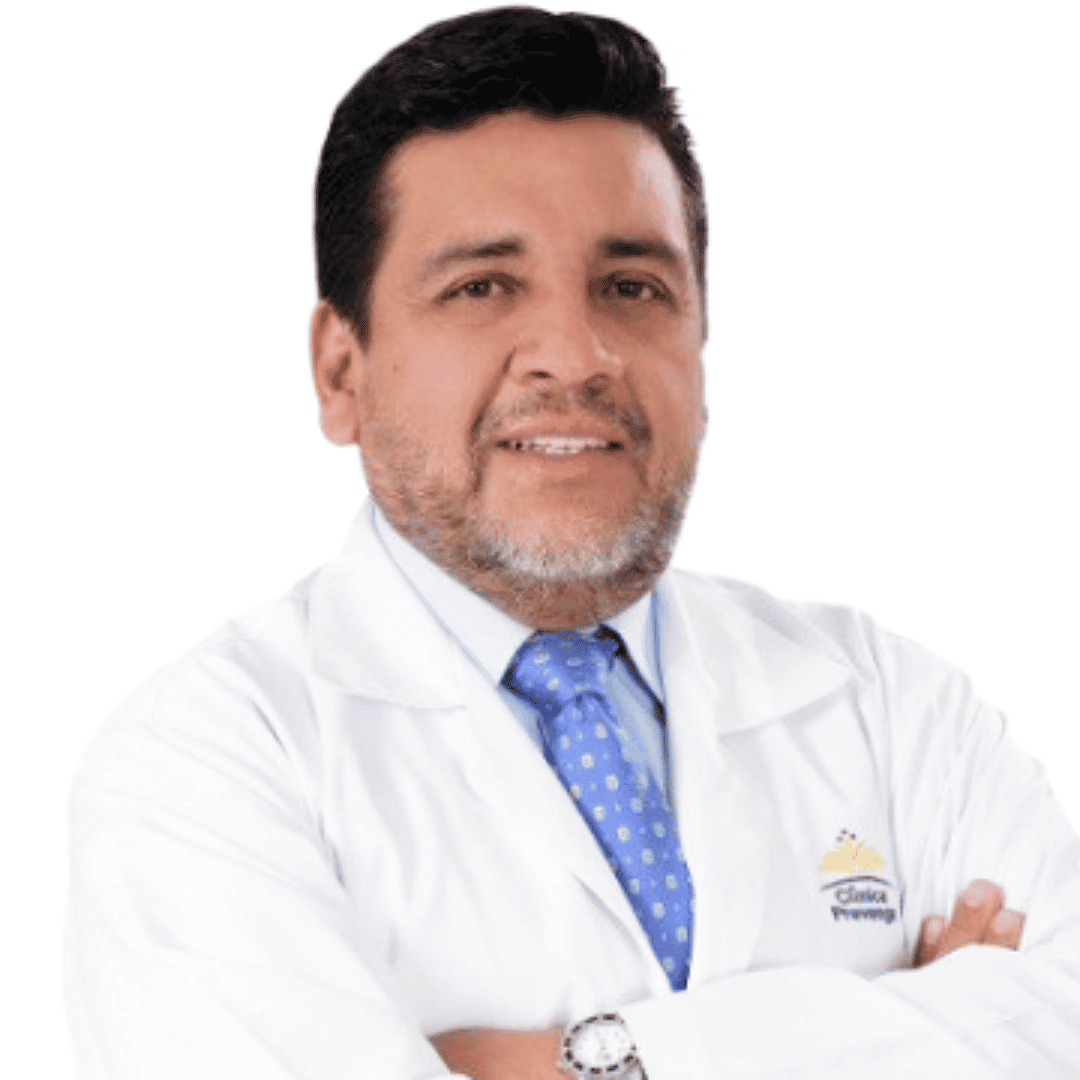
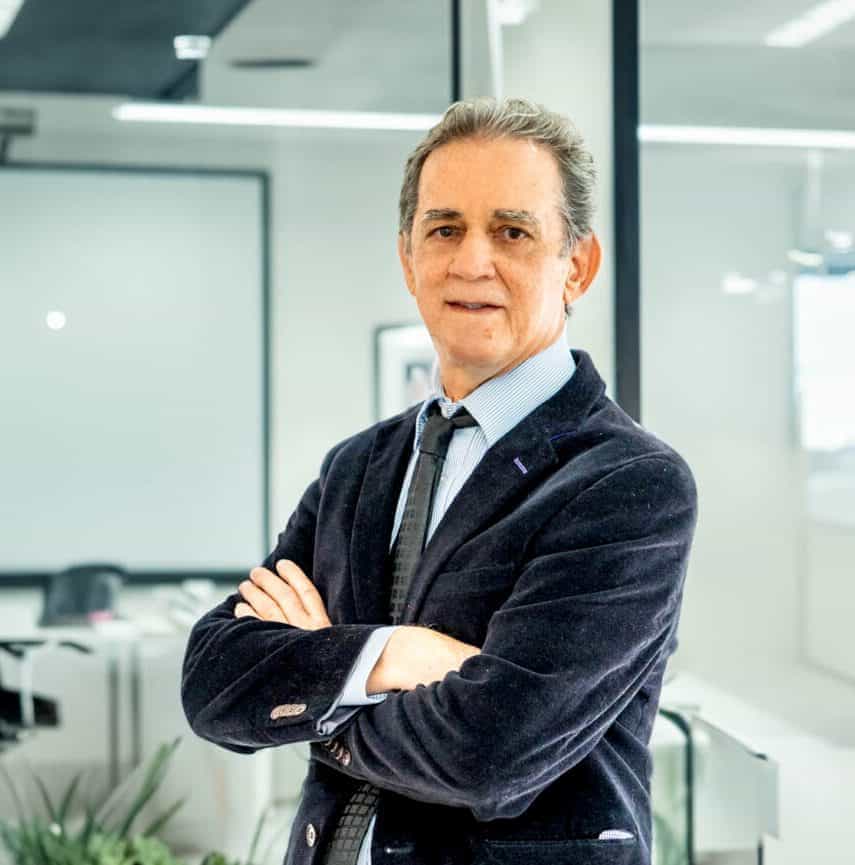
Carlos Alberto Isaza Mejia, MD
Regencord - Stem Cell Therapies
- Regenerative Medicine
Pereira, Colombia

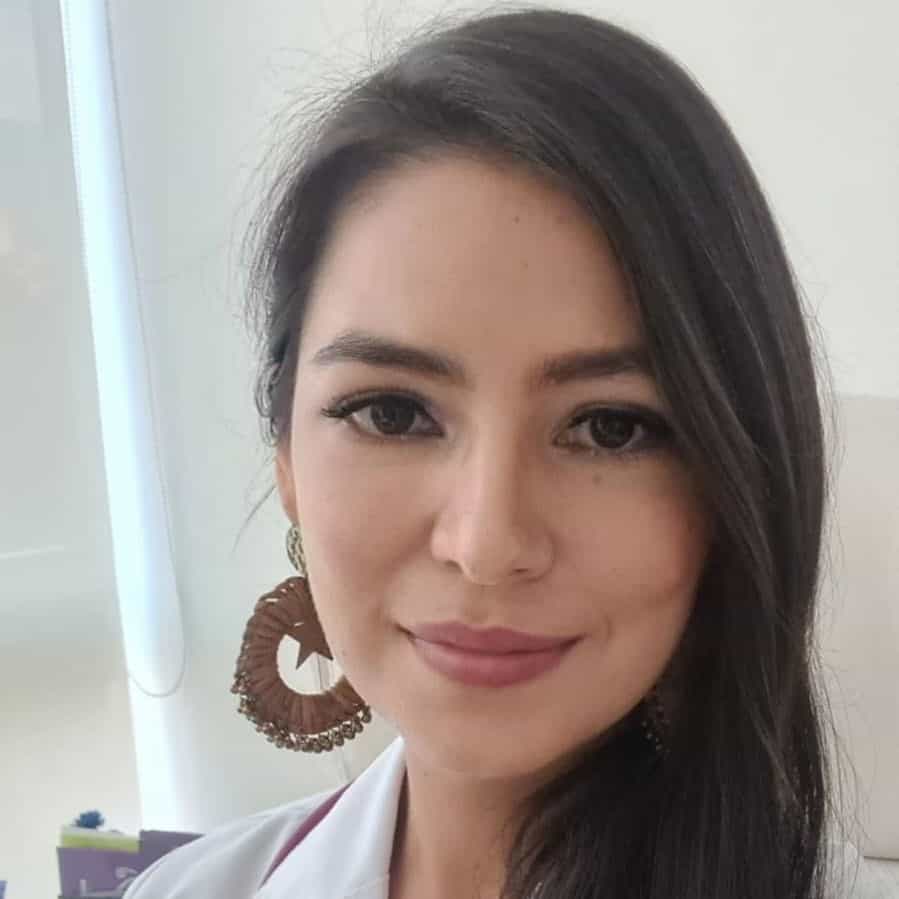
Dr. Andrea Marin Vecino
Alevy - Stem Cell Therapy and Regenerative Medicine
- Regenerative Medicine
Pereira, Colombia
Advanced Regulatory Framework
Colombia distinguishes itself with a robust regulatory environment. Unlike some destinations where stem cell clinics operate in a "gray area," Colombia's INVIMA (National Institute for Food and Drug Surveillance) enforces strict guidelines on biological products.
This ensures that the stem cells used are processed in certified Good Manufacturing Practice (GMP) laboratories, providing patients with a level of safety and quality assurance comparable to the US or Europe.
World-Class Healthcare Ranking
The World Health Organization ranks Colombia’s healthcare system higher than many developed nations, including the US and Canada, in terms of efficiency.
Bogota and Medellin are home to hospitals accredited by the Joint Commission International (JCI). This commitment to excellence attracts top medical talent, meaning your stem cell therapy is administered by specialists who are leaders in the field of orthopedics, not just general technicians.
Ease of Travel & Tourism
Proximity to North America makes Colombia an easy choice. Short flights from major US hubs like Miami, Houston, and New York mean less travel stress on injured joints.
Furthermore, the "recovery experience" in Colombia is superior. Patients can recuperate in luxury hotels or scenic recovery retreats at a fraction of the cost of a US motel, enjoying mild weather and warm hospitality that aids the healing process.
Navigating the world of regenerative medicine abroad can be complex. PlacidWay acts as your safety net and guide, connecting you with verified providers in Colombia to ensure your journey is seamless and secure.
Clinic Verification
We rigorously screen clinics to ensure they meet international safety standards and possess the necessary laboratory certifications for handling stem cells.
Medical Coordination
We facilitate the transfer of your MRI scans and medical records to the Colombian medical team for a preliminary evaluation before you ever leave home.
Transparent Pricing
We obtain clear, itemized quotes so you understand the full cost of the procedure, identifying any potential hidden fees regarding cell harvesting or follow-ups.
Direct Surgeon Access
We help arrange video consultations, allowing you to discuss your injury directly with the specialist and build rapport before committing to the trip.
Comprehensive Information
We provide you with educational resources, success stories, and realistic outcome expectations to help you make an empowered, data-driven decision.
Ongoing Support
From your initial inquiry to your return home, our team is available to assist with questions, ensuring you never feel alone during your medical journey.
Don't let chronic pain dictate your life. Explore the regenerative possibilities in Colombia today. Contact PlacidWay for a free, no-obligation consultation and take the first step toward restoring your mobility.
Get Your Free Evaluation & Quote


.png)




-(4).png)
.jpg)








Share this listing