


A Father’s Story: Sergio Peres on Autism Therapy in Colombia
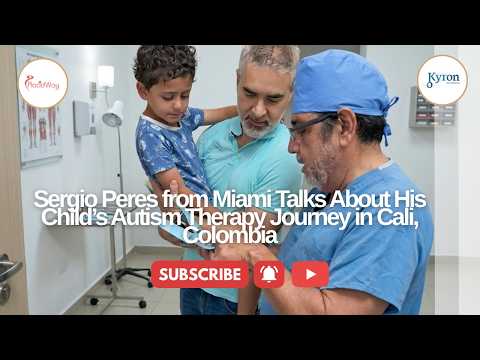
About this video: Understanding the complexities of neurodevelopmental disorders requires a look at the forefront of Stem Cell Therapy for Autism in Cali Colombia. In this insightful feature, we follow the story of Sergio Peres, a five-year-old child from Miami who traveled to Cali, Colombia, to undergo a specialized stem cell therapy protocol for Autism Spectrum Disorder (ASD). This journey highlights the growing trend of medical tourism for parents seeking cutting-edge biological treatments that offer hope beyond traditional behavioral therapies.
Cali has emerged as a global hub for regenerative treatments, offering sophisticated protocols that are often more accessible and affordable than those found in the United States. Watch as the medical team at Stem Cells Kyron explains the specific 100 million cell administration process designed to support neurodevelopmental improvements in children with autism.
Video Chapters & Quick Navigation
The field of regenerative medicine is rapidly expanding, offering new hope for conditions previously considered difficult to treat. For children diagnosed with Autism Spectrum Disorder (ASD), stem cell therapy represents a paradigm shift from symptom management to addressing potential underlying biological factors.
Understanding the 100 Million Cell Protocol for Autism
As detailed in the video at [00:13], the medical team utilizes a high-concentration protocol. This involves the administration of 100 million mesenchymal stem cells (MSCs) to maximize the therapeutic potential for neuroregeneration and inflammation reduction.
The Power of Mesenchymal Stem Cells
Mesenchymal stem cells are prized for their immunomodulatory properties. In the context of autism, these cells are believed to target neuroinflammation, which many researchers suggest is a contributing factor to the behavioral and cognitive challenges associated with the spectrum.
By using a high dose of 100 million cells, clinicians aim to ensure a sufficient number of cells reach the target areas to stimulate the body's natural repair mechanisms and improve neural connectivity.
Intrathecal and Intravenous Administration: A Dual Approach
The protocol highlighted by the surgeon at [00:10] is unique because it combines two distinct delivery methods: 50 million cells are delivered intrathecally, and 50 million are delivered intravenously.
| Delivery Method | Target Area | Primary Benefit |
|---|---|---|
| Intrathecal | Central Nervous System | Direct access to the brain and spinal fluid, bypassing the blood-brain barrier. |
| Intravenous | Systemic Circulation | Addresses systemic inflammation and supports overall immune health. |
Bypassing the Blood-Brain Barrier
Intrathecal administration involves injecting the stem cells into the spinal canal. This is considered a highly effective route for neurodevelopmental disorders because it allows the cells to circulate directly in the cerebrospinal fluid, ensuring a higher concentration reaches the brain.
Simultaneously, the intravenous component ensures that the body's systemic immune response is modulated, providing a comprehensive "inside-out" approach to the therapy.
Why Choose Cali, Colombia for Regenerative Medicine?
Cali has become a premier destination for families seeking regenerative medicine. The city's medical infrastructure is supported by highly trained specialists who often collaborate with international research institutions.
- Advanced Clinical Facilities: Centers like Stem Cells Kyron utilize state-of-the-art operating rooms and recovery suites.
- Expertise: Surgeons in Colombia are pioneers in cell therapy protocols specifically for pediatric populations.
- Hospitality: Known as the "Salsa Capital," Cali offers a warm, supportive environment for families during their medical stay.
Clinical Safety and the Recovery Process
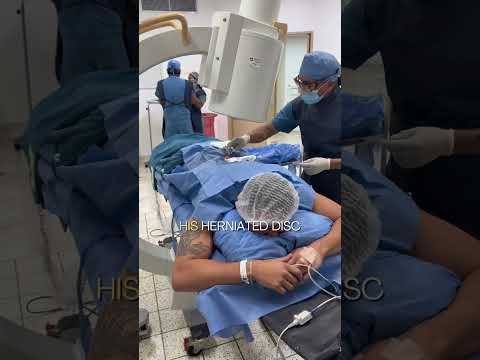
Safety is the paramount concern when treating young children. As seen at [00:22], the procedure is performed in a sterile surgical environment. The patient, Sergio, is shown in the recovery phase shortly after the administration, monitored closely by the medical staff.
Post-treatment recovery is typically swift. Most children are able to return to their parents within a few hours. The clinic emphasizes a "patient-first" approach, ensuring the child is comfortable and stable before being discharged back to their accommodation.
Measuring Success in Autism Stem Cell Therapy
While stem cell therapy is not a "cure," parents often report significant improvements in several key areas. These outcomes are typically observed over the 3 to 6 months following the procedure as the cells work to modulate the biological environment.
Key Areas of Potential Improvement
Enhanced Communication: Many parents note an increase in verbal attempts, better eye contact, and improved social engagement after therapy.
Reduced Irritability: By addressing neuroinflammation, children often experience a decrease in sensory sensitivities and meltdowns, leading to a calmer daily life.
Cognitive Gains: Improvements in focus, following directions, and learning new skills are frequently cited by families following the 100 million cell protocol.
Current Trends in Pediatric Regenerative Medicine
The global medical community is increasingly looking toward biological therapies to fill the gaps left by traditional pharmacology. Pediatric regenerative medicine is particularly focused on neuroplasticity—the brain's ability to reorganize itself by forming new neural connections.
Clinical trials across the globe are currently investigating the safety and efficacy of MSCs for autism, cerebral palsy, and other developmental conditions. The work being done in Cali is part of this larger movement toward personalized, biological interventions.
Cost Comparison: Miami vs. Cali
For families like the Pereses, the cost of therapy is a significant factor. In the United States, stem cell treatments can be prohibitively expensive and are often not covered by insurance for neurodevelopmental conditions.
Cali, Colombia Savings: Patients can typically save 50% to 70% on high-quality stem cell treatments compared to US prices. This includes the cost of the cells, the surgical facility fees, and the expertise of the medical team, making it a viable option for those who would otherwise be unable to afford such care.
Preparing for Your Child's Medical Trip
Planning a trip for medical treatment requires careful coordination. Organizations like PlacidWay assist parents in navigating the logistics, from selecting the right clinic to arranging local transport in Cali.
It is recommended that families arrive at least two days before the procedure to allow the child to acclimate to the new environment. Post-procedure, a stay of 3 to 5 days is usually sufficient before traveling back home, ensuring the patient is well-rested and recovered.
Is Stem Cell Therapy Right for Your Child?
Discover how advanced Autism Treatment in Cali Colombia can support your child's developmental journey. Contact PlacidWay today to explore personalized treatment options and receive a detailed consultation with top specialists.
REQUEST MORE INFORMATIONView Full Video Transcript
[00:00:00] Good morning. Today we have a patient, Sergio Pérez, 5 years of age.
[00:00:05] He was diagnosed with autism spectrum disorder, and we brought him here to the operating room to administer 50 million intrathecal cells and
[00:00:13] 50 million cells intravenously. This is the protocol we are using for children who come to us with autism syndrome or autism spectrum.
[00:00:20] At the moment, he is already in the recovery process.
[00:00:24] We are waiting for his progress so we can return him to his mother in about 15 minutes.















Share this listing