
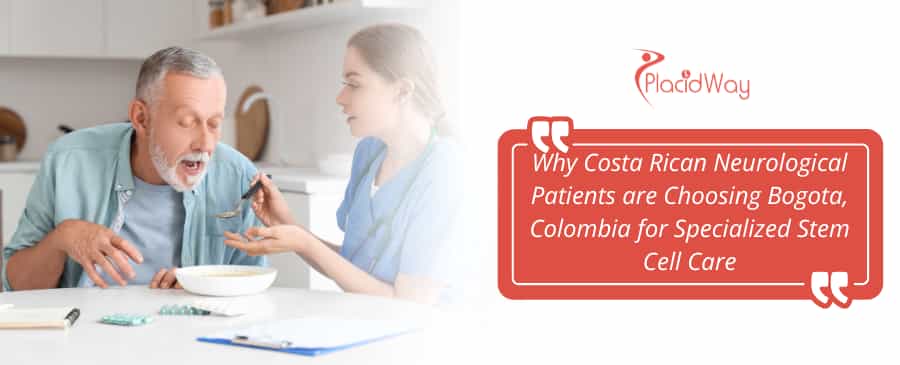
The landscape of global healthcare is rapidly shifting, and specialized stem cell care in Bogota, Colombia has emerged as a compelling option for many seeking advanced therapies. Neurological patients, in particular, face complex challenges that require highly specialized interventions often unavailable or cost-prohibitive in their home countries. For many individuals traveling from Central America, the Colombian capital represents a strategic hub where modern medical science meets accessible care. The convergence of skilled specialists, modern medical infrastructure, and stringent clinical protocols creates an environment conducive to comprehensive neurological management.
When discussing medical tourism in Colombia, it is vital to approach the subject with realistic expectations and thorough research. Regenerative medicine focuses on utilizing the body's natural cellular mechanisms to potentially reduce inflammation, protect existing neural pathways, and manage symptoms of chronic conditions. While these therapies do not guarantee a cure, many patients typically report improvements in their quality of life. The treatments are generally personalized, requiring comprehensive prior evaluations by multidisciplinary medical teams to ensure patient safety and protocol suitability.
- Comprehensive pre-treatment diagnostic testing and neurological evaluations.
- Utilization of advanced laboratory standards for cell processing and expansion.
- Multidisciplinary care teams including neurologists, hematologists, and physical therapists.
- Personalized protocols designed to address specific symptomatic presentations.
Bogota's high altitude (over 2,600 meters above sea level) means a cooler, temperate climate year-round, which many international patients find comfortable during their initial post-treatment rest period.
The Rise of Medical Tourism in Colombia for Neurological Care
Colombia has spent the last two decades positioning itself as a leader in Latin American healthcare, actively modernizing its private medical sector to attract international patients. The focus on neurological medical tourism in Colombia is driven by significant investments in medical technology, research, and professional training. Leading hospitals in the capital city consistently rank among the top medical institutions in the region, drawing attention from patients across the Americas who are searching for specialized care alternatives.
This upward trajectory is not coincidental; it stems from a deliberate effort to combine high-quality clinical outcomes with compassionate, patient-centered care. For individuals battling complex nerve and brain conditions, the availability of comprehensive, integrated treatment centers is crucial. These facilities generally offer an encompassing approach, managing everything from initial consultations to detailed post-procedure monitoring, ensuring that international visitors receive continuity of care despite being far from home.
- Continuous upgrading of private clinical infrastructure to meet international accreditation standards.
- A strong emphasis on bilingual healthcare staff to assist international travelers seamlessly.
- Strategic geographic location offering direct, short flights from major Central American hubs.
- A robust framework for clinical research supporting regenerative medicine practices.
According to recent industry reports, Latin America has seen a substantial annual increase in inbound medical tourists, with Colombia capturing a significant portion of patients seeking highly specialized neurological and regenerative procedures.
Why Costa Rican Patients Prefer Stem Cell Therapy in Bogota
The connection between Costa Rica and Colombia in the realm of medical travel is deeply rooted in practical and cultural advantages. For a Costa Rican neurological patient, the decision to seek care abroad involves weighing logistical ease against the quality of medical intervention. Bogota offers an appealing balance: it is accessible via a short, direct flight from San José, eliminating the physical strain of long-haul travel often required to reach destinations in Europe or Asia. This proximity is particularly beneficial for individuals dealing with mobility issues or fatigue associated with neurological disorders.
Furthermore, the shared Spanish language plays a critical role in alleviating the anxiety of undergoing complex medical procedures in a foreign country. Clear, nuanced communication between the patient, their family, and the medical team is vital for informed consent and emotional support. Costa Rican patients generally find that the cultural similarities and the recognized warmth of Colombian medical professionals create a reassuring environment, allowing them to focus entirely on their treatment and recovery.
- Elimination of language barriers, ensuring perfect comprehension of complex neurological terminologies.
- Direct flight routes minimizing travel-related physical stress for vulnerable patients.
- Cultural affinity that fosters trust and comfort during stressful medical experiences.
- Access to advanced treatment protocols that may face long wait times or limited availability domestically.
Patient Experience Summary
A patient traveling from San José for neuropathy management noted that the direct flight and immediate, Spanish-speaking medical consultations in Bogota greatly reduced their pre-procedure anxiety, allowing for a smoother clinical evaluation process.
Affordable Stem Cell Care Cost in Bogota, Colombia vs. Costa Rica
Financial considerations are undeniably a primary driver for cross-border medical travel. The affordable stem cell treatment cost in Colombia presents a significant advantage for those comparing options. In Costa Rica, while the public healthcare system is robust, private highly specialized regenerative therapies can carry premium price tags. Bogota's healthcare economy, characterized by favorable exchange rates and a lower general cost of living, allows top-tier private institutions to offer competitive pricing without compromising on technological or clinical standards.
When evaluating the Procedure cost in Colombia, patients must consider the comprehensive nature of the medical packages offered. These often bundle preliminary consultations, specialized laboratory work, the cellular application itself, and initial follow-up care. While prices fluctuate based on the specific condition and protocol required, the overall financial outlay is generally much lower than equivalent private care in North America or Central America.
| Procedure Name | Average Cost Range in Bogota, Colombia | Estimated Private Cost (Costa Rica / North America) |
|---|---|---|
| Mesenchymal Stem Cell Therapy (Neurological focus) | $8,000 - $14,000 | $20,000 - $35,000+ |
| Comprehensive Neurological Evaluation & Labs | $1,000 - $2,500 | $3,500 - $6,000+ |
| Post-Procedure Physical Therapy (Per Session) | $40 - $80 | $100 - $250+ |
Always request a highly detailed itemized estimate prior to traveling. Ensure the quote explicitly separates medical fees, laboratory testing, and facility charges to accurately compare the value against domestic options.
Neurological Conditions Addressed by Stem Cell Treatments in Colombia
Regenerative medicine is rapidly expanding its scope, and stem cell clinics in Bogota are at the forefront of applying these therapies to a variety of complex disorders. It is paramount to understand that these interventions are generally aimed at symptom management, reducing neuroinflammation, and potentially slowing the progression of cellular degradation. Specialists carefully evaluate each patient to determine if they are a suitable candidate, as results can vary significantly depending on the individual's baseline health and the specific nature of their disease.
Colombian medical teams typically focus their regenerative protocols on chronic, progressive ailments that have historically offered limited therapeutic avenues. By introducing mesenchymal stem cells, physicians aim to create a microenvironment conducive to tissue repair. Most patients experience varying degrees of relief, which may include improved motor function, decreased pain, or stabilized cognitive markers over time, though long-term monitoring remains an essential component of the care plan.
- Multiple Sclerosis (MS): Interventions generally aim to modulate the immune system and reduce central nervous system inflammation.
- Parkinson's Disease: Therapies typically focus on neuroprotection and managing motor symptom progression.
- Peripheral Neuropathy: Treatments are often utilized to address nerve damage and manage chronic neuropathic pain.
- Spinal Cord Injuries: Selected protocols aim to support cellular repair and manage secondary complications, depending on injury severity.
Mesenchymal stem cells (MSCs) are highly valued in neurological therapies due to their immunomodulatory properties and their ability to secrete neurotrophic factors, which generally support the survival and growth of neurons.
The Patient Journey for Stem Cell Procedures in Bogota
Embarking on a cross-border healthcare journey requires careful orchestration, and the pathway for specialized stem cell care in Colombia is designed to be as seamless as possible. The process almost always begins remotely. Prospective patients engage in digital consultations where medical records, MRI scans, and previous clinical histories are reviewed by Colombian specialists. This initial step is crucial to establish whether the patient is a viable candidate, preventing unnecessary travel and expense.
Once arriving in Bogota, the medical journey transitions from digital planning to hands-on clinical care. The first few days are generally dedicated to in-person evaluations, updated blood work, and comprehensive neurological exams to establish a current baseline. The actual administration of the cells, whether intravenous or targeted, is typically an outpatient procedure, allowing patients to rest comfortably in their recovery environments shortly after completion.
- Initial tele-medicine consultation and rigorous review of domestic medical records.
- Arrival in Bogota followed by in-depth physical and neurological baseline examinations.
- The scheduled procedure day, usually conducted within advanced outpatient surgical suites.
- Immediate post-treatment monitoring and final discharge consultations before returning home.
Patient Experience Summary
A patient undergoing care for early-stage Parkinson's highlighted that the meticulous pre-arrival video consultations with their Bogota-based neurologist set clear, realistic expectations and built immense trust before they even boarded their flight from Costa Rica.
Safety Protocols at Stem Cell Clinics in Bogota, Colombia
Ensuring patient well-being is the cornerstone of any reputable medical practice. For stem cell procedures in Bogota, premier facilities adhere strictly to domestic health regulations as well as international best practices. Safety protocols encompass the entire spectrum of care, from the ethical sourcing and sterile processing of biological materials in certified laboratories to the precise clinical administration by board-certified specialists. Infection control and patient monitoring are treated with the highest priority to mitigate procedural risks.
However, it is vital to acknowledge that no medical intervention is entirely without risk. Patients considering these therapies must undergo a strict vetting process. Those with active infections, certain types of cancers, or advanced end-stage organ failure are generally excluded from regenerative protocols due to strict contraindications. Transparency regarding these limitations is a hallmark of a trustworthy and authoritative medical institution.
- Utilization of clean-room technology for the handling and expansion of cellular materials.
- Mandatory infectious disease screening for all biological products prior to application.
- Strict adherence to patient exclusion criteria to prevent adverse reactions.
- Continuous cardiac and respiratory monitoring during the administration phase.
Stem cell therapies possess strict contraindications. Patients with a history of active malignancies, systemic infections, or severe blood clotting disorders are typically advised against these procedures. Always disclose your complete medical history to ensure your safety and eligibility.
Innovations Driving Stem Cell Therapy in Colombia
The dynamic nature of regenerative medicine means that clinical approaches are constantly evolving. The innovations in stem cell therapy found in Bogota reflect a commitment to integrating global scientific advancements into local practice. Colombian researchers and clinicians frequently collaborate with international bodies to refine protocols, focusing heavily on enhancing the viability, targeting, and efficacy of the administered cells. This dedication to continuous improvement ensures patients have access to highly modernized care.
Recent advancements generally center around the precise delivery methods and the optimization of mesenchymal stem cells. Techniques have evolved to ensure that the maximum number of healthy, viable cells reach the central nervous system or specific areas of peripheral nerve damage. Furthermore, the integration of supportive therapies, such as hyperbaric oxygen or specialized physical rehabilitation alongside cellular injections, represents a holistic approach aimed at maximizing potential patient outcomes.
- Advanced culturing techniques that typically yield higher concentrations of viable cells.
- Utilization of targeted delivery systems, such as intrathecal administration for central nervous system conditions.
- Integration of comprehensive rehabilitation protocols designed to complement regenerative interventions.
- Implementation of sophisticated imaging technology to guide cellular placement accurately.
Some advanced clinical protocols in Colombia now focus heavily on the use of exosomes—the microscopic signaling vesicles released by stem cells—which are believed to play a crucial role in facilitating tissue repair and reducing inflammation.
Preparing for Your Neurological Stem Cell Journey to Colombia
Successful medical travel hinges on meticulous preparation. For Costa Ricans organizing their medical tourism journey to Bogota, proactive planning ensures that the focus remains on health and healing rather than logistical hurdles. Prior to departure, compiling a comprehensive, translated (if necessary, though Spanish is shared) medical dossier is critical. This should include the latest MRI scans, comprehensive blood panels, and detailed notes from the primary domestic neurologist outlining the disease progression and current pharmaceutical regimens.
Beyond medical documentation, physical preparation is also necessary. Patients are generally advised to optimize their nutritional intake, stay adequately hydrated, and avoid certain blood-thinning medications in the weeks leading up to the procedure, strictly under a doctor's supervision. Arranging for a companion to travel alongside is highly recommended, as neurological conditions combined with the stress of travel require supportive assistance for safety and comfort.
- Gather physical and digital copies of all recent neurological imaging and lab results.
- Consult with your domestic physician regarding the temporary adjustment of any contraindicated medications.
- Ensure your passport is valid for at least six months beyond your planned date of entry.
- Organize a trusted family member or companion to accompany you for daily support and assistance.
Pack clothing suitable for Bogota’s cool, autumnal climate. Comfort is essential during medical recovery, so prioritize loose-fitting, warm layers, and sturdy, comfortable footwear to navigate the city safely.
What to Expect During Stem Cell Care Recovery in Bogota
The immediate aftermath of a cellular intervention requires patience and adherence to medical advice. Stem cell care recovery in Bogota is typically characterized by a period of rest and careful observation. Most patients experience mild fatigue, temporary localized soreness at injection sites, or minor headaches, particularly if intrathecal methods were utilized. These are generally considered standard physiological responses as the body integrates the therapy and begins its natural modulation processes.
Physicians usually require international patients to remain in the city for several days to a week following the procedure. This window allows the medical team to conduct vital follow-up assessments, manage any minor immediate side effects, and ensure the patient is fully stable before clearing them for air travel back to Costa Rica. During this time, rest is paramount, and strenuous activities or extensive tourism should be strictly avoided.
- Expect 24 to 48 hours of mandated strict rest immediately following the cellular application.
- Attend all scheduled post-procedure clinical evaluations before seeking clearance to fly.
- Maintain a high level of hydration and follow any specialized dietary guidelines provided by the clinic.
- Understand that neurological improvements, if they occur, are generally gradual and unfold over several months.
Patient Experience Summary
A returning patient shared that dedicating a full week purely to rest in their Bogota recovery space, resisting the urge to sightsee, was crucial in managing their post-procedure fatigue and returning to Costa Rica feeling stable and secure.
Assessing the Quality of Stem Cell Centers in Bogota
The responsibility of choosing a qualified medical provider is the most critical step for any international patient. When researching stem cell clinics in Colombia, it is essential to look beyond marketing materials and focus on objective indicators of medical excellence. High-quality centers operate with transparency, readily providing information about their laboratory certifications, the specific origin of their stem cell lines, and the board certifications of their presiding neurologists.
Prospective patients should actively inquire about the facility's follow-up protocols and their approach to setting clinical expectations. Authoritative and trustworthy institutions will never guarantee a cure for chronic neurological conditions. Instead, they will offer a realistic prognosis based on current scientific literature and the patient’s specific pathology. Verifying local and international accreditations ensures the chosen facility meets rigorous standards for safety and operational quality.
- Verify the presence of internationally recognized healthcare accreditations or quality seals.
- Ensure the presiding physicians hold specialized board certifications in neurology and regenerative medicine.
- Request detailed explanations of the laboratory standards used for cell expansion and sterilization.
- Look for clinics that prioritize detailed informed consent and transparent risk disclosure.
Colombia features over 50 major medical centers that have achieved rigorous national accreditation through the Colombian Ministry of Health, ensuring strict compliance with clinical safety and hygiene standards.
Legal and Ethical Standards for Stem Cell Treatments in Colombia
The global landscape of regenerative medicine is complex, making robust regulatory oversight a necessity. Legal stem cell treatments in Colombia operate under the watchful eye of the National Food and Drug Surveillance Institute (INVIMA), which mirrors regulatory bodies like the FDA in its mandate to protect public health. This oversight ensures that biological products used in medical procedures meet strict safety, efficacy, and ethical guidelines, preventing the proliferation of unregulated or unsafe practices.
Ethical considerations are particularly significant in neurological care. Authorized clinics in Bogota typically utilize adult mesenchymal stem cells, which are ethically sourced either from the patient's own tissues (autologous) or from thoroughly screened, consenting donors (allogeneic), such as ethically collected umbilical cord tissue. This strict adherence to legal and ethical frameworks provides international patients with the assurance that their treatment is both medically sound and morally responsible.
- Treatments are overseen by national health authorities to ensure biological safety.
- Strict prohibitions against unproven or scientifically unsupported cellular sources.
- Mandatory extensive screening of all donor materials for infectious diseases and genetic abnormalities.
- Enforcement of comprehensive informed consent protocols clearly outlining potential outcomes and risks.
Colombia has established rigorous national guidelines specifically addressing advanced therapies and cellular products, positioning itself as one of the more tightly regulated environments for regenerative medicine in South America.
How PlacidWay Assists Your Stem Cell Therapy Medical Tourism Journey in Colombia
Navigating the complexities of international healthcare can be daunting for patients and their families. When exploring specialized stem cell care in Bogota, having a dedicated partner to streamline the initial phases of research and connection is invaluable. PlacidWay acts as a comprehensive platform designed to empower patients by bridging the gap between their specific medical needs and qualified, vetted healthcare providers abroad.
Our focus is entirely on facilitating transparent, informed access to medical care. By utilizing our platform, Costa Rican patients can easily access crucial information, compare provider credentials, and initiate direct communication with medical teams in Colombia to determine the best path forward for their neurological management.
- Access to a curated network of vetted, internationally recognized specialized clinics in Bogota.
- Facilitation of direct, transparent communication channels between patients and bilingual medical specialists.
- Provision of comprehensive, individualized cost estimates tailored strictly to your required medical protocols.
- Support in obtaining detailed medical itineraries and pre-treatment requirements directly from the clinical teams.
Patient Experience Summary
A family seeking multiple sclerosis management options utilized the platform to seamlessly securely transmit medical records to specialists in Bogota, allowing them to receive a definitive medical evaluation and a clear cost breakdown before making any travel decisions.
Frequently Asked Questions About Stem Cell Therapy in Bogota
Making an informed decision about international medical care requires having all your queries addressed clearly. The prospect of traveling for advanced interventions naturally generates questions regarding safety, logistics, and outcomes. We have compiled the most common inquiries from patients evaluating their cross-border healthcare options.
Below are detailed answers to frequently asked questions about pursuing specialized regenerative care in Colombia. These insights are designed to provide clarity and assist you in preparing for a potential medical journey.
Why are Costa Rican patients choosing Bogota for stem cell care?
Costa Rican patients frequently choose Bogota due to geographical proximity, shared language, advanced medical infrastructure, and more affordable specialized neurological care compared to domestic private options.
Are stem cell treatments for neurological conditions safe in Colombia?
Yes, when performed at accredited institutions, procedures generally follow strict safety protocols. However, all medical interventions carry inherent risks that should be discussed with a qualified specialist.
How much does stem cell therapy cost in Bogota compared to Costa Rica?
Patients typically save between 40% and 60% on neurological stem cell therapies in Bogota compared to equivalent private healthcare costs in Costa Rica or North America.
What neurological conditions are typically treated with stem cells in Colombia?
Specialists in Bogota generally focus on managing symptoms and slowing progression for conditions like Multiple Sclerosis, Parkinson's disease, and peripheral neuropathy.
Do I need a special medical visa to travel from Costa Rica to Colombia?
Costa Rican citizens typically do not need a specialized visa for short medical trips to Colombia. A standard tourist entry is usually sufficient for outpatient treatments and short recoveries.
How long is the typical recovery period in Bogota?
Most patients experience a short initial recovery period of a few days. However, physicians generally recommend staying in the city for one to two weeks for adequate follow-up and monitoring.
Can stem cell therapy cure my neurological disease?
No, current stem cell therapies do not cure neurological diseases. They are generally utilized to manage symptoms, reduce inflammation, and potentially slow disease progression.
What type of stem cells are used for neurological care in Colombia?
Facilities typically utilize ethically sourced autologous (patient's own) or allogeneic mesenchymal stem cells, depending on the specific condition and medical assessment.
How do I ensure the quality of a stem cell clinic in Bogota?
Always look for internationally accredited facilities, board-certified neurologists, transparent treatment protocols, and clear clinical data before proceeding.
Will I need multiple treatment sessions?
Treatment protocols vary widely based on individual health profiles. Some patients typically require a single comprehensive session, while others may need follow-up therapies over time.
Ready to explore specialized stem cell care options in Bogota? Let PlacidWay connect you with top-tier medical experts to begin your journey.
Medical Disclaimer: This article is for informational purposes only and is not medical advice. Always consult a qualified healthcare provider before any medical decisions. Results may vary. Read Full Disclaimer here.
References
- National Institute of Neurological Disorders and Stroke (NINDS). "Stem Cell Research". https://www.ninds.nih.gov/
- Mayo Clinic. "Stem cells: What they are and what they do". https://www.mayoclinic.org/tests-procedures/bone-marrow-transplant/in-depth/stem-cells/art-20048117
- U.S. Food and Drug Administration (FDA). "FDA Warns About Stem Cell Therapies". https://www.proactpharmacyservices.com/resource/fda-news/fda-warns-about-stem-cell-therapies/
- Multiple Sclerosis Trust. "Stem cell therapy". https://mstrust.org.uk/a-z/stem-cell-therapy











.png)
.jpg)
.png)
.jpg)








Share this listing