
Contents
Navigating the complexities of Autism Spectrum Disorder (ASD) often leaves parents feeling exhausted, as they search for therapies that address more than just surface behaviors. When standard developmental interventions reach a plateau, many families begin exploring regenerative medicine to target underlying biological issues like neuroinflammation and immune system imbalance. Every year, hundreds of parents from the United States and Canada travel to Mexico to access advanced cellular protocols that are heavily restricted or prohibitively expensive at home.
Mexico has emerged as a leading destination for pediatric regenerative medicine, offering stem cell therapy for autism starting at approximately $5,100. This accessible pricing reflects a streamlined healthcare system, not a compromise on clinical quality. However, when seeking treatment for your child, rigorous safety verification is crucial. You must ensure any clinic you consider operates strictly under the regulations of COFEPRIS (Mexico's equivalent to the FDA), which guarantees the highest international standards for laboratory processing and ethical cell sourcing. Compare the fully verified, COFEPRIS-accredited clinics below to see which is the best option for your family.
Traveling abroad for medical care with a neurodivergent child requires meticulous planning, but comprehensive treatment packages simplify the entire process. Top-tier clinics in Mexico bundle your medical and logistical needs into a single, cohesive experience. These packages typically cover the initial specialist evaluations, the complete series of stem cell infusions, dedicated bilingual patient coordinators, and VIP ground transportation to minimize sensory stress upon arrival.
By opting for an all-inclusive bundle, you can focus entirely on your child's comfort rather than managing logistics. Compare the below comprehensive packages to see exactly what is included and find the best fit for your journey.

Price starting from $5,100
Stem Cell Treatment for Cerebral Palsy Package in Cancun, Mexico by Clinica MER
Clinica MER Cancun
- Stem Cell Therapy
Cancun, Mexico

Price starting from $5,100
Stem Cell Therapy for Autism Package in Cancun, Mexico by Clinica MER
Clinica MER Cancun
- Stem Cell Therapy
Cancun, Mexico
Financial transparency is a major relief for families exploring regenerative options. The base cost for stem cell therapy for autism in Mexico starts at approximately $5,100. This is significantly more affordable than comparable treatments in offshore jurisdictions, due to lower operational costs and government-supported medical education, without sacrificing laboratory safety.
The final price will naturally vary depending on the prescribed cellular dosage and whether complementary therapies (like hyperbaric oxygen or specialized nutritional IVs) are included in the protocol. Compare the exact pricing structures of the top-rated clinics listed below to understand the financial investment for your child's specific needs.
Stem Cell Treatment for Autism Centers Cost Comparison in Mexico
| Provider | Procedure | Price |
|---|---|---|
| MexStemCells Clinic | Stem Cell Treatment for Autism, Stem Cell Therapy | $6500 |
| Clinica MER Cancun | Stem Cell Treatment for Autism, Stem Cell Therapy | $4550 |
Stem Cell Treatment for Autism Cost Comparison in Mexico
| Country | Procedure | Price |
|---|---|---|
| United States | Stem Cell Treatment for Autism, Stem Cell Therapy | $25000 |
| Canada | Stem Cell Treatment for Autism, Stem Cell Therapy | $15000 |
Selecting a clinic for pediatric care is the most critical decision in your medical tourism journey. Look beyond marketing brochures and demand concrete proof of local accreditation. A reputable facility must hold current COFEPRIS licensing, proving their laboratories adhere to strict biological safety protocols for cell expansion.
Furthermore, trustworthy clinics will insist on reviewing your child's full medical history, recent lab work, and developmental diagnoses before approving them for treatment. Take time to carefully review and compare the fully vetted, accredited clinics below to secure a highly safe environment for your child.

Dr. Omar Gonzalez Integra Medical Center
Nuevo Progreso, Mexico
MexStemCells Clinic
Mexico City, Mexico
Stem Health Guadalajara
Guadalajara, Mexico

VISANI® Stem Cells in Puebla, Mexico
Puebla, Mexico
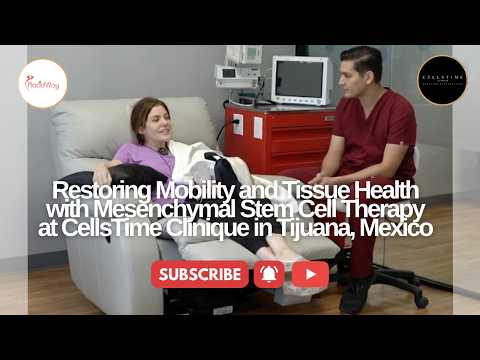
Understanding a medical procedure through text can leave you anxious about what the actual clinical environment looks like, especially when preparing a child with sensory sensitivities. Video tours provide immense peace of mind by allowing you to virtually step inside the facility before you travel. You can see the sterility of the processing labs and the child-friendly design of the infusion recovery rooms.
Visualizing the space helps families plan a calmer travel experience. Browse the video gallery below to watch detailed clinic walkthroughs, doctor interviews, and step-by-step procedure guides from leading Mexican stem cell centers.

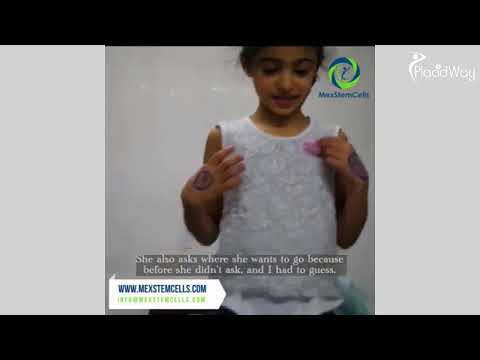

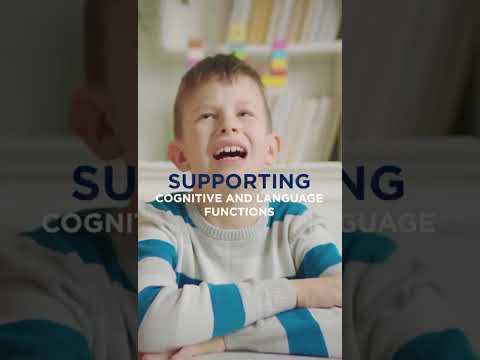
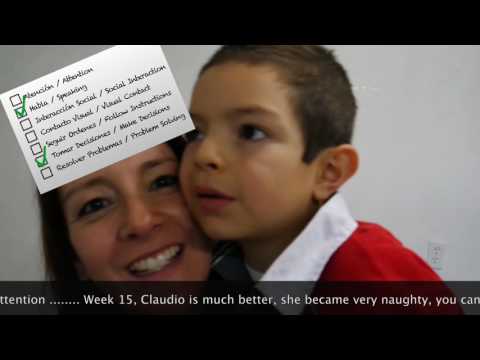
There is no resource more valuable than the honest perspective of parents who have already navigated this journey. Patient testimonials offer unfiltered insights into the true standard of care, revealing how patiently the medical staff interacts with children and how effectively bilingual coordinators manage the daily logistics.
Look for feedback from families dealing with similar developmental challenges to understand the timeline of potential improvements, from better sleep to increased communication. Read through the verified patient experiences below to discover firsthand accounts of the stem cell treatment journey in Mexico.

Is pediatric stem cell therapy for autism strictly regulated in Mexico?
Yes. All legitimate regenerative medicine clinics and laboratories in Mexico must be licensed and continuously monitored by COFEPRIS (Federal Commission for the Protection against Sanitary Risk), ensuring international standards of patient safety and biological handling.
What types of stem cells are primarily used for ASD treatments in Mexico?
Clinics generally use allogeneic Mesenchymal Stem Cells (MSCs) derived from the Wharton’s Jelly of ethically donated, rigorously screened human umbilical cords. These cells are favored because they possess strong anti-inflammatory properties and do not typically trigger an immune rejection response.
How long do families need to stay in Mexico for the therapy?
Most pediatric protocols require a brief stay of 3 to 5 days. This allows adequate time for an in-person physical examination, the outpatient infusion procedures, and a short observation period before safely traveling home.
How are the stem cells administered to a child?
The administration is designed to be as minimally invasive as possible. In the vast majority of cases, the cells are delivered via a standard intravenous (IV) drip while the child relaxes, watches a movie, or plays with a tablet in a comfortable recovery room.
Does the $5,100 starting cost include flights and hotel accommodations?
No, the base estimate generally covers only the medical evaluations, laboratory tests, and the stem cell infusion procedure. International flights, lodging, and personal expenses must be budgeted separately, though clinics often assist with local VIP transport.
Will US health insurance cover this procedure in Mexico?
No. Stem cell therapy for autism performed abroad is currently classified as an elective, investigational treatment. Standard US and Canadian health insurance providers do not offer coverage for these international regenerative procedures, making it an out-of-pocket expense.
Do the medical staff at these Mexican clinics speak English?
Yes. Top-tier facilities catering to international medical tourists employ fully bilingual physicians, nurses, and dedicated patient coordinators who stay by the family’s side to ensure clear, precise communication throughout the entire process.
Are there side effects associated with the stem cell infusion?
Clinical studies generally show a favorable safety profile. The most commonly reported side effects are mild and temporary, such as slight fatigue, a low-grade fever, or mild headache within the first 48 hours as the immune system responds to the cells.
When might parents begin to see improvements in their child?
Responses are highly individualized. Some families notice early signs, such as improved sleep patterns or better digestion, within a few weeks. More substantial cognitive or behavioral changes typically develop gradually over 3 to 6 months as the body's inflammatory response decreases.
Should my child stop standard behavioral therapies after stem cell treatment?
Absolutely not. Medical professionals emphasize that regenerative medicine is not a replacement for traditional interventions. It is designed to reduce biological barriers (like neuroinflammation), potentially allowing children to respond much better to their ongoing behavioral, speech, and occupational therapies.
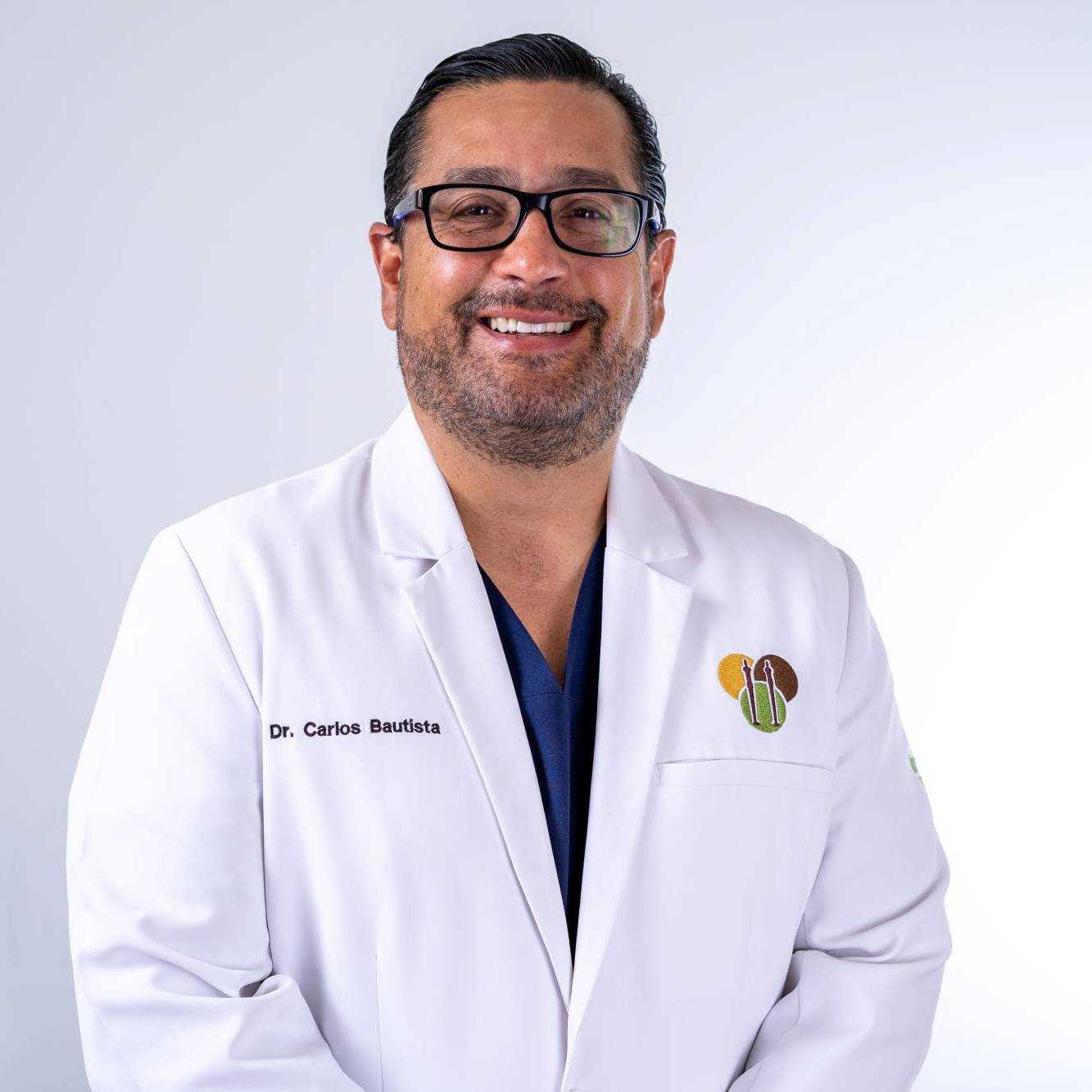
The safety and efficacy of any regenerative protocol depend heavily on the medical professional overseeing the care. When seeking pediatric treatment in Mexico, you need a board-certified specialist who operates within a multidisciplinary team experienced in neurodevelopmental conditions.
A credible doctor will require thorough pre-screening, set realistic expectations regarding outcomes, and prioritize ethical, COFEPRIS-compliant cellular sourcing. Review the profiles of the highly qualified specialists below to compare their medical backgrounds, certifications, and expertise in treating autism spectrum disorder.
Traveling abroad with a neurodivergent child naturally brings added stress, but Mexico’s top medical hubs have tailored their infrastructure specifically for international pediatric patients. Families primarily travel from the United States and Canada, drawn by the combination of stringent COFEPRIS health regulations, significantly lower treatment costs, and the close geographical proximity that minimizes travel fatigue for sensory-sensitive children.
Key Medical Hubs for Treatment
- Tijuana & Border Cities: Highly convenient for West Coast families. Parents can fly into San Diego (SAN) and utilize the clinic's private medical shuttle to cross the border directly to the facility, often entirely bypassing the stress of commercial international flights.
- Guadalajara: Known for housing extensive, world-class medical facilities and GMP-certified laboratories. The city offers a calmer, more temperate environment compared to bustling border towns, easily accessible via direct flights to Miguel Hidalgo y Costilla International Airport (GDL).
- Puerto Vallarta: This coastal city provides a tranquil, resort-like atmosphere that many families find conducive to a low-stress recovery. Direct flights are readily available from major US hubs into Licenciado Gustavo Díaz Ordaz International Airport (PVR).
Travel Logistics at a Glance
| Region of Origin | Average Flight/Travel Time | Entry Requirements |
|---|---|---|
| US West Coast (to Tijuana) | 2-3 Hours (Flight + Shuttle) | Valid Passport required |
| US East Coast/Midwest | 4-6 Hours (Direct Flight) | Valid Passport required |
| Canada (Toronto/Vancouver) | 5-7 Hours (Direct Flight) | Valid Passport required |
Top-rated clinics handling pediatric medical tourism provide dedicated, bilingual coordinators who manage all ground logistics, ensuring your child is moved smoothly from the airport to the hotel and clinic, allowing you to focus completely on their care.
- U.S. Food and Drug Administration (FDA): Consumer Advisories on Regenerative Medicine Products
- International Society for Stem Cell Research (ISSCR): Patient Guide to Stem Cell Treatments
- COFEPRIS (Federal Commission for Sanitary Risk Protection): Healthcare Facility Regulation in Mexico
- U.S. Department of State: Official Mexico Travel and Healthcare Guidance



















Share this listing