


.png)
Contents
Stem Cell Therapy in Mexico - A New Hope for Stroke Patients
For stroke survivors who feel they have reached a plateau in their rehabilitation, Mexico offers a beacon of hope through advanced regenerative medicine. While traditional rehabilitation focuses on retraining the brain, stem cell therapy aims to address the root cause of the deficit: damaged brain tissue. Mexico has become a global hub for this treatment because its regulatory framework allows for the cultivation and expansion of stem cells—a process often restricted in the U.S. and Canada—allowing for significantly higher, more potent dosages that are crucial for neurological repair.
Choosing Mexico for stroke recovery means accessing state-of-the-art biotechnology at a fraction of the cost of other international hubs. Clinics in cities like Tijuana, Guadalajara, and Mexico City utilize high-quality mesenchymal stem cells (often from ethically sourced umbilical cord tissue) which have powerful anti-inflammatory and angiogenic (blood vessel forming) properties.
This treatment is not just about "cells"; it is a comprehensive protocol. Mexican centers often integrate the therapy with hyperbaric oxygen, physical therapy, and nutrition to create the optimal environment for neurogenesis. Patients travel here not just for the procedure, but for the chance to regain motor skills, speech clarity, and independence that seemed out of reach.
Whether you are exploring options for a recent ischemic stroke or looking for improvements years post-event, Mexico’s regenerative medicine landscape offers a unique combination of cutting-edge science and patient-centered care.
Did You Know?
The "Dose" matters. In the United States, regulations typically limit stem cell treatments to what can be harvested from your body in one sitting (minimally manipulated). In Mexico, laboratories are permitted to culture and expand cells, meaning patients can receive hundreds of millions of highly active cells in a single treatment, vastly increasing the therapeutic potential for stroke recovery.
Key Insights at a Glance
Mexican labs specialize in expanding umbilical cord mesenchymal stem cells (UC-MSCs) to ensure maximum potency.
Treatments often involve Intrathecal (lumbar puncture) or Intravenous (IV) delivery to target the brain effectively.
Save 40-60% compared to similar experimental treatments in Europe or Asia, without compromising safety.
Leading clinics operate under licenses from COFEPRIS (Mexico's Health Authority) for regenerative medicine.
Therapy is frequently combined with exosomes, specialized rehabilitation, and nutrition for better outcomes.
Major hubs like Tijuana and Cancun offer easy flight access and shuttle services for US/Canadian patients.
The "Gold Standard" Cell
While you can use your own cells (autologous), Mexico is famous for using "Wharton’s Jelly" derived stem cells from the umbilical cord. These are considered the "youngest" and most potent adult stem cells available, possessing a superior ability to reduce inflammation and stimulate neural repair compared to cells taken from older adults.
Navigating regenerative medicine can be complex, but choosing the right package simplifies the experience. Below, we have curated a selection of top-tier all-inclusive packages designed specifically for stroke patients. These comprehensive bundles typically cover your stem cell application (IV or Intrathecal), pre-treatment testing, medical fees, and often include logistical support like airport transfers and accommodation. Review these options to find a protocol that offers the best balance of medical depth and convenience.
Note: Look for packages that include "exosomes" or rehabilitation therapies, as these often enhance the effectiveness of the stem cells.

Price starting from $5,000
Stem Cell Therapy for Stroke Package in Monterrey, Mexico by Stem Solutions
Stem Solutions
- Stem Cell Therapy
Monterrey,San Pedro Garza Garcia, Mexico

Price starting from $9,500
Stem Cell Therapy for Post-Stroke Package in Monterrey, Mexico by Aura Regenerative Center
Aura Regenerative Center
- Stem Cell Therapy
Monterrey, Mexico
One of the primary drivers for medical travel is financial accessibility. The table below outlines the average costs for stroke recovery stem cell protocols in Mexico. While prices are significantly lower than experimental trials in the US or Europe, variations depend on the number of cells (dosage), the source of the cells, and the length of your stay. Use this data as a baseline to plan your investment in your health recovery.
Tip: Price often correlates with "Cell Count." Ensure you are comparing the total number of cells (e.g., 100 million vs. 300 million) when evaluating costs.
Stem Cell Therapy for Stroke Centers Cost Comparison in Mexico
| Provider | Procedure | Price |
|---|---|---|
| MexStemCells Clinic | Stem Cell Therapy for Stroke, Stem Cell Therapy | $7500 |
| Stem Solutions | Stem Cell Therapy for Stroke, Stem Cell Therapy | $5000 |
| CellsTime Clinique Tijuana | Stem Cell Therapy for Stroke, Stem Cell Therapy | $9099 |
Stem Cell Therapy for Stroke Cost Comparison in Mexico
| Country | Procedure | Price |
|---|---|---|
| United States | Stem Cell Therapy for Stroke, Stem Cell Therapy | $10000 |
The success of your treatment relies heavily on the laboratory standards and clinical expertise of the provider. We have selected a list of Mexico's most respected regenerative medicine centers. These facilities are chosen for their specialized focus on neurology, their use of certified laboratories (COFEPRIS licensed), and their transparent chain of custody for biological materials. Explore these profiles to find a clinic that prioritizes safety and ethical scientific application.
Safety First: Prioritize clinics that have an on-site or directly partnered laboratory to ensure fresh, high-viability cells.
Stem Health | Leading Stem Cell Clinic in Tijuana, Mexico
Tijuana, Mexico
Regenerative Medicine - Stem Cells by ITC
Tijuana, Mexico
Pain Medical Group
Juarez,Chihuahua,Ciudad Juarez, Mexico

Stem Solutions
Monterrey,San Pedro Garza Garcia, Mexico
Aura Regenerative Center
Monterrey, Mexico

Quantum Biohack
Cancun,Playa Del Carmen, Mexico
Recovery from a stroke is a personal and emotional journey. The video testimonials below feature real patients who traveled to Mexico seeking restoration of function. Watching these stories will give you a realistic perspective on the treatment process, the improvements they noticed—ranging from increased mobility to better speech—and their overall experience with the medical teams in Mexico.
Insight: Look for testimonials from patients who had a similar type of stroke (ischemic vs. hemorrhagic) to yours for the most relevant insights.
Verified reviews are an essential tool for building trust. In this section, you will find feedback and ratings from patients who have undergone stem cell protocols for stroke in Mexico. Read through their comments regarding the professionalism of the staff, the cleanliness of the facilities, and the follow-up care provided. These reviews offer an unfiltered look at what you can expect during your medical journey.
Review Tip: Pay attention to reviews that discuss long-term results (6-12 months post-treatment) as neurological repair takes time.

In the field of regenerative medicine, the expertise of the medical director and the laboratory team is paramount. We have identified top specialists in Mexico who are pioneers in stem cell applications for neurology. These profiles feature doctors with backgrounds in hematology, neurology, and regenerative biology. Reviewing their credentials and experience will help you choose a partner who understands the intricacies of stroke recovery.
Regenerative Medicine Experts
Specialized in Cellular Biology & Immunology
Leading specialists in Mexico often hold advanced degrees in immunology or hematology. They possess deep knowledge of how to manipulate and administer cells safely to maximize their survival rate and therapeutic impact within the human body.
Neurology-Focused Protocols
Experience with Neurodegenerative Conditions
The best doctors for stroke patients are those who collaborate with neurologists. They understand neuroanatomy and can determine the most effective delivery method (intrathecal vs. IV) based on the specific location and nature of the stroke lesion.
Certified Ethical Practice
Adherence to COFEPRIS & International Standards
Top specialists operate with full transparency regarding the source of their cells. They adhere to strict ethical guidelines and prioritize patient safety above all else, often participating in international conferences to stay abreast of the latest regenerative technologies.
Dr. Jose Alejandro Robert Montenegro
Stem Health | Leading Stem Cell Clinic in Tijuana, Mexico
- Stem Cell Therapy
Tijuana, Mexico
Dr. Ary Papadopulos
Dr. Ary Papadopulos - Stem Cell Mexico City Clinic for Anti-Aging
- Anti-Aging Medicine
Mexico City, Mexico
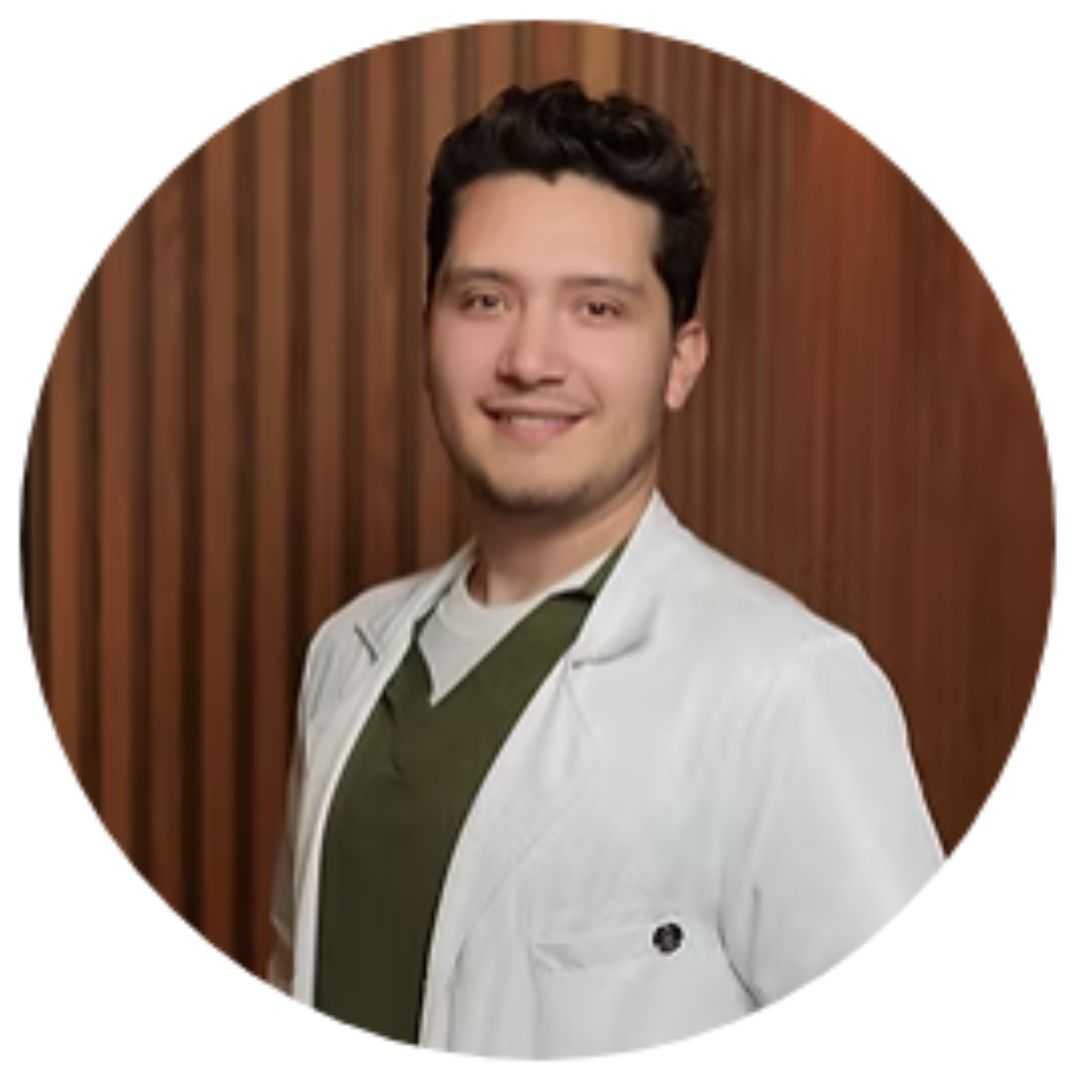
Dr. Yosafat Audiffred
LONVIDA - Wellness and Longevity Center in Mexico City
- Anti-Aging Medicine
Mexico City, Mexico
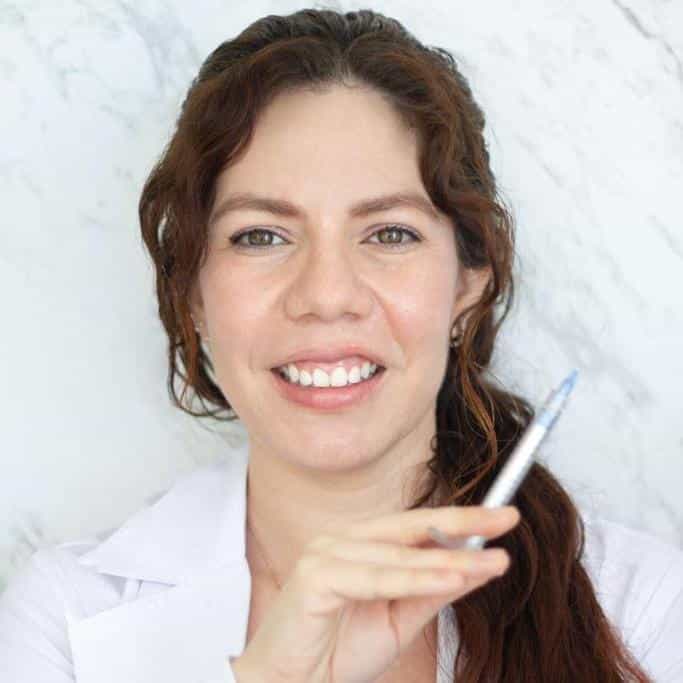
Regulatory Freedom for Effective Dosing
The primary reason patients choose Mexico is the regulatory environment. Unlike the U.S., where cell expansion is heavily restricted, Mexico allows for the culturing of stem cells. This is a game-changer for stroke recovery.
It means patients can receive treatments with high cell counts (e.g., 300 million cells) that are potent enough to potentially impact systemic inflammation and neuroregeneration, which is difficult to achieve with the lower-dose treatments often found elsewhere.
Advanced Biotechnology Infrastructure
Mexico has invested heavily in biotechnology. Cities like Tijuana and Guadalajara are home to sophisticated Cryo-banks and laboratories that meet ISO standards.
This infrastructure ensures that the cells are not only abundant but also live, viable, and free from contamination. The integration of these labs directly with clinical centers minimizes the time cells spend in transit, preserving their quality for the patient.
Cost-Effective Access to Care
Cost is a significant factor for families dealing with the long-term expenses of stroke care. Mexico offers these advanced therapies at 50-70% less than the cost in the U.S. or other parts of the world.
This affordability extends to travel and accommodation, making it possible for patients to undergo multiple rounds of treatment if necessary, or to stay longer for complementary rehabilitation therapies that maximize the benefits of the stem cells.
Entering the world of regenerative medicine can be daunting. PlacidWay acts as your knowledgeable guide, connecting you with verified, high-quality clinics to ensure your journey to recovery is safe, transparent, and effective.
Clinic Verification
We rigorously screen clinics to ensure they hold necessary COFEPRIS licenses and adhere to international safety protocols for cell handling.
Medical Case Review
We facilitate the transfer of your medical records and MRI/CT scans to specialists, allowing them to determine if you are a suitable candidate before you travel.
Customized Quotes
Receive detailed treatment plans and pricing from multiple top-rated centers, helping you compare cell counts, protocols, and costs side-by-side.
Direct Doctor Communication
We arrange video calls with the medical team, so you can ask specific questions about the cells used and the expected outcomes for your condition.
Transparent Education
We provide access to real patient testimonials, scientific resources, and clear explanations of the therapy to empower your decision-making.
Continuous Support
From your first inquiry to your return home, our team is available to assist with questions, concerns, and coordination with the clinic.
Take the next step in your recovery journey. Contact PlacidWay today to explore your regenerative medicine options and receive a free, personalized evaluation for stem cell therapy in Mexico.
Get Your Free Medical Evaluation.png)


.png)











Share this listing