


Reviving Hope: The Complete Guide to Stem Cell Therapy for Stroke Recovery in Mexico
A stroke can alter the course of a life in mere seconds, leaving survivors and their families searching for effective rehabilitation strategies. While traditional physical therapy remains a cornerstone of rehabilitation, cutting-edge regenerative medicine is offering a new dawn for patients worldwide. Stem cell therapy for stroke recovery in Mexico is rapidly emerging as a highly sought-after, affordable, and technologically advanced medical solution.
By harnessing the body's natural healing mechanisms, top-tier Mexican medical facilities are providing innovative treatments that aim to repair damaged neural tissues and restore lost functions. Watch to discover how world-class clinics south of the border are utilizing advanced cellular therapies to rewrite the future for stroke survivors.
Video Chapters & Quick Navigation
- The Impact of Strokes
- Limits of Traditional Rehab
- The Science of Stem Cells
- Mechanisms of Neurological Healing
- Why Choose Mexico?
- Cost Comparison Analysis
- Types of Stem Cells Used
- The Patient Journey
- Top Medical Destinations
- Safety and Regulations
- Post-Treatment Rehabilitation
- Managing Real Expectations
Understanding the Devastating Impact of Strokes
A stroke occurs when the blood supply to a specific part of the brain is interrupted or reduced, preventing delicate brain tissue from receiving essential oxygen and nutrients. Within minutes, brain cells begin to die, leading to potentially severe cognitive and physical impairments. Understanding the specific nature of a stroke is the first critical step in determining the viability of regenerative medicine protocols.
As highlighted in the video at , ischemic strokes account for nearly 87% of all cerebrovascular events. These occur when a blood clot obstructs a blood vessel inside the brain. Conversely, hemorrhagic strokes happen when a weakened blood vessel ruptures and bleeds into the surrounding brain tissue. Both types result in a central core of dead neurons surrounded by an area of damaged but potentially salvageable tissue known as the penumbra.
It is within this delicate penumbra region that regenerative therapies hold the most promise. By targeting this area of compromised tissue before irreversible scarring sets in, specialized medical treatments aim to rescue dying cells. This fundamental biological reality is what drives the rising demand for advanced stem cell therapy for stroke recovery across the globe.
The Limitations of Traditional Stroke Rehabilitation
For decades, the standard protocol for post-stroke care has revolved almost exclusively around physical, occupational, and speech therapies. While these therapeutic modalities are absolutely vital for retraining the brain and encouraging neuroplasticity, they are inherently limited. Traditional rehabilitation focuses heavily on functional compensation rather than true biological repair of the damaged brain infrastructure.
Many stroke survivors experience what neurologists refer to as a "recovery plateau." Typically occurring six to twelve months post-injury, this plateau represents a point where functional improvements severely slow down or halt entirely. Patients are often told they must simply learn to live with their remaining deficits, which can lead to profound psychological distress and a diminished quality of life.
This reality forces many families to seek out alternative, scientifically backed interventions. Regenerative medicine steps into this void by attempting to directly address the underlying neurological damage. Instead of just teaching a patient to cope with a weakened limb, advanced cellular therapies aim to restore the neural pathways that control that limb.
The Science Behind Stem Cell Therapy for Neurological Repair
At the very core of regenerative medicine lies the remarkable capability of stem cells. These are undifferentiated master cells that possess the unique ability to develop into various specialized cell types throughout the body. When introduced into a patient suffering from a neurological deficit, stem cells act as biological repair agents.
The Paracrine Effect Explained
Historically, scientists believed that stem cells needed to permanently engraft into the brain and become new neurons to be effective. However, modern research, referenced at in our video, demonstrates that the primary benefit of stem cell therapy for stroke recovery in Mexico comes from the "paracrine effect." This means the administered stem cells secrete a powerful cocktail of growth factors, cytokines, and exosomes into the surrounding environment.
These secreted factors fundamentally alter the microenvironment of the damaged brain. They signal the patient's own native stem cells to activate and migrate to the site of the injury. In essence, the therapeutic stem cells act like biological project managers, directing the body's internal healing resources to the areas where they are needed most desperately.
Three Core Mechanisms of Neurological Healing
The application of top stem cell clinics in Mexico for neurological disorders relies on three highly specific biological mechanisms to promote stroke recovery. Understanding these mechanisms helps demystify how these treatments can yield tangible physical improvements.
1. Powerful Immunomodulation
Following a stroke, the brain experiences massive, chronic inflammation. While acute inflammation is a natural healing response, chronic neuroinflammation actually prevents cellular repair and increases cell death. Mesenchymal stem cells are exceptionally skilled at immunomodulation, meaning they actively calm this destructive immune response, creating a hospitable environment for neural regeneration.
2. Stimulating Angiogenesis
Brain tissue cannot heal without a robust blood supply. Stem cells secrete factors such as Vascular Endothelial Growth Factor (VEGF), which triggers angiogenesis—the formation of brand new blood vessels. By restoring blood flow to the ischemic penumbra, previously dormant neurons can be reactivated and saved from cellular death.
3. Enhancing Neurogenesis
Finally, the introduction of therapeutic stem cells actively promotes neurogenesis, which is the generation of new neurons from neural stem cells. They also encourage synaptogenesis, the formation of new connections (synapses) between existing neurons. This is the biological equivalent of rebuilding the brain's internal electrical grid, facilitating improved motor and cognitive functions.
Why Choose Mexico for Regenerative Medicine?
Many patients from the United States and Canada naturally wonder why they must cross international borders to receive this kind of treatment. The answer lies primarily in the complex regulatory landscape surrounding medical innovation. While the FDA in the United States maintains incredibly strict and often slow-moving protocols regarding stem cell expansion, Mexico has embraced a more progressive, yet highly regulated, medical framework.
In Mexico, the regulatory body known as COFEPRIS (Federal Committee for Protection from Sanitary Risks) allows for the expansion of mesenchymal stem cells in tightly controlled, pristine laboratory environments. This means clinics can multiply harvested cells into the tens or hundreds of millions before administration. This high dosage is clinically proven to be far more effective for treating severe systemic conditions like stroke.
Furthermore, medical tourism in Mexico for stroke rehabilitation offers unparalleled convenience for North American patients. With short flight times, accessible borders, and specialized medical transport services, the logistical burden on a physically compromised patient is significantly minimized. Patients can access world-class medicine without the exhaustion of transcontinental travel.
Shattering the Price Tag: Cost Comparison Analysis
One of the most compelling reasons families seek affordable stem cell treatment for stroke survivors in Mexico is the dramatic cost differential. In countries where these treatments are available outside of clinical trials, the financial burden can be entirely prohibitive for the average family, often running into the hundreds of thousands of dollars.
The cost of stem cell therapy for stroke in Mexico is a fraction of what one might expect in other developed nations. This affordability does not come at the expense of quality. The lower cost of living, reduced administrative overhead, and favorable exchange rates allow Mexican clinics to offer premium treatments using state-of-the-art laboratory equipment at significantly reduced prices.
| Treatment Location | Average Estimated Cost (USD) | Cell Expansion Allowed? |
|---|---|---|
| United States / Canada | $25,000 - $40,000+ | Heavily Restricted |
| European Clinics | $15,000 - $30,000 | Varies by Country |
| Top Clinics in Mexico | $5,000 - $12,000 | Yes (COFEPRIS Regulated) |
When evaluating the cost of stem cell therapy for stroke in Mexico, it is important to remember that most top-tier clinics offer all-inclusive packages. These packages typically cover the therapy itself, pre-treatment blood work, necessary imaging, local ground transportation, and sometimes even accommodations in partnered luxury hotels, making the entire process financially transparent and stress-free.
Understanding the Types of Stem Cells Used
Not all stem cells are created equal, and the source of the cells plays a critical role in the efficacy of the treatment. For neurological conditions like stroke, medical professionals generally rely on highly specialized cell lineages that have proven safety and efficacy profiles in global clinical literature.
Mesenchymal Stem Cells (MSCs)
When asking how mesenchymal stem cells help stroke recovery, we must look to their incredible versatility. MSCs are multipotent adult stem cells typically ethically sourced from Wharton's Jelly (found in umbilical cords donated by healthy mothers after normal cesarean sections). These cells are highly prized because they are "immune-privileged," meaning they do not trigger a rejection response in the patient's body, eliminating the need for dangerous immunosuppressant drugs.
Autologous vs. Allogeneic Cells
While some clinics offer autologous treatments (harvesting cells from the patient's own fat or bone marrow), this is often less effective for stroke survivors. Older patients or those with underlying health issues have stem cells that are equally aged and depleted. Allogeneic cells (donor-derived umbilical cord cells) are essentially "day zero" cells. They are robust, highly active, and capable of massive proliferation, offering the most potent therapeutic potential.
The Patient Journey: What to Expect in Mexico
Embarking on a medical journey to another country can feel daunting, but top stem cell clinics in Mexico have refined the patient experience to ensure utmost safety and comfort. As noted at in the video, the process begins long before you cross the border, starting with a comprehensive remote medical evaluation.
Patients are required to submit their recent medical records, including MRI or CT scans, bloodwork, and a detailed medical history. A board-certified neurologist or stem cell specialist will review these documents to determine if the patient is a viable candidate for regenerative medicine for ischemic stroke recovery. This rigorous screening ensures that only patients who stand a genuine chance of benefiting are accepted.
Once approved, the actual treatment protocol usually spans three to five days. The administration of stem cells is remarkably minimally invasive. Depending on the patient's specific stroke location and severity, the cells are typically delivered via an intravenous (IV) drip, and in some advanced cases, through an intrathecal injection (into the spinal canal) to bypass the blood-brain barrier and deliver cells directly to the central nervous system.
Top Medical Destinations Within Mexico
Mexico is a vast and diverse country, and its medical tourism infrastructure is concentrated in several key cities that boast state-of-the-art hospitals and advanced laboratory facilities.
- Tijuana: Located just minutes across the San Diego border, Tijuana is the premier hub for medical tourism. Its proximity to the US makes it incredibly convenient for patients who wish to fly into Southern California and take a quick private medical shuttle across the border.
- Cancun: Combining world-class regenerative medicine with the tranquility of a tropical paradise, Cancun offers specialized clinics where patients can recover in a highly relaxing, stress-free environment, which is beneficial for neurological healing.
- Guadalajara: Known as the "Silicon Valley of Mexico," Guadalajara features some of the country's most advanced research hospitals and highly esteemed medical universities, attracting top-tier medical talent from around the world.
Navigating Safety Standards and Regulations
A common and entirely valid concern among international patients relates to the safety and hygiene standards of medical facilities abroad. It is crucial to understand that the clinics catering to medical tourists in Mexico operate at the highest echelons of modern medicine.
Reputable clinics are strictly regulated by COFEPRIS, ensuring that their cell expansion laboratories adhere to Good Manufacturing Practices (GMP) and strict clean-room protocols. Furthermore, high-quality stem cell batches undergo rigorous third-party testing for endotoxins, mycoplasma, and communicable diseases like HIV and Hepatitis before they are ever cleared for patient use.
Partnering with a trusted medical tourism facilitator like PlacidWay is the best way to ensure you are connecting with fully vetted, accredited, and legally compliant medical centers. They perform the necessary due diligence, so patients and their families can focus entirely on the healing process.
Maximizing Results with Post-Treatment Rehabilitation
It is absolutely vital to view stem cell therapy not as a magic bullet, but as a powerful biological catalyst. Simply receiving the cells is only half of the equation; what a patient does in the weeks and months following the treatment is critical to realizing maximum functional recovery.
As the newly introduced stem cells promote neurogenesis and reduce brain inflammation, the brain enters a state of heightened neuroplasticity. This means it is more receptive to re-learning lost skills than it has been since the immediate aftermath of the stroke. Patients must aggressively pursue specialized physical, occupational, and speech therapies upon returning home.
By forcing the brain to practice motor tasks while the regenerative cellular environment is highly active, patients can help "wire" the newly formed neural connections efficiently. Additionally, adopting a highly nutritious, anti-inflammatory diet and managing cardiovascular risk factors will provide the physiological support the brain needs to sustain long-term healing.
Managing Real Expectations for Stroke Survivors
When considering regenerative medicine for ischemic stroke recovery, families must establish highly realistic expectations. Stem cell therapy is not a guaranteed cure, and results can vary significantly from one patient to another based on age, the severity of the stroke, the location of the brain damage, and the time elapsed since the initial event.
While some patients experience rapid and dramatic improvements in mobility, speech, and cognitive clarity, others may see more subtle, incremental changes over the course of three to six months. Improvements often manifest as increased energy levels, reduced spasticity in paralyzed limbs, improved swallowing mechanics, or enhanced emotional regulation.
Even small functional gains can represent a massive improvement in a survivor's overall quality of life and degree of independence. By providing a safe, scientifically advanced, and affordable pathway to cellular repair, Mexico's leading regenerative medicine clinics are quite literally reviving hope for families who thought they had exhausted all of their options.
Ready to Explore Stem Cell Therapy for Stroke Recovery?
Do not let the limitations of traditional rehabilitation dictate your future. PlacidWay connects you with globally accredited, heavily regulated, and affordable stem cell clinics in Mexico. Take the first step toward restoring neurological function and reclaiming your independence today.
GET A FREE QUOTE TODAY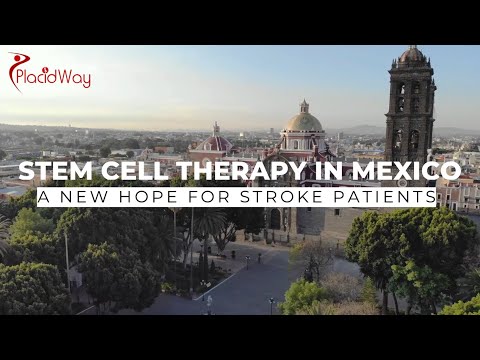

















Share this listing