
Comprehensive Guide to Stem Cell Therapy for Kidney Failure in Mexico
Patients diagnosed with severe autoimmune conditions and chronic renal diseases are increasingly turning toward advanced medical alternatives, specifically stem cell therapy for kidney failure in Mexico. Systemic conditions like lupus pose a severe threat to organ viability, often deteriorating renal function to critical levels over the course of several years. When traditional medical infrastructure suggests that a patient has reached the end of their pharmacological options, regenerative medicine provides a scientifically backed pathway for restoring compromised tissue functionality.
The progression of chronic kidney disease typically follows a linear and predictable path under standard medical care, culminating in the absolute necessity for lifelong mechanical filtration or organ replacement. However, the introduction of cellular therapies into the medical landscape has disrupted this conventional trajectory. By utilizing the body's intrinsic regenerative capabilities, specialized clinical facilities are achieving documented improvements in glomerular filtration rates and overall metabolic stability for international patients.
Deciding to pursue specialized regenerative treatments requires a thorough understanding of the clinical protocols, expected physiological outcomes, and the specific mechanisms of action involved in cellular repair. This detailed analysis examines the fundamental principles of regenerative medicine, exploring how clinical applications are successfully reversing severe renal decline and offering unprecedented functional recovery for patients suffering from systemic lupus erythematosus and subsequent end-stage renal disease.
Video Chapters
- Understanding Lupus and Chronic Kidney Disease Progression
- Traditional Dialysis vs Stem Cell Treatment for Renal Failure in Mexico
- The Science Behind Stem Cell Treatment for Lupus
- Veronica’s Journey: Combating Seven Percent Kidney Function
- Physical Recovery: Life After Stem Cell Therapy for Kidney Disease
- Analyzing Medical Results: Creatinine Clearance Improvement
- Why International Patients Choose Stem Cell Treatment Clinics in Mexico
- Navigating Skepticism About Regenerative Medicine
Understanding Lupus and Chronic Kidney Disease Progression
Systemic lupus erythematosus is a highly complex autoimmune disorder characterized by the immune system's erroneous attack on healthy cellular structures throughout the body. When this hyperactive immune response targets the renal system, it manifests as lupus nephritis, a severe complication that causes intense inflammation within the kidneys' filtration units. Over time, this chronic inflammation leads to irreversible scarring of the nephrons, progressively diminishing the organ's ability to filter metabolic waste from the bloodstream.
For many patients, the gradual decline in renal function spans a decade or more, characterized by increasing systemic toxicity, fluid retention, and dangerous elevations in blood pressure. As referenced in the clinical case at [00:11], an eleven-year battle with lupus perfectly illustrates the protracted and destructive nature of chronic autoimmune disease. During this extended period, the sustained autoimmune assault meticulously degrades the structural integrity of the kidneys, eventually pushing the patient into end-stage renal failure.
The Pathophysiology of Lupus Nephritis
The biological mechanisms driving lupus nephritis involve the deposition of immune complexes within the glomeruli, the microscopic blood vessels responsible for initial blood filtration. These deposits trigger a massive influx of inflammatory cells, which release cytotoxic enzymes and reactive oxygen species that destroy delicate renal tissue. As the glomerular basement membrane becomes compromised, vital proteins and red blood cells leak into the urine, leading to significant nutritional deficiencies and compounding systemic weakness.
Without successful intervention to halt this specific immunological cascade, the kidneys undergo extensive fibrotic remodeling. The functional tissue is continuously replaced by rigid, non-functional scar tissue, rapidly accelerating the timeline toward total organ collapse. It is at this critical juncture that conventional medical protocols often pivot from disease management to mechanical life support mechanisms.
Traditional Dialysis vs Stem Cell Treatment for Renal Failure in Mexico
The standard western medical protocol for patients reaching critical stages of kidney failure is an immediate transition to hemodialysis or peritoneal dialysis. These mechanical interventions act as artificial kidneys, removing toxins and excess fluids from the body to prevent immediate fatal uremia. However, dialysis is not a curative process; it is a rigorous, physically exhausting maintenance protocol that requires substantial time commitments and severely limits a patient's independence.
Beyond dialysis, the ultimate conventional recommendation is an organ transplant, a procedure highlighted at [00:28]. While transplants can provide a return to normal filtration, they are fraught with immense complications, including incredibly long waiting lists, astronomical costs, and the absolute necessity for lifelong immunosuppressive drug therapy. Stem cell treatment for renal failure in Mexico presents a stark contrast to these traditional paradigms by aiming to repair the native organ rather than replace it or mechanically mimic its function.
Comparing Clinical Approaches and Patient Burden
The fundamental divergence between standard care and regenerative medicine lies in the underlying cellular objectives. Mechanical filtration addresses the symptoms of renal failure, while cellular therapy directly targets the cellular deficit and the underlying immunological dysfunction causing the damage. The financial and physiological burdens of traditional methods often push patients to research advanced medical alternatives internationally.
| Treatment Modality | Mechanism of Action | Long-Term Patient Impact |
|---|---|---|
| Hemodialysis | Mechanical filtration of blood via external machine. | Severe physical exhaustion, strict dietary limits, massive time commitment. |
| Kidney Transplant | Surgical replacement of failed organ with donor organ. | Lifelong immunosuppression, risk of organ rejection, exorbitant surgical costs. |
| Stem Cell Therapy | Intravenous cellular regeneration and immune modulation. | Potential restoration of native organ function, improved energy, no daily mechanical dependency. |
The Science Behind Stem Cell Treatment for Lupus and Kidney Regeneration
Mesenchymal stem cells (MSCs) are the primary biological agents utilized in regenerative protocols for autoimmune and renal conditions. These highly specialized, undifferentiated cells possess two critical therapeutic properties that make them ideal for treating lupus nephritis: immunomodulation and direct tissue regeneration. When introduced into the patient's circulatory system, MSCs exhibit a unique homing mechanism, migrating specifically to areas of high inflammation and cellular distress within the renal cortex and medulla.
Upon arriving at the damaged kidney tissue, stem cells deploy a paracrine signaling effect, releasing a complex matrix of growth factors, cytokines, and extracellular vesicles. These biochemical signals actively suppress the aggressive autoimmune response responsible for lupus, effectively commanding the immune system to halt its attack on the host tissue. Simultaneously, these growth factors stimulate the proliferation of surviving native kidney cells and promote angiogenesis, the creation of new blood vessels essential for tissue healing.
Halting Autoimmunity While Rebuilding Nephrons
The dual-action capability of stem cell treatment for lupus in Mexico is what sets it apart from single-mechanism pharmaceutical drugs. Standard immunosuppressants simply turn off the body's defense mechanisms, leaving the patient vulnerable to severe infections while doing nothing to repair the physical damage already inflicted on the kidneys. Cellular therapy re-educates the immune system to achieve tolerance while actively participating in the structural rebuilding of the glomerular filtration barrier.
- Immunological Reprogramming: Stem cells downregulate the production of inflammatory T-cells and upregulate regulatory T-cells, creating a stable immune environment.
- Anti-Fibrotic Activity: They secrete specific enzymes that break down existing scar tissue within the kidneys, clearing the way for healthy cellular regeneration.
- Cellular Differentiation: In specific microenvironments, stem cells can differentiate into specialized renal progenitor cells to replace lost functional tissue.
Veronica’s Journey: Combating Seven Percent Kidney Function with Stem Cells
The clinical reality of end-stage renal disease is starkly illustrated by patients arriving at specialized clinics with critically low metabolic parameters. As detailed at [00:20], presenting with merely seven percent remaining renal function indicates a body operating on the precipice of absolute systemic failure. At this extreme deficit, the kidneys can no longer maintain basic electrolyte balance, leading to dangerous accumulations of potassium and profound metabolic acidosis.
Faced with the daunting prospect of immediate dialysis and the immense financial burden of an impending transplant [00:32], seeking alternative medical solutions becomes a vital endeavor for survival. Independent research into medical tourism and regenerative options frequently reveals established clinics capable of executing complex cellular protocols. The decision to pursue stem cell therapy for kidney failure in Mexico often stems from discovering documented patient testimonies and verifiable clinical outcomes that challenge the finality of a terminal diagnosis [00:47].
The Initial Phases of the Regenerative Medical Protocol
Initiating regenerative therapy requires a holistic medical approach that extends beyond the intravenous cellular infusions. A fundamental component of the treatment protocol involves strict dietary modifications designed to reduce the immediate processing burden on the compromised kidneys, as noted at [00:53]. Controlling sodium, phosphorus, and specific protein intakes creates a highly optimized internal environment, allowing the introduced stem cells to focus entirely on tissue repair rather than combating ongoing acute toxicity.
The administration of cellular therapy is typically conducted over several strategic sessions, allowing the body to systematically integrate the new cells and respond to the immunomodulatory signals. This measured clinical approach ensures that the stem cells can effectively colonize the renal tissue and begin the complex process of reversing cellular degradation without overwhelming the patient's fragile metabolic state.
Physical and Emotional Recovery: Life After Stem Cell Therapy for Kidney Disease
The physical toll of functioning with severely diminished renal capacity is characterized by profound, unrelenting cellular fatigue. Toxins that the kidneys fail to excrete accumulate in the muscle tissues and nervous system, leading to a state of chronic exhaustion that simple rest cannot alleviate. Patients experience extreme muscular weakness, a direct result of uremic myopathy and severe anemia caused by the kidneys' inability to produce erythropoietin.
This debilitating physical state strips away basic personal independence, transforming routine daily activities into insurmountable physiological challenges. As recounted at [01:18], the inability to lift one's arms, bathe independently, or navigate the outside world without assistance represents the severe physical degradation associated with terminal autoimmune conditions. The psychological impact of relying entirely on external help compounds the physiological trauma of the disease.
Regaining Independence and Cellular Energy
Following the successful integration of stem cell protocols, the physical evolution is often marked by a dramatic resurgence of cellular energy [01:03]. As the newly regenerated renal tissues begin to effectively clear uremic toxins from the bloodstream, the central nervous system and muscular structures are freed from their chemical suppression. The restoration of erythropoietin production simultaneously addresses underlying anemia, resulting in highly improved oxygen delivery to fatigued tissues.
The tangible result of this internal physiological repair is the rapid return of personal autonomy and functional strength. Patients transition from a state of total dependency to actively reclaiming their quality of life, demonstrating the profound systemic impact that targeted stem cell therapy for renal failure in Mexico can achieve across the entire biological spectrum.
Analyzing the Medical Results: Creatinine Clearance and Renal Function Improvement
The absolute efficacy of regenerative medicine must be quantified through rigorous, standardized laboratory diagnostics to definitively prove functional restoration. In renal medicine, the most critical biomarkers are serum creatinine levels and the overall creatinine clearance rate. Creatinine is a chemical waste product generated by normal muscle contractions; healthy kidneys filter it out effortlessly, making it the premier metric for evaluating glomerular filtration efficiency.
A baseline presentation of a 7.6% creatinine clearance rate is medically classified as end-stage renal disease, indicating nearly total organ failure and a high risk of imminent mortality without mechanical intervention [02:06]. Similarly, an initial serum creatinine index of 6.7 confirms dangerous levels of systemic toxicity. Tracking these specific laboratory values post-treatment provides irrefutable scientific evidence of the regenerative capabilities of cellular therapies.
Laboratory Proof of Stem Cell Efficacy in Kidney Patients
The transformation of these critical laboratory metrics following specialized treatment protocols is mathematically and medically profound. Achieving a post-therapy serum creatinine drop from 6.7 down to 0.83 indicates that the kidneys have fully resumed their natural filtration duties [02:18]. This drastic reduction in blood toxicity directly correlates with the physical improvements and renewed energy levels experienced by the patient.
Furthermore, the elevation of the creatinine clearance rate from a fatal 7.6% to a robust 99.07% [02:25] represents a near-total functional recovery of the renal system. This incredible statistical leap demonstrates that the stem cells did not merely act as temporary anti-inflammatories, but actively facilitated the structural regeneration of the microscopic nephrons essential for long-term health.
| Diagnostic Parameter | Pre-Treatment Baseline | Post-Treatment Result | Medical Interpretation |
|---|---|---|---|
| Creatinine Clearance Rate | 7.6% | 99.07% | Transition from end-stage renal failure to normal, healthy filtration capacity. |
| Serum Creatinine Index | 6.7 mg/dL | 0.87 mg/dL | Complete clearing of dangerous blood toxicity; return to optimal metabolic balance. |
Why International Patients Choose Stem Cell Treatment Clinics in Mexico
The global landscape of regenerative medicine is heavily influenced by varying international regulatory environments, which often restrict patient access to advanced therapies in their home countries. Stem cell therapy for kidney failure in Mexico has become highly sought after because specialized clinics operate under progressive medical frameworks that permit the application of expanded, targeted cellular protocols. This favorable regulatory climate attracts leading global specialists and bio-researchers to establish highly advanced laboratory facilities directly integrated with patient care centers.
Cost-effectiveness remains a massive catalyst for medical tourism in the regenerative sector. The financial burden of managing chronic kidney disease through traditional means in North America is staggering, encompassing the massive costs of surgical transplants, prolonged hospital stays, and exorbitant lifelong pharmaceutical prescriptions. Seeking advanced cellular treatment internationally provides patients with highly competitive medical pricing without sacrificing the rigorous quality controls, advanced biotechnology, and specialized medical expertise required for safe application.
Advanced Clinical Protocols and Specialized Care
Top-tier clinical facilities dedicated to regenerative medicine employ highly sophisticated stem cell harvesting, expansion, and administration techniques. They utilize state-of-the-art biological safety cabinets and meticulous clean-room environments to guarantee cell viability and absolute sterility. These specialized clinics do not simply administer isolated injections; they craft comprehensive, multi-disciplinary treatment plans encompassing cellular therapy, nutritional recalibration, and extensive post-treatment monitoring to ensure long-term graft survival and continued organ regeneration.
- Regulatory Flexibility: Ability to legally utilize high-density, ethically sourced mesenchymal stem cell applications.
- Economic Viability: Access to cutting-edge medicine at a fraction of the cost of domestic hospital networks.
- Comprehensive Medical Focus: Clinics specialize explicitly in regenerative sciences, offering superior expertise compared to general medical practitioners.
Navigating Skepticism and Making Informed Decisions About Regenerative Medicine
Despite the overwhelming clinical data and verifiable laboratory improvements, regenerative medicine frequently encounters significant skepticism from traditional medical establishments. This resistance often stems from a lack of updated education regarding cellular biology among general practitioners, leading them to quickly dismiss therapies that fall outside of standard pharmaceutical guidelines. Patients researching these life-saving procedures are routinely confronted with doubt from their domestic doctors, forcing them to advocate aggressively for their own survival strategies.
Overcoming this external doubt requires strict reliance on documented medical facts and objective diagnostic testing rather than outdated medical opinions [01:45]. Personal discipline, stringent adherence to the specialized clinic's pre-and post-therapy protocols, and focusing exclusively on tangible lab results are paramount for success. When patients successfully ignore the skepticism and proceed with biologically sound regenerative treatments, they open the door to unprecedented recoveries and the restoration of a vibrant, unhindered quality of life [01:55].
Embracing New Frontiers for Chronic Autoimmune Diseases
The decision to pursue stem cell treatment for lupus in Mexico represents a fundamental shift in managing systemic chronic illnesses. Rather than passively accepting the inevitable decline predicted by traditional medical models, individuals are actively utilizing cellular science to rewrite their prognosis. By understanding the intricate mechanisms of immune modulation and tissue regeneration, patients can confidently pursue therapies that offer genuine cellular repair, ultimately securing an independent, healthy future free from the constraints of dialysis machines and debilitating fatigue.
Ready to Explore Stem Cell Therapy Options?
Discover how advanced regenerative medicine and personalized stem cell protocols can help restore your renal function and improve your quality of life. Connect with leading medical specialists today.
Get Free QuoteView Full Video Transcript
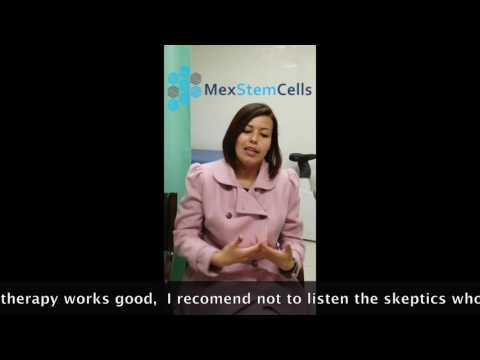
[00:06] Hello, good morning. My name is Veronica Garcia Martinez.
[00:11] I am 28 years old. I have a diagnosis of lupus from 11 years ago with renal insufficiency.
[00:20] I arrived here at the clinic with 7% renal function.
[00:25] In fact, my doctors already wanted to dialyze me.
[00:28] They said I was already in the process for a transplant.
[00:32] It is a very expensive treatment and it is something expensive.
[00:38] I arrived here for them to help me, to see how much could be recovered with the cellular therapy.
[00:47] I researched it on the internet, saw testimonies, and I was convinced.
[00:53] I wanted to take the therapy. I arrived here, started with a diet, did the sessions.
[01:03] I evolved physically. I had more energy, it wasn't so much tiredness.
[01:11] I felt a lot of tiredness. I never laid down completely but I felt weak.
[01:18] I couldn't lift my arms, I couldn't bathe myself. I needed help, I couldn't go out.
[01:26] Now, with the new results, finishing the therapies, I have very good results.
[01:33] I have recovered the major renal function.
[01:40] I think that with discipline and following indications, and not trusting what people outside say.
[01:48] Many people do not believe. It is a very good therapy and I recommend it.
[01:55] For those who have this condition and want to move forward and recover their quality of life.
[02:06] At the beginning of the treatment I arrived with a creatinine clearance of 7.6%.
[02:14] And a creatinine index of 6.
[02:18] Now finishing the sessions and bringing new results, I have a creatinine of 0.83.
[02:25] And a creatinine clearance of 99%.
[02:32] I feel very happy to have a good function.








.png)
.png)




.png)
.png)
.png)
.jpg)








Share this listing