
Transformative Stem Cell Therapy for Kidney Failure in Mexico
Finding effective treatments for end-stage renal disease caused by autoimmune conditions remains one of the most significant challenges in modern nephrology. For patients suffering from severe lupus complications, exploring alternative treatments like stem cell therapy for kidney failure in Mexico has become an increasingly viable medical pathway. This innovative approach offers a potential departure from the conventional cycles of continuous dialysis and the daunting waiting lists associated with organ transplantation.
Clinical advancements in regenerative medicine are demonstrating remarkable capabilities in halting autoimmune attacks and repairing damaged nephrons. By analyzing real-world patient outcomes, medical professionals can better understand the efficacy of mesenchymal stem cells in restoring renal function. The following comprehensive breakdown examines the journey of a patient who navigated severe lupus nephritis, detailing the underlying pathology, the biological mechanisms of cellular therapy, and the documented recovery of optimal kidney performance without relying on traditional invasive procedures.
Video Chapters & Clinical Navigation
- Understanding Lupus-Induced End-Stage Renal Disease
- The Limitations of Dialysis and Kidney Transplants
- Clinical Diagnosis: Severe Renal Impairment and Fatigue
- The Biological Mechanism of Stem Cell Treatment
- Tracking Physical Recovery During Cellular Therapy
- Analyzing Medical Data: Improving Creatinine Clearance
- Cost-Effectiveness of Regenerative Medicine Abroad
- Evaluating Success Rates in Stem Cell Interventions
Understanding Lupus-Induced End-Stage Renal Disease and Nephritis
Systemic Lupus Erythematosus (SLE) is a complex autoimmune disorder where the body's immune system erroneously attacks healthy tissue, leading to widespread inflammation. When this aggressive autoimmune response targets the kidneys, it results in a severe condition known as lupus nephritis. This specific complication is notoriously difficult to manage because the autoantibodies form immune complexes that lodge directly into the glomeruli, the primary filtering units of the kidneys.
As these immune complexes accumulate, they trigger persistent localized inflammation that progressively destroys the nephrons. Over time, the continuous damage leads to scarring and a drastic reduction in the kidney's ability to filter waste products from the bloodstream. Patients experiencing this type of renal deterioration often face a rapid decline in their overall health, characterized by uncontrollable hypertension, severe protein loss in urine, and systemic toxicity due to uncleared metabolic waste.
If left unchecked by conventional immunosuppressants, lupus nephritis accelerates directly into end-stage renal disease (ESRD). At this critical juncture, the organs are entirely compromised, and the patient's survival depends entirely on external interventions. The physiological burden of a failing renal system impacts every major organ, severely diminishing cardiovascular health and systemic stability.
The Limitations of Dialysis and Traditional Kidney Transplant Procedures
For decades, the standard medical protocol for patients reaching end-stage renal failure has been limited to either long-term dialysis or a surgical organ transplant. Dialysis, while life-saving, is an exhaustive and highly invasive procedure that requires patients to undergo treatment multiple times a week. The process artificially filters the blood, but it fails to replicate the comprehensive endocrine and metabolic functions of a healthy, natural kidney.
Furthermore, long-term dialysis places a severe strain on the cardiovascular system and often leads to a dramatically reduced quality of life. Patients report chronic exhaustion, strict dietary limitations, and constant vulnerability to systemic infections through vascular access points. Recognizing these harsh realities, doctors often pushed for a kidney transplant as the ultimate solution for severe renal decline, as recommended to the patient [00:24].
However, obtaining a kidney transplant is a highly complicated, uncertain, and incredibly expensive endeavor. Waitlists can span several years, and patients must remain healthy enough to survive the major surgery when an organ finally becomes available. Post-transplant care also mandates a lifelong regimen of heavy immunosuppressive medications, which paradoxically increases the risk of severe infections and can trigger secondary complications in autoimmune patients.
Veronica’s Clinical Diagnosis: Severe Renal Impairment and Chronic Fatigue
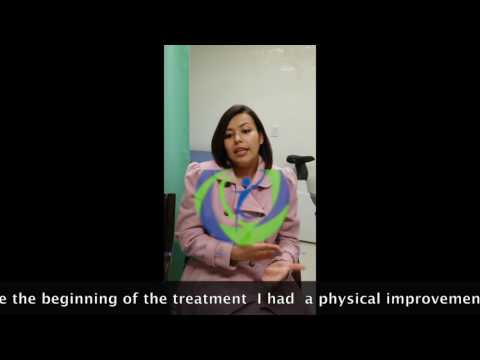
The clinical presentation of severe kidney failure is devastatingly apparent in the physical toll it takes on the human body. Diagnosed with lupus over eleven years ago, Veronica's condition had relentlessly progressed to a state of near-total organ collapse [00:09]. By the time she sought alternative regenerative care, specialized diagnostics revealed she was operating on a mere 7% of total renal function.
A functional capacity of 7% indicates advanced end-stage renal failure, a phase where the body is actively succumbing to uremia. Her primary physicians determined that immediate dialysis was the only conventional option left to prevent a fatal accumulation of toxins. The severe metabolic imbalance resulted in profound muscular weakness, stripping her of basic independence to the point where she could not lift her arms or bathe without assistance [01:13].
This level of chronic fatigue is deeply connected to the kidneys' inability to produce erythropoietin, a hormone vital for generating red blood cells. Without it, patients develop severe anemia, drastically reducing the oxygen delivery to muscular tissues and the brain. Facing the prospect of an exhausting life on a dialysis machine, she actively sought out alternative solutions through stem cell therapy for lupus and kidney disease [00:45].
The Biological Mechanism of Stem Cell Treatment for Autoimmune Disorders
Regenerative medicine offers a radically different approach to treating autoimmune-induced organ failure by utilizing the unique properties of Mesenchymal Stem Cells (MSCs). These specialized cells possess a remarkable capability known as immunomodulation, which allows them to actively interact with the patient's malfunctioning immune system. In cases of systemic lupus, MSCs help downregulate the hyperactive T-cells and B-cells that are responsible for creating the destructive autoantibodies.
Once introduced into the patient's system, these stem cells exhibit a homing mechanism, naturally migrating toward areas of severe inflammation and tissue damage within the kidneys. Upon arrival, they secrete a powerful array of paracrine factors, which are specialized proteins and growth factors that fundamentally alter the microenvironment of the damaged organ. This biological intervention halts the ongoing fibrotic scarring and immediately suppresses the localized inflammation plaguing the glomeruli.
Beyond simply stopping the autoimmune attack, cellular therapy promotes active angiogenesis—the formation of new blood vessels. This improved localized blood flow delivers essential nutrients and oxygen directly to the dying nephrons, stimulating endogenous repair processes. This dual-action approach of immune system resetting and localized tissue regeneration sets stem cell therapy apart from traditional pharmaceutical suppression.
Tracking Physical Recovery and Energy Restoration During Cellular Therapy
The restorative timeline for patients undergoing advanced cellular interventions often manifests in distinct phases of physical improvement. Veronica's clinical protocol began with a strict dietary regimen to immediately reduce the functional load on her failing kidneys before the cellular infusions began [00:57]. By controlling the intake of complex proteins and electrolytes, the localized inflammation within the renal system was stabilized, creating an optimal environment for the stem cells to operate.
As the therapy progressed, the earliest indicator of cellular regeneration was a dramatic shift in her metabolic energy levels. The crushing, chronic fatigue that previously immobilized her began to dissipate as her newly repaired nephrons successfully filtered toxins out of her bloodstream [01:04]. This systemic detoxification allowed her muscles to receive properly oxygenated blood, rapidly reversing the profound weakness that had forced her into dependency.
By strictly adhering to the clinical guidelines and completing her prescribed sessions, she regained complete physical autonomy. Her ability to walk, manage personal hygiene, and participate in daily activities was fully restored without the use of invasive machinery. This rapid restoration of physical capabilities highlights the systemic benefits of targeting the root cellular cause of the autoimmune disorder rather than just managing the terminal symptoms.
Analyzing Medical Data: Improving Creatinine Clearance Rates Naturally
To accurately gauge the success of any renal therapy, nephrologists heavily rely on tracking serum creatinine levels and the estimated glomerular filtration rate (eGFR). Creatinine is a natural waste product generated by normal muscle metabolism, which healthy kidneys continuously filter out of the blood. Before her stem cell intervention, Veronica exhibited a dangerously elevated creatinine level of 6.7 mg/dL, indicating severe toxicity and near-total filtration failure [02:13].
Corresponding with this high toxicity, her baseline creatinine clearance—a direct measure of how efficiently the kidneys are removing waste over time—was severely depressed at only 7.6%. This dire clinical metric firmly placed her in the classification for mandatory dialysis. However, following the completion of the cellular therapy protocol, comprehensive laboratory testing revealed a remarkable reversal in these critical diagnostic markers.
Her post-treatment medical data showed her serum creatinine had plummeted to a completely healthy 0.83 mg/dL [02:17]. Most astonishingly, her creatinine clearance rate surged to 99%, signifying a near-total restoration of optimal renal filtration capability [02:24]. This level of physiological recovery is statistically unprecedented in conventional autoimmune nephrology and validates the potent regenerative capacity of targeted stem cell treatments.
Clinical Biomarker Comparison Table
| Clinical Metric | Pre-Treatment Baseline | Post-Treatment Result | Medical Significance |
|---|---|---|---|
| Serum Creatinine | 6.7 mg/dL | 0.83 mg/dL | Indicates highly efficient toxin removal and return to standard healthy baseline parameters. |
| Creatinine Clearance | 7.6% (ESRD phase) | 99.07% (Optimal) | Demonstrates near-complete restoration of the glomerular filtration rate within the nephrons. |
Evaluating the Cost-Effectiveness of Regenerative Medicine Abroad
The financial burden associated with chronic renal failure is staggering, driving many patients to look beyond their domestic borders for sustainable solutions. A traditional kidney transplant is an exceptionally costly procedure, often burdened by exorbitant hospital fees, ongoing immunosuppressive pharmaceutical costs, and prolonged intensive care stays. As noted during her initial medical consultations, the financial reality of pursuing a transplant was a massive, prohibitive barrier [00:31].
Seeking stem cell therapy for kidney failure in Mexico offers a compelling financial alternative without sacrificing clinical standards. Medical tourism in this sector is highly regulated, with top-tier clinics employing internationally trained specialists and operating out of state-of-the-art laboratory facilities. Patients receive comprehensive medical evaluations, custom-tailored cellular expansion protocols, and thorough post-therapy monitoring at a fraction of the cost associated with equivalent experimental therapies in the United States.
This cost-effectiveness is driven by lower administrative overhead and more flexible medical regulatory environments that safely encourage regenerative research. By choosing to undergo treatment in Mexico, patients can bypass domestic bureaucratic delays and access life-saving cellular therapies before irreversible organ necrosis occurs. The accessibility of these advanced treatments is redefining global healthcare strategies for managing severe autoimmune complications.
Evaluating Success Rates and Candidacy for Stem Cell Interventions
Despite the overwhelming clinical data and documented patient recoveries, regenerative therapies still face varying degrees of skepticism within the traditional medical community. Many primary care nephrologists rely strictly on legacy protocols, often discouraging patients from exploring cellular alternatives out of a lack of updated knowledge. Veronica specifically highlighted the importance of disregarding unfounded skepticism from external critics who dismiss these therapies without reviewing the lab results [01:46].
Determining clinical candidacy for stem cell therapy requires a highly individualized assessment of the patient's specific autoimmune markers and current level of organ damage. Ideal candidates are those who possess enough viable renal tissue for the stem cells to stimulate endogenous repair, making early intervention highly recommended. Thorough diagnostic imaging, comprehensive blood panels, and an assessment of overall cardiovascular health dictate the customized dosing of mesenchymal cells required for optimal success.
The profound physical and measurable biochemical recovery documented in this case serves as vital evidence for the efficacy of regenerative protocols. As stem cell therapy for kidney failure in Mexico continues to yield high success rates, it establishes a newly validated standard of care for patients desperate to regain their quality of life. For individuals battling the devastating effects of lupus nephritis, advanced cellular medicine offers a proven, non-surgical pathway back to complete health.
Explore Advanced Regenerative Treatments Today
If you or a loved one are exploring alternative options for autoimmune conditions or severe renal impairment, specialized international clinics offer comprehensive medical evaluations. Discover if you are a candidate for targeted cellular therapy and review customized, highly effective regenerative care packages.
Get Free QuoteView Complete Video Transcript
[00:00] MexStemCells Success Story.
[00:04] Hello, good morning, my name is Veronica Garcia Martinez.
[00:09] I am 28 years old. I have a lupus diagnosis from 11 years ago with renal insufficiency.
[00:18] Well, I arrived here at the clinic with 7% of renal function.
[00:24] In fact, my doctors already wanted to dialyze me. They said I was already a candidate for dialysis and a possible transplant.
[00:31] It is a very expensive treatment and it is something expensive.
[00:36] I arrived here for them to help me, to see how much I could recover with the function of cellular therapy.
[00:45] I investigated on the internet, I saw testimonies and I was convinced.
[00:50] I wanted to take the therapy. I arrived here, I started with a diet.
[00:57] I started the sessions and I evolved physically.
[01:04] I already had energy. I was no longer so tired. I used to feel a lot of fatigue.
[01:13] I never swelled, but I did feel weak. I couldn't lift my arms, I couldn't bathe myself.
[01:20] I needed help, I couldn't go out.
[01:24] And well, now with new results, finishing the therapies, I have very good results.
[01:31] I have recovered the major renal function.
[01:38] I believe that with discipline and following instructions and not trusting those outside who tell us not to believe.
[01:46] Many people do not believe. It is a very good therapy and I recommend it for those who have this condition.
[01:54] And those who want to get ahead and recover their quality of life more than anything.
[02:04] Well, I arrived here with a creatinine clearance of 7.6.
[02:13] And the creatinine of 6.7.
[02:17] Now finishing the sessions and bringing new results, I have a creatinine of 0.83.
[02:24] And a creatinine clearance of 99%.
[02:30] And well, I feel very happy to have a good function.







.png)
.png)
.png)
.png)



.png)

-(3).png)
.png)








Share this listing