


Stem Cell Therapy for Joint Degeneration in Mexico
Millions of individuals suffer from debilitating joint wear and tear, leading to chronic pain and severely restricted mobility. Traditional treatments often involve invasive surgeries, prolonged physical therapy, or a lifelong dependency on harsh pain medications. However, stem cell therapy for joint degeneration in Mexico has emerged as a groundbreaking, non-surgical alternative. This advanced procedure leverages the body's intrinsic healing mechanisms to actively repair and regenerate damaged tissues.
Patients from around the globe are increasingly traveling to premier medical hubs like Guadalajara, Puerto Vallarta, and Tijuana to access these innovative treatments. By choosing certified cellular specialists abroad, patients benefit from high-quality, regulated care at a fraction of the cost compared to healthcare systems in the United States or Canada. Throughout this comprehensive guide, we will explore exactly how regenerative medicine works, analyze the differences between various cellular therapies, and detail what you can expect during the recovery timeline.
Video Chapters / Quick Navigation
Understanding Regenerative Medicine for Joint Wear and Tear
Regenerative medicine is an advanced branch of medical science strictly focused on repairing and replacing damaged tissues and organs. Unlike conventional medicine, which frequently aims only to manage symptoms or mask discomfort with painkillers, regenerative approaches stimulate the human body to heal itself naturally [00:48]. The foundational philosophy is to restore proper cellular function so that the skeletal structure can operate without friction.
When a patient experiences joint wear and tear, the cartilage that serves as a vital shock absorber systematically degrades over time. This continuous degradation leads to painful bone-on-bone friction, causing severe inflammation and restricted movement. Regenerative medicine utilizes concentrated mesenchymal stem cells to halt this destructive process.
These highly specialized cells possess the unique capability to transform into various tissue types, including cartilage, muscle, and bone. By introducing vibrant, healthy cells into a deteriorated joint, medical professionals can significantly improve cellular communication. The treatment effectively reactivates dormant or isolated cells within the joint capsule, encouraging them to divide rapidly and repair the compromised cartilage matrix.
The Difference Between PRP and Mesenchymal Stem Cells
Many patients confuse Platelet-Rich Plasma (PRP) with true stem cell therapy, but they are entirely distinct biological treatments. PRP is an autologous procedure, meaning it utilizes a sample of the patient's own blood. The drawn blood is spun in a medical centrifuge to isolate a plasma layer rich in active platelets and growth factors [02:27]. While PRP is excellent for reducing acute inflammation and providing a temporary boost in healing signals, it does not actually contain living stem cells.
Mesenchymal stem cells, conversely, are typically heterologous, sourced from highly regulated, ethically donated placenta or umbilical cord tissue. These donor cells are dramatically more potent than anything extracted from an older patient's own body. They carry an immense capacity to secrete not only anti-inflammatory agents but also critical structural factors that drive tangible tissue regeneration.
When evaluating mesenchymal stem cells vs PRP, you are effectively comparing a temporary patch to a complete cellular repair kit. The young stem cells act as blank slates that can actively replace dead cartilage cells. This fundamental biological difference explains why true stem cell therapy offers long-lasting structural improvements, whereas PRP treatments typically provide only short-term symptomatic relief.
| Clinical Feature | Platelet-Rich Plasma (PRP) | Mesenchymal Stem Cells |
|---|---|---|
| Biological Source | Autologous (Patient's own blood) | Heterologous (Umbilical cord/Placenta) |
| Primary Medical Function | Reduces inflammation temporarily | Repairs, regenerates, and creates new tissue |
| Cellular Age | Aged matching the patient's biological clock | Day-zero, highly vibrant and active cells |
| Expected Long-Term Results | Short-term relief, requires frequent repeats | Long-lasting structural cartilage repair |
How Stem Cell Injections Repair Articular Cartilage via Exosomes
To fully grasp how stem cell injections repair articular cartilage, one must understand the microscopic role of exosomes. Exosomes are tiny extracellular vesicles secreted directly by stem cells. They function as the primary communication network between cells throughout the entire body [03:09]. You can visualize them as specialized, fast-moving delivery vehicles packed with critical genetic information, proteins, and cellular growth factors.
In a healthy, youthful joint, cells communicate seamlessly to maintain and repair cartilage on a daily basis. However, chronic conditions like severe arthrosis heavily disrupt this intricate network. As the cartilage matrix wears down, individual cells become isolated and lose their ability to interact, much like a person progressively losing their hearing. Without proper physiological signaling, these isolated cells stop performing their maintenance duties and eventually wither away.
When millions of fresh mesenchymal stem cells are injected into the damaged joint, up to 70% of them immediately begin secreting powerful exosomes. These exosomes act like digital hearing aids for the isolated, damaged cartilage cells [04:58]. They swiftly re-establish the broken communication lines, reactivating the dormant cells and actively instructing them to resume producing the essential collagen required for a healthy joint.
Does Stem Cell Treatment Hurt? Pain Management and Application
A completely understandable concern for patients seeking regenerative treatments is the fear of pain during the actual procedure. The application method heavily depends on the specific joint being targeted for repair. For superficial areas like the human knee, the medical procedure is surprisingly straightforward. The knee joint is located relatively close to the skin's surface, requiring only a single, highly precise injection [08:39].
The standard needle used for a knee stem cell injection is often identical to the one utilized for common intramuscular shots, ensuring minimal physical discomfort. Patients might feel a brief, slight pinch as the needle safely breaches the dermal layer. As the therapeutic stem cell fluid enters the synovial cavity—a balloon-like capsule surrounding the joint—patients report feeling a mild sensation of pressure rather than sharp, acute pain [09:27]. The liquid simply fills the available space within the capsule without causing significant structural distress.
The Hidden Dangers of Intra-Articular Lidocaine
Interestingly, leading regenerative specialists actively avoid injecting lidocaine or other strong local anesthetics directly into the joint cavity. Scientific research clearly indicates that these aggressive numbing agents can be highly toxic to the delicate newly introduced stem cells, potentially killing them upon direct contact [12:34]. Instead, clinics utilize superficial dermal numbing or alternative pain management strategies to ensure the highest possible percentage of cells remain viable and therapeutically active.
Image-Guided Precision for Spine and Knee Stem Cell Treatments
While standard knee injections are relatively simple to execute, treating deeply complex structures like the lumbar spine or pelvic hips requires advanced technological support. Over the past five years, there has been a massive shift in patients seeking advanced stem cell therapy for spinal degeneration [07:42]. This rising medical trend correlates heavily with modern sedentary lifestyles and extended hours spent hunched over computer desks.
To effectively treat deep-seated articular wear, leading Mexican clinics utilize cutting-edge image-guided techniques. A medical fluoroscope, which functions as a high-definition, real-time X-ray machine, allows the attending physician to visualize the exact microscopic anatomy of the spine or hip during the active injection [15:19]. This elite level of visual precision guarantees that the stem cells are deposited directly into the damaged disc space, completely avoiding sensitive surrounding nerves.
For patients with challenging physical anatomy, such as those with larger body mass indexes or severe structural bone deformities, high-resolution ultrasound is heavily deployed. These modern image-guided protocols transform what could be a risky blind injection into a highly targeted, exceptionally safe cellular delivery system.
Stem Cell Injection Recovery Timeline: What to Expect
Understanding the complete stem cell injection recovery timeline is critical for managing personal expectations. The biological healing process is not instantaneous; it requires dedicated patience as the fresh cells actively work to rebuild severely damaged tissue. Immediately following the clinical procedure, the initial phase involves natural, localized inflammation.
- Days 1 to 5: The crucial inflammatory phase kicks in. Patients experience mild swelling which serves as the biological trigger for cellular activation [16:30]. You must avoid NSAIDs (like ibuprofen) entirely to allow this process to happen naturally [16:56].
- Weeks 2 to 4: The initial inflammation completely subsides. Exosomes establish a robust communication network with the isolated cartilage cells, beginning the heavy matrix repair process.
- Weeks 4 to 6: Noticeable physical improvements rapidly occur. Patients frequently report a massive decrease in daily joint pain and significantly improved physical flexibility in the treated knees or spine.
- Months 3 to 6: Cellular grafting fully stabilizes within the body. The peak regenerative benefits are officially evaluated, and the new collagen tissue integrates flawlessly with the existing joint structure.
Evaluating Success and Results at the Six-Month Milestone
The ultimate clinical testament of the therapy's success is comprehensively evaluated at the six-month medical mark. At this specific stage, cellular regeneration officially reaches its biological peak, and specialists categorize the patient outcomes into three distinct clinical scenarios [20:20].
In the first and by far the most common scenario, the treated patient experiences profound pain relief and total functional restoration, requiring absolutely no further intervention for multiple years. The internal cartilage has been sufficiently thickened and repaired to easily handle rigorous daily activities without causing friction.
The second clinical scenario involves patients who see a marked physical improvement but have not yet achieved complete 100% relief. This frequently occurs in older individuals dealing with severe, end-stage joint degeneration. For these specific patients, a second targeted cellular application is highly recommended to build upon the strong foundational repair achieved by the first dose. The third scenario shows no significant improvement, which occurs in less than 4% of total cases.
Cofepris Regulations: Ensuring Safe Stem Cell Treatments in Mexico
When actively seeking major medical care abroad, ensuring the clinical safety and legal legitimacy of the targeted treatment is the absolute highest priority. A very common patient worry is whether the human body will aggressively reject the donor stem cells. Because mesenchymal stem cells physically do not express the complex HLA proteins that trigger rapid immune rejection, they are universally accepted by the human immune system. The known risk of an adverse immune reaction is practically non-existent, historically recorded at less than 0.01% [06:51].
To safely maintain these impeccable medical standards, Mexican health authorities rigorously monitor the biotechnology industry. Cofepris regulated stem cell clinics in Mexico rigidly adhere to strict federal protocols regarding clean cell cultivation, cold-chain transportation, and sterile clinical application [22:45]. This overarching regulatory body functions identically to the FDA in the United States, conducting random, highly detailed inspections of all laboratory facilities.
International patients must demand that their chosen clinic provides complete operational transparency. A reputable regenerative specialist will always easily supply a federal laboratory certificate detailing the exact live cell count, viability percentage, specific lot number, and exact date of chemical processing [24:12]. If a medical provider cannot immediately produce these verifiable scientific documents, patients should definitively seek care elsewhere.
Ready to Relieve Joint Pain Without Surgery?
Discover if you are a candidate for advanced stem cell therapy for joint degeneration in Mexico. Connect with certified specialists in Guadalajara, Puerto Vallarta, or Tijuana for a personalized cellular treatment plan.
Get Free QuoteView Full Video Transcript
00:00
En este episodio... repara y regenera nuestros órganos y tejidos para que el cuerpo funcione de manera adecuada. Lo vamos a poder comparar de cómo se veía, cómo estaba y ahí podemos ver una mejoría. Sí podemos evitar una cirugía a largo plazo.
00:14
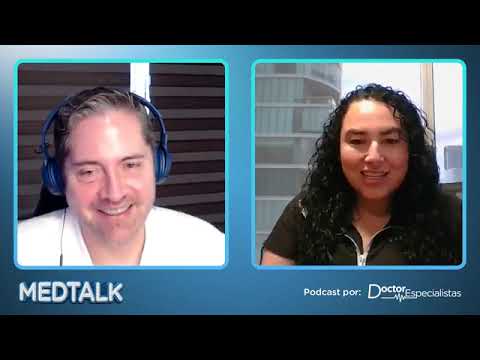
Hola, qué tal, bienvenidos a MedTalk presentado por Doctores Especialistas, donde tengo como invitada a la doctora Iridia, médico en medicina regenerativa con más de 8 años de experiencia y que tiene su consultorio en la ciudad de Guadalajara. También cabe mencionar que cuentan con sucursal en Vallarta y en Tijuana. Correcto, doctora, buen día.
00:34
Buen día, sí, correcto, así es. Estamos en Guadalajara, Puerto Vallarta y Tijuana actualmente.
00:39
Excelente. Para empezar el tema que vamos a hablar de hoy va a ser desgaste de articulaciones y cómo la medicina regenerativa puede ayudar. ¿Qué es la medicina regenerativa, doctora?
00:48
Es una rama bastante nueva, podría decirse, de la medicina, que se basa básicamente en terapias capaces de reparar nuestro propio organismo. Es decir, estamos acostumbrados a la medicina que nos cura el dolor, que de repente enmascara cierto tipo de cosas, que nos suplanta por así decir, no en un mal término, sino que hace el trabajo de nuestro cuerpo para poder funcionar. La medicina regenerativa en este caso, basándonos en la terapia con células madre mesenquimales, lo que hace es reparar y regenerar nuestros órganos y tejidos para que el cuerpo funcione de manera adecuada.
01:24
Aquí en el tema, doctora, del desgaste de las articulaciones, ¿cómo pudiera ayudar o cómo es cómo usan la medicina regenerativa para ayudarnos con ese tipo de problema?
01:34
Claro, mira, dependiendo de la articulación y dependiendo del daño que se tenga en cada articulación, estas células madre se pueden aplicar directamente dentro de las mismas. Al final, un desgaste que conocemos es desgaste del cartílago articular, que funciona como amortiguador. Nos da la capacidad de mejorar el impacto que existe a la hora de caminar, correr, hacer diversas actividades. Entonces, las células madre dentro de las articulaciones lo que hacen es mejorar la comunicación celular de este cartílago articular, ¿para qué? Para repararlo, para regenerarlo y para que recupere esta función de amortiguador que debe de tener.
02:12
Cuando dice células madre, ¿es lo mismo cuando te inyectan PRP?
02:16
No. Las células madre en este caso pueden ser de ti mismo, autólogas se conocen, o heterólogas cuando son de alguien más. El PRP es plasma rico en plaquetas, que no tiene células madre como tal. Lo que tiene el plasma rico en plaquetas sobre todo son agentes que nos van a ayudar a desinflamar y algunos factores de crecimiento que van a ayudar por ahí a mejorar un poco la función. Las células madre en este caso, en la actualidad se utilizan mucho las de placenta y cordón umbilical. Estas por lo general no son tuyas, son heterólogas, y son únicamente células madre que tienen la capacidad de secretar no solo factores de crecimiento y factores antiinflamatorios, sino también exosomas.
03:09
Los exosomas son las moléculas del cuerpo encargadas de la comunicación celular, que es la base de todo el funcionamiento. Esta parte, estas células madre tienen la capacidad de convertirse en células, en este caso cartílago, músculo, hueso. Esa es la diferencia.
03:38
Aquí, por ejemplo, ¿pudieran decir que puede curar la artrosis o nada más ayudar a minimizarla?
03:44
Es difícil decir curar, porque la artrosis al final de cuentas es un proceso degenerativo, y el ser humano crece y es parte del envejecimiento natural. No podemos pararlo por completo. En la actualidad, a mí me gusta muchísimo utilizar la palabra reparar. Por ejemplo, la artrosis, lo primero que pasa con las células de cartílago no es que se mueran o que se pierdan, es que van perdiendo esta capacidad de comunicarse y es como con nosotros, como los seres humanos. Cuando alguien no te puede escuchar o no puede hablar, se aísla. Comienzan como a separarse y en vez de tener esta mallita de células para que soporten esta amortiguación, se van aislando y van dejando mucho espacio.
04:37
Si una célula pasa mucho tiempo sin comunicarse, se muere. Las células que van a llegar y lo primero que van a hacer es el 70% secretar exosomas, que es como si a la persona que no escucha le pusiéramos un aparato de audición. Comienza otra vez a comunicarse, comienza a ser activo y comienza a regresar al espacio donde debe estar y se repara.
05:38
Me encantó lo que dijo. Eso diferencia a una práctica confiable, que son honestos en ese sentido, porque de repente estás así y te dicen "te curamos" y pues ya saben, cuando escuchen ese tipo de comentarios, hasta ahorita no es posible.
06:03
¿Hay alguna posibilidad de que mi cuerpo, cuando me lo pongan, diga "ah, esto es algo ajeno" y empiece en guerra con las células y tengamos algún tipo de reacción o calenturas?
06:14
Hablando de las células del banco que yo conozco, es prácticamente nula esta posibilidad, porque el proceso que llevan estas células... la forma que el cuerpo tiene de detectar que algo no es tuyo es que en la pared de la célula existan proteínas que yo no reconozco como mías. En este caso son el complejo mayor de histocompatibilidad y HLA. Este proceso hace que la pared de la célula no exprese ninguna de estas proteínas, por lo que realmente se considera que la posibilidad de rechazo es menos del 0.01%.
07:11
¿Es apta para todos los pacientes? ¿Hay algún límite de edad?
07:16
La verdad es que es apta para todos los pacientes. Tenemos pacientes desde 3 años y pacientes de 90 y tantos años que vienen a aplicarse.
07:36
¿Cuáles, en su experiencia, son las articulaciones donde lo usan con más frecuencia?
07:41
En la actualidad, yo creo que está rebasando la columna (espalda baja) y la rodilla. Hizo un cambio de estos dos años para acá. Ahorita estamos viendo muchos más problemas de columna, tiene que ver el estilo de vida, sentados en la computadora, y ya secundarios cadera, hombro, tobillo.
08:08
Cuando te la ponen, supongo que es una inyección en la zona, en la columna también. ¿Duele? ¿De qué tamaño es la jeringa? Quíteme el miedo.
08:39
Depende mucho de la articulación y del paciente. Es un procedimiento bastante bien tolerado. En la rodilla es una articulación muy superficial. La jeringa es la misma que utilizarías para ponerte una inyección intramuscular. Sientes el piquetito, obviamente, pero no es dolorosísimo.
09:20
¿Y cuando entra el líquido?
09:21
Tampoco. Puede dolerte un poco el piquete, pero una vez que entra el líquido eso no tiene por qué doler. Es una cavidad como un globito. Puedes sentir presión, sentir que la rodilla se aprieta, pero no tiene por qué molestar en el momento.
15:00
Cuando se hace este tipo de procedimientos en la espalda, ¿se hace en la clínica o en hospital?
15:10
Depende. Ya casi todo lo hacemos aquí, tenemos un cuarto específico de procedimientos. Para columna y cadera utilizamos un fluoroscopio, que es una máquina de rayos X en tiempo real, para asegurarnos que la estoy aplicando exactamente a donde necesita ir. Y también un ultrasonido.
15:55
¿Cuánto tiempo dura el efecto o cuánto tiempo puedo esperar para sentir mejoría?
16:18
Es un proceso. Los siguientes 3 a 5 días lo más común es que sintamos dolor e inflamación. Siempre recomiendo evitar la primera semana antiinflamatorios, doy una receta con analgésicos. Evitamos antiinflamatorios porque la manera en la que las células tienen de trabajar es exagerar una respuesta inflamatoria para luego atacarla.
17:38
Los beneficios los empezaremos a ver a las 4 a 6 semanas después de que se aplica de manera paulatina. Y todos los beneficios de manera completa los vamos a ver dentro de 6 meses.
20:17
A los 6 meses hay tres escenarios, ¿cuáles son?
20:20
Uno que sería el ideal: ya mejoramos todo lo que pudimos mejorar y se ve súper bien. Dos: vimos una mejoría importante, pero yo creo que todavía podemos mejorar más (se recomienda una segunda aplicación). Y el tercer escenario, que sería el peor (4%): no estamos teniendo los beneficios esperados.
22:30
¿Cómo le hago para saber que el lugar es seguro?
22:33
Hay varias cosas. Una es el centro de aplicación y otra el laboratorio. Ambos lugares tienen que estar certificados. Aquí en México tenemos Cofepris, que expide licencias a todo personal e infraestructura. Cuando termines el estudio, te deben demostrar cantidad de células, número de lote, fecha de caducidad y entregarte un certificado.
24:20
¿Cuánto es un buen número de células?
24:41
Depende del problema. En la actualidad, para temas articulares, de 50 millones a 100 millones me parece una buena cantidad.
















Share this listing