


Welcome to this extensive clinical resource detailing the intricacies of timed intercourse fertility treatment in Mexico. For countless couples navigating the complexities of reproductive challenges, identifying an effective and non-invasive medical intervention is a pivotal first step. This foundational fertility protocol synergizes biological monitoring with precisely scheduled natural conception efforts to optimize the likelihood of achieving pregnancy.
As demonstrated at [00:00], this treatment is rooted in tracking and mapping the female menstrual cycle to eliminate the guesswork commonly associated with natural conception. By integrating specialized medical supervision, high-resolution diagnostic imaging, and comprehensive hormonal assessments, reproductive endocrinologists can significantly elevate a patient's reproductive potential. The procedure bridges the gap between holistic conception and advanced medical oversight.
In recent years, the landscape of reproductive medicine has expanded globally, prompting many individuals to explore highly effective fertility treatment options beyond their local borders. Seeking reproductive care internationally offers patients access to elite medical professionals, state-of-the-art clinical infrastructure, and highly personalized treatment modalities. This comprehensive guide will illuminate the biological mechanisms, clinical procedures, and strategic benefits of pursuing this specialized fertility journey.
Video Chapters
- What is Timed Intercourse and How Does It Enhance Fertility?
- The Role of Ultrasound and Blood Tests in Fertility Monitoring
- Understanding the Primary Objective of Timed Intercourse Methods
- Follicle Development and Achieving Ovulation Effectively
- Administration of Ovulation Induction Medications and Dosages
- Why Couples Choose Timed Intercourse Fertility Treatment in Mexico
- Success Rates and Patient Experience with Fertility Care in Mexico
- Preparing for Your Timed Intercourse Cycle: What to Expect
What is Timed Intercourse and How Does It Enhance Fertility?
Timed intercourse, frequently referred to in clinical settings as programmed intercourse or the calendar method, represents a fundamental and highly effective starting point for fertility management. This medical protocol is meticulously designed to synchronize sexual activity with the female patient's precise ovulatory window. By aligning conception efforts with this critical physiological phase, the probability of sperm successfully fertilizing an egg is drastically amplified.
For many couples experiencing unexplained infertility or mild ovulatory dysfunction, simply pinpointing the exact day of ovulation can resolve their conception struggles. The female reproductive cycle is characterized by distinct hormonal fluctuations that orchestrate the maturation and subsequent release of an oocyte. Without medical intervention, identifying this precise biological occurrence relies heavily on unpredictable physical symptoms or over-the-counter ovulation predictor kits, which can yield inconsistent results.
The Biological Foundation of Programmed Intercourse
Introducing medical supervision into the conception process eradicates the anxiety and uncertainty surrounding ovulation tracking. Fertility specialists utilize advanced diagnostic tools to map the entire menstrual cycle, ensuring that biological processes are monitored from the onset of menses through to the luteal phase. This comprehensive tracking guarantees that conception efforts are concentrated exactly when reproductive potential peaks.
This method remains highly attractive to prospective parents because it preserves the intimacy of natural conception while applying rigorous scientific methodologies. It bridges the gap between holistic reproductive efforts and highly invasive procedures like In Vitro Fertilization (IVF). By providing a structured, medically backed framework, patients can confidently navigate their cycle, knowing that every variable is being optimized for successful fertilization.
The physiological journey of reproduction is inherently complex, involving highly sensitive hormonal feedback loops. Timed intercourse simplifies this complexity by applying external scientific observation to internal biological events. For many hopeful parents, this specific intervention acts as a vital bridge, transitioning them from private frustration to proactive, clinically guided action.
Reproductive specialists can pinpoint the precise moment when the cervical mucus is most hospitable, when the follicle is perfectly mature, and when the endometrial lining is optimally receptive. By demystifying the timeline of human reproduction, this treatment offers a beacon of hope and a clear, actionable pathway forward for couples struggling to conceive naturally.
The Role of Ultrasound and Blood Tests in Fertility Monitoring
Continuous clinical monitoring forms the absolute cornerstone of a successful programmed intercourse cycle. As highlighted at [00:06], reproductive endocrinologists heavily rely on transvaginal ultrasounds to visually inspect the pelvic anatomy. These high-resolution imaging sessions allow physicians to meticulously observe the structural development of the ovaries and evaluate the growth trajectory of ovarian follicles.
Ovarian follicles are fluid-filled sacs that harbor developing eggs, and their diameter provides invaluable clinical data regarding the timeline of impending ovulation. Alongside this sonographic imaging, patients undergo frequent serological evaluations to measure vital reproductive hormone levels. Biochemical markers such as estradiol, luteinizing hormone (LH), and progesterone naturally fluctuate throughout the varying phases of the menstrual cycle.
Precision Diagnostic Tools for Accurate Ovulation Tracking
By tracking these specific hormonal shifts, medical professionals can accurately predict the occurrence of the LH surge. This surge is a critical biological event that typically precedes ovulation by approximately twenty-four to thirty-six hours. The integration of structural imaging and biochemical analysis ensures that the optimal window of opportunity is identified with absolute, undeniable precision.
These frequent monitoring appointments also provide a critical opportunity for the medical team to assess any potential issues in real-time. For instance, if the endometrial lining appears too thin during an ultrasound, the physician can immediately introduce supplemental estrogen therapies to correct the issue. Furthermore, the rapid processing of serological blood tests in on-site laboratories guarantees that clinical decisions are based on the most current physiological data available.
This highly responsive, dynamic approach to fertility tracking minimizes wasted cycles and maximizes the therapeutic value of every single month. Patients are empowered with detailed, understandable medical feedback, allowing them to feel actively involved in their own customized care plan. This level of oversight transforms a historically unpredictable biological mechanism into a highly measurable, managed, and optimized clinical timeline.
- Transvaginal Ultrasounds: Provides clear, real-time visualization of follicular growth and endometrial thickness.
- Estradiol Testing: Measures estrogen levels to confirm that the follicles are maturing properly and producing healthy eggs.
- Luteinizing Hormone (LH) Monitoring: Identifies the hormonal surge that triggers the final release of the mature oocyte.
- Progesterone Analysis: Confirms that ovulation has successfully occurred and ensures the uterine environment is receptive.
Understanding the Primary Objective of Timed Intercourse Methods
The fundamental and overarching goal of timed intercourse protocols is to facilitate successful in vivo fertilization by aligning human behavior with optimal physiological conditions. As detailed at [00:18], achieving this alignment requires a deep understanding of reproductive lifespans. Countless couples face prolonged infertility struggles simply because they inadvertently miss their incredibly narrow fertile window, which spans only a few consecutive days per cycle.
Human spermatozoa possess a remarkable ability to survive within the hospitable environment of the female reproductive tract for up to five days. In stark contrast, a mature human oocyte remains viable for a fleeting twelve to twenty-four hours post-ovulation. Consequently, the strategic introduction of sperm into the fallopian tubes just prior to the follicle's rupture is absolutely critical for successful conception.
Synchronizing Conception Efforts with Peak Fertility Windows
The clinical treatment seeks to guarantee that a robust, developmentally mature egg is present and biologically prepared to be fertilized upon the arrival of the sperm. By systematically eliminating the inherent uncertainty surrounding predictive ovulation dates, couples can approach the conception process with significantly reduced psychological stress. This structured certainty fosters increased confidence and compliance throughout the treatment protocol.
Understanding the intricate timeline of gamete survival explains why random or loosely scheduled intimacy frequently fails for couples battling mild infertility. The physiological capacitation of sperm—the biological process by which sperm become capable of penetrating the egg—also requires adequate time within the female reproductive tract. Therefore, timing intercourse merely hours before the follicle ruptures ensures that a fully capacitated, highly motile sperm population is waiting in the fallopian tubes.
This precise synchronization leverages the body's natural capabilities while removing the margin for error. The ultimate goal is to create the most highly optimized environment possible, facilitating a natural union between the oocyte and spermatozoon under the watchful eye of a dedicated medical team. Individuals who previously found at-home tracking profoundly unreliable discover immense relief in this professional oversight.
Follicle Development and Achieving Ovulation Effectively
A vitally important facet of programmed intercourse cycles centers entirely on ensuring the ovaries successfully cultivate and release high-quality, viable oocytes. In a standard, unmedicated reproductive cycle, the female body typically selects and develops a single dominant follicle that eventually ruptures to release one egg. However, as noted at [00:25], medically supervised cycles frequently aim to stimulate the growth of multiple follicles simultaneously.
This controlled ovarian stimulation is carefully calibrated to cultivate between one to three dominant, high-quality follicles. By slightly increasing the number of available oocytes, clinicians effectively enhance the statistical probability of achieving pregnancy. Crucially, this careful calibration aims to maximize success rates while deliberately minimizing the associated risks of high-order multiple pregnancies, such as triplets or quadruplets.
Nurturing High-Quality Eggs for Optimal Fertilization
The delicate balance of cultivating multiple follicles without inducing severe hyperstimulation requires the seasoned expertise of a reproductive endocrinologist. The corpus luteum, which forms from the remnants of the ruptured follicle, begins producing essential progesterone immediately following ovulation. A medically optimized cycle ensures that this resulting corpus luteum is robust and capable of sustaining an early pregnancy until the placenta develops.
The physiological development of these ovarian structures is scrutinized via routine transvaginal ultrasound examinations to measure their expanding diameter. A follicle is generally considered mature and ready for ovulation when it reaches approximately eighteen to twenty-two millimeters in size. Simultaneously, the physician evaluates the endometrial lining, ensuring it exhibits the required trilaminar appearance and sufficient thickness to support embryonic implantation.
In instances where the follicle fails to rupture naturally, the sonographic monitoring acts as a vital diagnostic tool. Identifying such mechanical failures early prevents months of futile efforts, allowing the clinical team to pivot toward more advanced interventions if absolutely necessary. If the sonographic data confirms optimal development, the endocrinologist will explicitly advise the couple on the ideal days for sexual intercourse.
Administration of Ovulation Induction Medications and Dosages
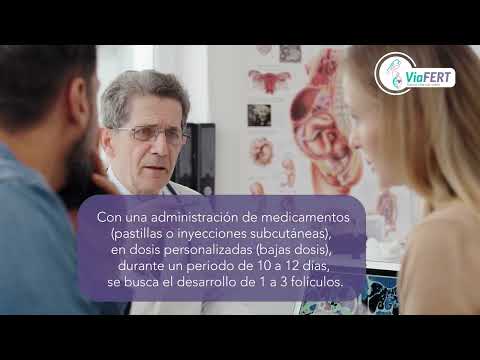
To consistently encourage robust and optimal follicle development, patients are frequently prescribed specific ovulation induction medications as part of their comprehensive protocol. As explained at [00:32], these targeted pharmacological interventions are administered through various customized pathways. Treatment regimens may utilize oral medications in pill form or rely on highly precise subcutaneous injections, depending on the patient's individual diagnostic requirements.
Oral medications, such as clomiphene citrate or letrozole, function by prompting the brain's pituitary gland to increase its natural production of follicle-stimulating hormone (FSH). For individuals requiring a more robust physiological response, direct stimulation using injectable gonadotropins might be prescribed. These injectables are administered in highly personalized, characteristically low dosages to ensure the ovaries respond safely and predictably.
Customized Pharmacological Support for Ovarian Stimulation
The pharmacological administration phase typically spans an intensive period ranging from ten to twelve days. During this critical window, the patient's specific ovarian response is meticulously documented and analyzed during routine clinic visits. Dosages are perpetually refined and tailored to the individual's chronological age, body mass index, and baseline ovarian reserve.
Navigating the landscape of fertility pharmaceuticals can initially feel overwhelming for many patients, which is why clinical guidance is paramount. It is crucial to understand that these medications, while highly effective, can produce mild, temporary side effects such as hot flashes, minor mood fluctuations, and mild abdominal bloating. The clinical staff actively monitors these symptoms, offering continuous guidance and reassurance to ensure the patient's physical comfort.
Once clinical monitoring confirms that the leading follicles have achieved optimal maturation size, a final subcutaneous trigger shot of human chorionic gonadotropin (hCG) is frequently utilized. This injection artificially mimics the body's natural LH surge, inducing the final maturation and subsequent release of the oocytes exactly thirty-six hours later. This highly calculated, deeply cautious approach to pharmacological ovarian induction ensures that the body is gently coaxed into optimal fertility rather than aggressively overwhelmed.
| Medication Type | Administration Method | Primary Mechanism of Action |
|---|---|---|
| Clomiphene Citrate | Oral Pill | Stimulates pituitary gland to increase natural FSH production. |
| Letrozole | Oral Pill | Lowers estrogen levels to trigger increased FSH release for follicle growth. |
| Gonadotropins | Subcutaneous Injection | Delivers direct FSH/LH to the ovaries to stimulate multiple follicle development. |
| hCG Trigger Shot | Subcutaneous Injection | Mimics the LH surge to cause the final maturation and release of the egg. |
Why Couples Choose Timed Intercourse Fertility Treatment in Mexico
Pursuing timed intercourse fertility treatment in Mexico has rapidly emerged as an exceptionally popular and strategic choice for international patients. The nation takes immense pride in maintaining a highly robust and sophisticated healthcare infrastructure. Modern, internationally accredited fertility clinics operate consistently throughout the region, boasting the latest technological advancements in advanced reproductive medicine.
International patients are consistently drawn to the undeniably high standards of clinical care provided by rigorously trained, board-certified gynecologists and reproductive endocrinologists. Furthermore, the outstanding cost-effectiveness of medical interventions in this geographical region allows hopeful couples to access premium healthcare services seamlessly. This financial accessibility removes the prohibitive and often overwhelming expenses routinely encountered within domestic healthcare systems.
Combining High-Quality Medical Care with Cost-Effective Solutions
The overarching appeal of this medical tourism destination extends far beyond the clinical setting. The warm, deeply hospitable cultural environment offers a profoundly comforting backdrop during a time that is notoriously stressful for couples. Many internationally renowned clinics are strategically located in safe, culturally rich urban centers that provide peaceful accommodations for traveling patients.
Beyond the undeniable financial advantages, medical facilities in this vibrant region are universally renowned for their deeply compassionate and genuinely patient-centric philosophies. Prospective parents receive highly personalized, continuous attention that ensures they feel completely supported throughout the emotionally taxing journey of clinical fertility treatment. Medical teams dedicate substantial time to answering questions, explaining procedures, and offering emotional reassurance.
The strict regulatory oversight enforced by national health authorities ensures that all participating clinics adhere rigidly to global standards of medical excellence and sterilization. By choosing to pursue this deeply personal journey abroad, couples are successfully dismantling the financial barriers to elite reproductive medicine. This essentially democratizes access to high-quality, life-altering healthcare services for families who need them the most.
Success Rates and Patient Experience with Fertility Care in Mexico
The statistical success rates associated with medically supervised intercourse cycles remain highly contingent upon a variety of crucial underlying variables. Factors such as the primary physiological causes of infertility, the maternal age of the female partner, and the diagnostic quality of the male partner's sperm all significantly influence outcomes. When accurately combined with strategic ovulation induction protocols, this specific treatment methodology offers a dramatic improvement in conception rates.
Patients who proactively choose to undergo these highly specialized procedures frequently report overwhelming levels of personal satisfaction. This positive feedback is largely attributed to the distinctly less invasive nature of the programmed intercourse treatment, especially when directly compared to more intense interventions like In Vitro Fertilization. The psychological and emotional burden is frequently perceived as significantly lighter.
Holistic Support Systems for Reproductive Health
Ongoing communication between the clinical care team and the patients is a hallmark of this highly successful treatment model. Following the completion of the ovulation induction and the timed intercourse phase, patients enter what is colloquially known as the two-week wait. During this sensitive period, clinics continue to offer unwavering support, managing expectations and preparing the couple for the impending pregnancy test.
By intentionally retaining a vital degree of natural intimacy, the clinical process honors the couple's relationship while simultaneously providing deeply reassuring medical oversight. Comprehensive, wrap-around support systems integrated directly within the clinical environment ensure that patients are thoroughly educated about every single phase of their journey. As encouraged at [00:46], scheduling an initial consultation allows these experts to craft highly customized intervention roadmaps.
If a cycle does not result in a successful conception, the medical team conducts a comprehensive review of the cycle's biological data. This retrospective analysis allows the physician to refine and dramatically improve the protocol for subsequent attempts, illustrating the deeply iterative and customized nature of modern reproductive care. Ultimately, patients undergo a highly seamless, incredibly supportive, and dignified journey toward achieving their dreams of parenthood.
Preparing for Your Timed Intercourse Cycle: What to Expect
Thorough and proactive preparation serves as the foundational key to maximizing the overarching clinical efficacy of any fertility cycle. Patients are universally advised to successfully undergo a highly comprehensive preconception health evaluation well before initiating any pharmacological medication regimen. This critical preliminary phase must include a detailed assessment of the male partner's reproductive health, typically involving a rigorous semen analysis.
Evaluating the male partner is paramount to ensure the presence of an optimal sperm count, adequate forward motility, and normal cellular morphology. If significant male factor infertility is diagnosed during this phase, alternative therapeutic treatments such as Intrauterine Insemination (IUI) might be clinically recommended instead. For the female partner, taking definitive preparatory steps lays the physiological groundwork for a healthy conception.
Proactive Steps for Optimizing Your Reproductive Journey
Preparing for this intervention also involves cultivating a deeply supportive and understanding dynamic between partners. The inherently clinical nature of scheduled intimacy can occasionally introduce performance anxiety, making open communication an absolutely essential component of the preparatory phase. Engaging in relaxing, mutual activities and prioritizing emotional connection can dramatically mitigate the stress frequently associated with fertility treatments.
Maintaining a nutritionally balanced diet, actively managing chronic stress levels, and diligently consuming high-quality prenatal vitamins rich in folic acid represent absolute necessities. As the active treatment cycle officially commences, patients must be completely mentally prepared for the reality of frequent, routine clinic visits. These appointments are strictly required for essential biochemical blood draws and vital sonographic imaging sessions.
Flexibility within one's daily routine and personal scheduling becomes deeply important, as the exact, targeted days for intimate intercourse are entirely dictated by the body's real-time biological responses to the induction medications. Finally, ensuring that all logistical details are meticulously organized reduces last-minute panic. Armed with comprehensive medical guidance, proactive physiological preparation, and unwavering mutual support, couples are powerfully positioned to maximize their chances of welcoming a healthy baby into their lives.
Take the Next Step in Your Fertility Journey Today
If you are ready to explore your reproductive options and receive a fully personalized treatment plan from top-tier specialists, do not hesitate to reach out. Discover how our dedicated medical expertise and compassionate care can finally help you achieve your dream of starting a family.
Get Free QuoteView Video Transcript
[00:00] ¿En qué se basa el Coito Programado?
[00:06] Este tratamiento busca identificar los días fértiles de la mujer, mediante ultrasonido y estudios de sangre. También es conocido como relaciones sexuales programadas o método del calendario.
[00:18] ¿Cuál es el objetivo del método?
[00:25] Lograr la ovulación mediante el desarrollo y crecimiento de varios folículos en los ovarios.
[00:32] Con una administración de medicamentos (pastillas o inyecciones subcutáneas), en dosis personalizadas (bajas dosis), durante un periodo de 10 a 12 días, se busca el desarrollo de 1 a 3 folículos.
[00:46] Agenda una cita con nosotros y consulta el tratamiento adecuado para darle vida a tu sueño.
[00:54] ViaFERT Damos vida a tu sueño. ViaFERT Ginecólogos FIV Culiacán. viafert.com



.png)





.jpg)









Share this listing