
Living with chronic joint deterioration severely diminishes your overall quality of life, transforming basic daily routines into grueling physical challenges. For individuals searching for an effective alternative to highly invasive joint replacement surgery, mesenchymal stem cell therapy for knee osteoarthritis in Mexico has quickly emerged as a premier regenerative medical procedure. By harnessing the human body's intrinsic cellular healing mechanisms, this cutting-edge orthopedic treatment directly targets the underlying causes of cartilage degradation and persistent joint inflammation.
Patients diagnosed with severe degenerative joint disease frequently exhaust conventional treatment options, relying on a cycle of temporary pain medications and physical therapy modifications that fail to address the root structural damage. Advanced biologic treatments aim to halt this destructive inflammatory cycle. This comprehensive medical guide examines the clinical science behind regenerative joint therapies, utilizing a real-world patient success story to demonstrate how targeted cellular applications are completely reshaping the standard of care in modern orthopedics.
Video Chapters & Quick Navigation
- Understanding Severe Knee Osteoarthritis
- Limitations of Traditional Joint Management
- What is Mesenchymal Stem Cell Treatment?
- A Patient’s Journey to Restored Mobility
- Targeting Cartilage Degeneration Biologically
- The Timeline for Stem Cell Therapy Recovery
- Medical Tourism for Regenerative Procedures
- Long-Term Success Rates for Arthritis Injections
Understanding the Impact of Severe Knee Osteoarthritis on Daily Life
Osteoarthritis is a progressive degenerative joint disease characterized by the gradual breakdown of articular cartilage, the smooth tissue that protects the ends of bones within a joint. When this protective layer deteriorates, the resulting friction causes severe bone-on-bone contact, leading to chronic knee joint pain, stiffness, and restricted movement. In the initial patient testimonial, we meet Sandra Luz Ponce Rodriguez, a 62-year-old knee osteoarthritis patient [00:00] whose life was drastically altered by this debilitating condition.
The physical symptoms of advanced cartilage loss extend far beyond simple discomfort. Patients typically experience immense localized swelling, tenderness, and structural instability that makes weight-bearing activities nearly impossible. Sandra recalls suffering from significant inflammation and excruciating pain in her knees [00:05]. This level of physical impairment directly impacts cardiovascular health and mental well-being, as patients are forced into a sedentary lifestyle against their will.
Before the onset of her severe osteoarthritis symptoms, Sandra led a highly active lifestyle. She participated frequently in energetic fitness routines like Zumba and enjoyed climbing local hills [00:13]. However, as the joint degradation progressed, even navigating her own two-story home became an insurmountable obstacle [00:19]. The inability to safely walk down a standard set of stairs highlights the profound loss of independence experienced by millions of older adults suffering from untreated joint degeneration.
The Limitations of Traditional Knee Joint Pain Management
The conventional medical approach to treating knee osteoarthritis typically follows a rigid, stepped progression of interventions that prioritize symptom management over structural repair. Initial conservative arthritis management heavily relies on nonsteroidal anti-inflammatory drugs (NSAIDs) and regular physical therapy. While these methods can temporarily reduce mild swelling, they do not address the continuous loss of cartilage cells within the synovial capsule.
As the condition inevitably worsens, orthopedic specialists often recommend corticosteroid injections for joint pain. Cortisone shots provide rapid, potent anti-inflammatory relief, but clinical studies indicate that repeated steroid usage can actually accelerate cartilage breakdown over time. When these chemical interventions eventually fail, patients are left facing total knee replacement surgery (arthroplasty), an invasive orthopedic procedure requiring the complete amputation of the natural joint surfaces.
Comparing Knee Osteoarthritis Treatment Protocols
Understanding the difference between masking symptoms and actively promoting cellular healing is crucial for making informed medical decisions. Traditional methods attempt to silence the body's alarm system, whereas regenerative therapies utilize biological materials to structurally reinforce the damaged area.
| Treatment Modality | Primary Mechanism | Long-Term Outcome |
|---|---|---|
| Corticosteroid Injections | Suppresses local immune response and inflammation temporarily. | Potential acceleration of tissue degradation; effectiveness diminishes over time. |
| Total Knee Replacement | Surgical removal of bone and insertion of metal/plastic prosthetics. | Requires extensive months-long physical rehabilitation; risks of surgical infection. |
| Mesenchymal Stem Cells | Introduces multipotent cells to modulate immunity and stimulate repair. | Potential for sustained pain relief, tissue preservation, and delay of surgical needs. |
What is Mesenchymal Stem Cell Treatment for Knees?
Mesenchymal stem cell treatment for knees represents the forefront of modern biological medicine. Mesenchymal stem cells (MSCs) are multipotent stromal cells that possess the unique biological capability to differentiate into various structural cell types, including osteoblasts (bone cells), chondrocytes (cartilage cells), and adipocytes (fat cells). By isolating these powerful cells and concentrating them into a targeted injection, orthopedic specialists can deliver a massive dose of healing potential directly into the deteriorating joint space.
The primary function of these specialized cells is not merely to transform into new cartilage, but to act as highly intelligent cellular managers. Once injected into the arthritic knee, MSCs release a complex cascade of growth factors, exosomes, and cytokines. This paracrine signaling process actively alters the toxic, inflammatory microenvironment within the knee, signaling the patient's native cells to stop destroying tissue and begin the active repair process. This is the exact regenerative approach Sandra sought out when she visited a specialized cell clinic for her targeted therapy [00:31].
Regenerative cell therapy is performed entirely via minimally invasive intra-articular injections. Utilizing advanced ultrasound or fluoroscopic guidance, medical professionals ensure the multipotent cells are delivered exactly into the degraded capsular space. Unlike major joint surgery, this precise biologic treatment requires zero incisions, utilizes local anesthesia, and completely avoids the severe physiological trauma associated with bone amputation and prosthetic implantation.
Sandra’s Journey: From Debilitating Pain to Restored Mobility
Patient testimonials regarding stem cells provide critical insight into the real-world efficacy of biologic orthopedics. When assessing the effectiveness of alternative therapies, subjective improvements in mobility and daily functionality are paramount. Following her mesenchymal stem cell session, Sandra reported feeling exceptionally well [00:35]. The shift from requiring daily pain medication to experiencing profound, natural relief demonstrates the potent anti-inflammatory power of the injected stromal cells.
The true benchmark of any successful knee osteoarthritis treatment is durability. At the time of sharing her experience, Sandra noted she was approximately two years post-procedure [00:42]. Reaching a two-year milestone without recurring pain is exceptionally rare for patients who strictly utilize conventional steroid injections. Her knees no longer generate any baseline pain, completely redefining her day-to-day physical capabilities and overall outlook on life.
Milestones in Natural Joint Recovery
The ability to re-engage with social activities is a massive psychological benefit of treating joint pain naturally. Sandra's restored mobility resulted in several key lifestyle improvements:
- Elimination of Mobility Aids: Complete freedom from canes or specialized braces previously required for basic household navigation.
- Return to Social Dancing: The restored joint stability allowed her to confidently attend parties and dance with friends without fear of the knee giving out [00:51].
- Improved Cardiovascular Health: The ability to move freely directly correlates to better weight management, which in turn reduces the total load placed on weight-bearing joints.
- Psychological Well-being: Escaping the mental burden of chronic pain drastically lowers cortisol levels and prevents depression linked to physical immobility.
How Regenerative Medicine Targets Cartilage Degeneration?
To truly appreciate the efficacy of biologic treatments for knees, one must examine the specific cellular mechanics of joint regeneration. Articular cartilage is highly avascular, meaning it contains absolutely no direct blood supply. Because it lacks veins and arteries, natural healing in the knee joint is incredibly slow and highly inefficient. When trauma or osteoarthritis damages this tissue, the body simply cannot deliver enough natural resources to the area to facilitate repair.
Orthopedic stem cell injections solve this biological bottleneck by depositing millions of potent, active cells directly into the nutrient-deprived synovial fluid. Once these cells adhere to the damaged extracellular matrix, they initiate angiogenesis—the rapid formation of new, microscopic blood vessels. This critical process increases localized blood flow, permanently improving the nutritional delivery system to the previously starving chondrocyte cells within the knee.
Furthermore, mesenchymal cells release immunomodulatory proteins that aggressively downregulate the catabolic (destructive) enzymes present in an arthritic knee. By shutting off these destructive enzymes and simultaneously pumping out massive quantities of extracellular building blocks, reversing osteoarthritis joint damage becomes a biological possibility rather than science fiction. The joint environment transitions from a hostile, degenerative state to a stabilized, pro-healing ecosystem.
The Timeline for Stem Cell Therapy Knee Recovery
A critical aspect of setting realistic patient expectations involves understanding the post-procedure healing phase. Unlike synthetic pharmaceutical painkillers that instantly numb nerve endings, cellular regeneration requires continuous biological time to multiply and rebuild structural proteins. Patients often wonder exactly how long does stem cell therapy take to work. The answer lies in the physiological stages of cellular proliferation and targeted tissue remodeling.
Sandra provides a transparent look into this specific knee injection recovery time. She openly states that she experienced localized joint pain for approximately three months directly following the cellular application [01:04]. This initial period of discomfort is a standard medical response known as the inflammatory cascade. As the newly introduced stem cells activate and begin tearing down dead tissue to make room for healthy matrix, mild swelling and soreness are entirely expected and necessary for long-term healing.
However, once this vital cellular remodeling phase concluded at the three-month mark, the persistent knee pain completely vanished [01:12]. The disappearance of her debilitating symptoms perfectly aligns with clinical timelines showing that peak cellular engraftment and structural stabilization generally occur between weeks twelve and sixteen post-injection. By allowing the body the necessary time to biologically rebuild the compromised joint space, she achieved a level of relief that pharmaceutical drugs simply cannot replicate.
Why Patients Choose Mexico for Advanced Stem Cell Procedures?
The global landscape of regenerative medicine has shifted significantly over the past decade, heavily influenced by strict regulatory frameworks and skyrocketing domestic healthcare costs. Seeking affordable stem cell therapy abroad has become a primary strategy for thousands of North American patients desperate for non-surgical joint preservation. Medical tourism in Mexico for joint pain offers access to highly sophisticated biologic therapies that are heavily restricted or financially out of reach in the United States and Canada.
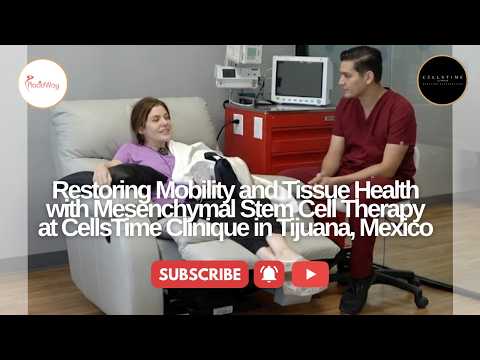
Top regenerative clinics in North America, specifically those located across the Mexican border, operate under progressive medical regulations that permit the ethical expansion and cultivation of potent mesenchymal stem cells. This allows laboratory technicians to multiply the cells by the millions before injection, guaranteeing an incredibly high cell count and optimal viability. Clinics like Cellstime feature state-of-the-art laboratory facilities adhering to strict international biosecurity standards, ensuring unparalleled safety and therapeutic potency.
Beyond the advanced laboratory capabilities, orthopedic specialists in these medical hubs possess extensive clinical experience in administering complex intra-articular injections. By combining elite medical expertise with a fraction of the out-of-pocket cost associated with domestic procedures, patients can confidently pursue cutting-edge treatments. Choosing a regulated, highly rated international clinic empowers arthritis sufferers to take immediate control of their joint health without facing financial ruin or unnecessary surgical risks.
Long-Term Success Rates of Stem Cell Injections for Knee Arthritis
Evaluating the long-term benefits of stem cells for knees relies heavily on continuous patient monitoring and sustained functional outcomes. The ultimate goal of biologic orthopedics is completely avoiding knee surgery with biologics. When reviewing regenerative medicine success rates, orthopedic researchers frequently utilize standardized clinical questionnaires to measure pain reduction and physical capability improvements over multi-year periods. The data consistently highlights the profound superiority of living cellular therapy over synthetic, temporary injections.
Sandra’s case study perfectly exemplifies these positive statistical trends. Having surpassed two full years with zero recurring pain, her joint capsule has clearly achieved long-term structural stabilization. The continuous secretion of anti-inflammatory proteins from the engrafted cells effectively blocks the progression of her previously severe degenerative disease. Because the biological environment inside her knee has been permanently altered, she can confidently live a highly active, fulfilling lifestyle without the looming threat of joint failure.
Her enthusiastic endorsement of the procedure speaks volumes to prospective patients currently trapped in the agonizing cycle of chronic joint degeneration. She highly recommends the therapy to anyone suffering from similar debilitating conditions, praising the microscopic cells as truly marvelous biological tools [01:17]. Embracing these advanced therapeutic options represents the future of holistic orthopedic care, prioritizing native cellular repair and the absolute preservation of human anatomy.
Ready to Reclaim Your Mobility?
If you are struggling with severe knee osteoarthritis and want to avoid invasive joint replacement surgery, explore the benefits of advanced mesenchymal stem cell therapy in Mexico. Find out if you are a candidate for this life-changing regenerative treatment.
Get Free QuoteView Full Video Transcript
[00:00] My name is Sandra Luz Ponce Rodriguez.
[00:02] I am 62 years old.
[00:05] I'm here because I had problems with my knees. I had a lot of swelling and a lot of pain in my knees.
[00:13] I used to do a lot of zumba and climb hills.
[00:19] My house has two floors. I couldn't even go down the stairs because it was very problematic for me.
[00:31] So I came for mesenchymal stem cell treatment.
[00:35] How did you feel after your msc session?
[00:39] Very well, thank God.
[00:42] I've been here for about two years and in these two years I've been very well on my knees.
[00:49] My knees do not hurt at all.
[00:51] Now I can dance at parties with my friends, I can dance without stopping and the pain is gone.
[01:04] I only felt pain for 3 months after the application.
[01:12] But then the pain disappeared.
[01:17] Thank you very much, Stem cells are wonderful.
[01:21] I recommend them to you. It is a very good treatment.
[01:26] I highly recommend it.







.png)
.png)







.png)









Share this listing