


Alternative Breast Cancer Treatment in Mexico: A Holistic Patient Journey
Discovering a viable alternative breast cancer treatment in Mexico can completely transform a patient's healing journey. When faced with a severe and life-altering diagnosis, many individuals feel heavily pressured into standard medical protocols. However, exploring a holistic breast cancer procedure in Mexico empowers patients to take definitive control of their health.
This comprehensive guide examines real patient experiences and the intricate logistics of medical tourism. It highlights the unique, highly supportive environment found in specialized international clinics. Understanding these holistic avenues provides clarity for those seeking natural recovery methods over conventional aggressive treatments.
Video Chapters
Navigating an Initial Invasive Ductal Carcinoma Diagnosis
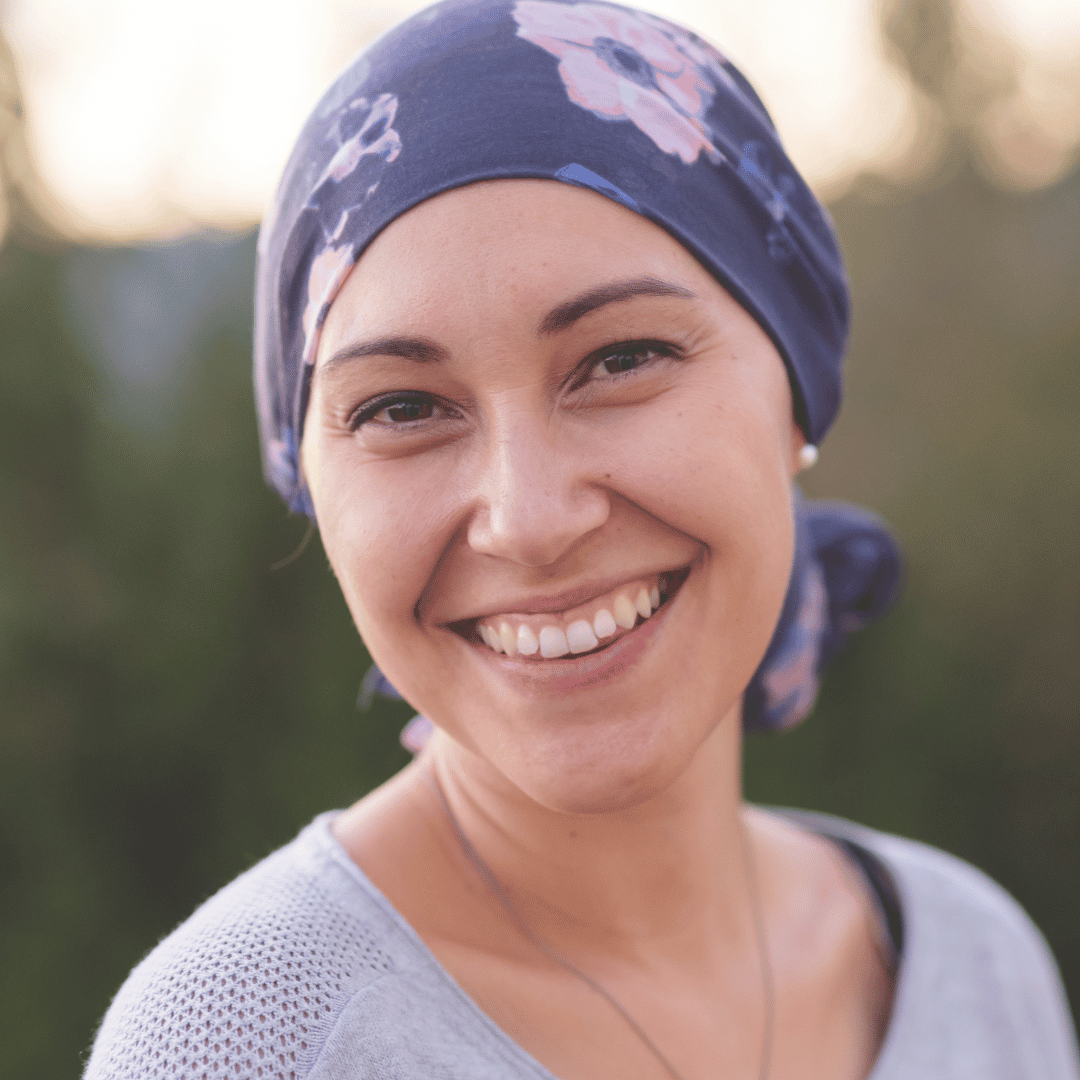
Receiving a cancer diagnosis is one of the most overwhelming experiences a person can face. For Teresa Denalo, a resident of Cleveland, Ohio, this life-altering moment arrived in 2013 when she was diagnosed with invasive ductal carcinoma in her right breast [00:18]. This specific type of cancer originates in the milk ducts and invades surrounding breast tissue, making it a highly concerning condition that typically prompts immediate, aggressive medical intervention recommendations from standard oncologists.
Despite the urgency conveyed by domestic healthcare providers, Teresa felt a strong internal resistance to the conventional path laid out before her. She was acutely aware that she did not want to subject her body to the harsh realities of standard oncology [00:26]. The prospect of invasive surgery, systemic chemotherapy, and localized radiation therapies felt entirely misaligned with her personal health philosophies and her desire for a gentler approach to healing.
This instinct to protect the body's natural baseline is a common sentiment among patients seeking alternative oncology treatments for breast cancer. The fear of debilitating side effects often drives individuals to look beyond the borders of their home country for solutions. For Teresa, the goal was clear from the outset: she wanted to utilize natural, holistic methods to combat her illness as much as humanly possible [00:32].
Understanding Invasive Ductal Carcinoma Alternative Therapy Options
Initially, navigating the healthcare system requires making difficult compromises, and Teresa felt she had to take some form of immediate action. She initially scheduled an appointment with a local surgeon in the United States, setting a date to proceed with what she considered a conventional obligation [00:40]. However, a profound realization struck her shortly after making that critical phone call, prompting a massive shift in her strategic healthcare planning.
An internal voice urged her to formulate a "Plan B," a secondary option that aligned better with her core values regarding wellness and disease management [00:54]. This pivotal moment of intuition led her straight to the internet to research alternative clinics. She began actively searching for natural breast cancer clinics in Tijuana that could provide the highly specific, non-toxic therapies she innately knew she desired [01:04].
Understanding what she explicitly did not want to endure was just as important as knowing what she wanted to pursue. This clarity of purpose is essential for patients diving into the world of holistic cancer healing centers in Mexico. By taking ownership of her treatment trajectory, Teresa transitioned from a passive recipient of standard care to an empowered advocate for her own cellular health.
The Shift Toward Natural Breast Cancer Clinics in Tijuana
The migration of patients seeking an alternative breast cancer treatment in Mexico is largely driven by the availability of integrative medicine. Clinics south of the border often utilize a combination of advanced immunotherapies, hyperthermia, and potent nutritional infusions. These specialized protocols focus relentlessly on preserving the patient's immune system rather than compromising it through heavy toxicity.
Tijuana has strategically positioned itself as a global hub for these alternative medical methodologies. Because the regulatory environment differs from the FDA-controlled landscape in the United States, medical professionals in Mexico can implement innovative, globally recognized therapies much faster. This flexibility allows holistic clinics to tailor highly individualized treatment plans based on a patient's unique metabolic profile.
When Teresa discovered the Immunity Therapy Center (ITC), she found an institution that resonated entirely with her requirements. Reaching out to the center resulted in immediate, deeply personal communication that starkly contrasted with her experiences back home [01:17]. This level of responsiveness is a hallmark of top-tier natural breast cancer clinics in Tijuana, designed to alleviate patient anxiety instantly.
Exploring Medical Tourism for Cancer Treatment in Tijuana
Embarking on a medical journey to a foreign country naturally comes with a degree of trepidation and uncertainty. Teresa openly admitted that she had never been to Mexico before and really had no idea what to expect upon arrival [03:05]. The fear of the unknown was a palpable factor, exacerbated by the often negative and sensationalized portrayals of border cities in mainstream media outlets.
The media in the United States frequently paints a very ugly picture of Tijuana, leading many prospective patients to imagine dangerous alleyways or substandard clinical environments [03:42]. Overcoming this deeply ingrained psychological hurdle is often the most challenging aspect of pursuing medical tourism for cancer treatment in Tijuana. However, thorough research and direct communication with medical facilities quickly dismantle these unfounded fears.
Teresa's mother, who accompanied her as a caregiver and support system, shared these initial anxieties as they prepared for their trip [02:46]. Yet, the reality of the thriving, highly professional medical community in Mexico stands in sharp contrast to the fictionalized dangers. The commitment of these clinics to international patient safety is paramount, ensuring a secure and supportive transition for every arriving individual.
Logistical Support at Immunity Therapy Center for International Patients
One of the defining features of an elite holistic breast cancer procedure in Mexico is the meticulous logistical support provided to incoming patients. The Immunity Therapy Center made the entire travel process incredibly easy for Teresa. The staff carefully explained exactly what time she needed to fly in and orchestrated the entire ground transportation process seamlessly [02:20].
This concierge-level service is vital for individuals who are already burdened by the physical and emotional weight of a cancer diagnosis. Knowing that a dedicated driver would be waiting at the airport, texting updates about their location, provided immense relief [02:30]. The clinic goes to great lengths to ensure patients are comfortable, securing local apartment accommodations to serve as a home base during their extended treatment regimens.
- Direct Physician Access: Patients enjoy unparalleled access to their doctors, including multi-day follow-ups and immediate email responses containing diagnostic photos [01:25].
- Dedicated Ground Transport: Reliable drivers manage the border crossing and daily clinic commutes, eliminating the stress of navigating a foreign city [02:38].
- Comfortable Accommodations: Clinics arrange long-term apartment stays, allowing patients and caregivers to rest in a safe, home-like environment between therapies [02:55].
By removing logistical barriers, patients can focus one hundred percent of their mental and physical energy on cellular healing. This systematic reduction of stress hormones is an intentional, clinically recognized component of effective alternative oncology treatments.
The Holistic Breast Cancer Procedure in Mexico: What to Expect
Upon arriving at the facility, Teresa was pleasantly surprised by the warm, inviting nature of the physical environment. Instead of a sterile, clinical atmosphere typical of conventional hospitals, she found a space deliberately designed to inspire hope and positivity. She immediately began taking photographs of the uplifting, positive quotes adorned on the walls down every single hallway [03:58].
This intentional environmental design plays a critical role in the overall holistic breast cancer procedure in Mexico. The atmosphere makes patients feel instantly uplifted, reinforcing the belief that they are in a place that genuinely cares about their profound well-being [04:10]. Every detail, from the ambient lighting to the friendly demeanor of the nursing staff, is curated to foster a deep sense of psychological safety.
Beyond the visual aesthetics, the quality of daily care is exceptional. Teresa noted that the medical staff was incredibly caring, answering every single question with patience, while the nutritional team provided excellent, health-conscious meals necessary for recovery [04:25]. This multi-faceted approach ensures that the body is nourished physically, emotionally, and spiritually throughout the rigorous daily treatment schedules.
Comparing Traditional US Oncology with Holistic Cancer Healing Centers in Mexico
The juxtaposition between the domestic medical framework and the integrative model found abroad is striking. In the United States, patients are often forced to navigate a heavily fragmented system characterized by endless waiting periods. Teresa recalled the frustration of needing to schedule multiple, disparate appointments across an entire month just to be seen by different specialists [01:40].
Conversely, the alternative oncology treatments for breast cancer offered in Tijuana operate on a highly centralized, efficient model. Consultations, diagnostic imaging, and therapeutic interventions are all coordinated under one roof with remarkable speed. This efficiency not only accelerates the commencement of actual treatment but also significantly reduces the administrative fatigue placed on the patient's shoulders.
| Feature | Traditional Oncology (US) | Holistic Clinics (Mexico) |
|---|---|---|
| Scheduling Structure | Fragmented, month-long wait times for specialists. | Immediate, centralized coordination of all care. |
| Physician Communication | Limited, brief visits; heavily guarded by administrators. | Direct contact, frequent updates, no pressure tactics. |
| Treatment Philosophy | Aggressive tumor eradication via high toxicity. | Immune system preservation and whole-body healing. |
| Clinical Environment | Sterile, high-stress, emotionally detached. | Uplifting, family-like atmosphere with positive reinforcement. |
| Logistical Support | Patient is entirely responsible for transport/housing. | Full concierge service including border transport and lodging. |
The ability to communicate with Dr. Alvarez multiple times a day without feeling pressured was a defining moment of relief for Teresa [01:52]. This poised, patient-centric approach allows individuals to feel genuinely supported in their medical decisions, fostering a profound sense of trust that is absolutely vital for deep healing.
Fostering a Global Support System During Natural Cancer Treatments
One of the most unexpected yet profoundly beneficial aspects of attending natural holistic cancer healing centers in Mexico is the community. Because these clinics offer highly specialized therapies, they attract individuals from all corners of the globe. Teresa marveled at meeting fellow patients who had traveled from as far away as Jamaica and the United Kingdom [04:42].
Sharing space with diverse individuals who are walking similar medical paths creates an instant, deep bond. Patients constantly exchange personal stories, share emotional support, and celebrate small victories together [04:52]. Over the course of a three-week therapeutic stay, this eclectic group of international patients inevitably transforms into a tight-knit "mini-family" [04:58].
The medical and support staff seamlessly integrate into this communal dynamic, further enhancing the familial atmosphere [05:05]. Witnessing peers successfully complete their alternative breast cancer treatment in Mexico and head home is incredibly inspiring. When patients leave, they often exchange contact information and take group photos, immortalizing a chapter of their lives that is forever defined by resilience, shared courage, and holistic rejuvenation [05:10].
For individuals returning to their hometowns, the desire to share this authentic experience becomes a mission. Teresa realized that clearly communicating her positive journey was essential to dispel myths among her family and community [05:42]. By sharing the truth about the pristine facilities, the expert care, and the successful outcomes, former patients validate the profound legitimacy of medical tourism for comprehensive cellular healing.
Explore Your Holistic Healing Options Today
If you or a loved one is seeking a compassionate, natural approach to cancer care, our medical coordinators can help connect you with top-tier alternative clinics in Mexico. Take control of your health journey.
Get Free QuoteView Full Video Transcript
[00:00]
[Music]
[00:03]
My name is Teresa Denalo. I come from Cleveland, Ohio.
[00:08]
And my condition was right breast cancer.
[00:17]
I was diagnosed in 2013 with invasive ductal carcinoma, and I knew I did not want to go down the path of surgery, radiation, chemotherapy.
[00:31]
I wanted to do everything natural as much as I could.
[00:37]
Knowing that I had to do something at this point, I had made an appointment back home to see a surgeon, and I had the appointment set for that Friday.
[00:48]
I had called on a Monday, but then the following day after I made that appointment, something told me, "Teresa, you need to have a Plan B."
[00:58]
And the Plan B that following morning was to get on the internet and start looking for a place in Mexico that can do what I wanted to do.
[01:08]
Like I knew what I wanted to have done, and I knew what I did not want to have done.
[01:13]
So I found ITC, and I called and I spoke to Gamma, and he put me in contact with Dr. Alvarez.
[01:21]
And Dr. Alvarez was fantastic. I mean he called me I want to say maybe two or three times during the day.
[01:28]
I emailed him photos, and he got in touch with a surgeon. So I mean it was communication unlike anything we're used to back in the States.
[01:38]
Usually in the States you need to make an appointment for this, an appointment for that, and all these different appointments that span over a month just to be seen.
[01:46]
So it was really nice, you know, to have that communication with him.
[01:49]
And then after talking with him, I felt really confident. He was very well-poised in what he wanted me to do and to help me with, without feeling any pressure.
[02:00]
And I knew this is what I wanted to do.
[02:04]
So I ended up making the Plan B the Plan A.
[02:11]
ITC made it very easy. Very, very easy.
[02:16]
Gamma was fantastic. I mean he called me and he explained to me, um, you know, fly in. He told me what time my flight should be in by.
[02:26]
No later by certain times, the driver would pick me up. He called me, made sure the driver... and texted me, made sure I knew the vehicle I was looking for at the airport.
[02:37]
Even the driver was, you know, calling me, "Hey, I'm about 5 minutes away, let me know where you're at at the airport."
[02:44]
I mean, so my mother came with me.
[02:47]
And she was a little nervous too because she's never been here either. And but they made us... they just made me feel very comfortable.
[02:54]
So then we arrived at the apartments. We stayed at the apartments. Um, and that was everything that we needed.
[03:04]
I really didn't know what to expect coming here. I've never been to Mexico. I had no idea what to expect.
[03:10]
And I will be honest, there was some nervousness there. You know, because of the unknown, the fear of the unknown.
[03:17]
However, I did hear a lot of good things about going to Mexico to seek the medical community there.
[03:25]
And here I am, I don't have any regrets.
[03:32]
I immediately felt... when I came here... you know, because I didn't know what the hospital looked like.
[03:38]
So of course, you know, I had these thoughts. Okay, what is it going to look like? Is it in some like alley or something? You know, you have all these thoughts because the media.
[03:49]
And I will tell you, the media in the States... they paint a very ugly picture.
[03:54]
When I came here, I was very, very pleasantly surprised.
[03:58]
One of the first things I did was go around and every hallway that I went down, I'm taking pictures of all the positive quotes.
[04:05]
Just everything. Like everywhere I look, I'm like, "Oh my goodness, this just makes me feel so uplifted."
[04:12]
As if I'm in a place that truly cares about people. You know, all around, it just felt really good.
[04:20]
And to see the hospital... the staff is really great. The meals were really, really good.
[04:27]
Um, the nursing staff very caring, answered any questions I had. The doctors answered any questions I had.
[04:36]
I met some really great people here from around the globe. I mean not just from the States.
[04:43]
I mean I've met people from Jamaica, from the UK. Um, I've met people from various places that are... that have been patients here.
[04:54]
And we share stories with each other, very supportive. It's almost like you're building this mini-family over the course of your three weeks or however long you're here.
[05:04]
The staff is also part of the family. You know, so I notice a lot of people that, you know, leave on their last day, they're taking photos.
[05:13]
You know, with various members of the staff because it's a chapter in your life that, you know, I'm always going to hold onto this memory, you know?
[05:24]
And I would highly, highly recommend anyone... I mean when I go back home and I tell family members, because a lot of my family doesn't know because I didn't want to have to deal with, "Why are you going there? I heard this, or I heard that."
[05:39]
They really don't know. So I thought, you know what, let me just go. I'll talk about it my experience when I come home.
[05:46]
Because then they're all going to now know someone who's been to Mexico, to Tijuana, who's been in a facility who can say from their own experience exactly what it's been like.
[05:58]
And it may actually warrant someone else to want to come here. You know, so I definitely appreciate everything that has happened.
[06:07]
This was the best decision I've made. It was exactly what I expected the outcome to be for me.
[06:13]
[Music]




.png)
.png)
.png)
.png)

.png)








Share this listing