


Alternative Stage 3 Prostate Cancer Treatment in Mexico: A First Responder's Healing Journey
Receiving an advanced cancer diagnosis can instantly disrupt every facet of a person's life, prompting an urgent search for effective medical solutions. For many patients facing aggressive malignancies, the conventional route of radiation and chemotherapy may not align with their personal health philosophies or quality-of-life goals. This leads thousands of patients annually to explore alternative stage 3 prostate cancer treatment in Mexico. Medical tourism for chronic illness has surged, offering patients access to holistic integrative therapies that focus on healing the entire body rather than solely attacking the tumor.
This comprehensive clinical analysis explores the remarkable journey of Troy Clark, a dedicated Texas firefighter who bypassed standard allopathic protocols after an aggressive diagnosis. By traveling to a specialized holistic cancer treatment center in Tijuana, he engaged in intensive immune system rebuilding therapies and profound lifestyle modifications. His enduring success over five years baffles conventional oncologists and highlights the potential efficacy of integrative medicine. Through disciplined nutritional shifts, targeted heat treatments, and unwavering family support, his ongoing recovery offers a profound blueprint for navigating natural treatments for aggressive prostate cancer.
Video Chapters
- The Psychological Impact of a Stage 3 Prostate Cancer Diagnosis
- Evaluating Alternative Cancer Treatment Centers in Tijuana
- Dr. Bautista’s Holistic Approach to Prostate Cancer Therapy
- The Crucial Role of Caregiver Support in Cancer Recovery
- Rebuilding Immunity Through Advanced Alternative Therapies
- Defying Conventional Oncology With Long-Term Holistic Results
- Medical Tourism Safety and the Tijuana Patient Experience
- Healing the Mind, Body, and Soul in Clinical Environments
The Psychological Impact of a Stage 3 Prostate Cancer Diagnosis
Receiving a stage 3 cancer diagnosis is a profound psychological shock, particularly for individuals who are otherwise physically robust. [00:06] Troy Clark, an active firefighter from Texas, initially viewed his condition as a highly manageable issue. The cultural perception of prostate cancer often downplays its severity, leading many younger men to underestimate the aggressive nature of certain tumor cell formations.
Following surgical intervention, the reality of his pathology became glaringly apparent. [00:35] Medical professionals determined the malignancy was far more aggressive than initially staged. This shift from a localized, easily managed disease to an aggressive stage 3 pathology requires an immediate psychological pivot. Patients must rapidly transition from passive medical consumers into active, highly informed advocates for their own survival.
The physical symptoms of early-stage prostate issues are often minimal, meaning the battle is predominantly mental during the early phases of treatment. First responders are trained to manage external crises, yet facing an internal biological threat presents an entirely different paradigm of stress. Managing this cognitive dissonance is the first critical step toward seeking effective natural treatments for aggressive prostate cancer outside the standard medical system.
Evaluating Alternative Cancer Treatment Centers in Tijuana
Navigating the complex landscape of international medical care requires intensive research and trusted referrals. [00:51] Without the rigorous investigative work of a highly intelligent friend, identifying legitimate holistic cancer treatment centers in Mexico would have been an overwhelming task. Many patients experience extreme hesitation when deviating from the strict radiation and chemotherapy regimens pushed by domestic oncologists.
The fear of the unknown is a significant barrier for patients considering medical tourism. Trust is established through transparent access to comprehensive clinic data, patient testimonials, and direct communication with medical staff prior to travel. [02:01] By obtaining detailed intelligence about the clinic's modalities beforehand, patients can align their expectations with the clinical reality. This proactive research eliminates the anxiety typically associated with seeking cross-border alternative stage 3 prostate cancer treatment.
Choosing an alternative route is rarely an impulsive decision; it is an evidence-based selection driven by a desire for targeted, non-destructive healing. The standard of care in the United States often prioritizes aggressive eradication protocols that severely compromise healthy cellular function. Opting for a clinic that balances advanced tumor-targeting therapies with systemic immune fortification represents a deeply calculated medical strategy.
Dr. Bautista’s Holistic Approach to Prostate Cancer Therapy
The philosophical divide between allopathic oncology and holistic integrative medicine is clearly defined in initial consultations. [02:14] Dr. Bautista’s approach at the Immunity Therapy Center strips away the immediate panic of tumor management to focus first on foundational biological health. His upfront, honest methodology relies on establishing a baseline of profound cellular wellness before aggressively targeting the cancer cells.
This methodology is encapsulated in a rigid three-step prioritization model. [03:28] First, the clinical team addresses optimal cellular hydration, recognizing that a dehydrated body cannot effectively process toxins or absorb critical therapies. Second, rigorous dietary protocols are implemented to starve cancer cells of glucose while flooding healthy tissues with vital micronutrients. Only after these two foundational pillars are secured does the medical team deploy targeted cancer eradication protocols.
This sequential approach addresses the "terrain theory" of health, which dictates that cancer cannot thrive in a highly oxygenated, nutrient-dense, and alkalized environment. By teaching patients exactly what to eat and drink, Dr. Bautista empowers them with daily actionable tools. This shifts the power dynamic from the physician entirely back to the patient, fostering a sense of control that is essential for holistic cancer treatment centers in Mexico to succeed.
The Three Pillars of Integrative Oncology
Understanding the clinical hierarchy of treatment is vital for long-term remission. The success of holistic protocols relies heavily on patient compliance regarding their internal biological environment.
- Cellular Hydration: Ensuring the lymphatic system has the fluid volume required to flush dead cancer cells and metabolic waste from the body.
- Nutritional Starvation of Tumors: Eliminating refined sugars and processed carbohydrates to restrict the primary energy source of malignant cells.
- Targeted Natural Therapies: Utilizing non-toxic agents and immune-stimulating protocols to selectively destroy weakened cancer structures.
The Crucial Role of Caregiver Support in Cancer Recovery
The journey through aggressive disease protocols is rarely sustainable in isolation. [03:54] The intensive lifestyle modifications required by holistic treatments necessitate an unwavering caregiver support system. With young children at home and a demanding career, attempting to drastically alter sleep, diet, and stress management habits alone poses an insurmountable challenge.
Caregivers serve as the logistical and emotional anchor during prolonged alternative stage 3 prostate cancer treatment. [05:01] Modifying a lifetime of ingrained habits—from grocery shopping and meal preparation to enforcing strict sleep schedules—requires a dedicated partner. This support guarantees 100% compliance with the clinic's stringent at-home regimen, maximizing the efficacy of the therapies administered in Mexico.
Furthermore, stress management is a critical component of psychoneuroimmunology. Chronic cortisol elevation actively suppresses the immune system, providing a favorable environment for cancer proliferation. A supportive spouse mitigates environmental stressors, allowing the patient's nervous system to remain in a parasympathetic "rest and digest" state. This biological calm is indispensable for profound physical healing.
Rebuilding Immunity Through Advanced Alternative Therapies
The primary therapeutic objective at the Immunity Therapy Center is not merely to attack the tumor, but to completely reconstruct the patient's natural defense mechanisms. [05:31] The clinic utilizes a diverse array of non-invasive modalities, including localized heat treatments (hyperthermia) and specialized intravenous (IV) infusions. These treatments work synergistically to weaken malignant cells while simultaneously hyper-oxygenating healthy tissues.
Hyperthermia is a cornerstone of alternative cancer therapy. Cancer cells have poor vascular structures and cannot dissipate heat effectively, making them highly susceptible to controlled thermal damage. [05:41] Concurrently, high-dose IV therapies—such as Vitamin C, B17, and ozone therapy—bypass the digestive tract to deliver potent concentrations of natural cytotoxic agents directly into the bloodstream. This dual-action approach avoids the severe collateral damage associated with traditional chemotherapy.
Once a patient comprehends that the true objective is facilitating the body's intrinsic ability to heal itself, the process becomes remarkably straightforward. [06:45] Recognizing that symptoms and tumors are merely expressions of an underlying systemic failure allows patients to focus on holistic immune system rebuilding therapies. This paradigm shift generates deep medical confidence, reinforcing that the patient is in the absolute best environment for recovery.
Comparison of Medical Treatment Paradigms
It is important for patients to understand the functional differences between treatment philosophies when researching natural treatments for aggressive prostate cancer.
| Treatment Metric | Conventional Oncology | Holistic Alternative Therapy |
|---|---|---|
| Primary Target | Tumor eradication via toxic agents | Immune system restoration |
| Collateral Damage | High (destruction of healthy cells) | Minimal to None |
| Dietary Integration | Often ignored or minimized | Strict, foundational requirement |
Defying Conventional Oncology With Long-Term Holistic Results
The ultimate metric of any medical protocol is the long-term clinical data it produces. [07:04] Following an initial rigorous three-week program at the clinic, significant biochemical markers demonstrated immediate improvement. PSA numbers lowered rapidly, validating the effectiveness of the intensive IV and hyperthermia protocols utilized during the inpatient phase.
Sustaining these results over a half-decade provides compelling evidence against the necessity of immediate allopathic intervention. [07:23] American physicians frequently express profound confusion when presented with successful alternative cancer therapies. Despite continuous pressure and the introduction of new European statistical models designed to push radiation therapy, the patient's markers have remained consistently below the threshold requiring conventional intervention.
This enduring success firmly validates the decision to seek alternative stage 3 prostate cancer treatment in Mexico. Maintaining healthy biological numbers five years post-diagnosis—without suffering the irreversible tissue damage, incontinence, or secondary cancers often caused by pelvic radiation—is a monumental triumph of integrative holistic medicine.
Medical Tourism Safety and the Tijuana Patient Experience
A persistent, media-driven stigma surrounds the concept of traveling to border cities for healthcare. However, the reality of medical tourism in Tijuana is drastically different for international patients. [08:48] From the moment a patient lands at the San Diego airport, dedicated clinic shuttles provide seamless, secure, and highly communicative transportation directly to the medical facility.
Beyond the sterile walls of the clinic, the cultural and social experience is vibrantly positive. [10:08] Over the course of five distinct visits, spanning several years, the patient safely explored the city with vulnerable family members, including a septuagenarian mother. Walking through local parks, visiting museums, and enjoying regional cuisine at street-side taco stands revealed a welcoming, respectful community heavily protected by local police presence.
Safety and hospitality are paramount for Tijuana's economy, which is heavily bolstered by the influx of American and Canadian medical tourists. [10:45] A complete absence of conflict, combined with genuine respect from locals, eradicates the anxiety commonly associated with cross-border travel. This secure environment allows patients to focus their entire energetic reserve on healing rather than hyper-vigilance.
Healing the Mind, Body, and Soul in Clinical Environments
The stark contrast between massive corporate hospitals and specialized holistic cancer treatment centers in Mexico lies in the standard of human interaction. [11:48] The clinical experience does not feel like traditional oncology. Patients are not treated as mere statistics or biological anomalies; they are embraced within a deeply empathetic medical community.
From the shuttle drivers to the head oncologists, the nursing staff, the culinary team, and the maintenance personnel, every interaction is infused with profound respect and positivity. [12:08] This unified atmosphere of hope directly impacts the patient's psyche. Feeling valued and witnessed during a medical crisis lowers stress hormones and elevates endorphins, creating a biochemical state highly conducive to cellular repair.
Witnessing the recovery and vitality of fellow patients within the clinic generates an infectious momentum of healing. [12:23] When a medical facility successfully addresses the mind, the physical body, and the spiritual burden of illness, it provides an unparalleled therapeutic environment. This comprehensive care model is why patients continuously return home with results that redefine the boundaries of modern cancer recovery.
Ready to Explore Holistic Cancer Treatments?
If you or a loved one are seeking effective, natural therapies to combat aggressive diagnoses, connect with leading medical specialists today. Discover personalized, integrative protocols designed to rebuild your immune system and target illness at its source.
Get Free QuoteView Full Video Transcript
[00:00] (Music)
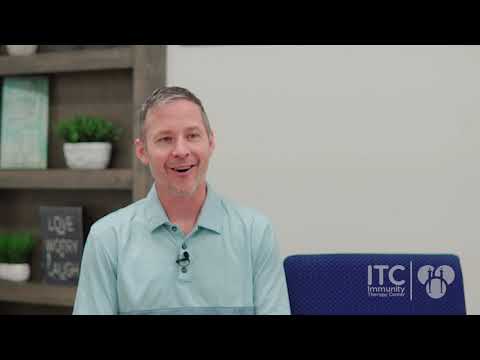
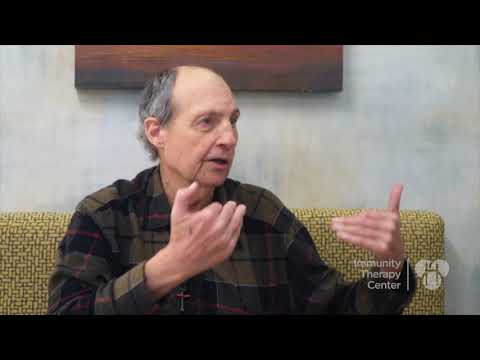
[00:06] Hello, my name's Troy Clark. I'm from Texas and I'm a firefighter. I was diagnosed with stage three prostate cancer.
[00:15] (Text: How did this condition affect you in your daily life?)
[00:20] As far as my physical condition, it didn't seem to affect me much. It was all mental, because it started off being, hey, I'm just a really young guy with a with an easy cancer, if you will, prostate. And after my surgery, it turned into what was found to be a more aggressive cancer than they staged it.
[00:44] (Text: What are your expectations upon arriving to Immunity Therapy Center?)
[00:51] Well, if I didn't have my friend's referral, I would have been really worried or I would have not known what to expect, like I would say most people. But since I had all of their input, all of their intel, my friend is a super smart guy that researches everything.
[01:16] My expectations were nothing but hopeful but positive, just from the fact that I was able to get all the information from them beforehand.
[01:27] (Text: What do you think about Dr. Bautista?)
[01:34] I thought he was very thoughtful and upfront, honest. He really wanted to hear how I felt about my condition and my treatments. Bautista was really good at working both sides and laying out what-ifs and different options. I could ask him, "If you were me, what would you do?" He would give me all that information.
[02:01] And the most interesting thing that I heard that I have heard come out of Dr. Bautista's mouth was, "First, we're going to teach you what water to drink. Second, we're going to teach you how to eat or teach you what food to eat. Third, then we'll take a look at your cancer."
[02:19] Man, I've heeded that ever since. That's my mantra now. Those three things are very important in my life.
[02:27] (Text: How important is it to have someone you love with you on these moments?)
[02:34] The support I have from my wife is just unbeatable. I got married late in life, had kids late in life. We have, at this time, we have a three-year-old and a one-year-old. And I'm rounding up. Things are busy at home.
[02:49] And if I didn't have my wife's support, I don't know if I could follow ITC's regimen or this so-called process. Changing my lifestyle from the old Troy Clark to the new Troy Clark regarding what you eat, what you drink, how you sleep, how you manage stress.
[03:18] It's not doable without my wife's support. She's there with me 100% of the way.
[03:25] (Text: What do you think about the therapies here at Immunity Therapy Center?)
[03:31] The treatments are great. It's a lot of heat treatments and IVs. And it's, from Dr. Bautista's words, it's a bunch of treatments and therapies to rebuild your body, rebuild your body's immune system to fight off what you're trying to fight.
[03:56] And it's great. And once I saw the treatments for a few days and figured out they are easy, and then I got that in my head about your body rebuilding itself, it was good. Once that was in my head, it was really good. I knew I was at the right place.
[04:18] (Text: Share with us your results so far.)
[04:24] So the first time I was here, which was five years ago, I was here for three weeks. And the results were good while I was here. My numbers lowered. I felt great when I was here for three weeks.
[04:43] And overall success with my cancer, it's really cool to see how my American doctors are baffled as to why I haven't had to have radiation yet.
[04:58] And in the last five years, things have changed with numbers. They push numbers up a little bit with some new European studies. And my levels are still below the recommended number for radiation. So yeah, five years later and I'm still below those numbers. That's success to me.
[05:21] (Text: What are your thoughts about ITC?)
[05:28] My overall thoughts about ITC, it starts at being picked up from the airport by Jose. He shuttles me here. He's interactive, he talks, he's nice. He's not just some guy driving you around. And it just, that leads to customer service here. It leads to the doctors, to the nurses, the cooks, the guy mopping the floor says hello to you here.
[05:56] Everyone here treats me with the utmost respect.
[06:02] (Text: What do you think about Tijuana, now that you have been here several times?)
[06:09] So this is my fifth time to come to ITC and here in Tijuana. And the first time, like my wife was with me for a week and we did everything. We went everywhere. Saw movies, went to parks, went to museums. The police presence is really good here. Tijuana's been great to me.
[06:28] The second week, my mom was with me in her 70s. We walked around town, did some of the same things, and even one night ventured out to a local taco stand. Everyone here in Tijuana so far has been respectful, if you will. A lot of people say hello.
[06:48] I haven't had any conflict. In five years, I haven't had any conflict down here whatsoever. Maybe the language barrier here and there, but no problems with Tijuana for me.
[07:01] (Text: What message do you have for people who are hesitant to come here to get treated?)
[07:08] You would think that my experience here would be just related to cancer. And everyone asks, "Well, how'd it go? How's your results? How's your cancer? How's everything?" What was it like there, everybody asks me that.
[07:27] Being here doesn't feel like I'm being treated for cancer. It's a treatment for my mind, and my body, and my soul. What I get here from other people and experiences and to see other people prevail along with me, it is just, it's a great feeling overall.
[07:56] I don't know how else to explain that, but it's powerful. It really is a powerful feeling.
[08:05] (Music Outro)





.png)
.png)
.png)
.png)











Share this listing