


Alternative Lymphoblastic Lymphoma Treatment in Mexico: Redefining Cancer Recovery
When faced with a highly aggressive cancer diagnosis, patients often find themselves racing against the clock to discover the most effective medical interventions available globally. For Elaine Reimer, a resident of Belize, a sudden and severe respiratory crisis led to a daunting diagnosis that required immediate, decisive action. Seeking innovative and highly personalized medical care, she successfully pursued alternative lymphoblastic lymphoma treatment in Mexico, unlocking a pathway to rapid remission that transformed her prognosis entirely.
Navigating the complex landscape of oncology can be incredibly overwhelming for patients and their families. However, the emergence of holistic cancer treatment in Tijuana, Mexico, has provided a powerful secondary avenue for those looking beyond conventional chemotherapy and radiation protocols. By combining targeted medical therapies with integrative immune-boosting strategies, dedicated specialized centers are offering renewed hope to individuals fighting aggressive lymphatic cancers.
Elaine’s documented journey provides a profound look into the life-saving potential of these advanced therapeutic models. From her initial terrifying symptoms to celebrating years of vibrant, cancer-free living, her experience highlights the critical importance of compassionate, individualized patient care. This deep-dive analysis explores the medical, logistical, and emotional elements of choosing specialized cross-border healthcare for complex oncological conditions.
Video Chapters
Understanding T-Cell Non-Hodgkin’s Lymphoma Pathology
Lymphoblastic lymphoma is an exceedingly rare and highly aggressive form of non-Hodgkin's lymphoma that originates in the immature lymphoblasts, primarily affecting T-cells. This specific classification of cancer is notorious for its rapid progression and unpredictable onset, frequently leaving patients with little time to formulate a medical strategy. In Elaine Reimer's case, as detailed at [01:03], her diagnosis in March 2015 was preceded by an intensely swift deterioration of her health.
The symptomatic trajectory of T-cell non-Hodgkin's lymphoma often involves major respiratory distress. Tumors or enlarged lymph nodes in the chest cavity can press directly against the trachea and lungs, compromising the patient's ability to oxygenate their body. Elaine described this terrifying reality, noting that from her very first symptom to the point where she could no longer breathe, only three weeks had elapsed [01:14].
Because of this rapid cellular proliferation, immediate medical intervention is universally required to prevent life-threatening complications. While standard oncology relies heavily on maximum-dose chemotherapy, integrative alternative therapies for non-Hodgkin's lymphoma offer adjunctive or primary avenues that prioritize immune system preservation. Patients researching these options are generally looking to target the rapid cancer growth without entirely destroying their baseline cellular immunity.
The Physiological Toll of Aggressive Lymphoma
When the lymphatic system is compromised, the body loses its primary defense mechanism against cellular mutations and external pathogens. T-cell lymphoblastic lymphoma disrupts the maturation of essential white blood cells, filling the bone marrow and lymphatic organs with non-functioning, malignant cells. This physiological takeover leads to severe fatigue, rapid weight loss, and the acute breathing difficulties Elaine experienced.
Addressing these extreme symptoms requires a medical protocol capable of stabilizing the patient's immediate vital signs while simultaneously attacking the lymphoma at a systemic level. Alternative lymphoblastic lymphoma treatment in Mexico often utilizes localized hyperthermia and high-dose intravenous immunotherapies to achieve this delicate balance. By focusing on non-toxic cellular disruption, these therapies aim to halt the aggressive progression without the extreme collateral tissue damage associated with traditional cytotoxic drugs.
Why Patients Seek Alternative Lymphoblastic Lymphoma Treatment in Mexico
The decision to travel internationally for critical medical care is never made lightly, particularly when a patient is struggling with severe respiratory symptoms. For Elaine, the choice to pursue treatment at specialized T-cell non-Hodgkin's lymphoma treatment centers in Tijuana was heavily influenced by her local community. Word-of-mouth success stories and documented remission cases from individuals in Belize served as the primary catalyst for her decision [01:49].
Tijuana has strategically positioned itself as the global capital for advanced, integrative oncology. The regulatory framework in Mexico allows licensed physicians to administer evidence-based, alternative therapies that are often still tied up in bureaucratic clinical trials in the United States or Canada. This means that patients with fast-moving cancers can immediately access innovative combinations of immunotherapy, metabolic therapy, and targeted biological treatments.
Furthermore, holistic cancer treatment in Tijuana Mexico focuses on the microenvironment of the cancer rather than just the tumor itself. Patients like Elaine journey there completely on faith, relying on the verifiable results achieved by their peers who were successfully put into complete remission [02:04]. The reputation of these clinics is built entirely on their clinical outcomes and patient survival rates.
Comparing Traditional vs. Holistic Oncology Approaches
| Treatment Aspect | Conventional Standard Care | Holistic Alternative Clinics (Mexico) |
|---|---|---|
| Primary Mechanism | Cytotoxic destruction (Chemo/Radiation) | Immune modulation and metabolic targeting |
| Collateral Damage | High (damage to healthy cells and marrow) | Low to Moderate (focus on healthy cell preservation) |
| Personalization | Standardized clinical guidelines based on stage | Highly individualized daily adjustments |
| Therapeutic Focus | Tumor eradication | Whole-body terrain modification |
The Clinical Experience: Meeting Dr. Bautista and His Team
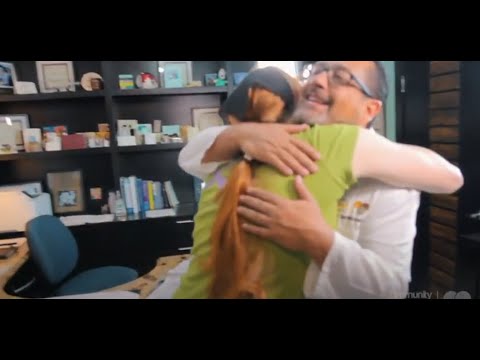
The psychological impact of a cancer diagnosis often leaves patients feeling vulnerable and treated merely as statistical anomalies within massive hospital systems. Immunity Therapy Center reviews consistently highlight the stark contrast in bedside manner provided by practitioners like Dr. Bautista. Upon her arrival, Elaine was physically depleted and severely ill, yet she immediately recognized the profound compassion and kindness radiating from the medical staff [02:26].
Trust is a foundational element in alternative medicine. Elaine’s father explicitly vocalized this trust to the medical team, surrendering his daughter's care with absolute faith in their alternative protocols [02:49]. This collaborative, high-trust environment reduces patient cortisol levels, creating a physiological state that is significantly more receptive to deep healing and immune system recovery.
Dr. Bautista’s methodology involves meticulous daily monitoring rather than administering a generalized treatment block and sending the patient away. By continually assessing her specific case, the medical team ensured that Elaine received the exact therapeutic interventions required for her unique biological markers [03:02]. This bespoke approach is a hallmark of the best alternative cancer clinics in Mexico.
The Importance of Patient-Centric Oncology
- Emotional Stabilization: Compassionate care directly mitigates the psychological trauma associated with terminal or severe diagnoses.
- Adaptive Treatment Plans: Daily consultations allow physicians to pivot therapies based on real-time blood work and patient feedback.
- Family Integration: Involving the patient's family in the healing process builds a necessary support system for long-term recovery.
The Astonishing Timeline of Rapid Remission
Perhaps the most compelling aspect of Elaine's clinical journey is the unprecedented speed at which her body responded to the therapies. Arriving at the clinic on the first of April, she commenced her intensive therapeutic regimen immediately [03:17]. For a cancer that had completely compromised her respiratory system in just three weeks, aggressive and immediate action was paramount.
By the 29th of April—less than a full calendar month later—a follow-up CT scan was performed to evaluate the efficacy of the integrative treatments. The medical imaging revealed a completely clear scan, indicating that the rampant progression of the lymphoblastic lymphoma had not only been halted but entirely reversed [03:25]. To transition from severe, life-threatening symptoms to clear scans in under thirty days is a monumental testament to alternative therapies for non-Hodgkin's lymphoma.
This rapid rate of clearance is particularly significant in T-cell malignancies, which are notoriously stubborn against single-modality approaches. By utilizing a multi-faceted protocol that likely included localized heat therapies, targeted nutritional IVs, and immune system modulators, the clinic effectively dismantled the cancer's metabolic infrastructure. This swift victory allowed Elaine to step out of immediate physical danger and focus on long-term systemic healing.
Maintaining the Terrain: Comprehensive At-Home Protocols
Eradicating the visible tumor burden is only the first phase of authentic oncological recovery. True healing requires fundamentally altering the biological terrain that allowed the cancer to manifest initially. Acknowledging this, Elaine engaged in a comprehensive treatment protocol that spanned a total of two and a half years [03:45].
While the initial acute phase was conducted on-site in Tijuana to achieve the clear CT scan, an extensive two-year portion of her recovery was managed strictly at home [03:51]. This highlights the sustainable and highly functional nature of alternative lymphoblastic lymphoma treatment in Mexico. Patients are not tethered to a hospital bed indefinitely; they are educated, equipped, and empowered to continue their cellular therapies from the comfort of their own residences.
These at-home protocols typically involve rigorous nutritional supplementation, targeted oral medications, detoxification routines, and consistent lifestyle modifications. The goal of this extended care phase is to suppress any microscopic circulating tumor cells and rebuild the white blood cell count to optimal levels. Achieving this milestone allowed Elaine to officially graduate from her medical regimen, celebrating the restoration of her health and her return to an uninterrupted, beautiful life [04:11].
The Phases of Integrative Cancer Recovery
Recovery in the holistic medical model operates in distinct biological phases. The initial intensive phase focuses on tumor destruction and symptom management through potent, non-toxic clinical interventions. Once stability is achieved, the patient enters the regenerative phase, which prioritizes the detoxification of dead cellular matter and the repair of organ systems.
The final, longest phase is the maintenance and prevention protocol. By strictly adhering to prescribed home therapies, patients safeguard themselves against recurrence. This strategic, long-term approach is exactly why stage 4 lymphoblastic lymphoma survival stories frequently emerge from specialized integrative clinics equipped to handle long-term patient guidance.
Care, Courage, and Conquer: The Healing Philosophy
When asked to distill her extensive medical journey into core concepts, Elaine chose three incredibly poignant words: Care, Courage, and Conquer [05:21]. These three pillars perfectly encapsulate the dual responsibility shared between the medical provider and the oncology patient during alternative treatments.
The first pillar, "Care," is the fundamental responsibility of the clinic. The specialized nurses and oncologists at T-cell non-Hodgkin's lymphoma treatment centers in Tijuana must provide flawless, personalized, and empathetic medical attention. This high-level care creates the biological and emotional safety required for the immune system to exit its stress response and enter a state of active cellular repair.
The second pillar, "Courage," falls entirely on the patient. It takes immense bravery to step outside the conventional boundaries of standard Western medicine, especially when facing a life-threatening illness. The final pillar, "Conquer," is the ultimate result of merging excellent clinical care with unwavering patient courage—resulting in the total eradication of the disease and a victorious return to normalcy [04:57].
Evaluating Top Holistic Cancer Treatment Clinics in Tijuana
For individuals currently analyzing their oncological options, the landscape of alternative medicine can initially seem difficult to navigate. However, the consistent influx of international patients to Mexico speaks volumes about the efficacy of these facilities. Establishing baseline criteria for selecting a treatment center is crucial for ensuring optimal medical outcomes and patient safety.
Prospective patients should prioritize clinics that offer transparent Immunity Therapy Center reviews, verifiable patient testimonials, and highly detailed, individualized treatment plans. The best alternative cancer clinics in Mexico do not rely on a one-size-fits-all approach; they deploy a vast array of over twenty different therapeutic modalities depending on the patient's daily physiological needs.
Furthermore, cost-effective cancer treatments in Tijuana offer significant financial relief compared to the exorbitant out-of-pocket expenses associated with experimental care in the United States. This financial accessibility, combined with world-class medical expertise and a profoundly humanizing approach to patient care, solidifies Tijuana's reputation as a premier destination for holistic healing.
Key Indicators of a World-Class Alternative Clinic
- Comprehensive Diagnostics: Utilizing advanced imaging and genetic testing to pinpoint cancer vulnerabilities.
- Integrative Modalities: Offering a blend of hyperthermia, high-dose IV Vitamin C, sonodynamic therapy, and biological vaccines.
- Post-Treatment Support: Providing robust, multi-year at-home protocols to ensure long-term remission stability.
A Message of Hope for Lymphoma Patients Worldwide
A diagnosis of T-cell non-Hodgkin's lymphoma can feel like an insurmountable obstacle, but stories like Elaine Reimer's actively dismantle that narrative. Returning to the clinic four years post-diagnosis, her vibrant health serves as irrefutable proof that there is profound hope outside the confines of traditional oncology [04:46]. She emphasizes to anyone currently struggling that survival is not just a possibility, but a highly achievable reality.
The environment cultivated at these specialized clinics ensures that you are never treated as just a case file or a room number. Patients are embraced as human beings requiring holistic support—mentally, physically, and spiritually [06:08]. The dedication of the nursing staff and the strategic brilliance of the attending physicians collaborate to create a sanctuary where true healing can occur.
If she were forced to repeat her incredibly challenging medical journey, Elaine stated unequivocally that she would return to this exact facility without hesitation [06:31]. For those currently fighting, researching, and hoping for a breakthrough, exploring alternative lymphoblastic lymphoma treatment in Mexico might be the exact turning point required to reclaim your health and your future.
Ready to Reclaim Your Health and Future?
Discover personalized, holistic alternative treatments for lymphoma and other complex cancers. Speak with an expert to review your case and design a custom integrative protocol tailored to your unique biology.
Get Free QuoteRead Full Video Transcript
[00:06] - Hey, hi Elaine.
[00:14] - How many years have been already since your diagnosis?
[00:18] - Actually four... a little over four years.
[00:20] - Now four years Elaine?
[00:21] - Yeah, yeah it's in April... in March of 2015. Time flies.
[00:30] - Yeah, but it's so good to see you. You remember when you came in here Elaine?
[00:36] - I wasn't breathing... I wasn't breathing.
[00:39] - It's great to see that you're doing, that you're cancer-free now. It's a blessing. Thank you Elaine.
[00:46] - Yes, thank you so much for what you've done for me and for allowing me to come here to see you again.
[00:52] - Thank you Elaine.
[00:53] - My name is Elaine Reimer and I come from Central America, Belize. My cancer diagnosis was in March 2015.
[01:06] - My diagnosis was lymphoblastic lymphoma, T-cell non-Hodgkin's.
[01:12] - It was about like one... from my first symptom till I was so sick that I couldn't breathe anymore, that was about three weeks. So it was a very rapid, aggressive cancer.
[01:28] - Once we found out what it was, we right away decided where we wanted to go. We were debating and we decided on Tijuana, that was our best option. Because we had seen results from here before and they were very good and we wanted the best, so we chose to come here.
[01:48] - There were people from our community that had had cancer before and that had been here and they had had very good success. They had been completely put in remission, and we wanted to see the same results, so we came here.
[02:11] - We personally had never been here and we just came in faith and on other people's words, and we have not been disappointed at all. We were so happy with that.
[02:25] - When I met Dr. Bautista, it was... I was very sick, but I immediately liked him. He was very kind and compassionate and he took care of me very well.
[02:49] - My dad said to Dr. Bautista, "You know what, I trust you completely 100%," and they did their very best.
[03:00] - Dr. Bautista, he checked my case and he made sure that I got the right treatment for my cancer and he did a very good job.
[03:14] - We came here the first of April and we started treatment right away. By the 29th of April we did a CT scan and that one came out clear.
[03:29] - So it was one month from the beginning of treatment till everything was gone, so that was very amazing.
[03:42] - Well I've done two and a half years of treatment, like altogether, and two years of that was done at home. So I was still a little... I did a lot of treatment, but after that I've been getting better.
[04:02] - I've been recovering and getting back to normal life and once I was completely done with my treatments I had me a graduation party and celebrated that I was done with that part of my life. And now I could continue on and have a beautiful life of sharing with others.
[04:25] - We came back to ITC to meet Dr. Bautista and his wonderful staff that we've grown to love. And also to meet with the patients and be an encouragement to them, and show them that hey, you can survive this. There is hope to make it, and just take some care. They do good care here and it takes courage, and then we can conquer.
[04:58] - Yeah, those are my three words that I picked out. You know sometimes they say "what are the three words that describe your journey or whatever" and I wanted to have three words that described my cancer journey and my chapter of life.
[05:20] - And this place here... and I decided on those three words: care, courage, conquer. And those are my theme words.
[05:31] - If you're struggling with cancer and you need help, this is definitely the first place to check out and to come. And I am pretty much sure you will have the best care that you'll ever need.
[05:47] - There's nothing to fear. The city is lovely and the people are super friendly, and the nurses and doctors, they're all the best you could ever hope for. They become your family and your friends, and you are not just a number, you are a person that is special and they take care of you well.
[06:17] - I would suggest everybody to come here because there is no better place than this. I've heard of other places but I've never heard of a better place. There's no place I'd rather want to go. If I had to do it again, I would definitely come back here.




.png)
.png)
.png)
.png)










Share this listing