


Why Patients Choose Alternative Cancer Treatments in Mexico
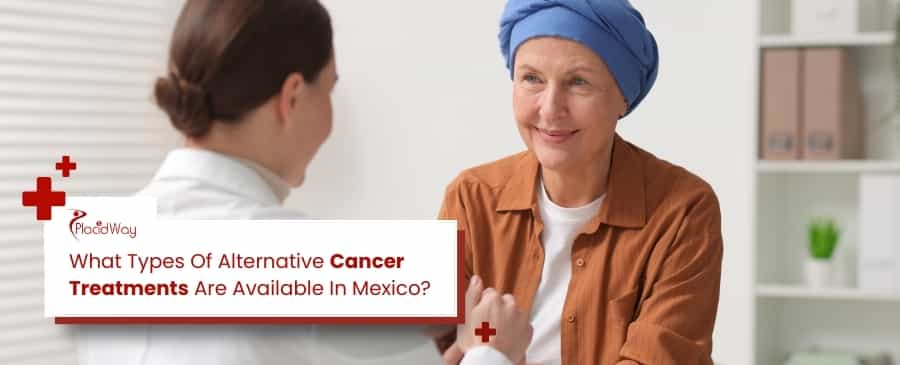
Alternative cancer treatments in Mexico include immunotherapy, hyperthermia, high-dose vitamin C, ozone therapy, and metabolic protocols. Costs typically range from $15,000 to $35,000 for a comprehensive 3-week inpatient program, providing whole-body healing and personalized integrative care.
Key Takeaways: Integrative Healing
- Comprehensive Approach: Programs focus on treating the whole body by boosting the immune system and detoxifying organs, rather than just targeting the tumor.
- Advanced Therapies: Patients have access to innovative therapies like Dendritic Cell Therapy and localized hyperthermia that may be restricted elsewhere.
- Significant Savings: An alternative cancer treatment in Mexico costs a fraction of what integrative care costs in the United States or Europe.
- Personalized Medicine: Treatment protocols are uniquely tailored to each patients specific metabolic profile, genetic markers, and cancer stage.
- Supportive Environment: Clinics provide a stress-free, compassionate setting with organic diets, psychological support, and dedicated nursing care.
What are the most common therapies used for alternative cancer treatment in Mexico?
The most common alternative therapies include Hyperthermia, High-Dose Intravenous Vitamin C, Immunotherapy, Ozone Therapy, and Metabolic treatments. These are combined synergistically to attack cancer cells while protecting healthy tissue.
When seeking an alternative cancer treatment in Mexico, patients discover a vast array of therapies that extend far beyond standard radiation and surgery. Facilities utilize a multi-pronged approach tailored to the individuals cellular needs.
- Ozone Therapy: This treatment increases the amount of oxygen in the body through the introduction of ozone. Because cancer cells thrive in low-oxygen environments, flooding the body with medical-grade ozone helps inhibit tumor growth and stimulates the immune system.
- Laetrile Therapy (Vitamin B17): A staple in many Mexican clinics, Laetrile is believed to target cancer cells directly. It contains compounds that break down into hydrogen cyanide only in the presence of specific enzymes found predominantly in cancer cells, thereby destroying them safely.
- Dendritic Cell Vaccine: This highly advanced immunotherapy involves extracting the patients own immune cells, programming them in a lab to recognize specific cancer antigens, and reintroducing them to the body to hunt down malignant cells aggressively.
- Insulin Potentiation Therapy (IPT): IPT uses low doses of insulin to lower blood sugar, tricking sugar-hungry cancer cells into opening their membranes. A fraction of the standard dose of chemotherapy or natural anti-cancer agents is then administered directly into the vulnerable cells.
- Ultraviolet Blood Irradiation (UBI): Blood is temporarily drawn, exposed to ultraviolet light to destroy pathogens and viruses, and then returned to the body. This cleanses the blood and prompts a massive secondary immune response.
- Hyperbaric Oxygen Therapy (HBOT): Patients breathe pure oxygen in a pressurized chamber. This forces oxygen deep into tissues, accelerating healing, enhancing the effects of other treatments, and creating an alkaline environment hostile to cancer.
How much does alternative cancer treatment cost in Mexico compared to other countries?
A comprehensive three-week program typically costs between $15,000 and $35,000. This is significantly lower than similar integrative programs in the US or Europe, which can easily exceed $100,000.
Understanding the alternative cancer treatment cost in Mexico is vital for patients planning their medical journey. The pricing structures in Mexico are transparent and heavily bundled, meaning that a single price usually covers the entirety of your stay. This all-inclusive model provides immense peace of mind, as patients do not have to worry about receiving hidden bills for every blood draw or nutritional consultation.
The vast difference in cost is not a reflection of lower quality care but rather the economic reality of the region. Overhead costs, administrative fees, and medical malpractice insurance are substantially lower south of the border. These savings are directly passed on to the patient, making life-saving treatments accessible to those who might otherwise be priced out of the domestic healthcare market.
Most three-week packages cover accommodations for the patient and a companion, organic meals tailored to the cancer diet, daily physician consultations, extensive laboratory testing, all intravenous therapies, and take-home supplements. When you calculate the daily value of these immersive therapies, the financial advantage becomes undeniably clear.
| Treatment Type | Estimated Cost in Mexico (3 Weeks) | Estimated Cost in USA/Europe |
|---|---|---|
| Basic Integrative Program | $15,000 - $18,000 | $45,000 - $60,000 |
| Advanced Immunotherapy Program | $22,000 - $28,000 | $80,000 - $120,000 |
| Comprehensive IPT & Stem Cell Protocol | $28,000 - $35,000 | $150,000+ |
Is it safe to receive an alternative cancer treatment in Mexico?
Yes, treatment is highly safe when performed at accredited facilities. Reputable medical centers operate under strict government regulations and are staffed by highly credentialed doctors using sterile, advanced medical equipment.
Safety is often the primary concern for patients considering medical tourism in Mexico. It is essential to recognize that the top-tier biological and integrative centers operate with clinical standards that rival, and sometimes exceed, standard western hospitals. These facilities are regulated by COFEPRIS, the equivalent of the FDA in the region, ensuring that rigorous health and safety protocols are strictly followed.
Furthermore, safety in integrative oncology also refers to the gentle nature of the treatments themselves. Unlike standard oncology, which often utilizes highly toxic agents that devastate the immune system and healthy organs, alternative protocols are designed to be non-toxic. The primary goal is to support the bodys innate healing mechanisms, meaning patients suffer far fewer severe side effects like hair loss, extreme nausea, or dangerous drops in white blood cell counts.
Patients are closely monitored 24/7 by dedicated nursing staff and attending physicians. Daily blood work is common to ensure organs are responding well to detoxification and therapies. Because the patient-to-doctor ratio is incredibly low compared to standard hospitals, any minor issue is caught and addressed immediately, ensuring maximum clinical safety throughout the stay.
Many integrative centers in the region incorporate Biological Dentistry into their safety protocols. Before starting extensive cancer treatments, patients are often evaluated for hidden dental infections or toxic heavy metals from old fillings, as these can severely suppress the immune system and hinder recovery.
How do I choose the right alternative cancer treatment clinic in Mexico?
Selecting the best clinic requires researching the medical teams credentials, evaluating their specific treatment protocols, ensuring facility accreditation, and verifying the transparency of their pricing and post-treatment care plans.
Finding the correct alternative cancer treatment clinic in Mexico is a crucial step that dictates the success of your medical journey. Begin by thoroughly reviewing the medical board credentials of the chief oncologists and physicians. Look for doctors who hold dual certifications in conventional medicine and integrative or naturopathic oncology. This ensures they have a deep, scientific understanding of the disease while being open to advanced alternative modalities.
Next, evaluate the clinical capabilities of the facility. The best centers are fully equipped hospitals or specialized inpatient clinics, not just outpatient wellness spas. They should have advanced diagnostic equipment on-site and the ability to formulate custom immunotherapies in sophisticated laboratories. Transparency is also a hallmark of a premier clinic; they should be willing to discuss their specific approaches to your type of cancer without guaranteeing unrealistic outcomes.
Finally, consider the holistic environment and the aftercare program provided. Healing requires a stress-free environment, so evaluate the accommodations, the quality of the organic nutrition provided, and the level of psychological support available. Equally important is the home-care program; a responsible clinic will send you home with months of supplements and provide regular telemedicine consultations to monitor your ongoing progress.
What is the role of immunotherapy in alternative cancer treatment in Mexico?
Immunotherapy forms the foundation of alternative oncology. It works by actively repairing, educating, and stimulating the patients own immune system to naturally recognize, attack, and destroy cancer cells throughout the body.
At the core of almost every alternative cancer treatment in Mexico is advanced immunotherapy. Cancer survives by developing stealth mechanisms that allow it to hide from the bodys natural defense systems. Immunotherapy strips away this camouflage. By utilizing biological therapies, doctors essentially reboot the immune system, transforming it into a highly efficient tumor-fighting machine.
Clinics frequently utilize autologous cellular therapies, where a patients own blood is drawn to harvest specific immune cells like Natural Killer (NK) cells or macrophages. These cells are then cultivated, multiplied into the millions in a laboratory, and activated against specific tumor markers. When infused back into the patient, these supercharged cells actively hunt down cancer cells, even those that have metastasized to other areas.
Additionally, non-specific immunotherapies are used to elevate the general immune response. Treatments like Coleys Toxins or specific peptide therapies provoke a strong, systemic immune reaction, creating an environment where cancer can no longer comfortably reside. This biological approach is favored because it provides long-term protection, teaching the body how to keep cancer at bay even after the intensive clinical program has concluded.
How does hyperthermia work as an alternative cancer treatment in Mexico?
Hyperthermia applies controlled, therapeutic heat to the body or specific tumor sites. Cancer cells cannot survive at high temperatures due to poor blood flow, causing them to break down while healthy cells remain completely unharmed.
Hyperthermia is one of the most scientifically validated therapies integrated into alternative oncology. Its application varies depending on the specific needs of the patient:
- Local Hyperthermia: Advanced machines direct focused microwave or radiofrequency heat precisely at a known solid tumor. The heat damages the proteins within the cancer cells, leading to cellular death and tumor shrinkage.
- Whole-Body Hyperthermia: The patient is placed in an specialized infrared thermal chamber to raise their core body temperature, inducing an artificial fever. This systemic heat activates a massive immune response and targets circulating tumor cells.
- Synergistic Effects: Heat causes blood vessels around the tumor to dilate. When combined with low-dose chemotherapy or high-dose vitamin C, the heat allows these agents to penetrate the tumor matrix much more effectively.
- Oxygenation: Tumors are typically hypoxic (lacking oxygen), which makes them resistant to treatments. Hyperthermia forces blood flow and oxygen into the tumor, making it highly vulnerable to oxidative therapies like Ozone.
- Pain Relief: Beyond its cancer-killing properties, therapeutic heat provides significant relief from severe pain associated with deep-seated tumors and bone metastases, drastically improving patient comfort.
Why is high dose intravenous vitamin C used in alternative cancer treatments in Mexico?
Administered intravenously, massive doses of Vitamin C act as a pro-oxidant rather than an antioxidant. It converts into hydrogen peroxide near the tumor, selectively destroying cancer cells without harming healthy surrounding tissue.
High-Dose Intravenous Vitamin C (IVC) is a cornerstone of almost every alternative cancer treatment clinic in Mexico. While oral vitamin C is a beneficial antioxidant, the digestive system limits how much can be absorbed. By delivering vitamin C directly into the bloodstream intravenously, clinicians can achieve blood concentrations up to 500 times higher than oral administration.
At these super-physiological doses, vitamin C behaves very differently. It interacts with the iron and copper found in high amounts around tumor microenvironments to produce hydrogen peroxide. Normal cells possess the enzyme catalase, which instantly neutralizes hydrogen peroxide into harmless water and oxygen. However, cancer cells severely lack this enzyme, meaning the hydrogen peroxide accumulates and effectively burns the cancer cell from the inside out.
In addition to its direct cytotoxic (cell-killing) effects, massive doses of vitamin C are essential for collagen production. Tumors often secrete enzymes that break down surrounding collagen to spread and metastasize. High-dose IVC rapidly replenishes collagen, essentially walling off the tumor and restricting its ability to invade adjacent healthy tissues, all while drastically reducing systemic inflammation and fatigue.
What dietary and metabolic protocols are included in an alternative cancer treatment in Mexico?
Metabolic therapies aim to starve cancer cells by altering the bodys chemistry. Programs strictly remove refined sugars and processed foods, implementing organic, plant-based, or ketogenic diets to deprive tumors of their primary fuel source.
Understanding that cancer is fundamentally a metabolic disease, every alternative cancer treatment in Mexico integrates rigorous nutritional science into the daily protocol:
- The Warburg Effect: Medical science shows that cancer cells ferment glucose for energy. Clinics strictly eliminate all refined sugars and simple carbohydrates to cut off the tumors preferred fuel supply.
- Ketogenic Diets: Many patients are placed on medical-grade ketogenic diets. High in healthy fats and extremely low in carbs, this forces the body to burn ketones for energy, a fuel source healthy cells love but cancer cells cannot utilize.
- Gerson-Style Juicing: To flood the body with live enzymes and micronutrients, patients often consume fresh, organic vegetable juices hourly. This restores cellular health and pushes toxins out of the bloodstream.
- Liver Detoxification: As tumors break down, the body can become overwhelmed with toxicity. Protocols include therapies like coffee enemas or specific IV drips to aggressively detoxify the liver and kidneys.
- Alkalization: Cancer thrives in acidic environments. The dietary protocols emphasize alkaline-forming foods and specialized hydration to balance blood pH, creating an inhospitable terrain for cancer progression.
Why are patients increasingly choosing medical tourism in Mexico for cancer care?
Patients choose Mexico because it offers rapid access to innovative therapies unavailable at home, massive cost savings, and highly compassionate, personalized care that treats them as whole individuals rather than just a diagnosis.
The explosive growth of medical tourism in Mexico for oncology is driven by a profound need for options. In many Western countries, patients are offered standard protocols of surgery, radiation, and chemotherapy. When these fail or the patient refuses due to toxicity, they are often told nothing more can be done. Mexico offers hope, providing access to dozens of scientifically backed biological therapies that are heavily restricted by slow-moving regulatory bodies in other nations.
Geography plays a massive role in this decision. Clinics located in border cities like Tijuana or coastal havens like Cancun are incredibly accessible. North American patients can often fly into a domestic airport, be picked up by a medical shuttle, and arrive at a world-class facility within an hour. This proximity reduces the severe stress of long-haul international travel on already compromised immune systems.
Finally, the culture of care in Mexico is profoundly different. The medical model is deeply patient-centric, focusing heavily on emotional and psychological healing alongside physical treatments. Doctors spend hours, not minutes, with their patients. This compassionate approach drastically reduces the anxiety of battling a severe illness, fostering a positive mindset that is critically essential for the immune system to initiate true healing.
Why choose PlacidWay to find an alternative cancer treatment clinic in Mexico?
PlacidWay removes the stress of navigating foreign healthcare by providing vetted clinic options, negotiating transparent pricing, and offering dedicated patient coordinators who advocate for your medical needs every step of the way.
Choosing the right medical facility for a life-altering illness is a monumental decision. PlacidWay acts as your premier medical guide and advocate, ensuring your focus remains entirely on healing:
- Rigorous Facility Vetting: PlacidWay only partners with fully accredited clinics that meet strict international standards for safety, employing board-certified oncologists and utilizing state-of-the-art medical equipment.
- Medical Record Coordination: Our team facilitates the secure transfer of your complex medical records, imaging, and pathology reports directly to the medical directors, ensuring you receive an accurate, customized treatment plan before making any commitments.
- Transparent Pricing Negotiation: We work closely with our medical partners to provide you with clear, all-inclusive pricing packages, protecting you from hidden fees and ensuring you get the highest value for your investment in your health.
- Dedicated Care Coordinators: You are assigned a personal coordinator who helps you navigate the entire clinical selection process, answers your procedural questions, and acts as a direct liaison between you and the medical staff.
- Absolute Patient Privacy: Dealing with a cancer diagnosis requires utmost discretion. PlacidWay ensures that all communications, inquiries, and health data are handled with the highest level of confidentiality and strict adherence to privacy protocols.
Frequently Asked Questions
Do alternative cancer treatments in Mexico actually work?
Many patients report significant improvements in their quality of life, tumor shrinkage, and enhanced immune response. While results vary by individual and cancer stage, integrative therapies focus on supporting the bodys natural healing capacity alongside targeting malignant cells, offering hope to those who have exhausted conventional options.
How long do I need to stay in Mexico for alternative cancer therapy?
Most comprehensive treatment programs require a stay of three to four weeks. This duration allows medical professionals to administer a consistent, aggressive daily protocol of intravenous therapies, immune stimulation, and detoxification, while closely monitoring your physical response and adjusting the treatment plan as needed.
Will my health insurance cover alternative cancer treatment cost in Mexico?
Traditional health insurance policies typically do not cover alternative therapies or treatments received outside of your home country. Patients generally pay out-of-pocket, though some specialized health sharing ministries or critical illness policies may offer partial reimbursement depending on their specific terms and conditions.
Can I combine conventional chemotherapy with an alternative cancer treatment in Mexico?
Yes, many facilities in Mexico specialize in integrative oncology, which safely combines low-dose conventional chemotherapy with alternative therapies. This synergistic approach aims to maximize the effectiveness of tumor destruction while minimizing the severe side effects typically associated with high-dose traditional chemotherapy.
What kind of diagnostic testing is done before alternative cancer treatment in Mexico?
Upon arrival, patients undergo extensive diagnostic testing, including comprehensive blood panels, tumor marker assessments, immune system evaluations, and advanced imaging such as PET or CT scans. These thorough diagnostics ensure that the customized treatment protocol precisely targets the patients specific metabolic and cellular profile.
Are the alternative cancer treatment doctors in Mexico qualified and licensed?
Yes, the physicians practicing at reputable alternative cancer treatment clinics in Mexico are fully licensed medical doctors and oncologists. Many have received additional training internationally and hold certifications in integrative medicine, ensuring they possess the clinical expertise required to administer advanced holistic protocols safely.
What kind of follow up care is provided after leaving an alternative cancer treatment clinic in Mexico?
Top clinics provide comprehensive home-care programs that typically last three to six months. This includes a detailed protocol of oral supplements, dietary guidelines, and ongoing remote consultations with the medical team to ensure the immune system remains supported and progress is continuously monitored after returning home.
Can family members accompany me during alternative cancer treatment in Mexico?
Absolutely. Most clinics encourage patients to bring a companion, recognizing that emotional support is vital for healing. Accommodations at the treatment centers or partnered wellness hotels usually include space and meals for at least one caregiver, allowing them to participate in consultations and learn the dietary protocols.
What are the border crossing procedures for medical tourism in Mexico?
For facilities located near the US border, clinics often provide medical passes that expedite the crossing process. Medical tourists typically fly into a nearby US airport, such as San Diego, where clinic staff meet them and provide secure, direct transportation across the border directly to the medical facility.
How quickly can I start alternative cancer treatment in Mexico?
Once your medical records have been reviewed and you are accepted into a program, treatment can often begin within one to two weeks. This rapid admission process is a major advantage for patients who cannot afford to wait months for appointments within their domestic healthcare systems.
.jpg)







.png)










Share this listing