
Comprehensive Alternative Cancer Nutritional Therapy in Mexico
Fighting complex diseases requires a robust foundation built on proper, targeted nutrition. For patients seeking alternative cancer nutritional therapy in Mexico, understanding the pivotal role of a specialized dietary protocol is an essential step toward recovery. Treating the underlying condition extends far beyond standard medical interventions; it involves comprehensive metabolic support to empower the immune system. Customized dietary planning addresses the unique physiological deficits created by advanced illnesses and aggressive therapeutic regimens.
A highly tailored approach focuses on removing inflammatory triggers such as refined sugars, dairy, and genetically modified organisms (GMOs). By replacing these with organic, nutrient-dense whole foods, patients experience enhanced cellular repair and improved clinical outcomes. Proper oncology nutrition strategies help mitigate severe treatment side effects, prevent debilitating muscle wasting, and restore overall vitality. This comprehensive guide details how integrative medical centers utilize precision nutrition to drastically improve patient quality of life.
Video Chapters
1. The Importance of Initial Nutritional Assessment for Cancer Patients
Every successful healing journey begins with a meticulous evaluation of the individual's current baseline health metrics. As noted at [00:46], a clinical nutritionist immediately gathers comprehensive data upon a patient's arrival. This critical first step ensures that all subsequent dietary interventions are entirely customized and medically appropriate.
An in-depth nutritional assessment goes far beyond simply logging a patient's weight and height. It incorporates detailed anthropometric measurements, which track body composition shifts such as visceral fat loss and critical lean muscle depletion. These metrics help specialists identify hidden starvation on a cellular level, a common issue in advanced disease states.
Biochemical and Dietary History Evaluation
Alongside physical measurements, biochemical parameters are carefully reviewed to construct a complete clinical picture. Blood panels reveal systemic deficiencies, organ function capabilities, and inflammatory markers that dictate dietary requirements. For instance, low serum albumin levels directly signal protein malnutrition, demanding immediate high-protein dietary modifications.
Simultaneously, gathering a thorough dietary history helps professionals understand long-term eating habits, food aversions, and cultural preferences. A successful customized diet plan for cancer patients must bridge the gap between strict clinical requirements and palatable, comforting meals. This compassionate approach drastically improves meal compliance during difficult treatment phases.
2. Preventing Oncology Malnutrition Through Customized Diet Plans
A staggering percentage of patients experience significant, unintended weight loss during conventional therapies, complicating their recovery timeline. At [01:08], the discussion highlights how individuals at high risk for malnutrition receive immediate, targeted interventions. Preventing cachexia—a severe wasting syndrome—is a primary objective for the in-house nutritional staff.
Malnutrition aggressively suppresses immune function, leaving the body highly vulnerable to opportunistic infections and delaying tissue repair. To combat this, specialists provide high-calorie and high-protein snacks tailored to individual digestive tolerances. These frequent nutritional boosters ensure a continuous supply of vital amino acids needed for cellular regeneration.
Collaboration Between Doctors and Nutritionists
Effective alternative cancer treatments rely heavily on seamless interdisciplinary collaboration. The head doctor and the leading nutritionist maintain constant communication to monitor patient progress and adjust dietary protocols daily. This agile management ensures the diet remains perfectly aligned with the evolving clinical needs of the patient.
If a specific treatment protocol suddenly alters a patient's metabolic rate, the nutritional team immediately recalibrates caloric intake. Furthermore, prescribed nutritional drinks and specialized smoothies are introduced to bypass gastrointestinal fatigue. These liquid interventions deliver a massive concentration of micronutrients without requiring extensive digestive energy.
3. Specialized Cancer Diets: Managing Dysphagia and Ulcerative Colitis
Tumors located in the head, neck, or esophageal regions frequently cause severe mechanical swallowing difficulties, clinically known as dysphagia. Around [01:18], the transcript outlines the use of a mechanical soft diet for patients facing these specific physical barriers. Food consistency is meticulously altered to ensure safe, pain-free consumption without sacrificing nutritional density.
A mechanical soft diet involves pureeing, mashing, or finely chopping ingredients into easily manageable textures. This process drastically reduces the muscular effort required to chew and swallow, preventing choking hazards and aspiration pneumonia. Despite the modified texture, kitchen staff carefully balance flavors and aesthetics to maintain dignity and eating pleasure.
Gastrointestinal Soft Diets for Inflammation
Patients battling concurrent inflammatory conditions require uniquely soothing dietary interventions to prevent disease flare-ups. As mentioned at [01:30], individuals diagnosed with ulcerative colitis are seamlessly transitioned to a gastrointestinal soft diet. This regimen deliberately excludes harsh roughage, tough fibers, and volatile spices that could aggravate compromised intestinal linings.
The primary focus is on easily digested, soothing foods that promote mucosal healing within the digestive tract. Optimal nutrient absorption is highly dependent on a calm, non-inflamed gut environment. By reducing digestive friction, the body can redirect precious energy stores toward fighting the primary illness and repairing damaged tissues.
4. The Pillars of a Healing Diet: Sugar-Free, Dairy-Free, and Soy-Free
A fundamental principle of integrative oncology is restricting foods that artificially fuel disease progression and systemic inflammation. Emphasized heavily around [02:54], all meals provided in this specialized setting are strictly sugar-free, dairy-free, and soy-free. These exclusions are not arbitrary; they are deeply rooted in modern metabolic science and nutritional therapy.
Refined sugar causes dangerous spikes in blood glucose and insulin levels, which can promote an environment conducive to rapid cellular proliferation. By strictly eliminating added sugars, a cancer patient's diet plan starves abnormal cells of their preferred metabolic fuel. This strategy, often linked to the Warburg effect, creates an inhospitable terrain for disease progression.
Why Eliminate Dairy and Soy During Recovery?
Conventional dairy products are frequently contaminated with artificial growth hormones and localized inflammatory proteins that burden the human immune system. Consuming dairy can increase mucus production and exacerbate existing gastrointestinal distress during sensitive treatment periods. Removing dairy immediately lowers systemic inflammation and improves overall respiratory and digestive comfort.
Similarly, unfermented and heavily processed soy products are notorious for their endocrine-disrupting capabilities. Certain cancers are highly sensitive to hormonal fluctuations, making the phytoestrogens present in conventional soy a massive clinical liability. By maintaining a strict soy-free environment, nutritional specialists protect vulnerable patients from unpredictable hormonal surges.
5. The Dangers of GMOs: Protecting the Body from Agricultural Toxins
The modern agricultural landscape is heavily saturated with Genetically Modified Organisms designed specifically to withstand harsh chemical herbicides. Discussed in detail starting at [03:07], prioritizing non-GMO foods is a non-negotiable standard within leading integrative facilities. Understanding how these engineered crops impact human health is vital for anyone pursuing deep systemic healing.
When crops are genetically modified to be herbicide-resistant, farmers spray massive amounts of toxic chemicals directly onto the food supply. These residual herbicides, primarily glyphosate, inevitably make their way into the human digestive system. Glyphosate has been repeatedly linked to severe microbiome destruction and increased risks of various malignancies.
Endocrine Disruption and Immune Suppression
As noted at [03:34], scientific studies increasingly connect GMO consumption to profound endocrine disruption and elevated cancer risks. These agricultural chemicals mimic natural hormones, causing chaotic signals within the body's delicate regulatory systems. For a patient actively fighting a serious illness, introducing hormone-disrupting chemicals is incredibly counterproductive.
| High-Risk GMO Crop | Primary Modification Reason | Alternative Sourcing Strategy |
|---|---|---|
| Maize (Corn) | Pesticide production / Herbicide resistance | Strictly certified organic heirloom varieties |
| Soybeans | Heavy Roundup (Glyphosate) resistance | Eliminated entirely from clinical diet protocols |
| Canola (Rapeseed) | Herbicide tolerance for increased yield | Replaced with organic olive and avocado oils |
| Papaya & Apples | Virus resistance and anti-browning traits | Sourced directly from local organic orchards |
By completely eliminating these high-risk crops, specialized nutritionists dramatically reduce the patient's daily toxic load. This clean nutritional slate allows the liver and kidneys to focus entirely on clearing treatment-related debris rather than agricultural poisons.
6. Sourcing Organic Ingredients for Maximum Nutrient Density
It is not enough to simply avoid toxic ingredients; the replacements must offer superior, aggressive nutritional profiles. Around [03:54], the importance of sourcing fruits, vegetables, grains, and proteins from certified organic providers is emphasized. True alternative cancer nutritional therapy in Mexico relies entirely on the pristine quality of these foundational ingredients.
Organic farming practices naturally enhance the phytochemical and antioxidant content of the harvested produce. Because organic plants must defend themselves against pests without synthetic chemicals, they produce higher levels of beneficial protective compounds. These highly concentrated antioxidants are exactly what a compromised immune system needs to quench harmful free radicals.
Supporting Local and Sustainable Providers
To ensure unparalleled freshness, dedicated treatment centers often source their ingredients from trusted providers located kilometers away. Rapid farm-to-table delivery minimizes the nutrient degradation that inevitably occurs during long-haul commercial transport. The fresher the produce, the higher the bioavailability of delicate water-soluble vitamins like Vitamin C and B-complex.
Carefully vetted animal proteins are also subjected to intense scrutiny before entering the clinical kitchen. Only pasture-raised, grass-fed, and antibiotic-free sources are utilized to construct deeply healing bone broths and protein-dense meals. This obsessive quality control guarantees that every single bite actively contributes to the patient's recovery process.
7. Fractionating Meals to Overcome Treatment-Induced Appetite Loss
A pervasive challenge during intensive medical protocols is a sudden, debilitating loss of appetite, compounded by severe nausea. At [02:22], a brilliant clinical strategy is discussed: the fractionation of daily meals into much smaller portions. Expecting a fatigued patient to consume three massive meals a day is physiologically unrealistic and psychologically daunting.
Instead, nutritionists carefully distribute the required daily caloric intake across five or six miniature meals throughout the day. This frequent, low-volume feeding approach prevents painful gastric distension and significantly minimizes the risk of treatment-induced vomiting. The digestive system is gently stimulated rather than overwhelmingly burdened, allowing for vastly superior nutrient absorption.
Continuous Support and Adaptive Menu Planning
Because appetite levels can fluctuate wildly from morning to evening, constant access to clinical nutritionists is imperative. Patients are closely monitored in therapy rooms, hospital beds, and dining areas to gauge their real-time tolerance to specific foods. If an aversion to a particular smell or texture develops, the kitchen immediately pivots to an acceptable alternative.
- • Energy Conservation: Small meals require significantly less blood flow to the digestive tract, preserving systemic energy.
- • Stable Blood Sugar: Frequent feeding prevents hypoglycemic dips, reducing fatigue and mood swings.
- • Psychological Relief: Approaching a tiny plate is far less intimidating for someone struggling with severe food aversions.
This highly adaptive, compassionate methodology guarantees that the patient never falls critically behind on their necessary caloric goals. Ensuring adequate daily intake is the absolute baseline for maintaining organ function and muscular integrity.
8. Discharge Nutritional Planning for Long-Term Healing Success
The ultimate goal of alternative cancer nutritional therapy in Mexico is to permanently alter the patient's relationship with food. As highlighted at [04:03], intense discharge planning ensures that the healing momentum continues long after leaving the facility. Returning home without a clear, sustainable dietary roadmap frequently leads to harmful regressions and nutritional relapses.
Before a patient is discharged, the clinical team designs an extensive, customized take-home diet plan. This specialized blueprint includes precise macronutrient ratios, organic sourcing guidelines, and easy-to-digest recipes tailored for the home kitchen. Family members and primary caretakers are heavily involved in these final consultations to ensure widespread compliance.
Empowering Patients Through Continuous Education
Education does not just happen on the final day; it is ingrained throughout the entire treatment stay. Weekly interactive presentations, mentioned around [01:51], immerse patients and companions in the complex science of oncology nutrition. Understanding the explicit biochemical reasons behind dietary restrictions drastically improves long-term adherence.
When patients comprehend how a sugar-free, non-GMO lifestyle directly suffocates disease pathways, they are highly motivated to maintain it. The combination of rigorous clinical intervention and compassionate patient education creates a powerful synergy for lasting remission. Empowering the individual to control their own nutritional environment is arguably the greatest gift an integrative center can provide.
Ready to Explore Customized Healing Protocols?
Discover how tailored, non-GMO nutritional strategies and integrative therapies can support your journey to recovery. Connect with specialists to craft a comprehensive plan designed specifically for your unique health needs.
Get Free QuoteView Full Video Transcript
[00:00] (Visuals of Immunity Therapy Center exterior and interior facilities)
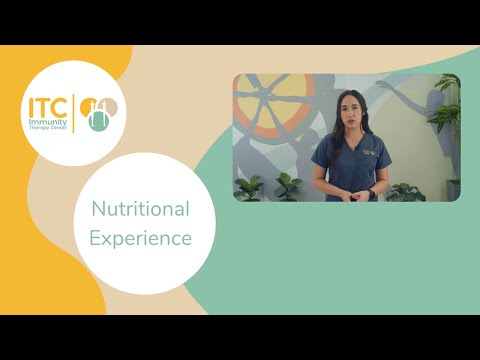
[00:23] Hi, my name is Mariana Bolaños. I'm a nutritionist here at Immunity Therapy Center. Today I'm gonna talk about the experience that the patients have upon arrival at our center.
[00:34] Patients going through cancer treatments have unique nutritional needs and issues related to eating.
[00:40] On their arrival, one of our team nutritionists proceeds to collect different information about the patient, called nutritional assessment.
[00:48] Where we observe anthropometric measurements, biochemical parameters, clinical evaluation, and dietary history.
[00:55] The meal provided upon your admission will depend on the patient's preference and based on the diet prescribed by the head doctor and nutritionist.
[01:02] Both are in constant communication monitoring each patient to ensure continuity care.
[01:08] For instance, a patient is at risk of malnutrition. That might mean we'll be providing high-calorie and protein snacks, as well as prescribed nutritional drinks or smoothies.
[01:18] For other patients with difficulty eating or swallowing, the diet may change to a mechanical soft diet, meaning the consistency will be pureed, chopped into smaller pieces, and it will require less chewing for the patient.
[01:30] Another example is a patient with ulcerative colitis. It may change to a gastrointestinal soft diet with foods that are easily digested.
[01:39] Once a meal order is placed, our kitchen staff will proceed to prepare the meal. That will meet the nutritional values needed for a regular or modified diet.
[01:48] The service we provide not only ends here.
[01:51] We also offer a weekly presentation on nutrition topics to help the patients and companions to understand the importance of a healthy diet on a daily basis.
[02:01] Our goal is that the patient can eat all the calories he or she may need in order to build up their immune system and to keep the body strong through recovery.
[02:09] However, there are times when the patient won't tolerate a full meal.
[02:14] Every day, the nutrition goal can be different. The goal is to achieve as many calories as possible in the day depending on their requirements.
[02:22] A strategy used is to fractionate the meals on smaller portions throughout the day instead of having three meals, for example.
[02:29] As a nutritionist, you pretty much see us every day. In the kitchen, hospital, and therapy rooms.
[02:35] Either the patient has an appointment with our department or they may have requested to see us. Or a nurse may call us to let us know a concern regarding something they saw in their diet.
[02:45] We believe that providing nutritious meals and educating our patients about their diet will help them to recover easier and faster.
[02:54] ITC offers breakfast, lunch, and dinner. All our meals maintain the criteria of being sugar-free, non-GMO, dairy-free, soy-free, and gluten-free.
[03:05] Why non-GMO? You might ask.
[03:07] We emphasize on organic products because of the way they were grown, handled, and processed. GMO—genetically modified organism—specifically talking about plants...
[03:18] There has been an increase in herbicide use, and a lot of the crops that have been modified to be herbicide-resistant... and in combination with other things put in herbicide, it can make humans ill.
[03:31] There are several studies linked with cancer and endocrine disruption.
[03:34] Here's a quick list of some of the top GMO products you can find on the market: Maize, soybean, canola, cotton, alfalfa, beets, papaya, squash, and apples, just to name a few.
[03:47] Here at ITC, we try our best in obtaining all our fruits, vegetables, grains, and proteins organic.
[03:54] A lot of our main providers come from kilometers away just to deliver us the best quality and freshest products in the market. You can have a look at our Instagram feed.
[04:03] Before the patient is discharged, we design a diet plan. With what each patient needs in order to help them and their families make the transition easier on what to eat once they're back home.
[04:14] Patients and family members have the opportunity to be in constant communication with our team discussing nutrition and diet-related concerns.
[04:22] We believe an adequate nutrition intake can be achieved by a healthy well-balanced diet and the correct guidance from our nutrition team.





.png)


.png)



.png)

.png)









Share this listing