


Gastric Bypass Surgery in Mexico: An 8-Hour Post-Op Perspective
Undergoing gastric bypass surgery in Mexico offers a highly effective medical solution for individuals struggling with severe obesity. Many prospective patients actively seek out information regarding the immediate aftermath of the procedure. A real-world example provides the most accurate insight into this critical early recovery phase.
Witnessing a patient comfortably eating just hours after leaving the operating room demystifies the surgical experience. This firsthand account highlights the efficiency of minimally invasive surgical methods utilized by top-tier medical facilities. Understanding these first few hours helps alleviate pre-surgical anxiety for those planning their own medical travel journey.
Video Chapters
- Understanding the Gastric Bypass Surgery Recovery Timeline
- What to Eat Immediately After Bariatric Surgery
- The Role of Dr. Nuñez and His Bariatric Team
- Choosing Affordable Gastric Bypass Procedures in Mexico
- Comparing Gastric Bypass vs Gastric Sleeve Surgery
- Managing Pain During the First 24 Hours Post-Op
- Preparation Tips for Successful Weight Loss Surgery Abroad
- Long-Term Nutritional Requirements Following Gastric Bypass
Understanding the Gastric Bypass Surgery Recovery Timeline
The immediate gastric bypass surgery recovery timeline begins the moment you wake up in the post-anesthesia care unit. Medical staff closely monitor your vital signs as the general anesthesia slowly wears off. Nurses routinely check your airway function and inspect the small laparoscopic incision sites on your abdomen.
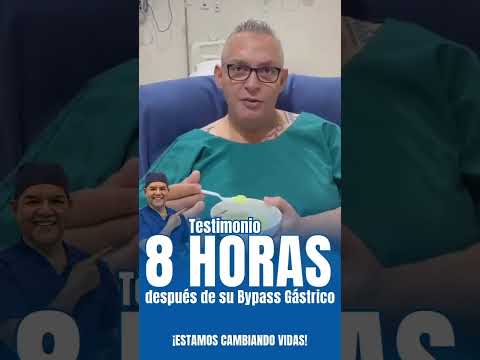
Around the two-hour mark, patients are generally transferred from the recovery room to a private hospital suite. [00:00] As shown by a patient successfully resting just eight hours post-op, sitting up and maintaining alertness happens fairly quickly. Early mobility is heavily encouraged by the nursing staff to prevent postoperative complications.
Walking is a primary focus during the first day of recovery. Taking short, guided walks down the hospital hallway stimulates blood flow and helps prevent deep vein thrombosis. Movement also forces the digestive system to wake up and begins the process of expelling surgical gas from the abdominal cavity.
By the eight-hour milestone, the medical team evaluates your readiness to swallow liquids. Because the newly created stomach pouch is incredibly tender, hydration protocols start with microscopic sips. This careful methodology ensures the surgical connections, known as anastomoses, remain fully intact and free from leaks.
Key Milestones in the First 24 Hours
- Hours 1-2: Waking up in the recovery unit, stabilization of vitals, and transfer to a private room.
- Hours 3-5: First assisted walk down the hallway to promote circulation and relieve gas pressure.
- Hours 6-8: Initial leak tests are performed, followed by the introduction of ice chips or clear liquids.
- Hours 12-24: Transitioning from IV pain medication to oral management, and increasing fluid intake goals.
What to Eat Immediately After Bariatric Surgery: The Clear Liquid Diet
Knowing exactly what to eat immediately after bariatric surgery is a frequent concern for those planning their procedure. The post-operative diet is divided into strict phases designed to protect your healing stomach pouch. Your altered digestive tract requires several weeks to adjust to its drastically reduced capacity.
The first dietary phase consists entirely of clear liquids and begins shortly after surgical clearance. [00:08] You can observe the patient successfully starting their oral route with a small portion of ice cream. Items like sugar-free popsicles, ice chips, and plain broth melt down into safe clear liquids.
During this initial stage, you must ingest fluids extremely slowly using a tiny medicine cup. Gulping or drinking too rapidly can trigger painful chest spasms, extreme nausea, or dangerous vomiting. The primary goal is maintaining baseline hydration without applying physical pressure to the internal staple lines.
| Dietary Phase | Duration | Approved Foods & Liquids |
|---|---|---|
| Phase 1: Clear Liquids | Days 1-7 | Water, clear broth, sugar-free gelatin, ice chips, sugar-free popsicles. |
| Phase 2: Full Liquids | Days 8-14 | Protein shakes, strained cream soups, sugar-free pudding, unsweetened almond milk. |
| Phase 3: Pureed Foods | Weeks 3-4 | Blended scrambled eggs, cottage cheese, Greek yogurt, pureed lean meats. |
| Phase 4: Soft Foods | Weeks 5-6 | Flaky fish, soft cooked vegetables, canned chicken, soft fruits without skin. |
Protein consumption becomes the central focus once you safely graduate to the full liquid phase. Bariatric patients are instructed to consume 60 to 80 grams of protein daily to facilitate rapid wound healing. Because stomach volume is heavily restricted, specialized liquid protein supplements are absolutely mandatory.
The Role of Dr. Nuñez and His Expert Bariatric Team
Selecting a highly qualified surgeon is the single most important decision regarding your medical tourism plans. The role of an expert bariatric team guarantees that every clinical detail is handled with absolute precision. A dedicated medical staff significantly lowers operative risks and improves overall patient comfort.
[00:04] The patient explicitly credits Dr. Nuñez and his surgical team for the flawless execution of the gastric bypass. A board-certified bariatric surgeon never works alone; they are supported by specialized anesthesiologists and surgical nurses. This deeply collaborative environment ensures continuous safety protocols are observed inside the operating theater.
Long before you enter the surgical room, the medical team administers rigorous pre-operative evaluations. They thoroughly assess cardiovascular health, pulmonary function, and blood chemistry panels. This comprehensive screening process verifies that you are a biologically safe candidate for general anesthesia and physical alteration.
During the actual procedure, the surgical team relies on advanced laparoscopic instrumentation. This sophisticated, minimally invasive technique utilizes a tiny camera and requires only microscopic abdominal incisions. Consequently, patients experience substantially less internal bleeding and face a much lower risk of post-surgical infection.
Why Thousands Choose Affordable Gastric Bypass Procedures in Mexico
Thousands of international travelers cross borders annually seeking high-quality medical interventions. Why do so many individuals specifically choose affordable gastric bypass procedures in Mexico over local hospitals? The answer is a compelling combination of world-class medical infrastructure and highly competitive transparent pricing.
The financial burden of bariatric surgery in the United States routinely exceeds twenty thousand dollars out of pocket. Insurance providers frequently impose strict criteria, extended waiting periods, or flatly deny coverage for weight loss procedures. Mexican bariatric centers directly address this barrier by offering all-inclusive surgical packages at a fraction of the domestic cost.
Benefits of Medical Tourism in Mexico
- All-Inclusive Pricing: Packages typically cover hospital fees, surgeon costs, anesthesia, hotel stays, and ground transportation.
- No Insurance Hurdles: Direct-pay models eliminate the stress of insurance denials and multi-year waiting lists.
- Advanced Facilities: Top-tier Mexican hospitals utilize the exact same laparoscopic technology found in American medical centers.
These substantial financial savings do not equate to a reduction in clinical standards or medical hygiene. Top-rated surgical centers in Mexico hold accreditations from international health organizations and feature state-of-the-art intensive care units. Patients recover in private hospital suites specifically designed to accommodate the needs of international medical tourists.
Geographic proximity adds a layer of convenience to the medical travel experience. Many elite clinics operate in border cities or coastal tourist destinations that are highly accessible via short, direct flights. This logistical advantage allows postoperative patients to return home quickly and safely after receiving their discharge papers.
Comparing Gastric Bypass vs Gastric Sleeve Surgery for Weight Loss
Patients investigating surgical weight loss options frequently find themselves comparing gastric bypass vs gastric sleeve surgery. Both medical procedures yield highly successful long-term outcomes, but they operate through entirely different anatomical mechanisms. Understanding these physiological differences allows patients to make educated decisions about their bodily health.
Gastric sleeve surgery requires the permanent surgical removal of approximately eighty percent of the stomach organ. This is classified as a purely restrictive procedure because it solely limits the physical volume of food you can ingest. The intestinal tract remains completely untouched, allowing for normal nutrient absorption.
Gastric bypass surgery, conversely, functions as both a restrictive and a malabsorptive procedure. The surgeon constructs a tiny stomach pouch and physically reroutes the small intestine to connect directly to it. This structural bypass forces food to skip a large section of the digestive tract, actively reducing calorie absorption.
| Feature | Gastric Bypass (Roux-en-Y) | Gastric Sleeve (VSG) |
|---|---|---|
| Surgical Mechanism | Restrictive and Malabsorptive | Purely Restrictive |
| Intestinal Rerouting | Yes | No |
| Impact on Acid Reflux | Often cures severe GERD | Can potentially worsen GERD |
| Expected Weight Loss | 65% to 80% of excess body weight | 60% to 70% of excess body weight |
Bypass surgery is explicitly recommended for individuals suffering from severe acid reflux or uncontrolled type 2 diabetes. The rerouting of the intestines triggers profound hormonal shifts that can push diabetes into complete remission within days. Your assigned bariatric surgeon will analyze your complete medical history to prescribe the safest surgical route.
Managing Pain and Discomfort During the First 24 Hours Post-Op
Effectively managing pain and discomfort during the first 24 hours post-op is entirely achievable through modern pharmacological protocols. Patients routinely anticipate agonizing pain, yet contemporary laparoscopic techniques dramatically minimize physical trauma to the abdominal wall. The nursing staff employs a structured, multi-modal pain management schedule to keep your body relaxed.
The most frequent physical complaint following surgery is not incision pain, but referred gas pain. Surgeons artificially inflate the abdominal cavity with carbon dioxide to create visual working space for the camera. This trapped gas exerts pressure on the diaphragm, sending aching sensations up into the chest and shoulder blades.
[00:11] Despite recent surgical trauma, the patient happily reports that their ice cream tastes delicious. This positive demeanor visually confirms that aggressive pain management strategies generate surprisingly smooth recovery experiences. Intravenous analgesics and powerful anti-nausea medications remain standard protocol throughout the initial hospital stay.
Physical mobility functions as the most effective remedy for dissipating trapped carbon dioxide. While pharmaceutical painkillers successfully mask the aching sensation, walking physically forces the body to absorb and expel the gas. Frequent, slow laps around the nursing station yield much better pain relief than staying completely sedentary in bed.
Essential Preparation Tips for Successful Weight Loss Surgery Abroad
Strategic preparation drastically improves the safety and comfort of your medical travel experience. Following essential preparation tips for successful weight loss surgery abroad ensures you arrive at the clinic physically ready. The biological preparation process actually begins several weeks prior to boarding your airplane.
The most absolute pre-operative requirement is strict adherence to the liver-shrinking diet. Patients are medically required to consume a very low-carbohydrate, high-protein liquid diet for up to three weeks before surgery. This dietary restriction depletes glycogen stores, actively shrinking the fatty liver and granting the surgeon clear visual access to the stomach.
Packing Checklist for Bariatric Travel
- Loose Clothing: Pack oversized t-shirts and sweatpants that will not apply elastic pressure to your fresh abdominal incisions.
- Slip-on Footwear: Bending over to tie shoelaces will be highly uncomfortable during the first week of recovery.
- Travel Documents: Ensure your passport is valid for at least six months and carry printed copies of your clinical health records.
- Entertainment: Bring a tablet, books, or headphones to pass the time during hotel recovery and airport layovers.
Mental preparation carries equal importance alongside physical and logistical readiness. Bariatric surgery operates strictly as a restrictive tool; achieving lifelong success requires permanent psychological adjustments to your eating habits. Securing a local bariatric dietitian before you travel ensures you have professional nutritional support waiting for you upon your return.
Long-Term Nutritional Requirements Following Gastric Bypass Surgery
Strictly managing long-term nutritional requirements following gastric bypass surgery prevents severe medical complications. Because the digestive tract is surgically shortened, your body permanently loses the ability to naturally absorb all required vitamins from food. Implementing a daily supplementation routine is an absolute medical mandate for the rest of your life.
Post-operative patients must ingest specialized bariatric multivitamins every single morning. These clinical formulations feature vastly higher concentrations of micronutrients compared to standard over-the-counter gummy vitamins. Failing to consume these specialized supplements leads directly to osteoporosis, neurological damage, and chronic cellular fatigue.
Calcium citrate supplements are necessary to defend your skeletal density during the rapid weight loss phase. Iron supplementation remains highly critical, especially for menstruating women, to aggressively combat chronic anemia. Furthermore, Vitamin B12 must be administered sublingually or through monthly injections, as the altered stomach pouch no longer produces the intrinsic factor needed for pill absorption.
Routine serological bloodwork verifies that your supplementation strategy is actually working. Bariatric physicians require comprehensive metabolic panels at three, six, and twelve months post-op. Following the first year, annual blood tests accurately monitor your nutrient baseline and catch minor deficiencies before they cause systemic health issues.
Ready to Start Your Weight Loss Journey?
Connect with top-rated, board-certified bariatric surgeons in Mexico. Request a comprehensive evaluation and find out how affordable safe weight loss surgery can be.
Get Free QuoteView Full Video Transcript
[00:00] Hola, llevo 8 horas de cirugía,
[00:04] el doctor Núñez y su equipo me hicieron un bypass gástrico
[00:08] y ya estoy empezando la vía oral con este rico helado.
[00:11] Y me sabe delicioso. Gracias y buenas tardes a todos.





.jpg)

.jpg)

.jpg)








Share this listing