


Incredible Results of Gastric Bypass Surgery in Mexico: 70.8 Kilos Lost
Achieving long-term weight loss can feel like an impossible hurdle for many individuals facing severe obesity and related metabolic conditions. However, pursuing gastric bypass surgery in Mexico has become a highly effective and accessible solution for international patients seeking a healthier future. By combining world-class medical expertise with affordable healthcare packages, patients are experiencing life-altering transformations that go far beyond the numbers on a scale.
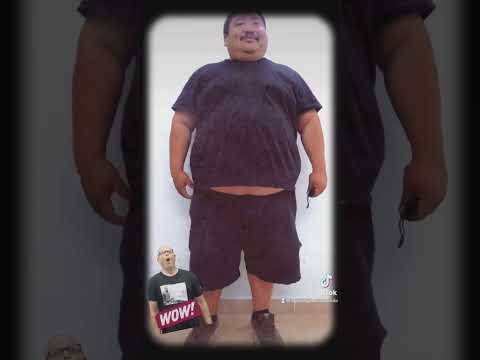
In the medical community, the results of these procedures speak volumes about their efficacy. As highlighted early in the patient documentation at [00:00], a 15-month postoperative timeline reveals a staggering reality of what modern bariatric interventions can accomplish. The visual and physical evidence of losing 70.8 kilograms demonstrates the profound impact of combining surgical excellence with dedicated lifestyle changes.
This comprehensive guide explores the specific mechanisms behind these massive weight loss achievements and why thousands of patients travel internationally for these treatments each year. We will examine the physiological changes, the expected recovery timelines, and the vital steps required to maintain such incredible health improvements over a lifetime.
Video Chapters & Quick Navigation
- Understanding Gastric Bypass Mechanics
- Analyzing the 15-Month Weight Loss Timeline
- Physical and Metabolic Benefits of Bariatrics
- Choosing Top-Rated Bariatric Surgeons in Mexico
- Pre-Op and Post-Op Care for Sustained Results
- Gastric Sleeve Versus Gastric Bypass Surgery
- What to Expect During the First Year Post-Op
- Navigating Safe Medical Tourism for Weight Loss
Understanding the Transformative Power of Gastric Bypass Surgery
The Roux-en-Y gastric bypass remains the gold standard in the field of bariatric medicine due to its dual-action approach to weight loss. During this highly advanced procedure, surgeons create a small pouch at the top of the stomach to restrict the volume of food a patient can consume. This physical restriction is a primary driver for the initial, rapid weight loss phase.
Beyond simple restriction, the surgery also involves rerouting a portion of the small intestine directly to this new, smaller stomach pouch. This vital anatomical change creates a malabsorptive effect, meaning the body absorbs fewer calories and nutrients from the food eaten. The combination of eating less and absorbing fewer calories creates a powerful mechanism for massive weight reduction.
These physiological alterations also prompt significant hormonal shifts within the gastrointestinal tract. Patients frequently report a drastic decrease in hunger hormones, specifically ghrelin, making it much easier to adhere to new, healthier dietary habits. These biological changes are essential for patients aiming to conquer severe obesity permanently.
Many uninsured or underinsured patients face prohibitive costs domestically, leading them to research affordable gastric bypass surgery packages abroad. International clinics often provide the exact same surgical technology and techniques used in the United States or Canada, but at a fraction of the total expense. This accessibility empowers individuals to reclaim their health without facing crippling financial debt.
Analyzing the 15-Month Bariatric Surgery Weight Loss Timeline
Tracking patient progress over a 15-month timeline provides crucial insights into the expected weight loss after bariatric surgery. While individual results always vary based on starting weight and adherence to lifestyle changes, the trajectory generally follows a predictable curve. The most rapid fat loss typically occurs within the first three to six months following the operation.
| Post-Op Timeline | Expected Excess Weight Loss (%) | Key Patient Milestones |
|---|---|---|
| Months 1 to 3 | 20% - 30% | Rapid initial loss, transition from liquid to solid foods. |
| Months 4 to 6 | 40% - 50% | Noticeable physical transformation, increased daily energy levels. |
| Months 7 to 12 | 60% - 70% | Remission of metabolic diseases, stabilization of eating habits. |
| Months 13 to 15 | 75% - 85%+ | Approaching goal weight, focus on long-term maintenance. |
When patients assess their progress, they often ask themselves if the visual differences align with the numbers on the scale. This exact sentiment is captured brilliantly at [00:04], where the physician prompts a visual confirmation of the results. Dramatic changes in facial structure, waist circumference, and overall mobility become undeniable by this stage.
The culmination of this rigorous 15-month journey is often a staggering numerical achievement. As proudly stated at [00:07], a total loss of 70.8 kilos completely redefines a patient's physical existence. This massive shedding of excess weight removes severe mechanical stress from weight-bearing joints and the cardiovascular system.
The Physical and Metabolic Benefits of Bariatric Procedures Abroad
The aesthetic improvements resulting from substantial weight loss are evident, but the internal metabolic benefits are truly lifesaving. Patients struggling with severe obesity almost universally suffer from comorbid conditions like type 2 diabetes, essential hypertension, and severe obstructive sleep apnea. The metabolic benefits of restrictive weight loss procedures actively reverse these life-threatening ailments.
Within days of undergoing a Roux-en-Y gastric bypass, many patients experience a drastic improvement in their blood glucose levels. The rerouting of the intestines alters gut hormones, specifically increasing the production of GLP-1, which naturally boosts insulin production. Consequently, numerous patients leave the hospital no longer requiring their daily diabetic medications.
Cardiovascular health undergoes a similarly profound rehabilitation as the excess weight begins to melt away. The massive reduction of 70.8 kilos drastically lowers systemic blood pressure and removes dangerous lipid deposits from the bloodstream. The heart no longer has to pump against the massive resistance previously caused by extensive adipose tissue.
Joint preservation is another critical but frequently overlooked medical benefit. Every single kilo of excess weight places exponentially higher pressure on the knees, hips, and lower back during daily movement. Shedding over 150 pounds grants patients newfound mobility, allowing them to engage in cardiovascular exercises that were previously impossible.
Why International Patients Choose Affordable Clinics in Merida Mexico
Geographic proximity and exceptional healthcare standards have established Mexico as a premier global hub for bariatric interventions. Cities known for medical excellence offer state-of-the-art hospitals equipped with the latest laparoscopic technologies. International patients consistently seek out top-rated bariatric surgeons in Merida Mexico due to their extensive specialized training and high success rates.
The cost disparity between North American healthcare systems and Mexican specialized clinics is the primary catalyst for medical travel. Patients can secure comprehensive surgical packages that include hospital stays, pre-operative testing, nutritional counseling, and ground transportation for a fraction of US prices. This all-inclusive approach removes the stress of hidden medical billing surprises.
Language barriers are virtually nonexistent in these high-tier medical tourism facilities. The surgical teams, nursing staff, and patient coordinators are highly fluent in English, ensuring that medical instructions and emotional support are clearly communicated. This high level of bilingual patient care significantly reduces anxiety for travelers undergoing major operations abroad.
Furthermore, the recovery environment plays a substantial role in the overall patient experience. Recovering in a serene, climate-controlled destination allows patients to focus entirely on healing and adapting to their new dietary guidelines. The dedicated recovery houses associated with these clinics offer 24/7 nursing oversight during the most critical post-operative days.
Comprehensive Pre-Op and Post-Op Care for Sustained Weight Loss
Surgical intervention is only one component of a successful bariatric journey; meticulous preparation and dedicated aftercare dictate long-term success. Patients are required to undergo a strict pre-operative liver shrinking diet weeks before arriving at the clinic. This diet reduces visceral fat surrounding the liver, making the laparoscopic procedure safer and faster for the surgical team.
Mastering the Post-Operative Nutritional Phases
Following the surgery, the gastrointestinal tract requires weeks of careful rehabilitation to heal the internal staple lines. The post-operative diet for gastric bypass patients begins with clear liquids, slowly transitioning to thicker liquids and protein shakes. Consuming adequate protein during this phase is vital to preserve lean muscle mass while the body aggressively burns fat stores.
As patients progress into weeks three and four, puréed and soft foods are carefully reintroduced to the smaller stomach pouch. Patients must learn to chew their food extensively and eat mindfully to prevent discomfort or dangerous blockages. Drinking water must also be separated from meal times to avoid flushing food too quickly into the intestines.
The malabsorptive nature of the Roux-en-Y procedure mandates a lifelong commitment to specialized nutritional supplementation. Patients must consume high-quality bariatric multivitamins, calcium citrate, iron, and B12 sublinguals daily to prevent severe nutritional deficiencies. Routine blood panels are essential every few months during the first year to monitor these critical vitamin levels.
Psychological support is equally paramount during these rapid bodily changes. Food addiction and emotional eating habits do not magically disappear after the anatomy is altered surgically. Engaging with bariatric dietitians and virtual support groups helps patients navigate the complex mental transitions associated with massive physical transformations.
Comparing Gastric Bypass with Gastric Sleeve Surgery Options
Patients researching bariatric solutions inevitably face the decision of choosing the correct procedural methodology for their specific health needs. The gastric sleeve versus gastric bypass surgery comparison is the most common discussion held during initial medical consultations. Both procedures offer incredible results, but their mechanisms and side effect profiles differ significantly.
- Anatomical Changes: The sleeve involves removing 80% of the stomach, whereas the bypass creates a small pouch and reroutes the small intestine entirely.
- Weight Loss Potential: Bypass patients generally experience slightly faster and more substantial total weight loss compared to sleeve patients due to the added malabsorption factor.
- Acid Reflux Management: The gastric bypass is an excellent cure for severe GERD, while the gastric sleeve can sometimes induce or worsen acid reflux symptoms.
- Surgical Complexity: The sleeve is a shorter, less complex operation with a lower risk of long-term vitamin deficiencies compared to the bypass.
The choice heavily relies on a patient's existing medical history, specifically regarding metabolic diseases like uncontrolled diabetes. Surgeons typically recommend the Roux-en-Y bypass for patients with severe diabetes or long-standing acid reflux issues. The intensive hormonal reset provided by the bypass offers superior metabolic control in these specific medical scenarios.
Conversely, the gastric sleeve is often preferred for patients who require ongoing NSAID pain medications or those who want to avoid strict malabsorptive vitamin regimens. Regardless of the choice, the commitment to lifelong dietary changes remains the ultimate determining factor for success. Consulting thoroughly with a board-certified international surgeon ensures the correct pathway is chosen.
What to Expect During the First Year After Major Bariatric Interventions
The first twelve to fifteen months post-surgery represent a whirlwind of physical, emotional, and social adjustments. As the weight drops rapidly, patients may experience temporary side effects such as telogen effluvium, commonly known as post-bariatric hair loss. This is a natural physiological response to surgical trauma and rapid weight reduction, which typically resolves itself once weight stabilizes.
Bypass patients must also be acutely aware of a condition called dumping syndrome, which serves as a strict dietary deterrent. Consuming foods high in refined sugars or simple carbohydrates causes the stomach pouch to empty rapidly into the intestine, leading to nausea, cold sweats, and severe cramping. This physical reaction forcibly trains patients to avoid the unhealthy foods that contributed to their initial obesity.
As patients approach the massive milestone of losing 70.8 kilos, the reality of excess dermal tissue becomes apparent. Managing loose skin after massive weight loss is a common secondary phase of the bariatric journey. Many successful patients eventually seek body contouring or skin excision surgeries to finalize their physical transformations and relieve skin-fold discomfort.
Social dynamics and personal relationships often shift as patients regain their confidence and mobility. Increased energy levels allow for active participation in social events, family outings, and rigorous physical hobbies previously avoided. This newfound vitality is the true reward of enduring the difficult initial months of post-operative recovery.
Navigating Medical Tourism for Safe and Effective Weight Loss Surgeries
Organizing a major surgical procedure in a foreign country requires careful logistical planning and thorough vetting of medical providers. Ensuring safe medical tourism for weight loss surgery begins with verifying the credentials of both the surgeon and the host hospital. Prospective patients should look for facilities boasting Joint Commission International (JCI) accreditation to guarantee strict safety standards.
Coordinating international flights, airport transfers, and specialized post-op hotel accommodations can be overwhelming for individuals already facing health anxiety. Partnering with established medical tourism agencies eliminates this logistical burden. These specialized facilitators handle all itinerary details, allowing the patient to focus strictly on their medical clearance and physical preparation.
Pre-surgical consultations are now highly streamlined through secure telemedicine platforms. Patients can share their local blood work, EKG results, and medical history with the international surgical team long before boarding an airplane. This guarantees that the patient is physically cleared for anesthesia and that no unexpected complications will prevent the surgery upon arrival.
Ultimately, traveling for bariatric care is an investment in a longer, more vibrant life. By selecting reputable providers and adhering strictly to post-operative protocols, international patients can safely achieve monumental transformations. The journey to losing over 70 kilos begins with a single, courageous decision to seek highly effective medical help abroad.
Ready to Start Your Own Weight Loss Journey?
Take the first step toward a healthier, more active life. Connect with board-certified bariatric specialists to explore safe, affordable gastric bypass packages tailored to your unique medical needs.
Get Free QuoteView Full Video Transcript & Translation
[00:00] Hace 15 meses le hicimos un bypass gástrico.
(15 months ago we did a gastric bypass on him.)
[00:04] ¿Se notan los resultados?
(Are the results noticeable?)
[00:07] Ha perdido 70.8 kilos.
(He has lost 70.8 kilos.)







.jpg)

.jpg)








Share this listing